
Szechuan Restaurant Chin Nagoya places Sichuan cooking inside Nagoya’s station-tower dining culture rather than the backstreet specialist model. Its Tabelog Chinese EAST “Tabelog 100” selections in 2021, 2023, 2024, and 2026 put it in a documented peer group for regional Chinese cooking, with tantan-men, private-room dining, and city-view formality shaping the decision.
Pearl is the En Primeur Club membership app — saves, bookings, and concierge access live there. Same editors, same standards.
- Address
- Japan, 〒450-6012 Aichi, Nagoya, Nakamura Ward, Meieki, 1 Chome−1−4 タワーズプラザ 12F
- Phone
- +81 52-566-5501
- Website
- sisen.jp
 Saves & bookings on Pearl
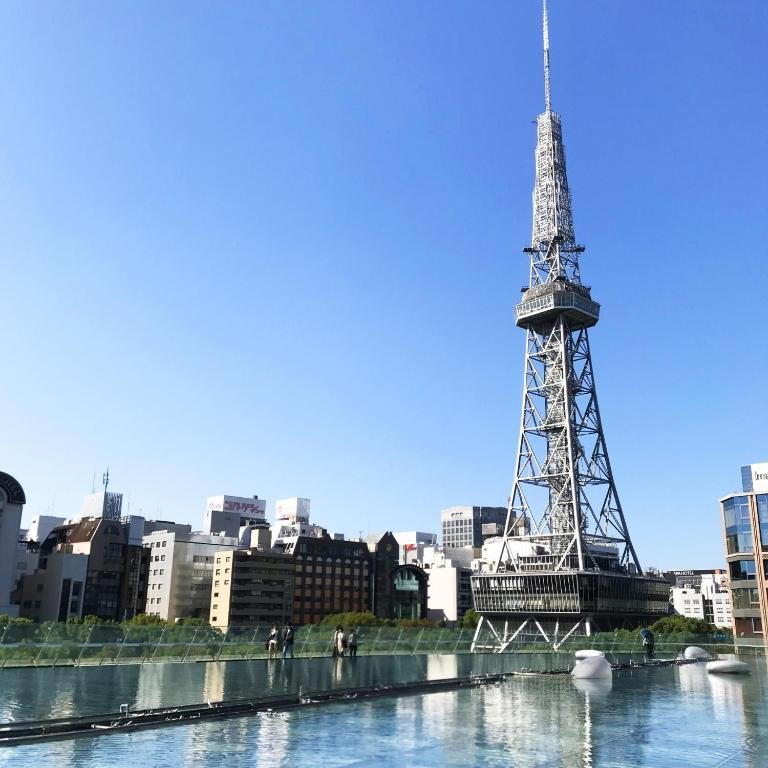
The approach begins vertically: escalators, restaurant floors, glass, and the hush of a station complex after the commuter rush. Nagoya’s central towers turn dining into a compressed urban system, with lunch, family meals, business dinners, and travel-day eating sharing the same lift banks. Here, Sichuan cuisine reads differently: heat and oil are not back-alley theatre, but folded into a polished room with counter seats, private rooms, and a city view.
That contrast is the point. Nagoya’s station area is engineered for efficiency, while its upper-floor restaurants carry a different environmental logic from destination dining dependent on taxis and detours. A meal above the rail hub reduces friction for travellers and locals already moving through Meieki. Sustainability here is not a claim about farm sourcing or waste audits; it is practical urban dining, where transport, shared infrastructure, and high-capacity restaurant floors make appetite less car-dependent.
Sichuan cooking inside Nagoya's station-dining machine
Sichuan restaurants in Japan often split between casual noodle-and-spice specialists built for speed, and formal Chinese dining rooms where heat sits alongside banqueting, wine, and private-room service. Szechuan Restaurant Chin Nagoya belongs to the second camp. Its category markers, Sichuan, Chinese, and tantan-men, make the kitchen’s identity clear without a long tasting-menu script.
The useful comparison is not a tiny counter where scarcity creates status, but the station-tower dining ecosystem around Nagoya, where price, access, and occasion sort venues into distinct roles. Echire Patisserie au Beurre Jeiāru nagoya takashimaya ten and Le Supreme Jeiāru nagoya takashimaya ten serve the quick retail end of the same vertical city; Michel Belin JR nagoya takashimaya and Kurimukinton Suya Jeiāru nagoya takashimaya occupy the gift-and-dessert lane; Taka Fuku Nagoya JR sentoraru tawāzu ten moves into a higher spend bracket. Against that field, this Sichuan room is a seated Chinese meal with range: tactical lunch, or dinner with the weight of a group occasion.
The award signal matters because regional Chinese cooking in Japan can be hard to read from abroad. The restaurant has been selected for Tabelog Chinese EAST “Tabelog 100” in 2021, 2023, 2024, and 2026, and holds a 3.68 Tabelog score. These are not Michelin stars and should not be treated as such, but they place the restaurant inside a recognized Japanese evaluation system for Chinese cuisine. For travellers comparing Nagoya options, repeated selection is more useful than generic praise.
Why the room suits groups without losing the spice brief
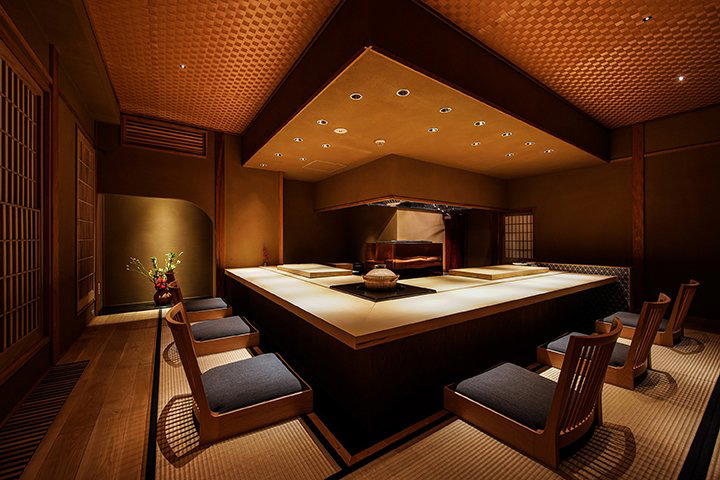
Format explains much of the appeal. A 73-seat room, including six counter seats, gives the restaurant a broader rhythm than the small specialist counters that dominate many premium food itineraries in Japan. Private rooms for 8 people and for 10 to 20 people make it usable for family gatherings, visiting teams, and business meals, while private use is available for groups over 50. This is not a hushed, chef-facing performance; it is a city restaurant built to absorb different dining purposes without losing a defined Sichuan identity.
The drinks list also places it in the Japanese-Chinese dining tradition rather than a narrow noodle-shop category. Sake, shochu, wine, and cocktails are available, useful because chilli heat, fermented flavours, and oil-rich preparations ask different things from a table. The key is flexibility: the room can handle the guest who wants tantan-men at lunch and the table wanting a longer dinner with drinks, private space, and a night view.
Environmental consciousness in restaurants is often reduced to ingredient labels, but urban form matters. Station-linked dining concentrates demand where public transport already exists, and supports kitchens serving multiple dayparts rather than one narrow seating. The restaurant’s weekday lunch and dinner rhythm, weekend lunch extension, and late-evening service fit that model. For Nagoya, a manufacturing city with a serious rail spine, this dining is part of how the city feeds people already in motion.
There is also a cultural reason Sichuan works here. Japanese interpretations of Chinese regional cooking often prize clarity, consistency, and calibrated heat over rustic volume. In a tower restaurant, that discipline is almost required: the food must satisfy spice-seekers without turning the room into a niche club, and make sense for children, older relatives, colleagues, and travellers with luggage. Children are welcome, the space is non-smoking, wheelchair access is listed, and occasion notes point toward family and friends. These details define the restaurant’s real competitive use.
How to place it on a Nagoya itinerary
For a traveller building a Nagoya food schedule, this is a practical counterweight to two traps: chasing only tiny destination counters, or treating station dining as compromise. Szechuan Restaurant Chin Nagoya is for the day when the itinerary runs through Meieki and the meal still needs culinary identity, table comfort, and a documented quality signal. It is especially coherent before or after rail travel, or when a group needs Chinese cooking with enough structure for a proper dinner.
Readers mapping the city more broadly should place it alongside Our full Nagoya restaurants guide, then widen the planning lens with Our full Nagoya hotels guide, Our full Nagoya bars guide, Our full Nagoya wineries guide, and Our full Nagoya experiences guide. For nearby restaurant browsing within the same city index, compare entries such as 1022, 451, Aaron, Alan., and All Day Dining Montmartre. For a wider Japan and overseas comparison set, see -Grilled beef Sukiyaki- KAMAKURA TANUKIAN 鎌倉 たぬき庵 in Kamakura. 鮪と炭火焼き うお炭 秋葉原店 in Tokyo.cafe in Osaka.know in Kumamoto, (Shoku) Vietnam in Kawasaki, [Curry Senmon Ten] Maruyama Kyoju. in Sapporo, Jōdo Saké Bar in Los Angeles, and Onigiri Time in Pasadena.
The editorial call is clear: choose it when the station location is an advantage, not a fallback, and when Sichuan flavour needs a comfortable, group-capable dining room. The repeated Tabelog 100 recognition gives substance; the setting gives utility. In Nagoya, that combination carries more weight than another romantic address reached by taxi across town.
Peers Worth Knowing
Side-by-side context: comparable cuisine and price.
| Venue | Cuisine | Price | Notes |
|---|---|---|---|
| Szechuan Restaurant Chin Nagoya | Modern Sichuan Chinese with city views | $$$ | Nakamura |
| Koran | Seasonal Chinese Counter Dining | $$$ | Naka |
| Chuka Kappo Warajin | Chinese kappo with Japanese sensibility | $$$ | Nakamura |
| Kofukusai Kamekichi | Sichuan Chinese | $$$ | Higashi |
| 451 | Stylish Sichuan Chinese with Natural Wines | $$$ | Nakamura |
| Chinese Ryori Ryujo | Modern Cantonese Chinese in a luxury Nagoya hotel | $$$ | Naka |
Recognition history
Dated appearances from independent guides and award organizations, with the underlying list record or original source where available.
Tabelog 100 #55 · No. 55
Tabelog · Tabelog 100 - Chinese cuisine - EAST - 2026
Continue exploring
More in Nagoya
Restaurants in Nagoya
Browse all →
At a Glance
- Elegant
- Modern
- Scenic
- Sophisticated
- Business Dinner
- Group Dining
- Special Occasion
- Celebration
- Date Night
- After Work
- Panoramic View
- Private Dining
- Hotel Restaurant
- Skyline
Current opening hours
- Monday
- 11 AM–3 PM, 5:30–11 PM
- Tuesday
- 11 AM–3 PM, 5:30–11 PM
- Wednesday
- 11 AM–3 PM, 5:30–11 PM
- Thursday
- 11 AM–3 PM, 5:30–11 PM
- Friday
- 11 AM–3 PM, 5:30–11 PM
- Saturday
- 11 AM–3:30 PM, 5:30–11 PM
- Sunday
- 11 AM–3:30 PM, 5:30–11 PM
Hours can change for holidays and private events. Last verified .
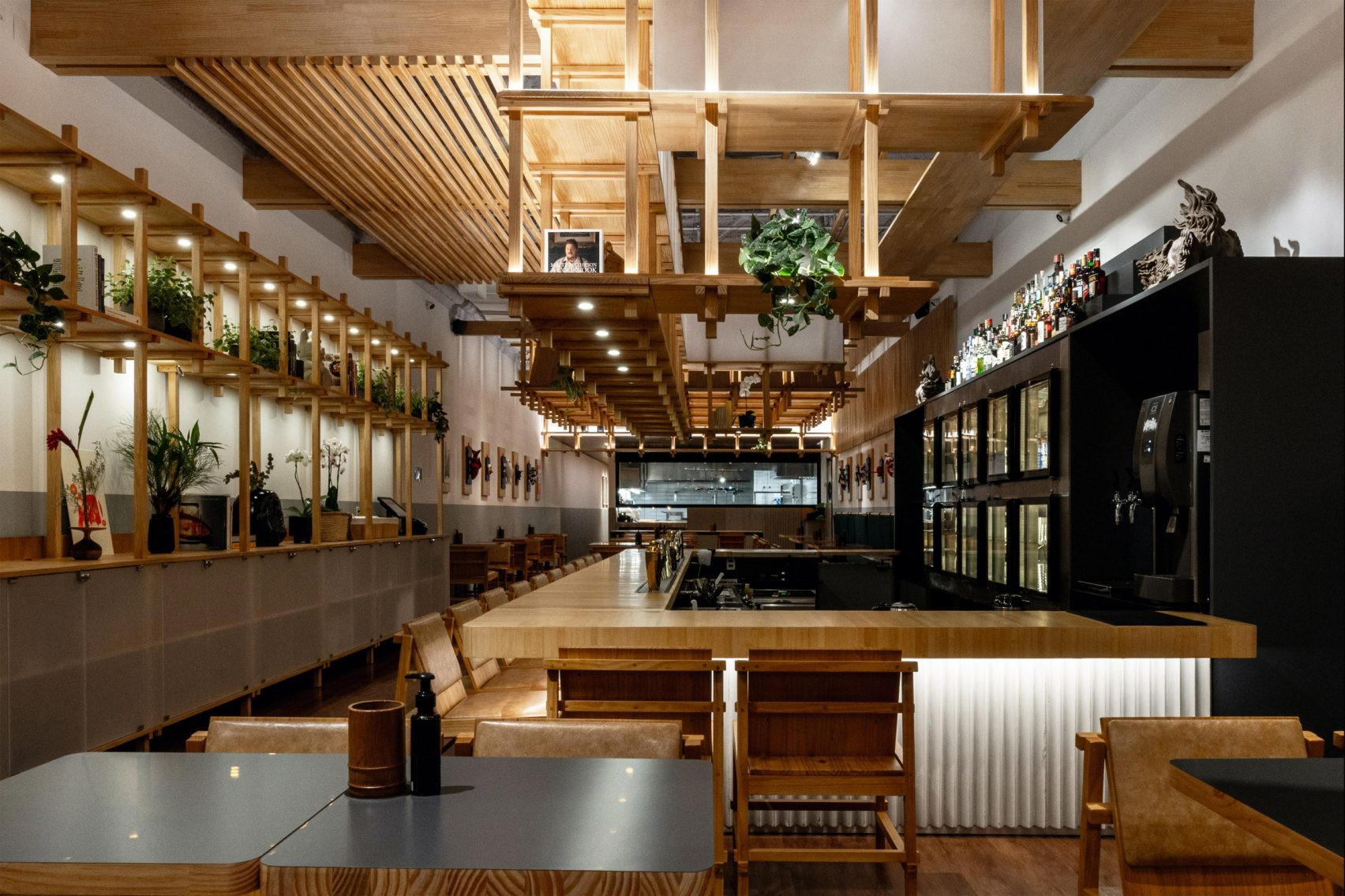
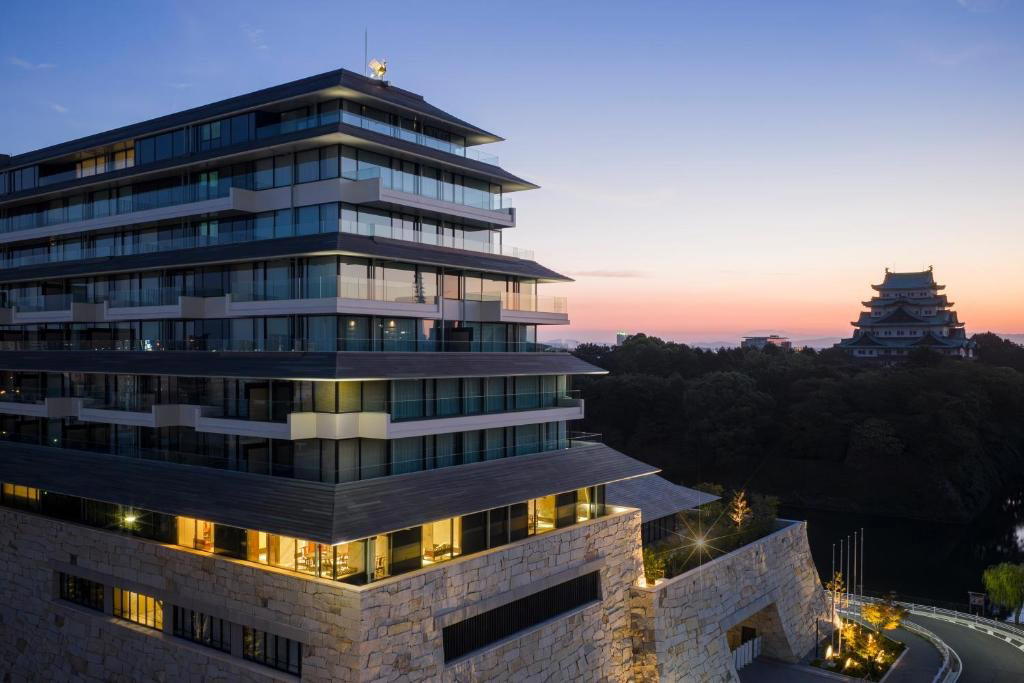
Refined, calm dining room with an elegant hotel-restaurant feel, large windows and city views, suited to relaxed business or celebratory meals rather than a noisy casual spot.