
China Hime Hana brings Nagoya’s neighborhood Chinese dining into sharper focus: a compact Showa Ward room, counter seating, tantan-men in the category mix, and wine treated as part of the meal rather than an afterthought. Its 2026 Tabelog 100 selection for Chinese cuisine in EAST places it in a selective regional conversation without pushing the experience into formal ceremony.
Pearl is the En Primeur Club membership app — saves, bookings, and concierge access live there. Same editors, same standards.
- Address
- 3 Chome-10-2 Hirojitori, Showa Ward, Nagoya, Aichi 466-0854, Japan
- Phone
- +81 52-852-5812
- Website
- facebook.com
 Saves & bookings on Pearl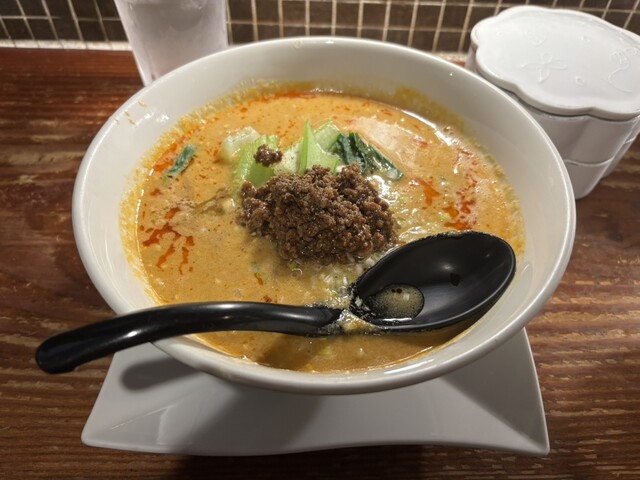
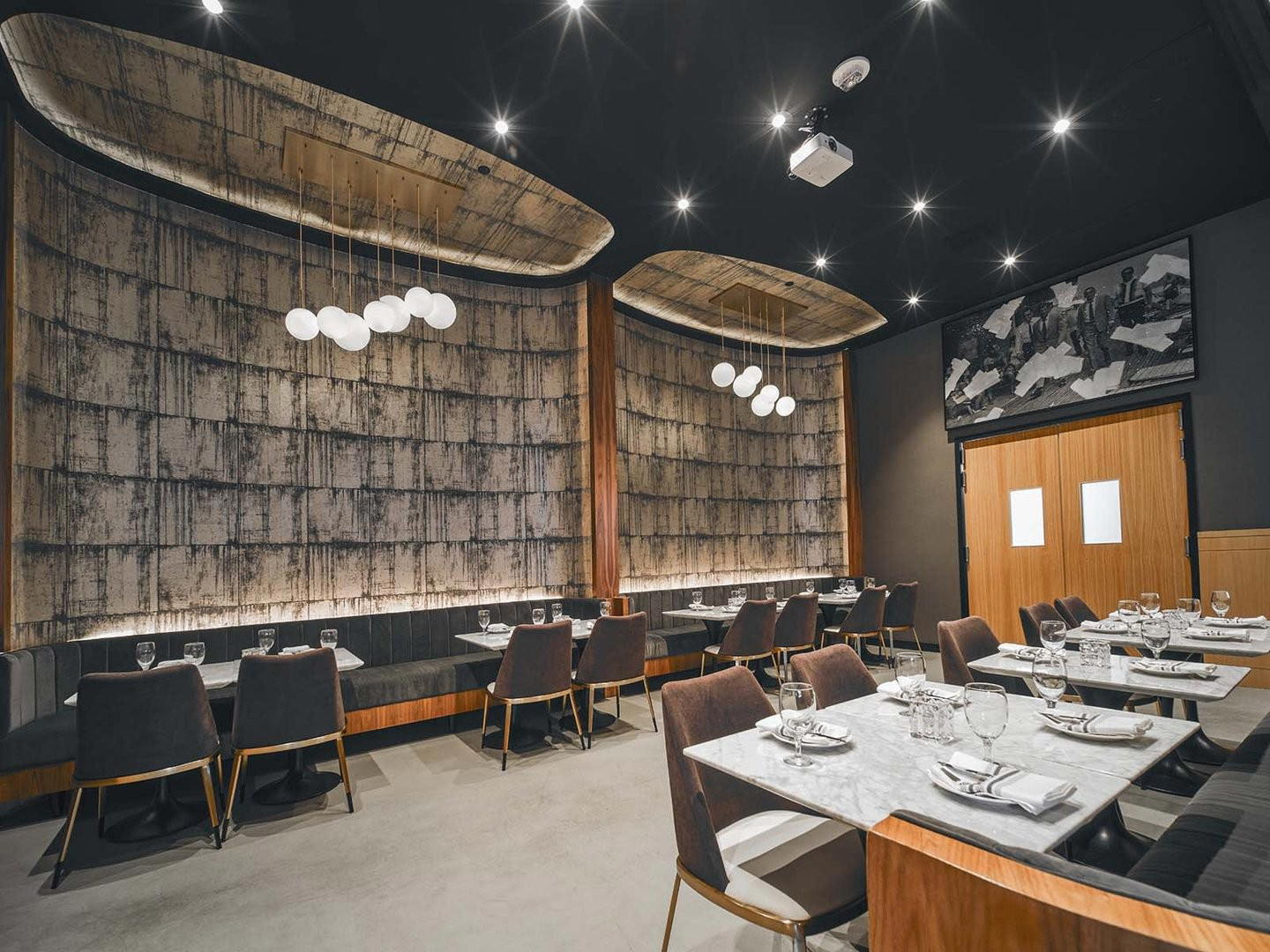
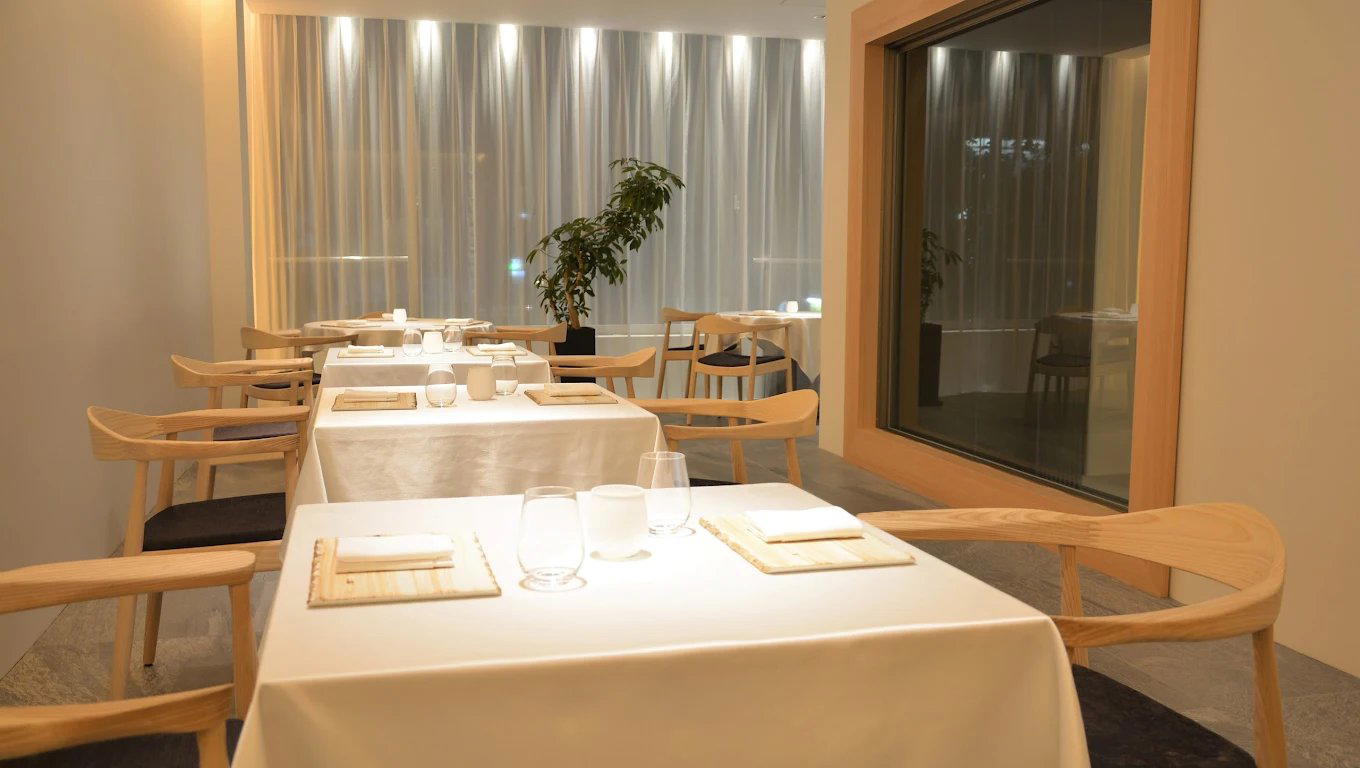
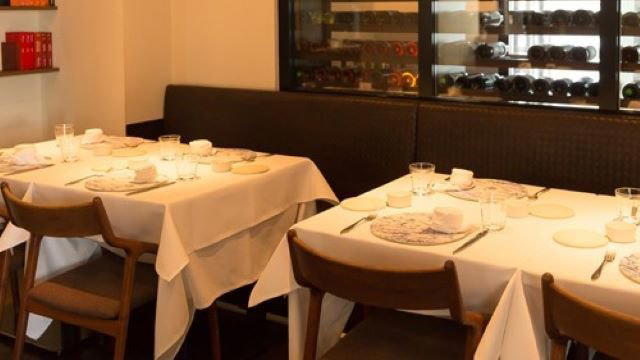
First impression: scale. Not grand hotel-Chinese banquets, polished rooms, and rotating tables, but a tighter Nagoya address where the meal reads through proximity. Counter seating changes the register. Chinese cooking in Japan can be theatrical at the luxury end and brisk at the noodle-shop end; here it sits between those poles, with the sensory cues of a small kitchen, short room, and format that makes heat, timing, and table rhythm easy to read.
Nagoya is often framed by miso-katsu, hitsumabushi, kishimen, and Taiwan ramen, but its stronger dining map is broader than those headline comfort foods. Its better small restaurants tend to be practical before performative: compact footprints, clear specialisms, and pricing that lets regulars return. China Hime Hana fits that pattern. Its category is Chinese and tantan-men, framing it less as a banquet house than a focused everyday Chinese table with a noodle accent.
A small-room version of Japanese Chinese cooking
Japanese Chinese dining is not one tradition. One direction runs toward chuka comfort: ramen, gyoza, fried rice, mapo tofu, set lunches, quick pacing. Another moves toward course-led Chinese kitchens shaped by hotel dining, Cantonese technique, Sichuan seasoning, and Japanese product discipline. The interesting middle tier keeps the cooking approachable while the room carries stronger editorial signals: controlled seating, non-smoking policy, wine attention, and enough consistency for national-platform recognition.
China Hime Hana’s 2026 selection for Tabelog 100 Chinese cuisine EAST is the main trust signal. That does not make it a luxury temple, and should not be read as one. It does place the address in a curated regional group for Chinese cooking, useful in a city where visitors often default to Nagoya-meshi instead of Chinese restaurants with local followings. The Tabelog score of 3.65 also signals a venue beyond casual discovery, in a more established recommendation tier.
The tantan-men tag is revealing. In Japan, tantan-men is rarely just a Sichuan import; it often becomes a local study in sesame density, chili warmth, minced meat, vinegar lift, broth weight, and noodle texture. Without over-reading one category label, it gives the meal an anchor: Chinese cooking filtered through Japan’s precision with noodles and lunch formats. That places the restaurant closer to the city’s small specialist culture than destination dining built around long-form tasting menus.
Why wine matters in a room this compact
The phrase “particular about wine” is more than a beverage note here. Small Chinese restaurants in Japan often default to beer, tea, highballs, or紹興酒, while wine-led pairing is more common in higher-priced contemporary Chinese rooms. Wine interest in a compact Nagoya restaurant suggests tables designed for lingering, not turnover alone. It also changes how to read the food: spice, oil, vinegar, fermented bean notes, and sesame richness become part of a broader drinking equation.
That makes the room’s scale important. With 20 seats and counter seating, the experience is unlikely to feel anonymous. Small capacity usually sharpens the lunch-dinner split: lunch can serve the city’s practical appetite, while dinner leaves more room for shared plates, drinks, and conversation. Many diners mark the restaurant as suitable for friends, matching the format. This is not the obvious choice for a ceremonious business banquet or hushed anniversary; it suits a focused, adult meal where the table orders with intent.
Within Nagoya’s restaurant spread, that positioning helps. High-spend sushi such as Hama Gen occupies a separate price and ritual category, while ramen counters such as Ramen Kanade and Ramen Suiren speak to the city’s low-cost noodle appetite. Patsu Curry sits in another everyday lane. China Hime Hana works in the middle: more deliberate than a quick bowl, less formal than the city’s premium counters, and more specific than a generic neighborhood Chinese stop.
How to place it on a Nagoya itinerary
For travelers, the point is not replacing Nagoya’s regional staples; it is adding another reading of the city. A meal here makes sense after the obligatory local canon, especially for diners attentive to how Chinese cooking mutates across Japanese cities. Tokyo and Osaka dominate foreign conversation around Japanese Chinese food, but Nagoya has quieter strength in small rooms serving regulars first and visitors second.
Use this address as a contrast meal. Pair lunch or dinner here with the city’s more famous local dishes on adjacent days, and the differences become instructive: miso intensity versus chili and sesame warmth, eel ritual versus counter-level Chinese pacing, local food identity versus imported technique adapted over decades. That contrast is where Nagoya becomes more interesting than a checklist of specialties.
Readers mapping a wider trip can use Our full Nagoya restaurants guide for the city’s dining spread, then cross-reference Our full Nagoya hotels guide, Our full Nagoya bars guide, Our full Nagoya wineries guide, and Our full Nagoya experiences guide for the rest of the itinerary. Nearby comparative reading within Nagoya includes 1022, 451, Aaron, Alan., and All Day Dining Montmartre. For a broader Japan-and-beyond scan, compare formats with -Grilled beef Sukiyaki- KAMAKURA TANUKIAN 鎌倉 たぬき庵 in Kamakura. 鮪と炭火焼き うお炭 秋葉原店 in Tokyo.cafe in Osaka.know in Kumamoto, (Shoku) Vietnam in Kawasaki, [Curry Senmon Ten] Maruyama Kyoju. in Sapporo, Jōdo Saké Bar in Los Angeles, and Onigiri Time in Pasadena.
The editorial read is clear: a small-format Nagoya Chinese restaurant with enough recognition to justify attention, whose value lies in category clarity rather than spectacle. Go for how it expands the city’s dining story beyond local staples, and for a room where Chinese cooking, noodles, wine, and neighborhood scale meet without turning dinner into theatre.
Cost and Credentials
Comparable venues to place this listing in its category.
| Venue | Cuisine | Price | Notes |
|---|---|---|---|
| China Hime HanaThis venue — the venue you are viewing | Shōwa, Chinese restaurant | $ | Not listed |
| China Sichuan Kinsui En | Kita, Authentic Sichuan Chinese | $$ | Not listed |
| Imaike Hanten | Not listed | $ | Chikusa, Casual Chinese fried rice specialist |
| Tatsumi | Naka, Gyoza-focused Chinese Izakaya | $ | Not listed |
| Yaba Misen | Not listed | $$ | Naka, Spicy Taiwan Ramen & Taiwanese-Chinese |
| Kato Coffee Ten | Not listed | $ | Higashi, Nagoya kissaten-style coffee & light café fare |
Recognition history
Dated appearances from independent guides and award organizations, with the underlying list record or original source where available.
Tabelog 100 #80 · No. 80
Tabelog · Tabelog 100 - Chinese cuisine - EAST - 2026
Continue exploring
More in Nagoya
Restaurants in Nagoya
Browse all →

At a Glance
- Standalone
Current opening hours
- Monday
- 11:30 AM–1:30 PM, 5:30–9 PM
- Tuesday
- 11:30 AM–1:30 PM, 5:30–9 PM
- Wednesday
- 11:30 AM–1:30 PM, 5:30–9 PM
- Thursday
- Closed
- Friday
- 5:30–9 PM
- Saturday
- 11:30 AM–1:30 PM, 5:30–9 PM
- Sunday
- 11:30 AM–1:30 PM, 5:30–9 PM
Hours can change for holidays and private events. Last verified .