

A hotel restaurant in Old Québec with a direct line to a biodynamic farm a few kilometres away, Coteau builds its menu around roughly 30 harvested fruits, vegetables, herbs, and wild plants, supplemented by a wine list of more than 700 labels. It sits close to the Petit Champlain neighbourhood, the St Lawrence River, and the Musée de la Civilisation, making it a natural stop on any considered itinerary through the old city.
Pearl is the En Primeur Club membership app — saves, bookings, and concierge access live there. Same editors, same standards.
- Address
- 10 rue Saint-Antoine
- Phone
- +1 418-692-1022
- Website
- restaurantcoteau.com
 Saves & bookings on Pearl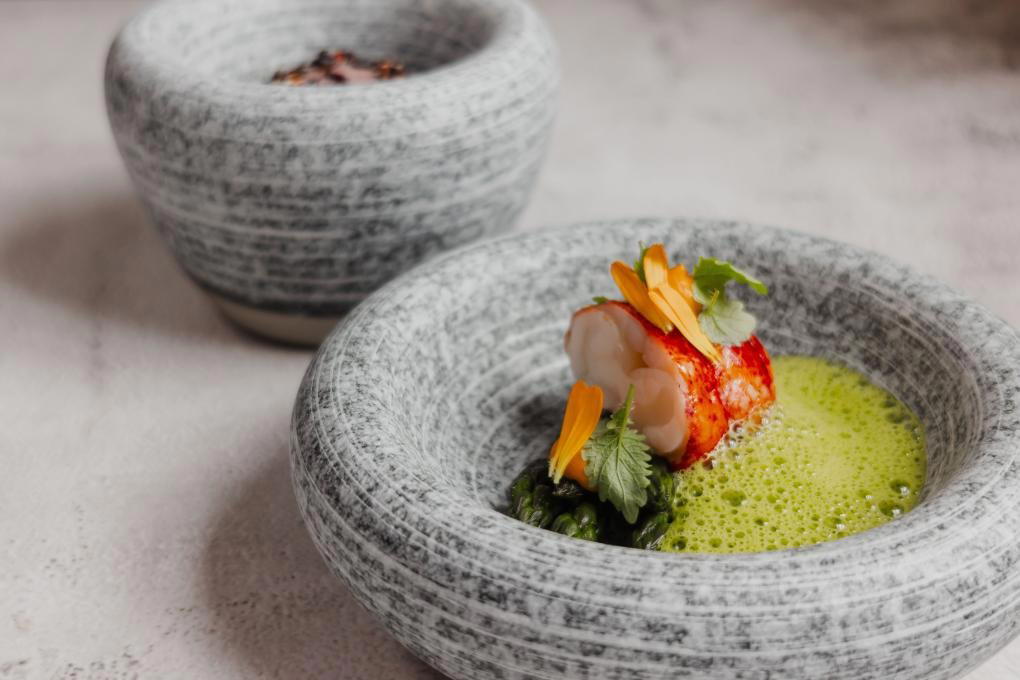
Where the Plate Begins Outside the Kitchen
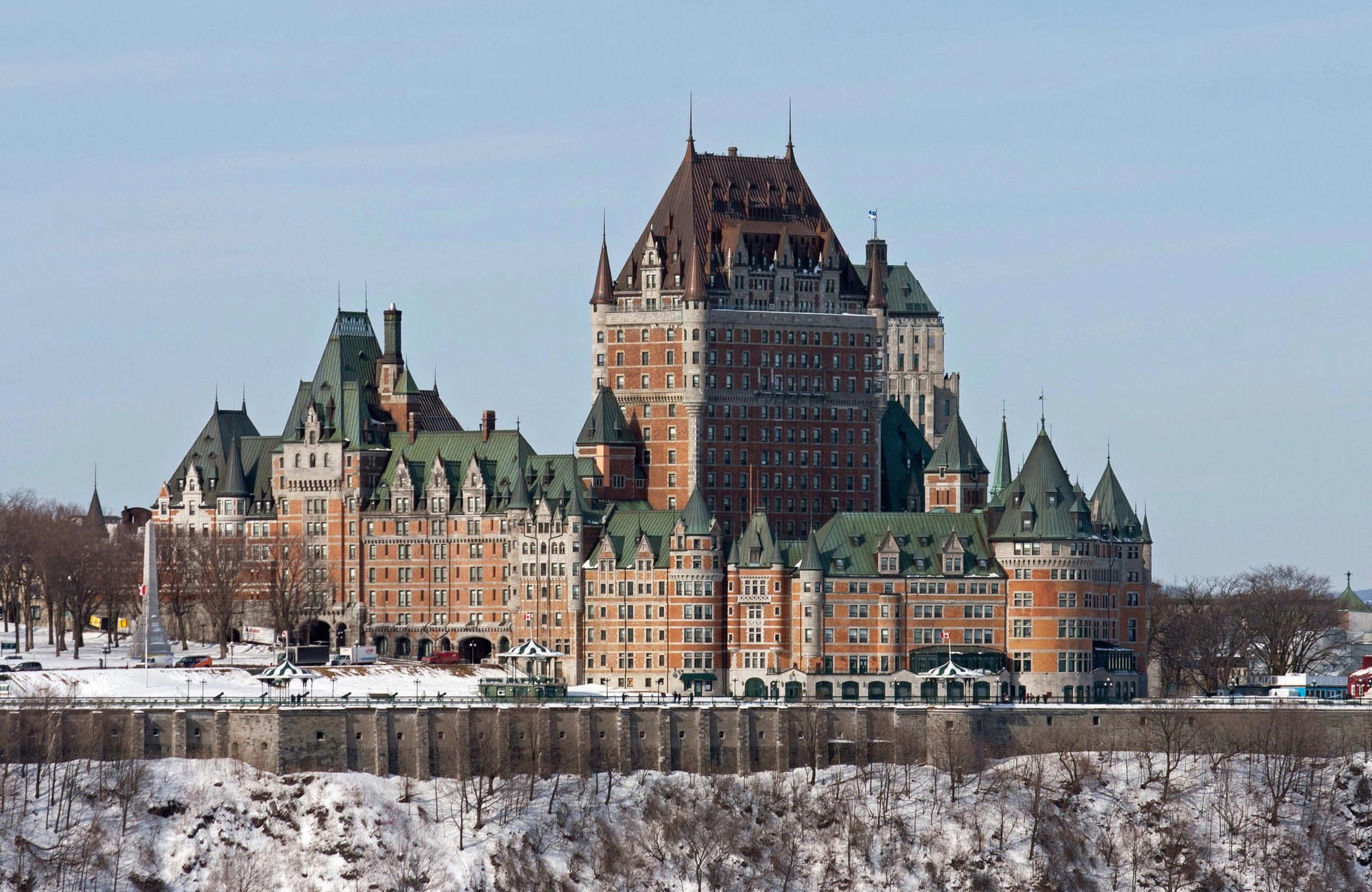
Old Québec is a city of layered arrivals: the funicular from Basse-Ville, the shadow of the Château Frontenac cutting across the upper town, the stone corridors of the Petit Champlain neighbourhood a few minutes' walk below. It is a hotel restaurant, a format that in many cities defaults to comfort and convenience over conviction. Coteau operates differently, and the reason is agricultural before it is culinary.
The restaurant's organising principle is a biodynamic farm located a short distance from the city. From that single source, approximately 30 varieties of fruits, vegetables, aromatic herbs, and wild plants make their way to the kitchen. That number matters. Thirty distinct items, grown according to biodynamic standards, is not a garnish gesture or a marketing addendum, it represents a supply chain that shapes what the kitchen can offer and when. In Canadian restaurant culture, this kind of farm-to-table commitment has moved well beyond novelty. At Eigensinn Farm in Singhampton, the farm is literally the dining room. At Restaurant Pearl Morissette in Lincoln, wine production and kitchen sourcing operate in deliberate parallel. Coteau belongs to a smaller cohort of urban properties that have built genuine agricultural supply into a city-centre address, which carries its own set of constraints and disciplines.
Biodynamic Sourcing in the Québec Context
Québec's short growing season is the first thing any kitchen working with local produce must reckon with. From late spring through autumn, a biodynamic farm in the region can yield in abundance: wild plants from the forest edge, heritage vegetables, soft herbs. In the shoulder months and through winter, that same farm imposes discipline, what was preserved, fermented, or dried from the harvest becomes the pantry. This is not a limitation so much as a structural logic that shapes cooking from the ground up. The restaurants that handle this constraint well, and Coteau's proximity to its farm suggests it has the infrastructure to do so, tend to produce menus that read seasonally even when that season is a quiet one.
The Québec dining scene has always had a strong undercurrent of terroir thinking. Tanière³ in Quebec City has built its entire identity around ingredient provenance and pre-colonial culinary reference points. Further afield, Narval in Rimouski makes the St Lawrence River's ecosystem central to its menu logic. What these restaurants share with Coteau is a refusal to treat sourcing as incidental. The ingredient's origin is the argument, and the cooking follows from there.
The Wine List as a Parallel Commitment
A wine list of more than 700 labels at a hotel restaurant in Old Québec warrants attention. Scale alone does not make a list interesting, many large collections are simply inflated by excess inventory or conservative buying, but at 700-plus labels, a well-curated programme signals both serious financial commitment and a kitchen that expects food worth pairing carefully. The question any serious wine list invites is one of coherence: does it reflect the same sourcing philosophy as the kitchen, with natural and biodynamic producers sitting alongside conventional labels, or does it pursue breadth for its own sake? The list's scale puts Coteau in a different conversation from hotel restaurants that treat wine as an afterthought. For comparison, Alo in Toronto, one of Canada's most decorated dining rooms, maintains a cellar programme that functions as a serious parallel to its tasting menu. A 700-label list at Coteau suggests a similar ambition, if a different scale of operation.
If you are working through the broader Canadian farm-driven wine and food scene, Restaurant Pearl Morissette in Lincoln and The Pine in Creemore both represent the Ontario side of this movement. In Montréal, Jérôme Ferrer - Europea operates at a different register, more classically French in orientation, but belongs to the same conversation about how Canadian fine dining positions itself in relation to European reference points.
The Location and What It Implies
The address on rue Saint-Antoine places Coteau within easy reach of three significant anchors: the Petit Champlain neighbourhood, the St Lawrence River waterfront, and the Musée de la Civilisation. This is not incidental geography. Old Québec draws visitors who are already engaged with place, its history, its built fabric, its relationship to the river. A restaurant that connects its menu to agricultural land a few kilometres away is, in a sense, extending that conversation. The food becomes another way of reading the region.
Hotel restaurants in Old Québec have historically traded on their proximity to heritage sites rather than on culinary distinction. Coteau's farm supply chain represents a departure from that pattern, aligning it more closely with destination restaurants that exist for the meal itself rather than for the convenience of nearby accommodation. Whether you are arriving specifically to eat, that distinction matters for how you should approach the booking.
Planning Your Visit
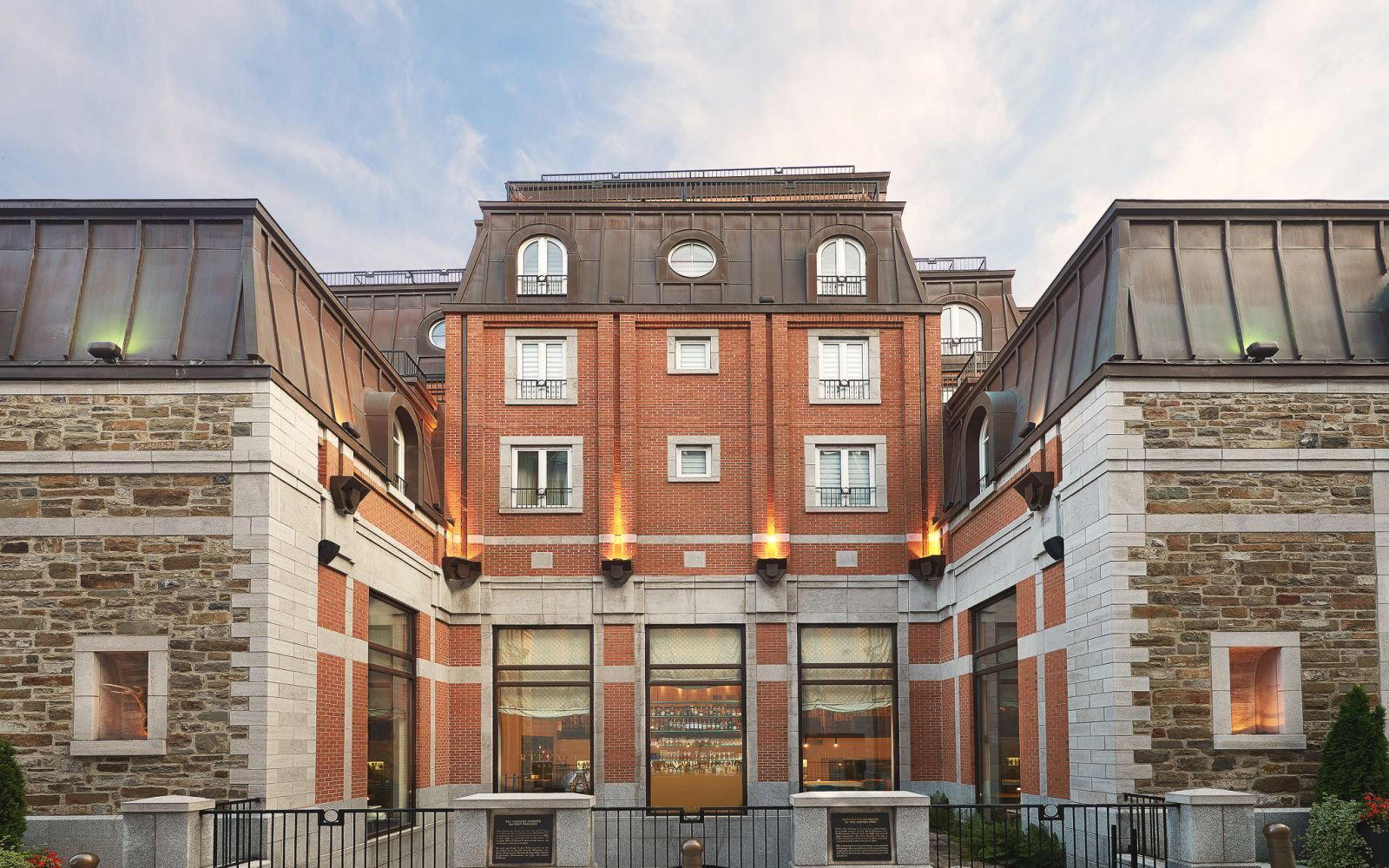
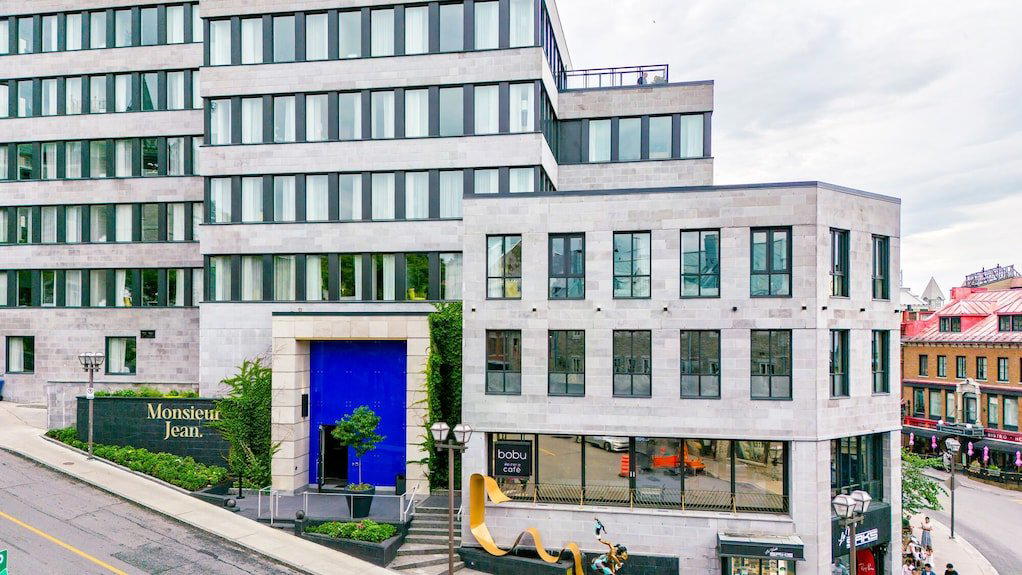
Coteau sits at 10 rue Saint-Antoine in Old Québec, within walking distance of the Petit Champlain neighbourhood and the St Lawrence waterfront. For visitors to the city assembling a broader itinerary, our full Québec restaurants guide covers the wider dining picture. Those specifically interested in Japanese-influenced cooking in the city should note Torii - Buvette japonaise, which operates in a different register but occupies a similarly considered position in the local scene.
For Canadian farm-driven dining in other cities, AnnaLena in Vancouver, ÄNKÔR in Canmore, and DEER + ALMOND in Winnipeg each represent regional variations on the same underlying commitment to place-based cooking. Further afield, Le Bernardin in New York City and Emeril's in New Orleans offer instructive contrast points for how different traditions handle sourcing at the higher end of the market.
Comparable Spots, Quickly
Comparable venues nearby, for context on price, style, and recognition.
| Venue | Cuisine | Price | Awards | Notes |
|---|---|---|---|---|
| CoteauThis venue — the venue you are viewing | French-Canadian Fine Dining | $$$$ | Michelin Plate | Not listed |
| Les Botanistes | French Market Cuisine with Seasonal Local Ingredients | $$$ | Not listed | Jules-Verne |
| LE CONTINENTAL - Cuisine Française - Fruits de Mer / Homard / Steak - Flambé | Classic French Fine Dining with Tableside Flambé | $$$$ | Not listed | Vieux Québec |
| Rue du Petit Champlain | French-Québécois Bistro | $$$ | Not listed | Quartier Petit Champlain |
| Artefact | Cocktail bar with light refined cuisine | $$ | Not listed | Old Quebec / Old Port |
| L'Affaire est ketchup | Quebecois-French Comfort Bistro | $$$ | Not listed | Old Quebec |
Recognition history
Dated appearances from independent guides and award organizations, with the underlying list record or original source where available.
Michelin Plate
Michelin
Relais Chateaux Award
Relais Chateaux


At a Glance
- Elegant
- Sophisticated
- Intimate
- Date Night
- Special Occasion
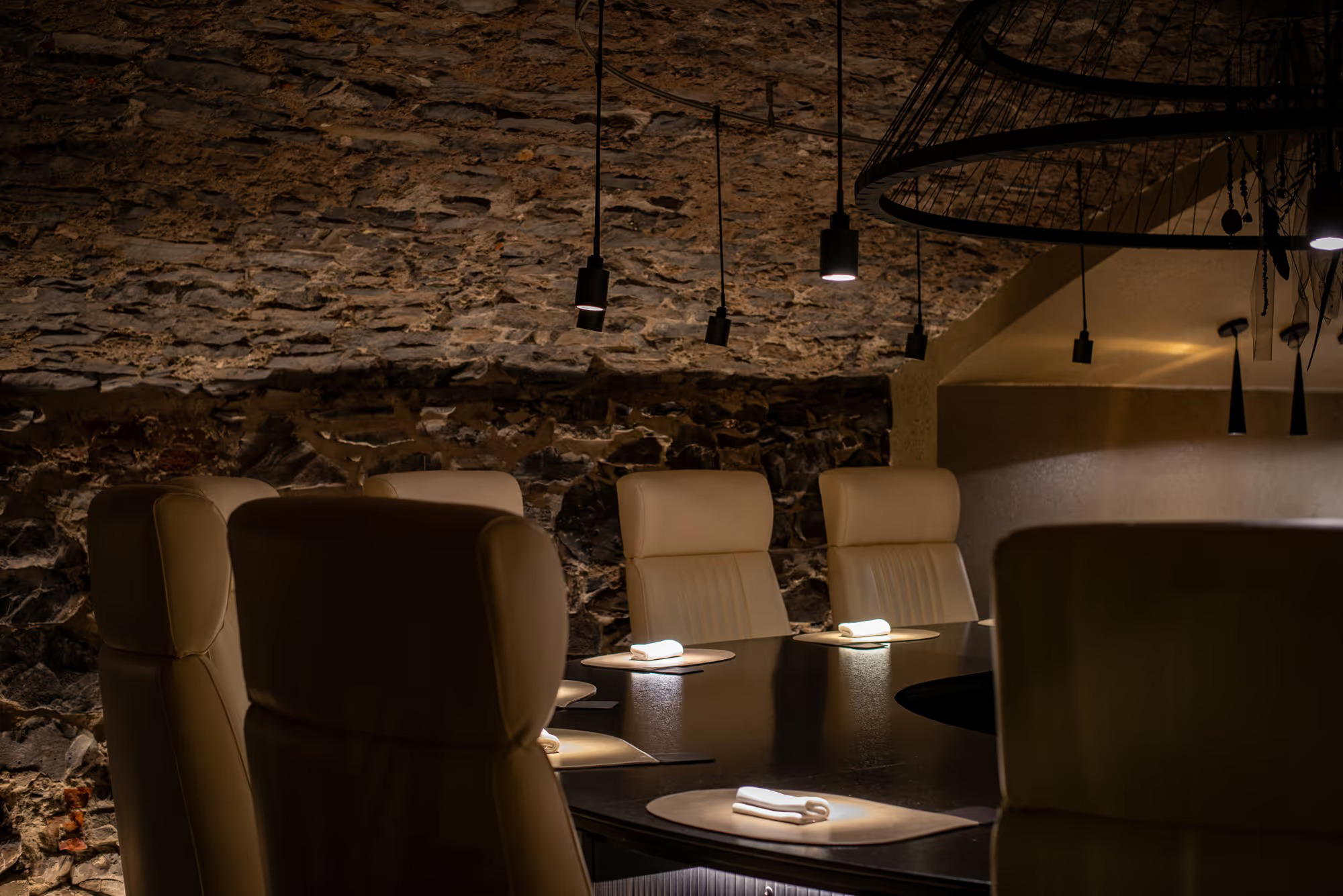
- Historic Building
- Extensive Wine List
- Sommelier Led
- Farm To Table
- Local Sourcing
Current opening hours
- Monday
- Closed
- Tuesday
- 5:30–8:30 PM
- Wednesday
- 5:30–8:30 PM
- Thursday
- 5:30–8:30 PM
- Friday
- 5:30–8:30 PM
- Saturday
- 5:30–8:30 PM
- Sunday
- Closed
Hours can change for holidays and private events. Last verified .
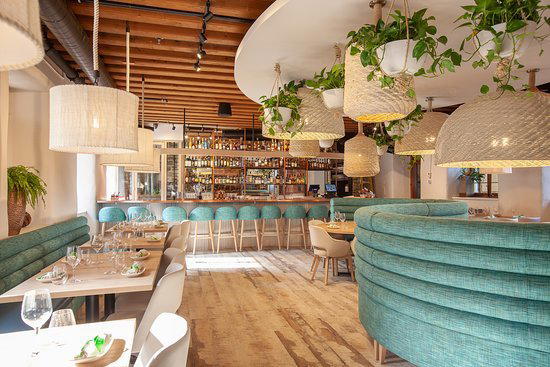
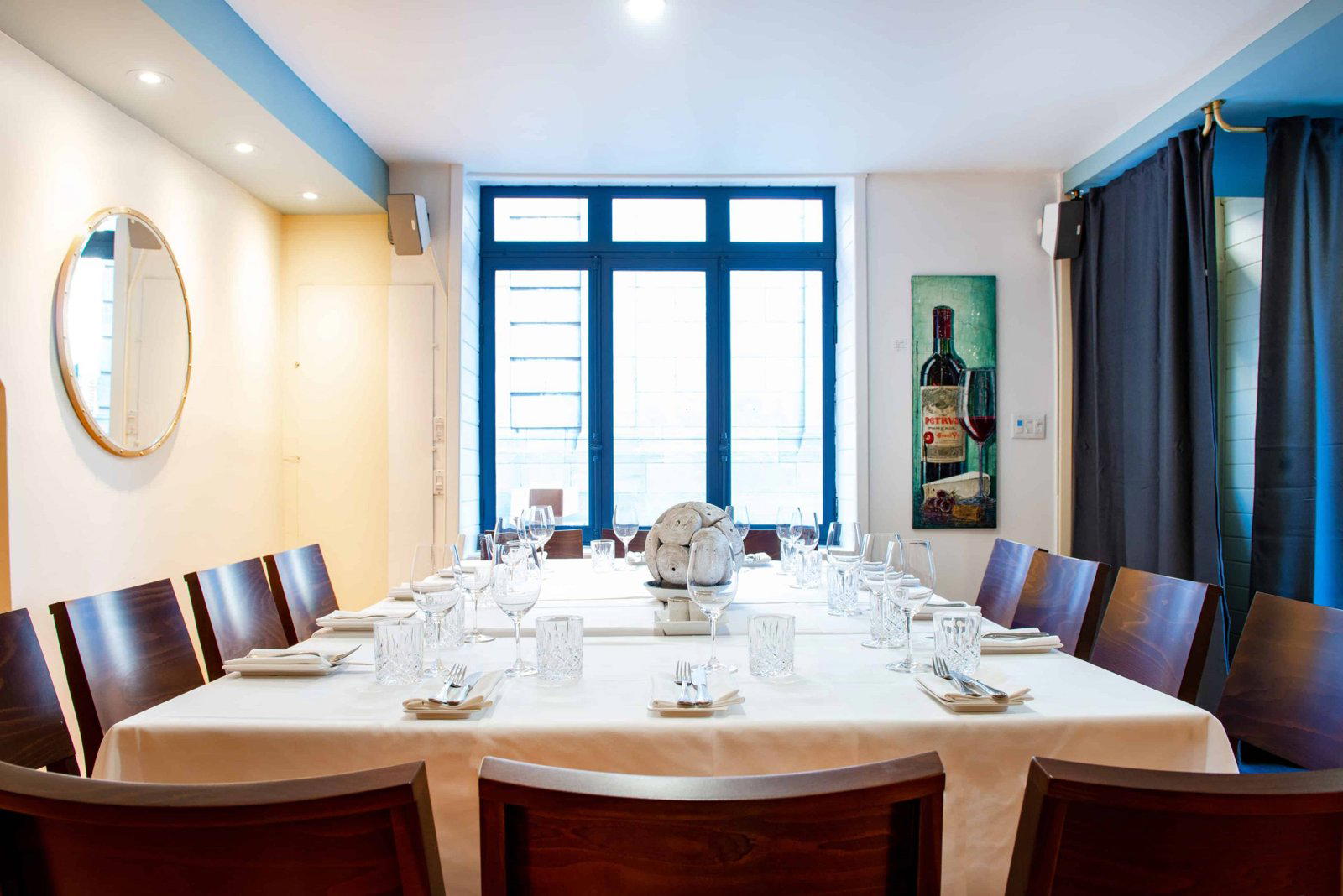
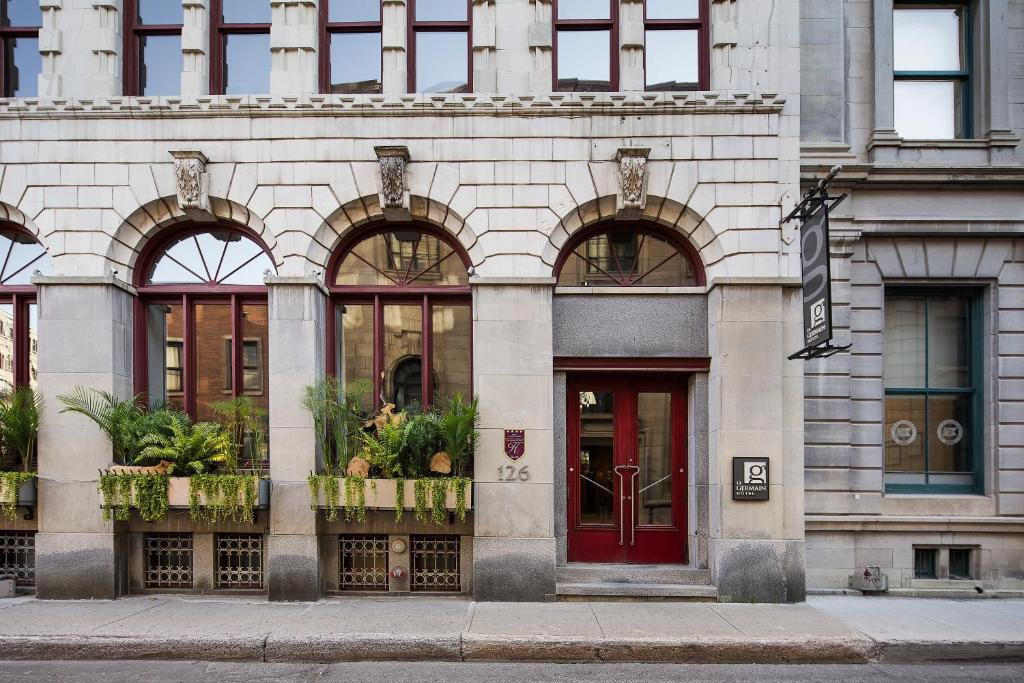
Beautiful, comfortable, and elegant atmosphere in a historic setting.