Chez Rioux & Pettigrew


Michelin Plate · Star Wine List
Our verdict
A Michelin Plate-recognised address on Rue Saint-Paul, Chez Rioux & Pettigrew trades in Old Quebec's deep sense of place, pairing vintage decor that reads as deliberate curatorial statement with a kitchen committed to the region's culinary past and present. The Saint-Roch-adjacent setting on the Lower Town's most storied commercial strip positions it squarely within Quebec City's growing conversation about what French-Canadian dining can be.

Pearl is the En Primeur Club membership app — saves, bookings, and concierge access live there. Same editors, same standards.
- Address
- 160 Rue Saint-Paul, Québec, QC G1K 3W1, Canada
- Phone
- (418) 694-4448
- Hours
- Mon–Wed 5:30–10 PMThu–Fri 11:30 AM–1:30 PM, 5:30–10 PMSat 5:30–10 PMSun 9 AM–1:30 PM, 5:30–10 PM
- Website
- chezriouxetpettigrew.com
- Directions
- Get directions
The menu
What to order
- Mushroom risotto
- Raw oysters
- Beef carpaccio
Where the Lower Town's Memory Lives on a Plate
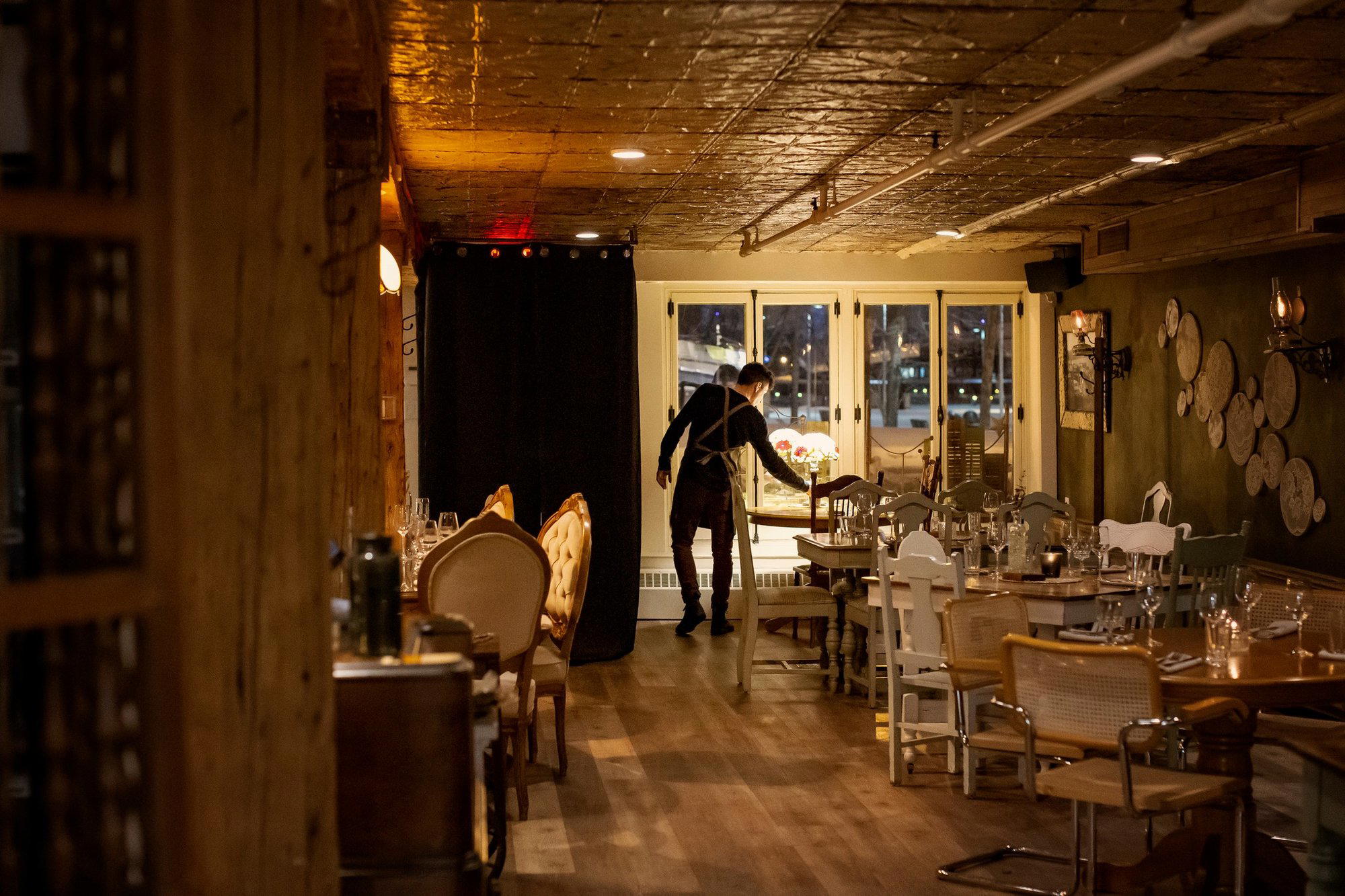
Rue Saint-Paul has been a commercial artery in Quebec City's Lower Town since the seventeenth century, when the Saint-Roch and Vieux-Port districts functioned as the working waterfront of New France. Walking its cobbled length today, you pass stone facades that predate Confederation, repurposed warehouses, and antique dealers whose window displays feel continuous with the street's own history. Chez Rioux & Pettigrew, at number 160, sits comfortably inside that continuum. The interior reads as a considered act of preservation — vintage materials, period objects, a room that communicates age without performing nostalgia. This is the physical register in which Quebec City's most historically grounded restaurants operate, and it shapes what the kitchen feels licensed to do.
French-Canadian Cuisine and the Question of Memory
Quebec's culinary identity has always been negotiated between two pressures: the French classical inheritance carried across the Atlantic in the seventeenth century, and the distinct local larder shaped by the St. Lawrence corridor, the Laurentians, and the agricultural traditions of the Chaudière-Appalaches. For much of the twentieth century, that negotiation played out in heavy, hearty preparations anchored by pork, root vegetables, maple, and game. The better Quebec City restaurants of the past two decades have been rethinking that inheritance rather than abandoning it — finding ways to honour the depth of French-Canadian food culture while applying a more contemporary sensibility to technique and sourcing.
Chez Rioux & Pettigrew occupies a specific position in that rethinking. Its explicit homage to the past is not nostalgic inertia; it reads as an editorial stance on what Quebec cooking has been and what it might carry forward. The Michelin Plate recognition awarded in 2025 signals that the kitchen is executing at a level the guide considers worth seeking out, placing it in Quebec City's emerging cohort of internationally legible addresses without repositioning it as a modernist showpiece. That's a careful balance to hold, and not every restaurant in this city manages it.
For comparative context, the city's most technically adventurous end of the spectrum sits with addresses like Tanière³ and ARVI, both operating at the $$$$ tier with menus that foreground contemporary Quebec ingredients through a decidedly modern lens. Auberge Saint-Antoine approaches Canadian cuisine from a luxury-hospitality angle with its own institutional weight. Chez Rioux & Pettigrew's posture is different: it draws its authority from setting and cultural rootedness rather than from formal innovation or hotel infrastructure.
The Michelin Plate in Context
The Michelin Plate designation, introduced to differentiate good cooking that does not yet reach the star threshold, has become a meaningful tier in the Quebec City conversation since Michelin began covering Canada. A Plate confirms that inspectors found the food worth eating on its own terms, not a consolation category, but an acknowledgment that the kitchen is cooking with purpose. In Quebec City's 2025 selection, Plate addresses sit alongside starred properties in a guide that is still mapping the city's full range. For a restaurant rooted in a historicist identity, the recognition matters because it positions the address as part of a national dining conversation that now extends well beyond Toronto and Vancouver. Restaurants like Alo in Toronto, AnnaLena in Vancouver, and Jérôme Ferrer's Europea in Montreal define different poles of Canadian fine dining; Quebec City's emerging Michelin cohort is now staking its own claim within that field.
Regionally, the comparison extends eastward along the St. Lawrence to addresses like Narval in Rimouski, which demonstrates how far the sourcing-driven Quebec kitchen has spread outside the capital. Chez Rioux & Pettigrew's position on Rue Saint-Paul connects it to the city's established dining core rather than to that newer regional dispersal, but the underlying culinary logic, respect for place, for product, for a particular cultural memory, runs through both.
Rue Saint-Paul and Its Dining Neighbours
The immediate neighbourhood context matters for understanding what a meal at this address actually involves. The Old Port and Vieux-Québec's Lower Town have developed a restaurant density over the past fifteen years that makes a single evening capable of encompassing multiple decisions. Kebec Club Privé and Laurie Raphaël each represent distinct points in the city's creative dining arc. Against those neighbours, Chez Rioux & Pettigrew's vintage sensibility is a counterpoint rather than an outlier: Quebec City supports a range of registers precisely because its dining public is sophisticated enough to want them all.
The broader city guide at our full Quebec City restaurants guide maps how these addresses relate to each other across price tiers and neighbourhoods. For visitors combining a meal here with other parts of the city, our Quebec City hotels guide, bars guide, and experiences guide provide the surrounding planning context. The Quebec City wineries guide is also worth consulting if the region's emerging viticulture is part of your trip.
Planning a Visit
Chez Rioux & Pettigrew sits at 160 Rue Saint-Paul in Quebec City's Lower Town, a short walk from the Vieux-Port and accessible by the funicular from the Upper Town if you are arriving from the Château Frontenac side. The address does not publish hours or booking details through centralised channels, so arriving with a reservation rather than on a walk-in basis is advisable, particularly during the summer high season when Old Quebec's visitor volume increases sharply and tables across the neighbourhood fill well in advance. The winter period from November through March offers a quieter window, though it also corresponds to Quebec City's distinct cold-season identity, the kind of atmospheric context that suits a room as historically anchored as this one.
For Canadian fine dining at comparable or higher price points, Restaurant Pearl Morissette in Lincoln and The Pine in Creemore illustrate how regional sourcing and historical rootedness are driving serious kitchens well outside major urban centres. The same impulse that shaped those addresses is visible in what Chez Rioux & Pettigrew is doing on Rue Saint-Paul, a kitchen that knows exactly which conversation it wants to be part of.
Frequently asked questions
Where is Chez Rioux & Pettigrew located?
Chez Rioux & Pettigrew is located at 160 Rue Saint-Paul, Québec, QC G1K 3W1, Canada, Quebec City.
What distinctions does Chez Rioux & Pettigrew have?
Chez Rioux & Pettigrew has received recognition including: From its name to its vintage decor, everything about Chez Rioux & Pettigrew pays homage to the past. Indeed, its charming and unique premises are steeped in history, but one thing is for sure: the pas...; Michelin Plate (2025).
What should I order at Chez Rioux & Pettigrew?
The kitchen's direction is rooted in French-Canadian culinary memory, so dishes that reference the region's historical larder are the point of the meal here. The Michelin Plate recognition (2025) signals consistent, purposeful cooking rather than trend-chasing. Arrive with an appetite for Quebec's own ingredients and preparations rather than expecting a globally generic menu.
Do they take walk-ins at Chez Rioux & Pettigrew?
Rue Saint-Paul is one of Quebec City's most-visited dining corridors, and Michelin-recognised addresses in the Old Port fill quickly, particularly on weekends and during summer. A reservation in advance is the practical approach for 160 Rue Saint-Paul. Walk-in availability depends entirely on the night and season.
What's the defining dish or idea at Chez Rioux & Pettigrew?
The premise of the restaurant, from its name to its vintage decor, is an extended act of homage to Quebec's past. That translates to French-Canadian cooking anchored in historical identity rather than contemporary reinvention. The 2025 Michelin Plate designation confirms the execution holds up against professional scrutiny, not just local affection.
Can Chez Rioux & Pettigrew adjust for dietary needs?
No specific dietary accommodation policy is documented for this address. The kitchen's heritage-focused approach to Quebec cuisine means the menu leans into traditional ingredients and preparations. Contacting the restaurant directly at 160 Rue Saint-Paul before visiting is the most reliable way to confirm what can be adjusted.
Cost Snapshot
| Venue | Cuisine | Price | Awards | Notes |
|---|---|---|---|---|
| Chez Rioux & PettigrewThis venue — the venue you are viewing | Modern Quebecois Bistro | $50–100 | Michelin Plate · Star Wine List | Not listed |
| Tanière³ | Modern Quebec Terroir - Avant-Garde Tasting Menu | $300–500 | 2 Michelin Stars · World's 50 Best #9 | Creative |
| ARVI | Modern Quebec Cuisine | $100–150 | 1 Michelin Star | Modern Cuisine |
| Chez Boulay - Bistro Boréal | Boreal French Bistro | $50–100 | Michelin Plate | Modern Cuisine |
| Auberge Saint-Antoine | French Farm-to-Table Fine Dining | $50–100 | Not listed | Canadian Cuisine |
| Ambre Buvette | Modern Quebec Fun Dining | $100–150 | Michelin Plate | Modern Cuisine |
Recognition history
Dated appearances from independent guides and award organizations, with the underlying list record or original source where available.
Michelin Plate
Michelin
Star Wine List
Star Wine List
Full recognition history (3 entries)
Michelin Plate
Michelin
Continue exploring
More in Quebec City
Restaurants in Quebec City
Browse all →
Bars in Quebec City
Browse all →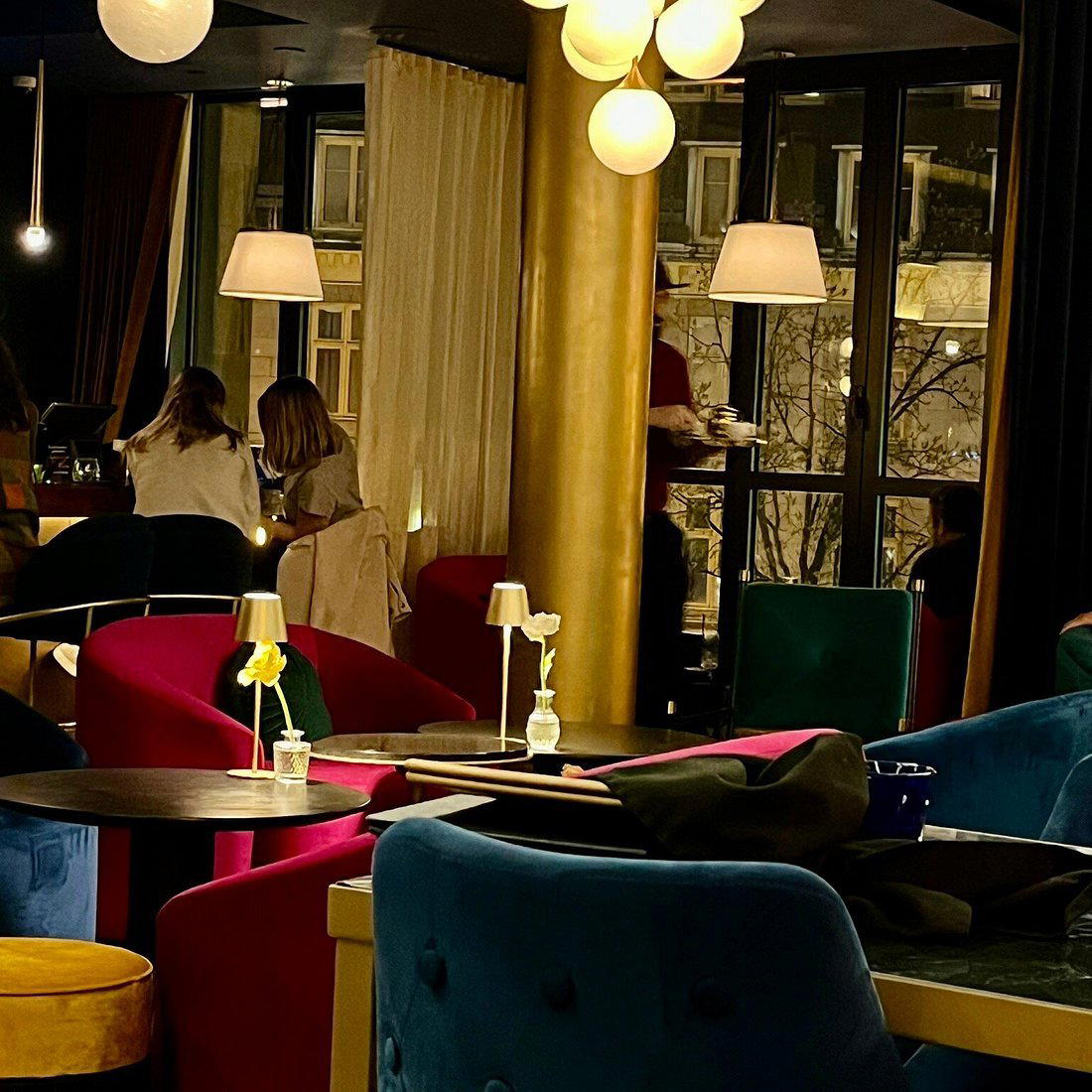

Chez Rioux & Pettigrew
The wine
- Wine program
- Curated wine list
- Extensive wine list
Details
- Rustic
- Charming
- Cozy
- Elegant
- Date Night
- Special Occasion
- Celebration
- Open Kitchen
- Extensive Wine List
- Local Sourcing
- Street Scene
- A La Carte
- Prix Fixe
- Tasting Menu
- Vegetarian Friendly
Current opening hours
- Monday
- 5:30–10 PM
- Tuesday
- 5:30–10 PM
- Wednesday
- 5:30–10 PM
- Thursday
- 11:30 AM–1:30 PM, 5:30–10 PM
- Friday
- 11:30 AM–1:30 PM, 5:30–10 PM
- Saturday
- 5:30–10 PM
- Sunday
- 9 AM–1:30 PM, 5:30–10 PM
Hours can change for holidays and private events. Last verified .
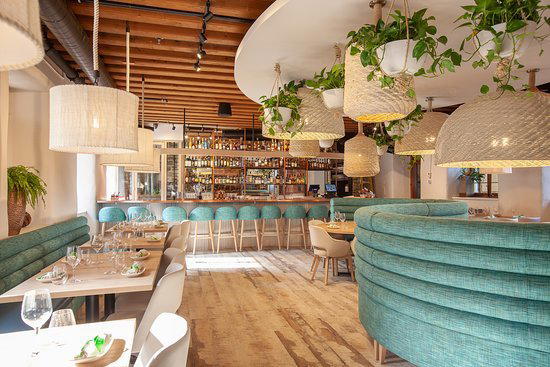
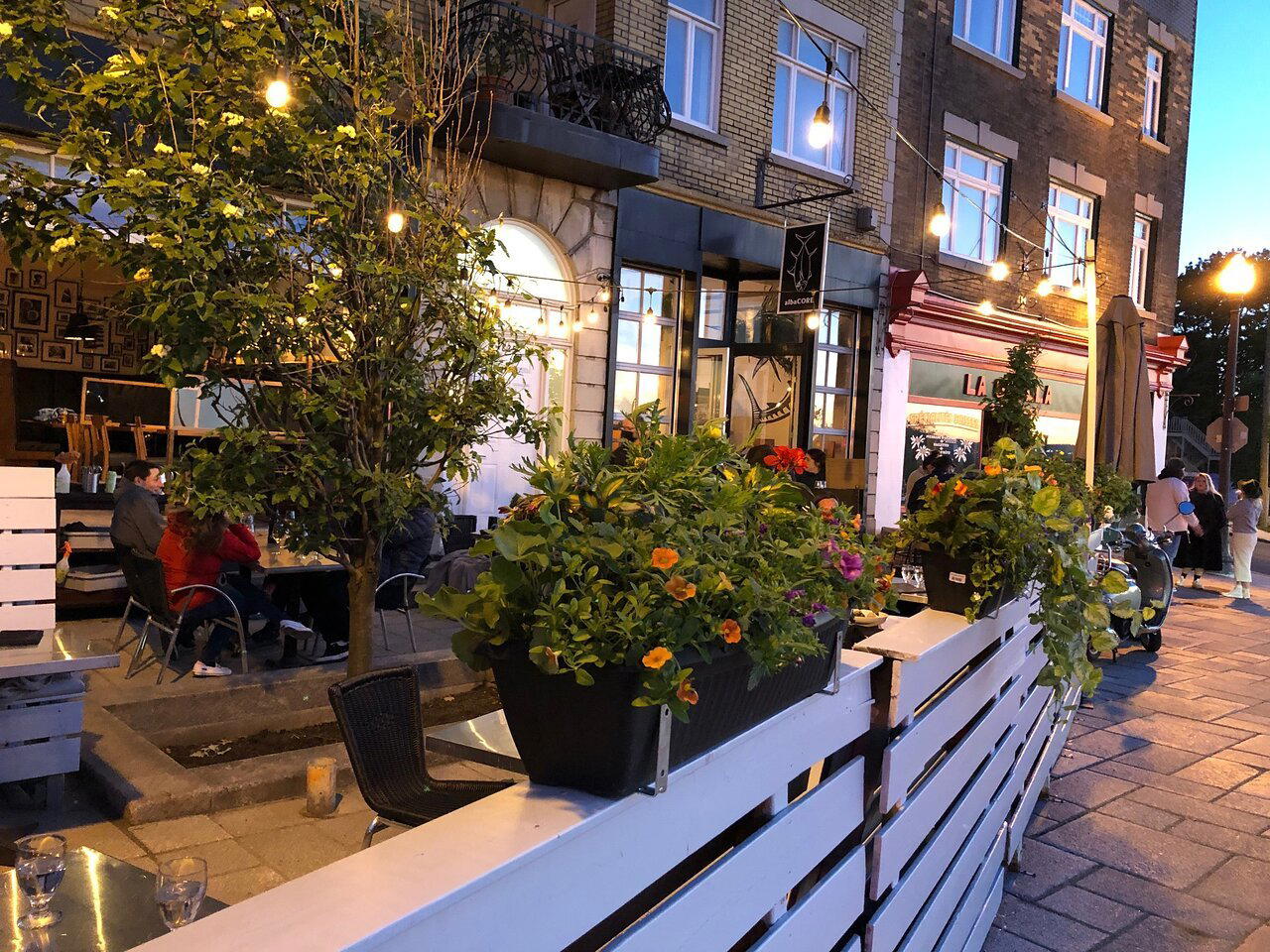
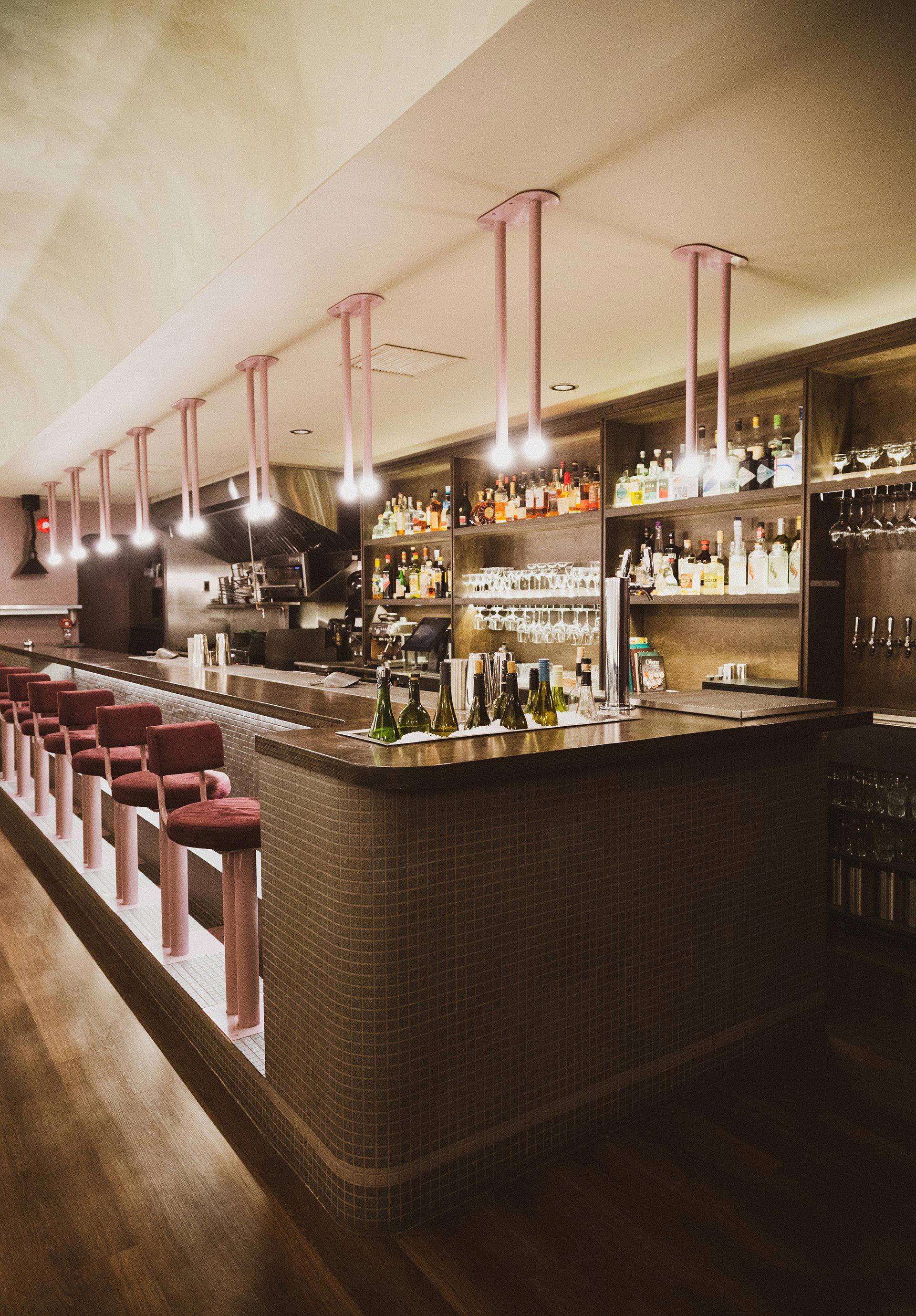
Charming and inviting with eclectic, rustic decor, warm lighting, large windows overlooking the street, and a lively yet welcoming atmosphere.