Charlotte
Our verdict
Charlotte occupies a quiet address on Koningsstraat in Leopoldsburg, a town that rarely appears on Belgian dining itineraries but rewards those who seek it out.

Pearl is the En Primeur Club membership app — saves, bookings, and concierge access live there. Same editors, same standards.
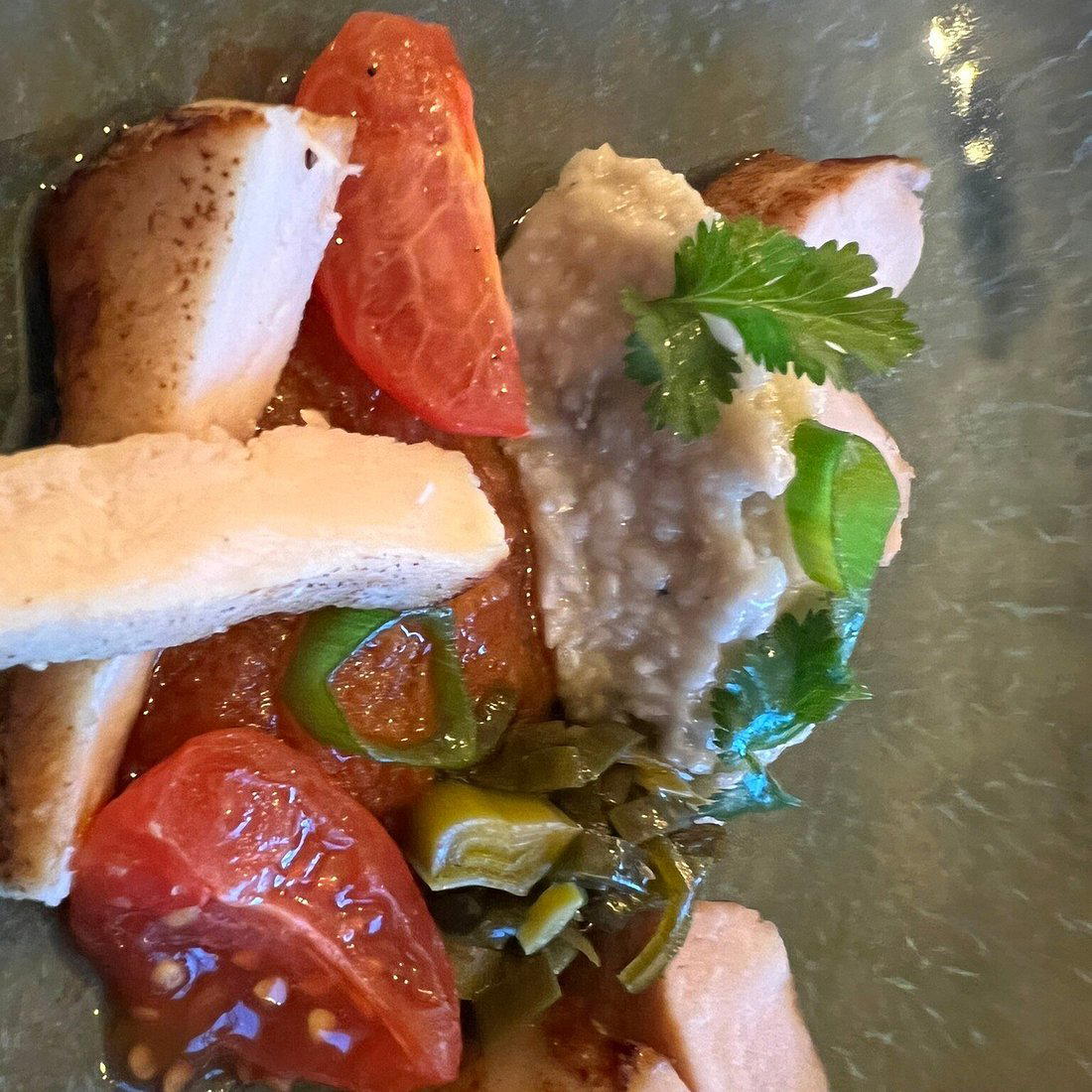
Dining in Leopoldsburg: The Case for Provincial Belgium
Belgium's most-discussed restaurants tend to cluster in a familiar circuit: Ghent, Antwerp, Brussels, the Flemish coast. Places like Boury in Roeselare, Zilte in Antwerp, and Vrijmoed in Gent draw a national and international audience because they operate within well-mapped critical ecosystems. But Belgium's dining culture has never been exclusively urban, and some of its most consistent neighbourhood restaurants exist in smaller Flemish towns where locals dine weekly rather than annually, and where a kitchen earns its reputation through repetition rather than press coverage.
Leopoldsburg is one of those towns. A compact municipality in the Limburg province, roughly midway between Hasselt and Eindhoven, it operates at a remove from the restaurant tourism that shapes coverage elsewhere. Charlotte, at Koningsstraat 60, sits within this context: a restaurant that exists for a local dining public rather than for visiting critics, and whose character is shaped by that relationship more than by any award or media mention.
What the Address Tells You
Koningsstraat is a central Leopoldsburg street, the kind that anchors a small Belgian town's commercial life without being dramatic about it. Arriving at Charlotte, you are not dealing with the polished restaurant-district geometry of a city like Antwerp or Ghent. The setting is provincial in the most accurate sense: a neighbourhood restaurant operating within a community it knows well, in a town that does not route visitors through a curated dining quarter.
This kind of address carries its own set of expectations. In Belgium's smaller towns, restaurants like Charlotte typically serve as the weekly anchor for a loyal local clientele rather than a destination for out-of-town diners. The dining room atmosphere at this type of establishment tends toward comfort over spectacle: settled rather than designed, with a regularity of service that comes from knowing who is likely to sit down next. If you are arriving from outside Leopoldsburg, it is worth adjusting the frame accordingly. This is not a restaurant positioning itself against Hof van Cleve in Kruishoutem or Le Chalet de la Forêt in Uccle. It belongs to a different tier of Belgian dining life entirely, and that tier has its own considerable value.
Ingredient Sourcing and the Provincial Kitchen
One of the defining characteristics of Belgium's smaller-town restaurants is their relationship to regional produce. Unlike high-profile urban kitchens, which often build sourcing narratives into their marketing materials and tasting menu descriptions, provincial Flemish restaurants have historically sourced from local suppliers as a practical matter rather than a positioning one. Limburg, the province that contains Leopoldsburg, has agricultural depth: the region produces asparagus, strawberries, and grain crops, and sits close enough to both the Dutch border and the broader Belgian agricultural network to draw from a wide catchment of seasonal produce.
What this typically means for a neighbourhood restaurant like Charlotte is a menu that shifts with supply rather than by design calendar, and a kitchen that builds relationships with nearby producers over years rather than announcing them as credentials. This is a different model from the sourcing-forward kitchens found at, say, Willem Hiele in Oudenburg or La Durée in Izegem, where provenance is part of the editorial language of the dining experience. At the provincial level, the relationship to local ingredients is often more embedded and less narrated, which does not make it less real.
For the diner, this translates into menus that are responsive to what is actually available rather than what photographs well. Limburg's seasonal produce calendar gives any attentive kitchen in the region a reliable framework: spring asparagus, summer berries, autumn game, winter root vegetables. Whether Charlotte works within this framework explicitly or implicitly is something leading assessed in person, but the regional context suggests the potential is there.
Placing Charlotte in Belgium's Broader Dining Map
Belgium's restaurant scene, at its upper end, has developed a set of recognisable reference points. The Michelin-awarded houses, the chefs with French or Nordic training, the creative Flemish kitchens that appear in lists alongside Bozar Restaurant in Brussels or La Paix in Anderlecht, constitute one tier. Below that, in terms of profile rather than necessarily quality, sits a much larger group of neighbourhood and regional restaurants that feed the actual daily dining life of the country.
Charlotte belongs to this second group. The comparison set is not Ralf Berendsen in Neerharen or De Jonkman in Sint-Kruis, both of which operate with national critical visibility. The more relevant comparisons are other solid provincial addresses in Limburg and the wider Flemish interior, restaurants that sustain a loyal clientele through consistency rather than novelty. Within that frame, a restaurant at a central Leopoldsburg address that has maintained a presence long enough to be known by the local public is doing something right, even if the evidence base that would allow a critic to assess exactly what is not publicly available.
For travellers already in the province, perhaps visiting Cuchara in Lommel or passing through on the way to Hasselt, Charlotte represents the kind of local address worth knowing about. See our full Leopoldsburg restaurants guide for broader context on dining in the town.
Planning a Visit
Leopoldsburg is accessible by train from Hasselt, with the station a short walk from the town centre, and by car from the E313 motorway corridor. Koningsstraat 60 is centrally located. Given the limited online presence of Charlotte, the most reliable approach to booking is to contact the restaurant directly in person or by phone if a number becomes available. Neighbouring Castor in Beveren, d'Eugénie à Emilie in Baudour, or La Table de Maxime in Our may offer comparison points if you are building a longer Belgian itinerary. For reference against international standards in the broader French-influenced tradition, Le Bernardin in New York City and Lazy Bear in San Francisco represent the upper tier of what that culinary lineage can produce at scale.
Frequently asked questions
Does Charlotte work for a family meal?
Leopoldsburg's smaller-town restaurant settings generally lend themselves to relaxed, unhurried dining rather than high-tempo urban formats. Charlotte's address on Koningsstraat 60 places it at the centre of town, suggesting a neighbourhood restaurant orientation rather than a destination-only fine dining room.
What should I expect atmosphere-wise at Charlotte?
Koningsstraat is Leopoldsburg's commercial spine — functional, locally rooted, without the self-conscious design codes of a Ghent or Antwerp address. Restaurants on streets like this tend to reflect the community they serve: familiar to regulars, accessible in register, and less choreographed than urban counterparts.
Is Charlotte a good option for dining near Hasselt in the Limburg province?
Leopoldsburg sits in Belgium's Limburg province and is reachable from Hasselt by train, with the station a short walk from the town centre. Charlotte's Koningsstraat 60 address puts it within easy reach of that rail connection, making it a plausible stop for travellers moving through the region rather than anchoring in a major city. Limburg's dining scene draws less coverage than Ghent or Antwerp, which means restaurants here operate with less external noise and more local accountability. Specific credentials for Charlotte have not been publicly documented, so verifying current hours and offering before making the journey is advised.
What's the signature dish at Charlotte?
No menu data for Charlotte is currently documented, so naming a signature dish would be speculation. What the broader context of Belgian provincial kitchens does suggest is a preference for regional produce and season-led cooking over trend-driven menus. For current dishes, checking directly with Charlotte at Koningsstraat 60, Leopoldsburg is the only reliable route.
Where do I go for Charlotte?
Charlotte is located at Koningsstraat 60, 3970 Leopoldsburg, Belgium, Leopoldsburg.
| Venue | Cuisine | Price | Awards | Notes |
|---|---|---|---|---|
| CharlotteThis venue — the venue you are viewing | Modern Belgian | Not listed | Not listed | Not listed |
| Boury | Creative French Fine Dining | $300–500 | 3 Michelin Stars · La Liste Top Restaurants | Modern Frlemish, Creative French |
| Comme chez Soi | Classic French Fine Dining | $200–300 | 1 Michelin Star · World's 50 Best #49 | French - Belgian, Classic Cuisine |
| Vrijmoed | Creative Modern Fine Dining | Not listed | 2 Michelin Stars · La Liste Top Restaurants | Modern Flemish, Creative |
| La Durée | Modern French Fine Dining | $150–200 | 2 Michelin Stars · La Liste Top Restaurants | French-Belgian, Creative |
| Cuchara | Modern Creative Cuisine with Asian Influences | $200–300 | 2 Michelin Stars · La Liste Top Restaurants | Modern European, Creative |
Continue exploring
More in Leopoldsburg
Restaurants in Leopoldsburg
All restaurants in Leopoldsburg →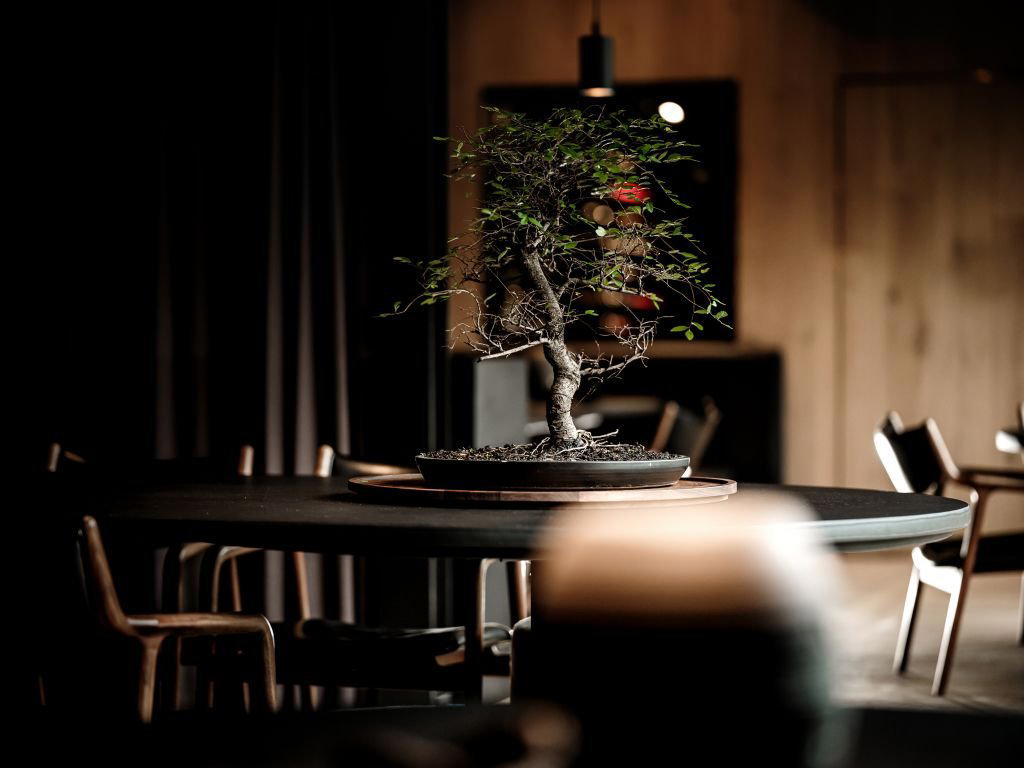
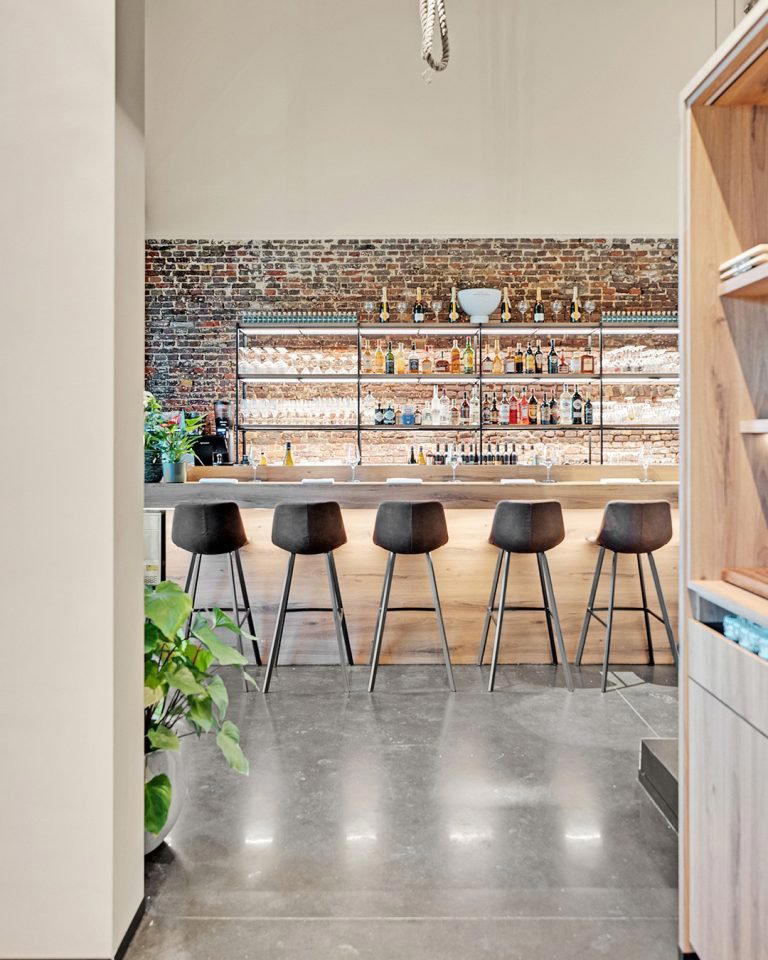
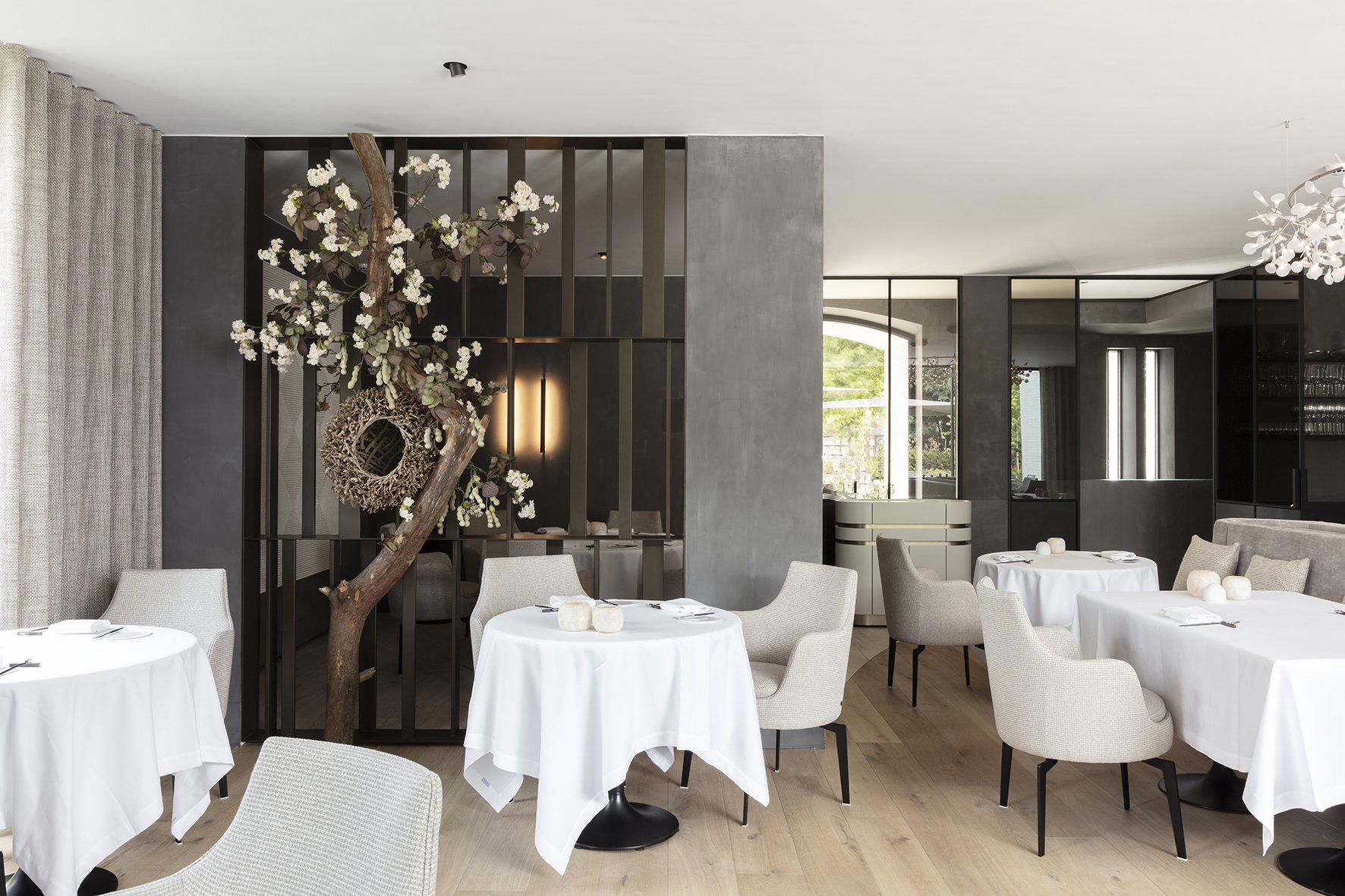
Bars in Leopoldsburg
Browse all →
Hotels in Leopoldsburg
Browse all →
Wineries in Leopoldsburg
Browse all →
Details
- Modern
- Elegant
- Date Night
- Special Occasion
- A La Carte
- Prix Fixe
Current opening hours
- Monday
- 12–1:30 PM, 6–8 PM
- Tuesday
- Closed
- Wednesday
- Closed
- Thursday
- 12–1:30 PM, 6–8 PM
- Friday
- 12–1:30 PM, 6–8 PM
- Saturday
- 6–8 PM
- Sunday
- 12–1:30 PM, 5–7:30 PM
Hours can change for holidays and private events. Last verified .
Modern and welcoming atmosphere.