Chamarel occupies a quiet address on Rue Albert 1er in Hannut, a small Walloon town that sits at the edge of Hesbaye's agricultural plateau. In a Belgian dining scene that rewards those willing to look beyond the major cities, Hannut's restaurant offer reflects the region's deep connection to its farmland. Chamarel is part of that local fabric, drawing on the produce traditions that define this corner of Liège province.
Pearl is the En Primeur Club membership app — saves, bookings, and concierge access live there. Same editors, same standards.
- Address
- Rue Albert 1er 44, 4280 Hannut, Belgium
- Phone
- +3219300679
- Website
- chamarel.be
- Directions
- Get directions
 Saves & bookings on Pearl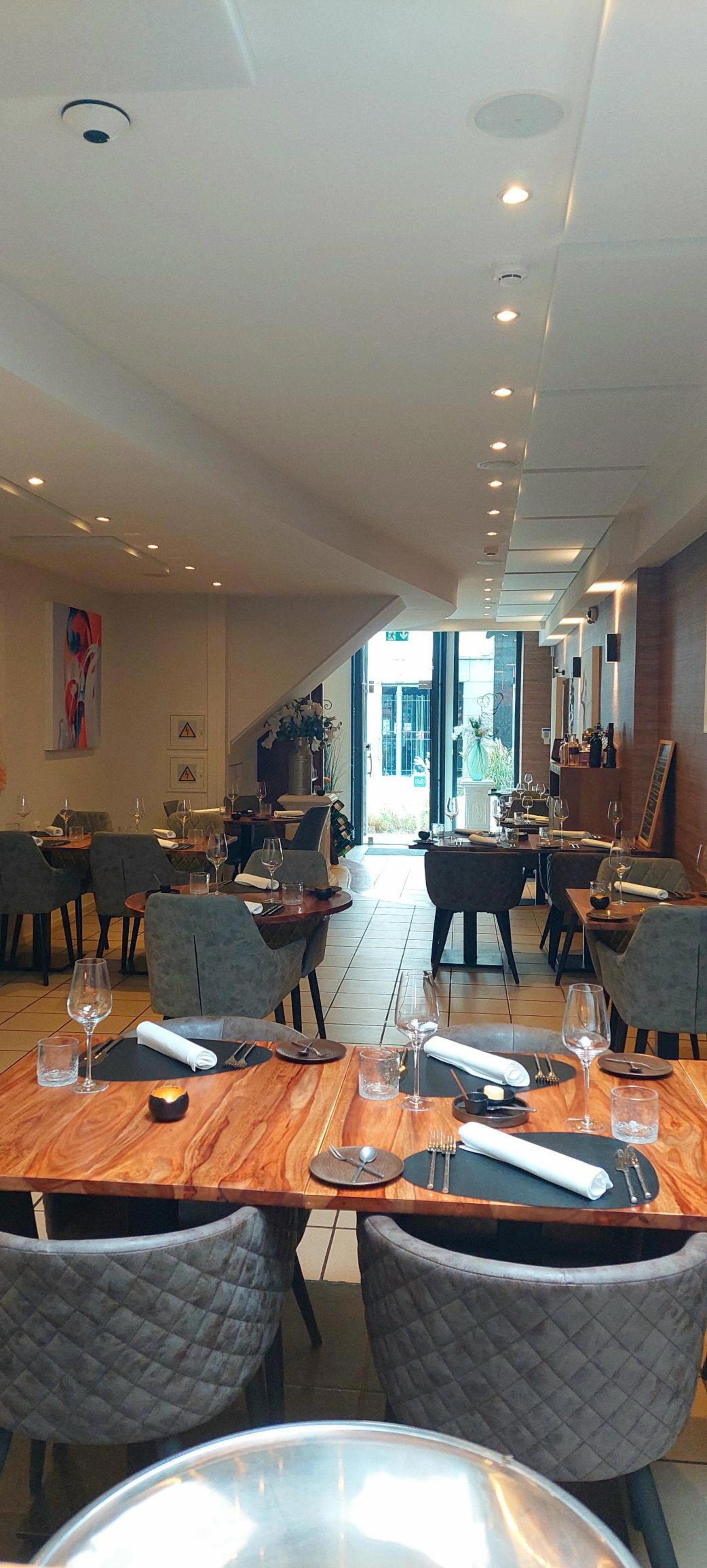
Hesbaye on the Plate: Dining in Agricultural Wallonia
The Hesbaye plateau, which stretches across the western edge of Liège province and into Brabant Wallon, is one of Belgium's most productive agricultural zones. Wheat, sugar beet, and a dense network of small mixed farms define the territory around Hannut. That agricultural density has historically shaped what ends up in local kitchens: shorter supply chains, ingredients that travel less distance from field to table, and a cooking culture rooted in seasonal availability rather than imported luxury. In this context, a restaurant's relationship to its sourcing geography is not a marketing position but a practical reality, shaped by what the land actually produces and when.
Belgium's fine dining conversation tends to concentrate on the Flemish corridor, from Ghent to the coast, or on Brussels institutions. Places like Boury in Roeselare, Zilte in Antwerp, and Hof van Cleve in Kruishoutem anchor the national reputation, while Bozar Restaurant in Brussels and Le Chalet de la Forêt in Uccle hold the capital's premium ground. Wallonia's own serious dining rooms, and there are more than the national press credits, operate in a quieter register. Hannut sits in that quieter zone, a town of roughly 15,000 people where a restaurant's reputation is built on return visits rather than reservation queues driven by press coverage.
Chamarel: Address and Approach
Chamarel is located at Rue Albert 1er 44 in central Hannut. The street runs through the town's administrative core, the kind of address that implies a degree of permanence and local rootedness rather than a calculated location play in a tourist district. In small Walloon towns, restaurants that survive and sustain a following on streets like this tend to do so through consistency and a genuine connection to their local clientele, the professionals, families, and farming households that form the actual economic base of the region. That relational quality, between a restaurant and its town, is different from the more transactional dynamic that governs dining in a capital city.
Hannut's dining scene, explored more fully in our full Hannut restaurants guide, includes a small number of addresses that reflect the town's dual identity: agricultural hinterland and modest provincial centre. La Belva and Les Comtes de Champagne occupy the same local field. These are not venues competing against national benchmark tables; they are restaurants serving a community that expects honest cooking, clear value, and a room that feels like it belongs to the town.
Sourcing in Hesbaye: Why Provenance Matters Here
The Hesbaye region's agricultural output creates conditions that encourage a particular kind of ingredient-led cooking. In regions where the supply chain between producer and kitchen is short, the cooking approach tends to reflect that proximity: preparations that rely on freshness and seasonal timing rather than techniques designed to compensate for travel time or cold-chain storage. Belgian regional cooking has long drawn on this logic, from the asparagus seasons of Mechelen to the hop-driven preparations of the Pajottenland. In Hesbaye, the rhythm is set by grain harvests, root vegetables, and the livestock raised on the plateau's mixed farms.
For a restaurant operating at Chamarel's address and scale, that regional supply ecosystem is not an abstraction. Produce sourced locally arrives with the seasons, and a kitchen that is paying attention to that calendar produces a menu that changes in step with it. This is a different proposition from the year-round fixed-format menus that characterise much of Belgium's more formal dining. It rewards repeat visits spaced across seasons, and it positions the restaurant as part of the local agricultural economy rather than an isolated consumer of it. Comparable thinking, applied at higher price points and with greater press visibility, drives the sourcing philosophy at places like Vrijmoed in Gent and Willem Hiele in Oudenburg, where provenance has become a central part of the editorial identity. In Hannut, the same instinct operates without the spotlight.
Reading Chamarel in Its Belgian Context
Belgium's smaller regional restaurants occupy a position that is genuinely underserved by the national food press. Guides and critics concentrate resources on cities and on the handful of rural addresses that have achieved marquee status. That leaves a substantial mid-tier of serious, competent, locally embedded restaurants operating below the national radar, drawing strong local followings without the infrastructure of awards, press profiles, or reservation platforms that signal quality to outside visitors.
In this, Hannut's better restaurants share a category with places like Ralf Berendsen in Neerharen, La Table de Maxime in Our, and d'Eugénie à Emilie in Baudour: Wallonian tables with genuine culinary ambition that rarely feature in the same conversations as their Flemish counterparts. The asymmetry in coverage does not reflect an asymmetry in quality so much as a structural bias in how Belgian dining gets narrated to an international audience. Internationally, the comparison is instructive: community-embedded restaurants with strong local followings, like Lazy Bear in San Francisco or Le Bernardin in New York City, operate in different market conditions, but they share the principle that a restaurant's real identity is revealed through its relationship to its immediate community and supply geography, not through its position in global ranking lists.
Restaurants like La Durée in Izegem and Cuchara in Lommel have managed to build reputations that extend beyond their immediate catchment areas while remaining rooted in their local contexts. That trajectory is available to any restaurant that combines consistent quality with a clear point of view about what it is cooking and why. In the Hesbaye context, sourcing geography provides a ready-made frame for that point of view.
Planning a Visit to Chamarel
Hannut is accessible by road from Liège (approximately 30 kilometres west) and from Namur to the south, making it a plausible stop for travellers moving between Wallonia's larger centres. The town is not a primary dining destination in the way that a major city dining scene might be, which means visits to Chamarel tend to work best when combined with an itinerary that includes the broader Hesbaye plateau, its villages, and its agricultural calendar. Chamarel accepts reservations, and its smart casual dress code suits a relaxed but polished meal. The restaurant is closed Monday and Tuesday, with service Wednesday from 7 to 9 PM, Thursday and Friday from 12 to 2 PM and 7 to 9 PM, Saturday from 7 to 9 PM, and Sunday from 12 to 2 PM.
Comparable Venues
Comparable venues nearby, for context on price, style, and recognition.
| Venue | Cuisine | Price | Notes |
|---|---|---|---|
| ChamarelThis venue — the venue you are viewing | French Bistronomic | $$$ | Not listed |
| La Belva | French Bistro | $$$ | Poucet |
| Les Comtes de Champagne | Refined French Fine Dining | $$$$ | Hannut |
| Le Collet Gourmand | Modern French Regional | $$$ | Wanze |
| Fidalgo | French-Belgian Fine Dining | $$$ | Tienen |
| Pavillon Du Vieux Chateau | Seasonal French Fine Dining | $$$ | Modave |
Continue exploring
More in Hannut
Restaurants in Hannut
Browse all →
At a Glance
- Romantic
- Elegant
- Intimate
- Cozy
- Date Night
- Business Dinner
- Celebration
- Special Occasion
- Standalone
- Local Sourcing
Current opening hours
- Monday
- Closed
- Tuesday
- Closed
- Wednesday
- 7–9 PM
- Thursday
- 12–2 PM, 7–9 PM
- Friday
- 12–2 PM, 7–9 PM
- Saturday
- 7–9 PM
- Sunday
- 12–2 PM
Hours can change for holidays and private events. Last verified .
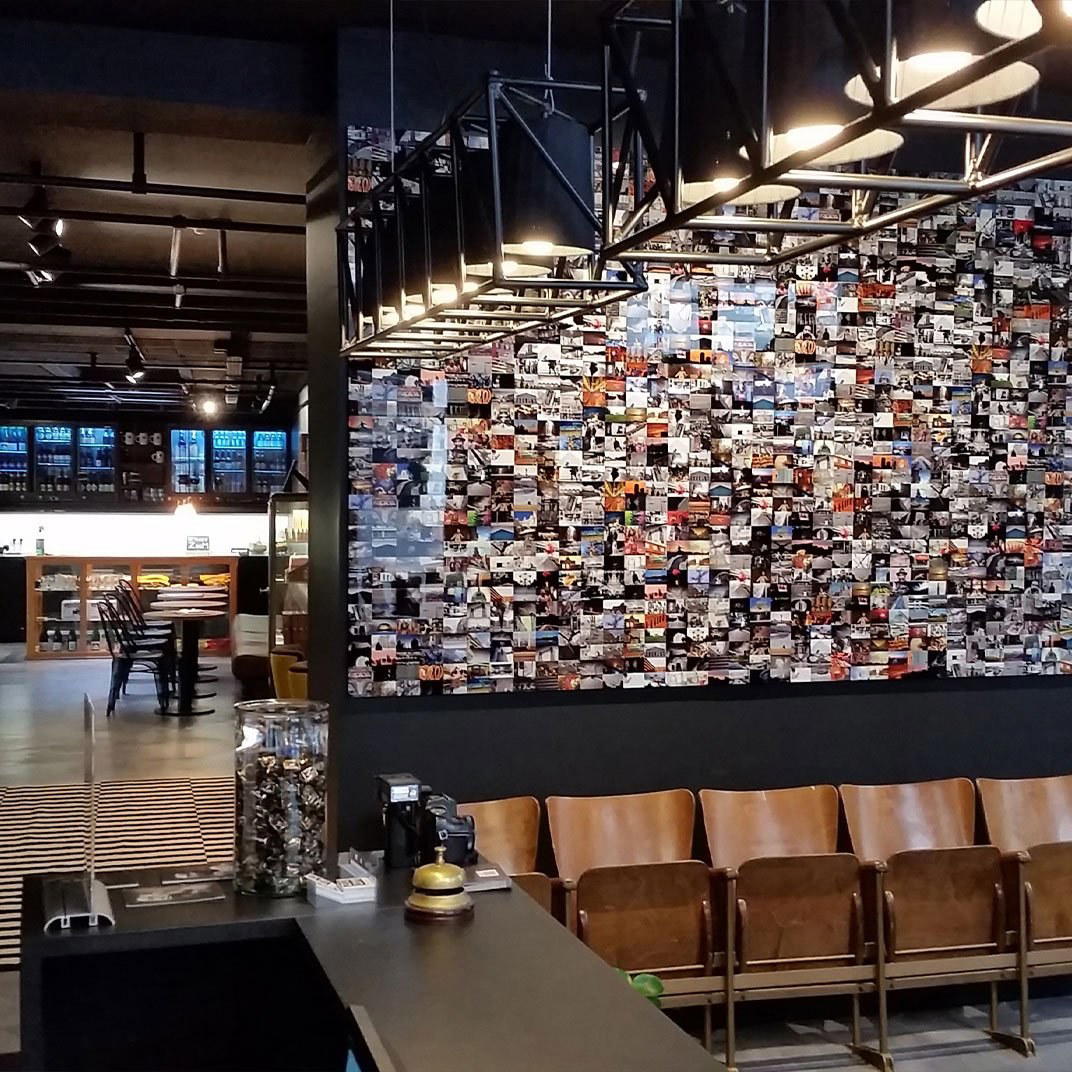
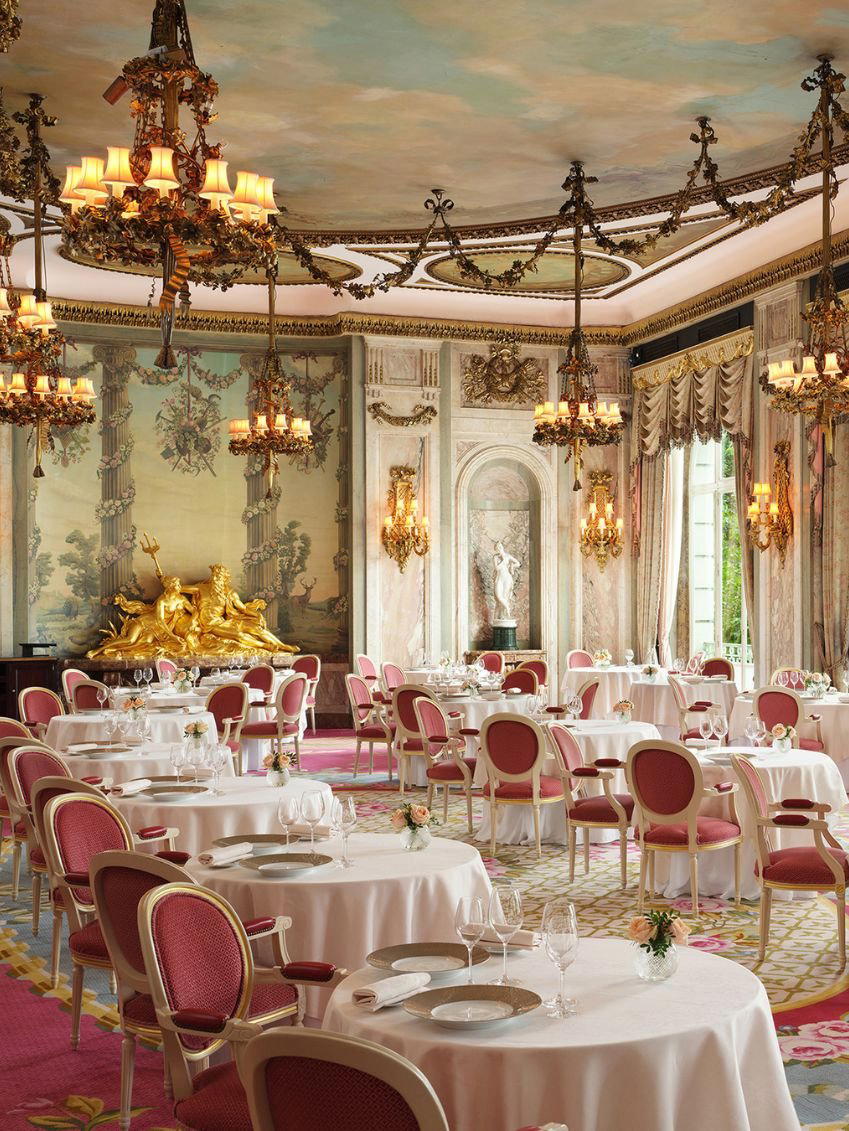
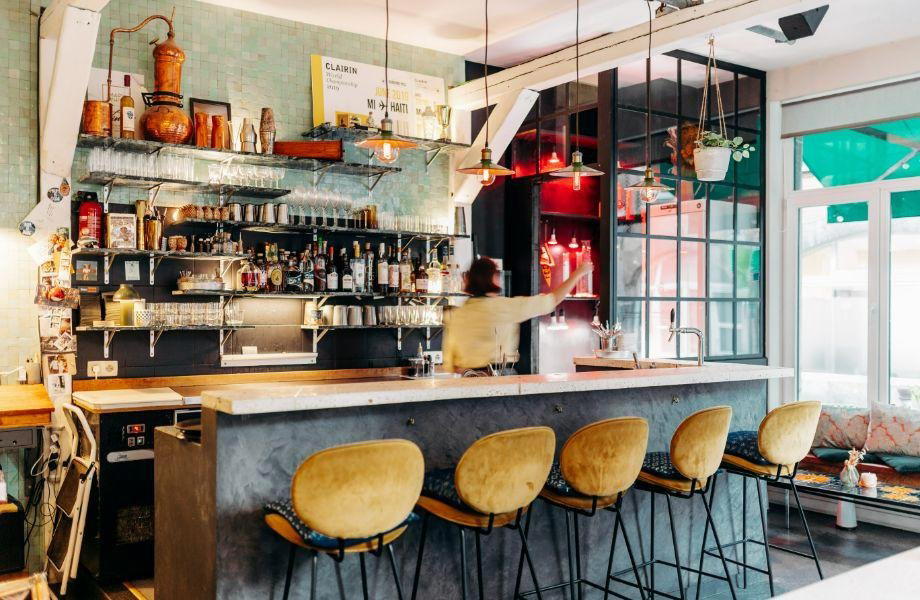
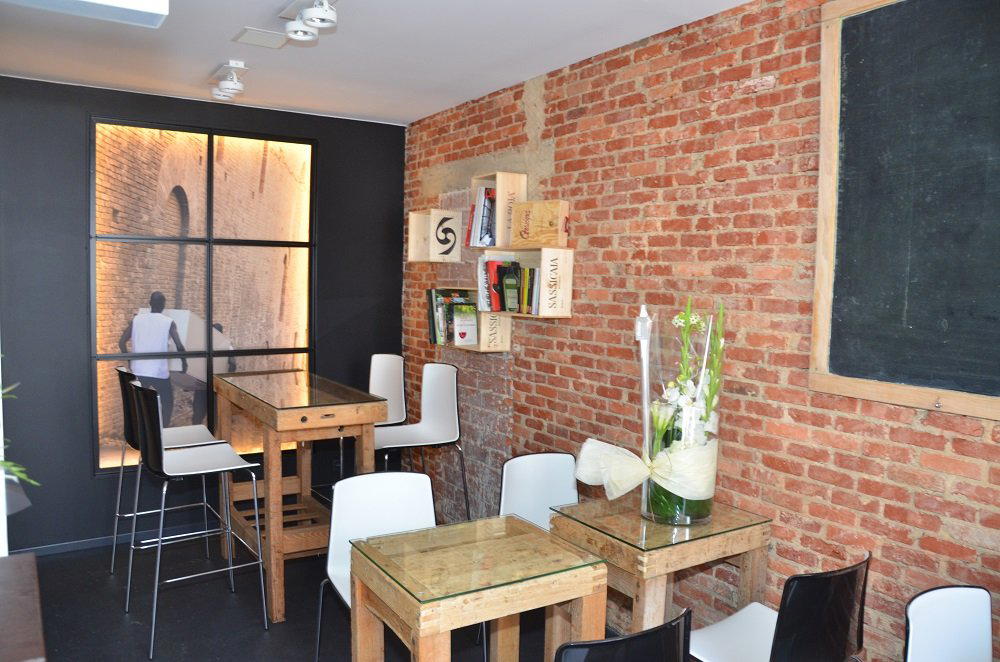
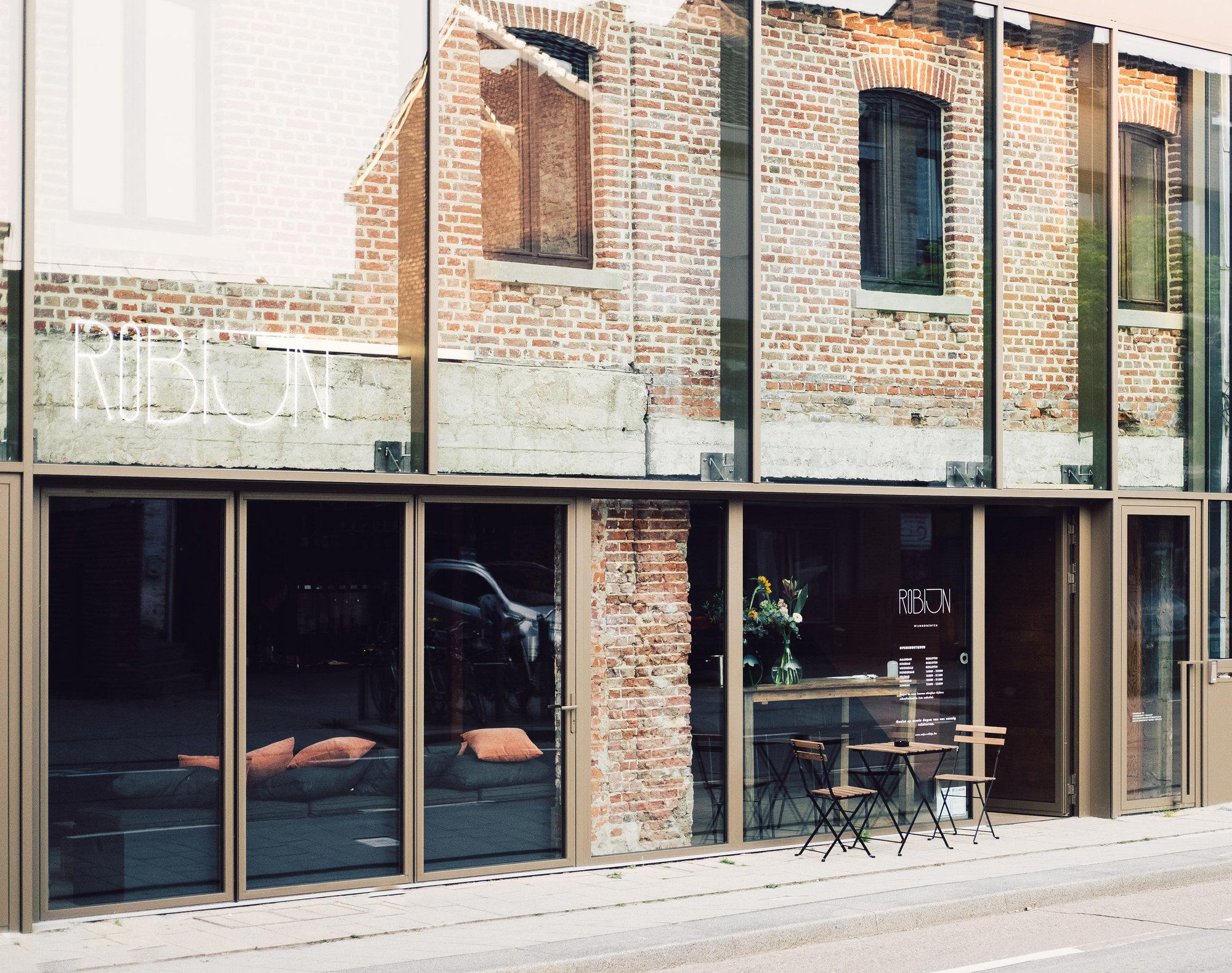
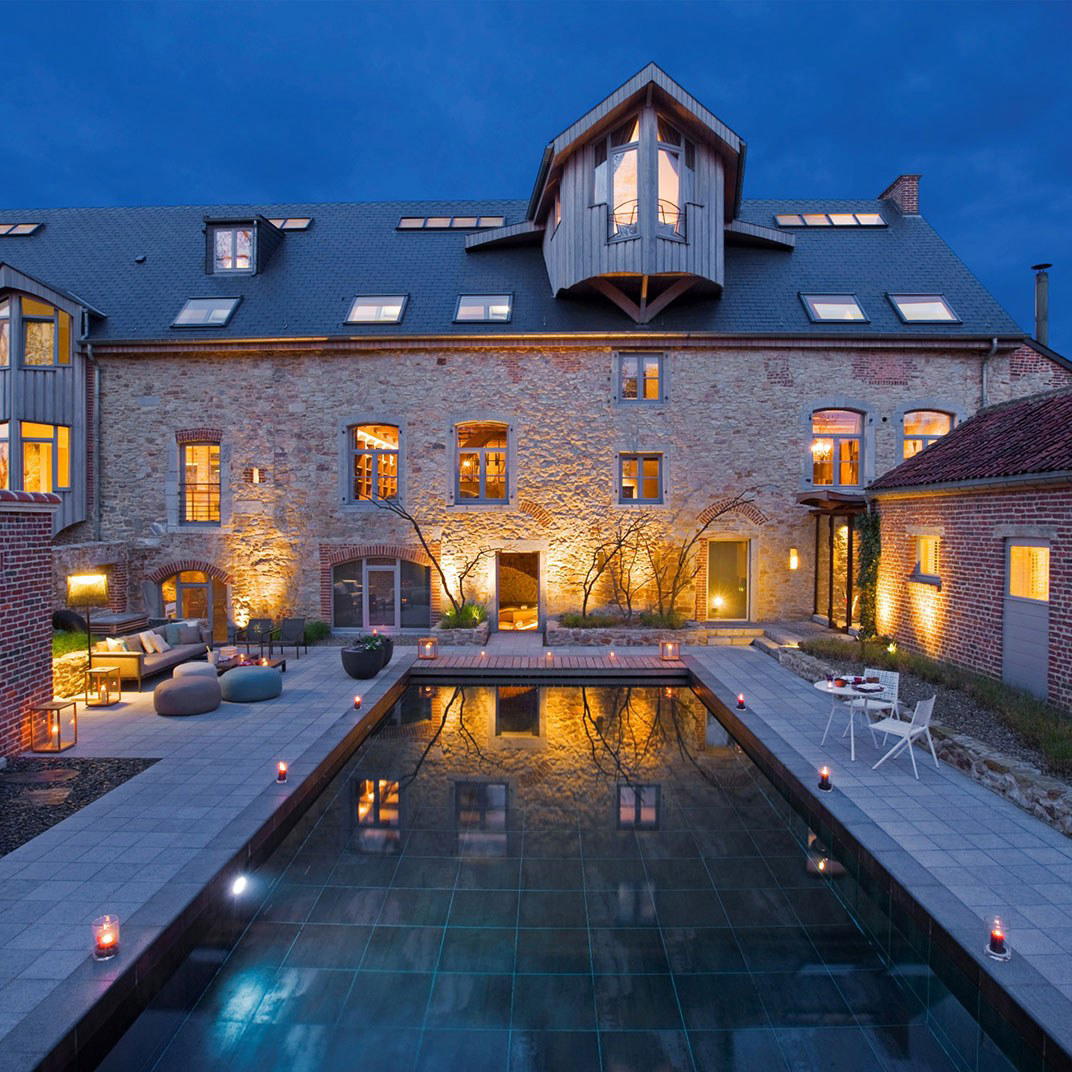
Contemporary, welcoming setting with careful attention to plate presentation and a warm, attentive service atmosphere that balances sophistication with approachability.