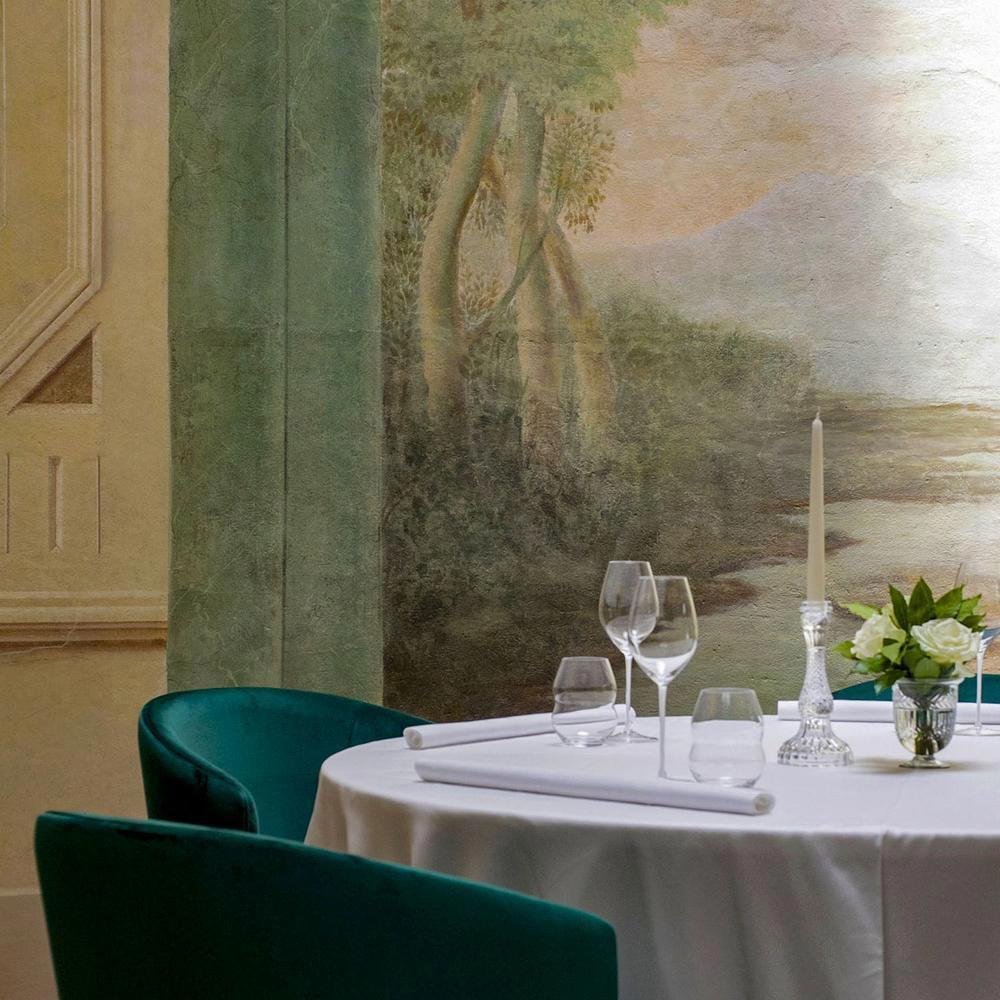
Pavillon Du Vieux Chateau sits in the Hoyoux valley outside Modave, a rural corner of Liège province where château estates and river-cut woodland define the setting long before any menu does. The address alone signals a particular kind of Belgian dining: unhurried, grounded in the surrounding countryside, and oriented toward guests who travel specifically to reach it rather than stumbling past.
Pearl is the En Primeur Club membership app — saves, bookings, and concierge access live there. Same editors, same standards.
- Address
- Vallée du Hoyoux 9, Mod, 4577 Modave, Belgium
- Phone
- +3285411343
- Website
- lepavillonduvieuxchateau.be
- Directions
- Get directions
 Saves & bookings on Pearl
Arriving in the Hoyoux Valley
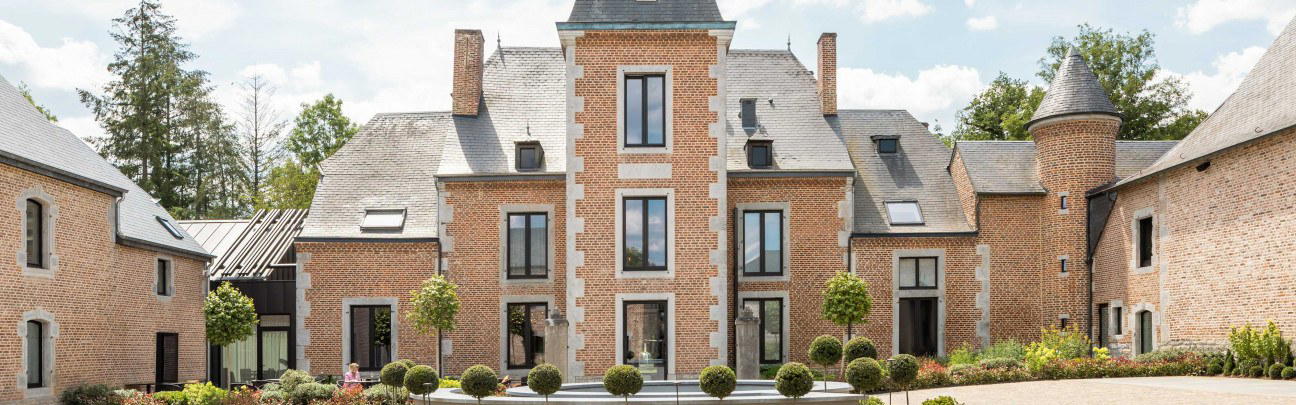
The road into Modave follows the Hoyoux river through a series of limestone gorges and beech-covered slopes that thin the traffic considerably by the time you reach Vallée du Hoyoux 9. This is Liège province at its most rural: no through-road foot traffic, no urban dining cluster, just the kind of address that Belgian country restaurants have occupied for generations. Pavillon Du Vieux Chateau sits within that tradition, a setting shaped by the proximity of Château de Modave, whose grounds and forested banks frame the approach. The physical context does the first work. By the time you arrive, the city cadence has already been replaced by something slower.
That geographical positioning is not incidental. Belgium's most interesting rural tables tend to occupy places where the land itself is the organising principle, where what grows nearby, what runs through the fields, and what comes out of the water informs the plate more directly than urban supply chains allow. The Hoyoux valley fits that pattern. It is close enough to Liège for a considered dinner journey but far enough to belong to a different register of dining entirely.
The Sourcing Argument for Rural Liège
Belgium's fine dining conversation is frequently anchored in Flanders, where houses like Hof van Cleve in Kruishoutem, Boury in Roeselare, and Zilte in Antwerp draw attention and critical column inches. Wallonia operates on a different axis. The Ardennes and the river valleys of Liège province have long supported a kitchen culture that runs on proximity: game from managed forests, river fish from the Ourthe and Meuse tributaries, dairy from small-scale Walloon farms, and seasonal vegetables from kitchen gardens that are part of the estate logic rather than a marketing add-on.
That sourcing geography matters because it shapes what Belgian country restaurants in this zone can actually offer that urban kitchens cannot easily replicate. Freshness compresses the supply chain in a way that alters the character of the plate. Wild mushrooms foraged from the surrounding woodland, trout from streams within a short drive, and locally reared lamb occupy a different position on the table than the same ingredients sourced through a wholesale channel in Brussels or Antwerp. This is not a romantic argument, it is a logistical one, and it is the reason that certain rural Walloon addresses hold relevance for serious eaters even when they sit well outside the Michelin-mapped urban corridors.
For broader context on how this fits within Belgium's restaurant scene, tables like La Roseraie offer a parallel reference point for the style of cooking this valley supports. Further afield, L'air du Temps in Liernu and La Table de Maxime in Our represent the Walloon rural tier at its most formally recognised, useful benchmarks for understanding where countryside cooking in French-speaking Belgium can reach when the sourcing and technique align.
The Château Estate as Dining Context
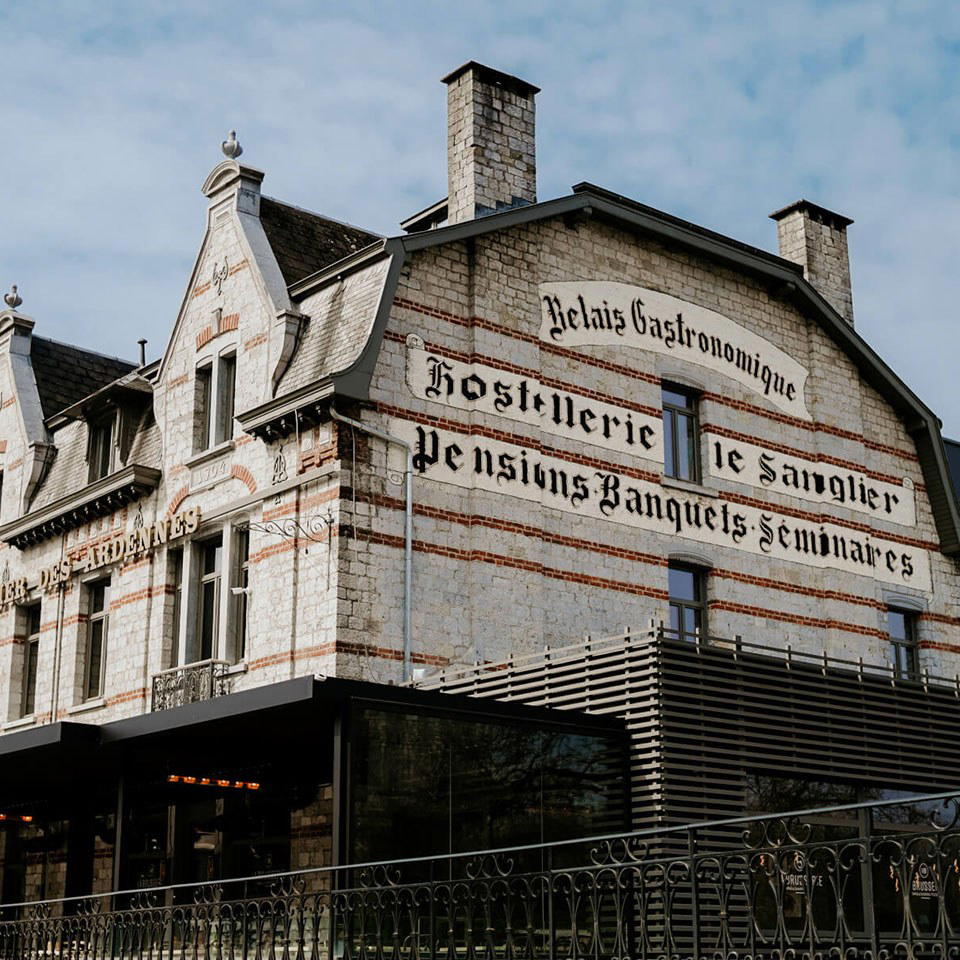
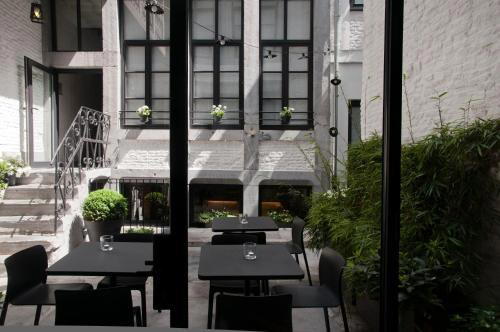
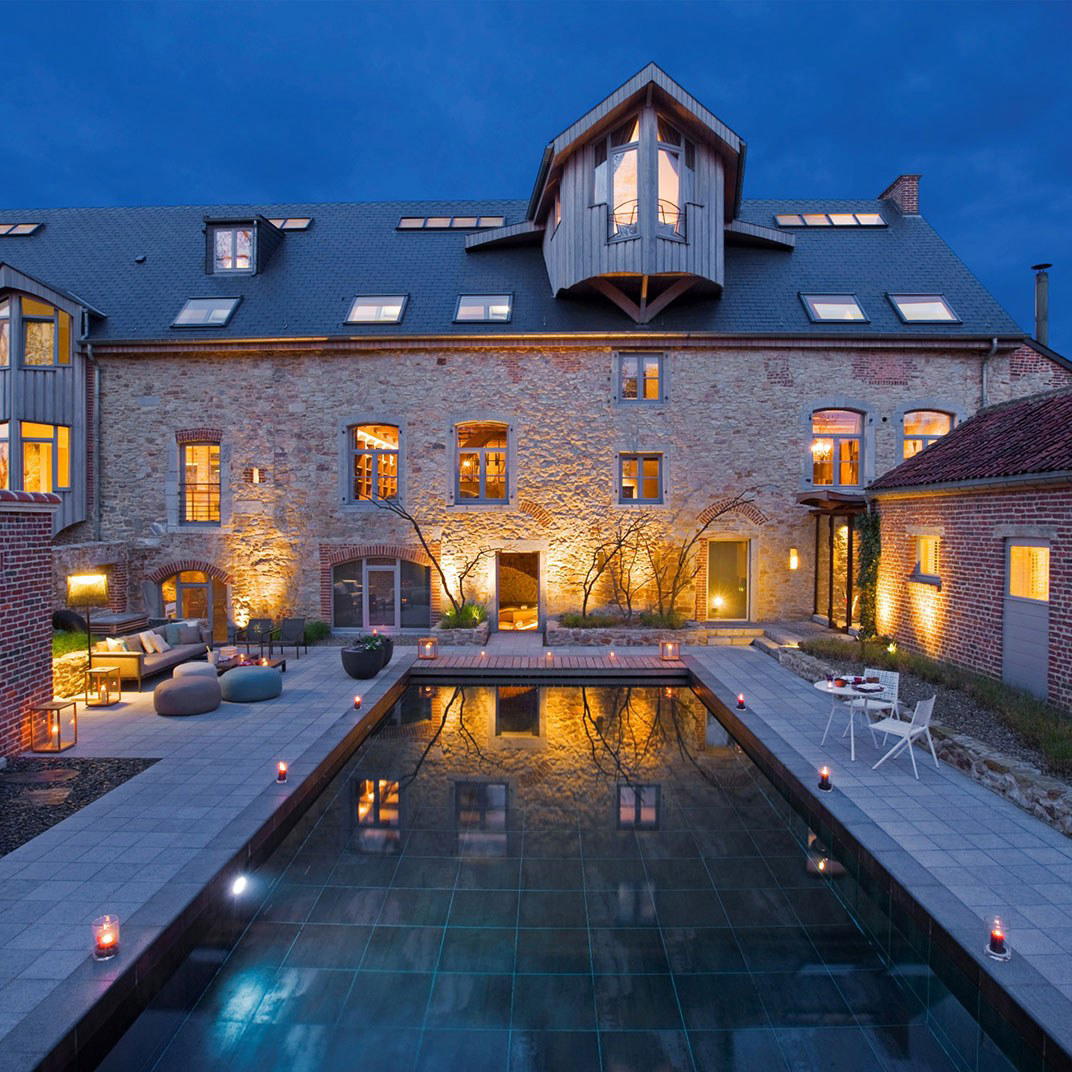
Restaurants attached to or adjacent to historic estate architecture carry a particular set of expectations in Belgium and northern France. The setting implies a certain register: generous space, a slower pace, menus that take their seasonal cues from the surrounding land rather than from trend cycles. The proximity of Château de Modave, a structure that has stood in various forms since the medieval period and whose current seventeenth-century face makes it one of the more intact examples of Walloon noble architecture, gives Pavillon Du Vieux Chateau a physical context that few urban restaurants can claim.
That context shapes the experience before the food arrives. Dining adjacent to that kind of architectural weight tends to attract a guest who is there for a considered half-day or full-day visit, not a quick table turn. It also positions the restaurant within a niche that Belgium handles particularly well: the country house table that earns its place through what it serves rather than purely through the setting it occupies. The setting is the frame; the plate is the argument.
Where This Fits in the Belgian Dining Picture
Belgium's restaurant map is dense for a country of its size. In Brussels, Bozar Restaurant and Le Chalet de la Forêt in Uccle represent the urban formal end. Along the coast, Bartholomeus in Heist and Willem Hiele in Oudenburg have built reputations on hyper-local coastal sourcing. In Flanders, De Jonkman in Sint-Kruis, Castor in Beveren, and Maison Colette in Tongerlo each occupy distinct niches within the creative Flemish tier. Wallonia's entries in that conversation, d'Eugénie à Emilie in Baudour and La Durée in Izegem, demonstrate that the French-speaking south is capable of producing tables that compete on technique and sourcing, not just on setting.
Pavillon Du Vieux Chateau occupies a different register from those other addresses. Its position is geographic and experiential: a destination that earns its journey by placing the guest in a landscape that actively contributes to what ends up on the table. That is a specific kind of value, and one that a segment of Belgian diners rates highly. Internationally, it belongs to the same category of countryside address that serious travellers seek out when they want the meal to begin on the road rather than at the door, a tradition well-represented at addresses like Le Bernardin in New York or Atomix, where the precision of context is as deliberate as the precision of the plate, even if the scales differ considerably.
Planning a Visit
Modave sits roughly 25 kilometres south of Liège and is most practically reached by car; the valley road that runs alongside the Hoyoux is not served by regular public transport at a frequency that suits a dinner visit. The château grounds are a draw in their own right, making a combined visit, estate in the afternoon, table in the evening, the logical structure for guests travelling from Liège, Namur, or further. The drive, the setting, and the seasonal character of Walloon country cooking all benefit from arriving without the pressure of onward logistics.
For families considering the visit, the rural estate setting, open space, a relaxed pace, and distance from urban dining density, tends to suit multi-generational groups better than a formal city counter would. That said, the estate atmosphere implies a certain level of consideration for the space; it is not the kind of address that suits young children at a dinner service, though lunch visits in the warmer months are likely to be more accommodating in that respect.
Side-by-Side Snapshot
Comparable venues nearby, for context on price, style, and recognition.
| Venue | Cuisine | Price | Awards | Notes |
|---|---|---|---|---|
| Pavillon Du Vieux ChateauThis venue — the venue you are viewing | Seasonal French Fine Dining | $$$ | Not listed | Not listed |
| La Roseraie | Modern French Fine Dining | $$$$ | Michelin 1 Star | Modave |
| Bougie | Modern French Bistro | $$$ | Not listed | Het Dorp |
| Chamarel | French Bistronomic | $$$ | Not listed | Hannut |
| Hippocampus | Refined French Fine Dining | $$$ | Not listed | Mol-Wezel |
| La dernière pièce | French-Belgian Bistronomy | $$$ | Not listed | Evelette |
At a Glance
- Romantic
- Elegant
- Scenic
- Date Night
- Special Occasion
- Terrace
- Historic Building
- Extensive Wine List
- Waterfront
- Garden
Current opening hours
- Monday
- Closed
- Tuesday
- Closed
- Wednesday
- 7–11 PM
- Thursday
- 12–4 PM, 7–11 PM
- Friday
- 12–4 PM, 7–11 PM
- Saturday
- 7–11 PM
- Sunday
- 12–4:30 PM
Hours can change for holidays and private events. Last verified .
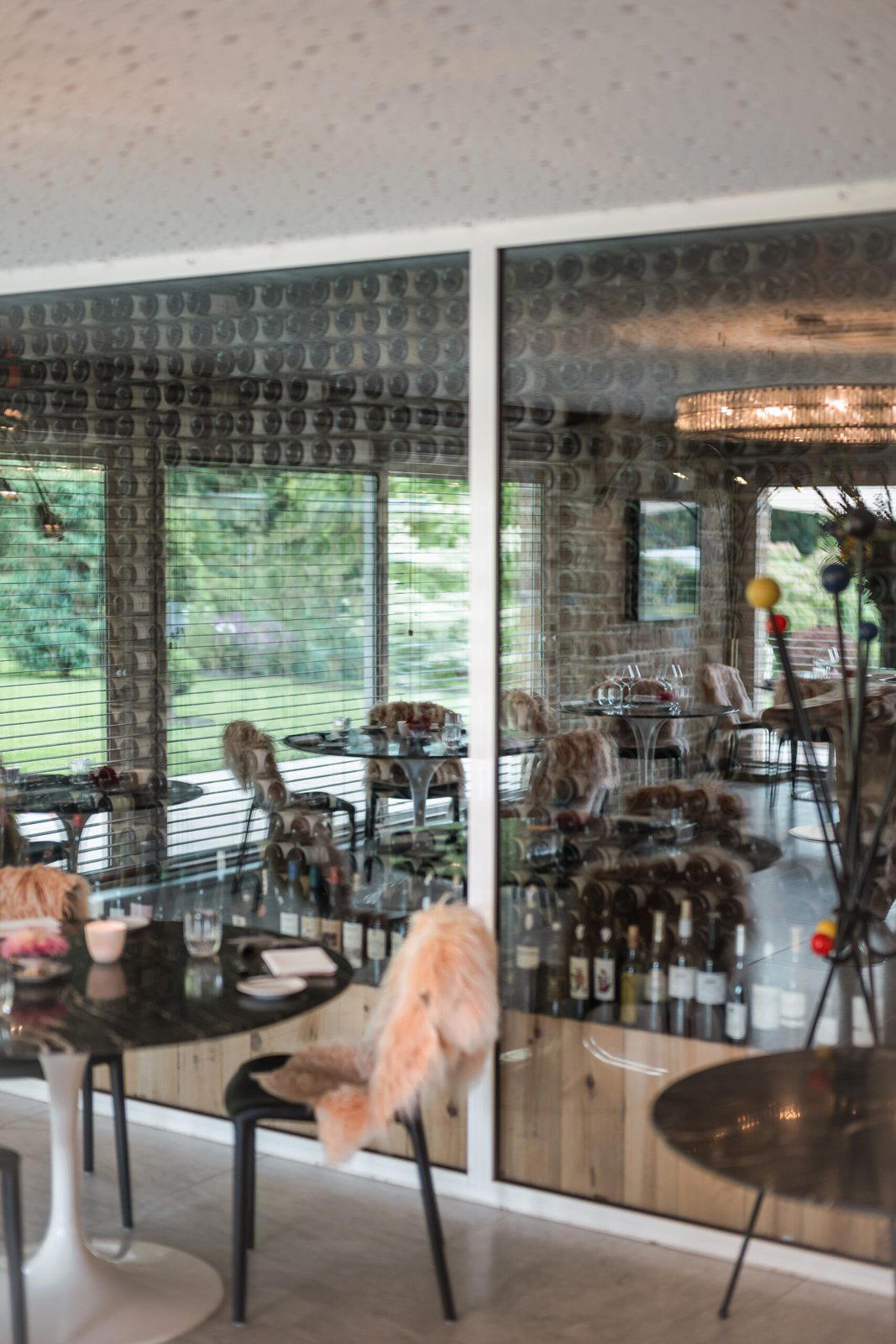
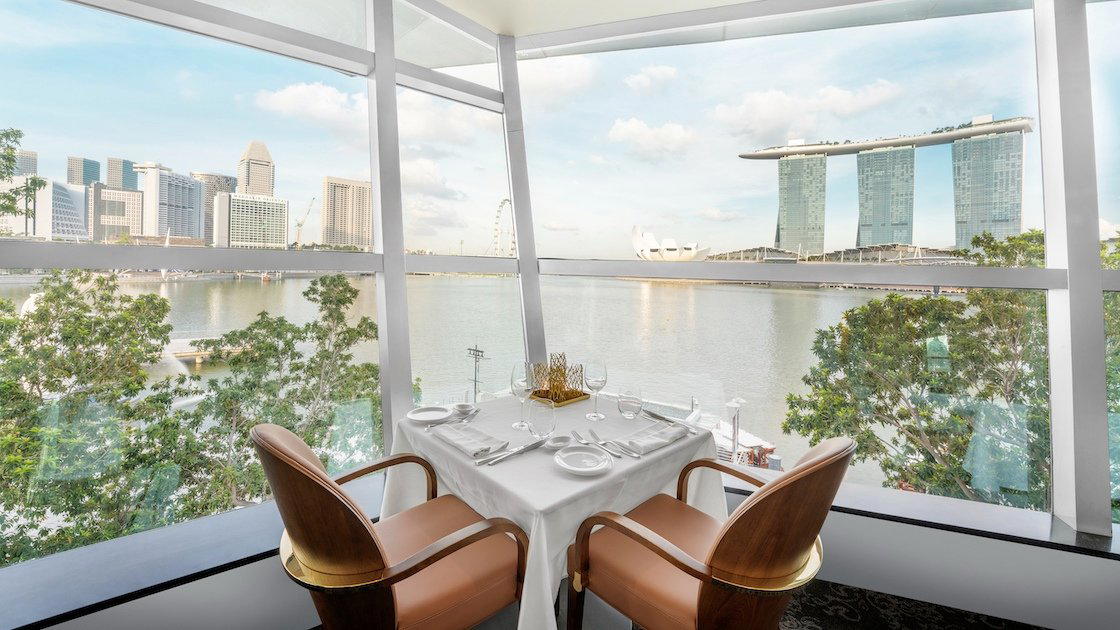
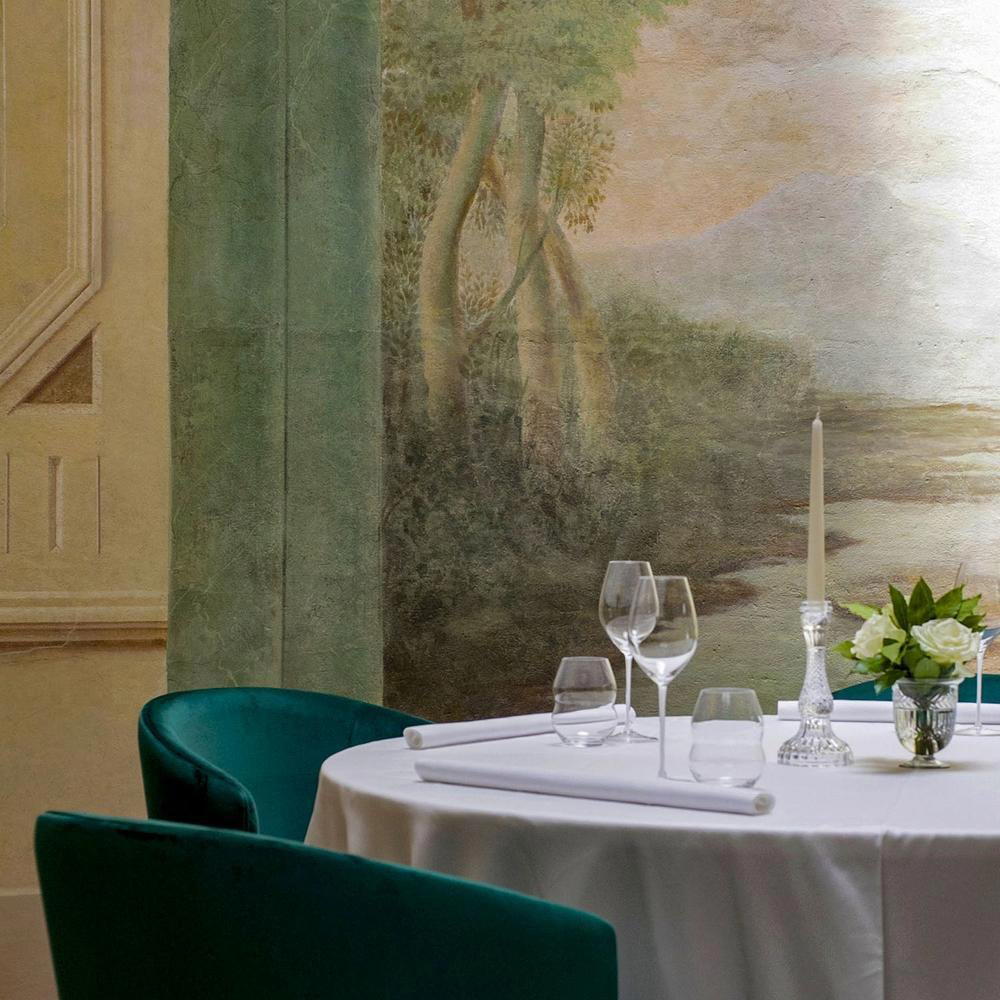
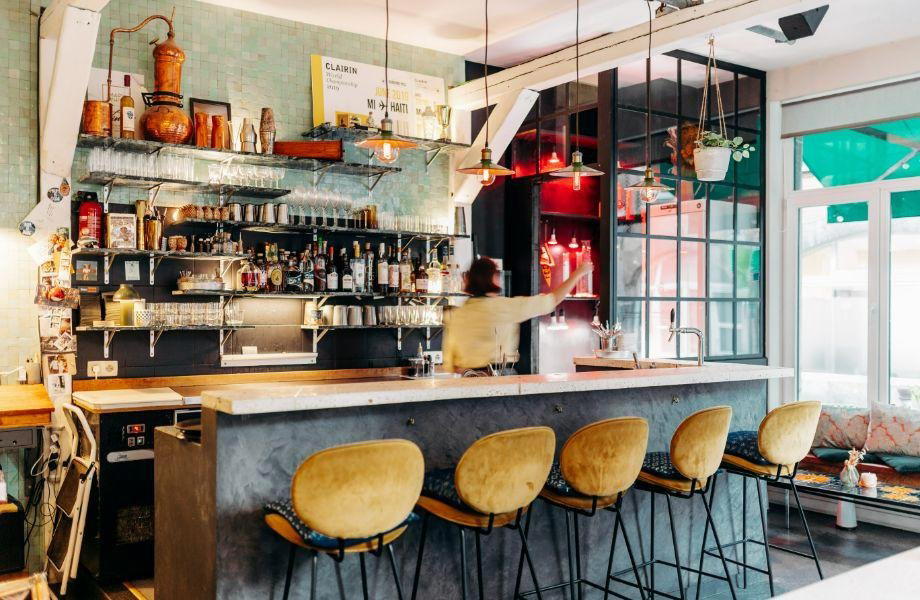
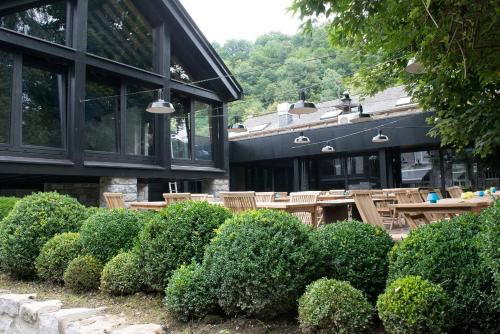
Contemporary decor indoors with warm hospitality; delightful terrace by the water in summer.