
Cera 23 occupies a quiet address in Barcelona's Ciutat Vella, operating at the intersection where neighbourhood intimacy meets considered cooking. The restaurant sits in a district defined by centuries of layered culinary influence, drawing a clientele that prefers depth over spectacle. For visitors tracing the arc of Barcelona's creative dining scene, it represents an entry point worth examining on its own terms.
Pearl is the En Primeur Club membership app — saves, bookings, and concierge access live there. Same editors, same standards.
- Address
- Carrer de la Cera, 23, Ciutat Vella, 08001 Barcelona, Spain
- Phone
- +34934420808
- Website
- cera23.com
- Directions
- Get directions
 Saves & bookings on Pearl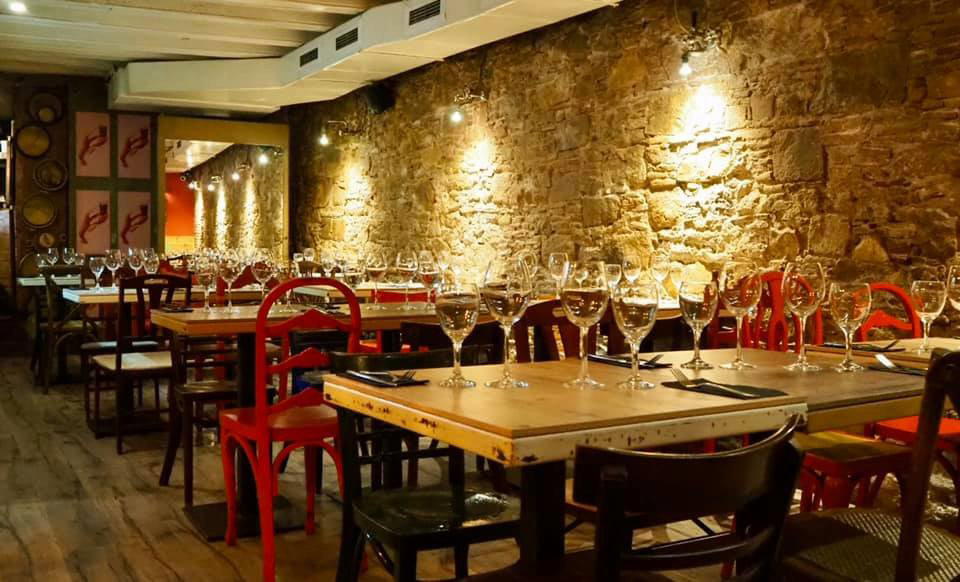
A Street in Ciutat Vella, and What It Signals
Cera 23 is an independent restaurant in Barcelona's Ciutat Vella, serving modern Galician-Mediterranean fusion at about $40 per person.
Carrer de la Cera runs through the Raval quarter of Ciutat Vella, one of Barcelona's oldest and most densely inhabited districts. This is not the postcard Barcelona of Eixample boulevards and Modernista facades. Raval is compressed, layered, and lived-in, a neighbourhood where bodegas and cultural centres share walls, and where the dining scene has historically operated below the threshold of international attention. That geography matters when reading what a restaurant in this postcode is trying to do. A room here is making a different argument than one on Carrer d'Aragó or overlooking the waterfront.
Barcelona's fine dining conversation tends to concentrate elsewhere. Disfrutar, currently ranked among the world's leading creative restaurants, operates from the Eixample. Cocina Hermanos Torres occupies a converted warehouse in Les Corts. ABaC sits in a hotel on the Avinguda del Tibidabo. Lasarte anchors the Monument Hotel in the upper Eixample. Enigma commands a multi-room experience format in Sant Antoni. Raval, by contrast, has been slower to attract that category of attention, which is precisely what makes an address like Cera 23 worth examining.
The Architecture of a Meal in This Register
At the tier of cooking where a multi-course progression is the primary format, the meal operates as a structured argument. Each course is a position, and the sequence is a claim about how flavours, textures, and temperatures relate to one another. This is not a new idea in Spain. The tasting menu as an intellectual construct has roots that run from El Celler de Can Roca in Girona through to the Basque tradition represented by Arzak in San Sebastián and Mugaritz in Errenteria. At these tables, the opening courses function as an orientation, establishing a kitchen's sensibility before the middle courses carry the weight, and the closing sequence resolves what came before.
What distinguishes the smaller, neighbourhood-embedded restaurants in cities like Barcelona is that the same progression logic often applies at lower price points and with less theatrical infrastructure. The meal still has a shape. The opening still establishes a register. The question is whether the kitchen has the discipline to sustain an arc across eight or ten courses without the production resources of a larger operation. Spain has a strong record here: restaurants like Ricard Camarena in València and Atrio in Cáceres demonstrate that structured progression cooking is not confined to the country's highest-profile addresses.
Raval as a Culinary Context
The Raval quarter has historically been Barcelona's most demographically complex neighbourhood, and that complexity has shaped its food culture. Catalan cooking sits alongside North African, South Asian, and Latin American influences in a district where the market culture of La Boqueria, just blocks away on La Rambla, has long supplied both professional kitchens and domestic cooks. Any restaurant operating seriously in this context is in dialogue with that supply chain and that neighbourhood character, whether it acknowledges it explicitly or not.
Spain's broader creative dining trajectory, from the molecular experiments of the early 2000s through to the more product-focused, terroir-conscious approaches that have dominated the past decade, plays out differently in neighbourhood settings than at flagship destination restaurants. The pressure to be legible to an international audience is lower. The latitude to cook for a local clientele, and to adjust a menu seasonally based on what Catalan markets are actually producing, is correspondingly higher. This is a distinct advantage for kitchens that know how to use it.
Internationally, parallels exist: Lazy Bear in San Francisco built a serious tasting-menu operation from a neighbourhood-embedded position before formalising into a permanent space. Le Bernardin in New York City has sustained a multi-decade reputation through menu discipline and product fidelity rather than reinvention. The logic of structured cooking in a focused room, rather than a spectacle-led experience, is a coherent position in any city.
Where Cera 23 Sits in the Barcelona Spectrum
Barcelona's creative dining tier is well-populated at the leading. Disfrutar and Cocina Hermanos Torres compete in a global frame. Enigma operates as a format experiment as much as a restaurant. Below that tier, the city has a broader mid-level creative scene that rarely surfaces in international editorial coverage. This is where neighbourhood addresses in Raval, Gràcia, and Poble-sec operate, drawing a clientele that is often more Barcelona-resident than tourist, and that expects cooking to reflect the city's actual market rhythms rather than a static menu designed for repeat visitors.
Spain's restaurant ecosystem outside the headline tier is anchored by a strong regional ingredient culture. The Catalan pantry, anchored by romesco, salt cod, calçots, and the seasonal produce of the Ebro Delta and the Pyrenean foothills, gives kitchens working at any price point access to materials with genuine character. Quique Dacosta in Dénia, Aponiente in El Puerto de Santa María, and Azurmendi in Larrabetzu each demonstrate how deeply regional sourcing can anchor creative cooking at a high level. The same logic scales down. A kitchen in Raval working with seasonal Catalan produce is drawing from a supply chain with real depth.
Peers in This Market
Comparable venues nearby, for context on price, style, and recognition.
| Venue | Cuisine | Price | Notes |
|---|---|---|---|
| Cera 23This venue — the venue you are viewing | Modern Galician-Mediterranean Fusion | $$$ | Not listed |
| Rooftop Garden | Modern Mediterranean Tapas | $$$ | la Dreta de l'Eixample |
| Arcano | Contemporary Mediterranean Grill | $$$ | Sant Pere, Santa Caterina i la Ribera |
| Restaurant Cadaqués | Mediterranean Arrocería with Wood-Fired Rice | $$$ | Sant Pere, Santa Caterina i la Ribera |
| El Xalet de Montjuïc | Modern Mediterranean with Catalan Influences | $$$ | el Poble Sec |
| La Dolça Herminia | Traditional Catalan with Modern Mediterranean Twists | $$ | Sant Pere, Santa Caterina i la Ribera |
Recognition history
Dated appearances from independent guides and award organizations, with the underlying list record or original source where available.
Macarfi 7.3 Food Rating
Macarfi
Continue exploring
More in Barcelona
Restaurants in Barcelona
Browse all →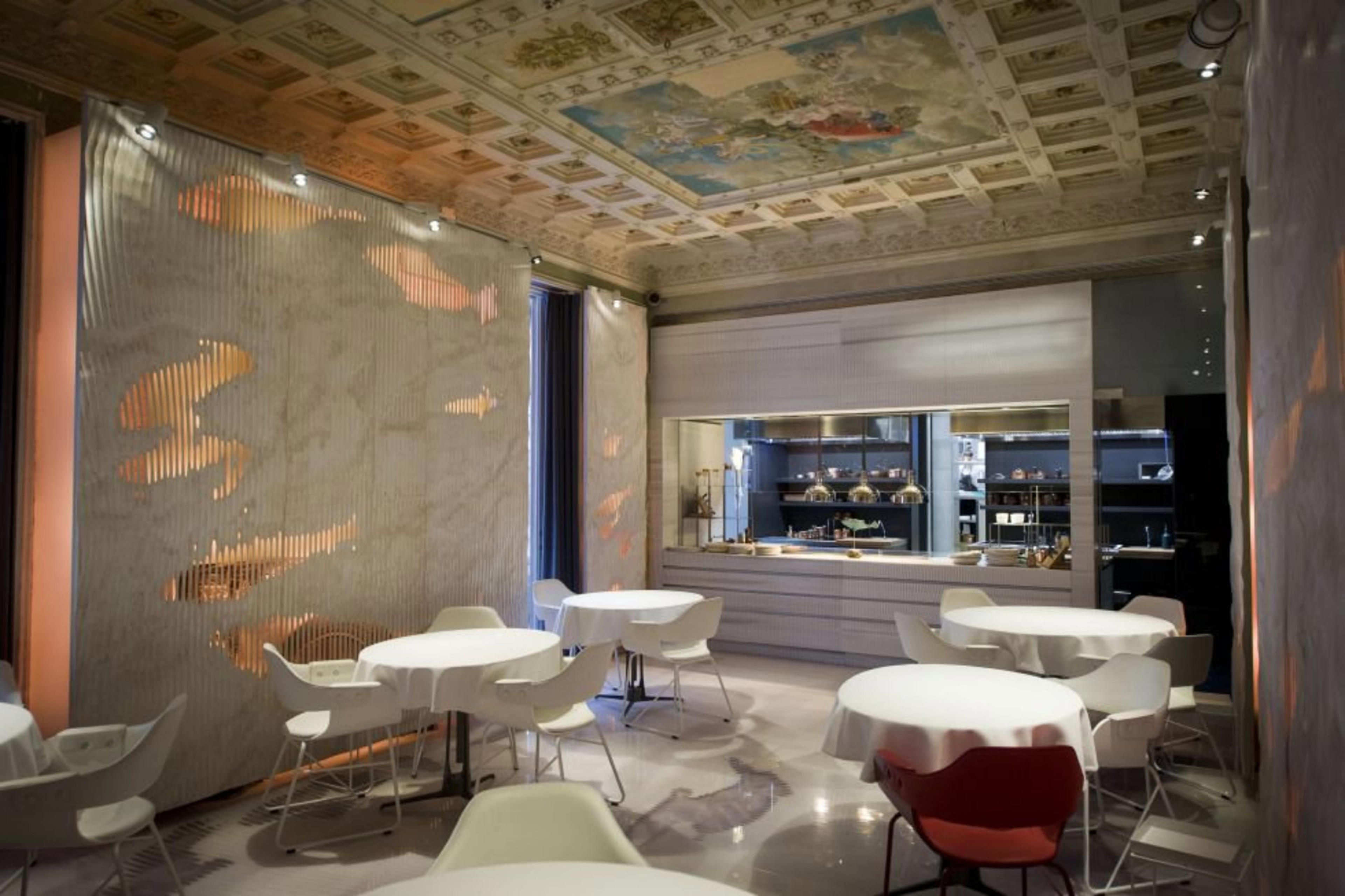
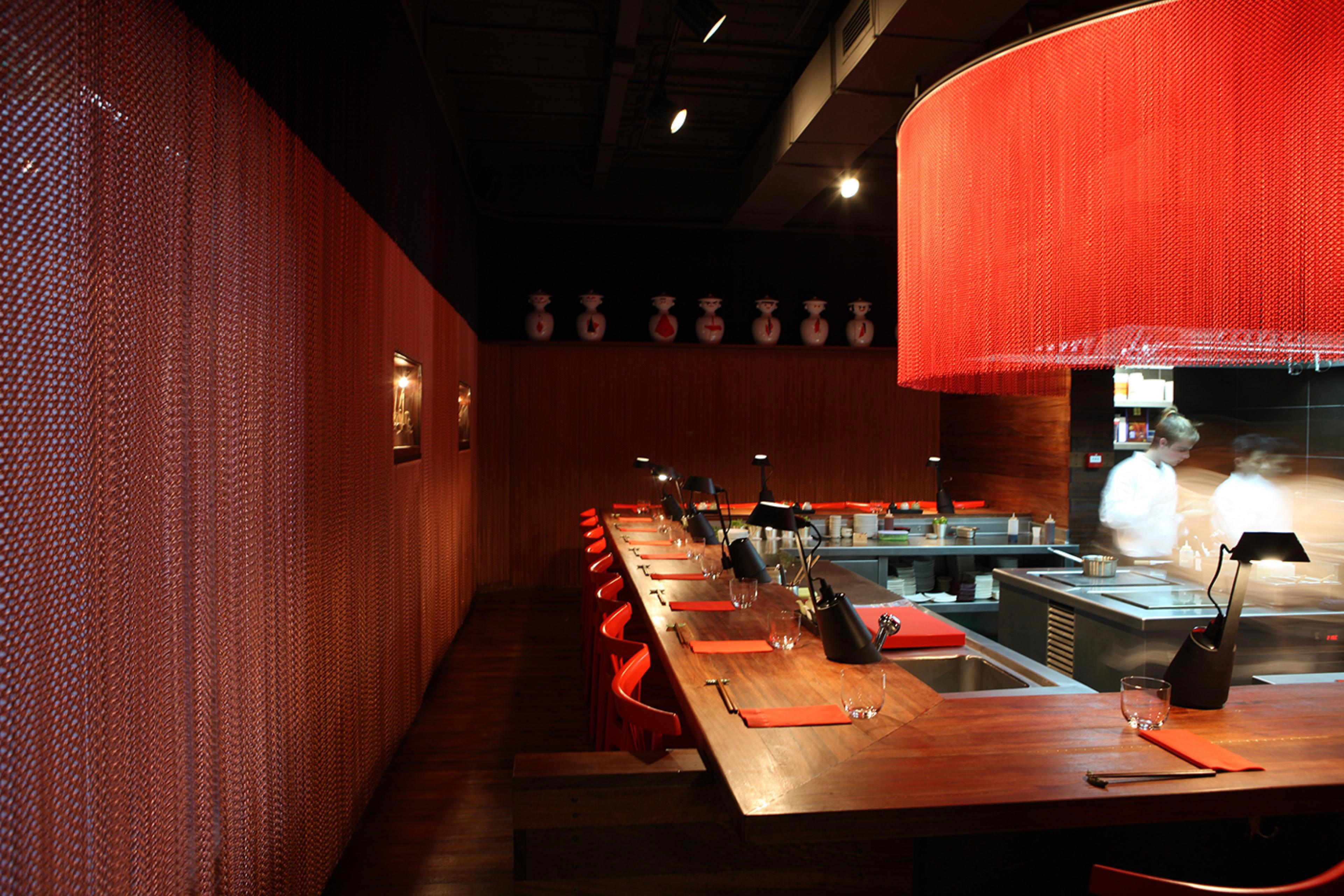
Bars in Barcelona
Browse all →
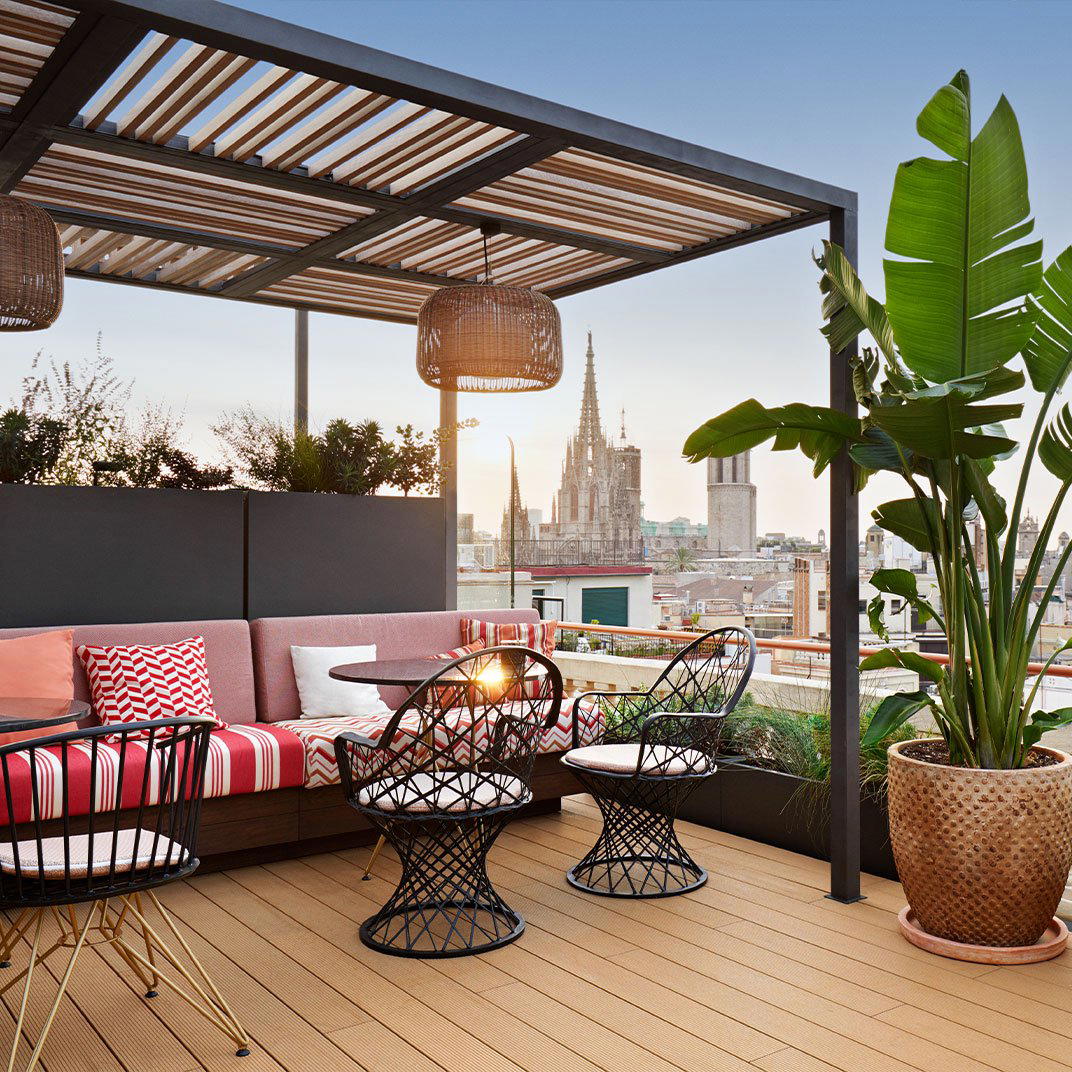
Hotels in Barcelona
Browse all →
At a Glance
- Cozy
- Trendy
- Lively
- Modern
- Date Night
- Group Dining
- Casual Hangout
- Open Kitchen
- Craft Cocktails
- Local Sourcing
Current opening hours
- Monday
- 1–11 PM
- Tuesday
- 1–11 PM
- Wednesday
- 1–11 PM
- Thursday
- 1–11 PM
- Friday
- 1–11:30 PM
- Saturday
- 1–11:30 PM
- Sunday
- 1–11 PM
Hours can change for holidays and private events. Last verified .
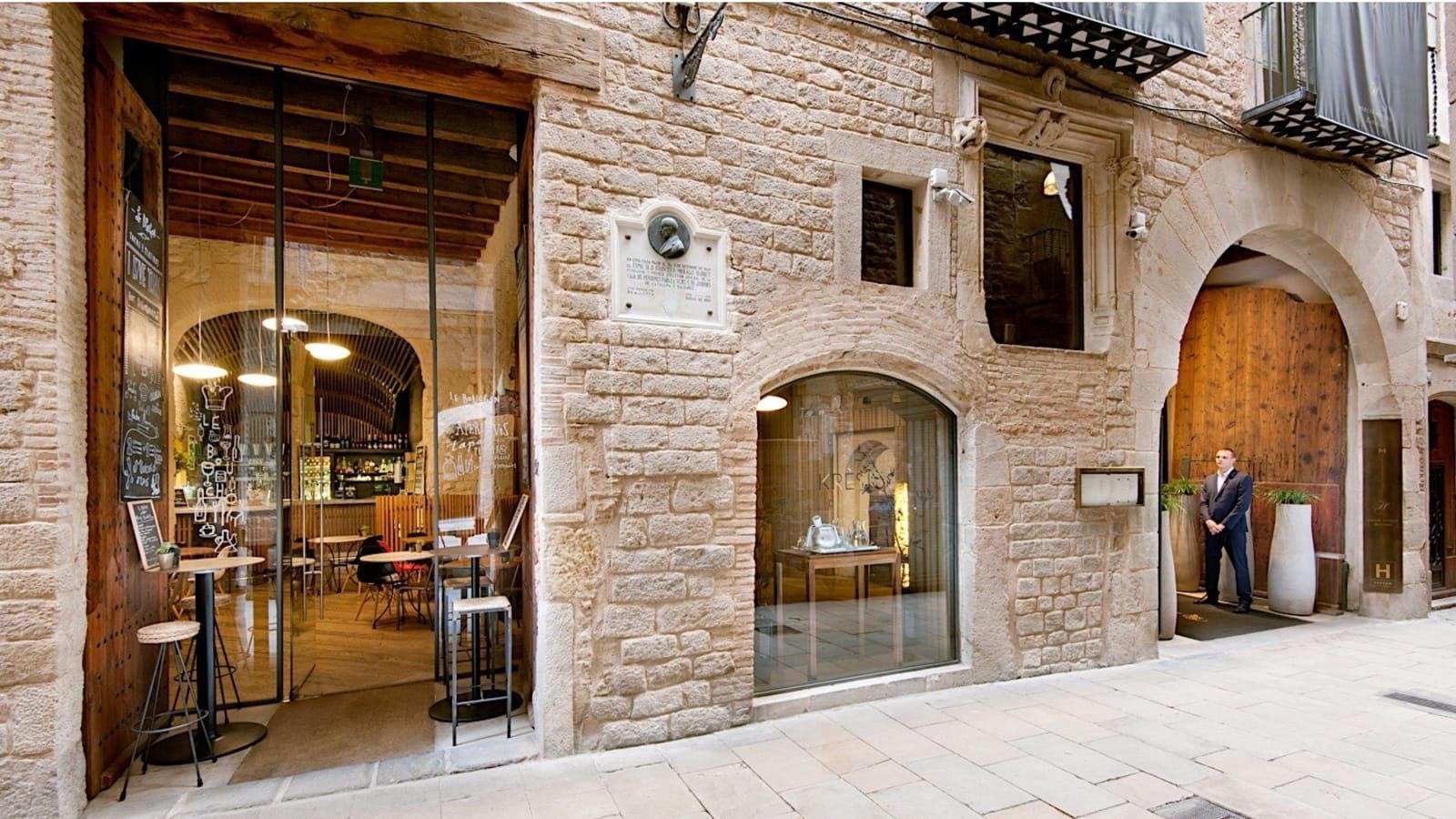
Cozy cave-like interior with brick walls, stone floors, antique wood arches, and lively upbeat atmosphere around the open kitchen.