La Dolça Herminia sits on Carrer de les Magdalenes in the heart of Ciutat Vella, Barcelona's oldest urban quarter, where the supply chain from Catalonia's fishing ports and inland markets has shaped neighbourhood cooking for generations. The address places it inside one of the city's most historically layered dining districts, a short walk from the Barri Gòtic's covered market network and the wholesale infrastructure that feeds serious kitchens across the city.
Pearl is the En Primeur Club membership app — saves, bookings, and concierge access live there. Same editors, same standards.
- Address
- Carrer de les Magdalenes, 27, Ciutat Vella, 08002 Barcelona, Spain
- Phone
- +34933170676
- Website
- andilana.com
- Directions
- Get directions
 Saves & bookings on Pearl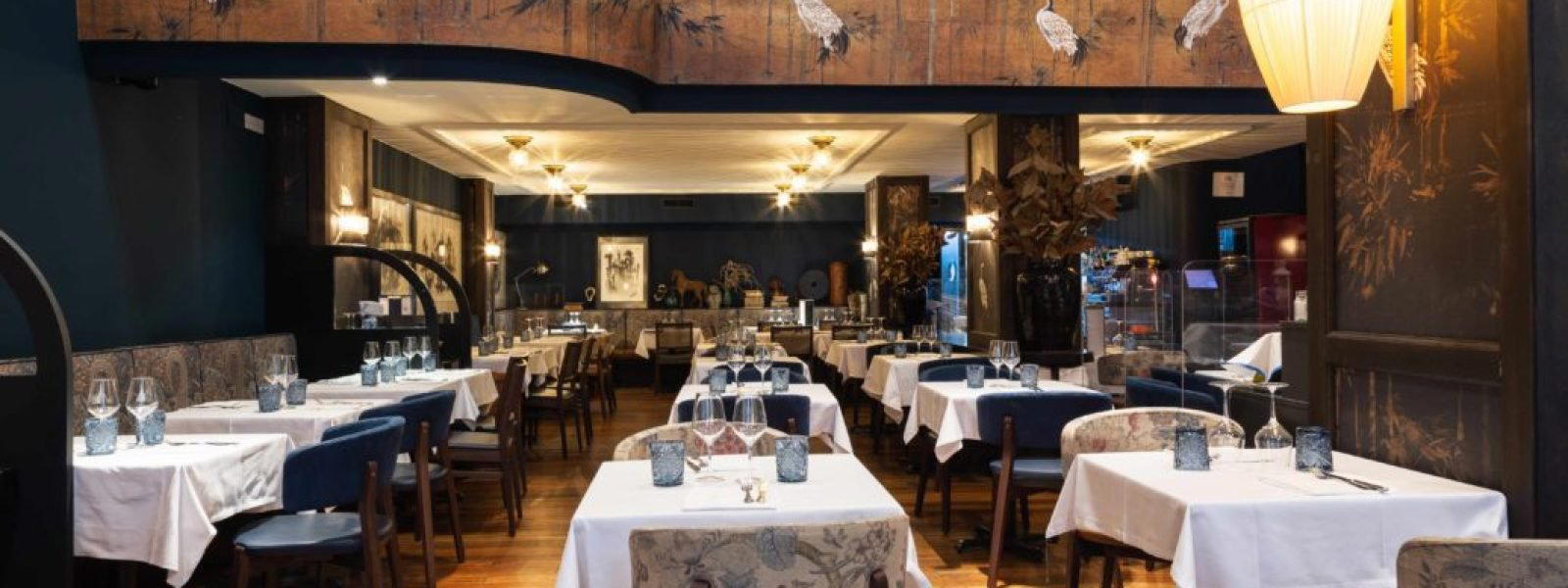
A Street in Ciutat Vella, and What It Tells You About Barcelona's Supply Chain
Carrer de les Magdalenes cuts through the oldest settled fabric of Barcelona, a few minutes' walk from the Mercat de Santa Caterina and within reach of the wholesale routes that have fed this part of the city since the medieval period. In Ciutat Vella, proximity to that supply infrastructure has always mattered more than proximity to tourist thoroughfares. The restaurants that have lasted in this neighbourhood tend to be the ones oriented toward produce first, décor second. That ordering is not accidental: it reflects a Catalan culinary tradition in which the quality of what arrives at the kitchen door is the primary creative constraint, not a secondary consideration.
That tradition connects Barcelona's neighbourhood kitchens to a broader Spanish pantry that runs from the fishing port of Aponiente in El Puerto de Santa María to the market-driven rigour of Ricard Camarena in València. At the highest tier, sourcing decisions are the argument. In Ciutat Vella's mid-range and neighbourhood tier, the same principle applies, scaled differently.
Ingredient Sourcing and the Catalan Kitchen Logic
Catalonia's geographical range gives its cooks an unusually wide sourcing palette. The Pyrenees deliver game, mushrooms, and aged dairy. The Costa Brava and the Ebro Delta supply shellfish and rice. The interior plains produce the legumes and cured meats that anchor traditional escudella and fideuà. In Barcelona's older districts, cooks working in this tradition make decisions about what to put on a plate based on what the week's markets and suppliers have delivered, not on a fixed seasonal menu that gets refreshed quarterly.
This approach contrasts with the more architecturally planned menus at Barcelona's high-end creative restaurants. Places like Disfrutar and Enigma work at a different level of culinary abstraction, building tasting menus where the sourcing is embedded inside technique-heavy compositions priced in the €€€€ bracket. Cocina Hermanos Torres, Lasarte, and ABaC occupy a similar tier. Neighbourhood kitchens in Ciutat Vella operate with a different grammar: produce is the legible subject of the plate, not the substrate underneath a technical intervention.
La Dolça Herminia: The Address and Its Context
La Dolça Herminia is a restaurant in Barcelona's Ciutat Vella, serving Traditional Catalan with Modern Mediterranean Twists at Carrer de les Magdalenes, 27. La Dolça Herminia sits at Carrer de les Magdalenes 27, a street that runs parallel to the Via Laietana corridor separating the Barri Gòtic from the Sant Pere district. The immediate surroundings are dense, pedestrian, and structurally unchanged from the city's medieval grid. In this part of Ciutat Vella, dining rooms tend to be compact, ceilings are low, and the energy is generated by proximity rather than by designed spectacle. Arriving on foot from the Jaume I metro stop, you pass the kind of street-level commerce that has anchored this neighbourhood for decades: small provisioners, local bars, and workshop-scale food producers whose relationship with the city's larger market infrastructure is direct and short-chain.
The name itself carries a local register. Herminia is a Catalan given name with strong generational associations, the kind of name that signals a kitchen connected to domestic tradition rather than imported culinary vocabulary. Dolça, meaning sweet, points toward a cooking sensibility that works within the sweeter registers of Catalan cuisine: dried fruit paired with game, honey applied to aged cheese, the romesco and picada sauces that blend nuts and dried peppers into something simultaneously rich and restrained.
What Ingredient-Led Cooking Looks Like in Practice
Across Spain's serious dining tier, the conversation about sourcing has become increasingly transparent. El Celler de Can Roca in Girona has long cited its regional Catalan producers as essential collaborators. Azurmendi in Larrabetzu built a kitchen garden and greenhouse into its operational logic. Martin Berasategui and Arzak in the Basque Country have each formalised their relationship with northern Spanish produce over decades. At the neighbourhood level, the same commitment looks different but is no less structurally important: menus that shift with market availability, a willingness to work with secondary cuts and seasonal vegetables rather than premium proteins, and a direct relationship between what is available and what is served.
For diners moving between Barcelona's tiers, from the technical ambition of DiverXO in Madrid to the produce-driven simplicity of Ciutat Vella, that shift is instructive. The ingredient-led kitchen in an old neighbourhood like this one makes its argument through transparency, not transformation. What grows near, arrives quickly, and is treated with minimal intervention tends to be the baseline principle.
Where La Dolça Herminia Sits in Barcelona's Dining Structure
Barcelona's dining tiers are more clearly delineated than they appear from the outside. At the leading, a cluster of Michelin-starred creative restaurants competes on a European and global scale. Below that tier, a second layer of technically accomplished modern Spanish kitchens occupies the upper-middle ground. Further down, neighbourhood restaurants in the historic districts serve daily Catalan cooking to a mixed local and visitor audience. The restaurant's address in Ciutat Vella places it in the third category, a district where the overhead structure is different from the Eixample and the expectations are calibrated accordingly.
Beyond Spain, the same sourcing logic appears in different form at Le Bernardin in New York City, where seafood sourcing is the core editorial argument, and at Atomix in New York City, where Korean produce networks underpin a highly technical menu. Mugaritz in Errenteria and Quique Dacosta in Dénia offer the Spanish counterpart to that conversation at its most intellectually developed. Atrio in Cáceres represents how deep Spanish regional larders can anchor high-end tasting menus in lesser-visited cities.
The restaurant stands apart from those addresses. Its competitive frame is the street itself, the neighbourhood market network, and the daily discipline of cooking to what is available.
Know Before You Go
- Address: Carrer de les Magdalenes, 27, Ciutat Vella, 08002 Barcelona, Spain
- District: Ciutat Vella, between Barri Gòtic and Sant Pere
- Nearest Metro: Jaume I (L4), approximately 5 minutes on foot
- Phone: Not available
- Website: Not available
- Hours: Mon to Sun 12:30 PM to 11 PM
- Price range: About $20 per person
- Booking: Recommended
At a Glance
Comparable venues nearby, for context on price, style, and recognition.
| Venue | Cuisine | Price | Notes |
|---|---|---|---|
| La Dolça HerminiaThis venue — the venue you are viewing | Not listed | $$ | Not listed |
| Restaurant Gabriel Barcelona | Barri Gotic, Mediterranean Tapas | $$ | Not listed |
| Sal Mar | Not listed | $$ | la Barceloneta, Mediterranean Fusion with Paella |
| Momo Avinyó | Not listed | $$ | Barri Gotic, Mediterranean Tapas & Paella |
| Casa Club Montjuïc | Not listed | $$ | la Marina de Port, Mediterranean Market Cuisine |
| Bistro Mató | Pedralbes, Mediterranean Bistro | $$ | Not listed |
Continue exploring
More in Barcelona
Restaurants in Barcelona
Browse all →
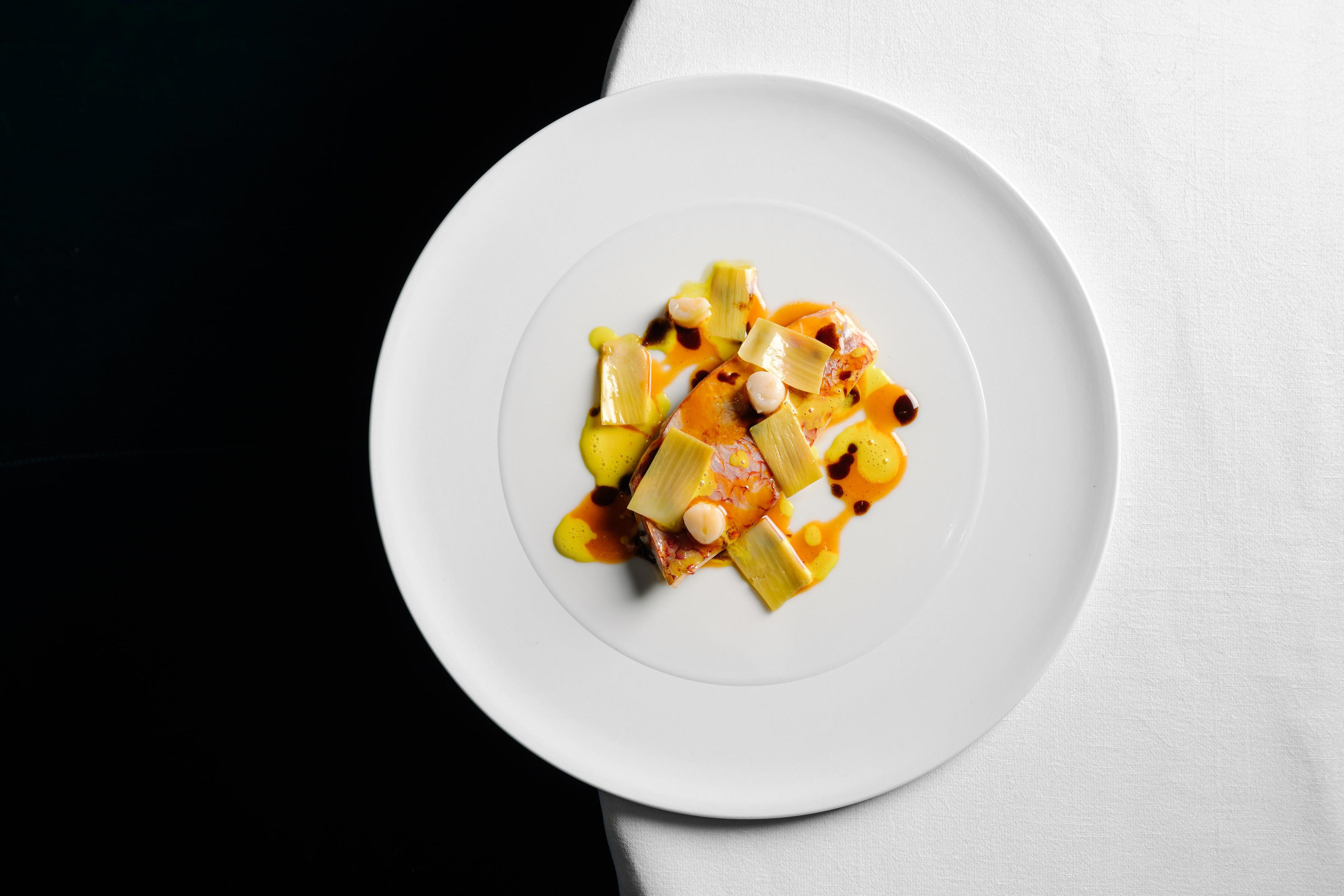
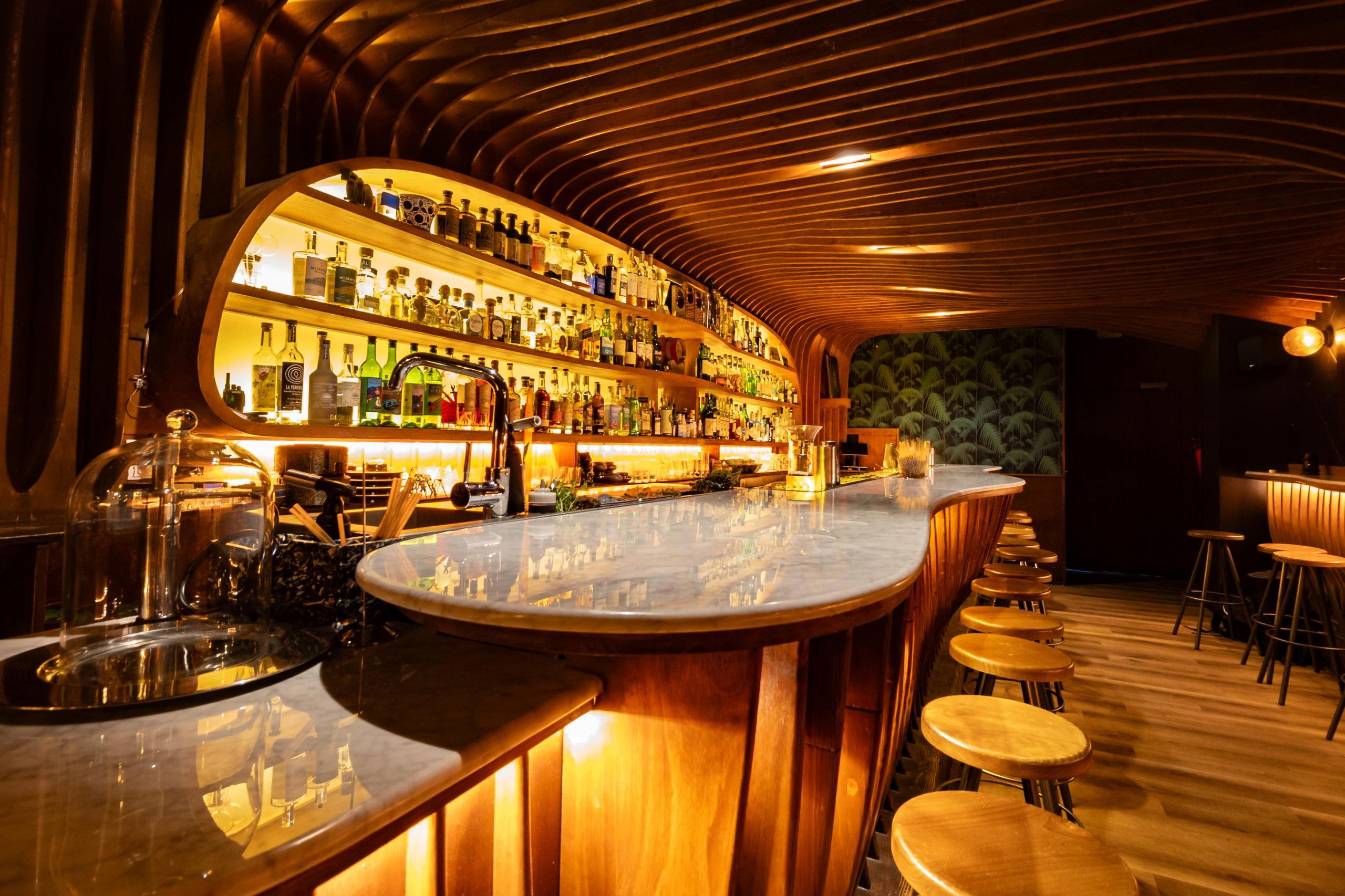
Bars in Barcelona
Browse all →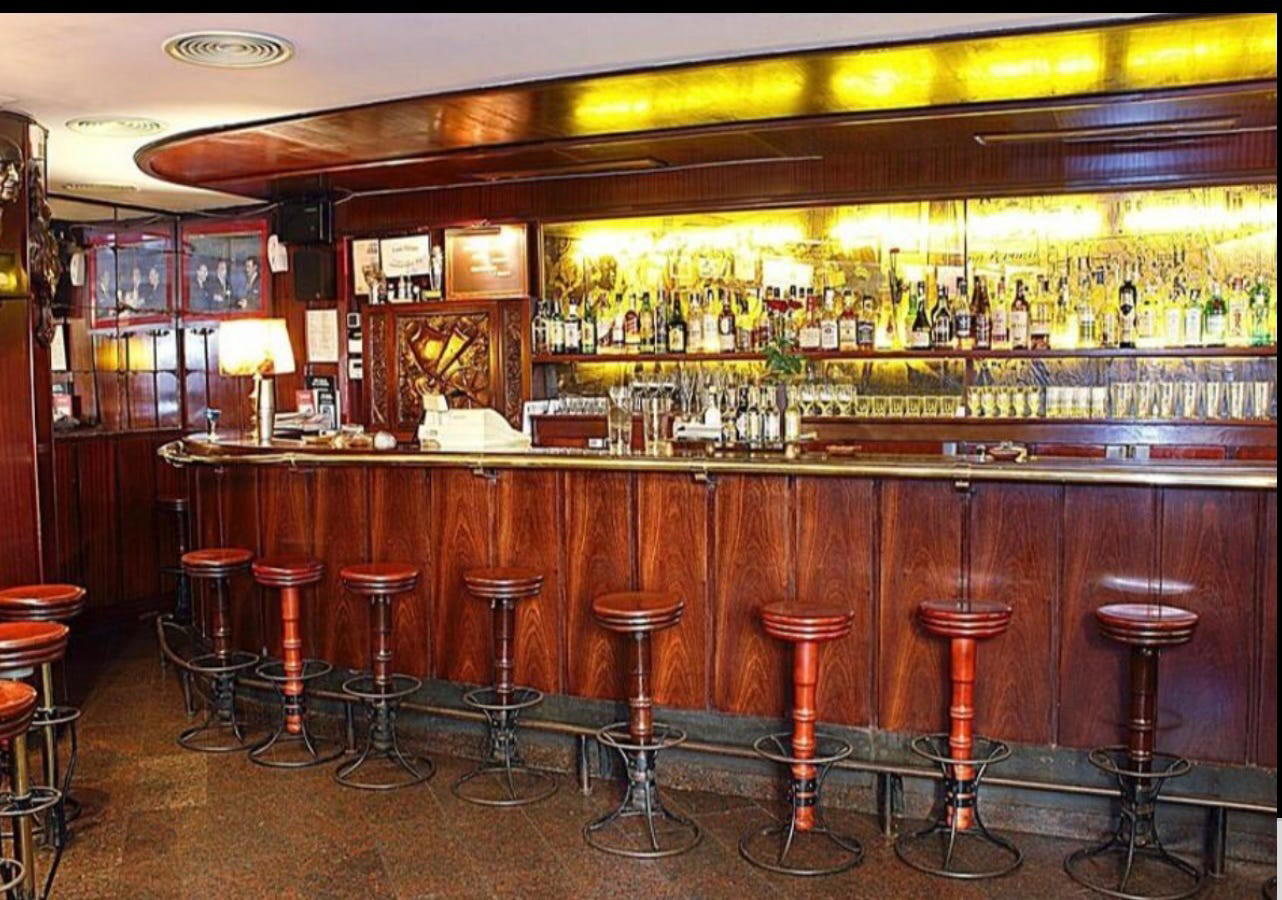
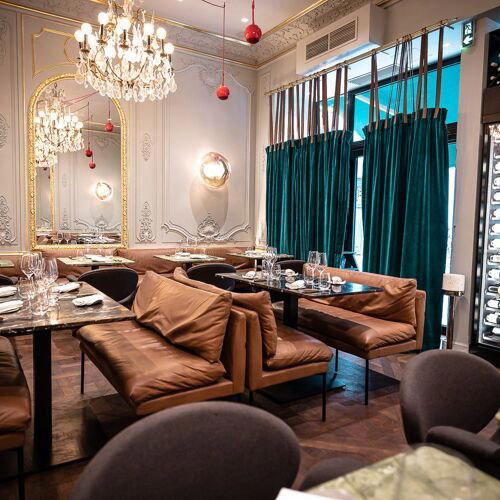
Hotels in Barcelona
Browse all →
At a Glance
- Cozy
- Elegant
- Classic
- Casual Hangout
- Date Night
- Historic Building
- Extensive Wine List
Current opening hours
- Monday
- 12:30–11 PM
- Tuesday
- 12:30–11 PM
- Wednesday
- 12:30–11 PM
- Thursday
- 12:30–11 PM
- Friday
- 12:30–11 PM
- Saturday
- 12:30–11 PM
- Sunday
- 12:30–11 PM
Hours can change for holidays and private events. Last verified .
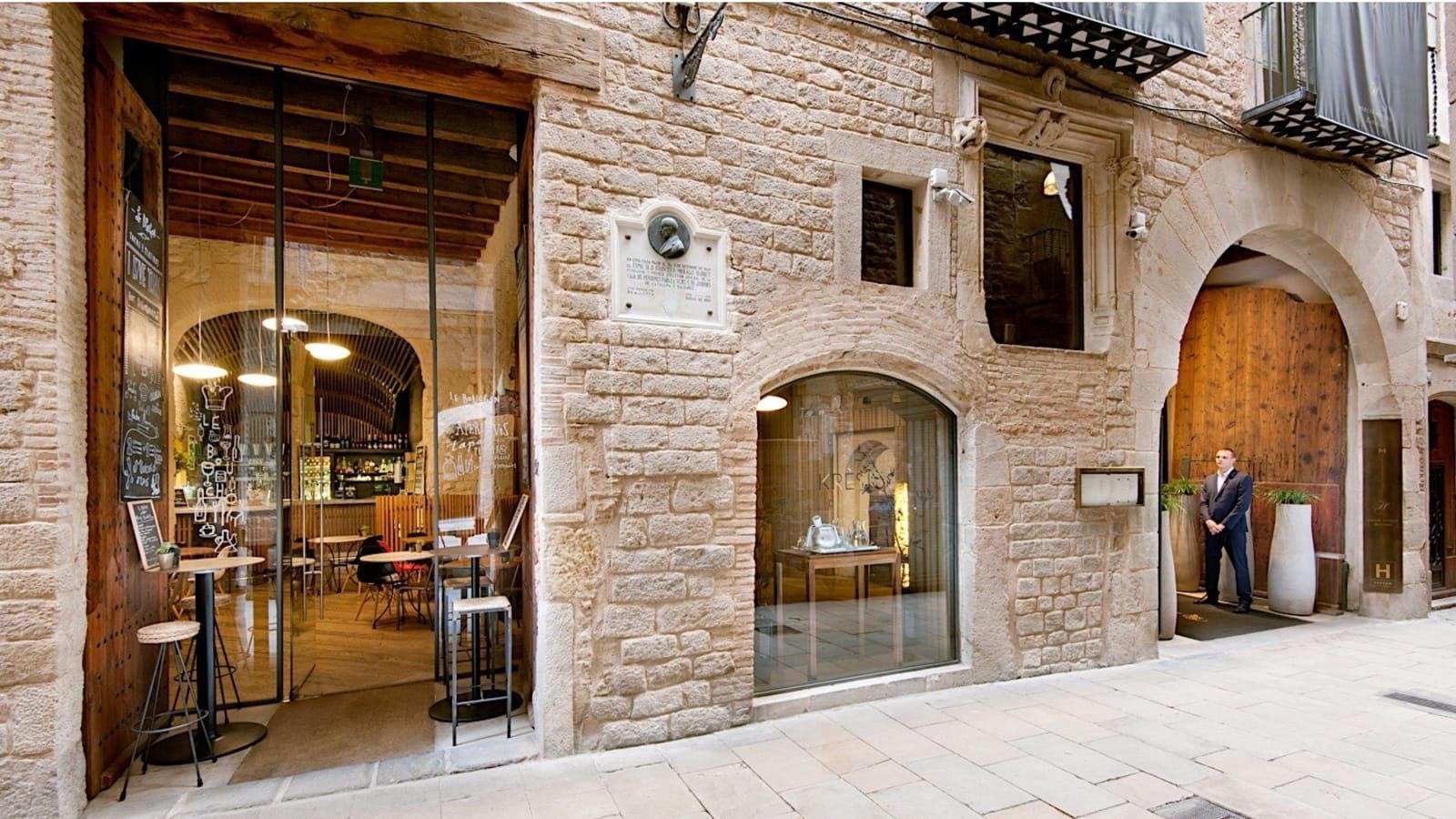
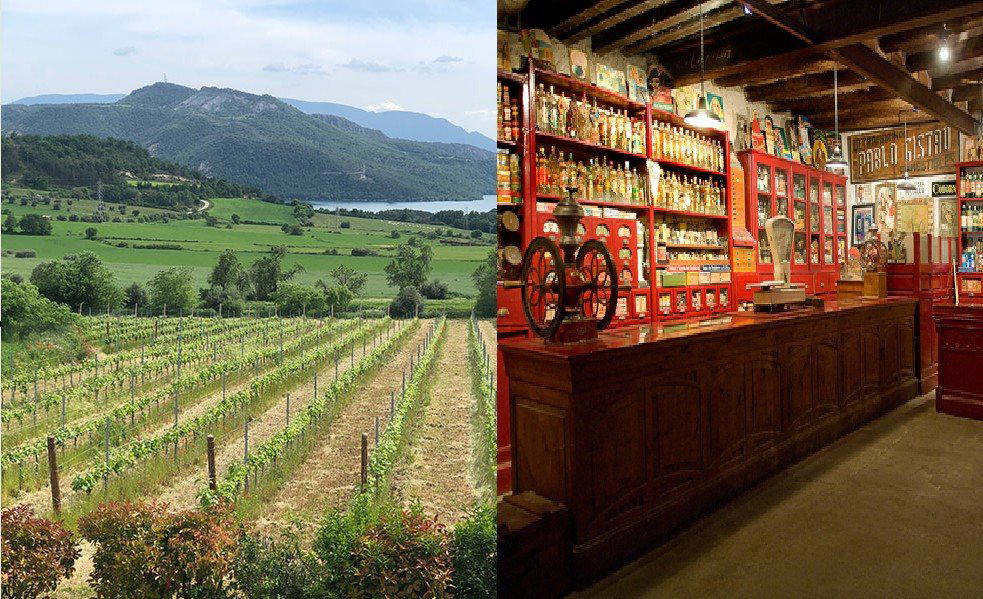
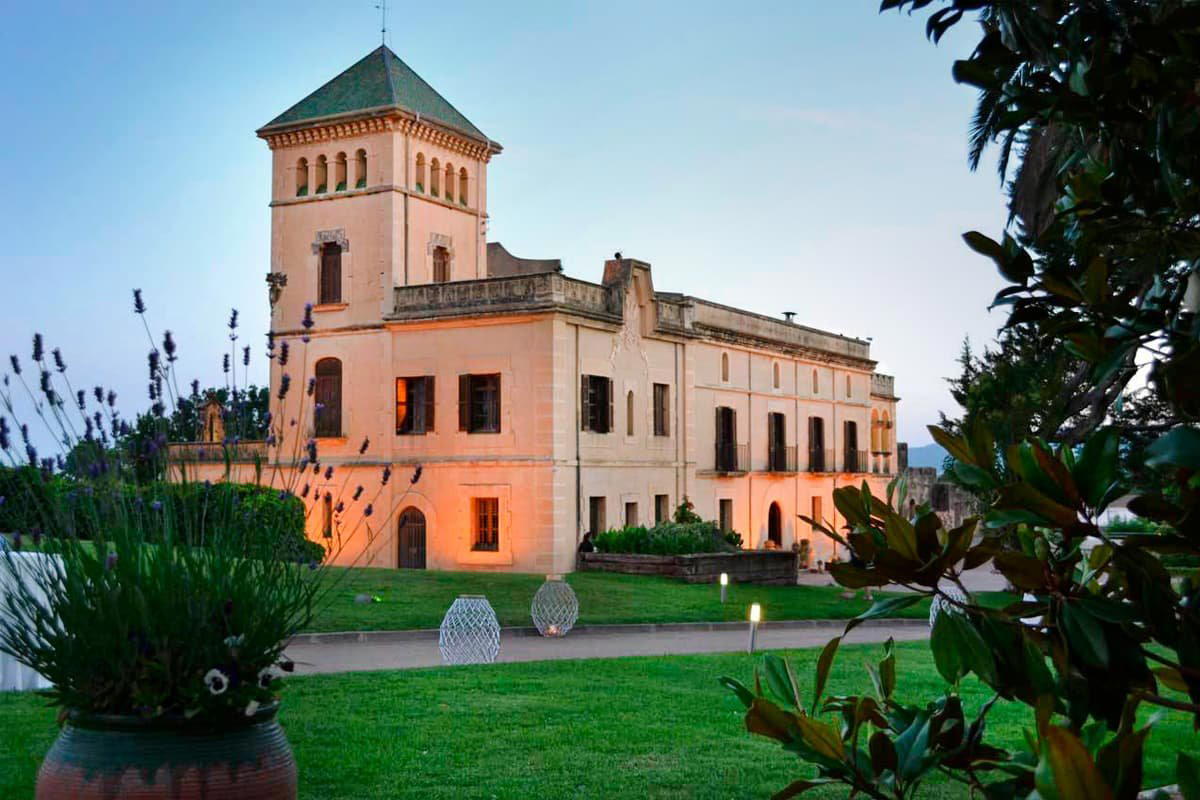
Sophisticated with dim red lamps, white tablecloths, parquet flooring, and cozy elegant decor.