Filomena Ristorante

OpenTable Top 100 Restaurants
Our verdict
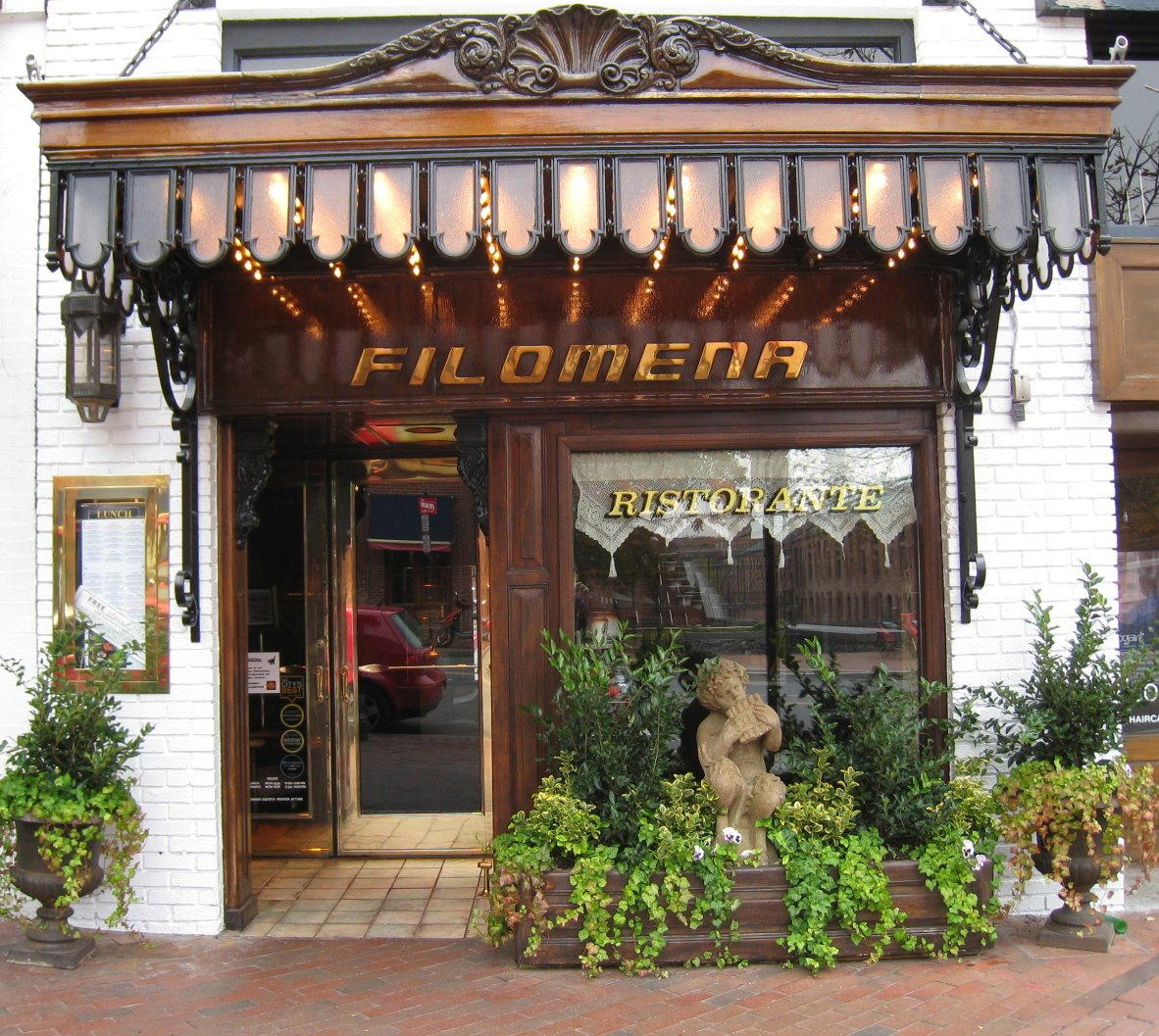
Among Washington D.C.'s Georgetown dining institutions, Filomena Ristorante has anchored the Wisconsin Avenue corridor since 1983, outlasting trends and administrations alike. Founded by JoAnna Filomena, the restaurant draws on traditional Italian cooking, a considered wine list, and formal service standards that distinguish it from the neighborhood's more casual competition. Four decades of continuous operation in one of the capital's most contested dining corridors is its own credential.

Pearl is the En Primeur Club membership app, where members save venues, book tables and use the concierge.
The menu
What to order
- Spaghetti and meatballs
- Chicken parm
- Lasagna bolognese
- Tiramisu
- Strawberry cheesecake
Georgetown's Long Game: Italian Fine Dining on Wisconsin Avenue
Georgetown operates on a different register from the rest of Washington's dining map. The neighborhood absorbs political cycles, demographic shifts, and format revolutions without losing its essential character: cobblestoned streets, Federal-era architecture, and a dining culture that has historically rewarded longevity over novelty. On that measure, Filomena Ristorante, open since 1983 on Wisconsin Avenue NW, is one of the neighborhood's clearest examples. While D.C.'s broader restaurant scene has lurched from power-lunch formality through gastropub casualness and into the current era of Michelin-chasing tasting menus, Filomena has operated on a single axis: traditional Italian fine dining, sustained over four decades.
That consistency is not inertia. In a city where restaurants at the $$$$ tier tend to chase recognition cycles, a forty-year run signals something more deliberate: a dining public that returns, and a format that holds up across the length of a guest relationship rather than just a first visit. For context, most of D.C.'s current Michelin-starred cohort, including Albi, Causa, and Oyster Oyster, arrived within the last decade. Filomena predates that entire conversation.
The Feel of the Room: What Formality Does in Georgetown
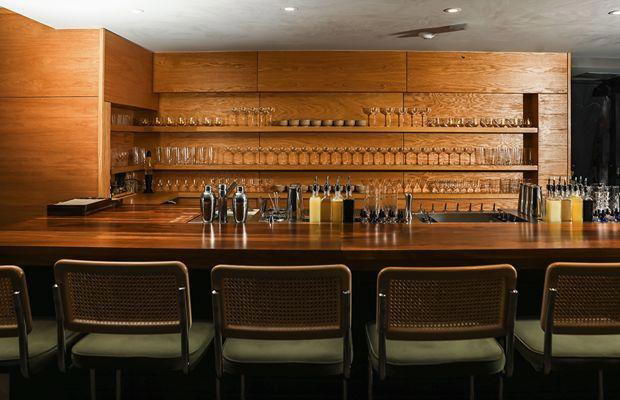
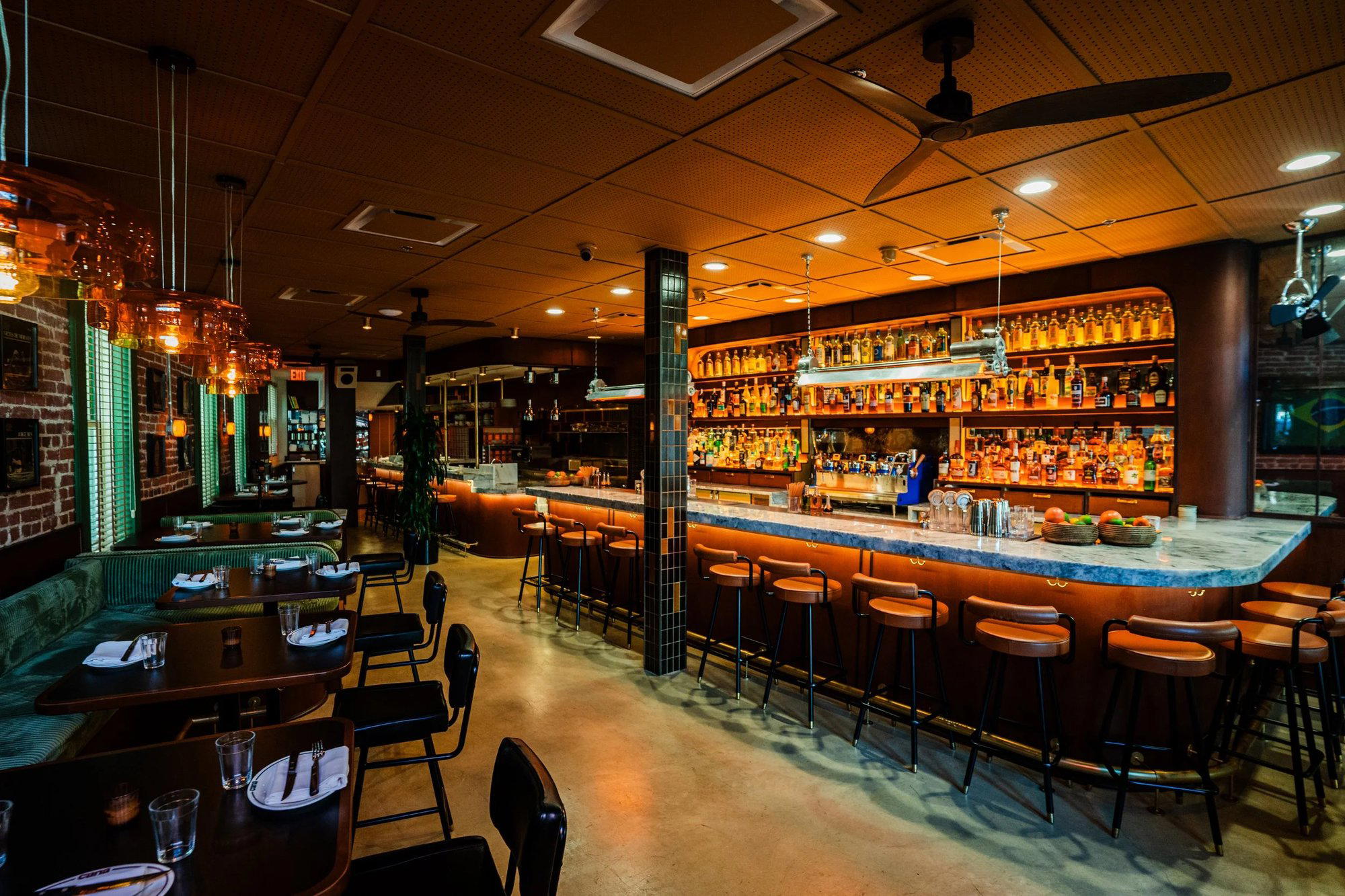
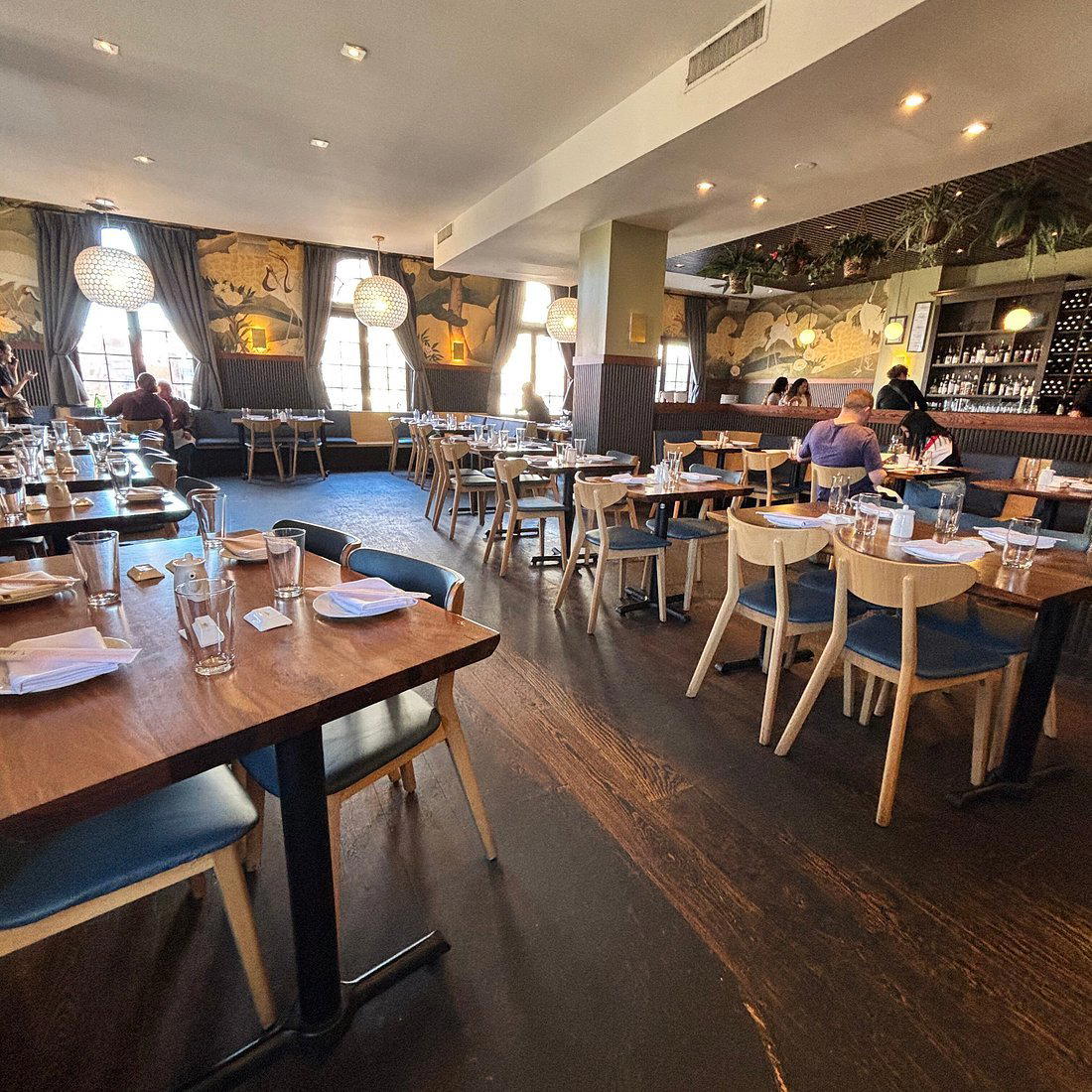
Italian fine dining in the United States occupies a specific atmospheric register. At its most considered, it draws on the trattoria tradition of unhurried meals, generous portions, and a service cadence calibrated to conversation rather than table turns. Filomena sits within that tradition, not the sleeker, ingredient-forward Italian-American mode that has taken hold in cities like New York. The environment, as visitors consistently describe it, reads as genuinely warm rather than merely dressed-up: linen, attentive floor presence, and a room that doesn't penalize guests for arriving early or lingering.
That atmosphere carries different weight depending on the time of day. Lunch at Georgetown's better restaurants functions partly as a working meal, a place to conduct business with the cover of good food, and partly as a neighborhood ritual for those with the latitude to eat slowly at midday. In that context, the formality of a room like Filomena's is an asset, not an anachronism. It signals seriousness without the theatrical minimalism that many contemporary fine-dining interiors have adopted.
Lunch vs. Dinner: Two Different Arguments for the Same Room
The division between lunch and dinner service at a restaurant like Filomena maps onto a broader truth about Italian dining culture. Lunch is the meal of occasion and relationship; dinner is the meal of event and celebration. American interpretations of this tradition tend to compress them together, but restaurants with deep institutional roots often preserve the distinction in feel, if not always in format.
At Filomena, daytime service draws a mix of Georgetown locals, Capitol Hill adjacents, and visitors working through the neighborhood's historic appeal. The tempo is different from what fills the room at dinner: less performative, more conversational. It is, in practical terms, also frequently an easier booking than prime weekend evening hours, which have historically carried more demand. For a visitor with scheduling flexibility, a weekday lunch at a Georgetown institution delivers more than the meal itself: it gives you the room, the service, and the tradition without competing with the Saturday-night crowd.
Evening service carries more expectation on both sides. Dinner at Filomena is the format the restaurant was built around, and it shows, in pacing, in wine service, and in the fuller expression of a kitchen cooking at volume for an audience that has arrived prepared to spend time and money. For Washington power dining, where the guest list often matters as much as the menu, this is a room with the credentials to support the occasion.
Traditional Italian in a City Increasingly Oriented Toward the Avant-Garde
Washington's fine-dining tier has tilted significantly toward technical and tasting-menu formats over the past decade. Jônt and minibar represent the city's most ambitious expressions of that tendency, operating in a competitive set that includes peers like Alinea in Chicago, Atomix in New York City, and The French Laundry in Napa. That tier is real, and it matters for a specific kind of dining traveler.
But it is not the only argument for where to eat well in Washington. Traditional Italian fine dining occupies a different function: it is the format that hosts anniversary dinners, farewell lunches, and the kind of meal that needs to be reliably excellent rather than experimental. In that category, D.C. has historically been thinner than its peer cities. Filomena's four-decade hold on that position, in a neighborhood as competitive and commercially pressured as Georgetown, represents a structural advantage that no newly opened restaurant can replicate. Comparable longevity in comparable American dining institutions, from Le Bernardin in New York City to Emeril's in New Orleans, signals institutional depth rather than stasis.
Where Filomena Sits in the Broader D.C. Dining Map
Georgetown's dining corridor has contracted and reorganized repeatedly since Filomena opened in 1983. The neighborhood now competes with Shaw, Navy Yard, and the 14th Street strip for fine-dining attention. Yet Wisconsin Avenue has retained a specific market: diplomats, longtime residents, hotel guests at the cluster of Georgetown properties, and visitors who are exploring the neighborhood on foot and arrive at dinner with appetite and occasion in mind.
For that audience, Filomena sits in the upper bracket of neighborhood dining without the format constraints of a tasting-menu-only operation. It is a room that accepts walk-ins and reservations, that serves tables of two and tables of ten, and that does not require guests to commit to a prix-fixe architecture. That flexibility has become rarer in the city's upper tier, where many ambitious restaurants have moved toward chef's-menu formats, including peers that EP Club also tracks across Lazy Bear in San Francisco and Single Thread Farm in Healdsburg.
For broader Washington context, EP Club's guides to D.C. restaurants, hotels, bars, wineries, and experiences map the full picture, including international comparisons such as 8 1/2 Otto e Mezzo Bombana in Hong Kong, which occupies an analogous position in its own market: Italian fine dining with sustained, multi-decade institutional authority.
Planning a Visit: What to Know Before You Go
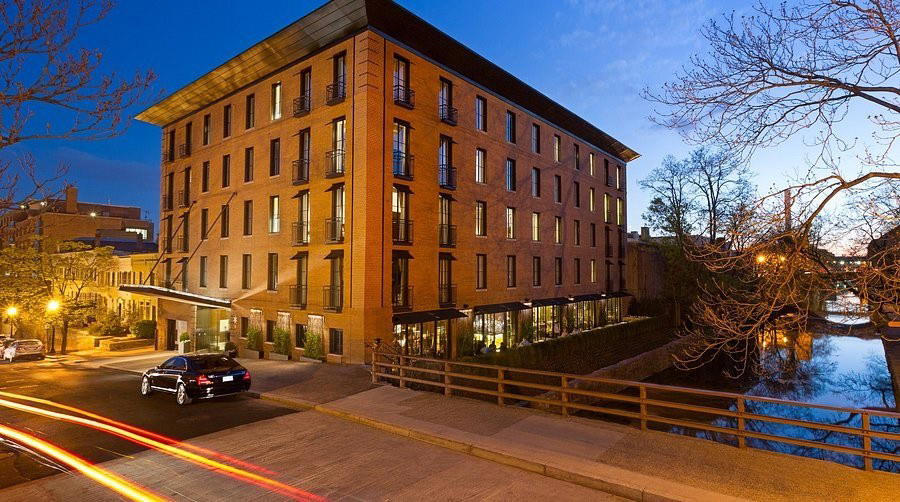
Filomena is located at 1063 Wisconsin Ave NW in Georgetown, a neighborhood that requires more deliberate access than D.C.'s Metro-connected corridors. Georgetown has no direct Metro station; the nearest options sit about a twenty-minute walk away, and ride-share remains the practical choice for most visitors, particularly for dinner. Street parking on and around Wisconsin Avenue is possible during off-peak hours but unreliable during weekend evening service. Reservations are the safer approach for dinner, particularly Thursday through Saturday; lunch on weekdays carries less pressure and may accommodate walk-ins more readily. The restaurant's longevity, over forty years under continuous operation, means it functions as an institution rather than a reservation-difficulty signal in itself, but prime evening slots at a Georgetown restaurant of this standing should be secured in advance.
Frequently asked questions
What should I eat at Filomena Ristorante?
Filomena's identity is grounded in traditional Italian cooking, the kind that prioritizes technique and product over provocation. The kitchen's orientation, sustained over four decades, is toward classic Italian-American fine dining rather than the seasonal tasting-menu formats that define much of D.C.'s current upper tier. That means pasta, proteins cooked with direct authority, and a wine list assembled to complement rather than challenge. Given the restaurant's longevity and its focus on consistent execution, the substantive choice is less about which single dish to order and more about the format of the meal: whether lunch or dinner, how many courses, and whether you're treating it as a working occasion or an evening of its own. The kitchen has had forty years to refine what it does, and the recurring guest base reflects that.
What is the ideal way to book Filomena Ristorante?
For a restaurant of Filomena's standing and four-decade Georgetown tenure, advance booking is the reliable approach for dinner, especially during the political calendar's busiest periods, when Washington's fine-dining rooms fill with event-adjacent traffic. Weekday lunch is typically more accessible. What matters as context: Filomena has operated long enough in a high-demand neighborhood to manage its own reservation system, and Georgetown's competitive location means that prime slots, particularly Saturday evenings, will not hold. Plan accordingly, particularly if visiting D.C. during Congressional sessions or major events on the diplomatic calendar.
A Tight Comparison
A quick snapshot of similar venues for side-by-side context.
| Venue | Cuisine | Price | Awards | Notes |
|---|---|---|---|---|
| Filomena RistoranteThis venue (the venue you are viewing) | Classic Italian-American | $50–100 | OpenTable Top 100 Restaurants | Not listed |
| Albi | Modern Levantine Fine Dining | $300–500 | 1 Michelin Star · World's 50 Best #6 | United States, Middle Eastern |
| Causa | Modern Peruvian Fine Dining | $150–200 | 1 Michelin Star · James Beard Award Best Chef: Mid-Atlantic | Peruvian |
| Oyster Oyster | Modern Vegetable-Focused Tasting Menu | Not listed | 1 Michelin Star · James Beard Award Outstanding Chef #1 | New American, Vegetarian, Vegetarian (Sustainable) |
| Bresca | Modern French Bistronomy | $150–200 | 1 Michelin Star · James Beard Award Semi Finalist | Modern French, Contemporary |
| Gravitas | Modern American Fine Dining | $150–200 | 1 Michelin Star | New American, Contemporary |
Recognition history
Dated appearances from independent guides and award organizations, with the underlying list record or original source where available.
OpenTable Top 100 Restaurants
OpenTable
Continue exploring
More in Washington DC
Restaurants in Washington DC
All restaurants in Washington DC →
Bars in Washington DC
All bars in Washington DC →
Details
- Lively
- Classic
- Cozy
- Family
- Group Dining
- Special Occasion
- Celebration
- Historic Building
- Extensive Wine List
- A La Carte
- Vegetarian Friendly
Current opening hours
- Monday
- 11:30 AM–10:30 PM
- Tuesday
- 11:30 AM–10:30 PM
- Wednesday
- 11:30 AM–10:30 PM
- Thursday
- 11:30 AM–10:30 PM
- Friday
- 11:30 AM–11 PM
- Saturday
- 11:30 AM–11 PM
- Sunday
- 11:30 AM–10:30 PM
Hours can change for holidays and private events. Hours as of .
Festive and lively with elaborate seasonal decorations, charming Italian touches, and a lively, crowded energy.