Mezze on the River
Mezze on the River occupies a specific niche in Lower Manhattan's dining scene, where waterfront positioning meets a format rooted in shared-plate Mediterranean tradition. Located at 375 S End Ave in Battery Park City, it draws on a broader American interest in communal, ingredient-led eating that has accelerated as sustainability considerations reshape how restaurants source and compose their menus.
Pearl is the En Primeur Club membership app — saves, bookings, and concierge access live there. Same editors, same standards.
- Address
- 375 S End Ave, New York, NY 10280
- Phone
- +12124321452
- Website
- mezzeontheriver.com
- Directions
- Get directions
 Saves & bookings on Pearl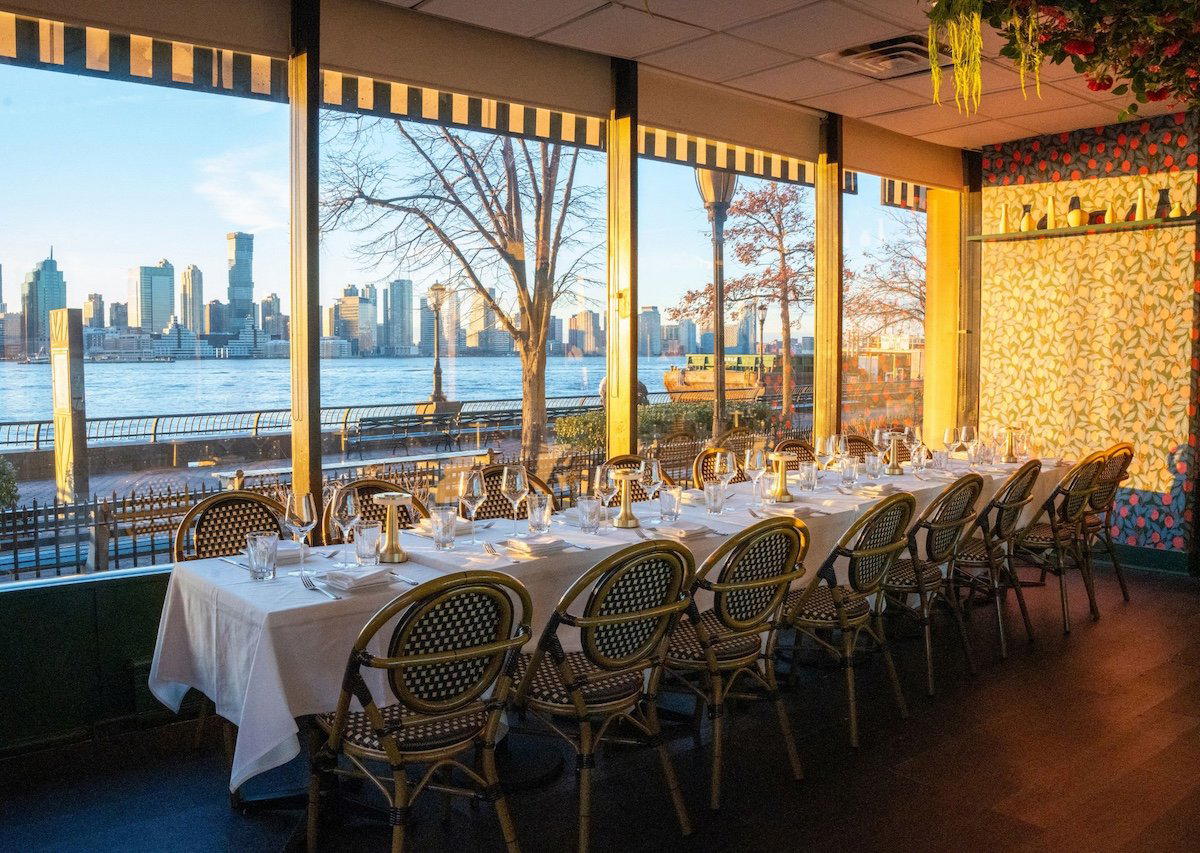
Where the Hudson Meets the Levant
Battery Park City's dining corridor has shifted considerably over the past two decades. What was once a neighbourhood defined by utilitarian lunch spots serving the financial district has gradually attracted restaurants serious enough to compete with destinations further uptown. That shift reflects a broader pattern across American waterfront dining: as prime real estate opened up post-2001, operators with genuine culinary ambitions moved in alongside the residential development that followed. Mezze on the River, at 375 S End Ave, is a modern Mediterranean seafood restaurant in New York City, with a roughly $75 per-person price point.
The mezze format itself carries a history worth understanding before you arrive. Across the eastern Mediterranean, shared small plates predate the contemporary sharing-plate trend by centuries, originating as a practical way to present hospitality: many dishes, modest portions of each, the table as a collective experience rather than individual transactions. American restaurants have engaged with that tradition in waves, from the falafel-and-hummus simplifications of the 1990s to the more ingredient-precise interpretations that have emerged as chefs trained in Lebanese, Turkish, and Israeli kitchens found mainstream audiences. The format, when executed with discipline, creates a different dining rhythm than a three-course European structure. Dishes arrive in sequences that reward ordering broadly rather than cautiously.
The Sustainability Argument for Shared-Plate Cooking
There is an underappreciated environmental logic to the mezze model. In kitchens where multiple small dishes rather than individual proteins anchor the menu, vegetable-forward cooking becomes structural rather than incidental. Whole animals, seasonal produce, and preserved ingredients all integrate more naturally into a format where the table shares everything rather than committing each diner to a single protein. American restaurants engaging seriously with waste reduction have increasingly found that shared-plate formats allow kitchens to deploy the entire yield of a market delivery, rather than precision-cutting to a single plate spec and discarding the remainder.
This dynamic has played out clearly at farms-to-table operations across the country. Blue Hill at Stone Barns in Tarrytown has long made vegetable-centric and whole-farm sourcing a structural commitment, not a garnish decision. Single Thread Farm in Healdsburg integrates its own agricultural operation directly into menu composition. These are high-investment models. A mezze kitchen operating at mid-scale can achieve comparable sourcing discipline through menu flexibility: if the tomatoes are notable this week, they appear across several dishes; if a specific ingredient underperforms, it disappears without restructuring the entire menu.
For Battery Park City specifically, the proximity to the Hudson River creates a conversation about local seafood sourcing that Mediterranean small-plate kitchens are well-positioned to pursue. The northeast Atlantic corridor produces oysters, clams, fluke, and striped bass that translate directly into classic Levantine preparations, from crudo-adjacent raw dishes to charcoal-grilled whole fish served communally. Whether Mezze on the River exploits that sourcing proximity specifically is worth asking when you book, but the structural opportunity sits there regardless.
Battery Park City in Context
Understanding where this restaurant sits geographically clarifies the dining decision. Battery Park City is a planned residential and commercial district on Manhattan's southwestern tip, developed on landfill beginning in the 1970s. It occupies a narrow strip between the Hudson River and the rest of Lower Manhattan, which means it functions almost as its own enclave: walkable internally, but requiring deliberate transit to reach. The 1 train stops at Rector Street and Cortlandt Street; the R and W trains serve Cortlandt Street as well. From Midtown, the trip runs roughly twenty-five minutes. From Brooklyn, the A and C trains to Fulton Street position you a ten-minute walk away.
That relative remove is worth acknowledging because it shapes the dinner decision. Diners who make the trip tend to be either Battery Park City residents, visitors staying in the immediate area, or people who have specifically chosen this destination over the denser options further uptown. The competitive set is therefore partly defined by geography: this is not a restaurant competing against Le Bernardin, Atomix, or Per Se for the same evening dollar. It competes within its neighbourhood and against the argument that waterfront dining anywhere in the city is worth the additional effort of getting there.
The argument for making that effort is strongest in warmer months. From late spring through early autumn, Battery Park City's esplanade offers some of Manhattan's more genuine waterfront experience: the Hudson is present rather than merely implied, and the financial district towers recede behind you. A mezze dinner that extends across multiple shared courses fits that seasonal rhythm better than a format requiring precise attention to a single plated progression.
How Mezze on the River Positions Against Its New York Peers
New York's Mediterranean and Levantine dining has grown considerably more precise over the past decade. The city now hosts serious Lebanese, Israeli, Turkish, and Greek kitchens that have moved well beyond the genre's earlier American interpretations. In that context, a mezze-format restaurant competing on ingredient quality and sourcing ethics rather than novelty or celebrity chef credentials operates in a specific niche. It is a niche that restaurants like Providence in Los Angeles have demonstrated can carry significant authority when sourcing discipline is consistent and verifiable. Closer to New York, The Inn at Little Washington has shown how environmental commitments, including its well-publicised relationship with local agriculture, can become part of a restaurant's identity rather than an afterthought.
For a broader read on where Mezze on the River sits within New York's full dining range, from the omakase tier represented by Masa to the progressive Korean kitchens of Jungsik, see our full New York City restaurants guide.
Across the country, restaurants that have committed most seriously to ethical sourcing and waste reduction tend to cluster in farm-adjacent locations: The French Laundry in Napa, Addison in San Diego, Lazy Bear in San Francisco, and Alinea in Chicago each operate in environments where sourcing infrastructure is more developed. Urban waterfront restaurants face different constraints, making their sourcing commitments, when genuine, somewhat harder to sustain. That is a meaningful bar, and one worth probing when you visit.
Planning Your Visit
The restaurant is located at 375 S End Ave in Battery Park City. The neighbourhood is direct to reach by subway via the 1, R, or W trains to the Lower Manhattan stations, with a ten-to-fifteen minute walk to the waterfront. For visitors arriving from across the river, the NY Waterway ferry services Brookfield Place, a five-minute walk from the address. Given the communal format, tables of three or four allow the broadest spread of dishes without over-ordering. Reservations are recommended.
For reference points elsewhere in the national scene, Bacchanalia in Atlanta and Emeril's in New Orleans both operate with comparable commitments to local sourcing within urban restaurant formats, offering useful benchmarks for what ingredient-led cooking looks like when it is executed with rigour rather than rhetoric.
Peers in This Market
Comparable venues nearby, for context on price, style, and recognition.
| Venue | Cuisine | Price | Notes |
|---|---|---|---|
| Mezze on the RiverThis venue — the venue you are viewing | Modern Mediterranean Seafood | $$$ | Not listed |
| Sugar Monk | Mediterranean Small Plates & Cocktails | $$$ | Harlem (South) |
| Motek NY | Modern Mediterranean (Kosher-Style) | $$$ | Midtown South-Flatiron-Union Square |
| Florisity | Seasonal Italian-Mediterranean with Botanical Elements | $$$ | Long Island City-Hunters Point |
| Zaytinya | Eastern Mediterranean Mezze | $$$ | Midtown South-Flatiron-Union Square |
| Bubo | Modern Mediterranean Small Plates | $$$ | Murray Hill-Kips Bay |
Continue exploring
More in New York City
Restaurants in New York City
Browse all →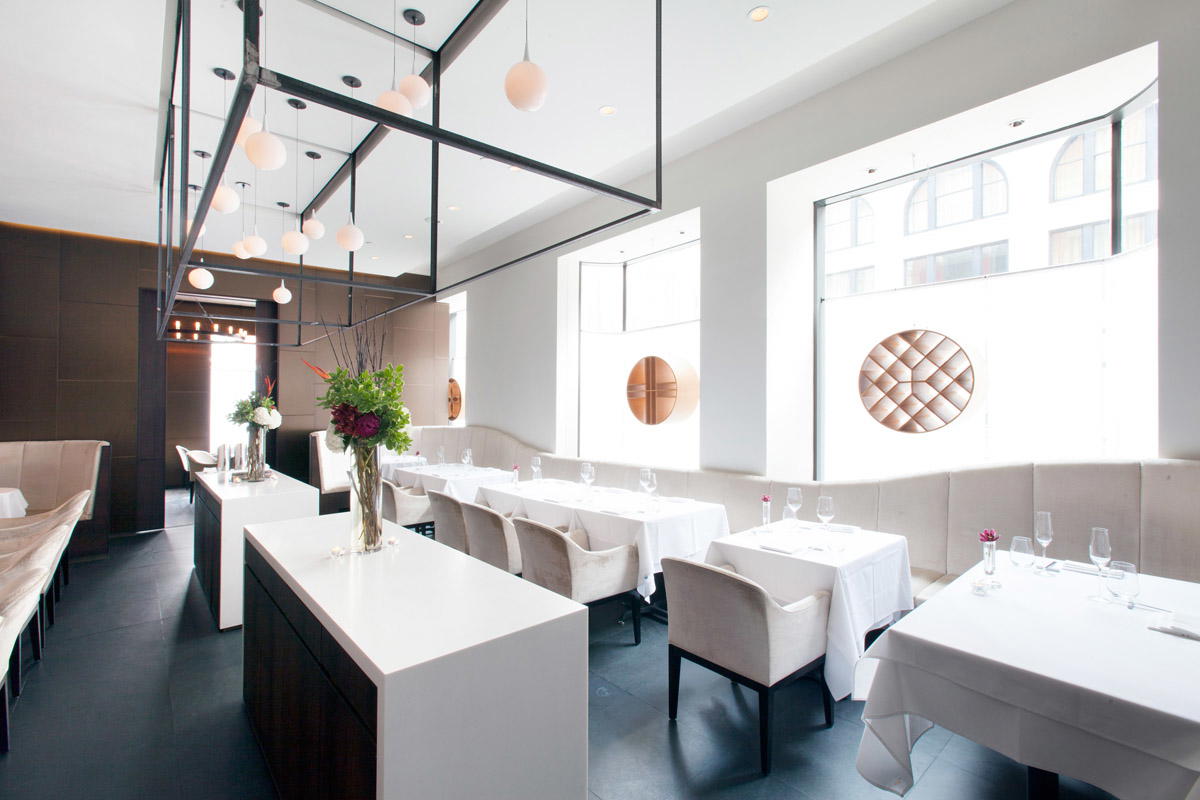
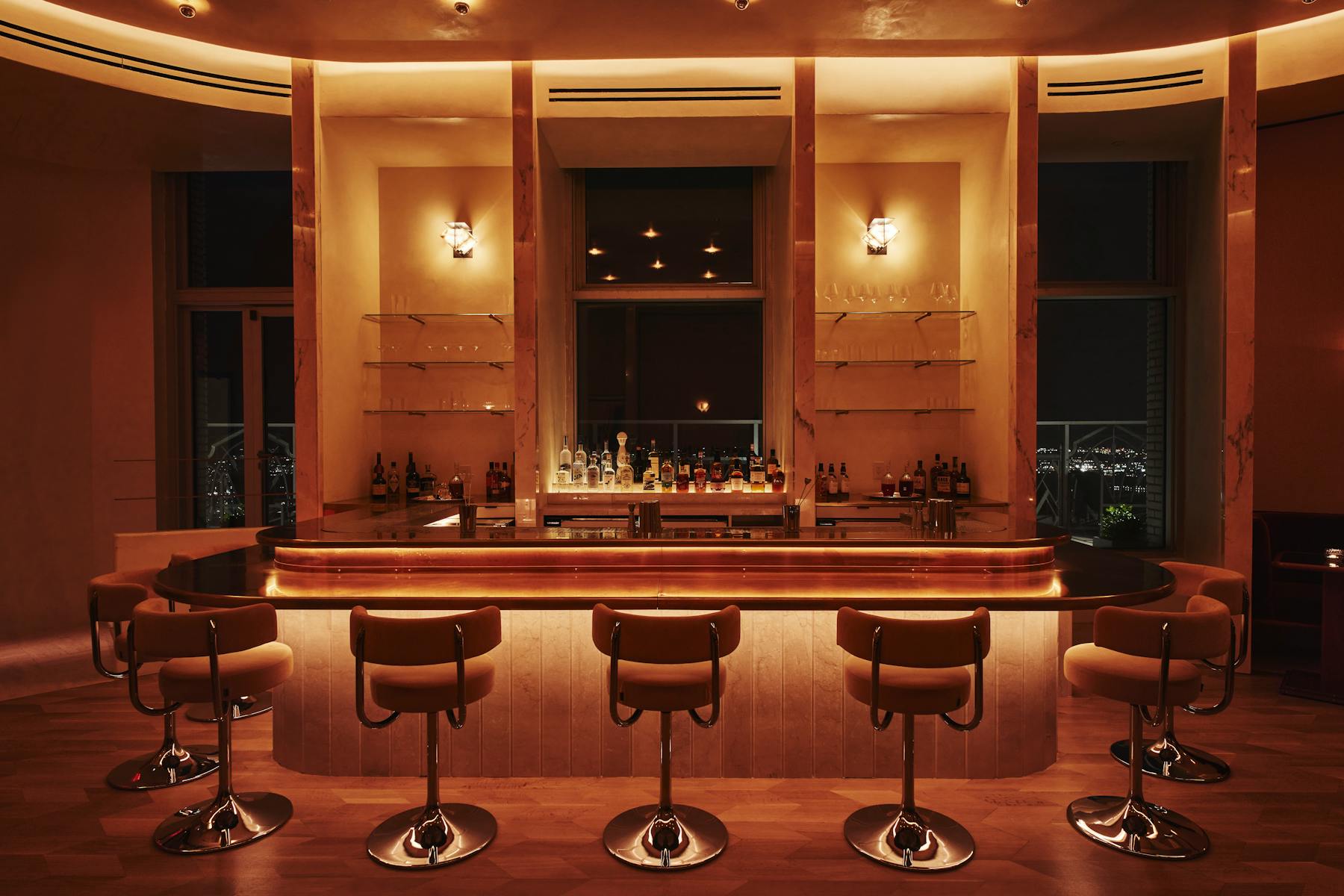
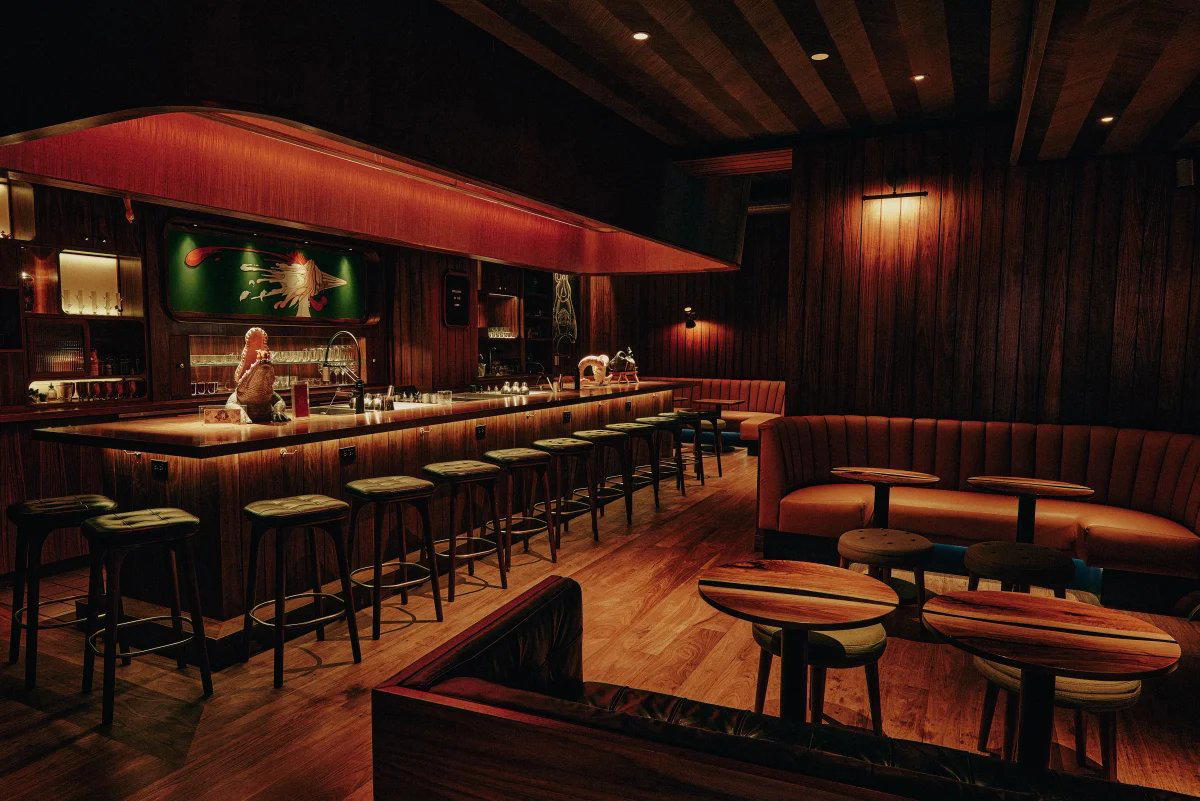
Bars in New York City
Browse all →
Hotels in New York City
Browse all →






At a Glance
- Elegant
- Scenic
- Sophisticated
- Date Night
- Special Occasion
- Brunch
- Waterfront
- Terrace
- Craft Cocktails
- Local Sourcing
- Waterfront
Current opening hours
- Monday
- Closed
- Tuesday
- Closed
- Wednesday
- 5–10 PM
- Thursday
- 5–10 PM
- Friday
- 5–10 PM
- Saturday
- 12–10 PM
- Sunday
- 12–10 PM
Hours can change for holidays and private events. Last verified .
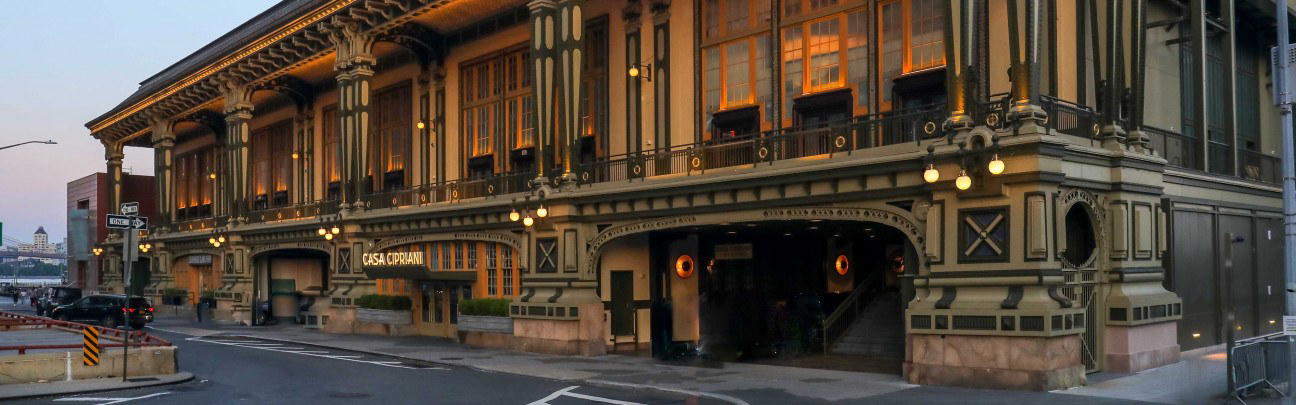
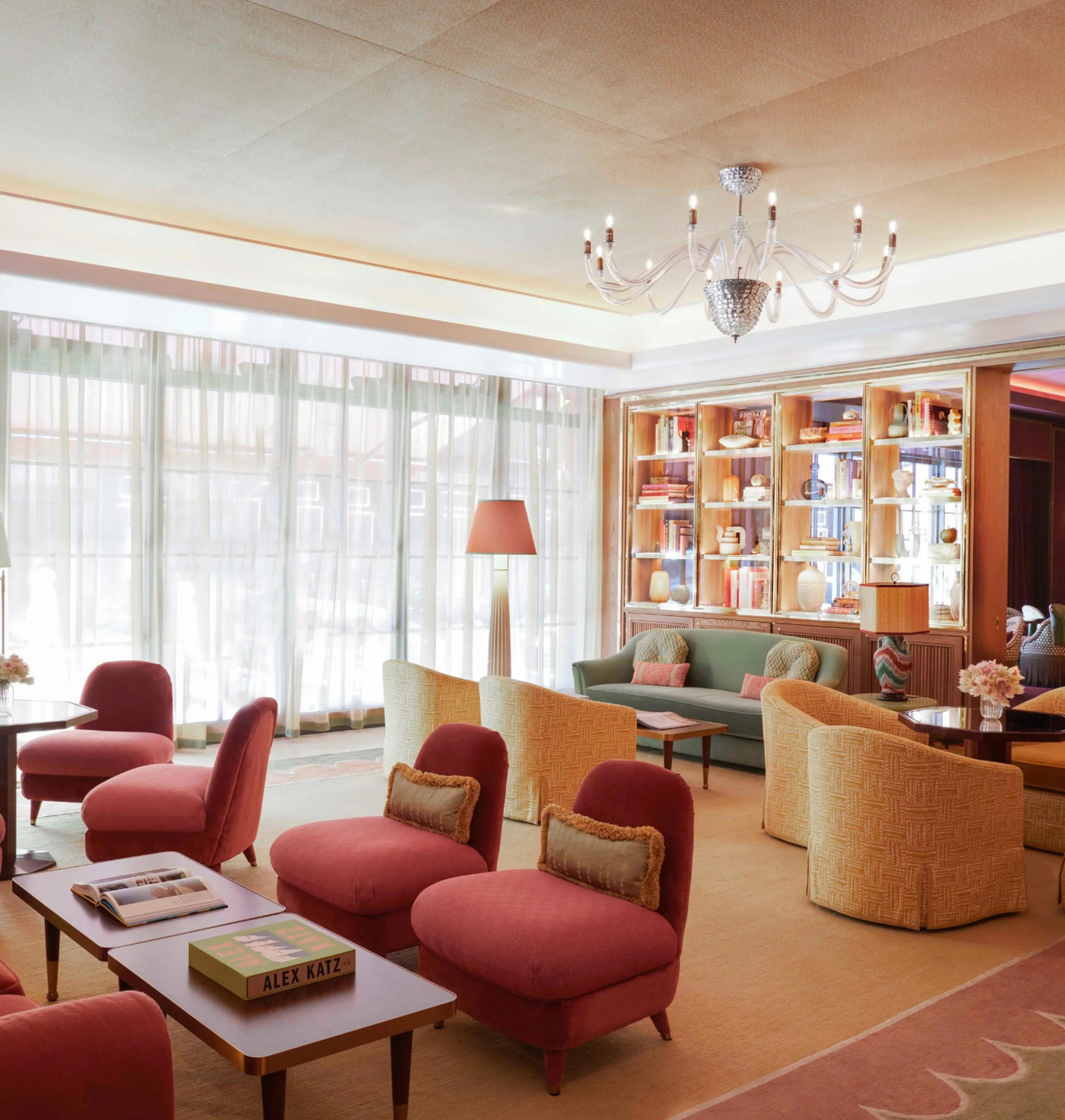
Airy indoor space with floor-to-ceiling windows offering direct river views, cozy winter charm, and lively energetic atmosphere on outdoor terraces.