Sopra
Our verdict
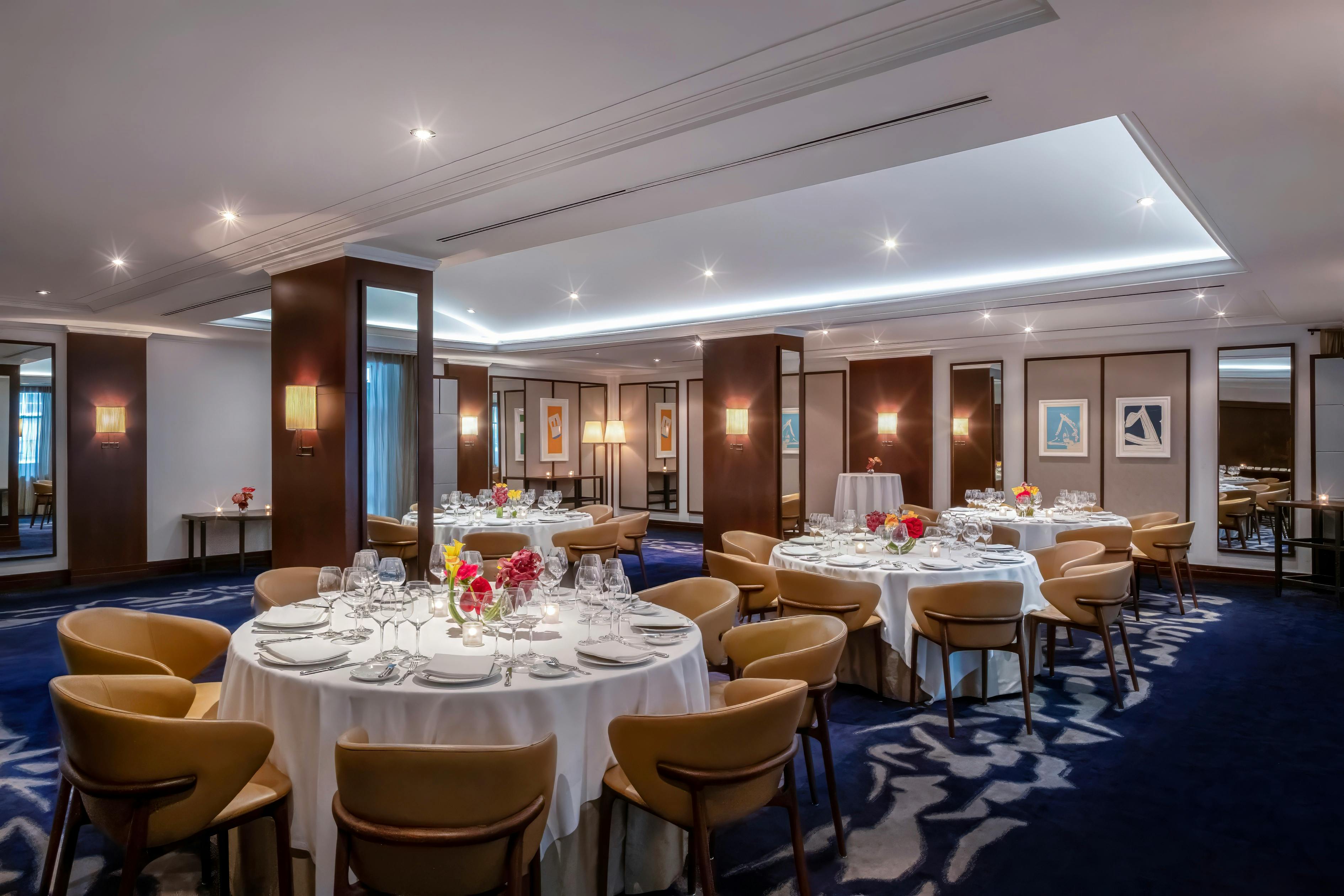
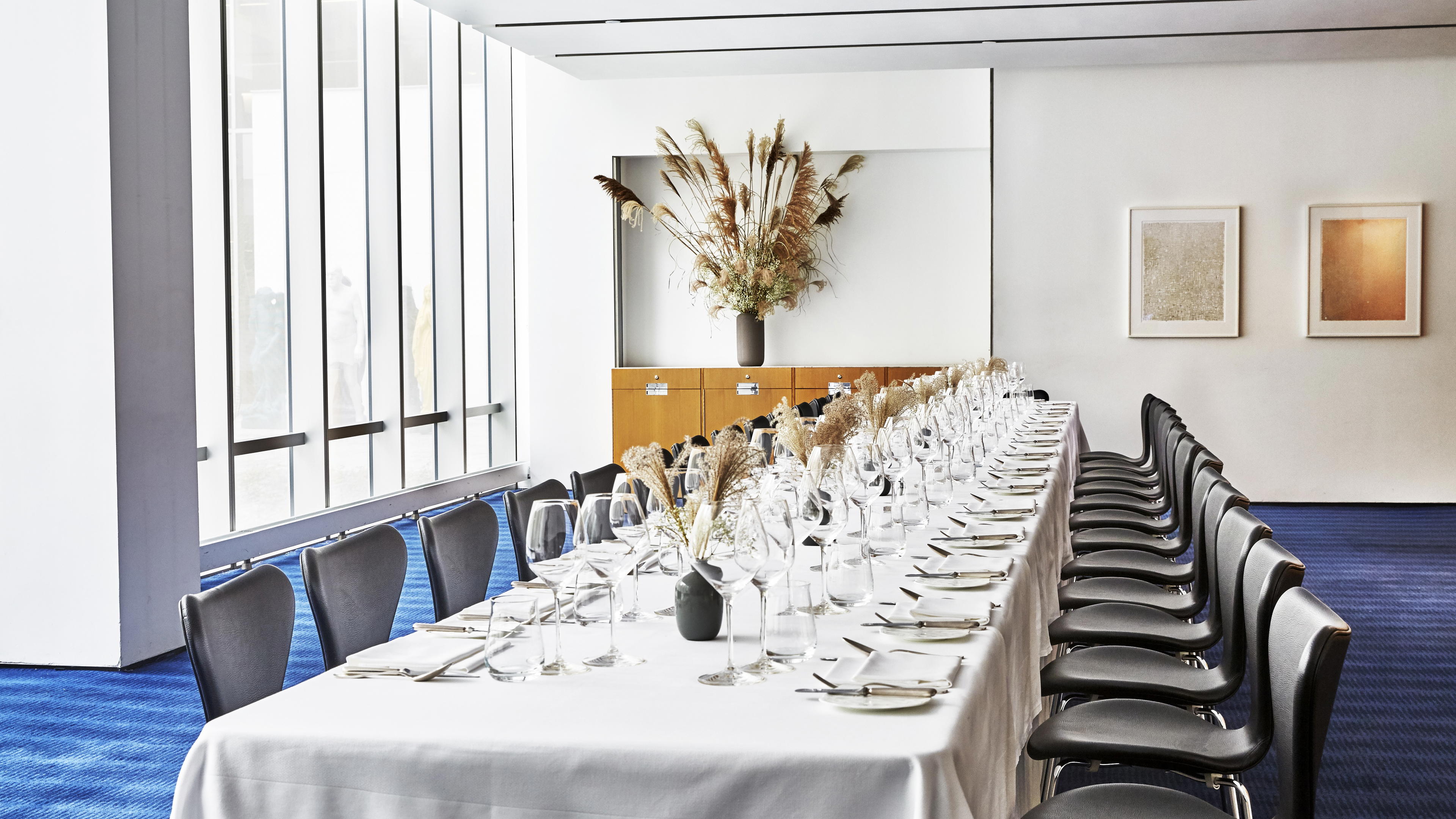
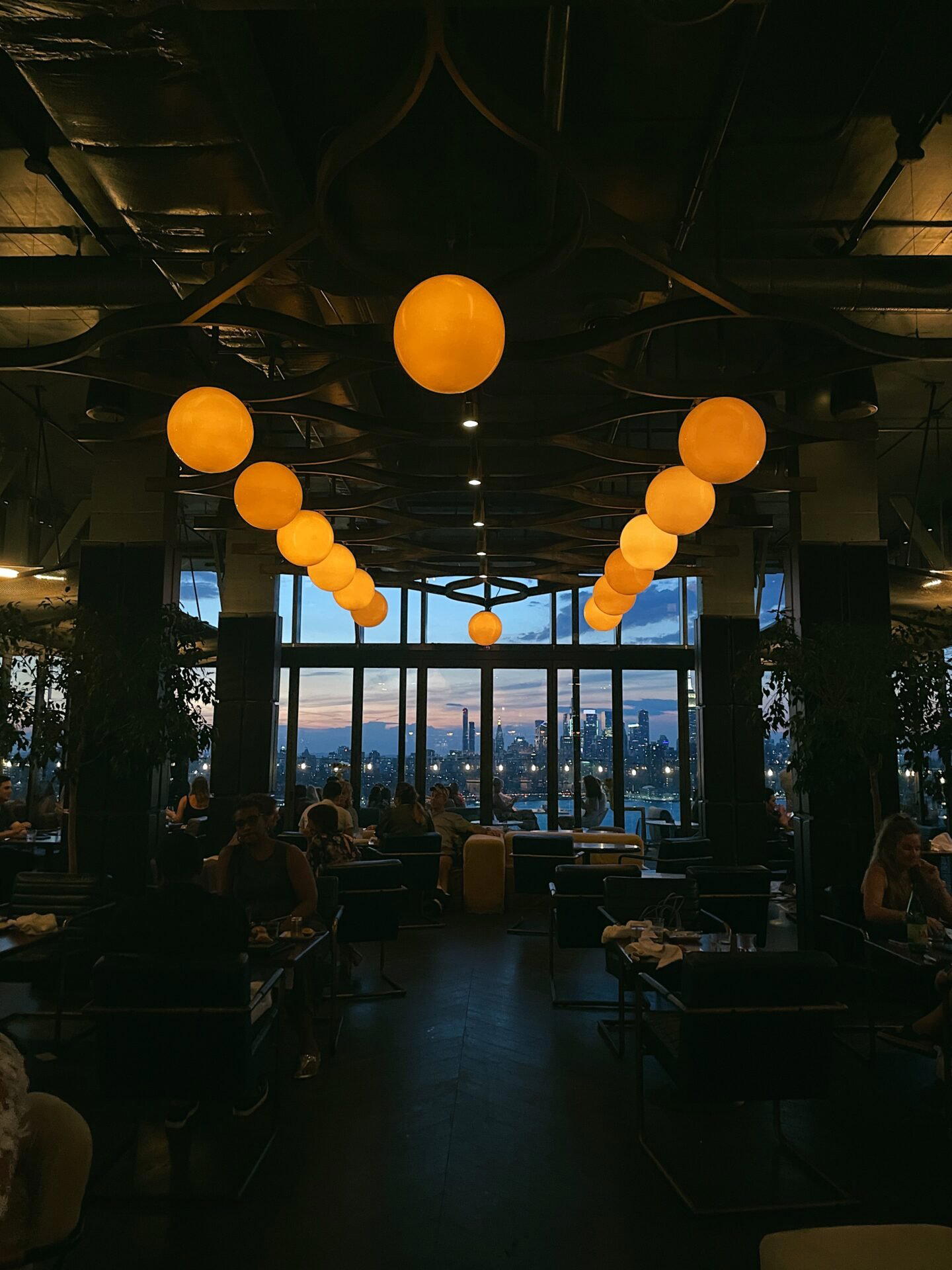
Sopra occupies the second floor of 115 East 60th Street, positioning itself within the Upper East Side's quieter tier of fine dining, away from the Midtown spectacle but close enough to draw from it. The address places it in a neighbourhood where the dining room itself carries as much weight as the kitchen, and where collaborative front-of-house execution often defines the experience as much as the plate.

Pearl is the En Primeur Club membership app, where members save venues, book tables and use the concierge.

The menu
What to order
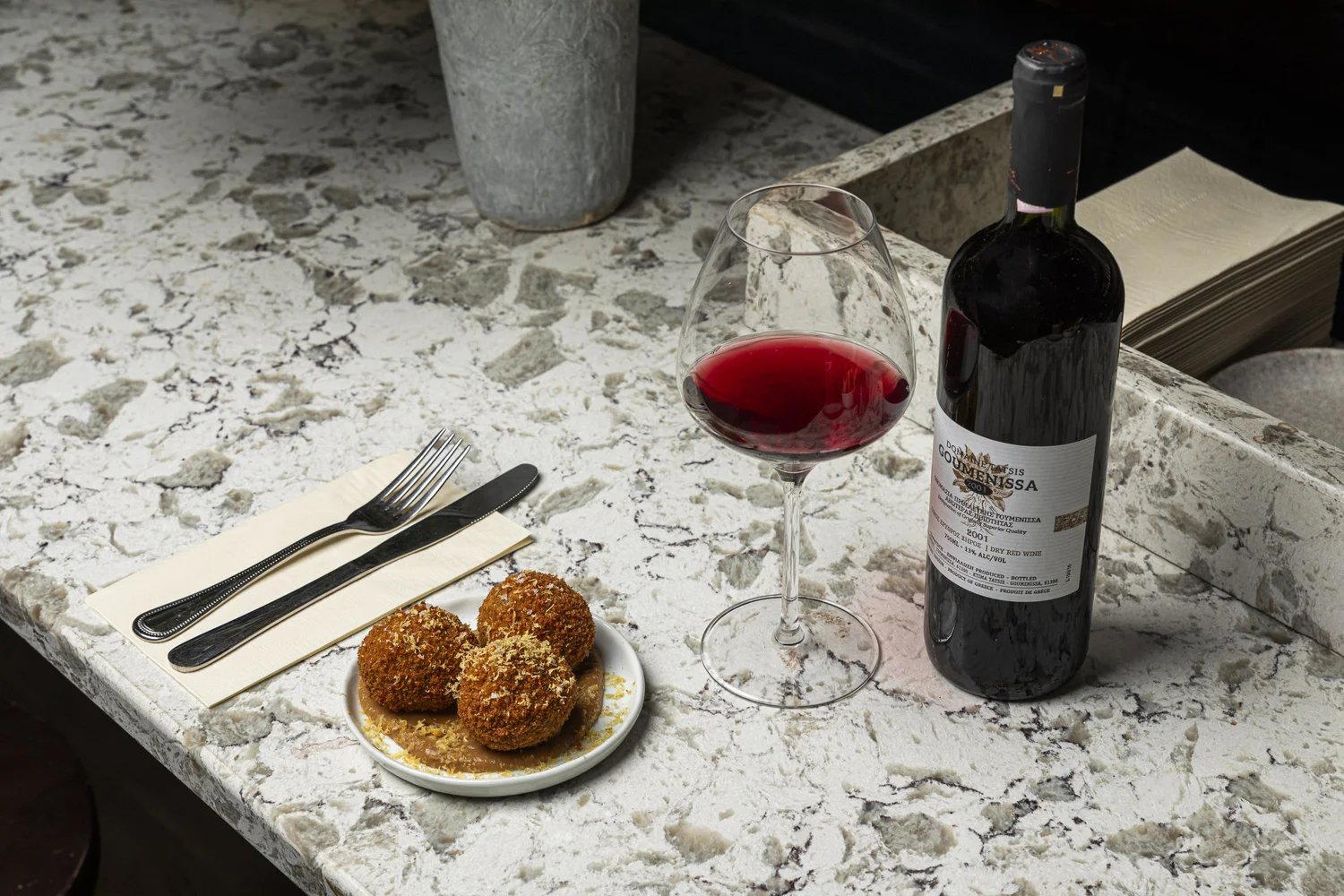
- Soft arancini
- Seared lamb
- Mediterranean-Moroccan carrots
The Upper East Side's Second-Floor Bet
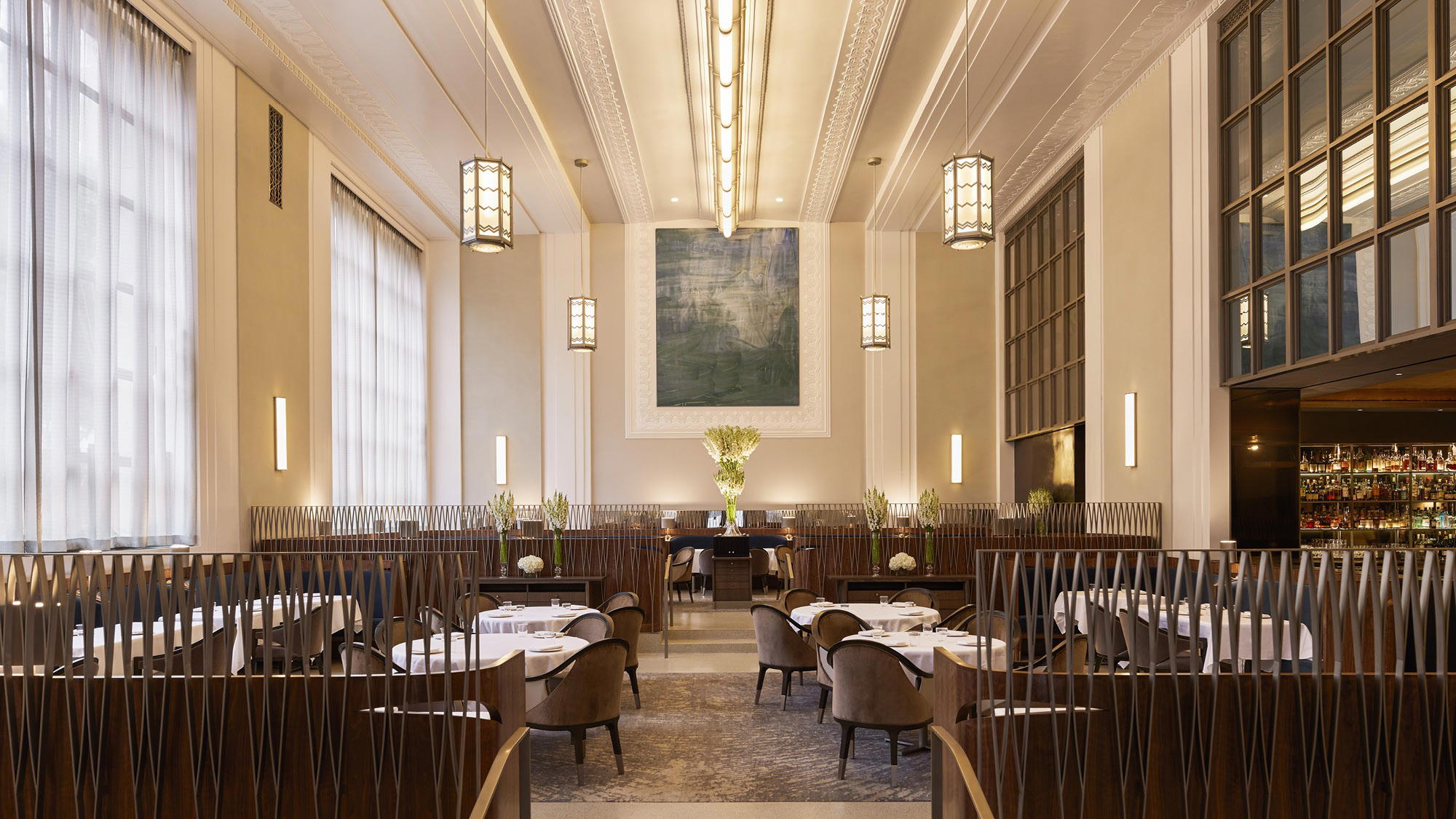
New York's fine dining map has always had a vertical problem. The ground floor belongs to the visible, the celebrated, the walk-past-and-wonder. The second floor requires a decision, you have to mean it. Sopra, at 115 East 60th Street, sits above street level in a stretch of the Upper East Side where that elevation functions less as a liability and more as a filter. The guests who arrive here have already committed, and that changes the room before anyone sits down.
The Upper East Side occupies a specific position in New York's dining hierarchy. It is not the experimental frontier of the Lower East Side, nor the prestige-signalling corridor of Midtown's flagship rooms. Restaurants here, particularly those above ground level, tend to attract a clientele that prizes consistency and discretion over novelty and noise. That gravitational pull shapes what a kitchen needs to deliver and, just as importantly, how a front-of-house team needs to operate.
Where the Room Meets the Kitchen
In the current conversation about what separates a good restaurant from a great one at this price tier, the answer increasingly comes back to team coherence rather than individual brilliance. The era of the chef-as-singular-auteur has given way to something more distributed: the sommelier who reads the table as precisely as the kitchen reads temperature, the front-of-house lead who sequences the room without making it feel sequenced. Compare the collaborative model that has defined recognised New York rooms: Atomix operates as a tightly coordinated ensemble where service and kitchen move in studied synchrony, and Le Bernardin has long demonstrated that seafood-focused precision in the kitchen only lands fully when the floor team can articulate it without over-explaining.
Sopra enters this conversation from its own angle. A second-floor room in the East 60s is already operating outside the highest-visibility tier occupied by Per Se or Masa, where the address itself carries institutional weight. That means the dining experience has to justify the climb through the quality of its internal dynamics, the way the team reads, responds, and connects the guest to the food and wine on offer. At this level in New York, the margin between a room that hums and one that merely functions is almost entirely determined by staff calibration.
The Korean-Inflected Progressive Scene in New York
New York's progressive dining scene has absorbed significant Korean influence over the past decade, and the results have raised the bar on what considered, technique-led cooking looks like at the high end. Jungsik New York established an early template for Korean-European fusion at fine dining scale, while Atomix has pushed further into omakase format and earned consecutive recognition on global lists. What both share is an emphasis on deliberate pacing and an expectation that front-of-house expertise will match the kitchen's ambition.
Across the wider American fine dining circuit, the same principle holds at different registers. Alinea in Chicago built its reputation partly on theatrical service coordination. Single Thread Farm in Healdsburg operates as a hospitality system where kitchen, farm, and floor function as a single unit. Blue Hill at Stone Barns in Tarrytown frames its entire service model around the provenance narrative, which only works when every team member carries that knowledge with confidence. In each case, the front-of-house is not backdrop, it is architecture.
Within New York specifically, the comparison set for a room at this address and apparent ambition runs through several tiers. The Michelin-starred rooms on the Upper East Side tend to be well-established and relatively conservative in format, built for repeat visitors rather than first-time destination seekers. Sopra's second-floor placement at East 60th Street puts it in proximity to that tradition without necessarily sitting inside it.
The more instructive comparisons may be lateral rather than vertical: rooms across the city that operate at a similar price signal without the institutional pedigree of a Per Se or the global draw of Masa. At those venues, the investment in sommelier and front-of-house depth is visibly part of the offering. The wine program is not an afterthought but a parallel track, and the team's ability to bridge guest and kitchen without friction is what justifies the price of admission.
Internationally, the same dynamic plays out in rooms like 8½ Otto e Mezzo Bombana in Hong Kong and Alain Ducasse at Louis XV in Monte Carlo, where the front-of-house is so embedded in the overall proposition that removing it would not simply degrade the experience, it would collapse it. That is the benchmark that ambitious rooms at this level are measured against, whether or not they have yet accumulated the award history to prove it.
Planning Your Visit
Sopra sits at 115 East 60th Street, second floor, in the Upper East Side. The address is walkable from the Lexington Avenue/59th Street subway station and within range of several midtown hotels. As with most rooms at this tier in New York, booking in advance is the practical default, walk-in availability at dinner service in this neighbourhood is limited and increasingly uncommon at fine dining price points.
| Venue | Format | Price Tier | Booking Lead Time |
|---|---|---|---|
| Sopra | Second-floor dining room, Upper East Side | Premium | Advance recommended |
| Atomix | Counter omakase, Flatiron | $$$$ | Weeks to months ahead |
| Le Bernardin | Midtown French seafood room | $$$$ | 2–4 weeks typical |
| Per Se | Columbus Circle tasting menu | $$$$ | 1–2 months ahead |
| Jungsik New York | TriBeCa progressive Korean | $$$$ | 1–3 weeks typical |
For broader context on where Sopra sits within the New York fine dining circuit, see our full New York City restaurants guide. Those planning a wider US itinerary may also want to reference comparable rooms in other cities: The French Laundry in Napa, Providence in Los Angeles, Addison in San Diego, The Inn at Little Washington, Bacchanalia in Atlanta, Emeril's in New Orleans, and Lazy Bear in San Francisco.
Frequently asked questions
What's the address for Sopra?
Sopra is located at 115 E 60th St 2nd Floor, New York, NY 10065, New York City.
Is Sopra on the Upper East Side suitable for a special occasion dinner in New York City?
Sopra's second-floor address at 115 East 60th Street, combined with a progressive kitchen approach influenced by Korean technique, positions it squarely within the tier of New York City restaurants built for considered dining rather than casual meals. The Upper East Side location keeps it close to the Lexington Avenue/59th Street subway stop, making it accessible from most of Manhattan. For occasions where the meal itself is the event, the format aligns with that expectation.
What should I order at Sopra?
Sopra's menu draws on Korean-inflected progressive technique, so dishes are likely built around fermentation, layered umami, and precise seasonal sourcing rather than conventional European fine dining templates. Without a publicly confirmed current menu, the safest approach is to commit to whatever tasting format the kitchen offers on arrival, that is the format this style of cooking is designed around. The second-floor address at 115 East 60th Street signals a destination commitment, not a drop-in order.
Do they take walk-ins at Sopra?
Sopra operates on the second floor of 115 East 60th Street, a layout that does not lend itself to casual street-level walk-in traffic. Restaurants at this address and apparent ambition in New York's Upper East Side typically require advance reservations, often weeks out.
What's the defining dish or idea at Sopra?
The organizing idea at Sopra sits at the intersection of Korean culinary logic and progressive New York fine dining, a pairing that, across the past decade in New York, has consistently produced cooking more interested in fermentation, contrast, and restraint than in classical European richness. The second-floor positioning at 115 East 60th Street reinforces a deliberate remove from the street-level restaurant economy, signaling a kitchen that expects guests to seek it out rather than stumble in.
Comparable Venues
Comparable venues nearby, for context on price, style, and recognition.
| Venue | Cuisine | Price | Awards | Notes |
|---|---|---|---|---|
| SopraThis venue (the venue you are viewing) | Mediterranean Tasting Menu | $50–100 | Not listed | Not listed |
| Sugar Monk | Mediterranean Small Plates & Cocktails | $50–100 | Pinnacle Guide 1 Pin | Harlem (South) |
| Pera Soho | Eastern Mediterranean with Turkish & Greek Influences | $50–100 | Not listed | SoHo-Little Italy-Hudson Square |
| Bubo | Modern Mediterranean Small Plates | $50–100 | Not listed | Murray Hill-Kips Bay |
| Pangea | Eclectic Mediterranean-American Fusion | $30–50 | Not listed | East Village |
| Celestine | Seasonal Mediterranean Waterfront | $50–100 | Not listed | Downtown Brooklyn-DUMBO-Boerum Hill |