Thai Celadon
Our verdict
Celadon occupies a quiet address in Luxembourg's Ville-Haute, positioning itself within the capital's tight cluster of serious dining rooms where wine curation and kitchen discipline carry equal weight. The address at 1 Rue du Nord places it inside a neighbourhood that rewards those who seek out considered, room-scale experiences over spectacle. For a city this size, the concentration of ambition at this end of the market is worth paying attention to.

Pearl is the En Primeur Club membership app — saves, bookings, and concierge access live there. Same editors, same standards.
- Address
- 1 Rue du Nord, 2229 Ville-Haute Luxembourg
- Phone
- +352474934
- Hours
- Mon–Fri 12–2 PM, 7–10:30 PMSat 7–10:30 PMSun Closed
- Website
- celadon.lu
- Directions
- Get directions
The menu
What to order
- Boeuf au Citron Vert
- Boeuf Nam Tok
- Crispy Chicken Lemongrass
- Emerald Shrimp
- Tom Yam Kung
The Ville-Haute Setting and What It Signals
Luxembourg's Ville-Haute has a particular quality that separates it from the brasher dining corridors of the Kirchberg plateau or the more tourist-worn stretches near the Place d'Armes. The upper city's stone streets and compact scale encourage a different register of restaurant — smaller rooms, less ambient noise, a pace set more by the kitchen than by the bar. Celadon, at 1 Rue du Nord, sits within this geography, and the address alone frames the kind of evening it is designed to deliver. You arrive on foot or by taxi; the approach is quiet; the room, when you enter, is doing the work that dramatic interiors elsewhere outsource to décor teams.
Luxembourg's fine dining tier is small but genuinely competitive. A city of fewer than 700,000 inhabitants nationwide supports a concentration of serious tables that would embarrass comparably sized cities in neighbouring regions. That compression matters: every restaurant in this bracket is operating with an audience that also has access to Ma Langue Sourit, Léa Linster, and the growing creative contingent represented by Apdikt. In that context, differentiation through wine list depth is a legitimate and increasingly common strategic position, and it is the lens through which Celadon makes its strongest argument.
Wine-Forward Dining in a City That Takes the Cellar Seriously
Luxembourg is sometimes overlooked as a wine country, which is a failure of attention rather than evidence. The Moselle valley — running along the eastern border with Germany, produces Riesling, Pinot Gris, Auxerrois, and Crémant under appellation rules that have sharpened considerably over the past two decades. The country's leading restaurants have long treated domestic wine with the same seriousness they apply to Burgundy or the northern Rhône, and lists that anchor domestic Moselle producers alongside international reference bottles signal a particular kind of curatorial confidence.
At Celadon, the editorial angle of the list, how it is organised, which producers anchor which sections, and where the sommelier chooses to place emphasis, communicates the restaurant's values before the food arrives. Wine-forward dining rooms in the Ville-Haute bracket tend to do one of three things: they build enormous international cellars to signal prestige; they focus tightly on a single region; or they construct a genuinely argued case for a mixed reference point, domestic and international, old world and newer. The latter approach is harder to execute but more interesting to sit inside. It requires the person managing the list to have an actual point of view, not just a budget.
For comparison, the wine programs at Luxembourg's most serious addresses, including those operating at the €€€€ price point alongside venues like Archibald De Prince and Fani, have become genuine differentiators in a market where kitchen quality is broadly high. When the food at several addresses in a small city is operating at a similar technical level, the list becomes the tiebreaker.
The Kitchen and the Meal's Architecture
The structural shift in how serious European restaurants sequence a meal has reached Luxembourg's upper tier. The older format, à la carte across four courses with wine pairing as an afterthought, has largely given way to tasting menus of varying length, sometimes with an abbreviated version for guests who want the kitchen's logic without the full commitment of time. This format suits wine-led rooms particularly well: the sommelier can build a coherent arc across the meal rather than responding reactively to individual orders.
Celadon's positioning within this format tradition places it alongside comparators like Lazy Bear in San Francisco and, at the European reference end, addresses such as Le Bernardin in New York, not in scale or fame, but in the underlying logic of treating the meal as a composed sequence rather than a menu of options. The ambition is the same even when the city and the audience differ substantially.
Luxembourg's broader dining map has expanded considerably in recent years, with strong addresses appearing outside the capital. SENSA in Weiswampach, Auberge De La Gaichel in Eischen, and Becher Gare in Bech demonstrate that the country's serious dining has decentralised over the past decade. Capital-city addresses like Celadon compete not only with each other but with destination restaurants that draw Luxembourg City residents out of the city entirely. That competitive pressure has kept the urban rooms honest.
Neighbourhood Adjacency and the Practical Case for Ville-Haute
The Ville-Haute's practical advantages are real. It is walkable from the city's central hotels, accessible by tram from the Gare Centrale, and sufficiently compact that a pre-dinner aperitif at a nearby bar and a post-dinner walk along the Pétrusse gorge make for a coherent evening without requiring a car. For visitors staying in the capital on business or short leisure trips, the dominant audience for a restaurant of this calibre, the logistics stack cleanly. For those building a broader Luxembourg itinerary, the full Luxembourg restaurants guide maps the city's serious addresses against neighbourhood and price point.
Beyond the capital, the country's dining geography extends to addresses like B13 in Bertrange, Beefbar Smets in Strassen, Beim Bertchen in Wahlhausen, Beim Schlass in Wiltz, Brasserie de La Gaichel in Arlon, Chocolats du Cœur in Helmsange, and Côté cour in Bourglinster, a range that illustrates how seriously the country takes its table at every price point and format.
Planning Your Visit
Booking ahead is the standard practice at Ville-Haute addresses of this type; walk-in availability at the leading Luxembourg tables is limited, and Celadon's positioning within the serious dining tier means demand at peak times, Thursday through Saturday evenings, and Friday lunch for the city's financial and EU institutional crowd, runs ahead of supply. Contacting the restaurant directly at 1 Rue du Nord, 2229 Luxembourg, is the recommended approach until further booking details are confirmed. Dress expectations at this level of the market lean towards smart rather than formal, though the room's register tends to self-select for guests who treat the occasion accordingly.
Frequently asked questions
Where do I go for Celadon?
Celadon is located at 1 Rue du Nord, 2229 Ville-Haute Luxembourg, Luxembourg.
How does Celadon's location in the Ville-Haute compare to other Luxembourg dining districts?
The Ville-Haute occupies a different register from the Kirchberg plateau's corporate dining corridor or the more tourist-facing addresses around the old town. At 1 Rue du Nord, Celadon is walkable from the city's central hotels and accessible by tram from Gare Centrale, which makes the logistics straightforward without sacrificing the neighbourhood's quieter, residential-adjacent character. For a serious dinner in Luxembourg City, the Ville-Haute consistently draws the more considered addresses.
What should I order at Celadon?
Celadon operates within Luxembourg's serious upper-tier dining bracket, where the kitchen typically structures the meal around a set tasting format rather than broad à la carte choice. The menu is built around the kitchen's selection, so the practical answer is to commit to what the table is offering rather than treating it as a pick-and-choose exercise. Wine pairing, given the restaurant's positioning in wine-forward Ville-Haute, is the natural complement to the meal's architecture.
Do they take walk-ins at Celadon?
Walk-in availability at Luxembourg's upper-tier dining rooms is limited, particularly from Thursday through Saturday evenings. Celadon is located at 1 Rue du Nord in the Ville-Haute, a district where the better addresses run close to capacity on weekend services. Booking in advance is the standard approach; arriving without a reservation at this level of the Luxembourg market is a gamble that rarely pays off.
What is Celadon known for?
Within Luxembourg's competitive upper dining tier, Celadon's positioning in the Ville-Haute signals a commitment to wine list depth alongside kitchen seriousness. Luxembourg's Moselle valley produces Riesling, Auxerrois, and Crémant of genuine standing, and the city's better restaurants treat the cellar as a point of difference rather than an afterthought. Celadon sits in that category.
Can Celadon accommodate dietary restrictions?
Contacting the restaurant directly ahead of booking is the standard practice at this level of the Luxembourg market. Kitchens operating tasting-menu formats in the Ville-Haute typically require advance notice to adjust the meal's sequence for dietary requirements. Arriving on the night without prior communication limits what the kitchen can reasonably do.
Is a meal at Celadon worth the investment?
Luxembourg's upper dining tier represents a concentrated commitment of kitchen and cellar resources in a city with a small but serious competitive set. Celadon's Ville-Haute address places it among the capital's more deliberate dining rooms, where the investment reflects the tasting menu format and wine programme rather than a casual evening out. For anyone treating a Luxembourg dinner as the focal point of a visit rather than a convenience, the tier justifies the spend.
How It Stacks Up
Comparable venues nearby, for context on price, style, and recognition.
| Venue | Cuisine | Price | Awards | Notes |
|---|---|---|---|---|
| CeladonThis venue — the venue you are viewing | Refined Thai Gastronomy | $50–100 | Not listed | Not listed |
| Thai House | Authentic Thai Cuisine with Modern Touch | $50–100 | Not listed | Ville Haute |
| La Distillerie | Modern French Vegetable Fine Dining | Not listed | La Liste Top Restaurants | Bourglinster |
| Confiserie Namur - Hamm | French Patisserie | Not listed | Not listed | Hamm |
| Boutique Léa Linster Delicatessen | Luxembourg Delicatessen | $10–20 | Not listed | Ville Haute |
| La Cristallerie | Michelin-Starred French Fine Dining | Not listed | Michelin Plate · Relais Chateaux Award | Ville Haute |
Continue exploring
More in Luxembourg
Restaurants in Luxembourg
Browse all →
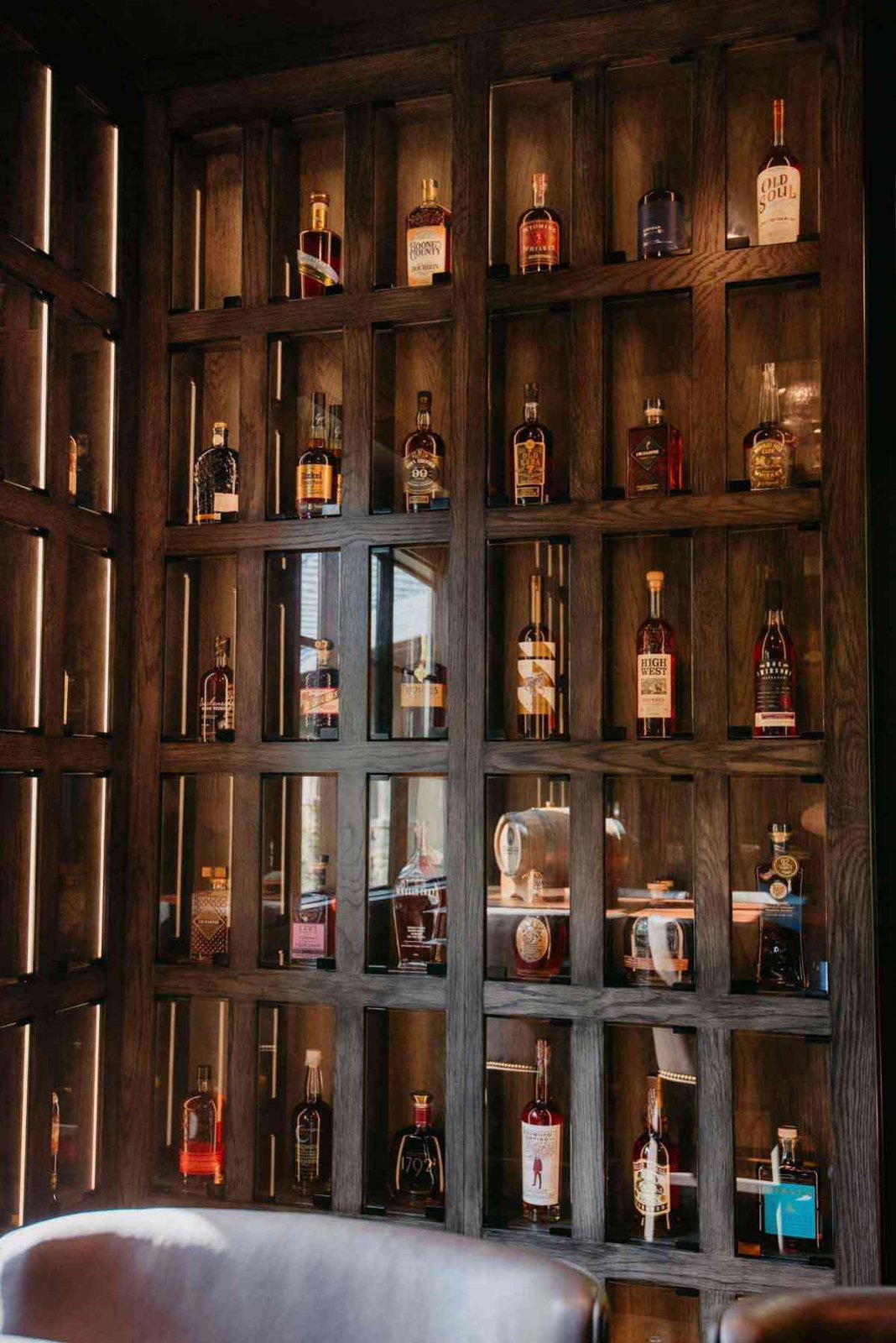
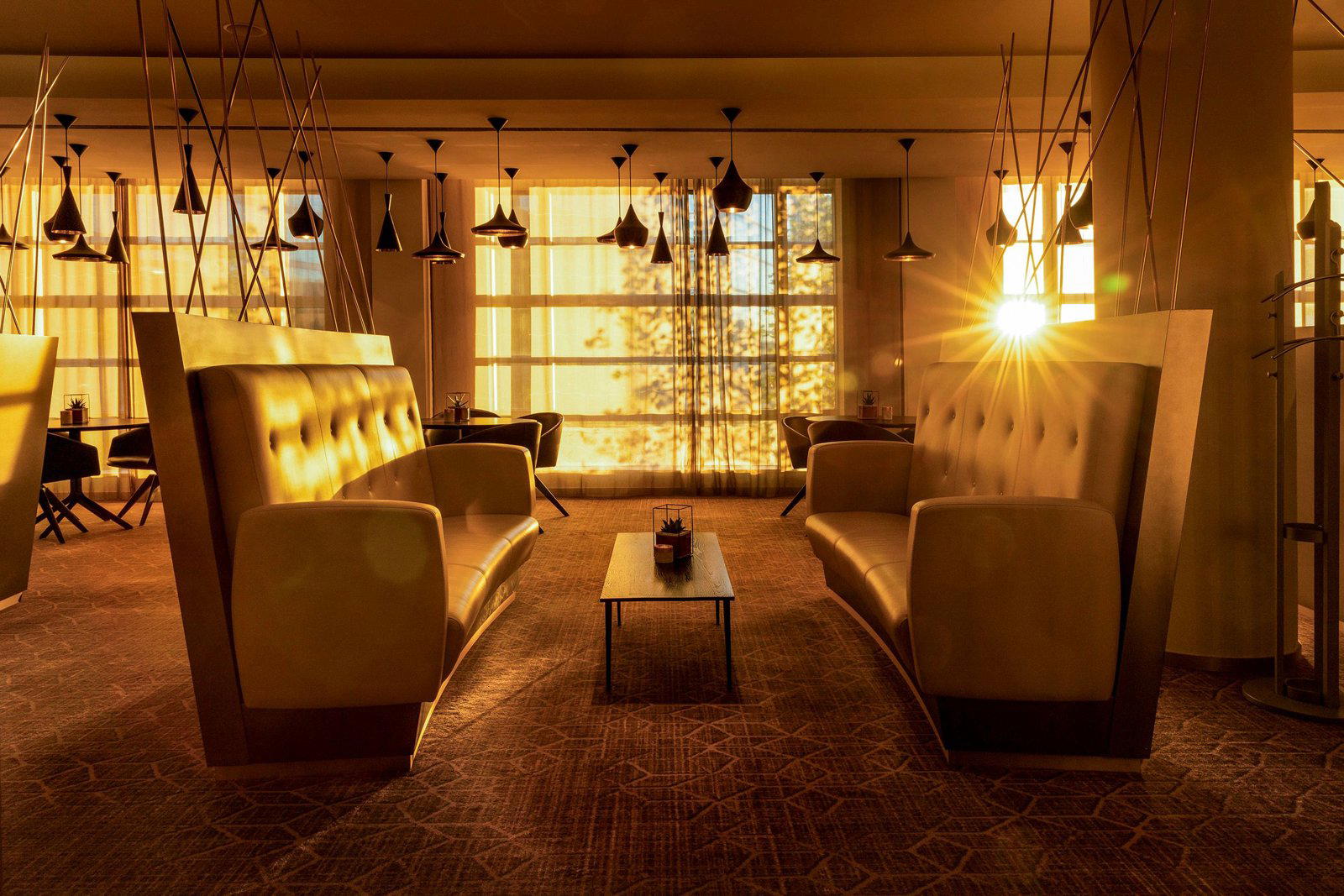
Bars in Luxembourg
Browse all →

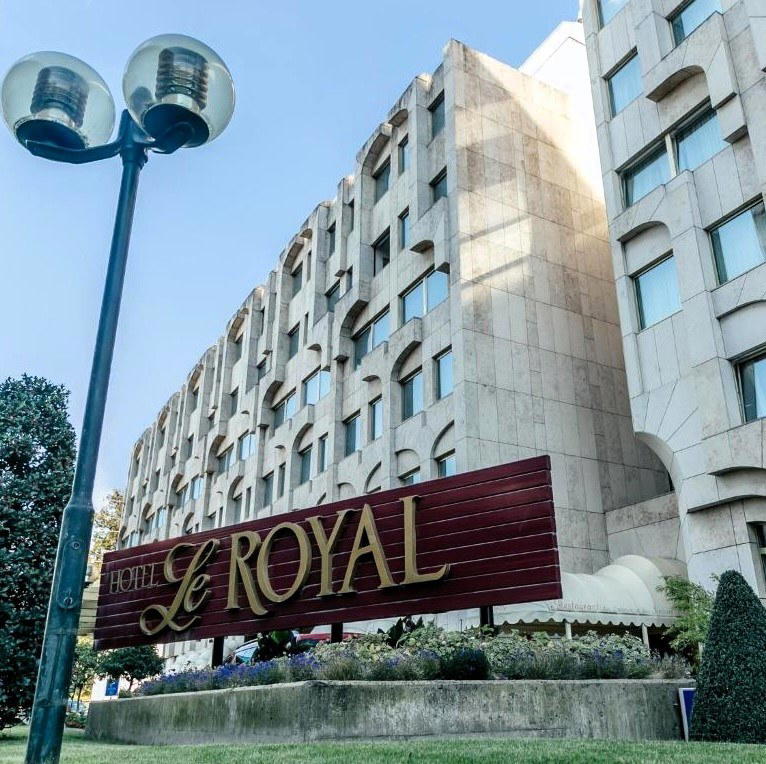
Hotels in Luxembourg
Browse all →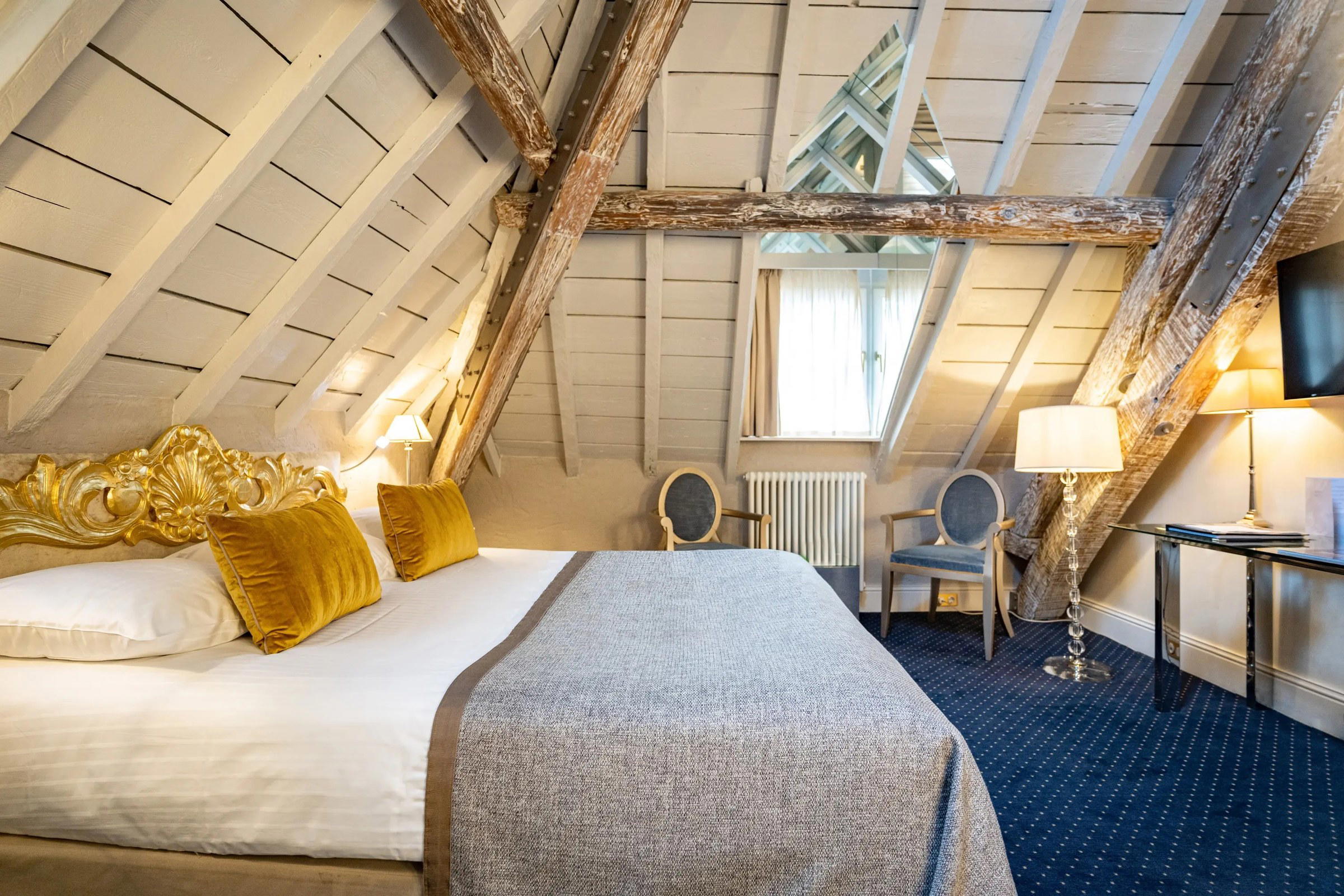
Details
- Elegant
- Romantic
- Sophisticated
- Intimate
- Date Night
- Business Dinner
- Special Occasion
- Celebration
- Standalone
- Historic Building
- Local Sourcing
- Organic
- A La Carte
- Tasting Menu
- Wine
- Vegetarian Friendly
- Vegan Options
Current opening hours
- Monday
- 12–2 PM, 7–10:30 PM
- Tuesday
- 12–2 PM, 7–10:30 PM
- Wednesday
- 12–2 PM, 7–10:30 PM
- Thursday
- 12–2 PM, 7–10:30 PM
- Friday
- 12–2 PM, 7–10:30 PM
- Saturday
- 7–10:30 PM
- Sunday
- Closed
Hours can change for holidays and private events. Last verified .
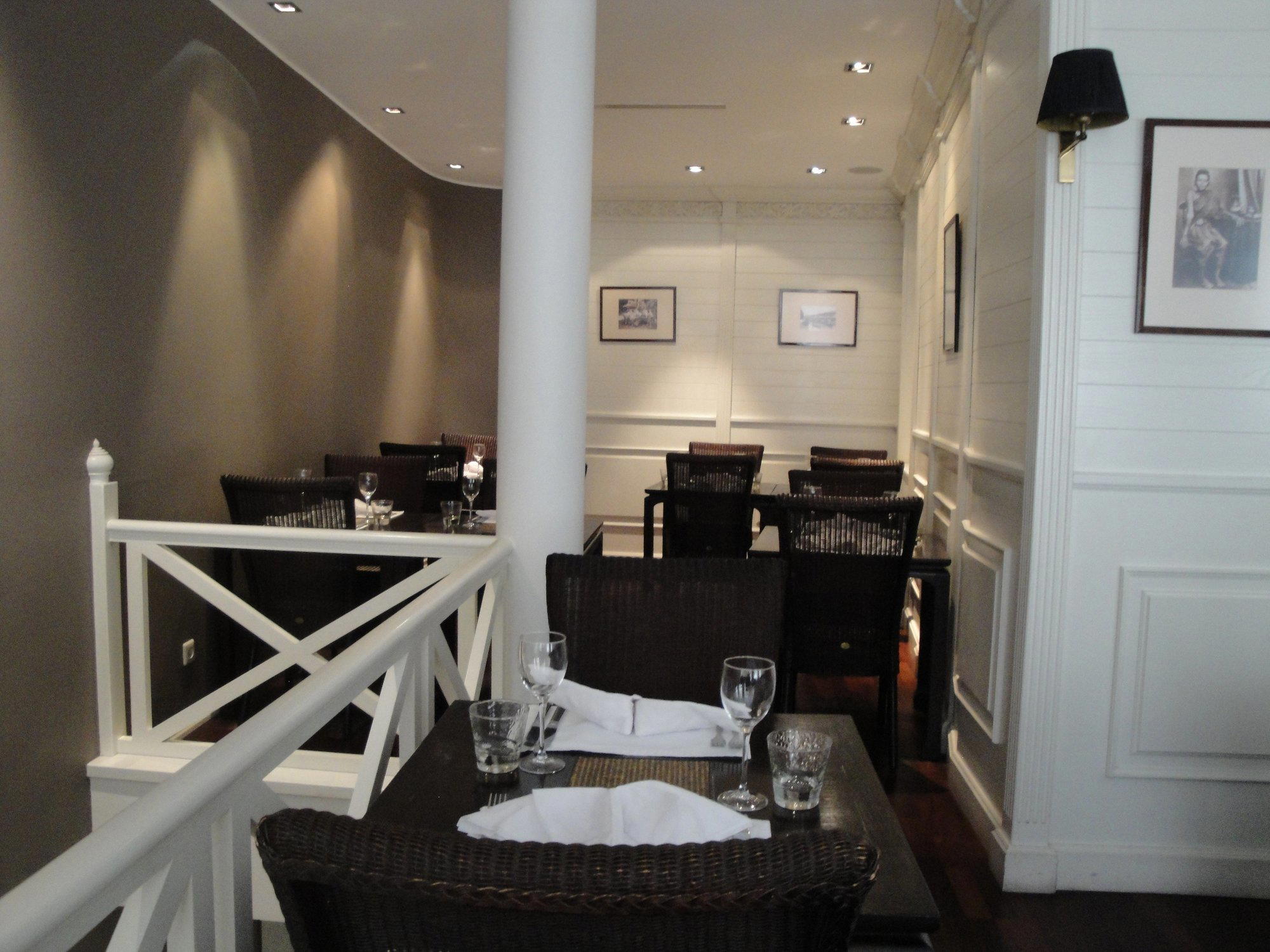
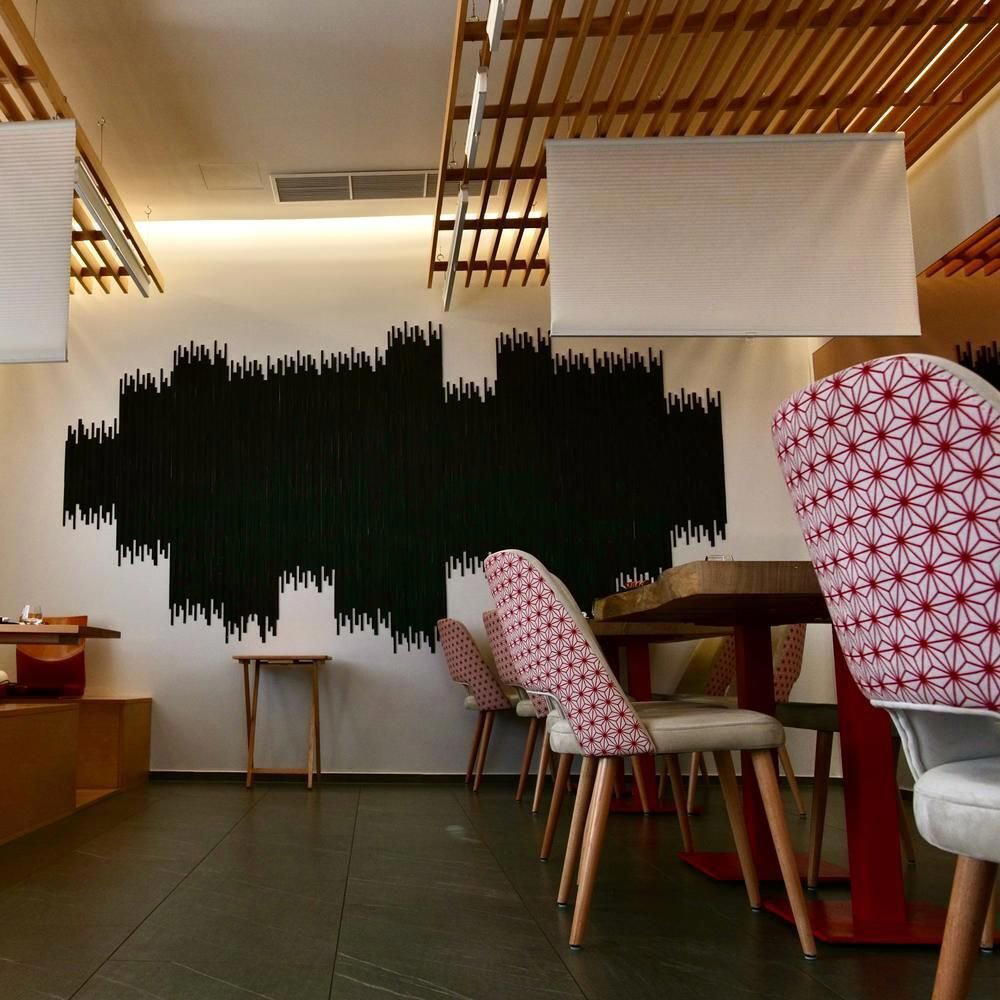
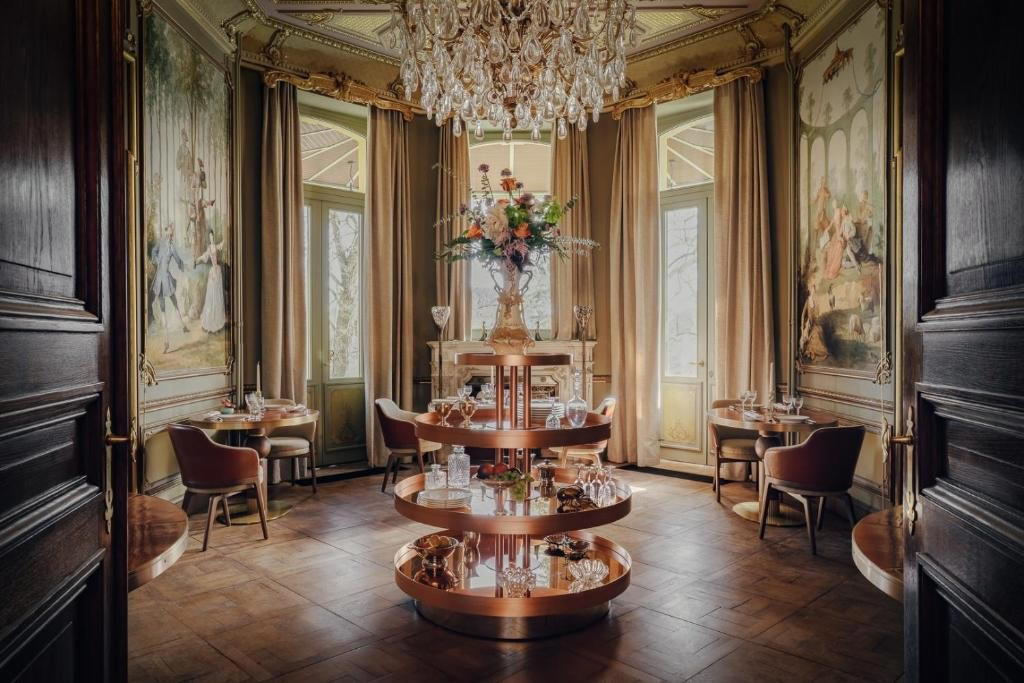
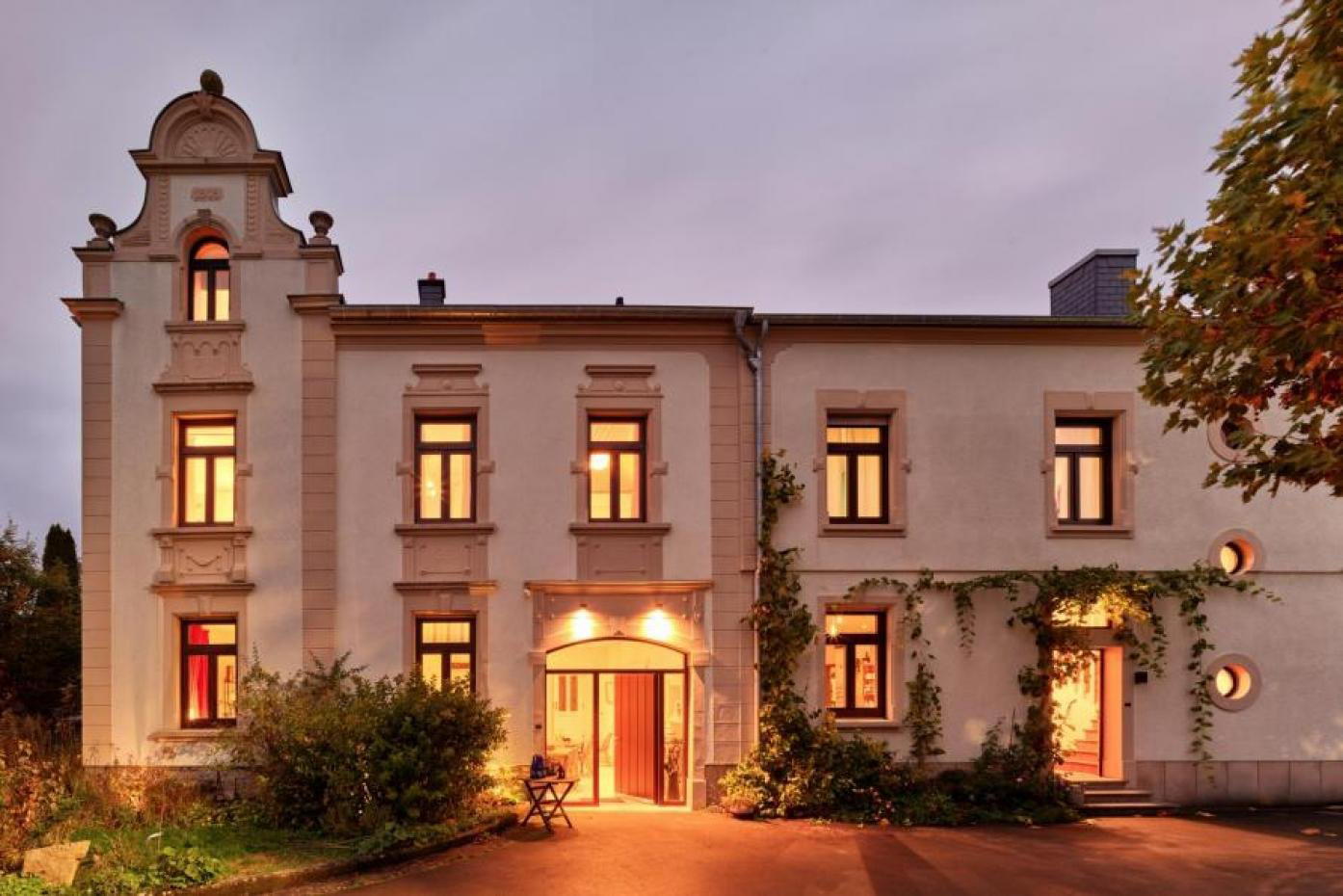
Colonial-inspired elegant setting with refined, sophisticated lighting and atmosphere that evokes traditional Thai aesthetics while maintaining contemporary refinement.