Casa Scola sits on Via del Presepe in Gragnano, a town whose identity is inseparable from dried pasta production stretching back centuries. Dining here means engaging with that tradition directly, in a setting where the sourcing logic of Campanian cooking, local grain, mountain air, Vesuvian produce, is the kitchen's organizing principle rather than a marketing footnote.
Pearl is the En Primeur Club membership app — saves, bookings, and concierge access live there. Same editors, same standards.
- Address
- Via del Presepe, 80054 Gragnano NA, Italy
- Phone
- +39815392198
- Website
- casascola.it
- Directions
- Get directions
 Saves & bookings on Pearl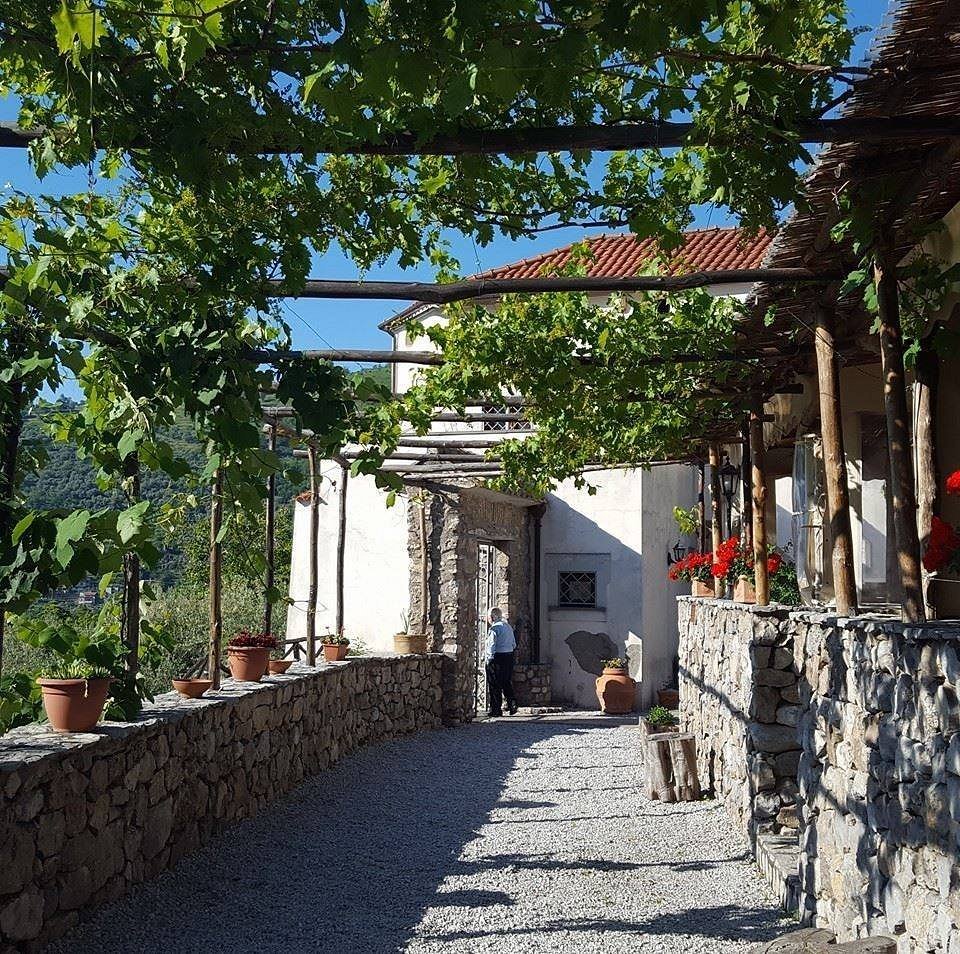
Where Pasta Geography Becomes the Point
Gragnano is not a town that needs to announce itself. The streets around Via del Presepe carry the faint, clean scent of drying semolina on warm afternoons, and that detail alone tells you more about the local food culture than any signage could. This is the town that built its reputation on bronze-die extrusion and slow air-drying long before either became a talking point in restaurant marketing, and Casa Scola sits inside that context with the kind of self-assurance that comes from geography rather than positioning.
The address places it squarely in the working fabric of a town that Italian food culture has treated as a production source rather than a dining destination. That tension is what makes eating here worth thinking about seriously.
The Sourcing Logic of Campanian Cooking
Campanian cuisine operates on a tight geographic radius. The volcanic soils around Vesuvius produce San Marzano tomatoes with a mineral acidity that no other growing region reliably replicates. Fior di latte from Agerola sits a short distance uphill. The Gulf of Naples delivers seafood within hours rather than days. This is not a tradition that needed farm-to-table branding because the supply chain was never broken in the first place.
Casa Scola draws from this same territorial logic. The kitchen's relationship to ingredient sourcing in this part of Campania is less a philosophy than a practical default: what grows nearby, what the season permits, and what the local producers have maintained through generations of consistent craft. In a region where the raw material quality sets a high baseline, the kitchen's role shifts toward restraint and respect rather than transformation for its own sake.
That approach places Casa Scola in a different register from the more technically ambitious Italian restaurants further up the peninsula. Houses like Osteria Francescana in Modena or Le Calandre in Rubano operate at the intersection of Italian tradition and conceptual reinvention. The Gragnano context asks a different question: what does the ingredient say when the kitchen gets out of its way?
Gragnano's Pasta Identity and What It Means at the Table
Gragnano's IGP designation for its pasta is the clearest institutional acknowledgment that geography matters here. The protected status covers production methods, the local water source from the Lattari Mountains, and the specific microclimate of the valley that historically enabled outdoor drying. When a kitchen in Gragnano serves pasta, it is working with a raw material that carries a traceable origin story built into every gram.
That specificity sits in contrast to the broader Italian fine-dining circuit, where pasta often functions as a canvas for elaborate sauce construction or technical manipulation. In Gragnano, the grain itself is the argument. Nearby, O Me O Il Mare represents the more contemporary coastal interpretation of the same sourcing tradition, leaning toward seafood-driven plates that reflect the town's proximity to the Gulf. The two venues together sketch the range of what serious cooking from this base looks like.
Across southern Italy's premium dining tier, the sourcing conversation has become more explicit. Quattro Passi in Marina del Cantone draws on the Amalfi Coast's particular marine and agricultural resources, while Uliassi in Senigallia has built a three-Michelin-star reputation on the Adriatic's seafood with similar territorial rigour. The ingredient-first argument has institutional validation at that level; what makes the Gragnano version interesting is that it operates without the same critical apparatus behind it.
The Physical Setting
Via del Presepe runs through a residential-commercial corridor typical of the Neapolitan hinterland: functional, dense, with the occasional gesture toward the scenic in the form of mountain views when the street opens up. The approach to the restaurant does not prepare you for ceremony. This part of Italy has never been in the business of theatrical arrival sequences.
What the setting does offer is authenticity of context. Eating in Gragnano rather than driving up to Naples for dinner, or down to the Amalfi resorts, is a choice that signals something about what kind of experience you are after. The town rewards that orientation. The dining room environment, the pace of service, and the general absence of the tourist-facing performance that characterizes coastal restaurants further south all point toward a meal that sits closer to how this food actually lives in its culture of origin.
Where It Sits Relative to the Region
Italy's most celebrated restaurants cluster at some distance from Gragnano. Reale in Castel di Sangro and Atelier Moessmer Norbert Niederkofler in Brunico sit at the progressive end of Italian regional cooking, where the sourcing argument is paired with considerable technical ambition and multi-star recognition. Dal Pescatore in Runate represents a different kind of Italian institution, where family continuity and classical rigour are the primary signals. The restaurant occupies none of those positions. It operates in the register of serious local cooking: informed by a specific place, answerable to the standards of that place, and less legible to the international awards circuit that tends to reward narrative complexity as much as ingredient truth.
For reference, the awards-circuit end of the Italian spectrum includes Piazza Duomo in Alba, Enoteca Pinchiorri in Florence, Enrico Bartolini in Milan, La Pergola in Rome, Villa Crespi in Orta San Giulio, Da Vittorio in Brusaporto, and Casa Perbellini 12 Apostoli in Verona. None of that is the restaurant frame of reference. The more instructive comparisons are local, and they involve asking what this specific valley, this specific grain, and this specific culinary inheritance actually taste like on a plate.
Planning Your Visit
Gragnano is accessible from Naples by road, sitting approximately 30 kilometres southeast of the city centre via the A3 autostrada. The town does not function as a day-trip destination in the way that Pompeii or the Amalfi coast do, which means visitor traffic stays lower and the dining experience retains a more local character.
How It Stacks Up
Comparable venues nearby, for context on price, style, and recognition.
| Venue | Cuisine | Price | Awards | Notes |
|---|---|---|---|---|
| Casa ScolaThis venue — the venue you are viewing | Traditional Neapolitan Agriturismo | $$ | Not listed | Not listed |
| O Me O Il Mare | Contemporary Campanian Fine Dining | $$$$ | Michelin 1 Star | Historic Center of Gragnano |
| Trattoria Ca' D'Oro - Cucina Tipica Veneziana | Traditional Venetian Trattoria | $$ | Not listed | Cannaregio |
| La Torre | Authentic Campanian Seafood & Home Cooking | $$ | Not listed | Santa Maria Annunziata, Massa Lubrense |
| Il Cellaio di Don Gennaro | Traditional Campania Seafood | $$ | Not listed | Vico Equense |
| Arso Trattoria Moderna | Traditional Roman Trattoria | $$ | Not listed | .null |
Continue exploring
More in Gragnano
Restaurants in Gragnano
Browse all →
Bars in Gragnano
Browse all →
Hotels in Gragnano
Browse all →
At a Glance
- Rustic
- Cozy
- Scenic
- Family
- Group Dining
- Casual Hangout
- Terrace
- Historic Building
- Extensive Wine List
- Farm To Table
- Local Sourcing
- Mountain
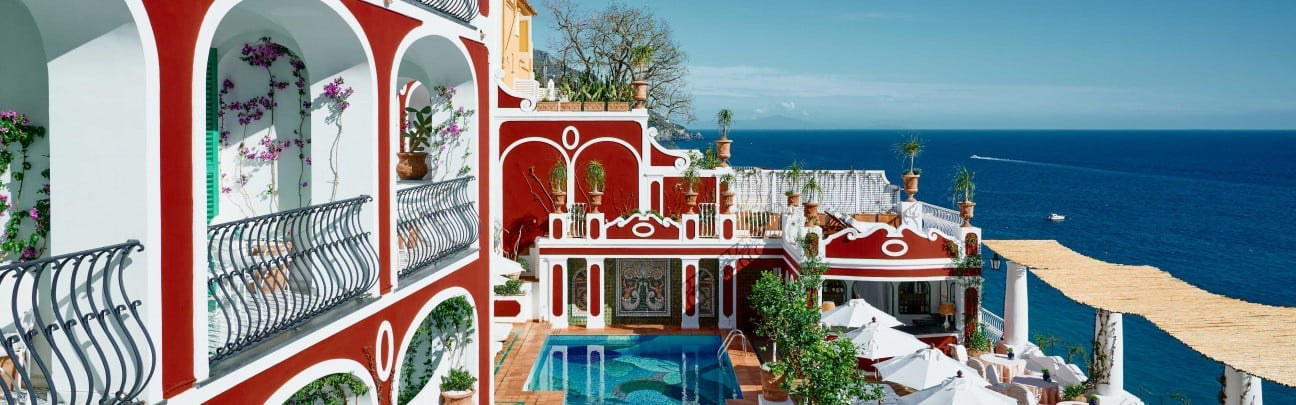
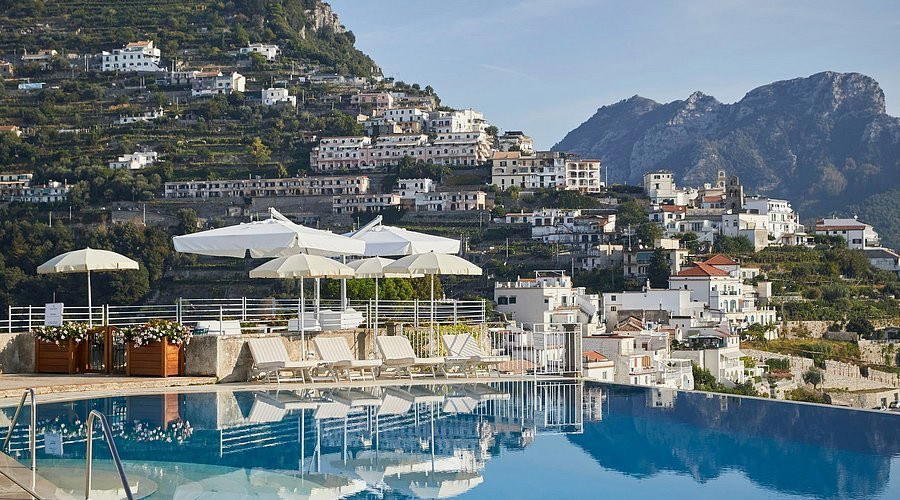
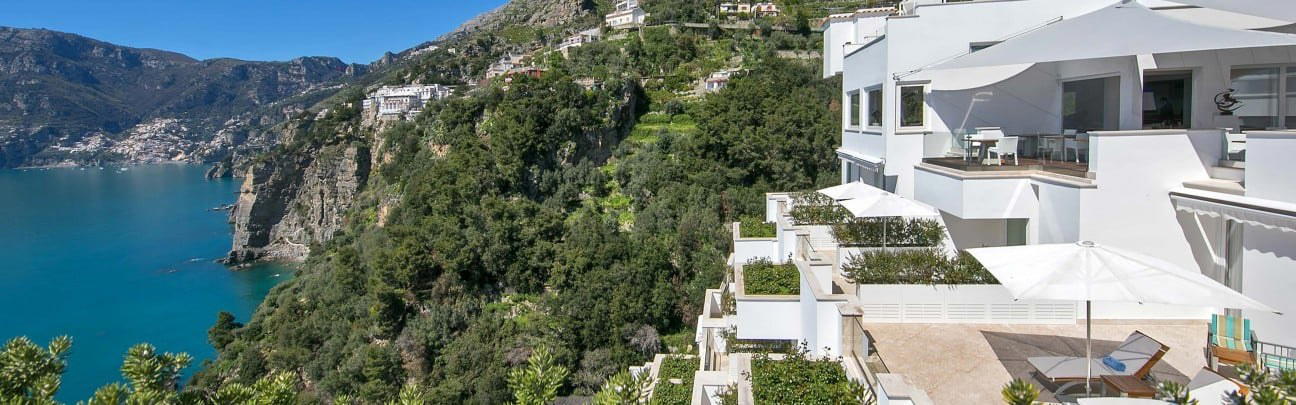
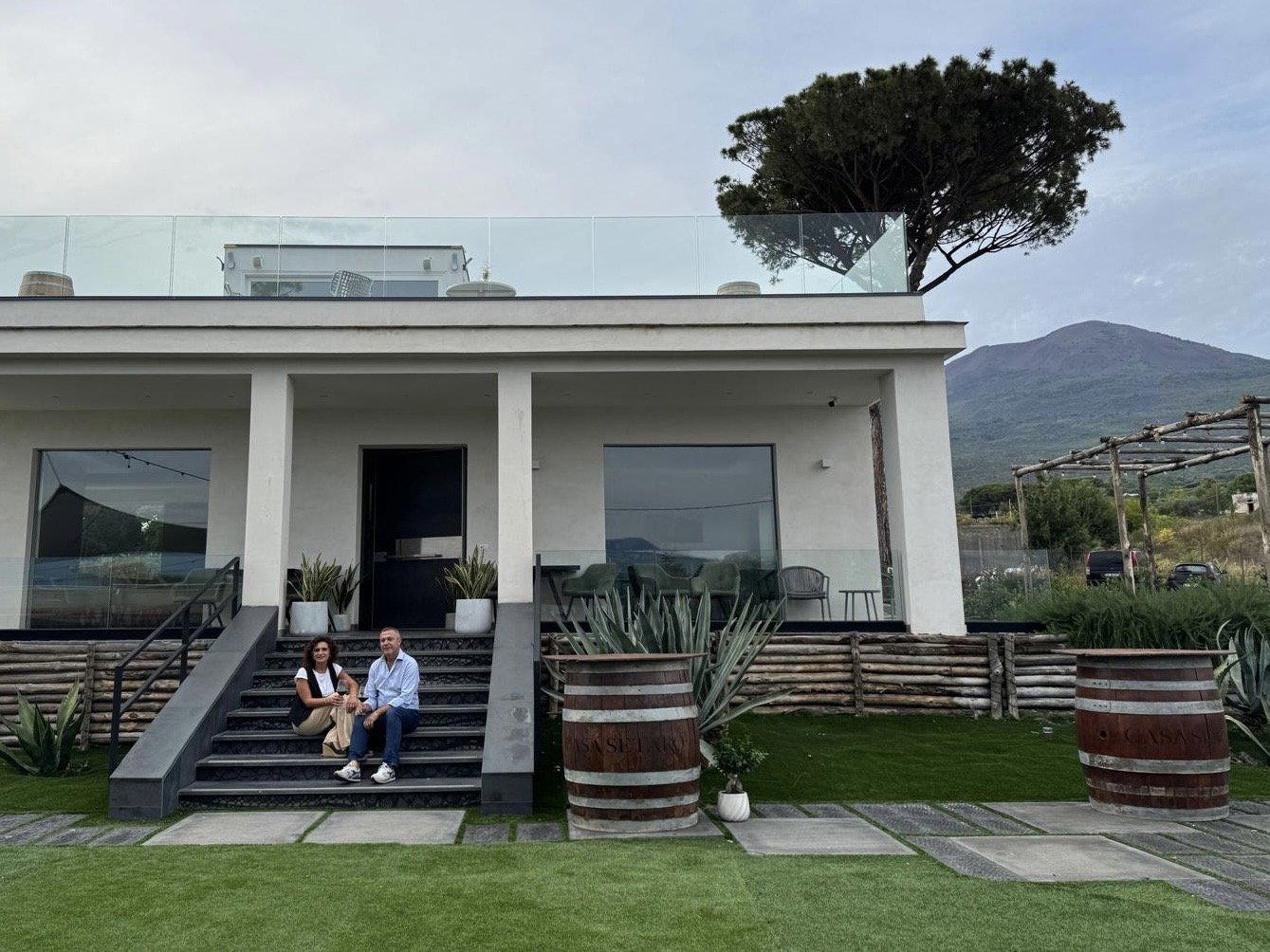
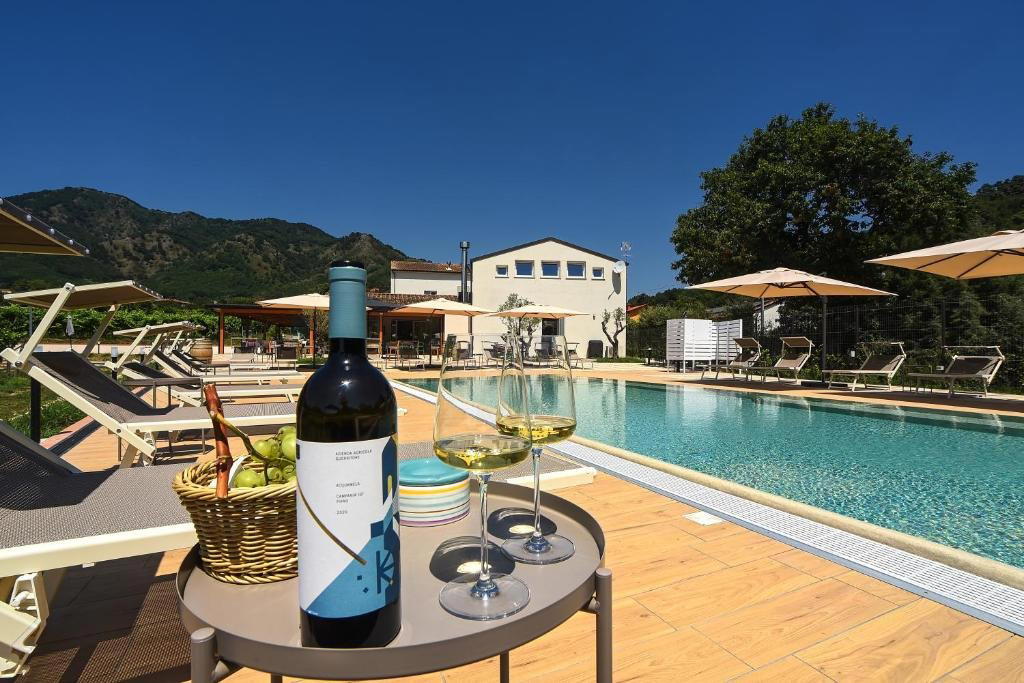
Rustic and cozy with a comfortable fireplace indoors and a spacious outdoor pergola surrounded by greenery.