Drinking on the Amalfi Coast: Where the Bar Sits in the Scene The Amalfi Coast has never been short of places to hold a glass in the late afternoon light. What it has historically lacked is bars that treat the drink with the same seriousness that the region's better restaurants apply to the plate. Most coastal terraces from Positano to Cetara operate on a direct model: commanding views, standard aperitivo lists, a reasonable Aperol spritz, and a margin built on the postcard setting rather than the liquid in front of you. Against that backdrop, a bar that turns its attention to the cocktail programme itself represents a genuine shift in emphasis. Azur Lounge Bar, on Via Salvatore Quasimodo in central Amalfi, sits within that smaller cohort of Coast addresses where the drink is the product, not the prop. The address places it inside one of the most visited small towns on the Italian coast, where the competition for evening trade runs fierce and the expectations of international visitors have shifted considerably over the past decade. The Physical Approach: What You Encounter First Arriving from the direction of Amalfi's Piazza del Duomo, the town's tight stone lanes compress the experience in a way that the open coastal terraces of the larger resort hotels don't. The architecture here is vertical and dense, with buildings stacked against the cliff face that rises sharply behind the historic centre. Afternoon light hits the upper storeys while the lower streets remain shaded, giving any bar in this part of Amalfi a mood that the hilltop properties above town simply can't replicate. There is something distinctly southern Italian about it: the acoustics of an enclosed alley, the mineral smell of old stone, the sense of being inside the town rather than observing it from above. That physical context matters for how a bar like Azur reads. Where coastal terrace bars trade on panorama, a bar embedded in Amalfi's street-level fabric has to earn its place through the quality of the experience at the counter. The room becomes the argument rather than the view behind it. The Cocktail Programme: How It Fits the Italian Bar Moment Italian cocktail culture has moved substantially over the past fifteen years. Rome's more technically minded bars, places like Salotto 42 in Rome and the more experimental end represented by Moebius Milano in Milan, have pushed the category toward fermentation, clarification, and ingredient provenance in ways that were largely absent from the Italian bar scene a decade ago. Florence has followed with Gucci Giardino, which places the drink inside a broader cultural and aesthetic frame. Even in Naples, thirty minutes north of Amalfi by road, L'Antiquario has built a programme grounded in historical Italian spirits and considered technique. The Coast itself has been slower to follow that trajectory. The seasonal nature of the trade, the dominance of international leisure tourism over the year-round local customer base that sustains serious bar programmes in cities, and the premium placed on location over execution have all worked against the development of technically ambitious cocktail culture between Positano and Salerno. A bar that attempts to bring programme discipline to this environment is working against structural headwinds, which makes any genuine commitment to the glass more notable than it would be in a city context. On the Campania peninsula, local ingredient logic writes itself almost without effort: Amalfi lemon, sfusato variety, is one of the most distinctive citrus products in European cooking, carrying a perfume and acid balance that separates it sharply from the Sicilian or Spanish fruit that fills most bar fridges. Limoncello produced from sfusato sits at a different register from the industrial versions. Fiano and Greco di Tufo, the white grape varieties grown in the Campanian hills, offer obvious aperitivo pairings. The question for any serious coastal bar programme is how deliberately it draws on that pantry rather than defaulting to the international spirits list that any well-supplied venue from Lisbon to Beirut might offer. For context on how Italian bars beyond the peninsula are handling similar questions of local identity and technique, the programmes at Cugini di Torino in Nizza Monferrato, Caffé Al Bicerin in Turin, and Farmacia dei Sani in Ruffano each offer different regional models worth noting. Outside Italy, Lost & Found in Nicosia and Café La Trova in Miami demonstrate how culturally specific programmes can operate at a high level without defaulting to international templates. Within the immediate stretch of coast, the comparison points are limited by the thinness of the serious bar offer. Ristorante Da Adolfo in Positano represents the beach-access model, where setting and simplicity define the experience rather than any programmatic ambition. The hotel bars of the major properties on this stretch operate at a premium price point but within conservative menus calibrated for an international leisure audience. The gap between those options and a bar with genuine programme focus is wider here than in almost any major Italian city, which positions Azur in a relatively open field by local standards. For readers building a broader Campania drinks itinerary, Bistro del Borgo in Verona offers an instructive northern contrast: a bar embedded in a historic urban context that uses its local food and wine culture as programme infrastructure. The logic is transferable to the south, even if the specific ingredients differ entirely. Planning Your Visit Amalfi is a town of roughly five thousand permanent residents that absorbs a volume of summer visitors entirely disproportionate to its size. The road along the SS163, the coastal route connecting the peninsula's main towns, operates at near-capacity from late June through early September, and parking within Amalfi itself is essentially non-existent for day visitors. The ferry from Salerno or Positano removes the road entirely from the equation and deposits visitors directly at the harbour, a short walk from Via Salvatore Quasimodo. For those based further along the coast, the ferry schedule is worth confirming in advance as services thin out after early evening, which affects the practical window for a late-night bar visit. The shoulder months of April, May, and October offer a substantially different experience of the town: lower visitor volumes, more consistent service, and an atmosphere closer to what the place is when it belongs to its residents rather than its guests. Amalfi in October, after the peak ferry crowds have gone, is a different and generally more rewarding proposition for anyone primarily interested in eating and drinking rather than beach access. For broader coverage of where to eat and drink along this stretch of coast, see our full Amalfi restaurants guide. Frequently Asked Questions What should I expect atmosphere-wise at Azur Lounge Bar? The bar sits in central Amalfi's street-level fabric rather than on an open coastal terrace, which means the atmosphere is defined by the town's dense historic architecture rather than panoramic sea views. In a destination where most evening venues compete on outlook, this is a different proposition: the mood is more interior, more focused on the counter experience. Evening visits during peak summer season will reflect Amalfi's overall visitor volume, so shoulder-season timing in May or October delivers a noticeably calmer environment. What's the must-try cocktail at Azur Lounge Bar? Verified menu data for Azur Lounge Bar is not available through EP Club's current records. What can be said with confidence is that any serious bar programme on the Amalfi Coast has access to sfusato amalfitano lemon, one of the most distinctive citrus products in Italy, alongside Campanian spirits and local liqueurs that rarely appear on international bar menus. A drink that draws on those regional ingredients directly would represent the most compelling use of what this location offers. What's the standout thing about Azur Lounge Bar? Its position inside Amalfi's old town rather than on a resort terrace distinguishes it from the majority of the Coast's bar offer. The Amalfi Coast bar scene is structured around views and aperitivo volume; a bar in this location that directs attention toward what's in the glass is operating on different terms from most of its neighbours. Is Azur Lounge Bar reservation-only? No reservations data is currently held in EP Club's records for Azur Lounge Bar, and no website or phone contact is available through our system. Given Amalfi's summer visitor volumes, arriving earlier in the evening during peak season is the practical hedge against limited capacity at any venue in the town centre. Contacting the bar directly through local search is the most reliable route to current booking information. Does Azur Lounge Bar live up to the hype? EP Club does not hold awards data or a formal rating for Azur Lounge Bar at this time, which means the honest answer is that independent verification is limited. The bar operates in a coastal market where serious competition for programme quality is thin, which lowers the bar for standing out relative to a city context. Whether it delivers at the level of Italy's more recognised cocktail venues, the programmes at places like L'Antiquario in Naples or the technically focused bars of Rome and Milan, requires a visit and cannot be confirmed from available data. How does Azur Lounge Bar compare to other bars along the Amalfi Coast for someone specifically interested in cocktails? The Amalfi Coast's bar offer is dominated by hotel terraces and aperitivo spots that prioritise setting over programme depth. For a visitor whose primary interest is the drink rather than the view, the field of genuinely programme-focused bars along this stretch is narrow, which gives Azur a position it would not hold so easily in Naples or Rome. The nearest city-level cocktail programme in the region is Naples, roughly an hour by road or ferry from Amalfi, where L'Antiquario operates at a verified high standard with a historically grounded Italian spirits focus.
Pearl is the En Primeur Club membership app — saves, bookings, and concierge access live there. Same editors, same standards.
- Address
- Via Salvatore Quasimodo, 3, 84011 Amalfi SA, Italy
- Phone
- +39 089 871588
- Website
- miramalfi.com
- Directions
- Get directions
 Saves & bookings on Pearl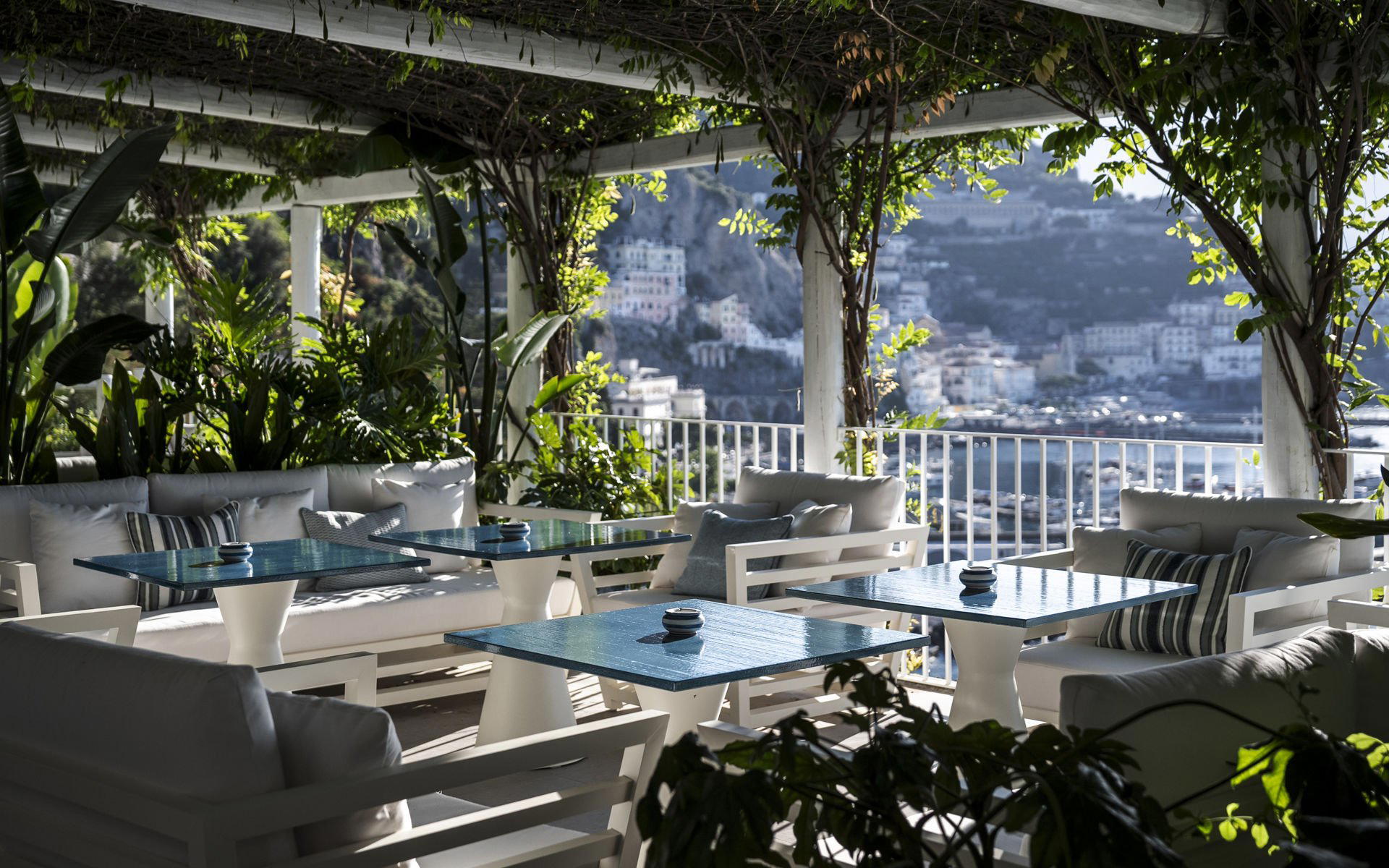
Drinking on the Amalfi Coast: Where the Bar Sits in the Scene
The Amalfi Coast has never been short of places to hold a glass in the late afternoon light. What it has historically lacked is bars that treat the drink with the same seriousness that the region's better restaurants apply to the plate. Most coastal terraces from Positano to Cetara operate on a direct model: commanding views, standard aperitivo lists, a reasonable Aperol spritz, and a margin built on the postcard setting rather than the liquid in front of you. Against that backdrop, a bar that turns its attention to the cocktail programme itself represents a genuine shift in emphasis.
Azur Lounge Bar, on Via Salvatore Quasimodo in central Amalfi, sits within that smaller cohort of Coast addresses where the drink is the product, not the prop. The address places it inside one of the most visited small towns on the Italian coast, where the competition for evening trade runs fierce and the expectations of international visitors have shifted considerably over the past decade.
The Physical Approach: What You Encounter First
Arriving from the direction of Amalfi's Piazza del Duomo, the town's tight stone lanes compress the experience in a way that the open coastal terraces of the larger resort hotels don't. The architecture here is vertical and dense, with buildings stacked against the cliff face that rises sharply behind the historic centre. Afternoon light hits the upper storeys while the lower streets remain shaded, giving any bar in this part of Amalfi a mood that the hilltop properties above town simply can't replicate. There is something distinctly southern Italian about it: the acoustics of an enclosed alley, the mineral smell of old stone, the sense of being inside the town rather than observing it from above.
That physical context matters for how a bar like Azur reads. Where coastal terrace bars trade on panorama, a bar embedded in Amalfi's street-level fabric has to earn its place through the quality of the experience at the counter. The room becomes the argument rather than the view behind it.
The Cocktail Programme: How It Fits the Italian Bar Moment
Italian cocktail culture has moved substantially over the past fifteen years. Rome's more technically minded bars, places like Salotto 42 in Rome and the more experimental end represented by Moebius Milano in Milan, have pushed the category toward fermentation, clarification, and ingredient provenance in ways that were largely absent from the Italian bar scene a decade ago. Florence has followed with Gucci Giardino, which places the drink inside a broader cultural and aesthetic frame. Even in Naples, thirty minutes north of Amalfi by road, L'Antiquario has built a programme grounded in historical Italian spirits and considered technique.
The Coast itself has been slower to follow that trajectory. The seasonal nature of the trade, the dominance of international leisure tourism over the year-round local customer base that sustains serious bar programmes in cities, and the premium placed on location over execution have all worked against the development of technically ambitious cocktail culture between Positano and Salerno. A bar that attempts to bring programme discipline to this environment is working against structural headwinds, which makes any genuine commitment to the glass more notable than it would be in a city context.
On the Campania peninsula, local ingredient logic writes itself almost without effort: Amalfi lemon, sfusato variety, is one of the most distinctive citrus products in European cooking, carrying a perfume and acid balance that separates it sharply from the Sicilian or Spanish fruit that fills most bar fridges. Limoncello produced from sfusato sits at a different register from the industrial versions. Fiano and Greco di Tufo, the white grape varieties grown in the Campanian hills, offer obvious aperitivo pairings. The question for any serious coastal bar programme is how deliberately it draws on that pantry rather than defaulting to the international spirits list that any well-supplied venue from Lisbon to Beirut might offer.
For context on how Italian bars beyond the peninsula are handling similar questions of local identity and technique, the programmes at Cugini di Torino in Nizza Monferrato, Caffé Al Bicerin in Turin, and Farmacia dei Sani in Ruffano each offer different regional models worth noting. Outside Italy, Lost & Found in Nicosia and Café La Trova in Miami demonstrate how culturally specific programmes can operate at a high level without defaulting to international templates.
Within the immediate stretch of coast, the comparison points are limited by the thinness of the serious bar offer. Ristorante Da Adolfo in Positano represents the beach-access model, where setting and simplicity define the experience rather than any programmatic ambition. The hotel bars of the major properties on this stretch operate at a premium price point but within conservative menus calibrated for an international leisure audience. The gap between those options and a bar with genuine programme focus is wider here than in almost any major Italian city, which positions Azur in a relatively open field by local standards.
For readers building a broader Campania drinks itinerary, Bistro del Borgo in Verona offers an instructive northern contrast: a bar embedded in a historic urban context that uses its local food and wine culture as programme infrastructure. The logic is transferable to the south, even if the specific ingredients differ entirely.
Planning Your Visit
Amalfi is a town of roughly five thousand permanent residents that absorbs a volume of summer visitors entirely disproportionate to its size. The road along the SS163, the coastal route connecting the peninsula's main towns, operates at near-capacity from late June through early September, and parking within Amalfi itself is essentially non-existent for day visitors. The ferry from Salerno or Positano removes the road entirely from the equation and deposits visitors directly at the harbour, a short walk from Via Salvatore Quasimodo. For those based further along the coast, the ferry schedule is worth confirming in advance as services thin out after early evening, which affects the practical window for a late-night bar visit. The shoulder months of April, May, and October offer a substantially different experience of the town: lower visitor volumes, more consistent service, and an atmosphere closer to what the place is when it belongs to its residents rather than its guests. Amalfi in October, after the peak ferry crowds have gone, is a different and generally more rewarding proposition for anyone primarily interested in eating and drinking rather than beach access.
For broader coverage of where to eat and drink along this stretch of coast, see our full Amalfi restaurants guide.
Continue exploring
More in Amalfi
Bars in Amalfi
Browse all →
Restaurants in Amalfi
Browse all →
Hotels in Amalfi
Browse all →

At a Glance
- Scenic
- Elegant
- Romantic
- Sophisticated
- Intimate
- Date Night
- Special Occasion
- Casual Hangout
- Group Outing
- Waterfront
- Terrace
- Panoramic View
- Hotel Bar
- Standalone
- Seated Bar
- Lounge Seating
- Outdoor Terrace
- Classic Cocktails
- Craft Cocktails
- Conventional Wine
- Zero Proof
- Waterfront
Current opening hours
- Monday
- 12:30 PM–12 AM
- Tuesday
- 12:30 PM–12 AM
- Wednesday
- 12:30 PM–12 AM
- Thursday
- 12:30 PM–12 AM
- Friday
- 12:30 PM–12 AM
- Saturday
- 12:30 PM–12 AM
- Sunday
- 12:30 PM–12 AM
Hours can change for holidays and private events. Last verified .
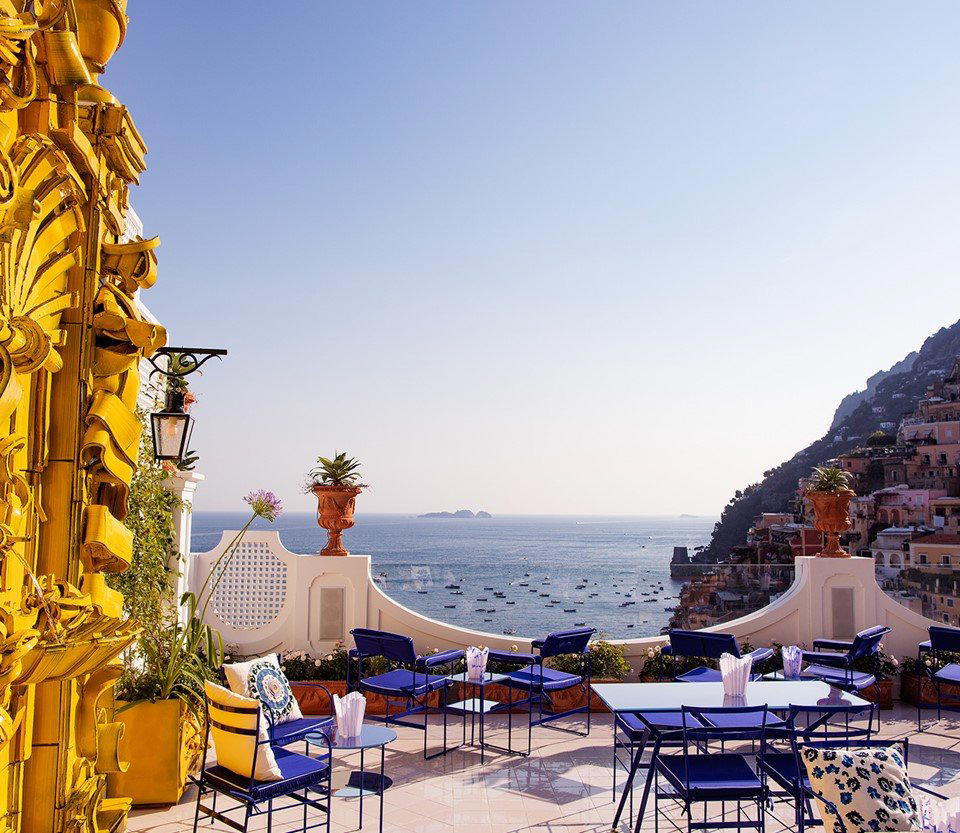
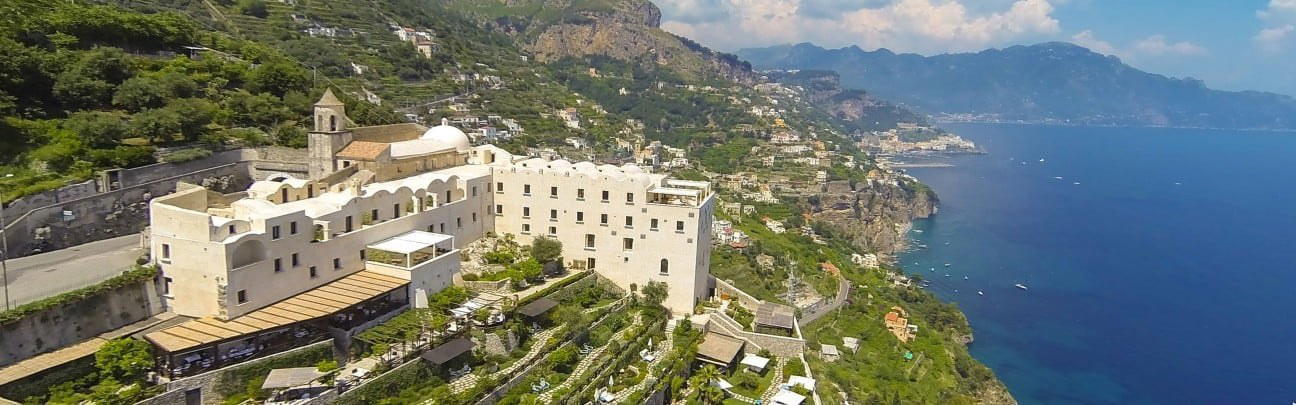
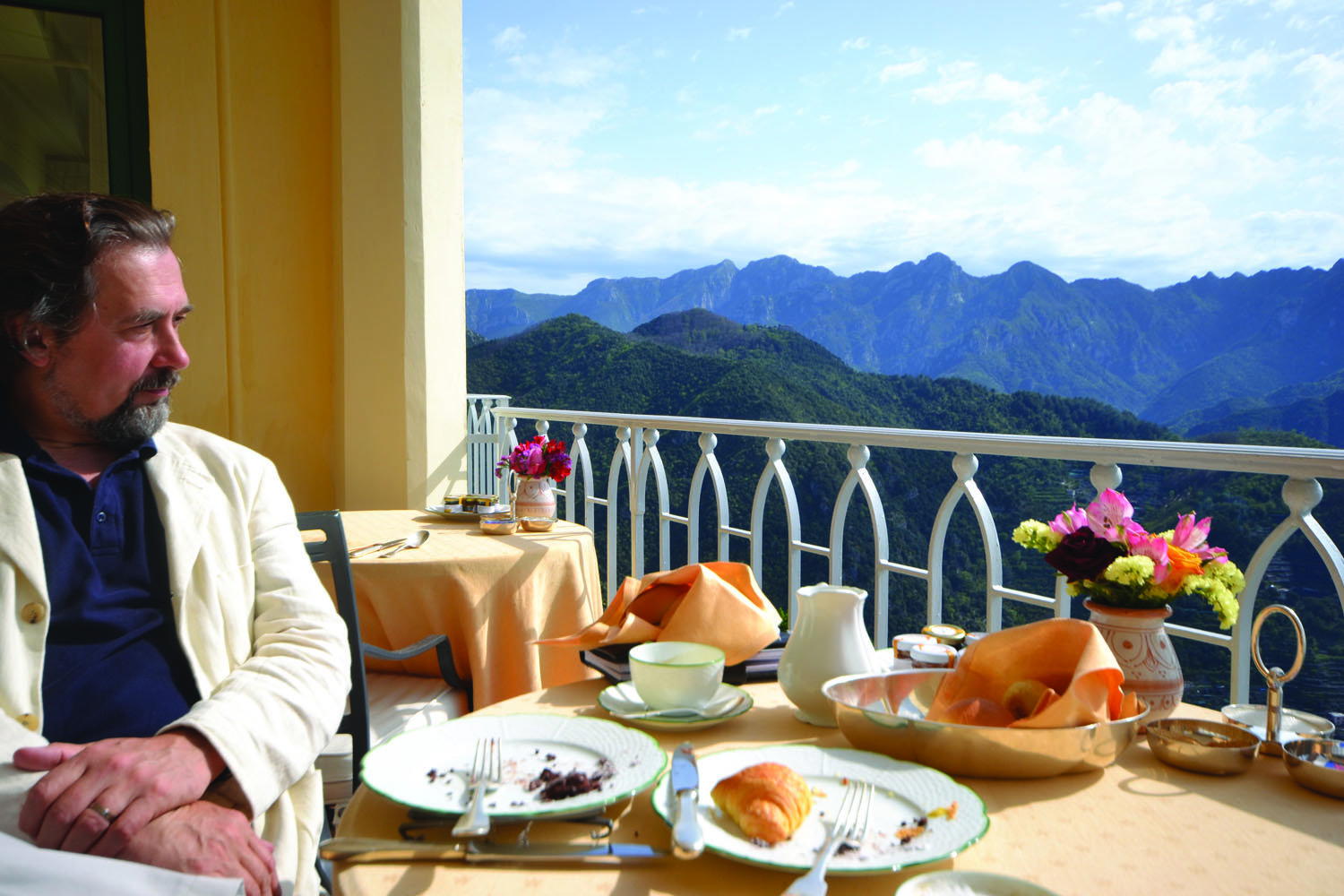
A panoramic sea-view terrace with a relaxed, evocative atmosphere, framed by greenery and designed as a tranquil escape above the water.
Know Before You Go
- Getting there
- Via Salvatore Quasimodo, 3, 84011 Amalfi SA, Italy