
Housed in a 17th-century pasta factory in Gragnano, the town synonymous with artisan pasta production, O Me O Il Mare holds a Michelin star (2024) and serves three tasting menus that draw directly from Campanian tradition while incorporating contemporary technique. The wine list mirrors the regional focus, and the sommelier's guidance is worth taking..
Pearl is the En Primeur Club membership app — saves, bookings, and concierge access live there. Same editors, same standards.
- Address
- Via Roma, 45, 80054 Gragnano NA, Italy
- Phone
- +39 081 620 0550
- Website
- omeoilmare.com
- Directions
- Get directions
 Saves & bookings on Pearl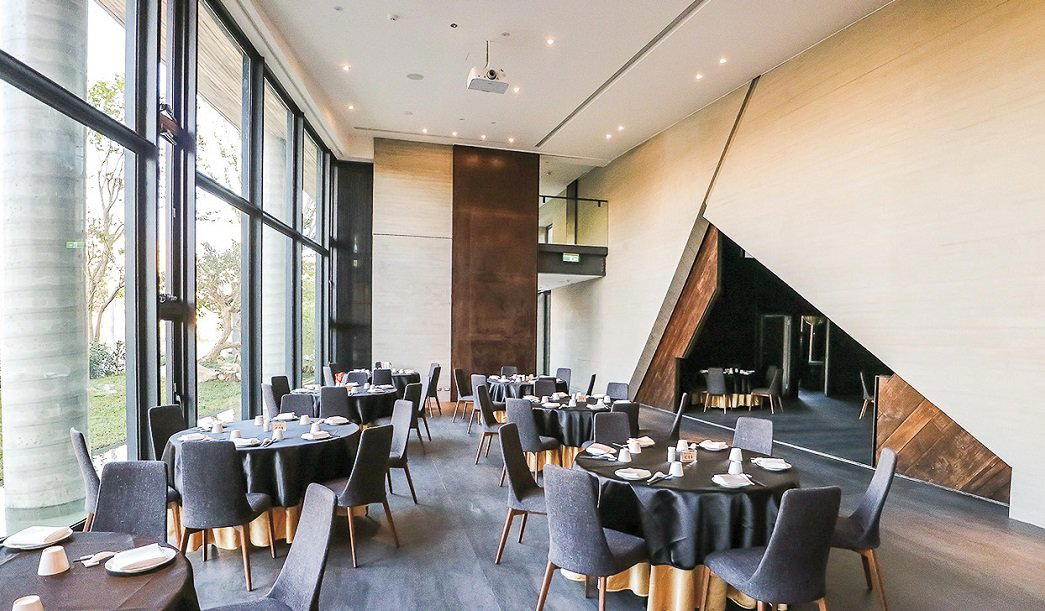
Where Gragnano's Pasta History Meets Contemporary Campanian Cooking
The Sorrentine Peninsula has long operated in the shadow of Naples when it comes to fine dining recognition, but the towns of the hinterland tell a different story. Gragnano, situated in the hills above the Bay of Naples, has a singular culinary identity that predates most of Italy's celebrated food destinations. For centuries, the town's geography, a long valley with precise wind patterns and spring water from the Monti Lattari, created conditions that pasta-makers exploited with unusual discipline. Today, Gragnano's small-scale producers still operate under a protected geographical indication, and their product circulates through the kitchens of starred restaurants across Campania and beyond. It is in this context that O Me O Il Mare should be understood: a Michelin-starred address that anchors itself, deliberately and without apology, to the specific culinary heritage of the place it occupies.
The building on Via Roma dates to 1695, and its original function as a pasta factory is not a decorative detail but a structural argument the restaurant makes about its own identity. The conversion has produced a dining room with vaulted ceilings and considerable height, giving the space a civic quality that distinguishes it from the more intimate, low-ceilinged trattorias common to southern Italian fine dining. An open-view kitchen runs as a secondary theatre alongside the main room, a format that has become standard at this price tier across Italy but which reads differently here, where the act of preparing pasta is embedded in the walls themselves. The combination of historic architecture and contemporary restaurant design places O Me O Il Mare in a growing cohort of Campanian restaurants that use built heritage as a statement of culinary intent rather than simple atmosphere. For context on how this approach plays out elsewhere in the region, Quattro Passi in Marina del Cantone works a similar dynamic along the coast, though its emphasis leans toward seafood and the Amalfi tradition rather than the inland pasta culture that defines Gragnano.
Three Menus, One Region
Campanian cuisine resists easy categorisation. It encompasses the fried street food of Naples, the tomato-driven ragù of the interior, the seafood preparations of Pozzuoli and Bagnoli, the buffalo mozzarella belt of Caserta, and the dried pasta tradition of Gragnano itself. Restaurants that attempt to synthesise this range under a single tasting menu format often produce something that feels broad rather than deep. O Me O Il Mare's answer to this is structural: three tasting menus, each offering a distinct editorial framing of the region. The format allows for both fidelity to tradition and space for creative departure, without forcing one to overwhelm the other. This approach is more nuanced than the single-menu model adopted by many of Italy's most celebrated contemporary addresses. Compare the tightly edited single vision of Osteria Francescana in Modena or the linear progression at Reale in Castel di Sangro: both are single-track propositions operating at three Michelin stars, where the chef's point of view is the menu. At O Me O Il Mare, the multiplicity of options signals a kitchen that understands its audience includes both guests seeking rootedness in Campanian tradition and those open to the more interpretive work.
The Michelin inspectors awarded a star, which positions the restaurant within Italy's growing tier of regionally anchored one-star addresses that prioritise ingredient provenance and territorial specificity over technical showmanship. This is a recognisably southern Italian mode, one that also characterises the work being done at L'Olivo in Anacapri on Capri's quieter northern side. Early-stage ratings at this level, before volume reviews dilute the score, tend to reflect a core audience of engaged diners rather than casual foot traffic, which makes the number more instructive than it might appear at a larger sample size.
The Wine List and the Sommelier Question
Campania's wine identity has undergone a significant reassessment over the past two decades. The region's indigenous varieties, Greco di Tufo, Fiano di Avellino, and Aglianico in its Taurasi expression, now occupy positions on international wine lists that would have been inconceivable in the early 2000s. For a restaurant in Gragnano to give the region its own section of the wine list is not a provincial choice but a defensible editorial one: Campanian white wines, particularly at altitude from Irpinia, have the structure to work with the richer elements of contemporary tasting menus. The sommelier at the restaurant is described as both talented and experienced, and in a category where wine service is frequently the weakest element of the dining equation, this is a specific operational strength worth noting. Asking for her recommendations is not a fallback position but the direct route into the list, particularly for guests unfamiliar with the region's DOC and DOCG landscape. This degree of sommelier investment is more commonly associated with northern Italian fine dining, where the culture of wine service at restaurants like Enoteca Pinchiorri in Florence and Dal Pescatore in Runate has long been central to the experience. That restaurant deploys it from a southern Campanian base points to an ambition that extends beyond local recognition.
Gragnano in Context
Gragnano is not a dining destination in the way that the Amalfi Coast towns or the Cilento are, where restaurant culture developed alongside tourism infrastructure. It functions as a working town with a specific industrial and artisan history, and the restaurants that have emerged from it carry that character. Visiting the restaurant requires a decision to go specifically to Gragnano rather than to pass through it, which filters the audience toward guests with genuine interest in what the town represents. The €€€€ price range places it at the summit of the local market and in line with Campanian starred dining generally, at about $145 per person. For those building a trip around the broader region, our full Gragnano restaurants guide maps the range of options across price points, while our Gragnano hotels guide covers accommodation in the area. The bars guide, wineries guide, and experiences guide round out planning for anyone spending more than a single meal in the area.
For readers building a wider itinerary through Italy's starred dining circuit, the points of reference are instructive. The northern counterpart to this style of regional anchoring appears in addresses like Piazza Duomo in Alba, which operates from a similar premise of extreme territorial specificity. The Adriatic coast produces its own version at Uliassi in Senigallia. The northeast contributes Le Calandre in Rubano and Casa Perbellini 12 Apostoli in Verona to the comparison set. Further north still, Atelier Moessmer Norbert Niederkofler in Brunico and Enrico Bartolini in Milan represent the Alpine and metropolitan ends of the Italian contemporary spectrum. Beyond Italy's borders, the regional identity model recurs at Agli Amici Rovinj in Rovinj, where Croatian coastal identity shapes the kitchen's decisions in ways that parallel what Campanian producers and pasta traditions do for the restaurant.
Planning Your Visit
The restaurant is located at Via Roma, 45 in Gragnano, in the Napoli province of Campania. The €€€€ pricing places it at the higher end of the local market, consistent with Michelin-starred dining at this tier across southern Italy. The three tasting menu format means guests should approach the reservation with a clear sense of how much time and appetite they are bringing, as the format rewards unhurried engagement rather than a quick pass through the menu. The wine list's regional depth makes the sommelier consultation worth building into the experience from the outset rather than treating it as an optional extra.
At-a-Glance Comparison
Comparable venues nearby, for context on price, style, and recognition.
| Venue | Cuisine | Price | Awards | Notes |
|---|---|---|---|---|
| O Me O Il MareThis venue — the venue you are viewing | Contemporary Campanian Fine Dining | $$$$ | Michelin 1 Star | Not listed |
| Casa Scola | Traditional Neapolitan Agriturismo | $$ | Not listed | Borgo Medioevale di Castello |
| Cannavacciuolo Countryside | Modern Italian Fine Dining | $$$$ | Michelin 1 Star | Ticciano |
| Li Galli | Modern Mediterranean Fine Dining | $$$$ | Michelin 1 Star | Positano |
| Il Refettorio | Modern Italian Mediterranean Fine Dining | $$$$ | Michelin 1 Star | Conca dei Marini |
| Le Monzù | Contemporary Italian | $$$$ | Michelin 1 Star | Via Tragara |
Recognition history
Dated appearances from independent guides and award organizations, with the underlying list record or original source where available.
Michelin 1 Star
Michelin
Michelin 1 Star
Michelin
Michelin 1 Star
Michelin
Continue exploring
More in Gragnano
Restaurants in Gragnano
Browse all →
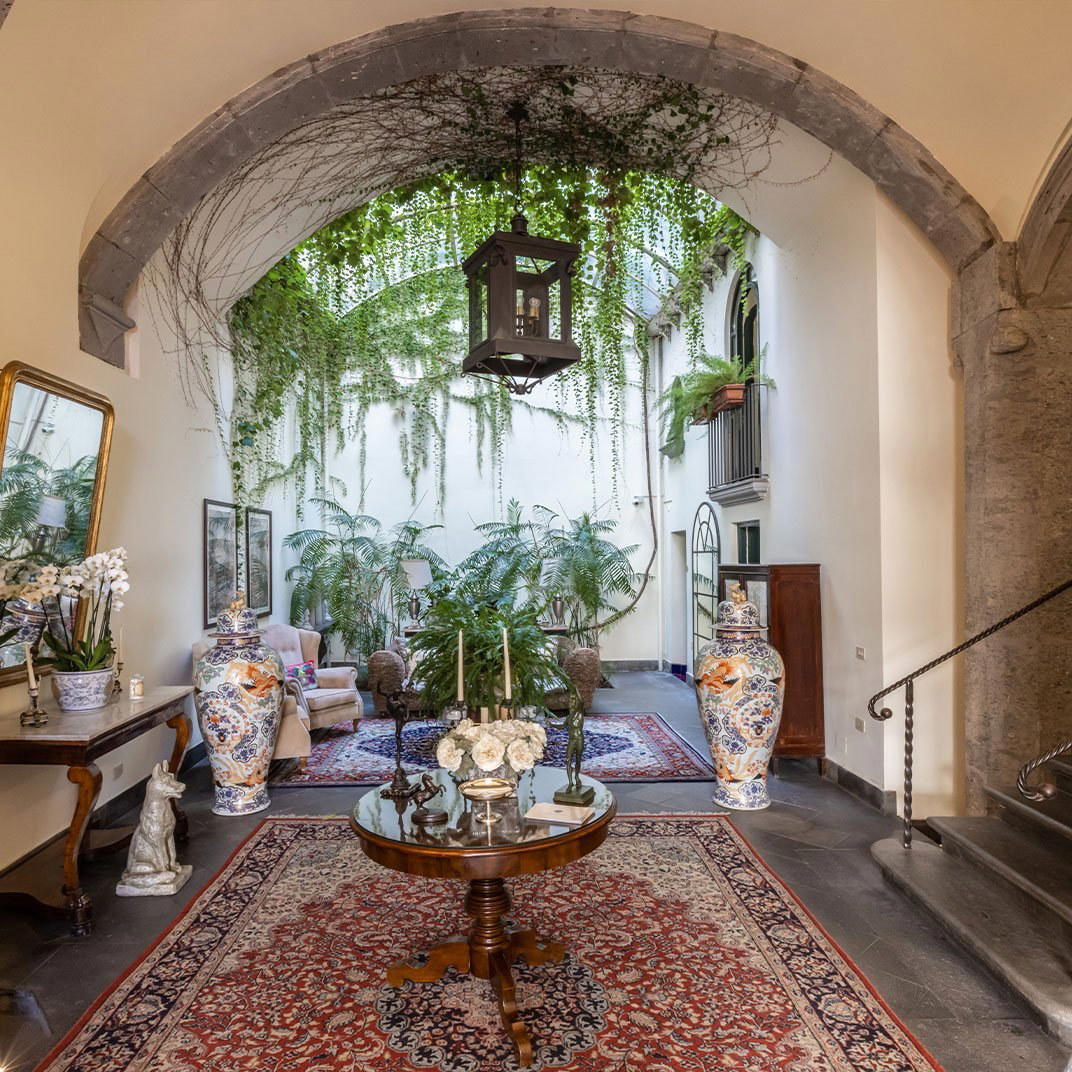
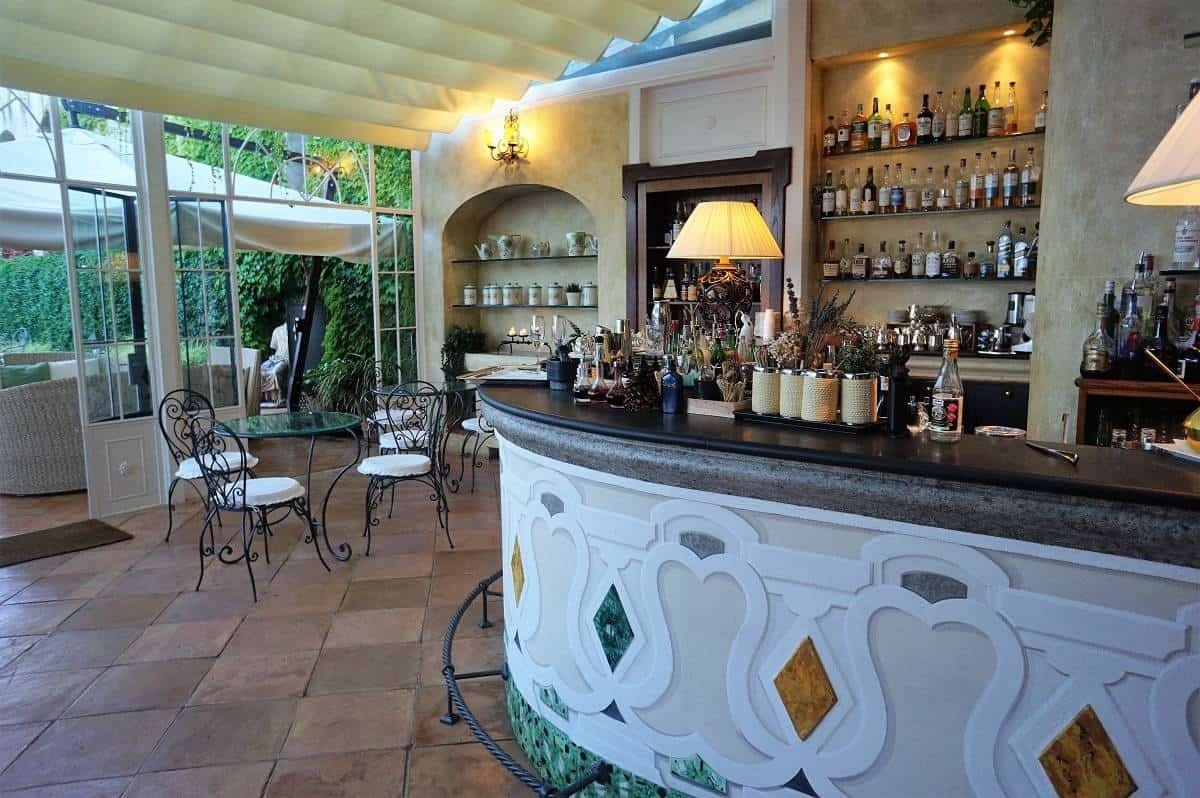
Bars in Gragnano
Browse all →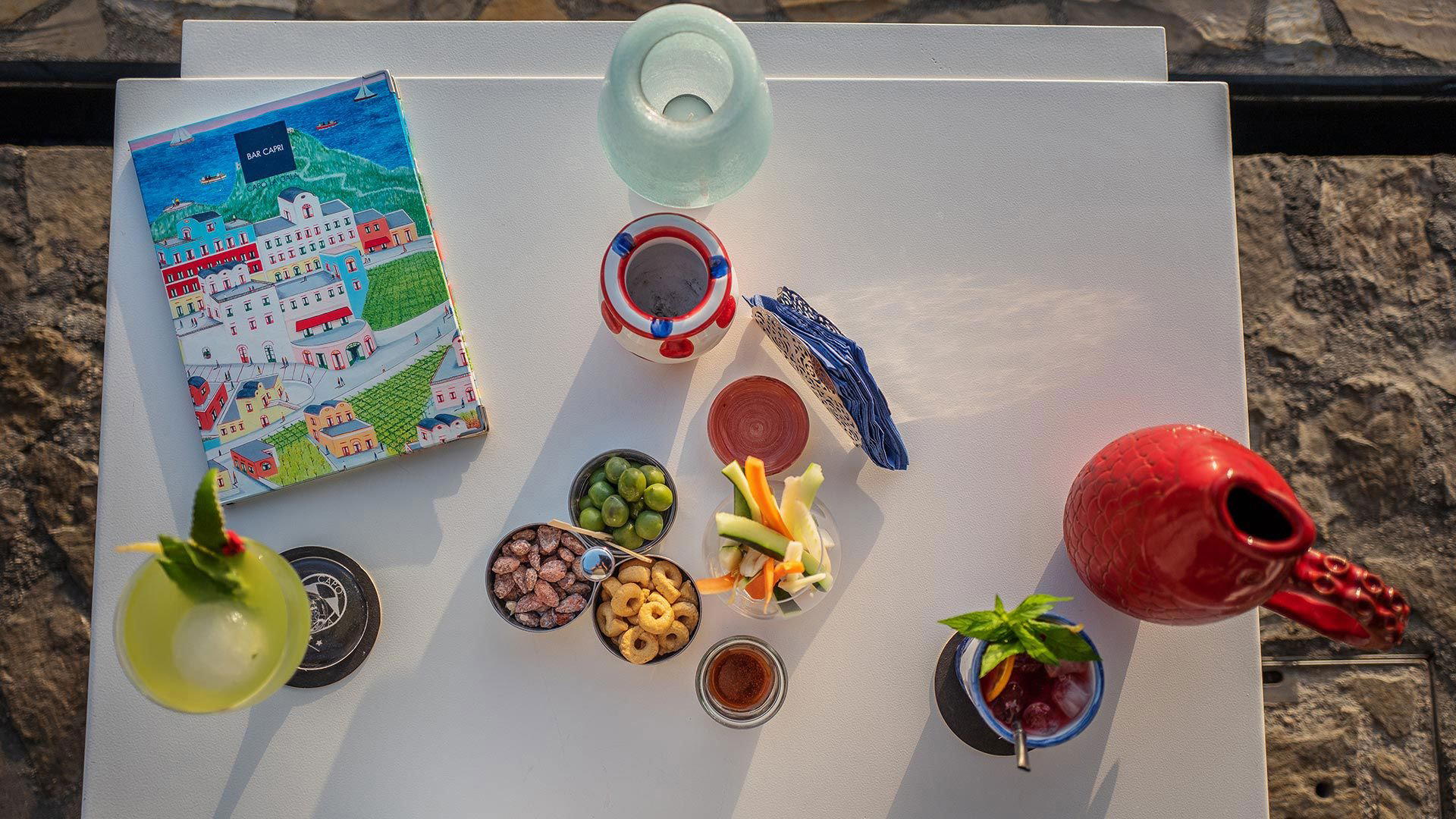
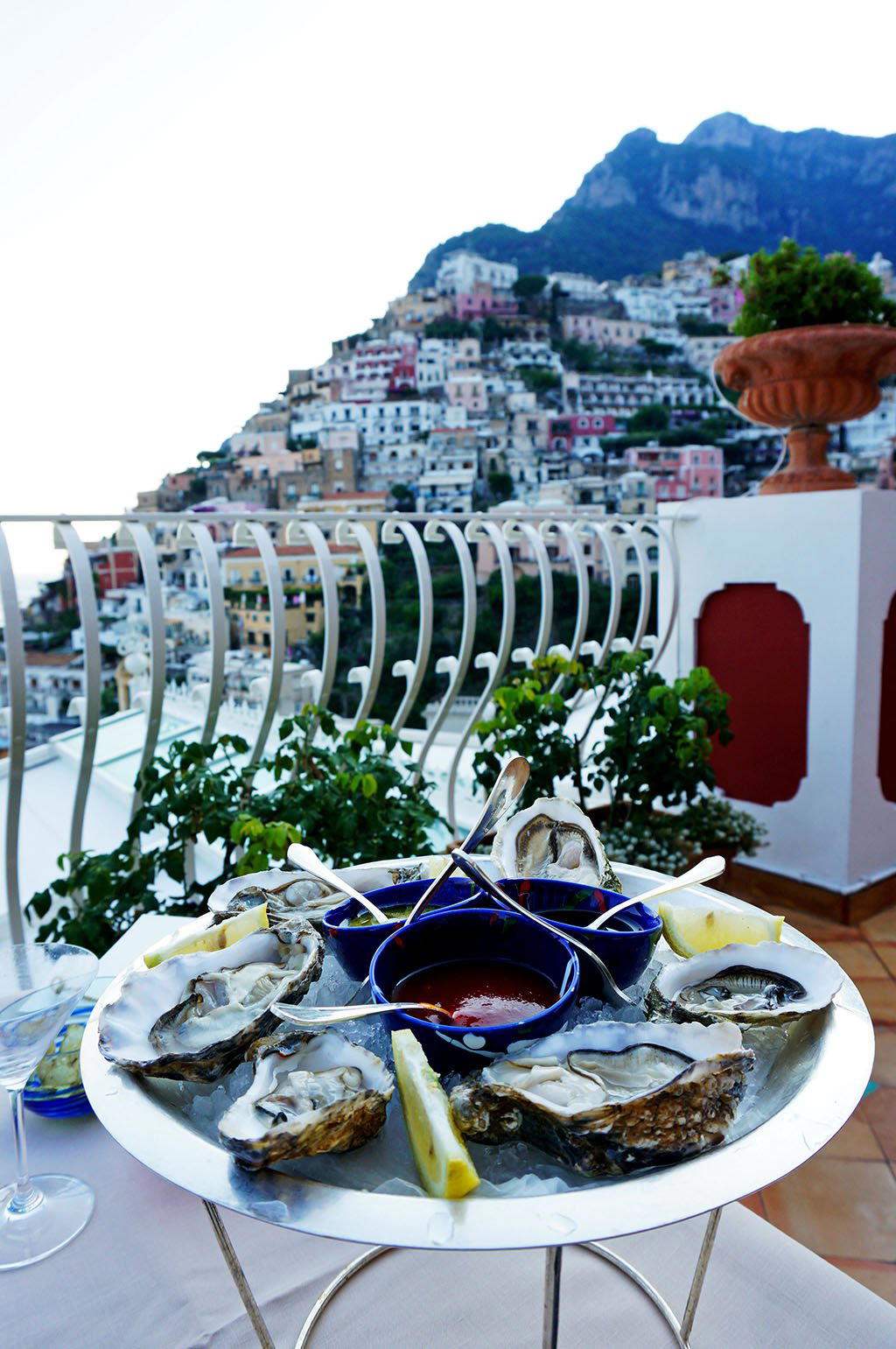
Hotels in Gragnano
Browse all →
At a Glance
- Elegant
- Sophisticated
- Modern
- Intimate
- Date Night
- Special Occasion
- Celebration
- Open Kitchen
- Historic Building
- Standalone
- Extensive Wine List
- Sommelier Led
- Local Sourcing
Current opening hours
- Monday
- Closed
- Tuesday
- Closed
- Wednesday
- 1–3 PM, 7:30–10:30 PM
- Thursday
- 1–3 PM, 7:30–10:30 PM
- Friday
- 1–3 PM, 7:30–10:30 PM
- Saturday
- 1–3 PM, 7:30–10:30 PM
- Sunday
- 1–3 PM, 7:30–10:30 PM
Hours can change for holidays and private events. Last verified .
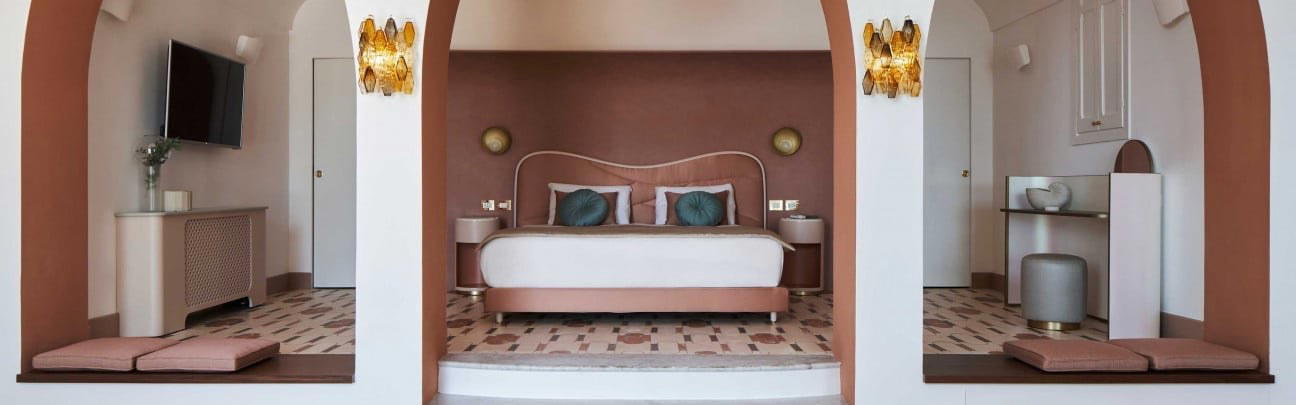
Modern, spacious dining room with vaulted ceilings and an open-view kitchen; elegant furnishings with attention to detail in wallpapers and color schemes; refined and intimate atmosphere.