Cantina del Taburno

Falstaff Winery - Listed
Cantina del Taburno is a cooperative winery in Foglianise shaped by Mount Taburno’s clay and marly-calcareous hillsides, with Aglianico and Falanghina at the centre of the story. Its scale matters: about 600 hectares across multiple towns feed a production model rooted in Sannio agriculture rather than estate-winery theatre.

Pearl is the En Primeur Club membership app — saves, bookings, and concierge access live there. Same editors, same standards.
- Address
- Foglianise, Aglianico del Taburno, Campania, Italien
- Directions
- Get directions
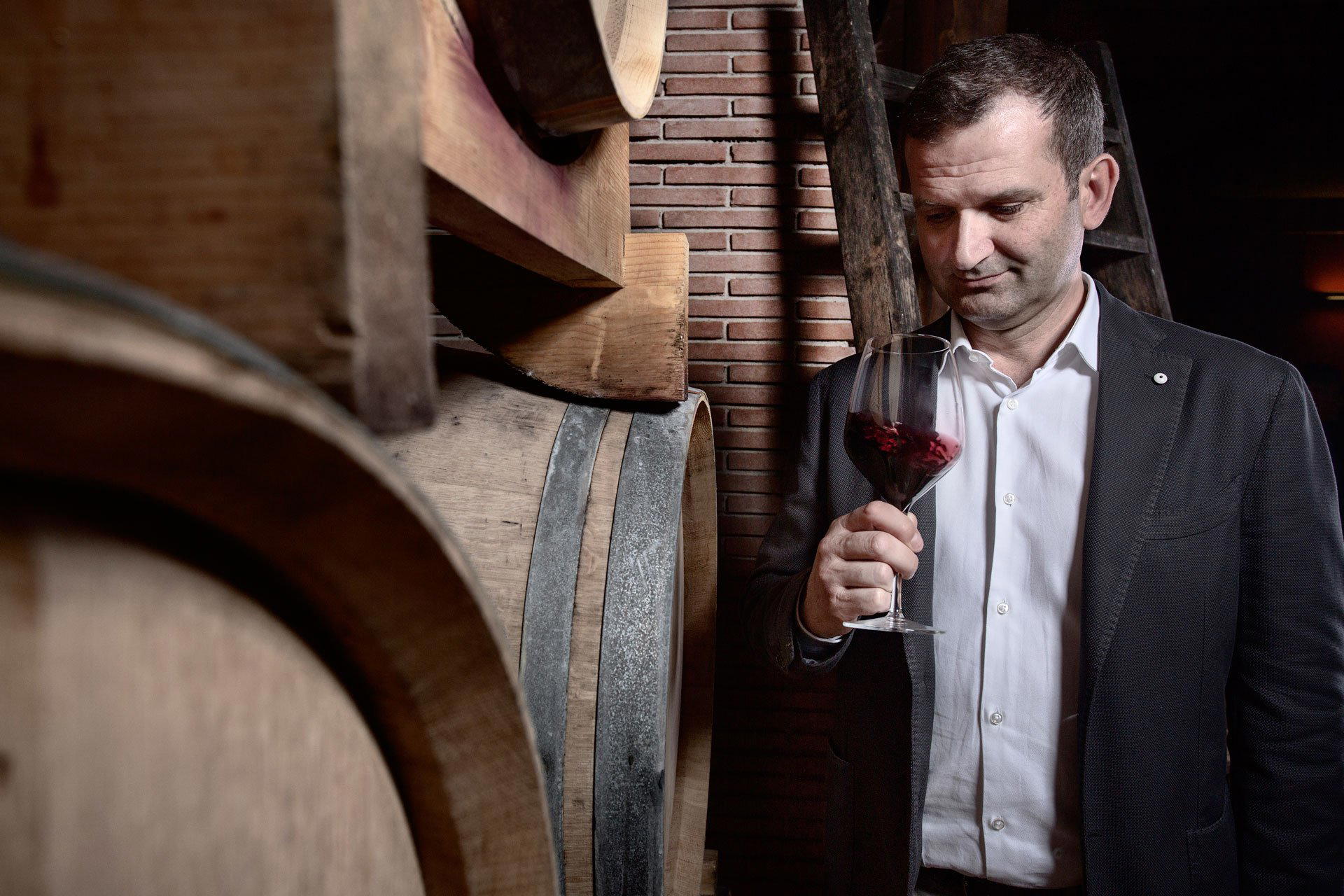
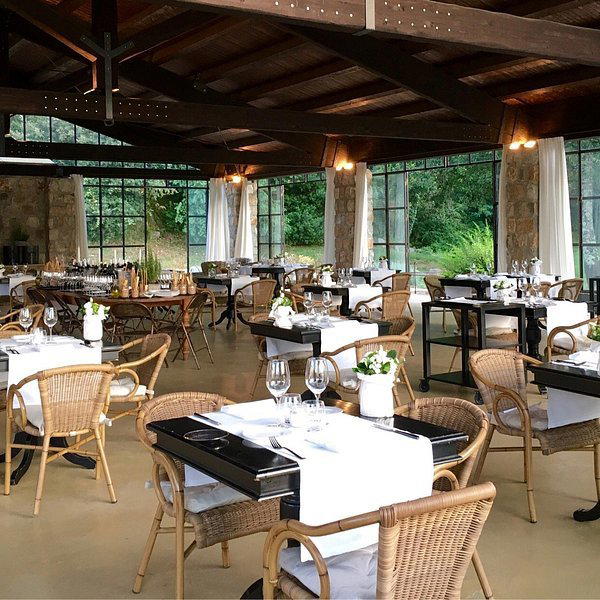
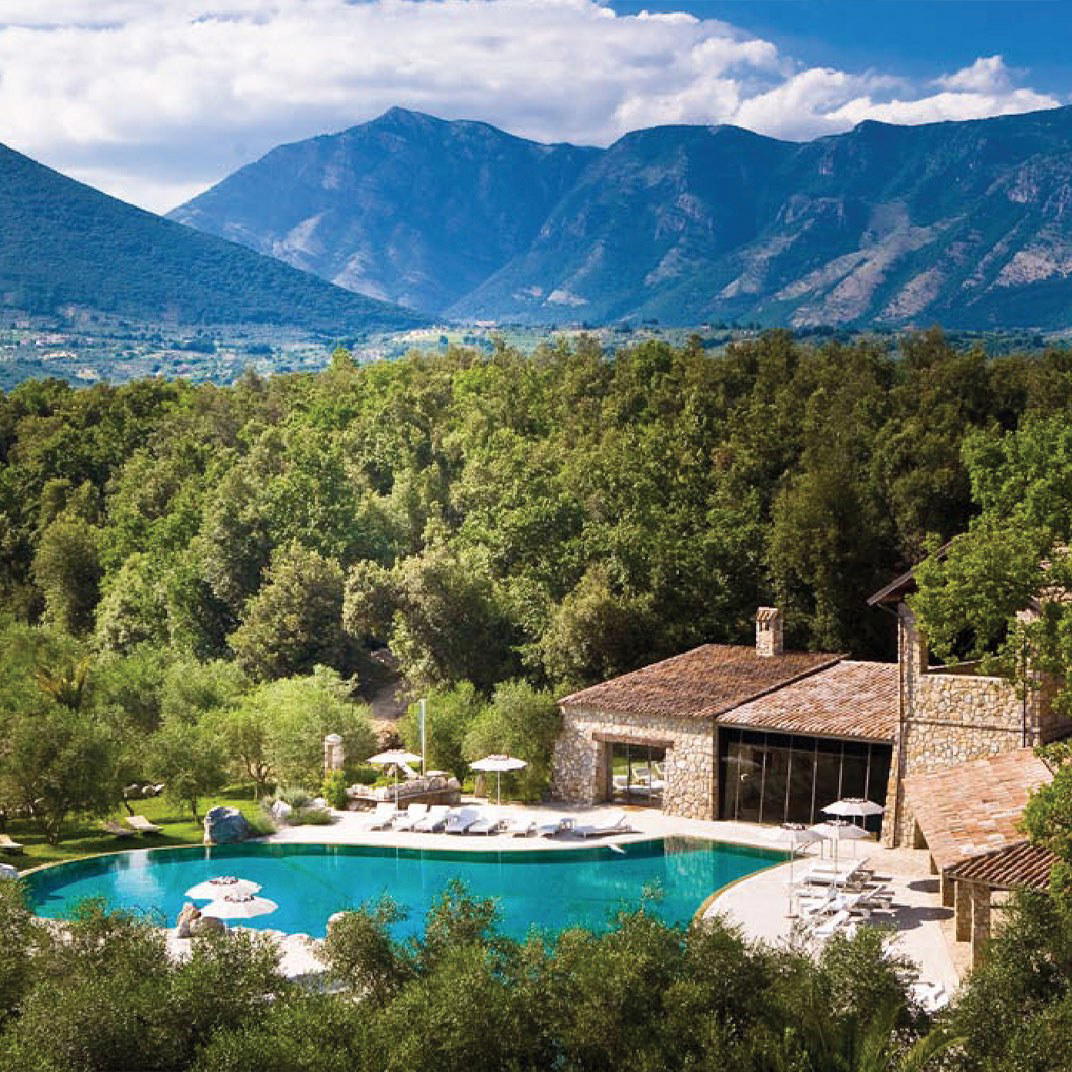
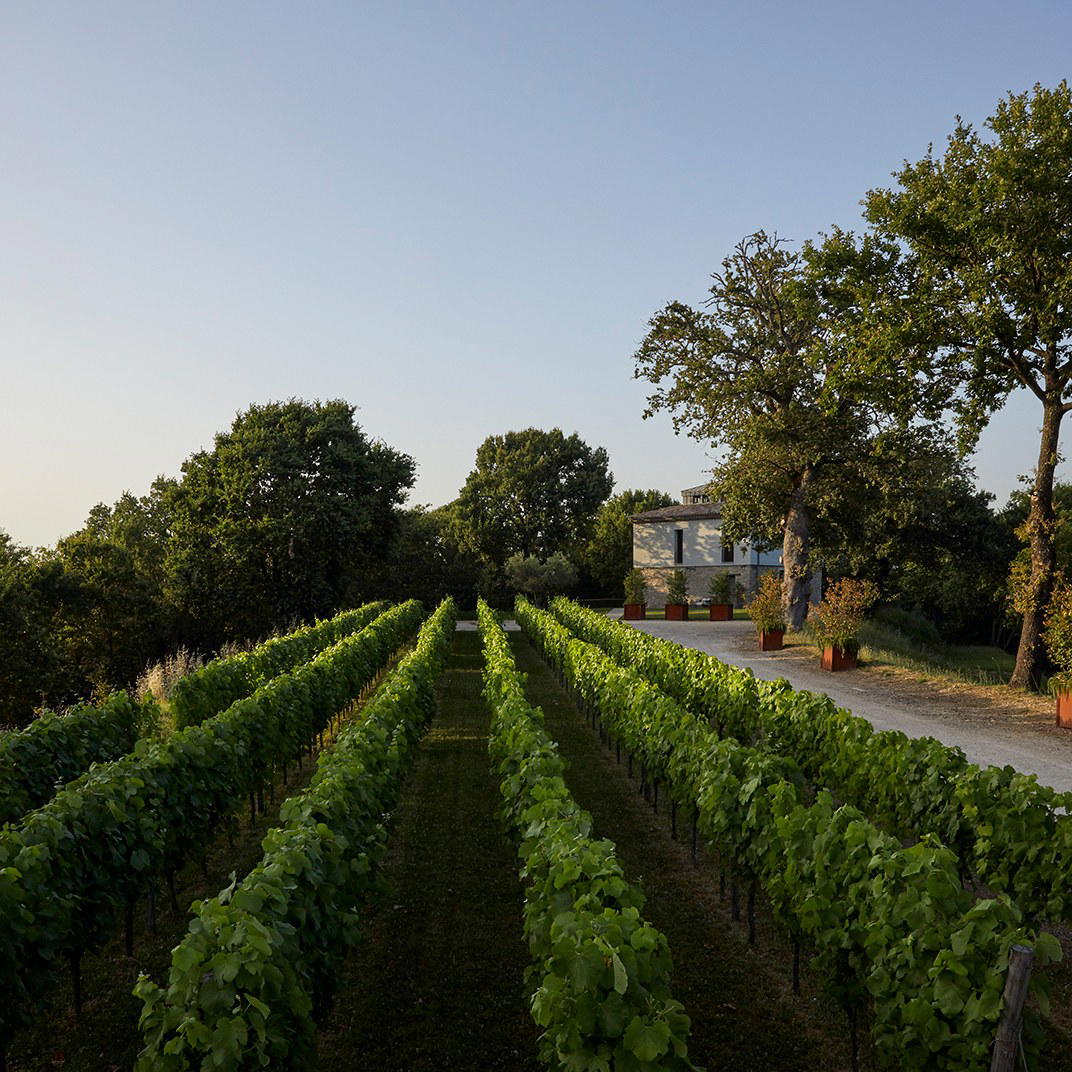
Approaching the rural landscape around Mount Taburno, the defining impression is not architectural polish but agricultural scale: vineyard-covered hills, working cellar infrastructure, and the sense of a countryside shaped by viticulture over daily, practical use. Cantina del Taburno belongs to that setting in Foglianise, with a functional production feel softened by the surrounding hills and vines. The venue reads first as part of a landscape, not as an isolated destination designed primarily for spectacle. Its character comes from the meeting of visible wine work and the quieter rhythms of the countryside around it.
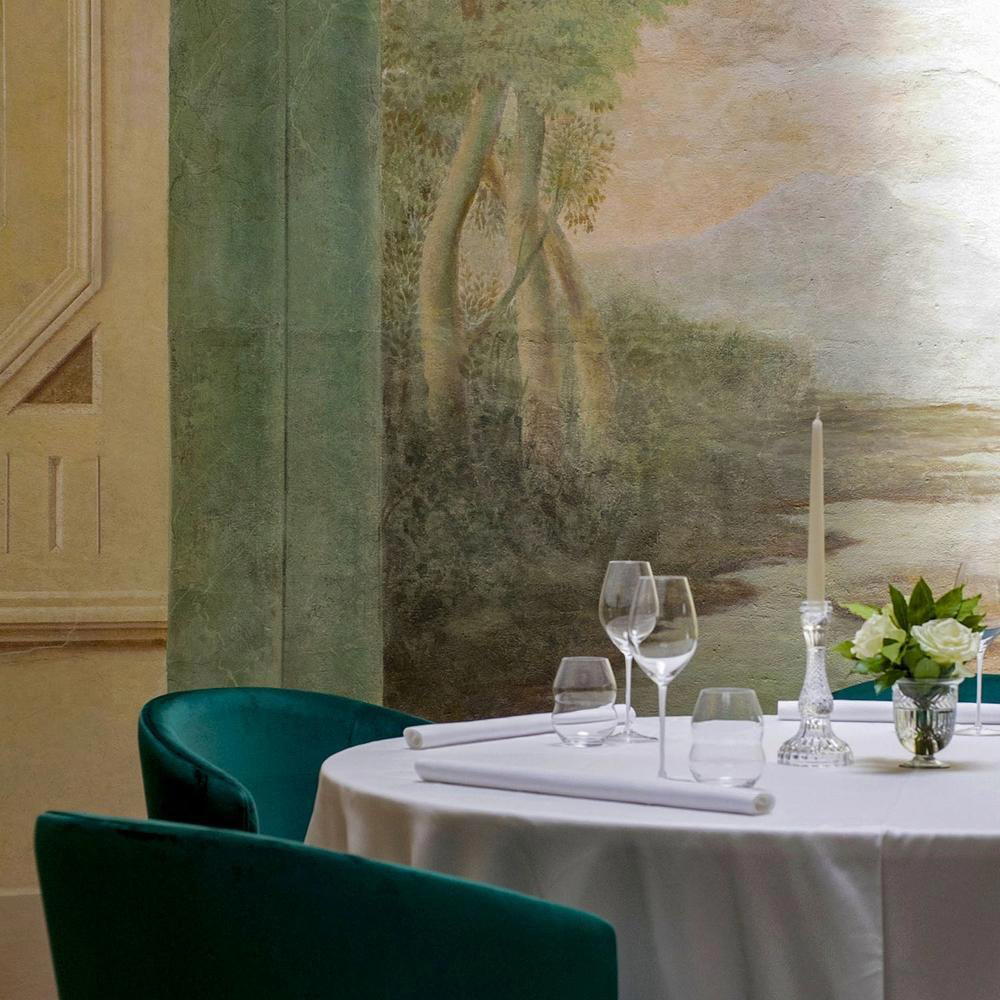
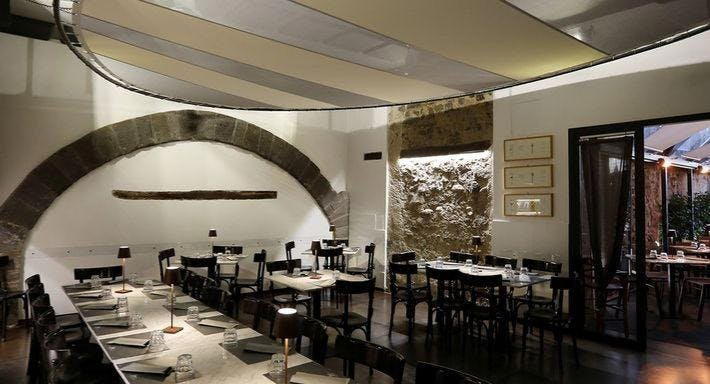
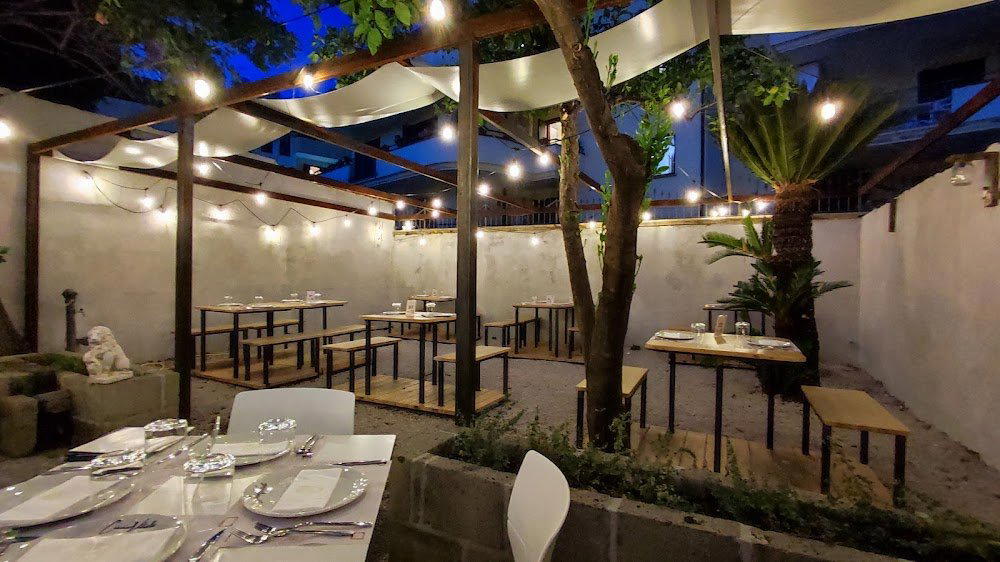
That distinction matters for how to read the venue. This is best understood as an industrial-cooperative cellar environment rather than a polished hospitality stage. The draw is the place itself: a scenic rural setting on the slopes of Mount Taburno and a historic role within Sannio viticulture. Visitors should come to it with an eye for context, scale, and agricultural purpose, rather than expecting the cues of a boutique tasting room or a heavily styled visitor experience. Its appeal is grounded in authenticity of setting, but that authenticity is practical and workmanlike rather than curated.
Mount Taburno setting and vineyard landscape
The appeal here is rooted in location rather than in a confirmed list of technical details. Cantina del Taburno sits in Foglianise, on the slopes of Mount Taburno, surrounded by hills and vineyards. The page should not overstate grape varieties, soil profiles, ageing rules, awards, or specific bottles without confirmed sourcing. What can be said with confidence is that the setting gives the cellar a strong sense of place: the surrounding vineyard landscape is not background decoration, but the visual and agricultural frame through which the venue should be understood.
For visitors and readers, the reliable takeaway is simpler: this is a cellar tied to the rural wine range of Sannio, with scenery and production infrastructure both part of the experience. Its identity comes from the contrast between a practical cooperative setting and the softer visual frame of vineyards and countryside. That contrast is useful when setting expectations. The industrial elements are not a flaw in the description; they are part of what situates the cellar within a working wine economy. The hills, vines, and rural surroundings add atmosphere, but they do not turn the venue into something it is not.
Because only limited information is available, any detailed claims about individual wines, recognitions, tasting formats, or cellar programming should be treated cautiously unless confirmed directly with the venue. This is especially important for travellers planning around specific experiences. A place can be meaningful on an itinerary without every service detail being in advance, but the distinction should remain clear: the confirmed strength here is setting and cellar identity, not a guaranteed menu of visitor offerings.
A cooperative cellar, not a boutique performance
Cantina del Taburno represents a functional cooperative-cellar setting in Foglianise. The atmosphere is industrial and production-led, but the location on the slopes of Mount Taburno gives it a scenic rural context. That combination creates a particular kind of interest. It is not the interest of refined interiors, theatrical service, or a destination built around hospitality choreography. It is the interest of seeing a wine place embedded in the countryside that supports it, with the practical signs of production remaining central to the impression.
That balance is the main reason to pay attention to the venue: it is not presented here as a luxury dining room or a boutique performance space, but as a working cellar environment connected to the surrounding vineyard landscape and the broader history of Sannio viticulture. In editorial terms, the most accurate reading is modest but valuable. Cantina del Taburno belongs to a category of wine destinations where the context carries much of the meaning. The cooperative identity suggests scale, function, and connection to growers and territory, while the Mount Taburno setting supplies the landscape that makes that function legible.
For travellers building a wine-focused route through Foglianise, keep expectations grounded. The confirmed information supports a visit framed around place, scenery, and cellar identity, but does not verify specific services such as guided visits, parking, food pairings, take-out, delivery, or particular tasting arrangements. That does not diminish the venue’s relevance; it simply narrows the promise. Rather than treating it as a fully documented hospitality stop, it is better understood as a point of orientation within the rural wine landscape around Mount Taburno. Anyone needing precise logistics or particular visitor services should confirm them directly before making plans around the visit.
Where it fits in a wider Italian wine itinerary
Foglianise rewards travellers interested in the rural and cooperative side of wine country rather than only famous-label touring. In that wider itinerary, Cantina del Taburno offers a useful counterpoint to more polished or brand-led wine stops: it points attention back to agricultural setting, production infrastructure, and the collective, work-focused character that can sit behind a region’s wine identity. Its value lies less in a list of confirmed amenities and more in the way it anchors the surrounding landscape. For travellers who want Italian wine country to include working cellars as well as picturesque views, that grounded quality is precisely the reason to consider it.
Recognition history
Dated appearances from independent guides and award organizations, with the underlying list record or original source where available.
Falstaff Winery - Listed
Falstaff
Continue exploring
More in Foglianise
Wineries in Foglianise
Browse all →
Bars in Foglianise
Browse all →
Restaurants in Foglianise
Browse all →
Details
- Scenic
- Rustic
- Classic
- Well Known
- Group Outing
- Wine Education
- Solo Exploration
- Special Occasion
- Romantic Getaway
- Estate Grounds
- Historic Building
- Panoramic View
- Mountain
- Vineyard
- Falanghina
- Greco
- Fiano
- Aglianico
- Coda Di Volpe
- Still Red
- Still White
- Sparkling
- Cellar Tasting
- Guided Winery Visit
Industrial-cooperative cellar setting on the slopes of Mount Taburno, surrounded by hills and vineyards, with a functional production feel softened by the scenic rural landscape and the historic role it plays in Sannio viticulture.