
Falstaff Winery - 3 Stars
Casa Setaro puts Vesuvian wine in sharp focus: ungrafted volcanic vineyards, indigenous grapes, and a tasting format built around the slopes of Mount Vesuvius rather than generic cellar-door polish. The estate is a strong choice for travelers who want Caprettone, Lacryma Christi del Vesuvio DOC, and a family-run setting with mountain and vineyard views near Trecase.

Pearl is the En Primeur Club membership app — saves, bookings, and concierge access live there. Same editors, same standards.
- Address
- Trecase, Campania, Italien
- Directions
- Get directions
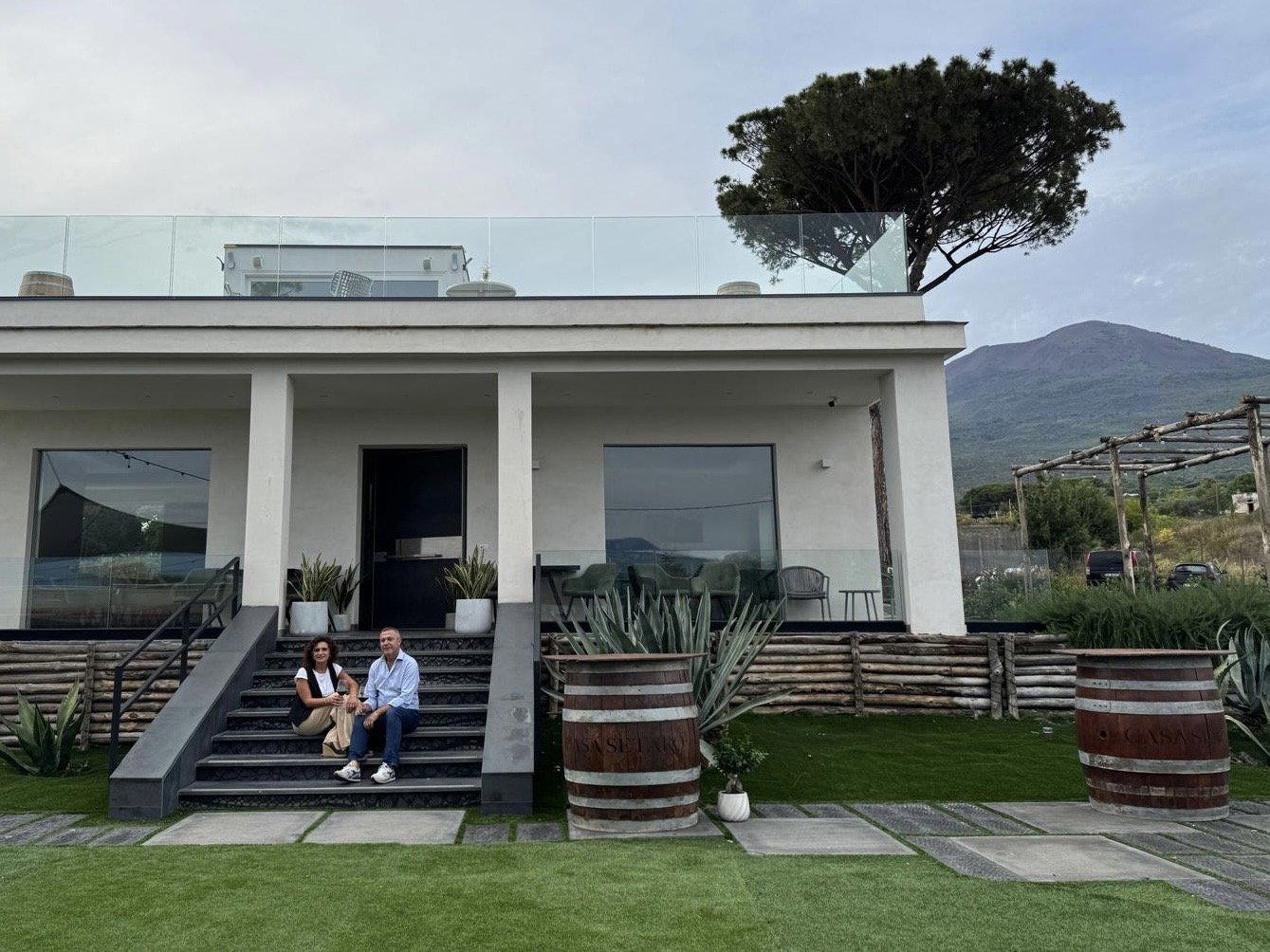
Approaching a Vesuvian estate is different from arriving at a conventional Italian tasting room. The drama is geological before it is architectural: black volcanic soils, vineyard rows on the slopes, and the constant presence of Mount Vesuvius as both risk and reason. In Trecase, that setting gives wine a more specific vocabulary than the usual coastal-Campania shorthand. The point is not simply to taste local bottles; it is to understand why the volcano changes the stakes.
Casa Setaro belongs to the small group of Vesuvian producers making the case that this zone deserves more attention than it receives from travelers who rush between Naples, Pompeii, and the Amalfi Coast. The estate opened in 2004 and works from 12 hectares of vineyards on Mount Vesuvius, with plantings between 200 and 400 meters above sea level. That altitude, the Gulf of Naples influence, and the volcanic sand create a frame for wines that read as Campanian but not generic: indigenous grapes, organic farming, and a clear preference for place over international polish.
Volcanic sand, ungrafted vines, and the case for Vesuvio DOC
Vesuvian wine has an advantage that many famous European regions lost more than a century ago. Volcanic sand can be hostile to phylloxera, which means own-rooted vines remain part of the local story rather than a romantic exception. At Casa Setaro, that matters because the estate’s identity is built around ungrafted vineyards and indigenous varieties rather than imported grapes designed to make the wines easier to recognize.
Caprettone is the key white grape here, and it gives the estate its strongest regional argument. In much of Campania, white-wine discussion tends to be pulled toward better-known grapes and appellations, but Vesuvio has its own grammar. Caprettone, Falanghina, Greco, Piedirosso, and Aglianico give the range breadth, while Lacryma Christi del Vesuvio DOC provides the historic label that many visitors recognize before they understand the place behind it. The better reading is not nostalgia. It is a current attempt to connect a famous name with careful farming and cleaner expression.
The winemaking choices support that argument. Organic farming is the baseline, with biodynamic principles part of the vineyard work, and the cellar approach is framed around transparency rather than heavy correction. Stainless steel aging for white wines and measured oak use for reserve reds keep the emphasis on grape and site. This is where the estate’s position becomes more interesting than a simple family-winery narrative: Vesuvio is often consumed visually, as scenery, but the wines ask to be read structurally, through soil, altitude, and native material.
What the tasting format teaches about the volcano
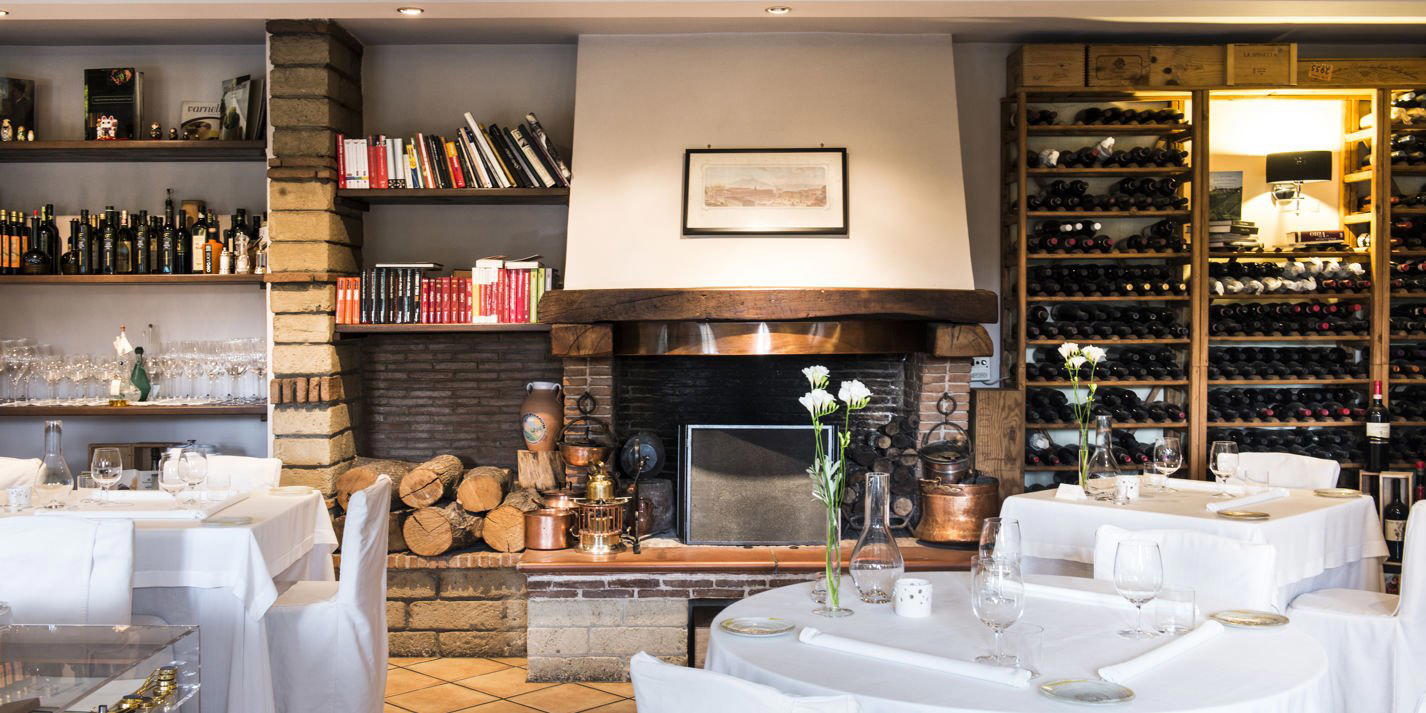
The experience is strongest when treated as wine education with a view, not as a countryside lunch that happens to include bottles. Guided tastings, vineyard and cellar tours, wine-paired lunch formats, and estate flights give visitors several ways to connect the production story with what is in the glass. The setting is small-scale and conversational, with a rustic, relaxed tone rather than the grand-hospitality model found in more heavily trafficked wine regions.
That intimacy suits the wines. A vertical or estate-focused tasting can make the difference between reading Lacryma Christi del Vesuvio as a souvenir label and understanding it as a living appellation. Whites built around Caprettone, reds from Piedirosso and Aglianico, rosé, and Metodo Classico sparkling wines all point back to the same question: how much of Vesuvius can a bottle carry without becoming theatrical? Casa Setaro’s answer is relatively disciplined. The portfolio does not need international grapes to explain itself.
Recognition has followed from that regional clarity. In 2022, the estate was selected by Joe Bastianich for the Wine Heroes podcast, placing it among 20 Italian wine realities chosen for the series. Contradae 61.37 was also presented at Vinitaly 2022, a useful signal for readers who follow Italian wine through trade context rather than travel itineraries. These are not substitutes for tasting, but they do indicate that Vesuvian wine is being discussed beyond the immediate tourist corridor.
How to place it in a Trecase itinerary
Trecase works well when travelers stop treating it as a waypoint and give the volcano enough time to register. A winery visit here pairs naturally with a broader day around Vesuvian agriculture, archaeology, or the coast, but the smarter plan is not to overload the schedule. The estate visit runs in the 90-to-120-minute range, and the value comes from letting the vineyard, cellar, and tasting connect rather than rushing through a flight before moving on.
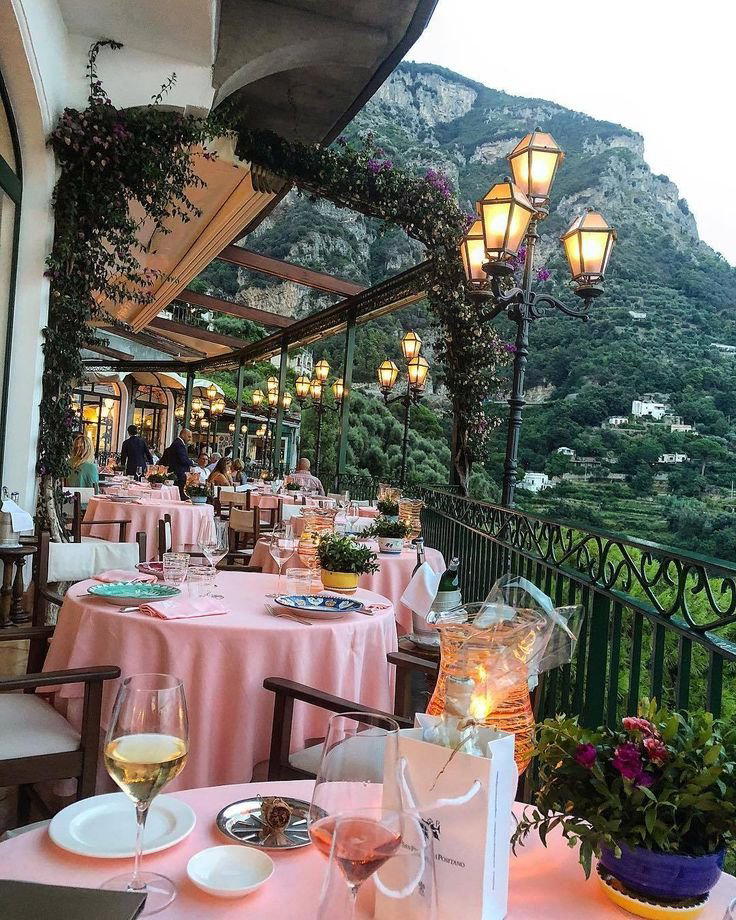
The practical profile is clear: this is a small, family-run organic estate with mountain and vineyard views, outdoor seating, guided formats in Italian and English, on-site parking, and food pairing available. The mood fits couples, small groups, celebrations, and travelers who want a more grounded wine stop than a panoramic photo break. It is less suited to children, dogs, or visitors looking for a large, self-directed tasting hall.
For broader planning, use Our full Trecase wineries guide alongside Our full Trecase restaurants guide, Our full Trecase hotels guide, Our full Trecase bars guide, and Our full Trecase experiences guide. Readers building a wider Italian wine map can also compare regional styles through 3GP SRL in Treviso, 47 Anno Domini in Trebaseleghe, A Mano Wine in Noci, a6mani in Fragagnano, Abbadia Ardenga in Torrenieri, Abbazia di Crapolla in Neapel, Abbazia Monte Oliveto in Asciano, Abbazia Santa Anastasia in Castelbuono, »der Steiner« Hans Steiner in Podersdorf am See, and & Handwein in Mannheim.
Recognition history
Dated appearances from independent guides and award organizations, with the underlying list record or original source where available.
Falstaff Winery - 3 Stars
Falstaff
Continue exploring
More in Trecase
Wineries in Trecase
Browse all →

Bars in Trecase
Browse all →
Restaurants in Trecase
Browse all →
Details
- Scenic
- Rustic
- Romantic
- Cozy
- Intimate
- Romantic Getaway
- Group Outing
- Celebration
- Wine Education
- Special Occasion
- Vineyard Tour
- Estate Grounds
- Panoramic View
- Private Tasting
- Organic
- Biodynamic
- Sustainable
- Mountain
- Vineyard
- Caprettone
- Piedirosso
- Aglianico
- Falanghina
- Greco
- Still Red
- Still White
- Still Rosé
- Sparkling
- Guided Tasting
- Wine Paired Lunch
- Vineyard And Cellar Tour
- Vertical/estate Flight
- Italian
- English
Family-run volcanic estate with a warm, welcoming atmosphere, combining rustic vineyard charm with panoramic views over Vesuvius and the Gulf of Naples, often described by guests as refined yet relaxed and intimate.