
Macarfi 7 Food Rating
Our verdict
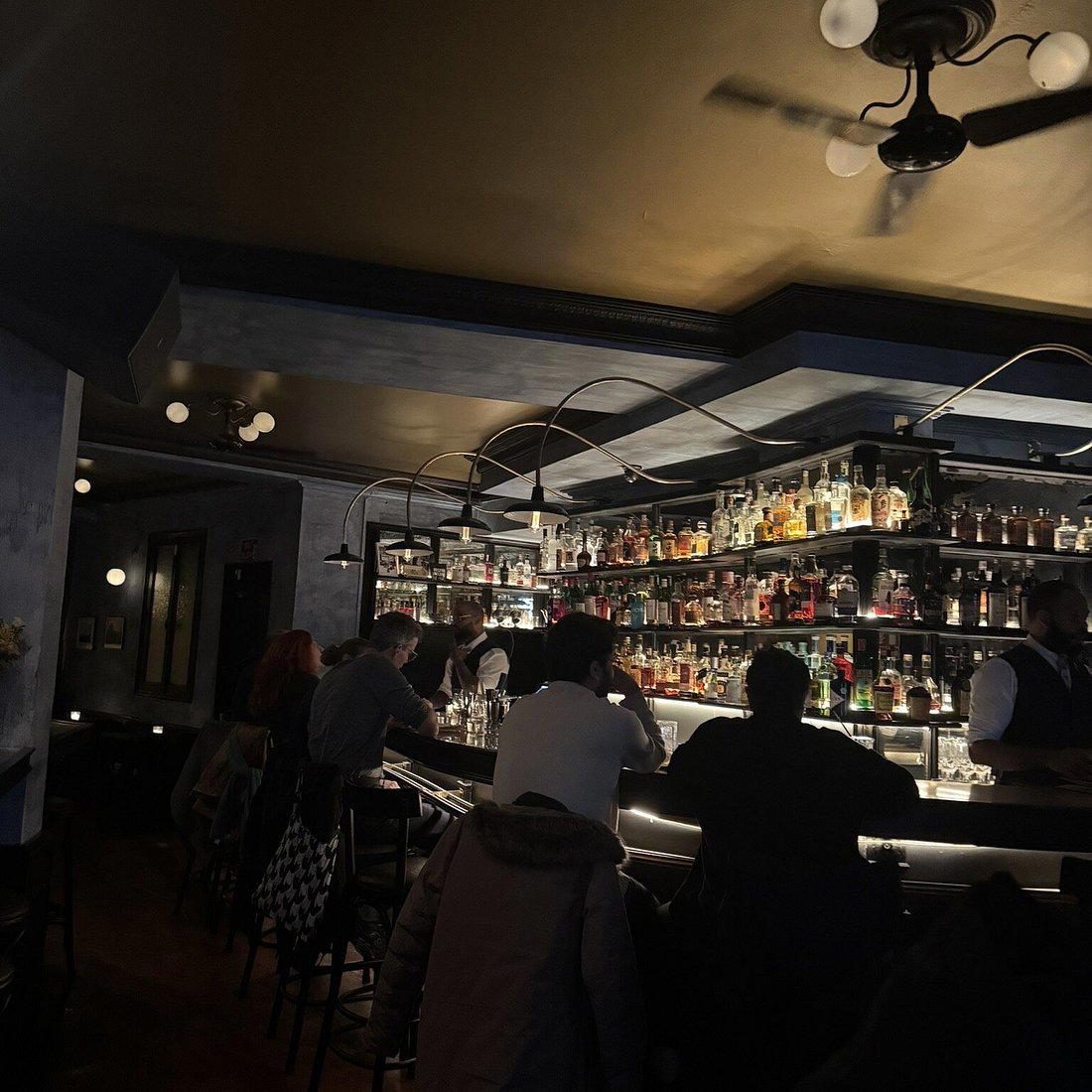
Casa Julian de Tolosa on Cava Baja has anchored Madrid's serious meat-eating tradition for decades, drawing on Basque asador heritage to deliver charcoal-grilled txuletón with an ingredient-first discipline that separates it from the city's creative tasting-menu circuit. The address puts it at the heart of La Latina, where old-Madrid dining culture runs deepest.

Pearl is the En Primeur Club membership app — saves, bookings, and concierge access live there. Same editors, same standards.
- Address
- C. de la Cava Baja, 18, Centro, 28005 Madrid, Spain
- Phone
- +34 913 65 82 10
- Hours
- Mon–Sat 1:30–4 PM, 8:30–11:30 PMSun 1:30–4 PM
- Website
- cavabaja.juliandetolosa.com
- Directions
- Get directions
- Booking
- Book on TheFork
The menu
What to order
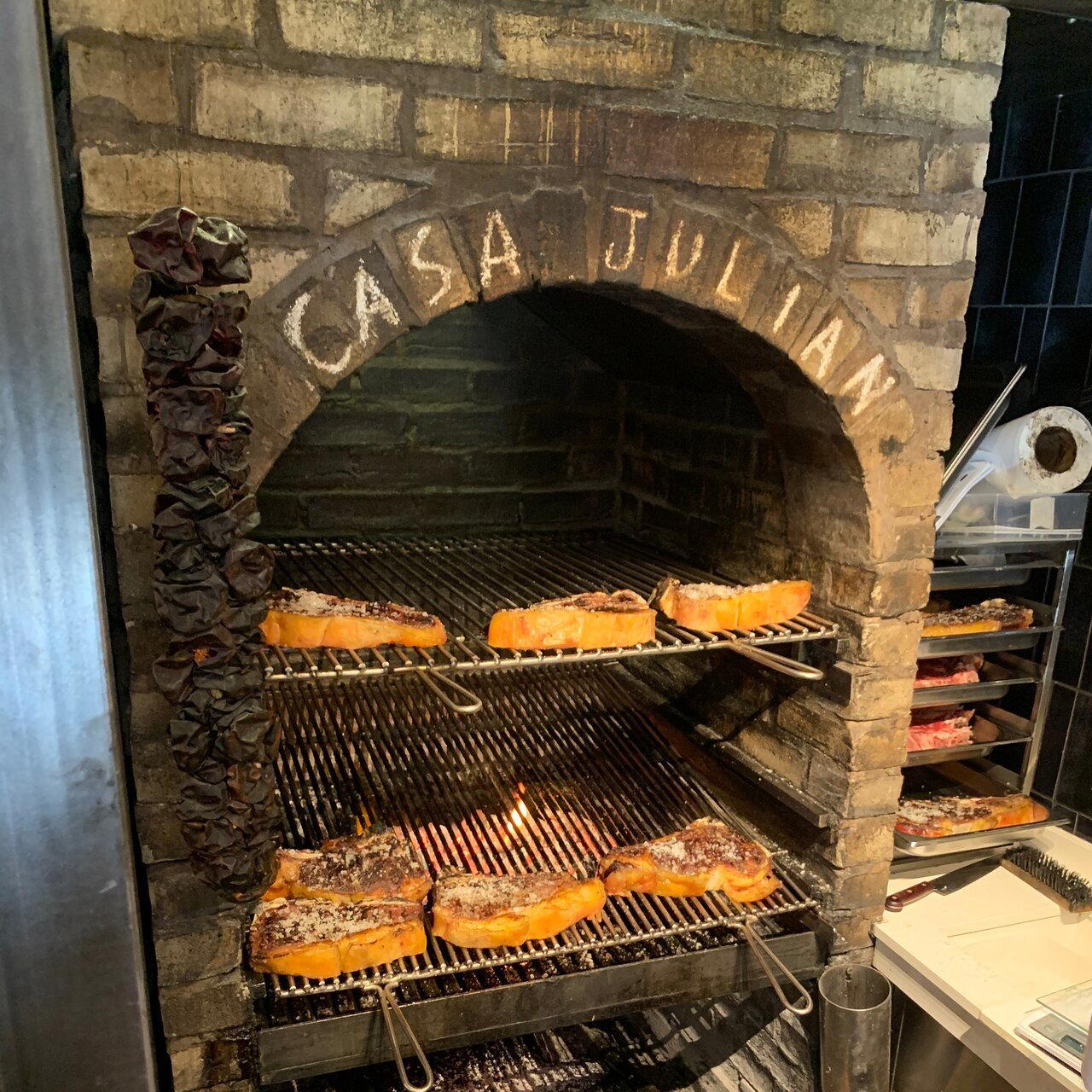
- Txuleta
- Piquillo Peppers
- Tolosa Beans
That argument lands differently in Madrid's current restaurant scene. The city's most-discussed tables — DiverXO, Coque, Deessa, DSTAgE, and Paco Roncero — operate in a tier defined by technique, narrative, and multi-course architecture. Casa Julian sits in a different tier entirely, one where the menu's ambition is expressed through procurement rather than transformation. The kitchen's value lies in what it selects and how it treats fire, not in what it adds.
The Cava Baja Address and What It Signals
La Latina's Cava Baja has been Madrid's most historically dense dining street for the better part of a century. The architecture is low and narrow, the buildings pre-modern, and the restaurants that have lasted here have done so by staying anchored to a specific culinary identity rather than chasing trends. Casa Julian de Tolosa at number 18 belongs to that category of address where longevity is itself a form of credibility. The street functions as a kind of editorial counter-argument to the sleek dining rooms of Salamanca and Chamberí: less design-forward, more character-forward, with a clientele that includes both neighbourhood regulars and visitors who have researched where to eat serious Basque-origin beef in the capital.
Booking ahead is advisable, particularly for lunch at the weekend, when La Latina draws significant foot traffic and the restaurant's tables fill with the kind of extended-meal pace that characterises Spanish Saturday afternoons. Arriving without a reservation on a Saturday midday represents a genuine risk of not being seated. The practical approach for visitors is to plan around a weekday lunch or secure a reservation before arrival in Madrid. For a broader map of the city's dining options, our full Madrid restaurants guide covers the range from creative tasting menus to neighbourhood specialists like this one. The variables that separate a forgettable version from a convincing one are almost entirely pre-kitchen: the breed, the age of the animal at slaughter, the feeding regimen, and the duration and conditions of dry-aging. Restaurants that source from Galician rubia gallega cattle or from Basque producers working with retired dairy cows tend to produce beef with a depth of flavour that grain-finished, younger animals cannot replicate. The fat is yellow rather than white, the muscle dense rather than soft, and the dry-aging period extends the concentration of both.
Casa Julian de Tolosa's reputation rests on its position in this sourcing hierarchy. The Basque asador lineage encoded in its name is not decorative: Tolosa is a town in Gipuzkoa with its own embedded food culture, including the famous Tolosa bean, and the transplanting of that sensibility to Madrid carries with it an expectation of sourcing discipline. The charcoal grill is the final step in a chain that begins with the producer. When the chain is intact, the result requires very little from the cook beyond temperature management and timing. Where Aponiente in El Puerto de Santa María or El Celler de Can Roca in Girona express their identity through transformation and creative synthesis, and where Arzak in San Sebastián and Azurmendi in Larrabetzu frame Basque identity through innovation, the asador tradition takes the opposite position: the chef's role is stewardship, not authorship. That is a coherent and demanding culinary philosophy, not a simpler one.
What the Menu Looks Like in Practice
The eating structure at a Basque-tradition asador in Madrid follows a recognisable sequence. Starters tend toward simplicity: piparra peppers, Tolosa beans cooked without complication, perhaps anchovies or a modest seasonal vegetable preparation. These are not warm-up acts so much as an argument about restraint. The txuletón arrives as the centrepiece, grilled over coals and presented whole before carving, served with its own juices and minimal accompaniment. The point is the meat.
The wine list at this type of establishment typically covers Rioja and Ribera del Duero with depth, given the natural affinity between those regions' Tempranillo-based reds and charcoal-grilled beef. The city used to be understood as secondary to the Basque Country and Catalonia for serious gastronomy. That picture is more complicated now: the capital holds creative restaurants that compete with any table in the country, including Cocina Hermanos Torres in Barcelona, Martin Berasategui in Lasarte-Oria, Quique Dacosta in Dénia, Mugaritz in Errenteria, Ricard Camarena in València, and Atrio in Cáceres across the wider Iberian frame.
But the Basque-tradition asador occupies a specific and durable position within this expanded picture. It represents the counter-argument to technique-led dining: the claim that provenance and fire are sufficient when both are handled with care. In international terms, the sourcing-first philosophy that defines this format has parallels in the dry-aged beef programs at Le Bernardin in New York or the ingredient-led discipline visible at Atomix, even if the cultural contexts differ. The instinct to let a single exceptional ingredient carry the meal is a serious position, not a default one.
Planning Your Visit
Casa Julian de Tolosa is located at C. de la Cava Baja, 18, in La Latina, within walking distance of the Tirso de Molina and La Latina metro stations. The neighbourhood is compact and navigable on foot. Reservations should be made in advance, particularly for weekend service. The format suits a long, unhurried lunch better than a quick dinner, and the experience is oriented toward those eating the txuletón as the main event rather than grazing across a tasting menu. Come with appetite, arrive on time, and let the sourcing do the work.
Frequently asked questions
How do I find Casa Julian de Tolosa?
Casa Julian de Tolosa is located at C. de la Cava Baja, 18, Centro, 28005 Madrid, Spain, Madrid.
How does Casa Julian de Tolosa fit into Madrid's Basque asador tradition?
Madrid's Basque-origin asador scene is a small, serious group, and Casa Julian de Tolosa on Cava Baja is among the most consistently referenced within it. The restaurant represents the northern Spanish tradition of sourcing older cattle, applying minimal intervention at the grill, and letting the quality of the raw ingredient carry the meal — a discipline that originated in the Basque Country and Navarra rather than in Madrid itself. Its address in La Latina, a neighbourhood with a century of dense dining history, places it within the city's most established restaurant corridor.
What should I eat at Casa Julian de Tolosa?
The txuletón is the reason to visit Cava Baja, 18: a bone-in ribeye from older Basque or Galician cattle, grilled to a standard that anchors the entire Basque asador tradition in Madrid. Build the meal around it — start with Tolosa black beans and piparra peppers, which are the canonical opener in this format. The menu is short by design, and that restraint is the point.
What's the best way to book Casa Julian de Tolosa?
Reserve in advance, particularly if your Madrid trip is planned around this meal rather than incidental to it. La Latina draws consistent weekend crowds, and Cava Baja specifically fills early on Friday and Saturday evenings. check the venue's official channels through their booking channel; walking in on a busy night without a reservation is a gamble that rarely pays off.
Category Peers
Comparable venues nearby, for context on price, style, and recognition.
| Venue | Cuisine | Price | Awards | Notes |
|---|---|---|---|---|
| Casa Julian de TolosaThis venue — the venue you are viewing | Basque Steakhouse | $50–100 | Macarfi 7 Food Rating | Not listed |
| MULA Restaurante | Traditional Spanish Grill | Not listed | Not listed | Hispanoamerica |
| Maché Restaurant | Modern Spanish Tapas | $50–100 | Not listed | Barrio de las Letras |
| Restaurante Ferreiro | Traditional Asturian Spanish | $30–50 | Macarfi 6.5 Food Rating | Cuatro Caminos |
| Taberna La Gaditana | Traditional Andalusian Seafood & Rice | $50–100 | Macarfi 6.1 Food Rating | Goya |
| Viavélez | Traditional Asturian | $50–100 | Guía Repsol 1 Sol · Macarfi 7.5 Food Rating | Cuatro Caminos |
Recognition history
Dated appearances from independent guides and award organizations, with the underlying list record or original source where available.
Macarfi 7 Food Rating
Macarfi
Opinionated About Dining Casual in Europe Recommended
Opinionated About Dining