On Carrer d'Enric Granados, one of L'Eixample's most civilised pedestrian streets, Casa Florita occupies a category that Barcelona does quietly well: the neighbourhood dining room where the ritual of the meal matters as much as the food itself. Positioned well below the Michelin-starred tier of Disfrutar or Lasarte, it offers an alternative register of the city's dining culture.
Pearl is the En Primeur Club membership app — saves, bookings, and concierge access live there. Same editors, same standards.
- Address
- Carrer d'Enric Granados, 57, L'Eixample, 08008 Barcelona, Spain
- Phone
- +34665016040
- Website
- casaflorita.com
- Directions
- Get directions
 Saves & bookings on Pearl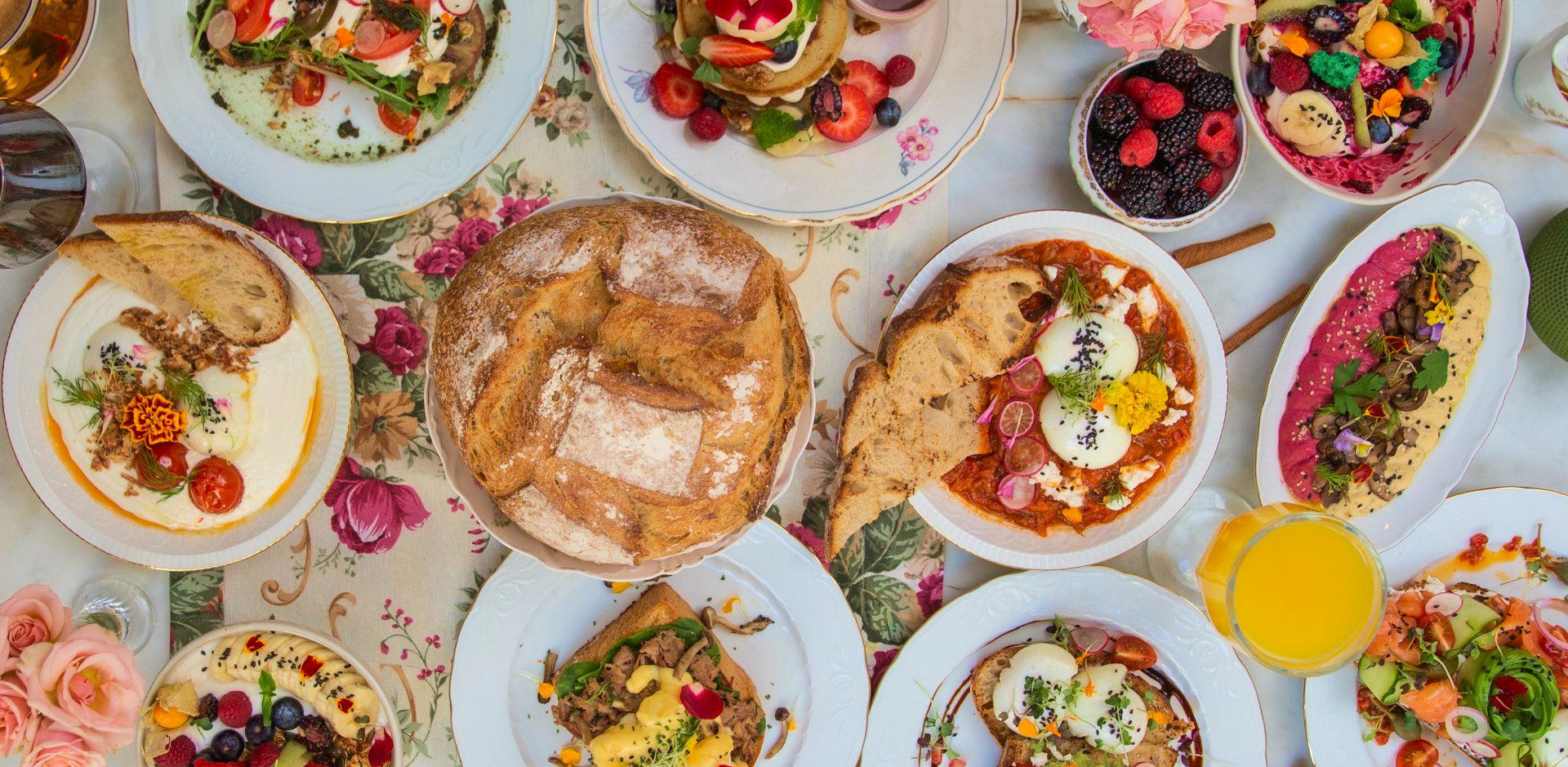
The Street Before the Room
Carrer d'Enric Granados runs north through L'Eixample as a pedestrianised rambla lined with plane trees and café terraces, a deliberate counter to the noise of nearby Passeig de Gràcia. The architecture is classic Eixample grid: broad-shouldered modernista blocks, their ground floors given over to independent restaurants, bookshops, and the occasional design studio. This is not the Barcelona of tourist circuits but of the city's own rhythms, where residents on weekday lunches and unhurried weekend dinners define the room's atmosphere rather than tour group schedules. Casa Florita sits at Carrer d'Enric Granados, 57, in L'Eixample, Barcelona.
Disfrutar, ABaC, and Cocina Hermanos Torres, the broader dining ecosystem depends on the tier below: rooms where the format is less theatrical but the commitment to a proper meal remains intact. Casa Florita operates in that register.
The Ritual of the Meal in Barcelona
Lunch remains the structural centre of the day here, and the menu del día, a multi-course, fixed-price format served from roughly 1pm to 3:30pm, is not a budget concession but a cultural institution observed across income brackets. Dinner shifts later than most northern European visitors expect, with tables rarely filling before 9pm and service extending comfortably past midnight on weekends. These are not quirks to adapt around; they are the architecture of the meal itself.
A properly observed Barcelona lunch does not arrive in compressed succession. Courses breathe. Bread arrives early and is replenished without prompting. Wine is ordered by the glass or the small carafe, not necessarily the full bottle. Conversation is not punctuated by the meal; it is the meal's primary purpose, with food as its supporting structure. The city's most satisfying neighbourhood restaurants understand this rhythm instinctively and build their service accordingly.
El Celler de Can Roca in Girona, Mugaritz in Errenteria, and Quique Dacosta in Dénia, has long made a case for the extended tasting format as a Spanish art form. But the restaurants that sustain daily life in a city like Barcelona operate on a different timescale and a different set of priorities. Casa Florita belongs to the latter tradition.
L'Eixample as a Dining District
L'Eixample divides itself, in the minds of those who know Barcelona well, into a left and a right side of Passeig de Gràcia, with meaningfully different characters. The Esquerra (left) side, where Granados runs, skews residential, younger, and more independently minded. It is where the city's longer-standing neighbourhood restaurants tend to be found, operating without the premium that proximity to Gaudí's major works commands. The Dreta (right) side tilts toward higher-end addresses, international hotels, and the kind of dining that courts expense-account dinners. Lasarte and Enigma, among others, anchor the upper register of that side.
For visitors who want to spend time in a room that feels local rather than destination-oriented, the Granados corridor is a reasonable place to look. The street itself has changed over the past fifteen years: the pedestrianisation project that removed car traffic transformed it from a secondary thoroughfare into a viable dining destination in its own right, with tables spilling onto the terrace in spring and autumn when the city's climate permits outdoor eating at its leading.
Positioning Against Peers
Barcelona's mid-market dining tier is more competitive than it sometimes appears from the outside. The city has a deep bench of neighbourhood restaurants operating without awards recognition but with strong local followings. In this environment, consistency of execution, the quality of house wine programmes, and the reliability of service rhythms matter more than any single dish. The city's most celebrated creative kitchens, Disfrutar's laboratory-driven progression, the Torres brothers' updated Catalan classicism at Cocina Hermanos Torres, operate in a separate competitive set defined by tasting menus and three-month booking windows. The restaurants between that tier and the quick-service end of the market are judged by different criteria: whether the bread is good, whether the kitchen handles a simple fish properly, whether the room feels like somewhere a regular would return to on a Tuesday.
For context on how Barcelona's neighbourhood tier fits into Spain's wider dining culture, it is worth noting that the country's regional capital cities, Madrid with DiverXO, San Sebastián with Arzak, Bilbao's proximity to Azurmendi, each sustain their elite tier precisely because a functioning mid-market exists beneath it. The neighbourhood restaurant is not a lesser version of fine dining; it is a different category with different success criteria. Addresses like Aponiente and Martin Berasategui exist in an entirely separate frame of reference.
Internationally, the comparison holds: Le Bernardin in New York and Lazy Bear in San Francisco define their respective cities' premium tiers, but neither is where those cities actually eat on an ordinary evening. Similarly, Ricard Camarena in València and Atrio in Cáceres represent Spain's destination tier, which exists in productive tension with the neighbourhood rooms that sustain the culture around them.
Know Before You Go
| Location | Carrer d'Enric Granados, 57, L'Eixample, 08008 Barcelona |
|---|---|
| Neighbourhood | Eixample Esquerra, pedestrian Granados corridor |
| Nearest Metro | Passeig de Gràcia or Universitat (L2/L3/L4) |
| Lunch timing | Barcelona lunch service typically runs 1pm–3:30pm; arrive within this window for the full menu del día format |
| Dinner timing | Evening service rarely fills before 9pm; later sittings are standard on weekends |
| Booking | Reservations are recommended. |
| Price range | Price tier: €€. |
A Minimal comparable set
Comparable venues nearby, for context on price, style, and recognition.
| Venue | Cuisine | Price | Notes |
|---|---|---|---|
| Casa FloritaThis venue — the venue you are viewing | Not listed | $$ | Not listed |
| Picnic | Not listed | $$ | Sant Pere, Santa Caterina i la Ribera, European Brunch Fusion |
| San Telmo | Not listed | $$ | Sant Gervasi - Galvany, Modern Mediterranean Tapas |
| El Ñaño Arenas | Not listed | $$ | la Nova Esquerra de l'Eixample, Authentic Ecuadorian |
| PIANO B Food Experience | el Poble Sec, Authentic Italian | $$ | Not listed |
| Murivecchi | Not listed | $$ | Sant Pere, Santa Caterina i la Ribera, Authentic Neapolitan Italian |
Continue exploring
More in Barcelona
Restaurants in Barcelona
Browse all →
Bars in Barcelona
Browse all →
Hotels in Barcelona
Browse all →
At a Glance
- Cozy
- Classic
- Brunch
- Casual Hangout
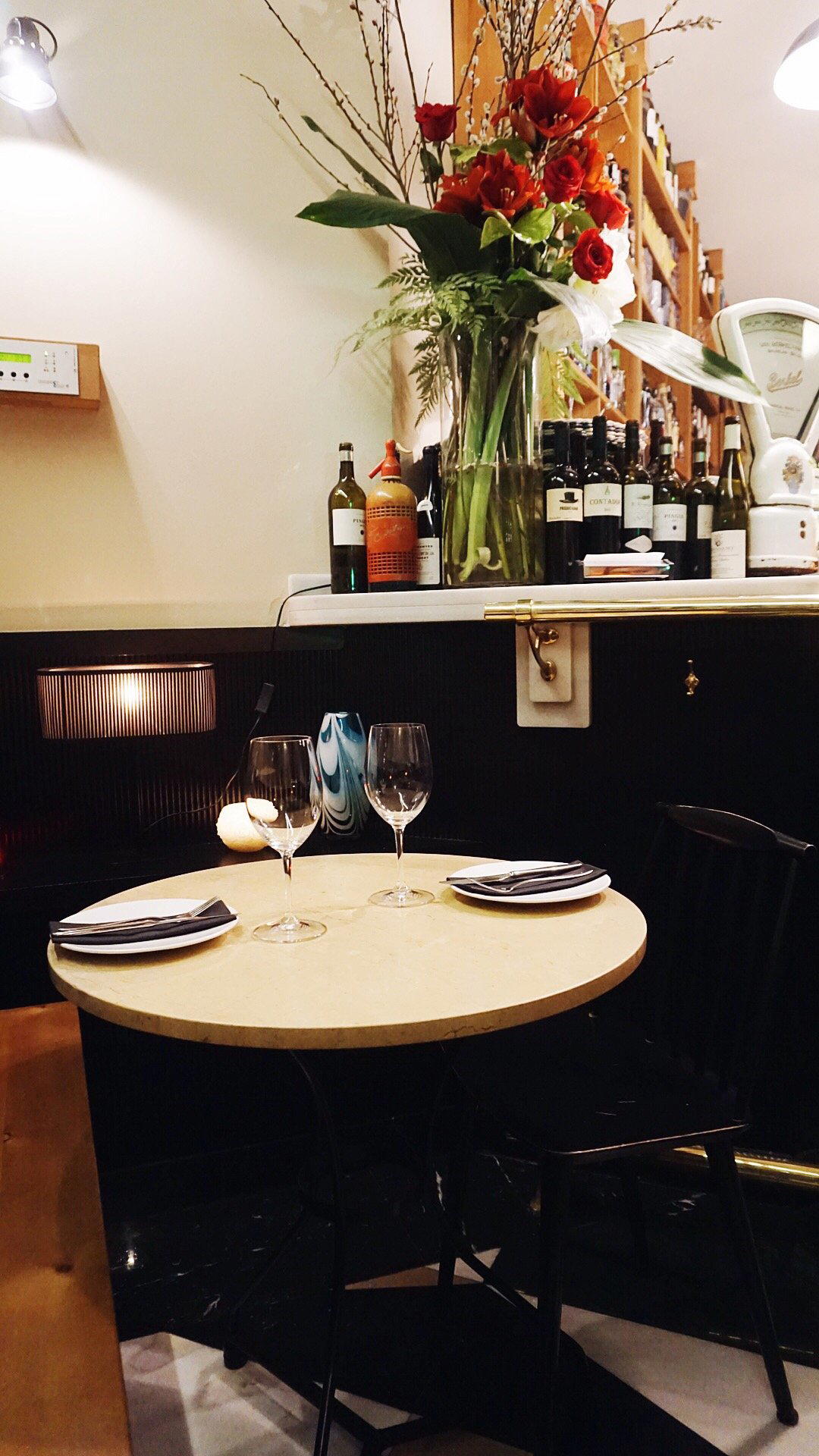
Relaxed and friendly atmosphere with a classic, comforting vibe.