Casa del Nonno 13

Housed in a historic palazzo in Mercato San Severino, Casa del Nonno 13 has earned consecutive Michelin Plates (2024 and 2025) for its commitment to Campanian tradition. The menu moves through regional salumi, San Marzano tomatoes, house-made pasta, and grilled meats, all anchored in the agricultural identity of the Salerno hinterland. A €€€ price point and a labyrinthine setting ending in vaulted cellars make it one of the province's more atmospheric dining propositions.
Pearl is the En Primeur Club membership app — saves, bookings, and concierge access live there. Same editors, same standards.
- Address
- Corso Francesco Caracciolo, 13, 84085 Sant'Eustacchio, SA, Italy
- Phone
- +39 089 894399
- Website
- casadelnonno13.it
- Directions
- Get directions
 Saves & bookings on Pearl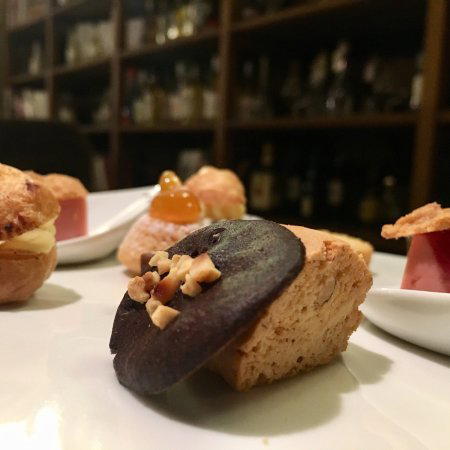
The Palazzo, the Cellars, and What Campania Tastes Like Inland
There is a particular architecture to old southern Italian dining rooms that newer restaurants spend fortunes trying to replicate: low stone ceilings, thick walls that hold the cool even in August, a sense that the building has absorbed several centuries of meals. At Casa del Nonno 13, a Modern Campanian restaurant in Sant'Eustacchio, that architecture is not a design choice. The restaurant occupies a historic palazzo in Sant'Eustacchio, a locality of Mercato San Severino, and progresses through a sequence of rooms before arriving at the palazzo's original cellars. Those vaulted underground spaces set the register for everything that follows: rooted, material, local.
Mercato San Severino sits in the Irno valley, roughly midway between Naples and the Amalfi Coast, in a part of Campania that rarely appears in international food coverage despite producing ingredients that routinely appear on the menus of restaurants far better known than this one. The inland province of Salerno is San Marzano tomato country, the origin point of the DOP designation that now governs the variety worldwide. It is also the territory where Campanian salumi traditions, distinct from those of Emilia-Romagna or Calabria, developed along their own lines. A restaurant that commits to sourcing from this particular geography has access to a larder that coastal and metropolitan venues often import from a distance.
Sourcing as the Menu's Organizing Logic
The clearest editorial frame for understanding Casa del Nonno 13 is ingredient provenance. Michelin recognition in 2024 and 2025 at the Plate level signals consistent kitchen execution, but the menu's identity is anchored in what the surrounding territory produces rather than in technique for its own sake. San Marzano tomatoes, local vegetables, regional salumi, and cuts suited to grilling over live fire appear as structural elements, not garnishes.
This is a meaningful distinction. In recent years, Campanian fine dining has bifurcated between two tendencies: restaurants in Naples and on the coast that frame local ingredients through a contemporary or creative lens, and a smaller group of inland kitchens that treat regional tradition as the destination itself rather than as raw material for reinvention. Casa del Nonno 13 belongs to the second tendency. The pasta dishes read as part of a Campanian lineage rather than as departures from it. The salumi selection foregrounds producers and varieties from the Salerno hinterland. The grilled meat section reflects the province's pastoral history in a way that distinguishes it from seafood-dominant coastal menus. For comparison, restaurants such as Le Trabe, Campanian in Paestum and Oasis - Sapori Antichi, Campanian in Vallesaccarda represent adjacent points on the regional spectrum, each drawing from Campanian tradition but shaped by their own specific geography and producer relationships. Across a wider Italian field, three-starred houses such as Dal Pescatore in Runate and Osteria Francescana in Modena demonstrate how deep regional rootedness, pursued with rigor over time, accrues Michelin recognition at progressively higher levels. The restaurant is at an earlier stage of that trajectory, and the Plate distinction across two consecutive years suggests the kitchen is building toward something more.
What the Michelin Plate Tells You About the Kitchen
The Michelin Plate is a designation that tends to be underread by diners who focus on star counts. In practical terms, it denotes a kitchen that Michelin inspectors have found to be cooking good food by their standards, positioned below the star threshold but formally distinguished from the broader restaurant population. Receiving that recognition in back-to-back years, particularly for a restaurant described as recently re-opened under new management, indicates that the kitchen has stabilized quickly and that the quality is reproducible rather than occasional.5 across 328 reviews provides an independent, volume-weighted data point that aligns with the Michelin assessment.
Among Italian restaurants operating at comparable price positions, several have accumulated star-level recognition by pursuing exactly the kind of regional coherence that restaurant appears to prioritize. Quattro Passi in Marina del Cantone and Reale in Castel di Sangro are southern Italian reference points for how ingredient fidelity and regional identity translate into sustained critical recognition. At the higher end of Italian fine dining, Enoteca Pinchiorri in Florence, Enrico Bartolini in Milan, Le Calandre in Rubano, Piazza Duomo in Alba, Casa Perbellini 12 Apostoli in Verona, Uliassi in Senigallia, and Atelier Moessmer Norbert Niederkofler in Brunico illustrate where a committed regional program can arrive over a longer time horizon. The restaurant operates at a different scale and career stage, but the directional logic of its approach is consistent with that peer group's founding choices.
Planning a Visit
The restaurant is located at Corso Francesco Caracciolo, 13 in Sant'Eustacchio, within the municipality of Mercato San Severino in the province of Salerno. The $75 per-person price positioning places it in the upper tier of the local dining scene. Given the palazzo format and the palazzo's cellar rooms, it is worth requesting a table in the lower section when booking.
For those building a broader itinerary around the area, our full Mercato San Severino restaurants guide covers the wider dining context, while
In Context: Similar Options
Comparable venues nearby, for context on price, style, and recognition.
| Venue | Cuisine | Price | Awards | Notes |
|---|---|---|---|---|
| Casa del Nonno 13This venue — the venue you are viewing | Modern Campanian | $$$$ | Michelin Plate | Not listed |
| Al Palazzo | Modern Regional Italian | $$$$ | Michelin Plate | Positano City Centre |
| Rada Rooftop | Modern Italian Mediterranean Rooftop | $$$$ | Michelin Plate | Spiaggia Grande |
| Maxi | Modern Italian Fine Dining | $$$$ | Michelin Plate | Vico Equense |
| Suscettibile Salerno | Modern Italian Seafood | $$$ | Michelin Plate | Salerno center |
| Cosmo Restaurant | Modern Italian Fine Dining | $$$ | Michelin Plate | Pompei |
Recognition history
Dated appearances from independent guides and award organizations, with the underlying list record or original source where available.
Michelin Plate
Michelin
Michelin Plate
Michelin
Michelin Plate
Michelin
Continue exploring
More in Mercato San Severino
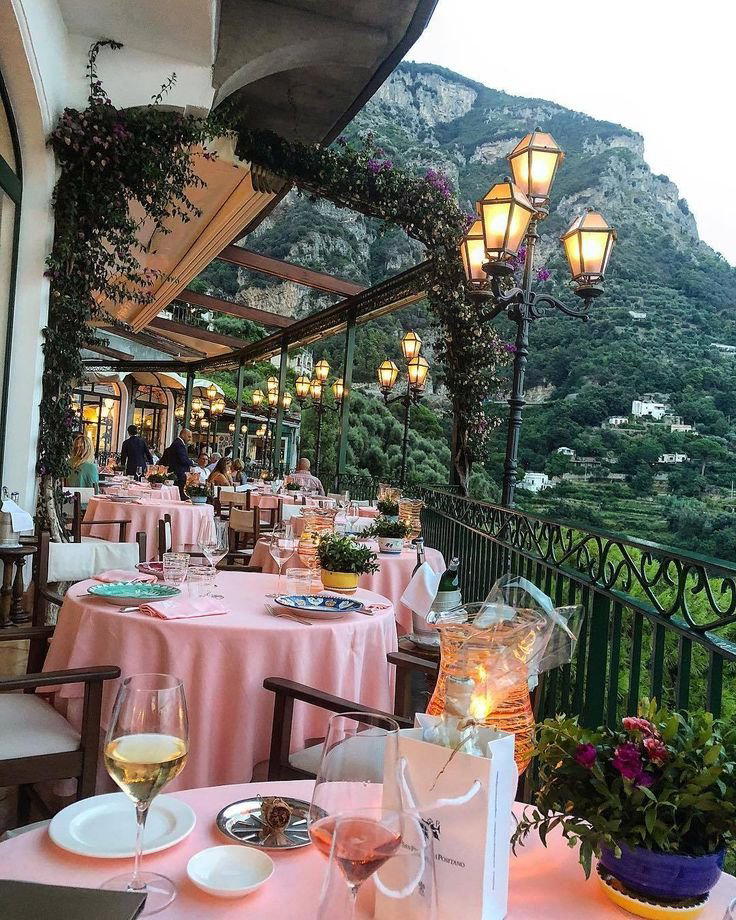
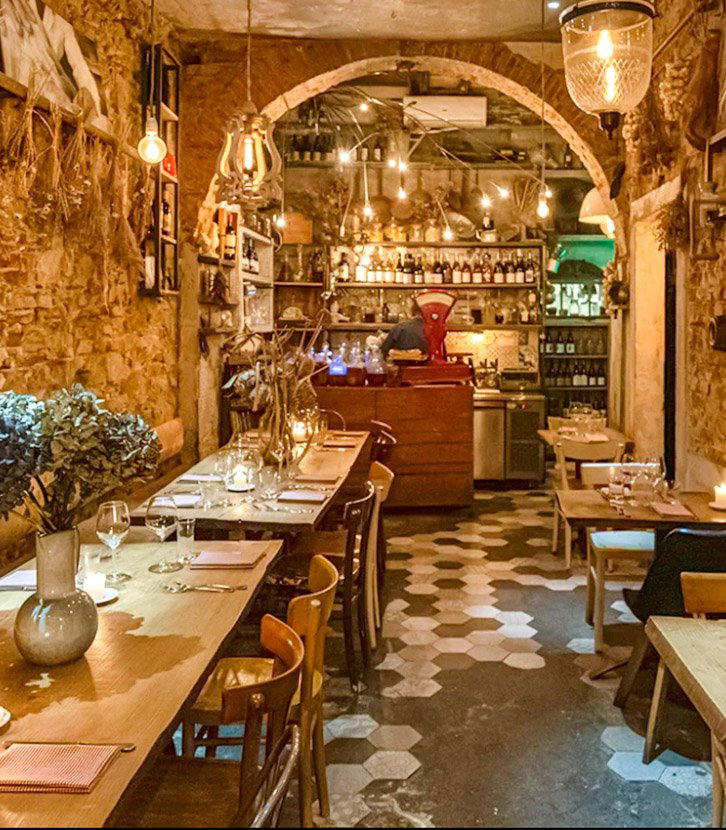
Restaurants in Mercato San Severino
Browse all →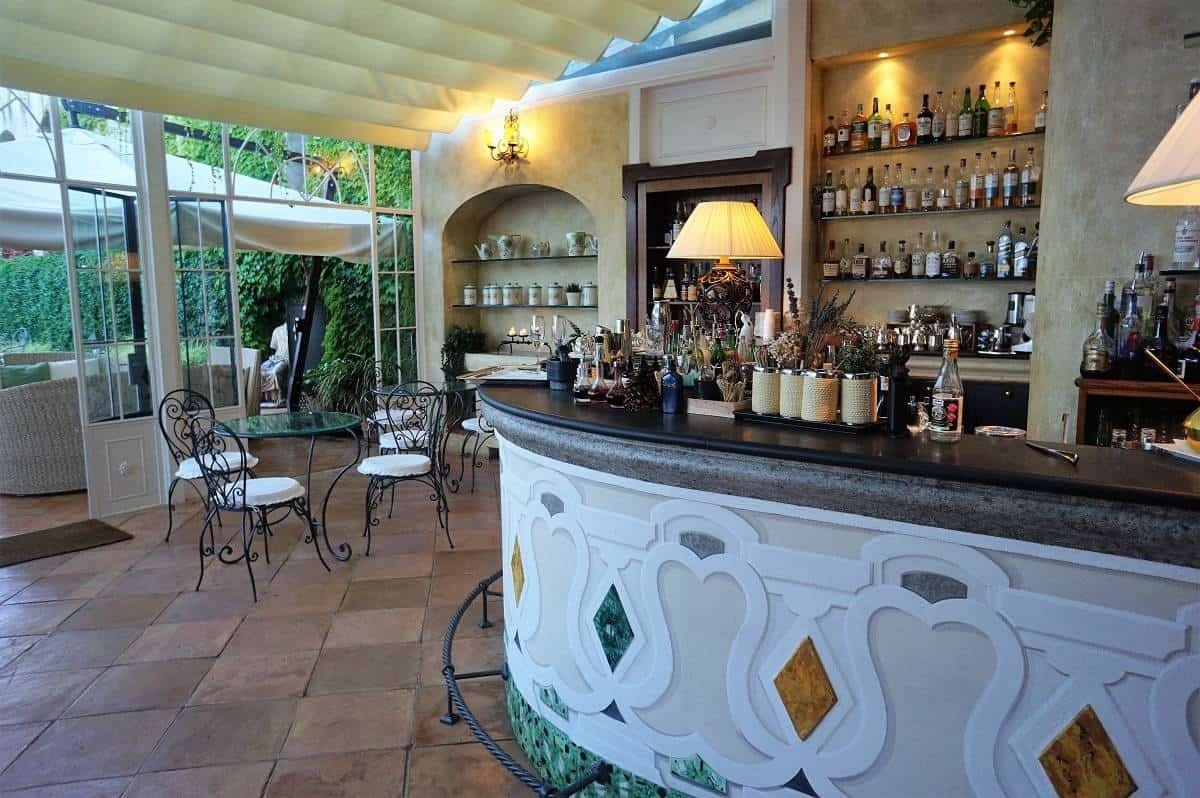
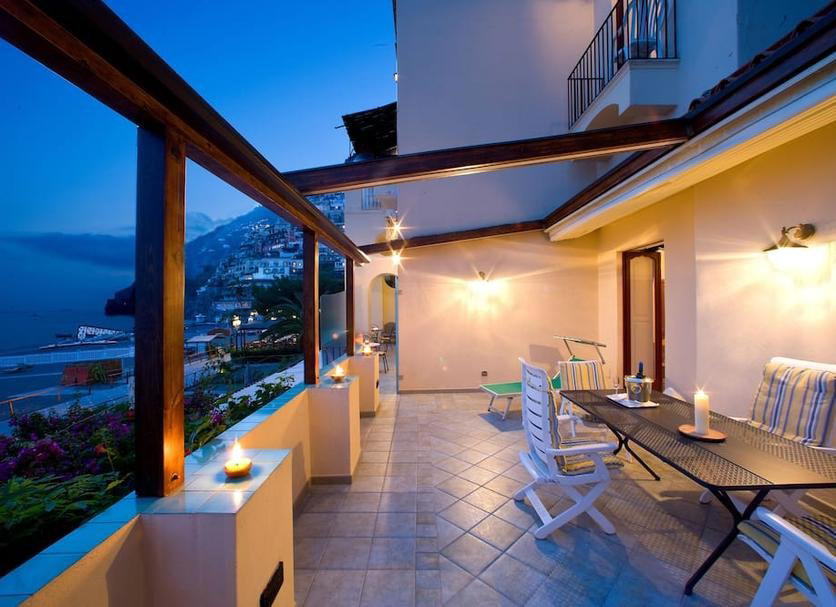
Bars in Mercato San Severino
Browse all →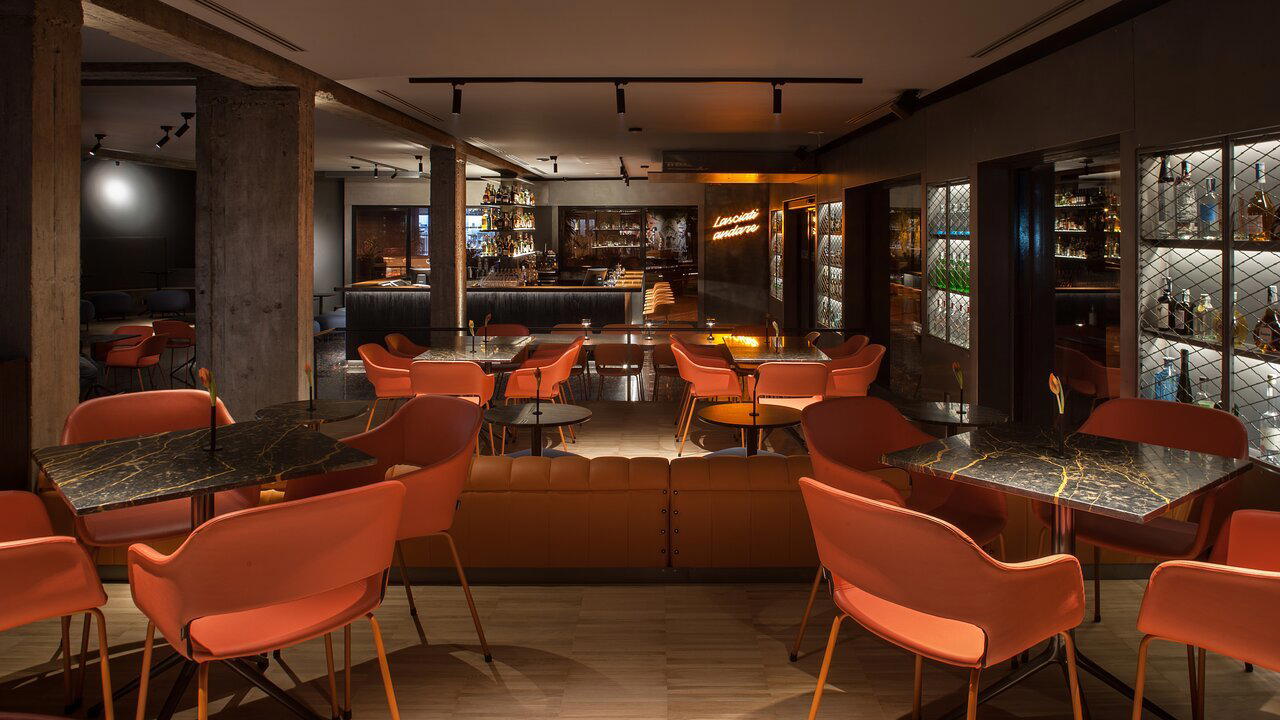
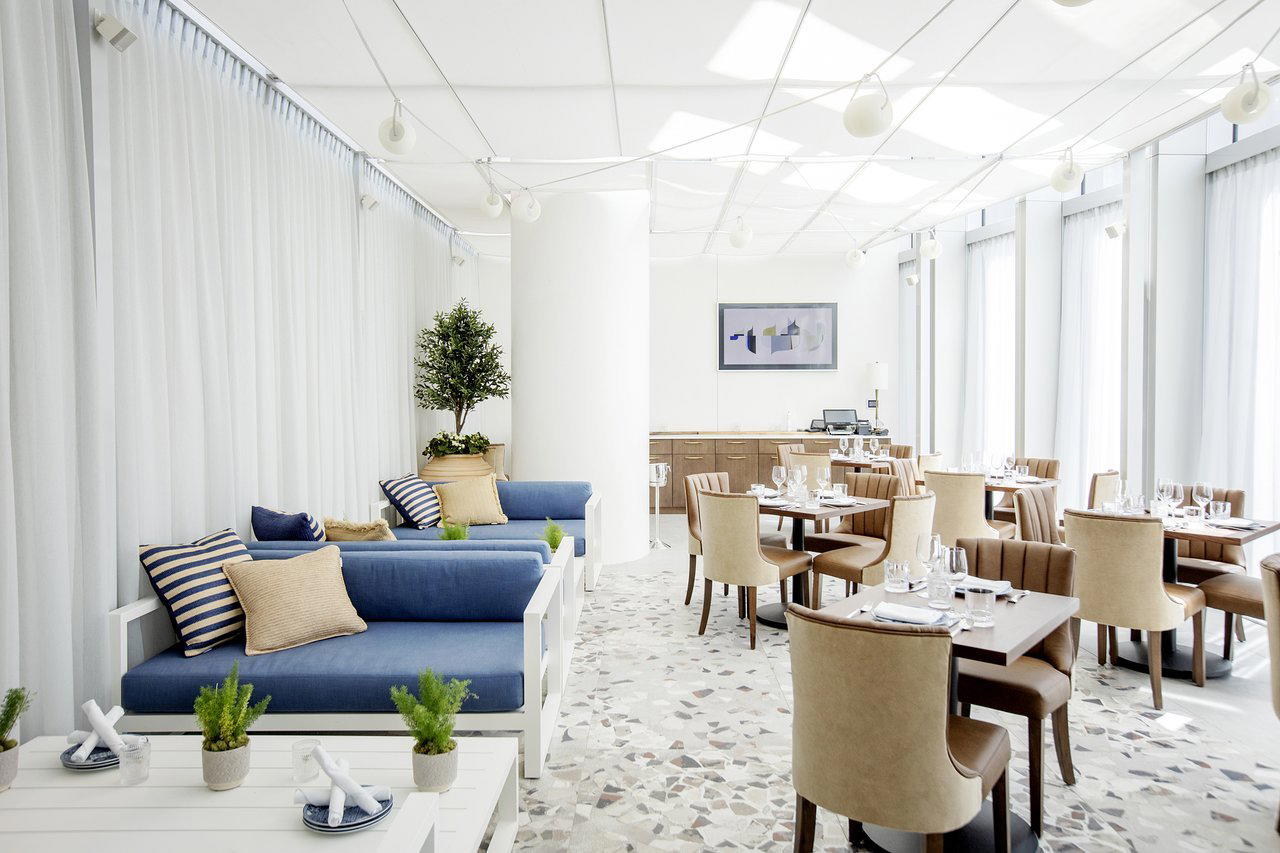
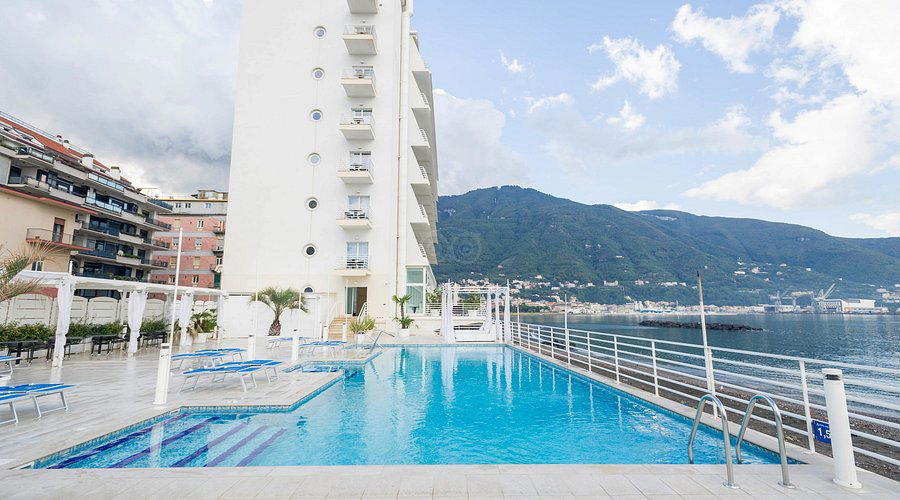
Hotels in Mercato San Severino
Browse all →

At a Glance
- Rustic
- Elegant
- Classic
- Intimate
- Well Known
- Date Night
- Special Occasion
- Group Dining
- Historic Building
- Private Dining
- Local Sourcing
Current opening hours
- Monday
- Closed
- Tuesday
- 8–11 PM
- Wednesday
- 8–11 PM
- Thursday
- 8–11 PM
- Friday
- 8–11 PM
- Saturday
- 1–3 PM, 8–11 PM
- Sunday
- 1–3 PM
Hours can change for holidays and private events. Last verified .
Soft lighting revealing stone walls, frescoed salons with fireplace, cozy central courtyard, and scenic underground cellars with wood oven.