
Azienda Agricola Guerritore gives Campanian wine travel a rural Irno Valley register: Fiano, Aglianico and Merlot from a 6-hectare estate, set within an agriturismo farmhouse rather than a formal tasting salon. The appeal is terroir-led and low-key, with vineyard and garden views, sustainable farming, food pairing options and a format that suits travelers who want wine, agriculture and country hospitality in the same visit.

Pearl is the En Primeur Club membership app — saves, bookings, and concierge access live there. Same editors, same standards.
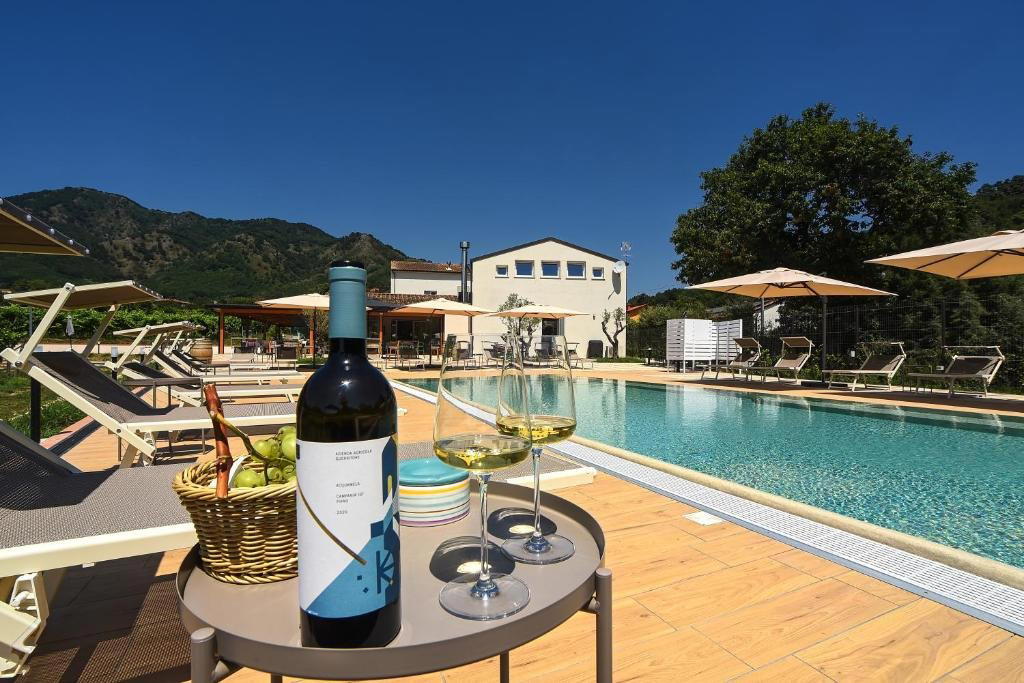
Approaching the Irno Valley side of Baronissi, the wine experience shifts away from coastal Campania’s hotel terraces and into working-farm territory: vineyards, hazelnut groves, garden space and an old country farmhouse doing double duty as agriturismo and cellar door. Azienda Agricola Guerritore belongs to that quieter Campanian category where the land is not decoration around the tasting, but the reason for the visit. The estate’s scale is small, its production is focused, and the mood is closer to a rural lunch with a glass in hand than to a polished destination winery circuit.
Volcanic silt, clay and a three-variety Campanian lens
Campania’s wine identity is often reduced to a handful of famous appellations, but the region’s inland valleys have their own argument: volcanic soils, clay, silt and temperature shifts that give structure to whites and grip to reds. Here, that argument is made through Fiano, Aglianico and Merlot on a 6-hectare estate in Baronissi. The site sits in the Irno Valley, positioned between the Amalfi and Cilento coasts and close to Salerno, which gives the wines a useful tension between inland agriculture and coastal influence.
The production choices are direct rather than expansive. Fiano is handled in stainless steel, a sensible decision for a Campanian white whose value lies in clarity, acidity and site expression. Aglianico and Merlot move into barrique, placing the reds in a more structured register. The vineyard work uses Guyot training at 3,000 vines per hectare, and harvest is carried out by hand from dawn, a detail that matters in warm southern Italian conditions because fruit temperature can change quickly once the sun is up.
The estate’s Campania IGT frame also matters. It gives room for a portfolio that includes Aglianico, deeply tied to the region, alongside Merlot, a less traditional but common southern Italian interpretation when handled through local soils rather than international gloss. A Falstaff score of 89 points for the 2021 Fusara Aglianico gives the red program an external critical marker, but the stronger editorial point is the estate’s narrow focus: three key varieties, estate-grown production and an agriturismo model that keeps wine connected to farming rather than separated into a tasting-room abstraction.
The farmhouse format: wine, food and agricultural hospitality
In Italy, agriturismo can mean many things, from rustic lodging to serious regional cooking with a farm attached. In Baronissi, this address sits closer to the integrated model: winery, restaurant, rooms, pool, gardens and educational farm activity in one rural setting. That combination changes the rhythm of a visit. A tasting can be folded into a longer stay, a vineyard walk, a guided pairing lunch or time on the estate grounds, rather than treated as a quick counter appointment between larger names.
The food program follows the same agricultural logic. The estate produces wine alongside honey, hazelnuts, walnuts, olives and vegetables, so the dining context is country Campania rather than chef-led spectacle. That is an important distinction for travelers planning around the wider Salerno area: this is not the place for elaborate urban dining codes, but it is a useful stop for understanding how inland Campanian hospitality links vines, orchards, garden produce and family farming into a single format.
The setting does real work here. Vineyard, garden and mountain views place the wines back into the terrain that shaped them, while the restored farmhouse keeps the experience intimate and rural. The capacity tier is small, the noise level is quiet, and the visit type is by reservation, which makes the estate better suited to travelers who prefer a slower appointment over a drop-in tasting bar. Italian is the listed tour language, another signal that the experience remains rooted in local hospitality rather than built primarily for international throughput.
Riccardo Cotarella is listed as winemaker, a significant credential in Italian wine because his name carries weight across professional cellar consulting and modern Italian enology. At Guerritore, that credential should be read within the estate’s scale: not as a move toward grandiosity, but as a technical anchor for a small Campanian property working with a tight varietal range and a purity-led production philosophy.
How to place it in a Baronissi itinerary
Azienda Agricola Guerritore is strongest as a half-day countryside stop for travelers using Baronissi as a base near Salerno or as a quieter counterpoint to coastal Campania. The format suits couples, families, small groups, wine education trips and special-occasion lunches where the point is not speed but context: seeing the vines, tasting across the estate’s white and red lines, and understanding how the Irno Valley’s volcanic silt and clay translate into the glass.
For planning across the city, start with Our full Baronissi wineries guide, then use Our full Baronissi restaurants guide, Our full Baronissi hotels guide, Our full Baronissi bars guide and Our full Baronissi experiences guide to build the rest of the stay. Readers mapping a wider Italian wine route can also file it alongside 3GP SRL in Treviso, 47 Anno Domini in Trebaseleghe, A Mano Wine in Noci, a6mani in Fragagnano, Abbadia Ardenga in Torrenieri, Abbazia di Crapolla in Neapel, Abbazia Monte Oliveto in Asciano, Abbazia Santa Anastasia in Castelbuono, »der Steiner« Hans Steiner in Podersdorf am See and & Handwein in Mannheim.
The editorial case is clear: choose this estate for an agricultural reading of Campania rather than a trophy tasting. The 6-hectare scale, three-variety focus, sustainable sourcing tag, on-site food pairing and farmhouse setting make it a compact lesson in how a small Irno Valley property can turn soil, crop diversity and rural hospitality into a coherent wine experience.
Recognition history
Dated appearances from independent guides and award organizations, with the underlying list record or original source where available.
Falstaff Winery - Listed
Falstaff
Continue exploring
More in Baronissi
Restaurants in Baronissi
Browse all →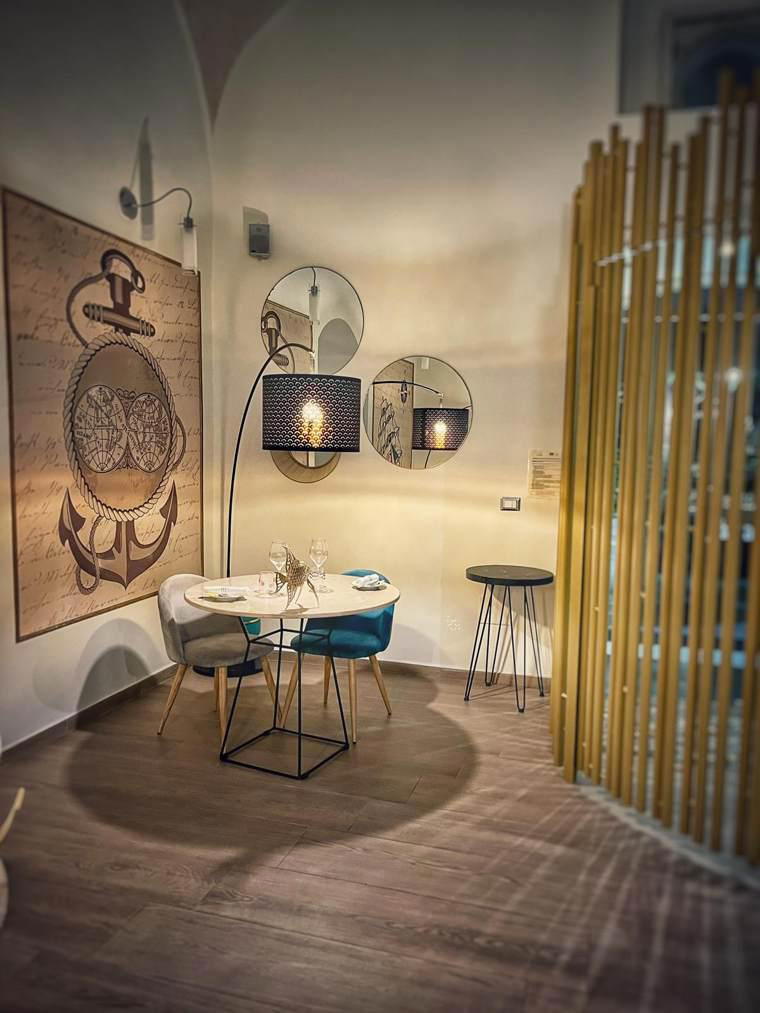
At a Glance
- Scenic
- Rustic
- Cozy
- Romantic
- Intimate
- Romantic Getaway
- Group Outing
- Family
- Wine Education
- Special Occasion
- Vineyard Tour
- Estate Grounds
- Historic Building
- Panoramic View
- Private Tasting
- Sustainable
- Vineyard
- Garden
- Mountain
- Campania IGT
- Fiano
- Aglianico
- Merlot
- Still White
- Still Red
- Still Rosé
- Estate Tasting
- Vineyard Tasting
- Guided Pairing Lunch
- Tour And Tasting
Warm, rural and intimate atmosphere in a restored country farmhouse, surrounded by vineyards and hazelnut groves, with a strong focus on local traditions, nature and relaxed, home-style hospitality.