Maxi

Michelin Plate
Our verdict
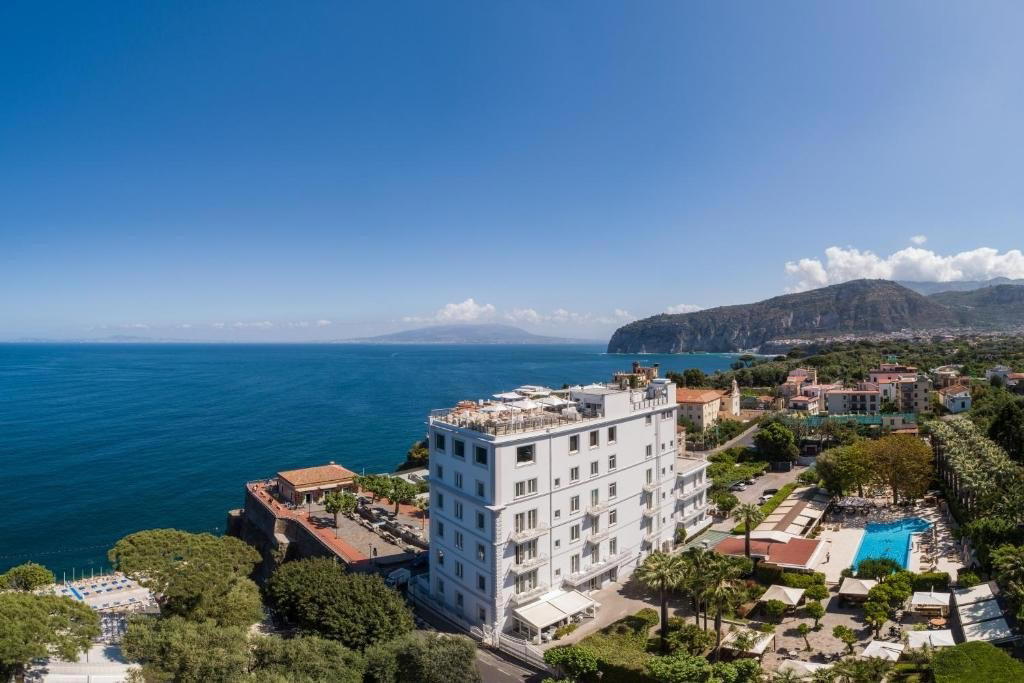
Part of the Capo La Gala hotel on the Sorrentine Peninsula, Maxi positions itself among Vico Equense's €€€€ creative dining tier with tasting menus built on Campanian ingredients and modern technique. Chef Emmanuel Scotti's cooking draws on local recipes with occasional international inflection, recognised by consecutive Michelin Plates in 2024 and 2025. The seafront setting, accessible by hotel lift, adds a pronounced sense of place to the meal.

Pearl is the En Primeur Club membership app — saves, bookings, and concierge access live there. Same editors, same standards.
- Address
- Via Luigi Serio, 8, 80069 Vico Equense NA, Italy
- Phone
- +39 081 801 5757
- Hours
- Mon–Sat 7:30–9:45 PMSun Closed
- Website
- hotelcapolagala.com
- Directions
- Get directions
- Booking
- Book on TheFork
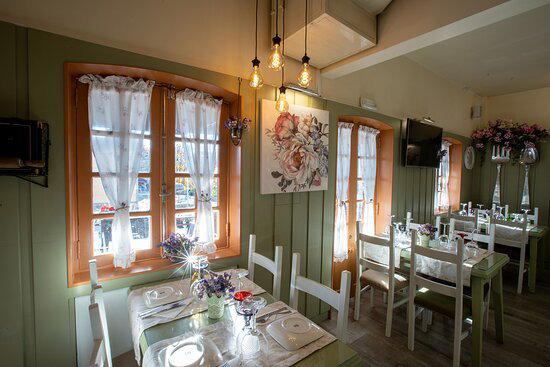
The menu
What to order
- Spaghetti with sea urchin
- The bridge appetizer
- Apple dessert
Where the Sorrentine Coastline Becomes the Room
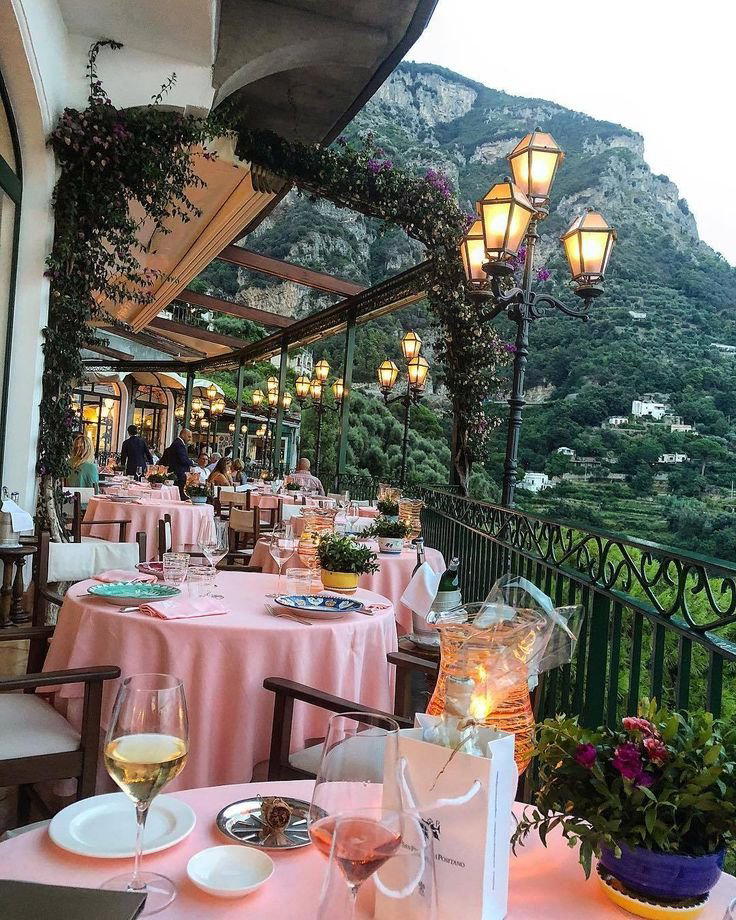
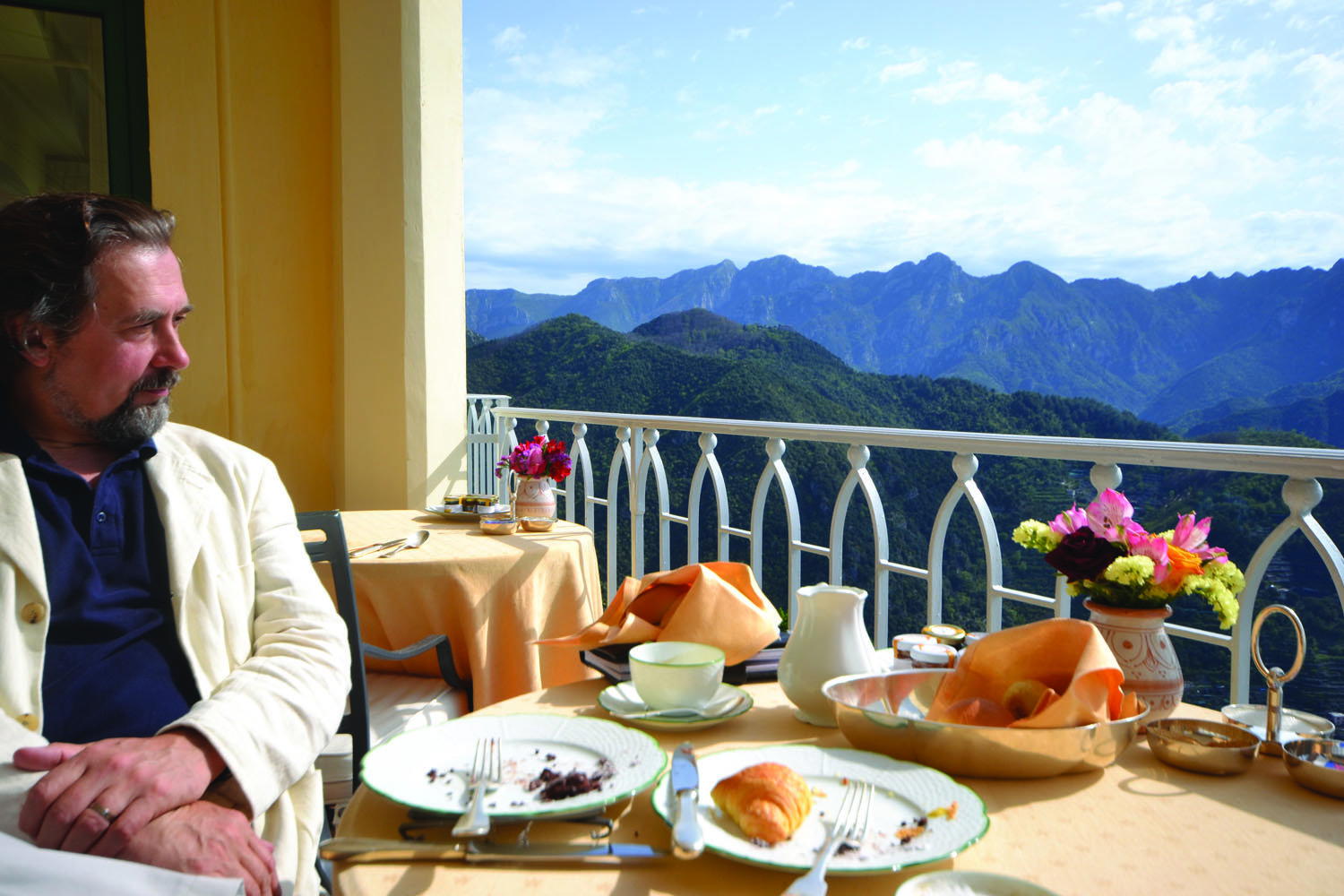
The approach to Maxi tells you something about what kind of restaurant it is. Guests descend from the Capo La Gala hotel above via a lift cut into the cliff, arriving at sea level on a terrace where the water is close enough that the sound of it shapes the room as much as any interior design choice. The view west at sunset over the Gulf of Naples is the kind that makes conversation slow down. This is not incidental atmosphere — it is the point of the place, and the kitchen's job is to justify the setting rather than compete with it.
Vico Equense occupies an unusual position on the Sorrentine Peninsula. Overshadowed in reputation by Sorrento to the south and the Amalfi Coast beyond, it nevertheless holds a disproportionate concentration of serious kitchens for a town its size. Torre del Saracino, with two Michelin stars and a long track record in modern Campanian cooking, anchors the town's top tier. Antica Osteria Nonna Rosa operates at the same €€€€ price point with a strongly regional Italian focus. Maxi belongs to this upper bracket, distinguished by its hotel context, its coastal position, and a creative menu that moves between traditional southern Italian foundations and more cosmopolitan technique.
The Creative Tier Along This Stretch of Coast
Campanian creative cuisine occupies a particular niche in the broader Italian restaurant conversation. The region's ingredient base — the tomatoes, the seafood pulled from the Tyrrhenian, the citrus from the surrounding groves, is strong enough that restraint reads as confidence rather than limitation. The most interesting kitchens here tend to use that material as an anchor while introducing technical approaches drawn from further afield. Maxi fits that pattern: Chef Emmanuel Scotti, from Ischia, works with local recipes and Campanian ingredients as his starting point, then introduces a measured international influence that keeps the cooking from reading as straightforwardly traditional.
The raw marinated amberjack on the menu is a useful illustration. The preparation draws on the structural logic of ceviche, acid, raw fish, precision, but the flavour register is Mediterranean rather than Peruvian, softer and less confrontational in its acidity. It signals a kitchen that understands both traditions and has made a considered choice about where to land between them. For Vico Equense, that positioning places Maxi alongside Quattro Passi in Marina del Cantone as one of the Sorrentine coastline's addresses where creative cooking is grounded in genuine regional literacy rather than applied as an overlay.
The format here is tasting menus, with the option to select courses à la carte style rather than committing to a fixed sequence. Both meat and fish menus are available, which is notable in a coastal restaurant that could easily default to seafood exclusivity. The service is overseen by Giulia Tavolaro, and the front-of-house operation has drawn consistent praise for its attentiveness without rigidity, a register that suits the setting, where the mood is romantic rather than reverential.
Michelin Recognition and What It Signals
Consecutive Michelin Plates in 2024 and 2025 place Maxi in a specific recognition tier. The Plate designation indicates food quality that the Guide considers worth noting, without the fuller commendation of a star. In practical terms, it positions Maxi below the starred level occupied by Torre del Saracino locally, or by addresses like Osteria Francescana in Modena and Enoteca Pinchiorri in Florence nationally, while placing it clearly above the undifferentiated mid-market. For the creative category at €€€€, that recognition matters: it confirms the kitchen is operating at a level the Guide finds credible, and it contextualises the pricing.
Internationally, the creative dining category runs a wide range. Alléno Paris au Pavillon Ledoyen and JAN in Munich represent the category at its most technically ambitious. Enrico Bartolini in Milan and Atelier Moessmer Norbert Niederkofler in Brunico show what deeply regional creative cooking looks like when pushed to starred level. Maxi operates below that intensity but within the same broad tradition: place-specific ingredients, modern technique, formal service. The difference is one of scale and ambition, not category.
The Capo La Gala Context
Hotel restaurants on the Sorrentine Peninsula tend to fall into two camps: those that function primarily as convenient dining for guests who don't want to venture out, and those that have developed independent identities serious enough to draw a non-resident clientele. Maxi belongs to the second group. The Capo La Gala setting contributes to that positioning: the property's cliff-face location means the restaurant's physical access is genuinely distinctive, and the terrace's direct relationship with the sea gives it an environmental identity that standalone restaurants along the coast cannot replicate.
For guests staying at the hotel, the lift access and the seamless transition from accommodation to dinner table is a practical advantage. For diners coming from Vico Equense or the surrounding area, the setting functions as destination in itself. The town's other seafood-focused options, including Il Bikini at €€€, operate without the same cliff-and-sea drama; L'Accanto and Mima occupy lower price tiers with different format expectations. Maxi's combination of creative tasting-menu format, €€€€ pricing, and the Capo La Gala location gives it a specific niche that the town's other kitchens don't occupy.
For the simpler, more traditional side of the same hotel's offer, La Taverna Nerea provides an alternative without requiring guests to leave the property, a two-tier structure that covers different appetite levels and price expectations within the same address.
Planning a Visit
Maxi sits at Via Luigi Serio, 8, in Vico Equense, within the Capo La Gala hotel. The restaurant is accessible by lift from the hotel entrance, making the descent to the seafront terrace direct regardless of mobility. Given the location's popularity at sunset, when the view across the Gulf of Naples is at its most pronounced, booking a table for that window during peak summer months requires advance planning. The €€€€ price range aligns with the tasting-menu format, and the à la carte selection option within that structure offers some flexibility for those who prefer not to commit to a fixed progression.
For broader context on where Maxi sits within the town's dining options, the full Vico Equense restaurants guide covers the range from casual to creative. The Vico Equense hotels guide is useful for those considering the Capo La Gala as a base, while the bars guide, wineries guide, and experiences guide round out the town's offer for multi-day visits.
Frequently asked questions
What's the pricing like at Maxi?
Pricing at Maxi is listed as €€€€.
What part of town is Maxi in?
Maxi is located at Via Luigi Serio, 8, 80069 Vico Equense NA, Italy, Vico Equense.
Compact Comparison
| Venue | Cuisine | Price | Awards | Notes |
|---|---|---|---|---|
| MaxiThis venue — the venue you are viewing | Modern Italian Fine Dining | Not listed | Michelin Plate | Not listed |
| Torre del Saracino | Modern Campania Seafood | $100–150 | 2 Michelin Stars · La Liste Top Restaurants | Modern Italian, Creative |
| Antica Osteria Nonna Rosa | Traditional Neapolitan Italian | $100–150 | 1 Michelin Star · Chef's Table Featured on Chef's Table | Italian, Campanian |
| Il Bikini | Modern Italian Seafood | $50–100 | Michelin Plate | Seafood |
| L'Accanto | Modern Campanian Fine Dining | $100–150 | Michelin Plate | Modern Cuisine |
| Mima | Modern Mediterranean Rooftop Dining | $50–100 | Michelin Plate | Seasonal Cuisine |
Recognition history
Dated appearances from independent guides and award organizations, with the underlying list record or original source where available.
Michelin Plate
Michelin
Full recognition history (3 entries)
Michelin Plate
Michelin
Michelin Plate
Michelin
Continue exploring
More in Vico Equense
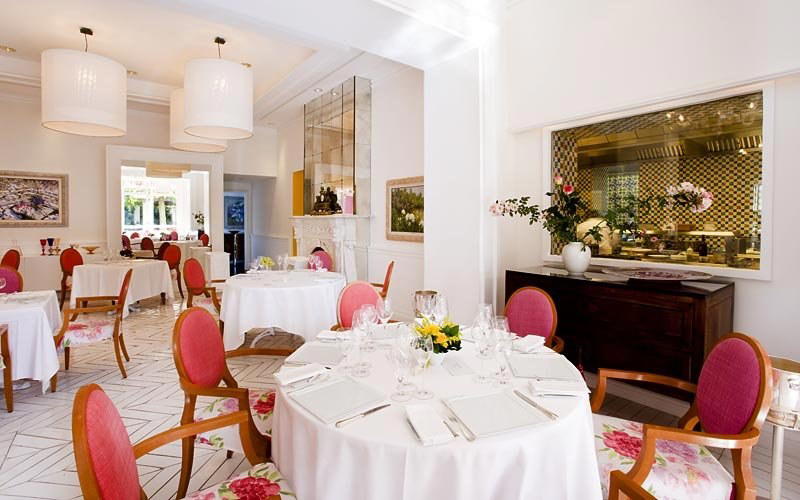
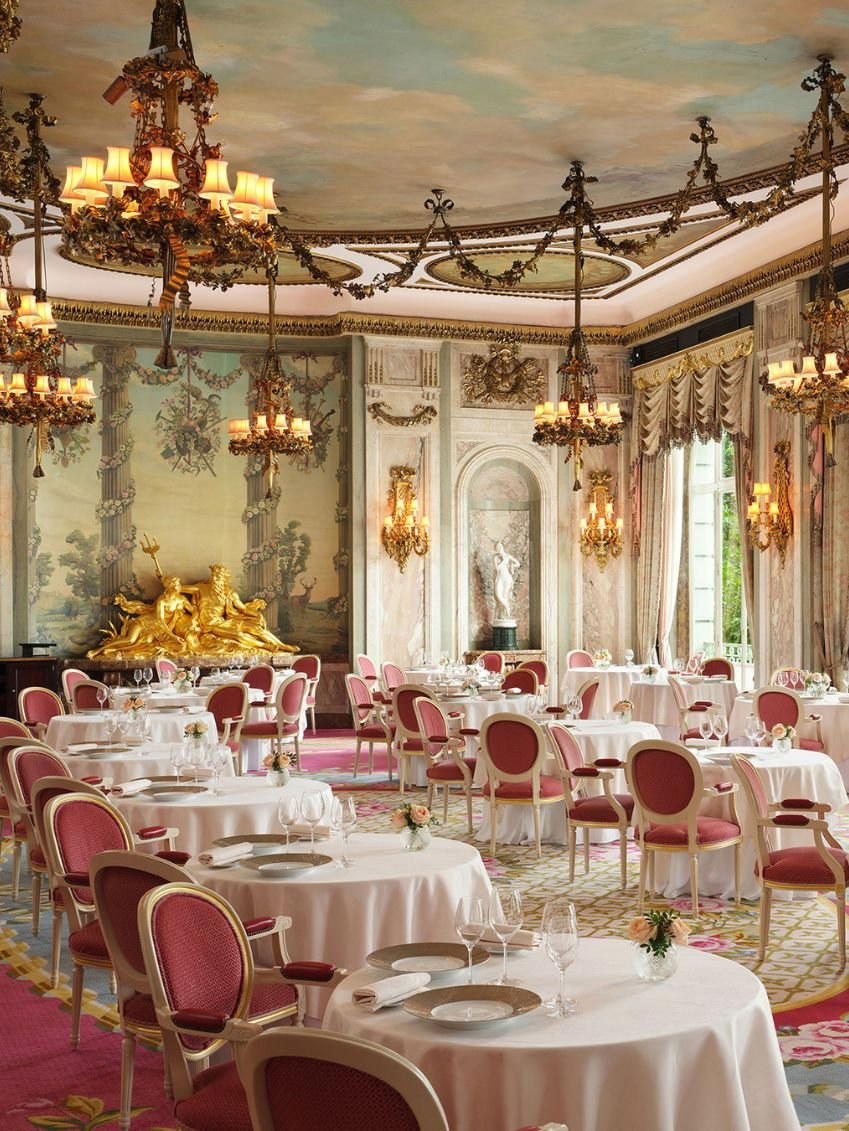
Restaurants in Vico Equense
Browse all →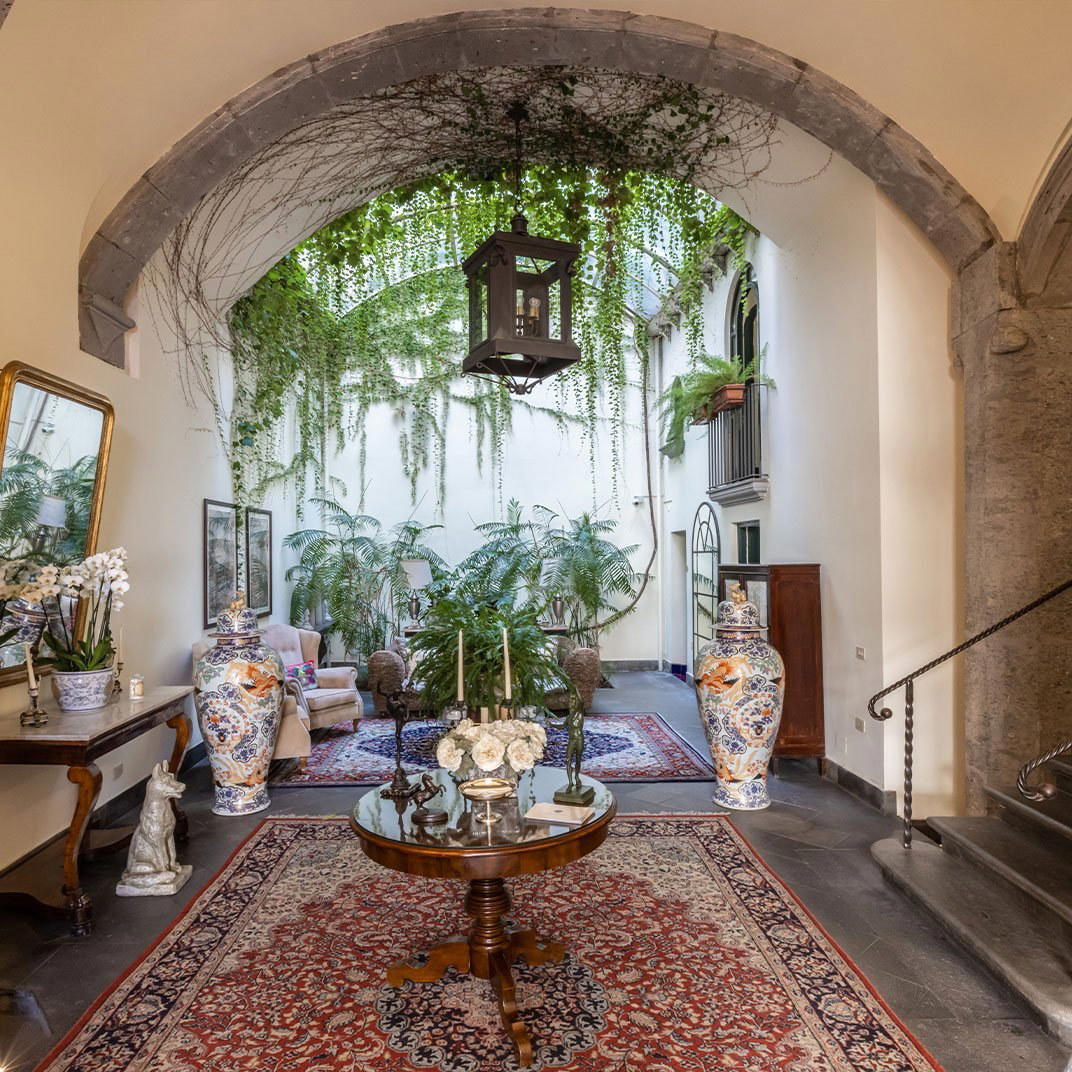
Bars in Vico Equense
Browse all →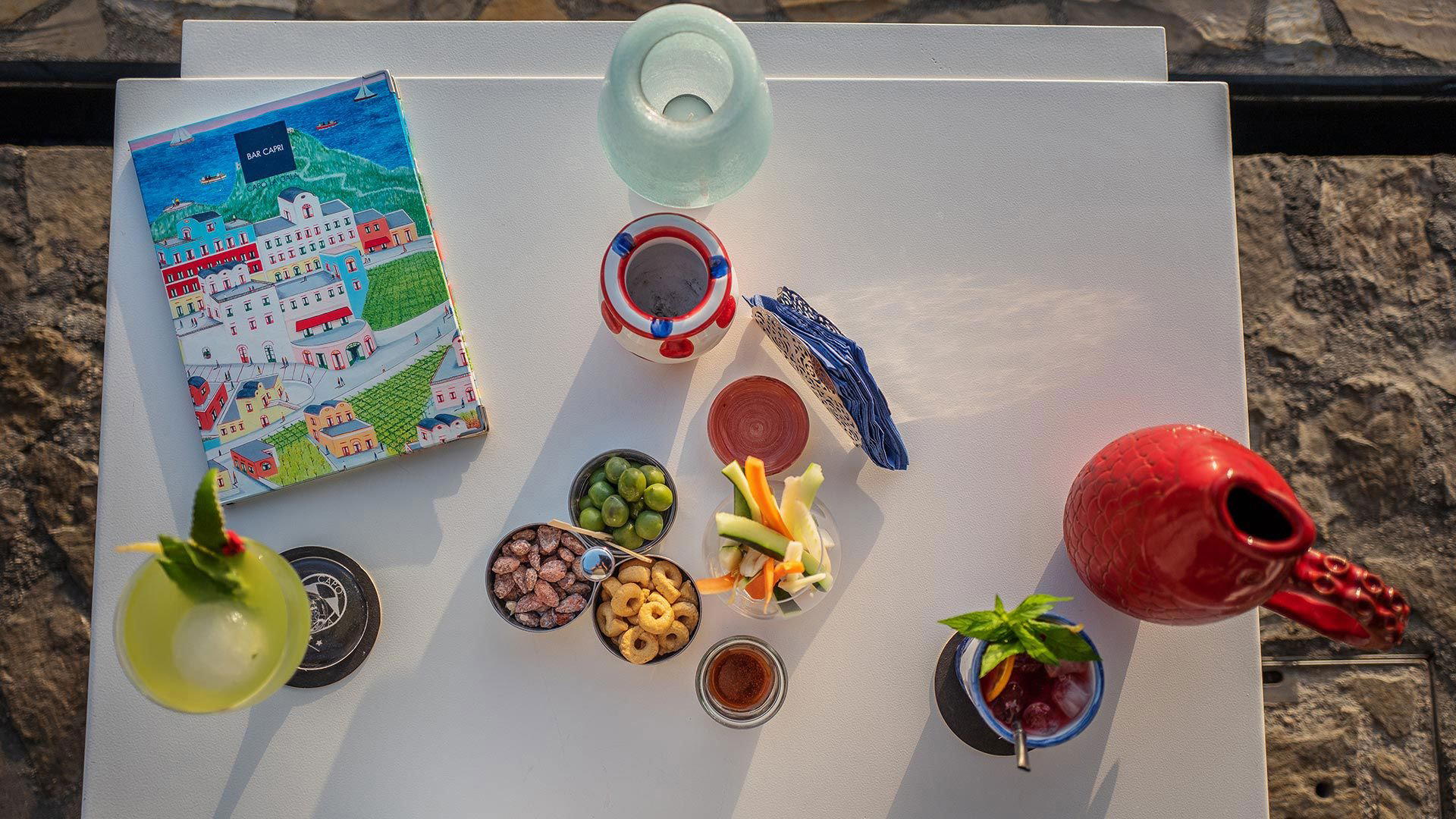
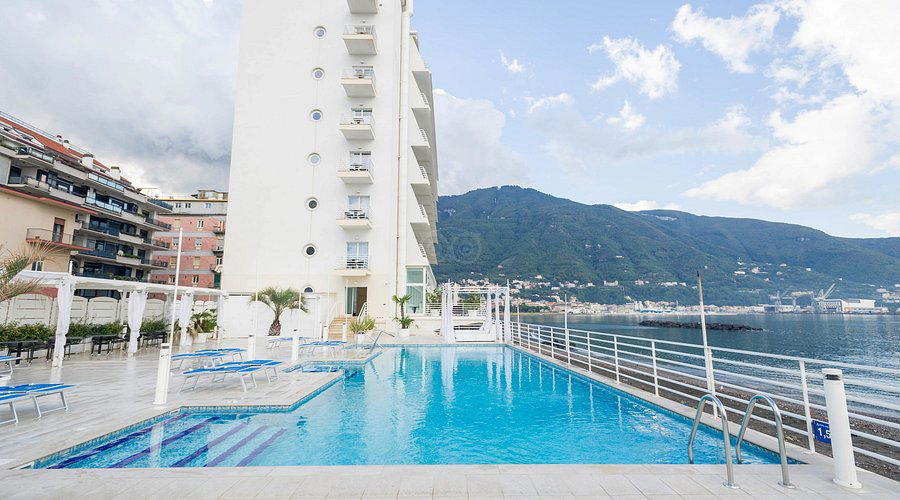
Hotels in Vico Equense
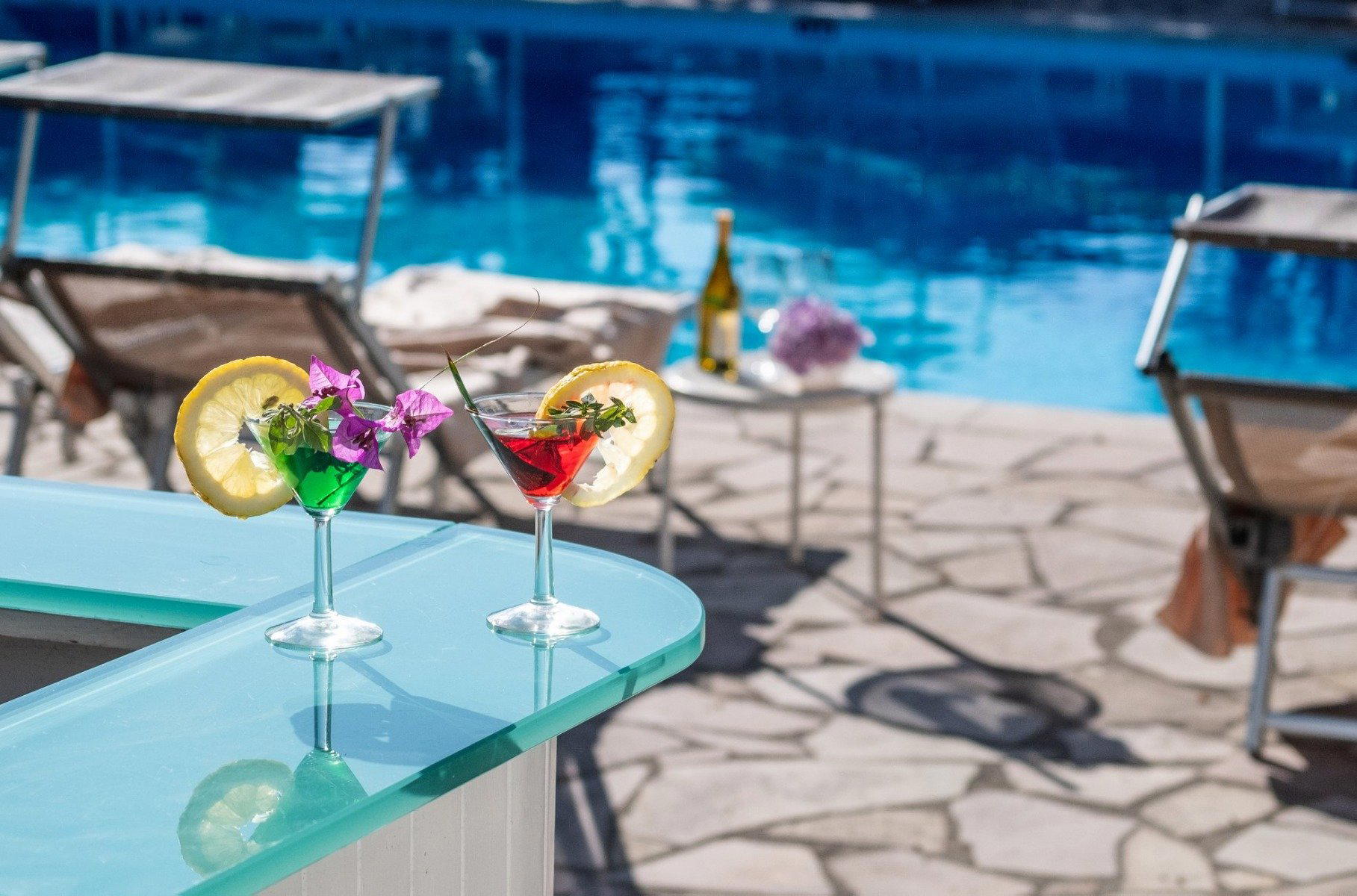
Browse all →

Details
- Romantic
- Elegant
- Scenic
- Intimate
- Sophisticated
- Date Night
- Special Occasion
- Celebration
- Waterfront
- Terrace
- Hotel Restaurant
- Extensive Wine List
- Sommelier Led
- Local Sourcing
- Waterfront
- Tasting Menu
- A La Carte
- Vegetarian Friendly
- Allergy Accommodating
Current opening hours
- Monday
- 7:30–9:45 PM
- Tuesday
- 7:30–9:45 PM
- Wednesday
- 7:30–9:45 PM
- Thursday
- 7:30–9:45 PM
- Friday
- 7:30–9:45 PM
- Saturday
- 7:30–9:45 PM
- Sunday
- Closed
Hours can change for holidays and private events. Last verified .
Romantic candlelit terrace overlooking the sea with relaxing atmosphere and polished service.