
Le Trabe serves Campanian contemporary Mediterranean fine dining with a formal, conversational dinner format, an extensive sommelier-led wine list, and a Michelin 1 Star from 2024 to 2026.
Pearl is the En Primeur Club membership app — saves, bookings, and concierge access live there. Same editors, same standards.
- Address
- Via Capo di fiume, 4, 84047 Capaccio Paestum SA, Italy
- Phone
- +39 0828 724165
- Website
- letrabe.it
- Directions
- Get directions
 Saves & bookings on Pearl
Estate-Grown, River-Fed: The Sourcing Logic Behind Le Trabe
Campania's ingredient culture is among the more geographically specific in southern Italy. Bufala mozzarella produced in the Piana del Sele, the alluvial plain surrounding Paestum, carries DOP status tied to a precise zone of water buffalo farming that stretches back centuries. Tomatoes grown on volcanic soils near Salerno develop acidity and sweetness in proportions the north struggles to replicate. Fishing along the Cilento coast operates on small-boat traditions largely unchanged in a generation. The question for any serious kitchen working in this territory is not whether to reference these ingredients, but how deeply to commit to them.
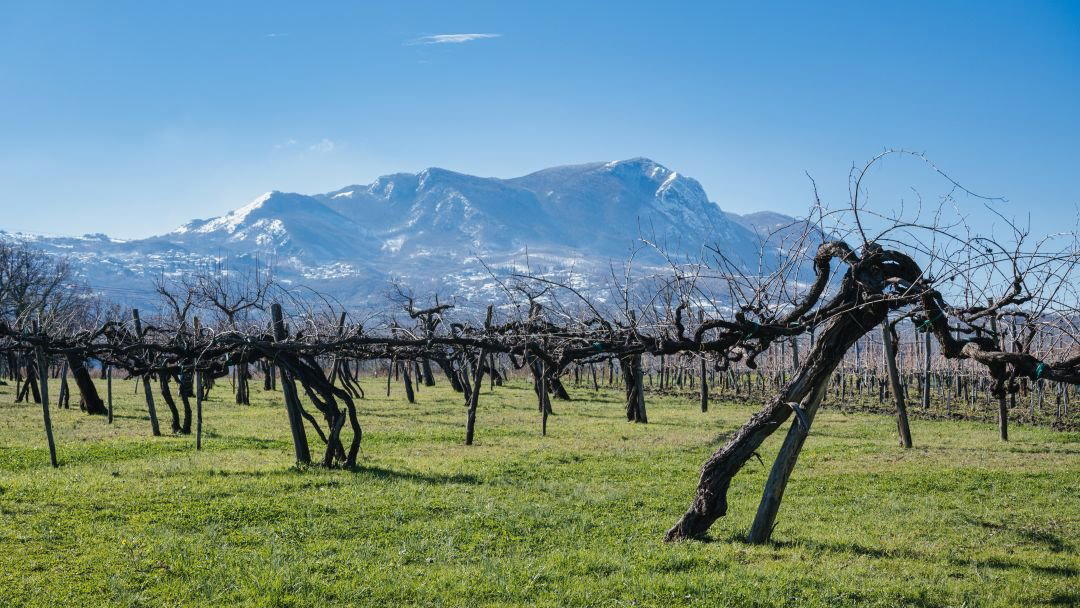
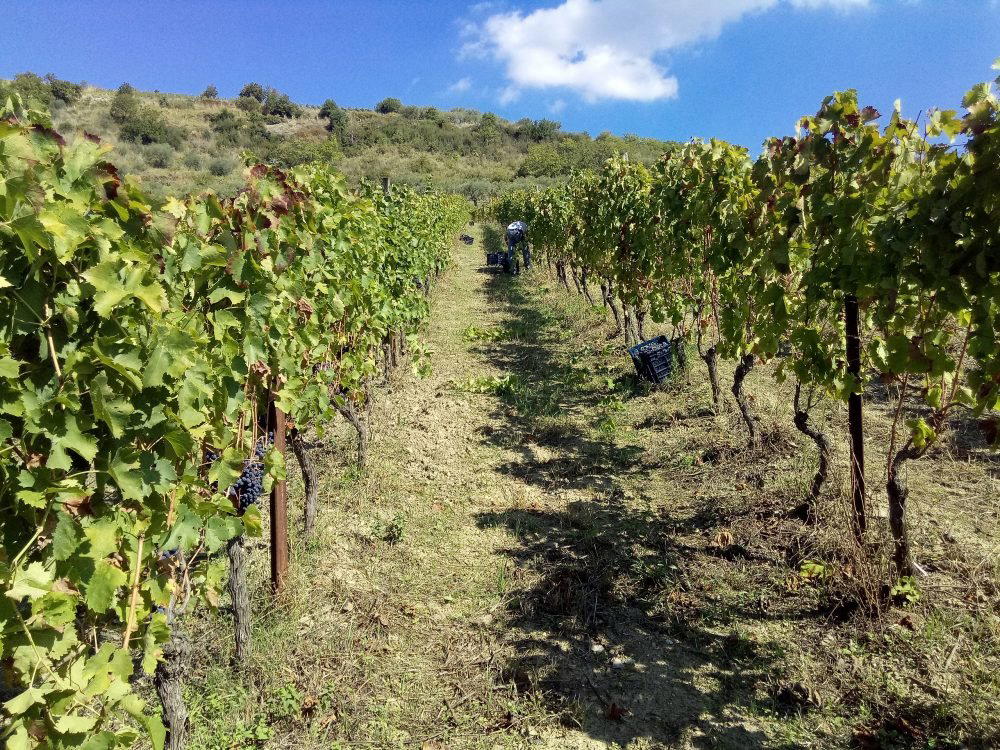
Le Trabe answers that question structurally. The restaurant sits within the Capodifiume estate on Via Capo di fiume, 4, a working property that takes its name from the source of the Trabe river, which rises on the grounds. The estate generates its own electricity through an on-site hydroelectric power station fed by that water source. Before dinner, guests are offered a brief tour of the station with restaurant staff, a sequence that functions less as a gimmick and more as a statement of provenance: the energy lighting the dining room and the water flowing beneath the land share the same origin as the produce arriving on the plate. The progression from estate tour to wine cellar aperitif to dining room creates a coherent argument about place before a single course arrives.
Two Menus, One Culinary Region
Chef Patricia Courtois's kitchen operates through two tasting menus, both anchored in Campanian seasonal ingredients. This dual-menu format, common at starred restaurants across Italy, allows the kitchen to work across different price points and lengths without fragmenting its identity. In the Cilento and Piana del Sele corridor, where the seasons genuinely change what is available, a committed tasting menu format means the cooking shifts quarter by quarter rather than just dish by dish.
The referenced preparation on the menu is Bufala, bufala, bufala, a dish that uses mozzarella from the surrounding plain as both subject and study. In a region where bufala has become so commodified it risks losing meaning, treating it as the conceptual centre of a dish rather than a garnish is a position. The name alone signals repetition and focus: this is not mozzarella as accent but as argument. The approach reflects a broader shift in how serious Campanian kitchens are treating their most famous local product: not exporting it or dressing it up, but reading it closely.
For readers comparing Le Trabe to the region's other tasting menu options, the positioning is relevant. Osteria Arbustico (Modern Cuisine) operates at the €€€ tier and applies a modern cuisine framework to similar regional ingredients. Tre Olivi (Creative) sits at the same €€€€ price bracket as Le Trabe but leans toward creative formats rather than tradition-led Campanian cooking. Da Nonna Sceppa offers Campanian cooking at the €€ level, serving the more accessible end of the same culinary tradition. The restaurant occupies the highest tier of the local market, with the Michelin recognition to anchor that position.
The Michelin Signal and What It Means Here
The restaurant earned one Michelin star in 2024. In the context of Italian fine dining, the Guide's southern Italy coverage has expanded meaningfully over the past decade, with Campanian restaurants gaining recognition at rates that reflect both the region's ingredient depth and a generation of chefs willing to treat the tradition rigorously rather than casually. Starred Campanian restaurants are no longer clustered exclusively in Naples. The Cilento and Paestum corridor now carries its own fine dining gravity.
Among Italian starred restaurants with an explicit estate-and-river provenance model, the peer group is small. Atelier Moessmer Norbert Niederkofler in Brunico operates with a comparable commitment to specific Alpine sourcing. Dal Pescatore in Runate draws on a similarly self-contained culinary geography. Across the wider Italian starred scene, from Enoteca Pinchiorri in Florence and Osteria Francescana in Modena to Enrico Bartolini in Milan and Le Calandre in Rubano, the restaurants that sustain Michelin recognition tend to combine a legible culinary identity with a dining format that goes beyond the plate. The restaurant's estate context gives it that second dimension clearly.
Within Campanian fine dining specifically, the conversation extends beyond Paestum. Oasis - Sapori Antichi in Vallesaccarda and Veritas in Naples represent the tradition at different points on the map, while Quattro Passi in Marina del Cantone approaches the same coastal and agricultural inheritance from a coastal-village format. Uliassi in Senigallia offers a reference point for how Italian coastal fine dining can build a sustained identity around place and season.
Setting, Service, and the Sequence of the Evening
The dining room at the restaurant sits inside a building that reflects the estate's sustainability commitments rather than treating them as a marketing footnote. The setting is elegant without competing with the agricultural context surrounding it. The sequence of the evening, from estate tour to wine cellar reception to main dining room, is structured rather than improvised: each stage reframes the next, so that by the time the tasting menu begins, the provenance argument has already been made physically rather than verbally.
Service is led by sommelier and maître-d' Simone Munzillo, whose role in structuring the wine dimension of the meal places the floor staff as active participants in the culinary logic rather than delivery personnel. In a restaurant where two tasting menus are the primary format, the sommelier's ability to thread wine pairings through a regional ingredient narrative without defaulting to default Campanian bottles is part of what separates a competent execution from a memorable one.
Planning Your Visit
The restaurant sits at the €€€€ price tier, positioning it as a considered occasion rather than a casual stop. The estate address on Via Capo di fiume, 4 in Capaccio Paestum places it within the broader Paestum zone, which is most practically reached by car from Salerno or Naples; Paestum is roughly 40 kilometres south of Salerno by road. The estate setting means arrival before dark carries additional value, particularly if you plan to take the hydroelectric station tour before dinner, which requires some daylight to read properly. For readers planning a broader stay in the area, the Paestum hotels guide covers properties at comparable and complementary price points. The full Paestum restaurants guide maps the wider dining picture, from Da Nonna Sceppa at the accessible end to the restaurant at the starred tier. For drinks and cultural context beyond the table, the Paestum bars guide, Paestum wineries guide, and Paestum experiences guide cover the surrounding options.
Budget and Context
Comparable venues nearby, for context on price, style, and recognition.
| Venue | Cuisine | Price | Awards | Notes |
|---|---|---|---|---|
| Le TrabeThis venue — the venue you are viewing | Campanian | $$$$ | Michelin 1 Star | Not listed |
| Osteria Arbustico | Paestum, Modern Italian Fine Dining | $$$$ | Michelin 1 Star | Not listed |
| Tre Olivi | Paestum, Modern Italian Fine Dining | $$$$ | Michelin 1 Star | Not listed |
| Casa Coloni | Dining | Not listed | Michelin Plate | Not listed |
| Da Nonna Sceppa | Laura, Traditional Campanian Seafood | $$$ | Michelin Plate | Not listed |
| Bluh Furore | Not listed | $$$$ | Michelin 1 Star | Furore, Contemporary Mediterranean Fine Dining |
Recognition history
Dated appearances from independent guides and award organizations, with the underlying list record or original source where available.
Michelin 1 Star
Michelin
Michelin 1 Star
Michelin
Michelin 1 Star
Michelin
Continue exploring
More in Paestum
Restaurants in Paestum
Browse all →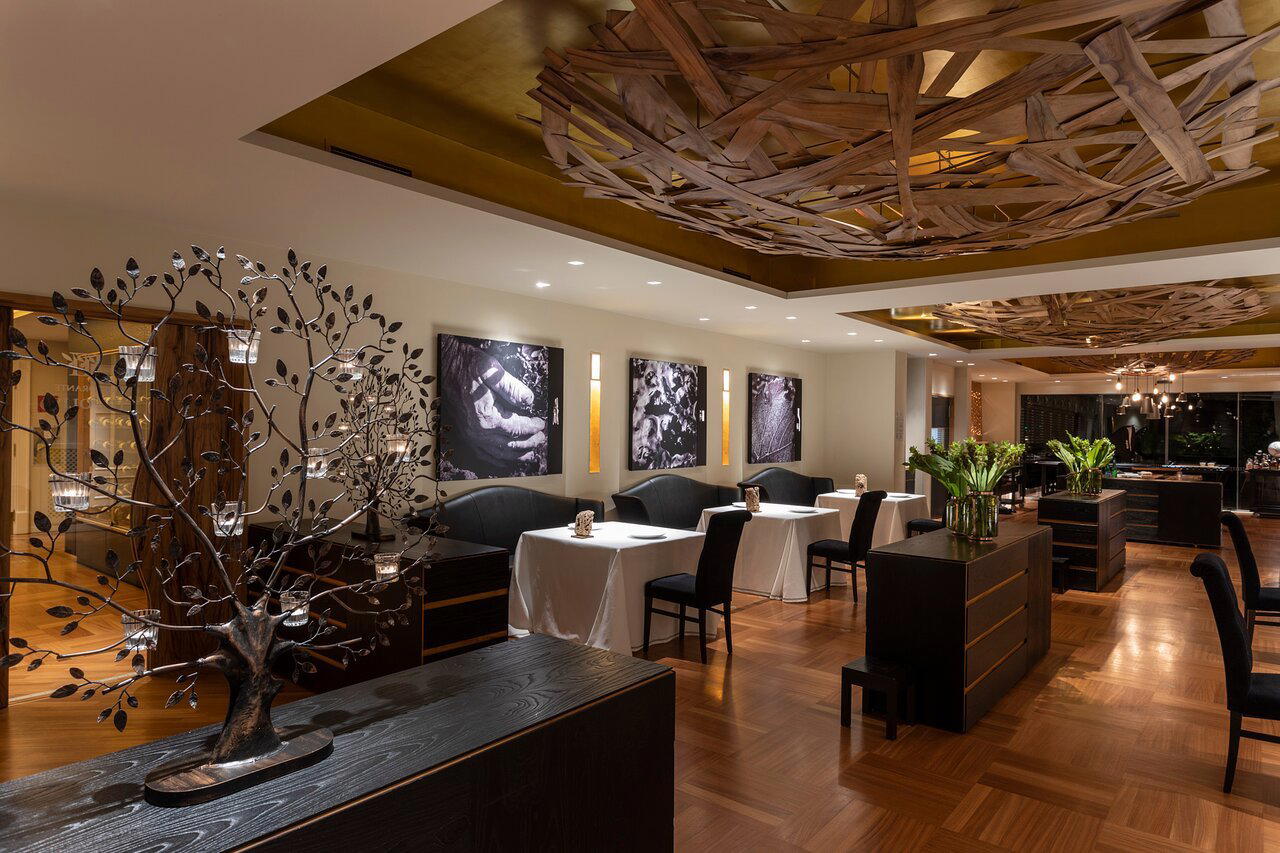
Bars in Paestum
Browse all →
Hotels in Paestum
Browse all →

At a Glance
- Romantic
- Scenic
- Elegant
- Sophisticated
- Date Night
- Celebration
- Special Occasion
- Private Event
- Wine Cellar
- Garden
- Waterfront
- Private Dining
- Terrace
- Extensive Wine List
- Sommelier Led
- Farm To Table
- Local Sourcing
- Organic
- Garden
- Waterfront
Current opening hours
- Monday
- Closed
- Tuesday
- 7:30–10:30 PM
- Wednesday
- 7:30–10:30 PM
- Thursday
- 7:30–10:30 PM
- Friday
- 7:30–10:30 PM
- Saturday
- 12:30–2:30 PM, 7:30–10:30 PM
- Sunday
- 12:30–2:30 PM
Hours can change for holidays and private events. Last verified .
Elegant dining room surrounded by windows overlooking natural grounds; aperitif service in a dramatic wine cellar creates an immersive, refined atmosphere with attention to environmental sustainability.