Casa D'Angelo New York
On Mulberry Street in the heart of Little Italy, Casa D'Angelo New York occupies a block with more Italian-American dining history per square foot than almost anywhere in Manhattan. The kitchen works within a tradition that prizes regional Italian cooking, while the wine program angles toward the kind of cellar depth that separates serious Italian dining rooms from neighborhood trattorias. Reservations are advised.
Pearl is the En Primeur Club membership app — saves, bookings, and concierge access live there. Same editors, same standards.
- Address
- 146 Mulberry St, New York, NY 10013
- Phone
- +12128048656
- Website
- cangelomulberry.com
- Directions
- Get directions
 Saves & bookings on Pearl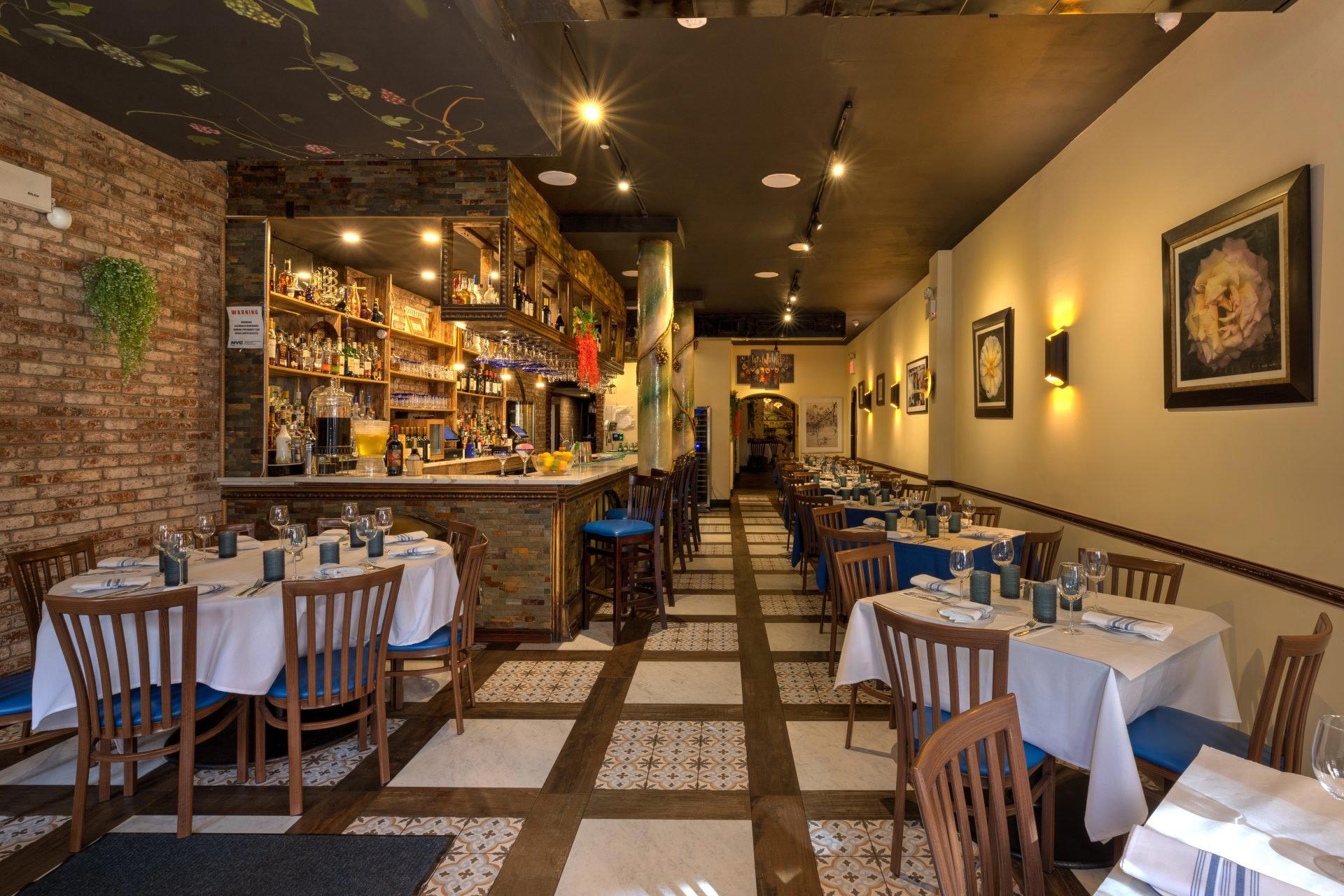
Little Italy's Italian-American Dining Tradition, and Where Casa D'Angelo Sits Within It
Mulberry Street has been the spine of Manhattan's Little Italy since the late nineteenth century, and 146 Mulberry remains one of the more storied addresses on a block that has housed Italian-American dining institutions through several cycles of culinary fashion. The neighborhood itself tells a compressed version of Italian immigration history: the original wave of southern Italian arrivals who settled in the area brought Neapolitan and Sicilian cooking traditions that became, over decades, the basis for what most Americans understand as Italian food. That cooking, red-sauce foundations, long-braised proteins, handmade pasta, has been reinterpreted constantly, but in Little Italy the continuity with those original traditions is part of the identity. Casa D'Angelo New York operates within that tradition and against the backdrop of a street that regulars and first-time visitors read differently.
It is worth placing this against the wider picture of serious Italian dining in New York City. The city's Italian restaurant tier has bifurcated sharply over the past two decades. At the upper end, tasting-menu formats and modernist Italian cooking have pulled a cluster of restaurants toward the same competitive set as Le Bernardin, Eleven Madison Park, and Per Se. Below that tier sits a much larger group of neighborhood-rooted trattorias and osterie where regional Italian cooking, not innovation, is the standard being upheld. Casa D'Angelo occupies the latter register: a dining room where the tradition is the point, not the departure from it. For readers who want the avant-garde end of New York dining, Atomix or Masa represent a different orientation entirely. Casa D'Angelo's comparable set is defined less by price tier and more by fidelity to a particular Italian-American culinary lineage.
The Wine Program as the Separating Variable
Among Italian restaurants in this segment of the market, the wine list is usually where the clearest quality signals emerge. A trattoria-format kitchen can execute its menu competently night after night; the cellar is harder to build and easier to neglect. The Italian wine canon is among the more demanding to curate well, Barolo alone spans over a dozen producers whose stylistic differences require genuine knowledge to communicate at the table, and that is before accounting for Barbaresco, Brunello di Montalcino, the whites of Friuli and Alto Adige, and the southern Italian varietals that have attracted serious critical attention over the past decade. Restaurants with genuine cellar depth in Italian wine tend to stock verticals of producers like Giacomo Conterno, Bruno Giacosa, or Gaja rather than a rotating selection of familiar labels.
The editorial question for any Italian dining room on Mulberry Street is whether the wine list reads as an afterthought or as evidence of genuine expertise. Comparable restaurants in other American cities that have built serious Italian cellars, Frasca Food and Wine in Boulder is a useful reference point, demonstrate that regional Italian wine curation can itself become a reason to visit. In the New York context, a well-managed Italian cellar anchored around specific producers, with sommeliers who can navigate aged Nebbiolo as fluently as they can a Campanian Fiano, puts a restaurant in a different category from those that treat wine as a margin exercise.
The Kitchen's Frame of Reference
Italian-American cooking at its most considered is not a simplified version of Italian cooking, it is a distinct tradition that developed in a specific place and time, shaped by the ingredient availability, economic conditions, and cultural negotiation of immigrant communities in American cities. The red-sauce tradition that defines Little Italy's public-facing identity is, from a culinary history perspective, a serious and coherent body of work. Long-cooked Sunday gravies, stuffed pastas, veal preparations, and the broader vocabulary of southern Italian-American cooking represent a tradition that restaurants like Dal Pescatore in Runate and Atelier Moessmer Norbert Niederkofler in Brunico engage with from the Italian side, while the American iteration, in a room like Casa D'Angelo, carries its own authority. The frame of reference matters: a guest eating on Mulberry Street is eating within a specific culinary geography, not a generic one.
For comparison elsewhere in the United States, Italian-influenced fine dining rooms have developed their own distinct identities: The French Laundry in Napa operates in a French idiom, while Blue Hill at Stone Barns in Tarrytown foregrounds American agricultural sourcing. The Italian-American dining room in a city neighborhood like Little Italy is doing something categorically different from either: it is maintaining a continuity with a living urban food culture rather than constructing a tasting menu argument. Emeril's in New Orleans, Lazy Bear in San Francisco, Smyth in Chicago, Providence in Los Angeles, Addison in San Diego, Single Thread Farm in Healdsburg, and The Inn at Little Washington each represent American dining at a specific creative register; Casa D'Angelo's register is more grounded in neighborhood continuity than in individual creative vision, which is a legitimate and often undervalued mode in serious dining criticism.
Planning a Visit
Casa D'Angelo New York is at 146 Mulberry Street in the Little Italy section of lower Manhattan, within walking distance of the Canal Street and Spring Street subway stations. Little Italy restaurants at this address level draw a mixed clientele of longtime neighborhood regulars, visitors to the area, and downtown Manhattan diners who return to the block for its historical associations. Given that dynamic, and the limited seating that characterizes most dining rooms in this part of the city, booking ahead is the practical approach rather than arriving speculatively, especially on weekends when Mulberry Street foot traffic is at its highest.
Standing Among Peers
Comparable venues nearby, for context on price, style, and recognition.
| Venue | Cuisine | Price | Notes |
|---|---|---|---|
| Casa D'Angelo New YorkThis venue — the venue you are viewing | Traditional Neapolitan Italian | $$$ | Not listed |
| See No Evil Slice | Neapolitan-Style Pizza with Artisanal Small Plates | $$$ | Midtown Manhattan |
| Alice | Coastal Italian Seafood & Lobster Bar | $$$ | Chelsea-Hudson Yards |
| AperiBar | Italianesque Mediterranean | $$$ | Midtown-Times Square |
| Primola | Traditional Tuscan and Central Italian | $$$ | Upper East Side-Lenox Hill-Roosevelt Island |
| Osteria Laguna | Modern Northern Italian Osteria | $$$ | Murray Hill-Kips Bay |
Continue exploring
More in New York City
Restaurants in New York City
Browse all →
Bars in New York City
Browse all →
Hotels in New York City
Browse all →






At a Glance
- Classic
- Cozy
- Elegant
- Date Night
- Group Dining
- Special Occasion
- Private Dining
Current opening hours
- Monday
- 11 AM–10:30 PM
- Tuesday
- 11 AM–10:30 PM
- Wednesday
- 11 AM–10:30 PM
- Thursday
- 11 AM–10:30 PM
- Friday
- 11 AM–10:30 PM
- Saturday
- 11 AM–10:30 PM
- Sunday
- 11 AM–10:30 PM
Hours can change for holidays and private events. Last verified .
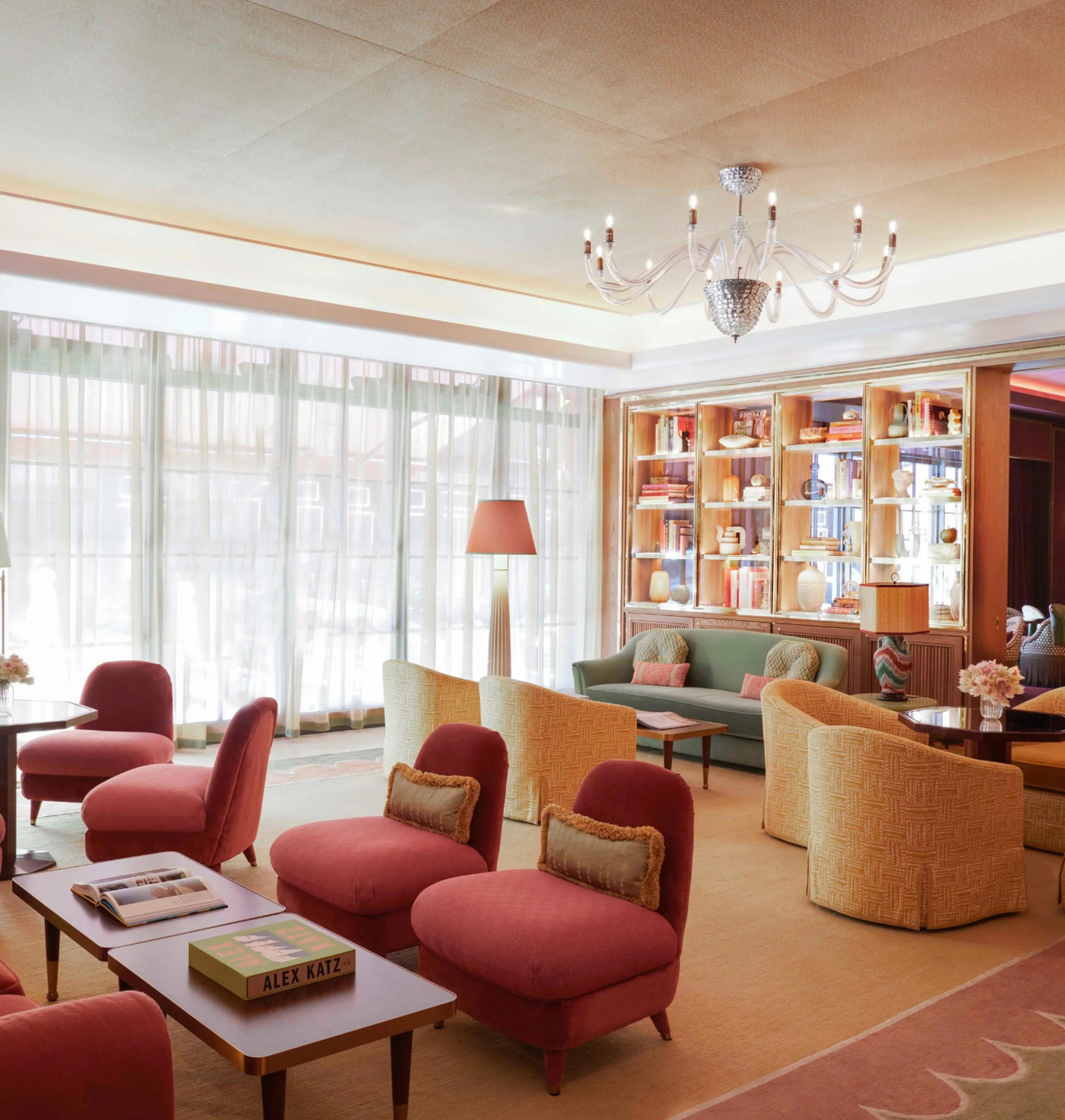
Cozy classic Italian atmosphere with warm lighting evoking old-world charm in the heart of Little Italy.