On Carrera 13 in Bogotá's Zona Rosa corridor, CASA occupies a residential address that the city's dining scene has quietly rerouted around. The format sits within a broader shift in Colombian fine dining toward spaces that trade spectacle for intimacy, where the room itself carries editorial weight. CASA is the kind of address that rewards prior knowledge over passing discovery.
Pearl is the En Primeur Club membership app — saves, bookings, and concierge access live there. Same editors, same standards.
- Address
- Kr 13 #85 - 24, Bogotá, Colombia
- Phone
- +573115165663
- Website
- restaurante-casa.com
- Directions
- Get directions
 Saves & bookings on Pearl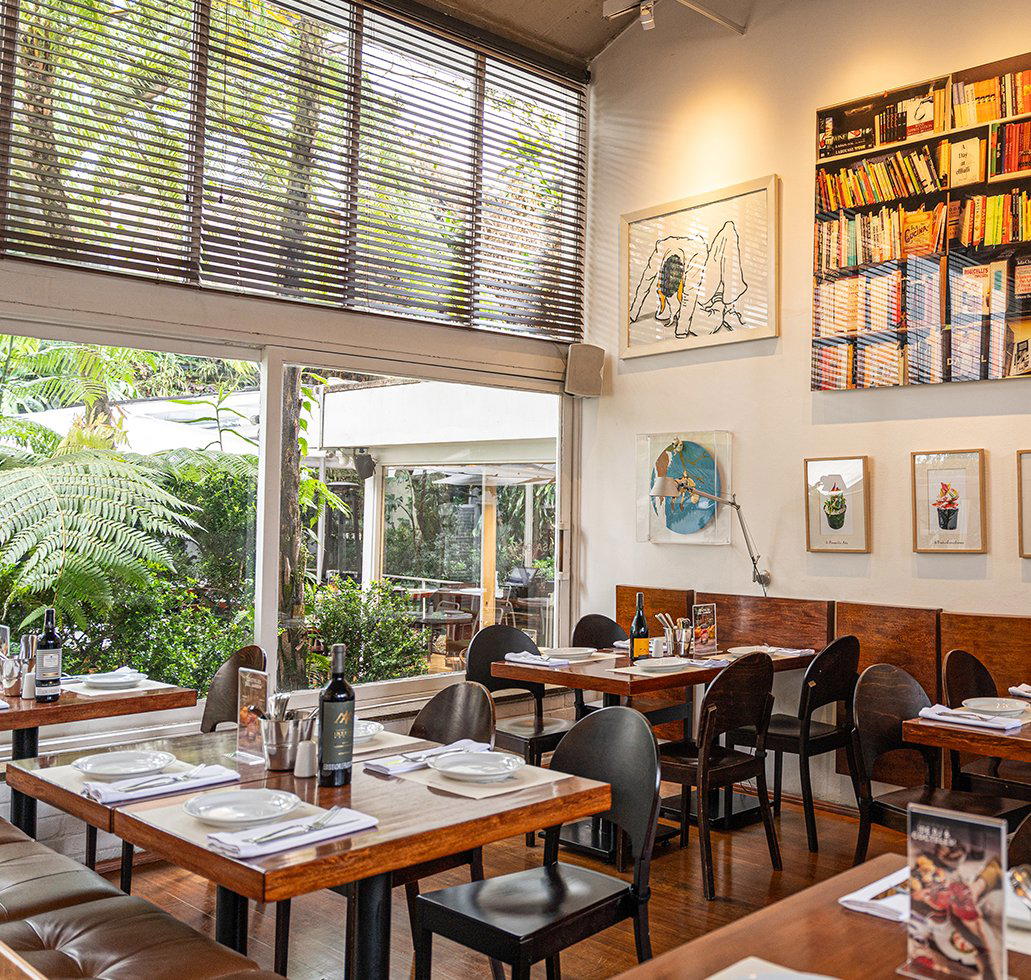
A Room That Precedes Its Reputation
Bogotá's northern dining corridor has reorganized itself over the past decade. The Zona Rosa and its adjacent streets along Carrera 13 near Calle 85 began as the city's obvious premium address, then watched a wave of newer openings push toward Usaquén and the quieter residential pockets of Chicó. What has survived that centrifugal pull in the original corridor tends to have structural reasons for its staying power, reasons that go beyond novelty. CASA, at Kr 13 #85-24, Bogotá, is a restaurant serving Contemporary Spanish Gastronomy at about $80 per person.
A subset of the country's most-discussed restaurants have consistently favored house formats over restaurant formats, using converted residential architecture to signal a particular relationship between kitchen and guest. The approach positions the dining experience closer to private hospitality than commercial service, which changes the pacing, the room acoustics, and the expectation management before anyone has ordered. CASA's address places it squarely in that tradition.
How the Zona Rosa Category Has Shifted
Understanding where CASA sits now requires a brief account of how this part of Bogotá has changed. Through the early 2000s, the Zona Rosa operated as the city's dominant premium dining address, with international-facing menus and formats calibrated for corporate dining and hotel-adjacent spending. That first phase prioritized scale and legibility. The second phase, roughly from 2010 onward, brought a different set of concerns: Colombian ingredient sourcing, the credentialing of regional produce, and a growing interest in the country's biodiversity as a culinary argument rather than a decorative one. Restaurants like Leo (Modern Colombian) and El Chato (Modern Colombian) became reference points for that second wave, operating as evidence that Bogotá could hold its own in a conversation about serious contemporary cooking.
The third phase, which is where CASA now operates, is quieter and harder to map. It involves addresses that have moved past the need to prove a national argument and are instead focused on the quality of a specific evening in a specific room. The competitive set in this phase is not defined by cuisine type or price bracket alone but by format discipline and the coherence between physical space, kitchen direction, and service register. Debora Restaurante and Afluente operate within a similar orientation in the city, each using a tightly controlled spatial identity to anchor a kitchen conversation that resists easy categorization.
The Architecture of a Pivot
Colombian dining addresses at this price point and address tier either lean into high-production theatrical formats or retreat into something closer to the supper club model, where the evening's success depends on curation and sequence rather than any single element. The latter requires a room that can sustain atmosphere across multiple hours, which is where residential architecture earns its keep. High ceilings, natural material transitions, and the absence of the usual restaurant acoustic surfaces produce a different kind of evening than a purpose-built dining room.
Across Colombia, frequently discussed pivots in contemporary dining have involved exactly this kind of formal recalibration. Abasto Quinta Camacho in Bogotá represents one version of the neighborhood-anchored format that has succeeded the destination-dining model. Harry Sasson in the city represents the longer-arc version of that evolution, a restaurant that has reinvented its register multiple times over two decades without abandoning its core address. The pattern across these examples is consistent: the restaurants that have aged well in Bogotá's northern zone are those that treated their physical format as a living argument rather than a fixed proposition.
Placing CASA in the Wider Colombian Conversation
Colombian dining in 2024 is not a single conversation. The country's geographic spread means that restaurant cultures in Cartagena, Medellín, Cali, and Bogotá have developed distinct rhythms and reference points. Coastal formats like El Boliche Ceviche in Cartagena and Sevichería Guapi in Santiago De Cali work within seafood traditions and informal registers that have almost nothing in common with Bogotá's altitude-influenced, more European-adjacent fine dining posture. The capital's premium tier, of which CASA is a part, has historically skewed toward the kind of cooking that can sustain a tasting format or a long menu without relying on the climatic and scenic advantages available to coastal or valley restaurants.
Further afield, restaurants like X.O. in Medellín and Domingo in Cali are building similar arguments about Colombian cooking's range, each in their respective city contexts. What these addresses share with CASA is a willingness to operate in the space between national pride and international technical conversation, drawing on Colombian identity without reducing it to a marketing position. Donde Mama in Barranquilla and BK - BURUKUKA in Santa Marta demonstrate how that same ambition translates to coastal formats. The contrast is useful because it clarifies what is specific to Bogotá's approach: a formality of structure that coastal informality deliberately resists.
Planning a Visit
CASA is located at Kr 13 #85-24 in Bogotá, placing it on the Zona Rosa's main axis and within walking distance of the Parque de la 93 cluster of restaurants. The address is direct to reach by taxi or app-based car service from most northern Bogotá neighborhoods, and the surrounding area is active enough in the evenings to pair a dinner with drinks beforehand at neighboring spots.
Where the Accolades Land
Comparable venues nearby, for context on price, style, and recognition.
| Venue | Cuisine | Price | Notes |
|---|---|---|---|
| CASAThis venue — the venue you are viewing | Contemporary Spanish Gastronomy | $$$$ | Not listed |
| Adriano | Modern Spanish fine dining | $$$ | .null |
| Gamberro | Spanish-Colombian Fusion | $$$ | El Chico |
| Restaurante Armadillo | Californian-Colombian Fusion | $$$$ | Bellavista |
| La Macarena | Spanish Tapas | $$ | La Macarena |
| Salvo Patria | Modern Colombian | $$$ | Bosque Calderon |
At a Glance
- Elegant
- Classic
- Sophisticated
- Modern
- Date Night
- Business Dinner
- Special Occasion
- Celebration
- Historic Building
- Design Destination
- Open Kitchen
- Extensive Wine List
Current opening hours
- Monday
- 12–10 PM
- Tuesday
- 12–10 PM
- Wednesday
- 12–10 PM
- Thursday
- 12–11 PM
- Friday
- 12–11 PM
- Saturday
- 12–11 PM
- Sunday
- 12–6 PM
Hours can change for holidays and private events. Last verified .
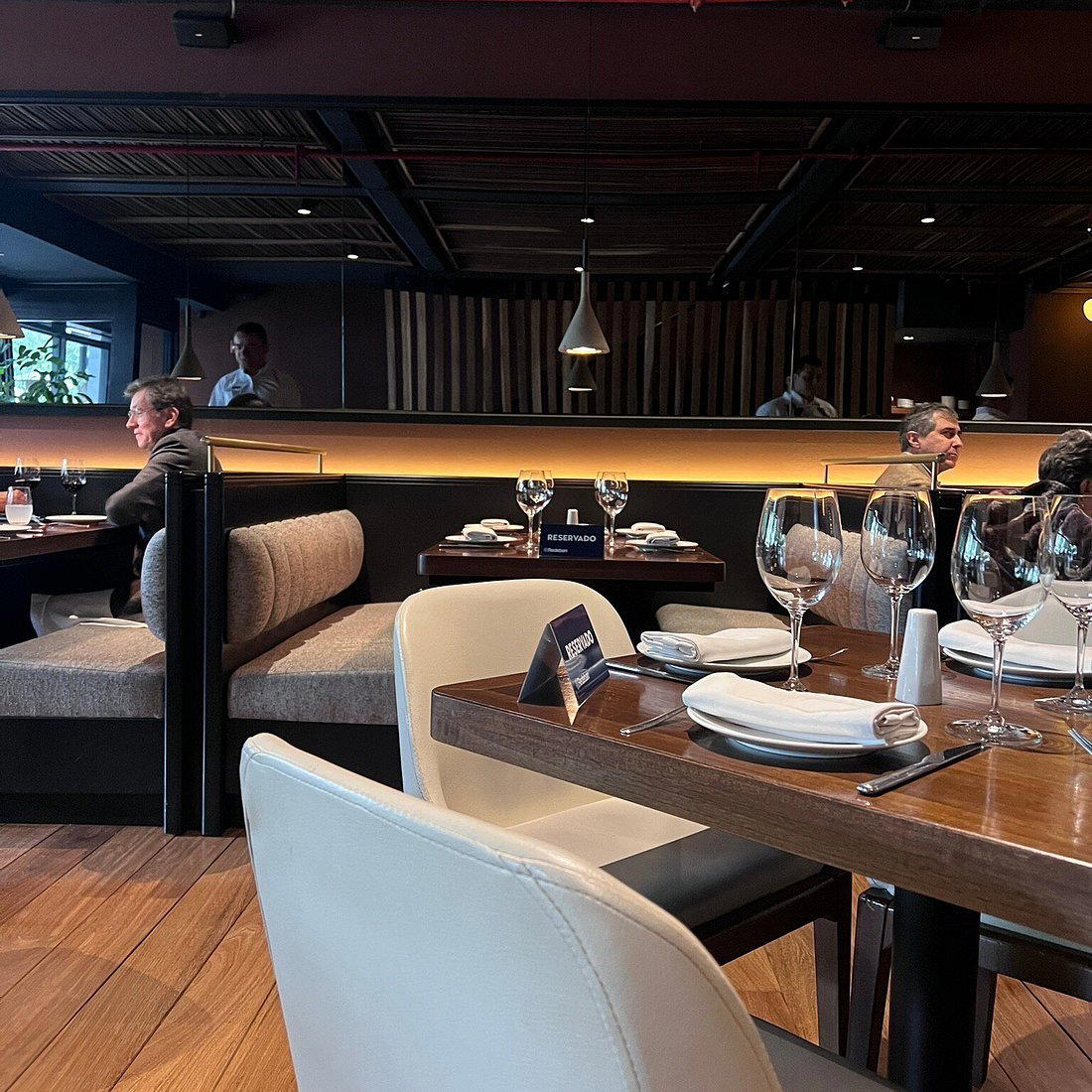
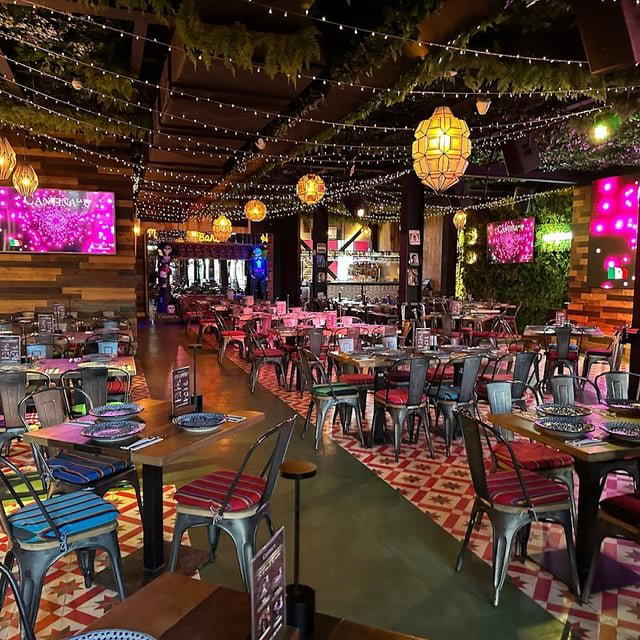
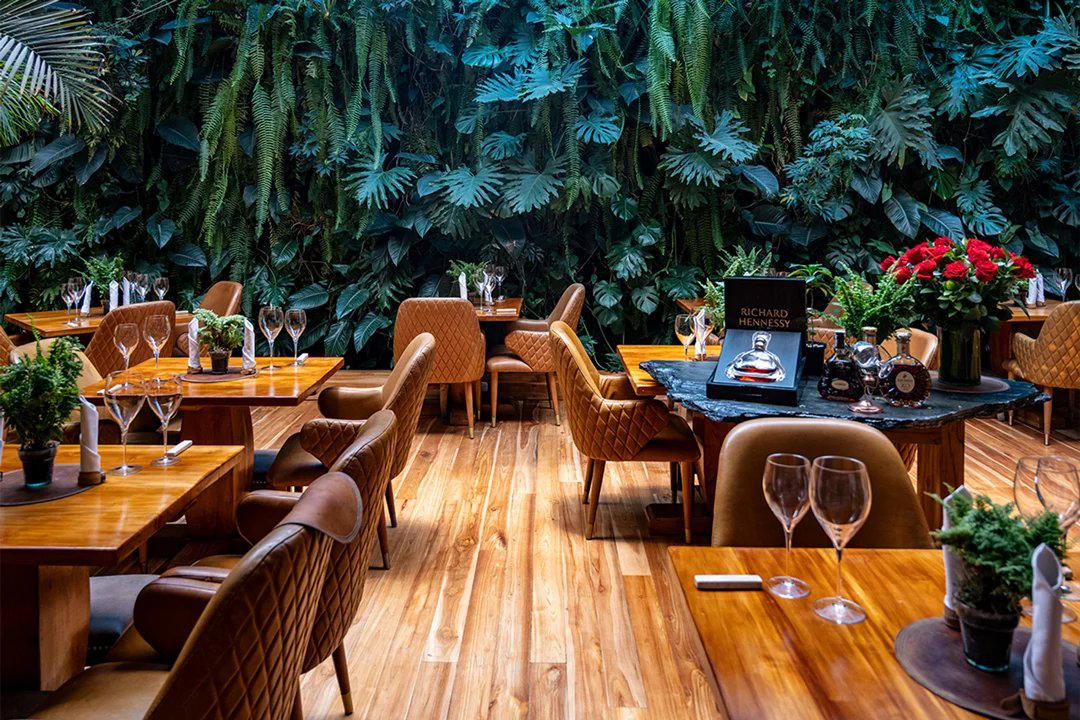
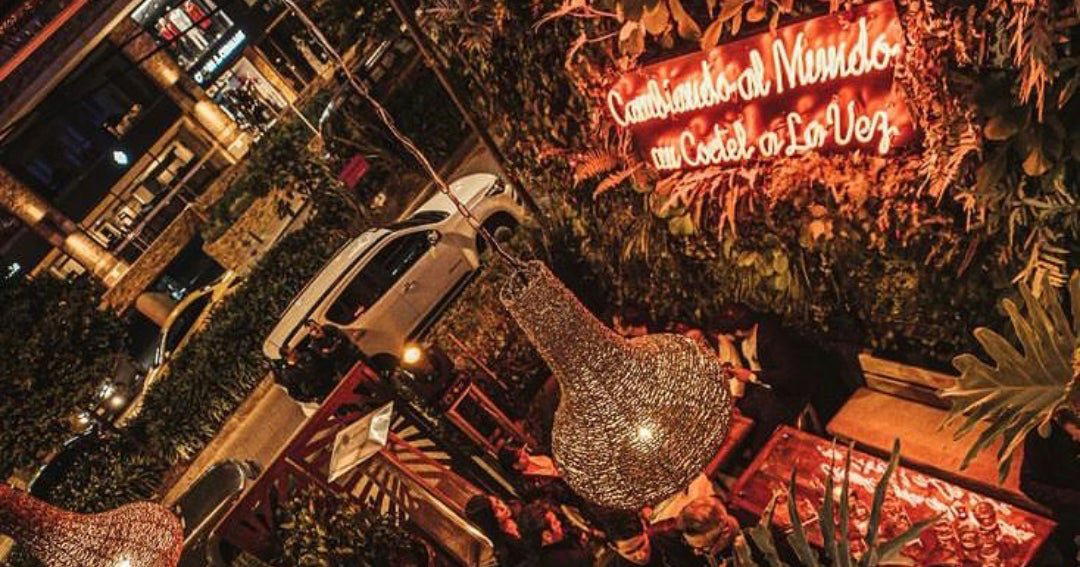
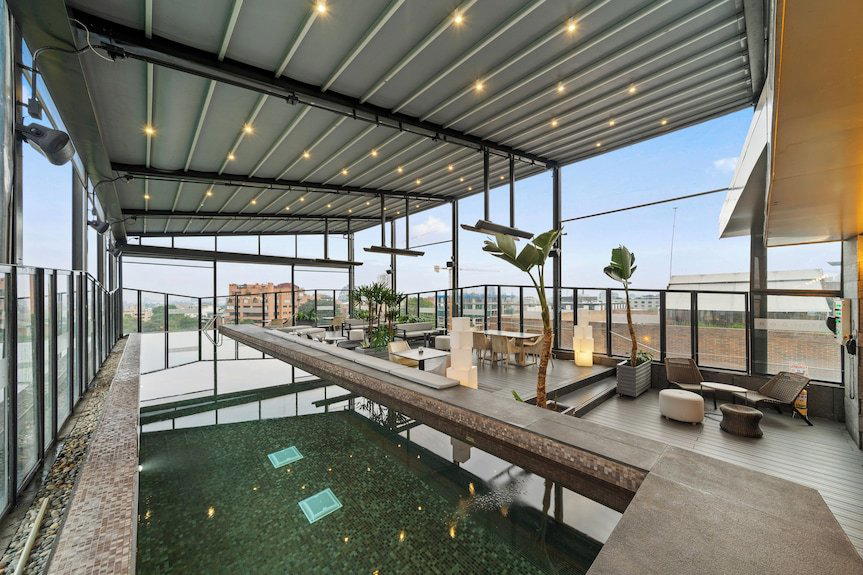
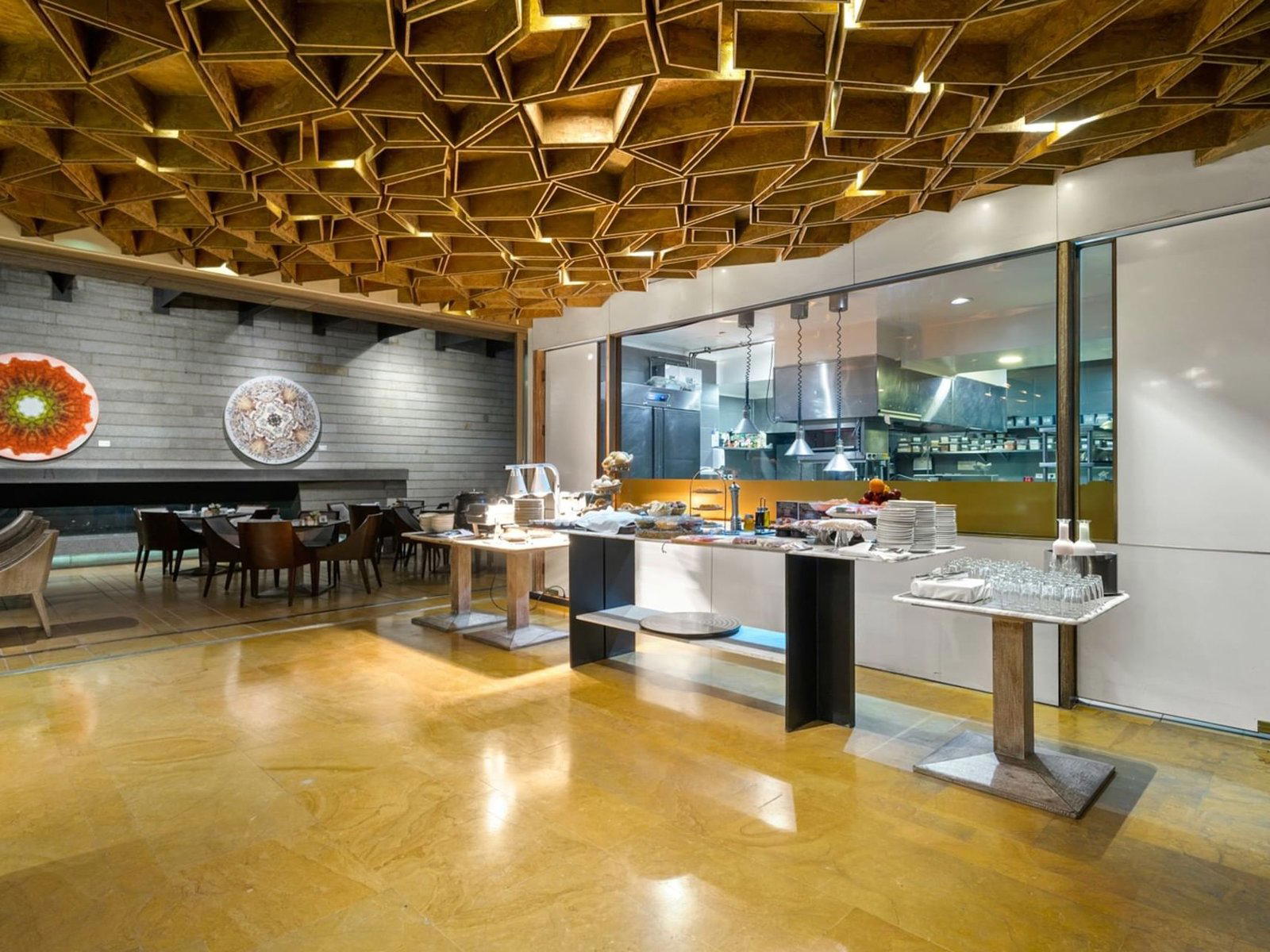
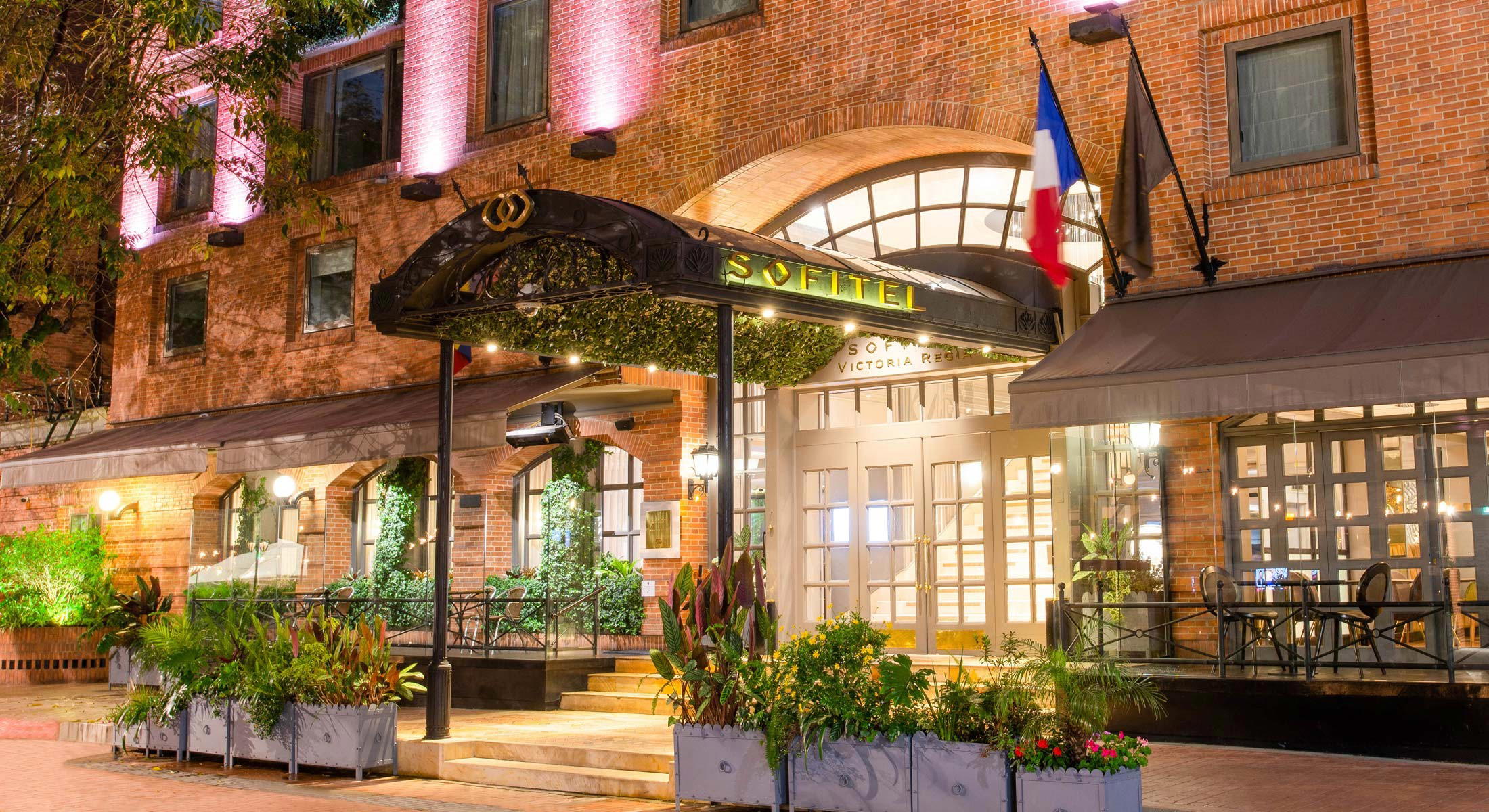
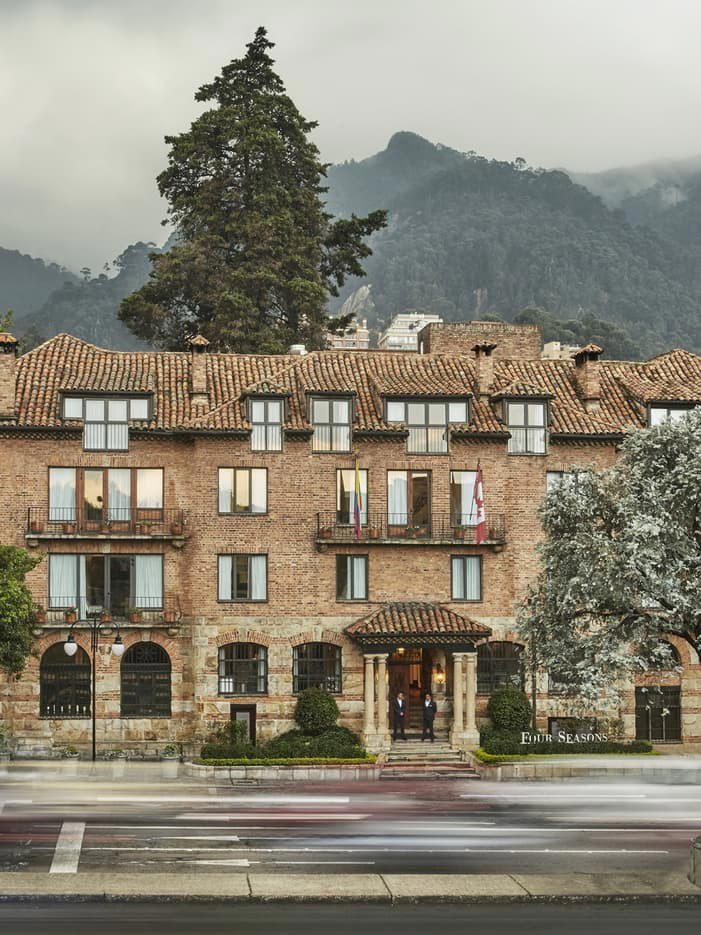
Warm and inviting with elegant surroundings, featuring wood-carved furniture, timber-beam ceilings, and a sophisticated yet approachable atmosphere that balances classic architectural heritage with contemporary dining.