Our verdict
Carşı Muhallebicisi occupies a particular position in Istanbul's traditional sweets culture, where milk-based puddings and slow-cooked desserts have anchored neighbourhood life for generations. Set against the backdrop of a city increasingly pulled toward modern tasting menus, it represents the strand of Turkish culinary tradition that predates restaurant culture entirely. For visitors mapping Istanbul's food geography, it sits in a different register from the city's ₺₺₺₺ fine-dining tier.

Pearl is the En Primeur Club membership app — saves, bookings, and concierge access live there. Same editors, same standards.
- Address
- Istanbul, Turkey
- Directions
- Get directions
The menu
What to order
- Chicken soup
- Muhallebi
- Kazandibi
- Sütlaç
Where the Street Meets the Counter
The muhallebici is one of Istanbul's oldest commercial food formats: a dedicated dairy-dessert shop serving milk puddings, rice-flour sweets, and cold drinks, occupying a role somewhere between a patisserie and a neighbourhood canteen. Long before the city's modern dining scene produced restaurants like Turk Fatih Tutak or Mikla, these counters were the places where Istanbullus paused between errands, ate standing or on simple stools, and paid little. Carşı Muhallebicisi operates within that tradition. Its name signals location before identity: a muhallebici of the çarşı, the bazaar district, the commercial neighbourhood, the market street. It is a place defined by where it sits as much as what it serves.
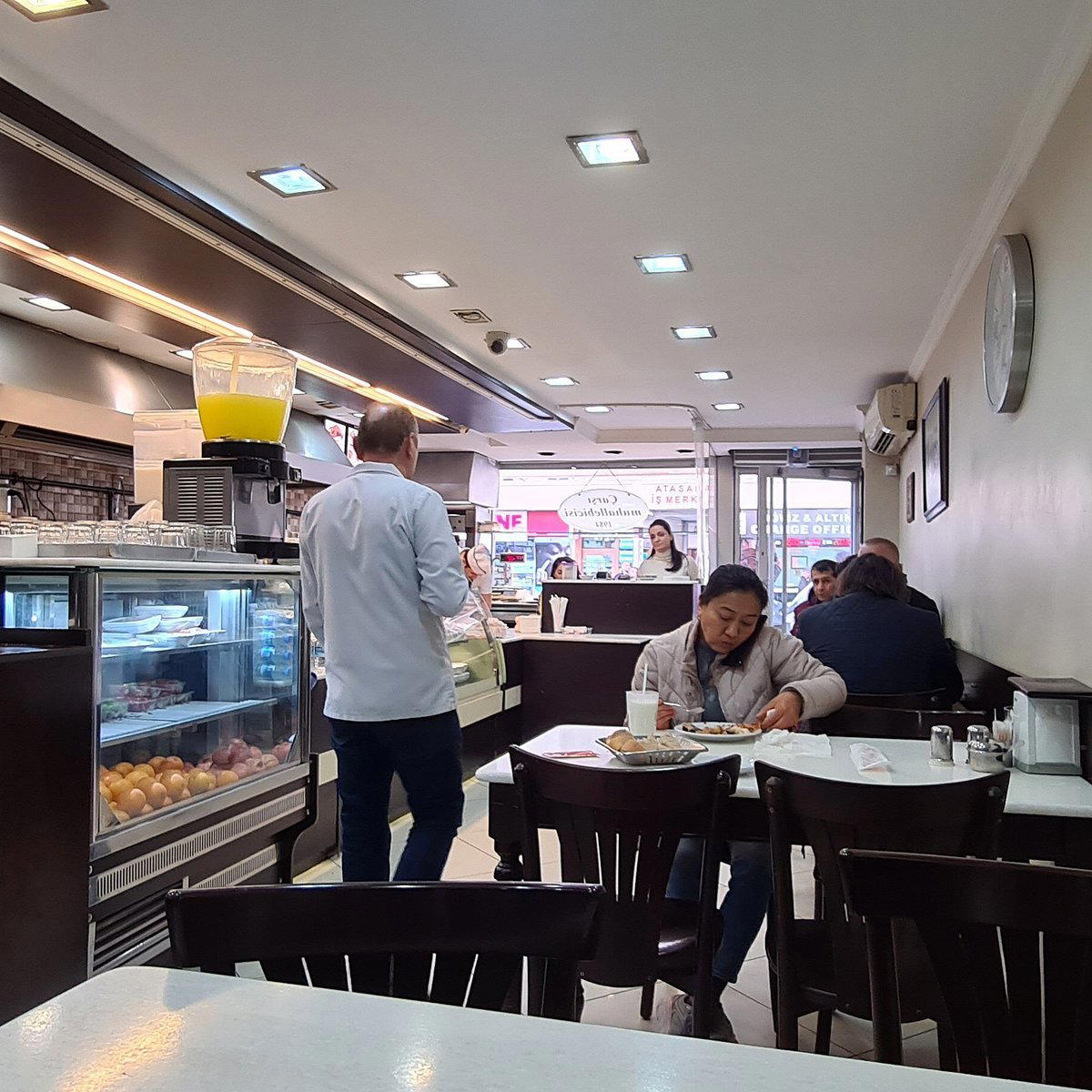
Approaching a traditional muhallebici in Istanbul's older commercial quarters, you read the format before you read the menu. The glass display case near the entrance holds trays of set puddings, each labelled by type. The lighting is functional rather than atmospheric. There is no reservation system, no dress code, no sommelier. These are not omissions; they are the operating logic of a format that has remained consistent across generations precisely because it serves a different need than a tasting-menu room. The comparison set for a place like Carşı Muhallebicisi is not Neolokal or Arkestra. It is the other muhallebicis on the same streets, judged by consistency, freshness, and the quality of the milk itself.
The Pudding Counter as Urban Institution
Istanbul's relationship with milk-based sweets stretches back to the Ottoman period, when dedicated shops supplied the city's working population with affordable, high-protein food that required no cooking equipment at home. The muhallebici was a convenience format as much as a pleasure format. Dishes like tavuk göğsü (a milk pudding containing shredded chicken breast, opaque and faintly savoury beneath its sweetness), sütlaç (baked rice pudding with a scorched leading), and kazandibi (caramelised milk pudding with a browned, almost sticky underside) are all products of this tradition. They require careful temperature control, patient stirring, and precise setting times. The craft involved is not visible in the finished product, which is part of what makes the category easy to underestimate.
The çarşı setting reinforces the format's original purpose. Istanbul's bazaar districts, whether the covered streets near the Grand Bazaar, the Spice Bazaar approaches, or the busy commercial corridors of Eminönü and Beyazıt, have always generated a particular kind of foot traffic: people moving quickly, eating briefly, spending modestly. A muhallebici positioned within that current draws on it constantly. The food is ready when you arrive. The transaction is fast. The return rate is high, because the clientele is primarily local and repeat. This is distinct from the visitor-facing casual dining concentrated in Beyoğlu or the neighbourhood restaurant culture of Kadıköy, and it is worth understanding as its own category before treating it like a restaurant to be evaluated by the same standards.
For context on how Istanbul's food geography spreads across different registers, the full Istanbul restaurants guide maps the city's dining scene from its most formal tasting counters down to its essential street-format institutions. Carşı Muhallebicisi belongs to the latter end of that range, alongside entries like Dürümzade in Beyoğlu in terms of format simplicity and neighbourhood embeddedness, though the product category is entirely different.
The Muhallebici in a City Moving Upmarket
Istanbul's restaurant scene over the past decade has invested heavily in the premium tier. The concentration of ₺₺₺₺ modern Turkish addresses has grown sharply, with venues like Casa Lavanda adding to a field already populated by internationally recognised names. This upward movement has not displaced the traditional formats, but it has changed the frame through which visitors encounter them. Travellers arriving in Istanbul with a list of Michelin-recommended addresses may not naturally move from a tasting menu to a pudding counter on the same trip, but the two represent different halves of a complete picture of the city's food culture.
Turkey's regional sweet traditions are substantial, and the muhallebici format is only one strand. Baklava culture, centred in cities like Gaziantep, produces specialists such as Kocak Baklava, operating in a completely different register of sugar and nut work. Coastal restaurants like Maçakızı in Bodrum or Narımor in Izmir represent the Aegean strand of Turkish dining. The muhallebici sits apart from all of these, specific to the urban Anatolian and Istanbul tradition of dairy-based, grain-thickened sweets served cold or at room temperature.
What the leading examples of this format share, regardless of location, is a commitment to the base ingredient: full-fat, fresh milk, in quantity. The puddings are largely milk by volume, and the flavour of a poor version of sütlaç or muhallebi tells you immediately that the milk was not good or the cooking was rushed. A muhallebici that maintains its customer base across years of a highly competitive, transit-heavy location is making a repeatable product that holds up to daily re-evaluation by people who know exactly what it should taste like. That is a different kind of trust signal than a Michelin star, but it is a trust signal nonetheless.
Planning a Visit
The practical logic of visiting a muhallebici is the inverse of booking a tasting-menu restaurant. There are no reservations, no lead times, and no seasonal menu windows to track. The operating hours follow market and neighbourhood rhythms rather than service periods: daytime and early evening, aligned with the commercial activity of the surrounding streets. Walk-in is the standard mode. Ordering is done at or near the counter, and the format rewards decisiveness: the display case shows what is available, and the names of the core dishes are consistent across the tradition.
For visitors already planning to see the Grand Bazaar or Spice Bazaar, the çarşı muhallebicisi format fits naturally into the same itinerary, requiring no detour and no scheduling. It is the kind of eating that restores rather than demands, a counterweight to the longer, more considered meals at places like Asitane in Fatih, which reconstructs Ottoman palace cuisine a short distance away and operates in a completely different register of formality and historical reference. Together, they map two ends of Istanbul's relationship with its own culinary past: one scholarly and reconstructive, the other continuous and unreflective, still doing the same thing it has always done because there has never been a reason to stop.
For those extending a food trip beyond Istanbul, comparison points include Hiç Lokanta in Urla and Kritikos Meyhane in Mudanya for regional Aegean dining in a different key. Within Istanbul itself, the contrast between a çarşı pudding counter and a full-format dinner at a place like Bayramoğlu Döner in Beykoz illustrates how far Istanbul's eating geography spreads across the Bosphorus. Internationally, the discipline and specificity of a single-category specialist format is not unique to Istanbul: Le Bernardin in New York City and Atomix in New York City represent the same logic of deep category commitment at the opposite end of the formality spectrum. The commitment to one thing, done repeatedly and correctly, is the constant.
Frequently asked questions
Is Carsi Muhallebicisi a good option for understanding traditional Istanbul dessert culture?
The muhallebici format is one of Istanbul's oldest commercial food institutions, predating the modern restaurant by centuries. Visiting a counter like Carsi Muhallebicisi places you inside that continuity rather than a contemporary reinterpretation of it. For anyone tracing the city's food history through its surviving institutions, this is the category to start with.
What should I order at Carsi Muhallebicisi?
The core of any muhallebici menu is the milk puddings: muhallebi (plain rice-flour pudding), kazandibi (caramelised base pudding), and sutlac (baked rice pudding). These are the formats the format was built around, and they remain the reason the counter exists in Istanbul's food culture.
How far ahead should I plan for Carsi Muhallebicisi?
No reservation is needed. The muhallebici operates as a walk-in counter by design, the inverse logic of a tasting-menu restaurant. Visiting is a matter of turning up, not scheduling weeks ahead.
What's Carsi Muhallebicisi best at?
It operates in a format Istanbul has sustained since the Ottoman period: a dedicated shop serving milk-based sweets to the city's working population. The muhallebici's strength is consistency and accessibility within that tradition, not innovation or spectacle.
The Short List
| Venue | Cuisine | Price | Awards | Notes |
|---|---|---|---|---|
| Carsi MuhallebicisiThis venue — the venue you are viewing | Traditional Turkish Desserts & Chicken Soup | $10–20 | Not listed | Not listed |
| Turk Fatih Tutak | Modern Turkish Fine Dining | $200–300 | 2 Michelin Stars · World's 50 Best #66 | Modern Turkish, ₺₺₺₺ |
| Mikla | New Anatolian Kitchen | $100–150 | 1 Michelin Star · World's 50 Best #44 | Modern Turkish, Mediterranean Cuisine, ₺₺₺₺ |
| Neolokal | Modern Turkish Fine Dining | $200–300 | 1 Michelin Star · World's 50 Best #100 | Modern Turkish, Turkish, ₺₺₺₺ |
| Arkestra | Modern European with Global Influences | $100–150 | 1 Michelin Star · Gault & Millau Türkiye 3 Toques | Fusion, ₺₺₺₺ |
| Nicole | Contemporary Turkish Fine Dining | $150–200 | 1 Michelin Star · Gault & Millau Türkiye 3 Toques | Modern Turkish, Modern Cuisine, ₺₺₺₺ |

Details
- Classic
- Cozy
- Casual Hangout
- Historic Building
- A La Carte
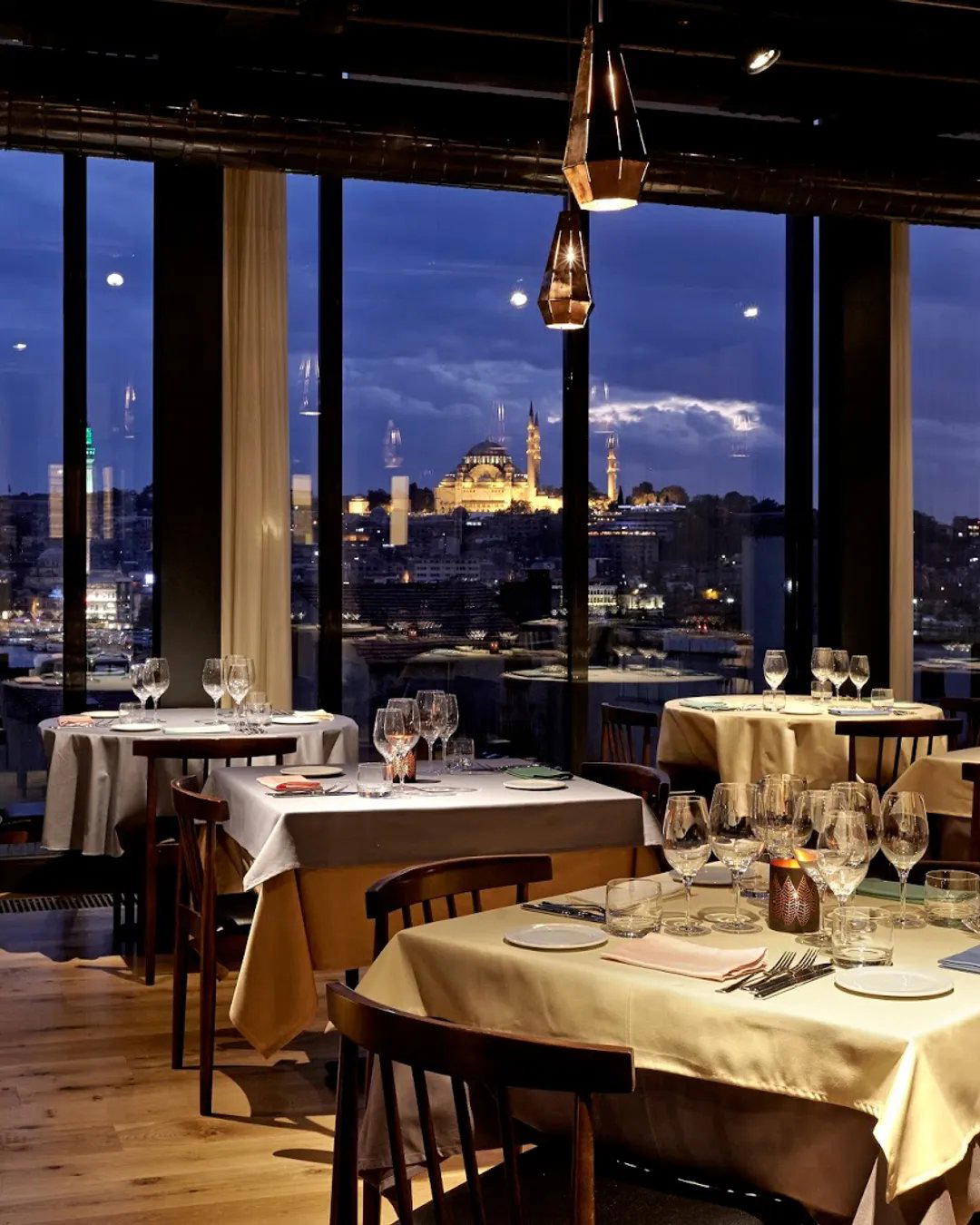
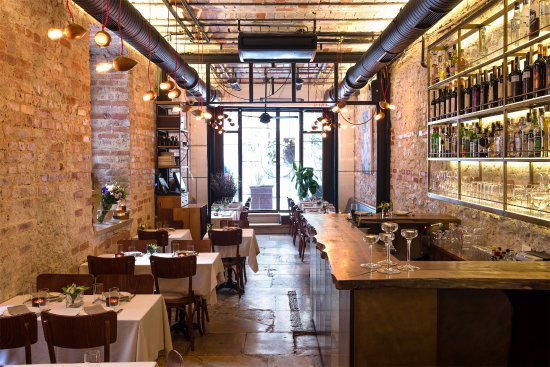
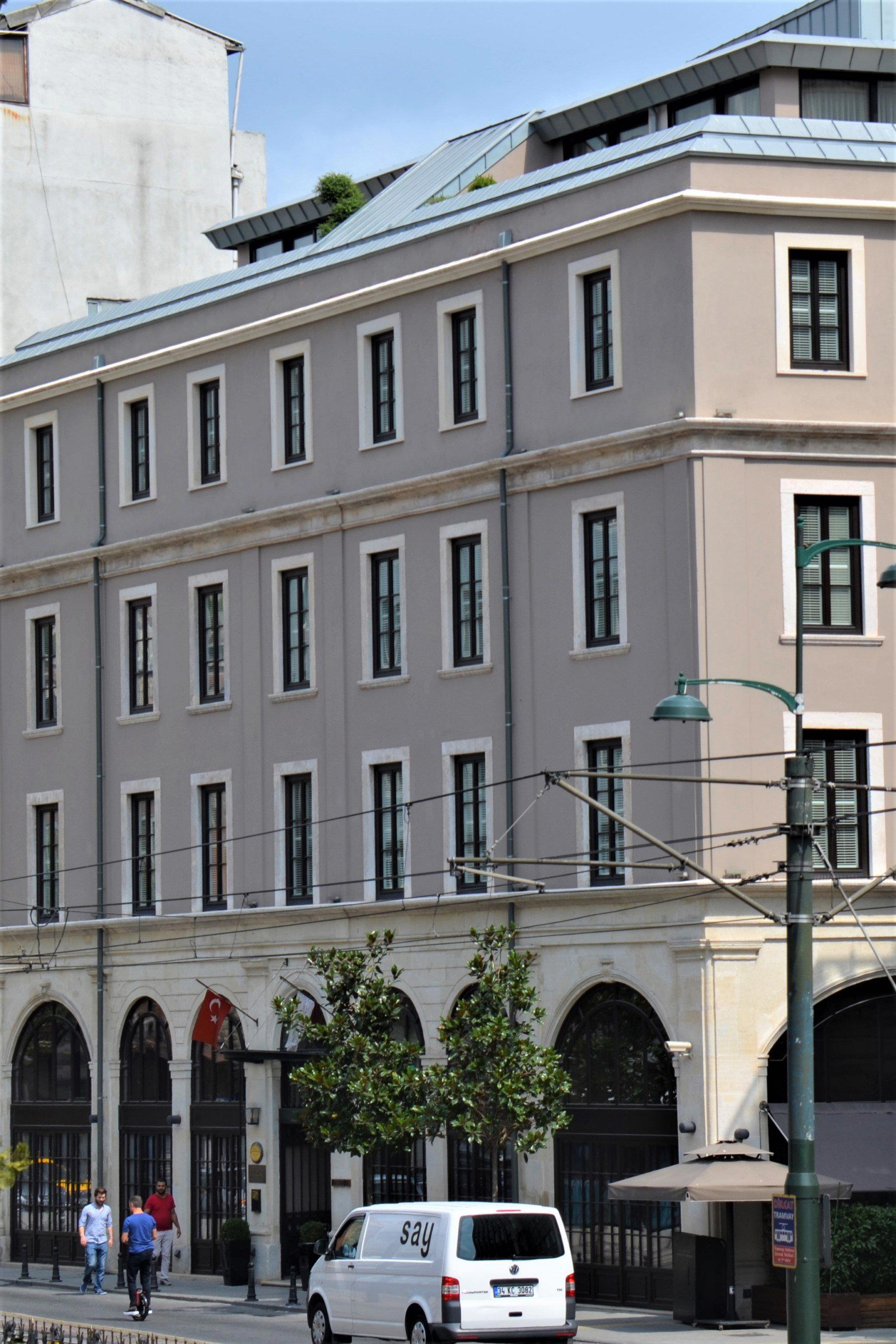
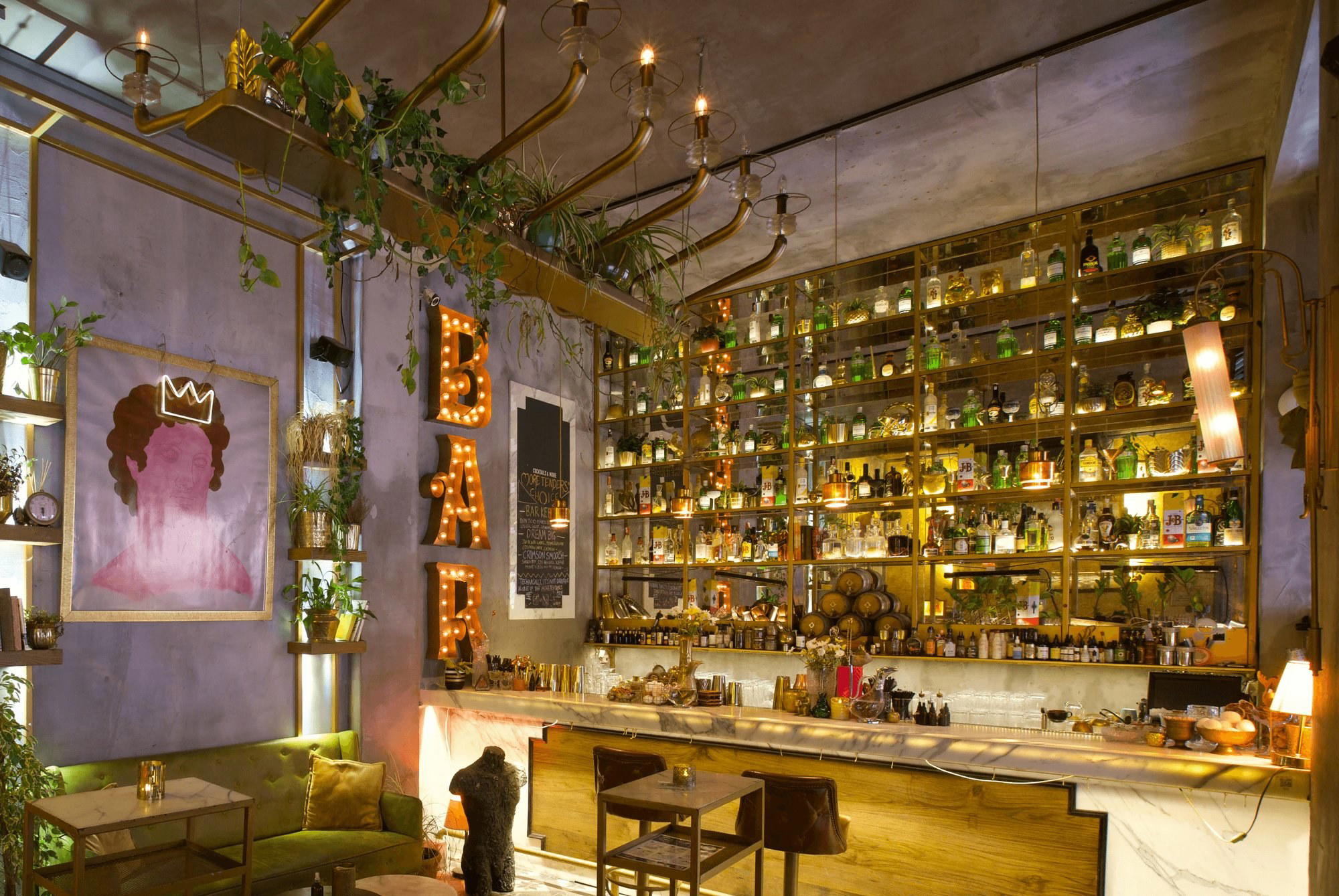
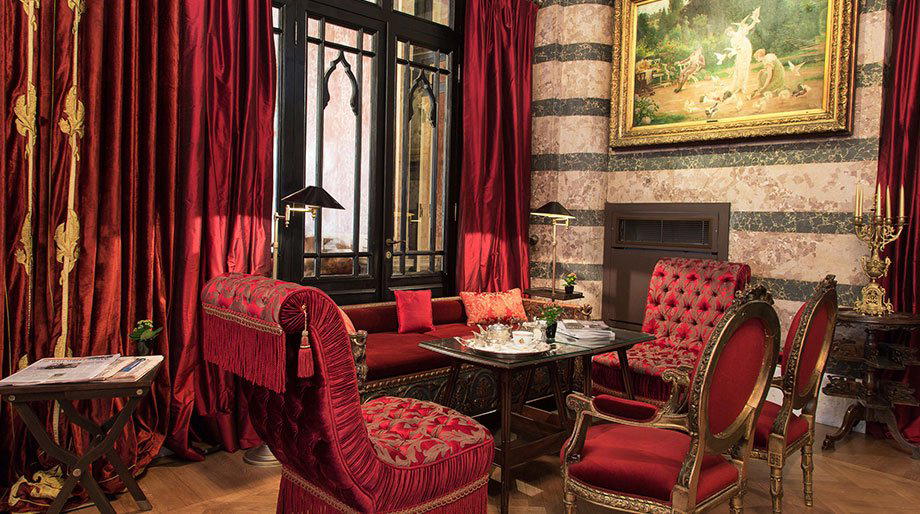
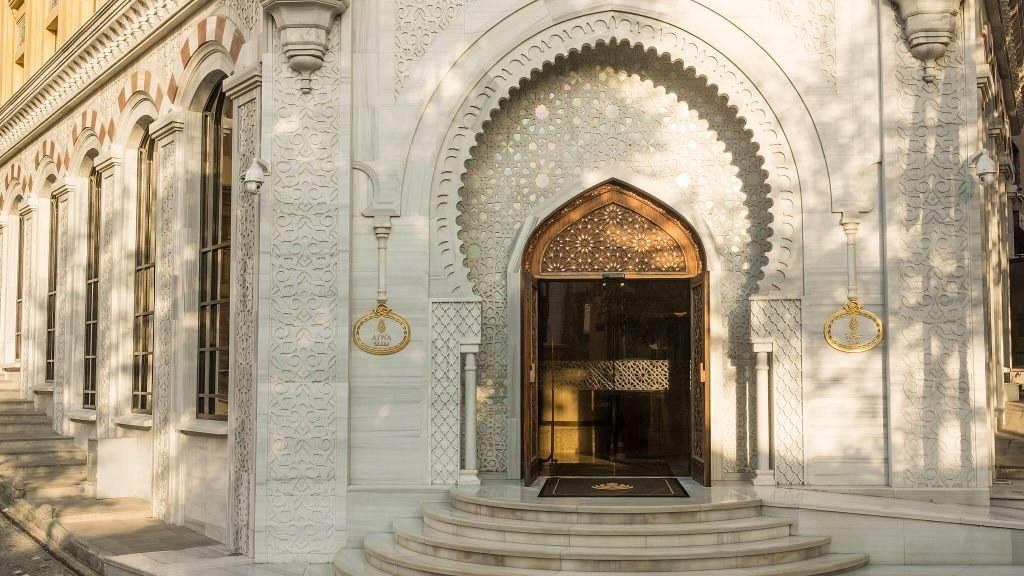
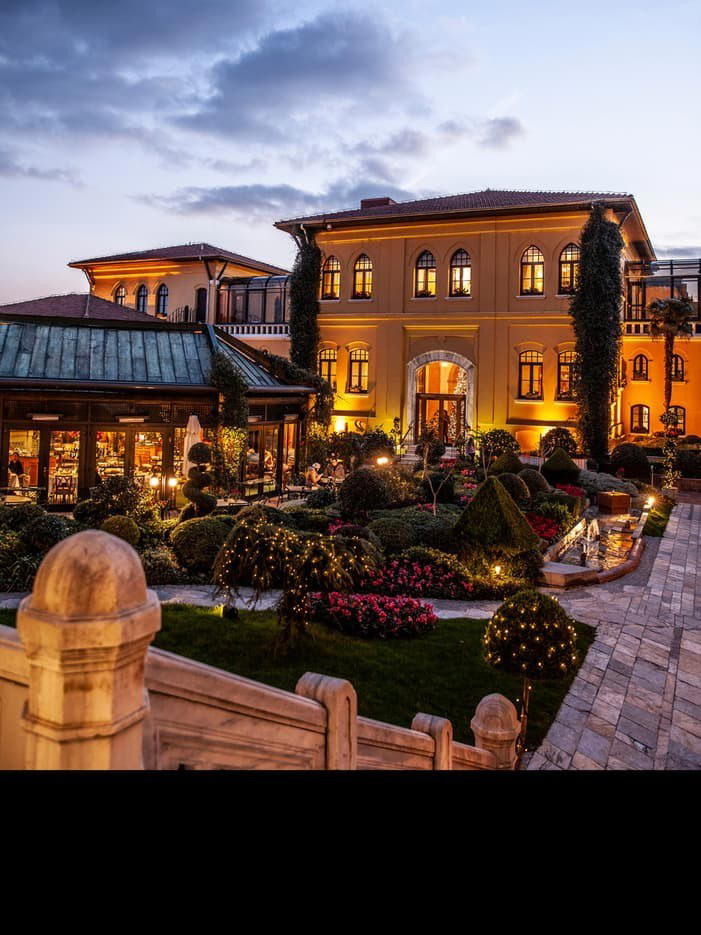
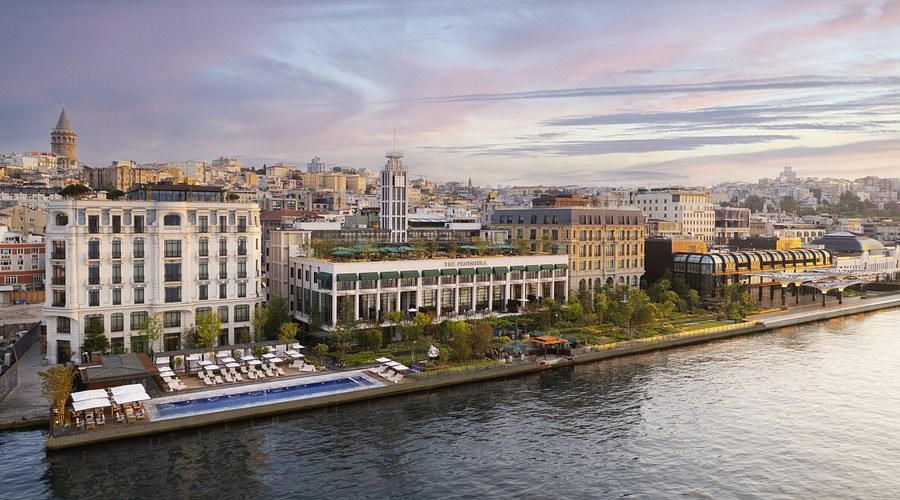
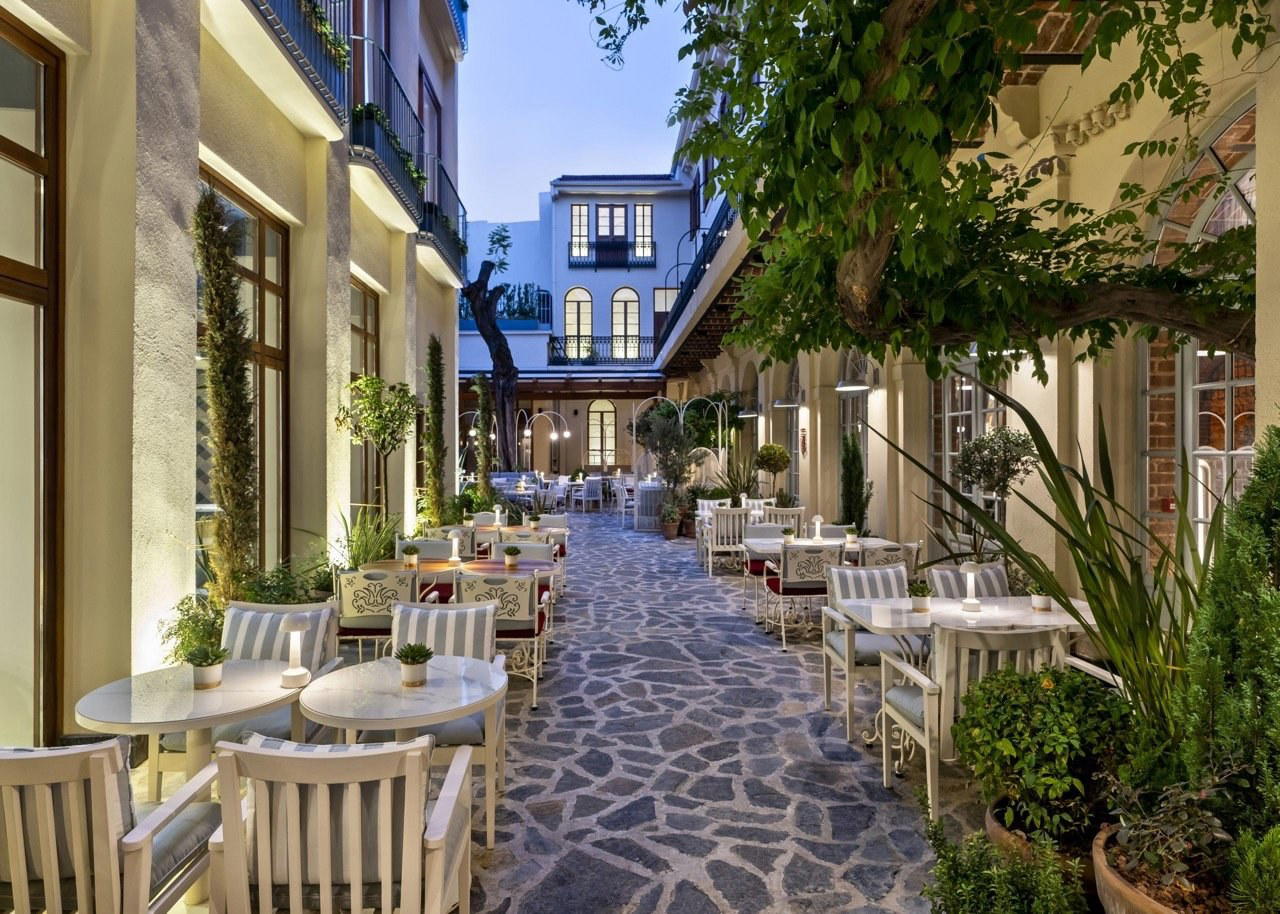
Cozy and traditional atmosphere evoking classic Turkish pudding shops.