In Beyoğlu's Arap Cami quarter, Mutfak Dili Ev Yemekleri occupies a different register from Istanbul's high-profile modern Turkish restaurants. Where venues like Mikla and Neolokal reframe Anatolian cooking through contemporary technique, this is home-style cooking, ev yemekleri, presented without theatre. The address alone signals a deliberate step away from Beyoğlu's louder dining circuit.
- Address
- Arap Cami, Ziyalı Sk. No:8, 34421 Beyoğlu/İstanbul, Türkiye
- Phone
- +90 212 254 11 54
- Website
- mutfakdili.biz
- Directions
- Get directions
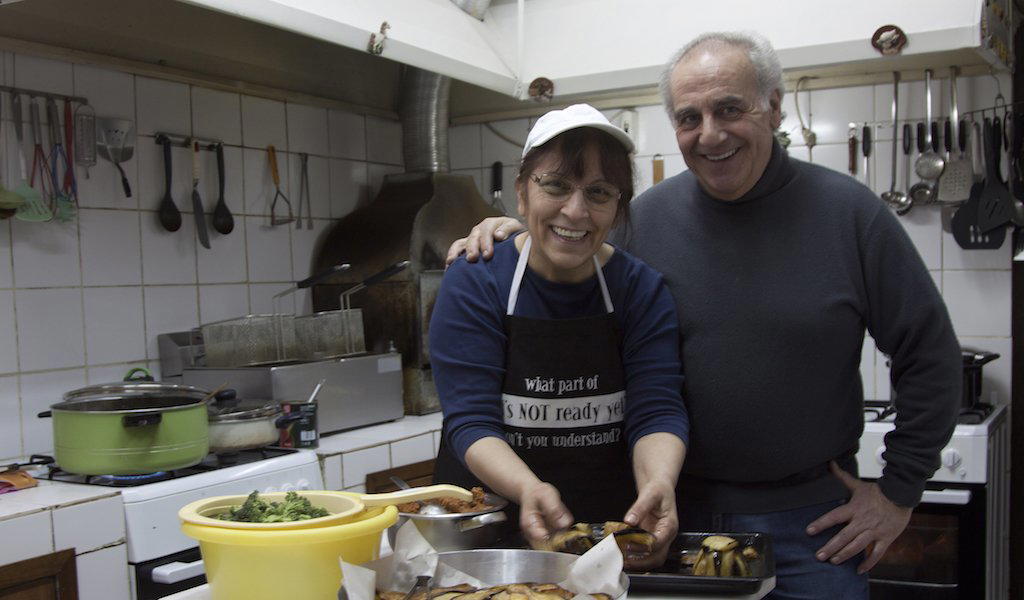
The Ev Yemekleri Tradition in a City of Fine-Dining Ambition
Istanbul's restaurant conversation tends to concentrate on a specific tier: the Bosphorus-view tasting menus, the Michelin-adjacent counters, the modern Anatolian kitchens reinterpreting Ottoman larder through European technique. Venues like Turk Fatih Tutak, Mikla, and Neolokal define that conversation internationally, operating at the ₺₺₺₺ tier with menus that foreground provenance and technique. Below and beside that tier, however, sits an older, less publicised form: ev yemekleri, or home cooking, served in small neighbourhood settings where the point is not innovation but fidelity. Mutfak Dili Ev Yemekleri, on Ziyalı Sokak in Beyoğlu's Arap Cami district, belongs to that second tradition. It is a casual, walk-in-friendly Turkish home-cooking restaurant in Istanbul.
The name itself makes the case plainly. Mutfak dili translates roughly as the language of the kitchen, and ev yemekleri means home food. There is no ambiguity about register or intent. In a city where even mid-market restaurants now frame themselves around culinary identity and chef credentials, a place that names itself after home cooking occupies a self-consciously different position.
Arap Cami and the Quieter Side of Beyoğlu
Beyoğlu is a district with multiple personalities. The stretch around İstiklal Caddesi runs loud and commercial through the evening. The lanes around Galata pull a younger design crowd. But Arap Cami, named for the fifteenth-century mosque converted from a medieval Genoese church, sits at a remove from both. The streets here are narrower and less trafficked by tourists. The neighbourhood feels residential in texture even when it is technically commercial. A home-cooking restaurant on Ziyalı Sokak reads differently in this context than it would closer to Tünel or the waterfront: the format and the location are coherent with each other.
For visitors approaching from Karaköy or the Galata Tower area, the Arap Cami quarter is a short walk uphill, but the shift in atmosphere is more significant than the distance. This part of Beyoğlu rewards slow movement rather than destination-hopping. In that sense, a lunch or early dinner at Mutfak Dili sits naturally inside a wider afternoon in this part of the city, rather than requiring a separate dedicated journey. Those exploring the full Istanbul dining scene will find the ev yemekleri format well worth understanding alongside the city's more prominent modern Turkish addresses.
Home Cooking as an Ethical Position
The ev yemekleri format carries sustainability implications that are worth examining, particularly against the backdrop of Istanbul's fine-dining sector. The modern Turkish restaurants operating at the leading price tier have built explicit sourcing narratives: small-batch producers, named farms, seasonal provenance documented on menus. That is a legitimate approach. But home cooking, at its functional core, has always operated on principles that predate the sustainability framework as a marketing category. Seasonal shopping from local markets, minimal processing, preparation methods that use whole ingredients rather than trimmed, plated portions, these are structural features of ev yemekleri cooking rather than editorial choices layered on top of an existing format.
In Turkish home kitchens, the rhythm of cooking follows the rhythm of availability. Legumes, grains, and vegetables carry more weight than in restaurant formats that centre proteins. Slow-cooked dishes like kuru fasulye, mercimek çorbası, and sebzeli güveç emerge from methods designed for efficiency and nourishment rather than visual drama. The result is a model with a lower material footprint per dish than most tasting-menu formats, not by design statement but by tradition. Mutfak Dili, operating under that tradition on a quiet Beyoğlu street, sits inside this longer lineage whether or not it frames itself that way.
This contrasts with the approach at places like Casa Lavanda, where traditional formats are preserved in a more deliberate heritage setting, or the fusion register of Arkestra, which draws on multiple culinary traditions to construct something new. The ev yemekleri format makes no such construction. It draws on what was already there.
Situating the Format Across Turkey
Istanbul is not the only Turkish city where this kind of cooking finds serious expression. Across Turkey, home-style formats persist in parallel with the growth of destination dining. Narımor in Izmir represents a regional equivalent of locally grounded, ingredient-first cooking in a different coastal context. In Cappadocia, venues like Nahita Cappadocia and Aravan Evi in Ürgüp serve Anatolian food in settings where the architecture and the food reinforce each other. Along the Aegean and Mediterranean coastlines, places like Mezegi in Fethiye, Agora Pansiyon in Milas, and Ahãma in Göcek each demonstrate how Turkish home-cooking traditions adapt to specific regional pantries.
The Istanbul version of this format, as found on a Beyoğlu side street, is specifically urban: shaped by the city's density, its mix of Anatolian regional influences brought in by successive waves of migration, and its proximity to markets like the Balık Pazarı or the neighbourhood pazar circuit that rotates through different districts each week. The food at an ev yemekleri address in Istanbul tends to be broader in regional reference than the same format in a smaller city, precisely because the city itself is an accumulation of regional traditions.
Planning Your Visit
Mutfak Dili Ev Yemekleri is located at Ziyalı Sokak No:8 in the Arap Cami neighbourhood of Beyoğlu. No phone or website is listed in public directories, which is consistent with the format: ev yemekleri spots in Istanbul typically operate without reservation systems and are leading approached in person.
At a Glance
Comparable venues nearby, for context on price, style, and recognition.
| Venue | Cuisine | Price | Notes |
|---|---|---|---|
| Mutfak Dili Ev YemekleriThis venue — the venue you are viewing | Arap Cami, Turkish Home Cooking | $ | Not listed |
| Karadeniz Doner Ve Pide | Not listed | $ | Beşiktaş, Traditional Turkish Döner Kebab |
| Last Ottoman Cafe & Restaurant | Not listed | $$ | Hocapasa, Authentic Turkish Ottoman Cuisine |
| Adana Ocakbasi | Bozkurt, Turkish Grill & Kebabs | $$ | Not listed |
| Carsi Muhallebicisi | Not listed | $ | Fatih, Traditional Turkish Desserts & Chicken Soup |
| Gaziantep Közde Künefe Kebap Salonu | Not listed | $ | Hobyar, Traditional Gaziantep Turkish Kebabs & Künefe |

At a Glance
- Cozy
- Rustic
- Casual Hangout
- Family
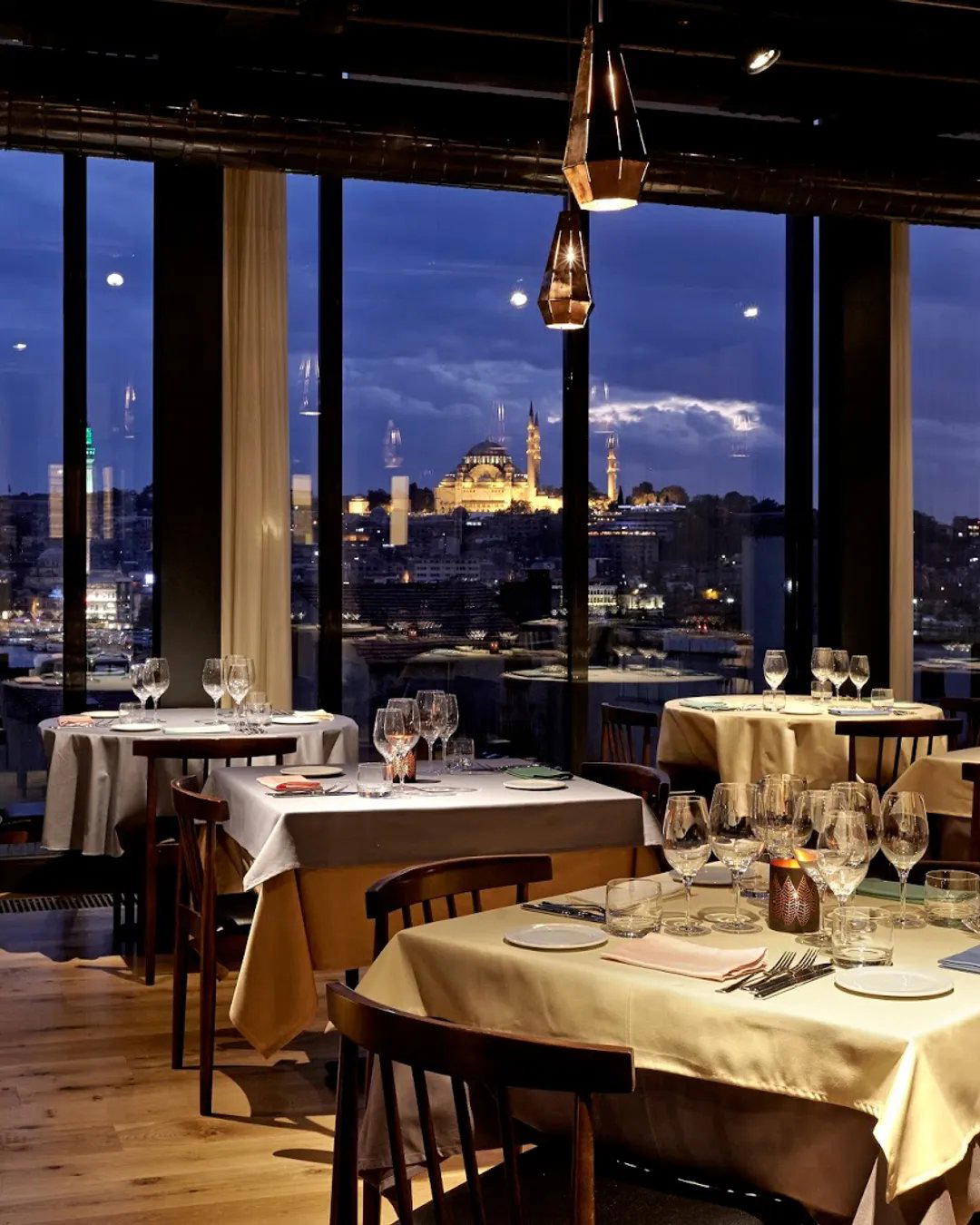
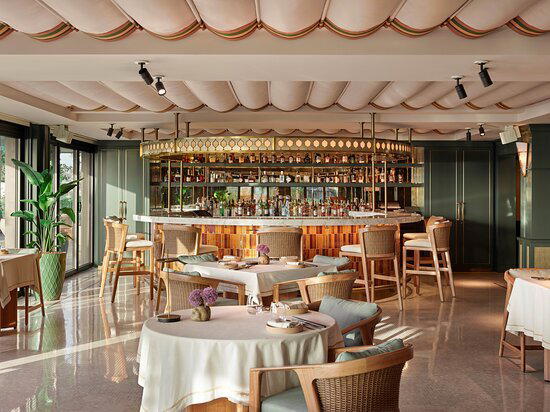
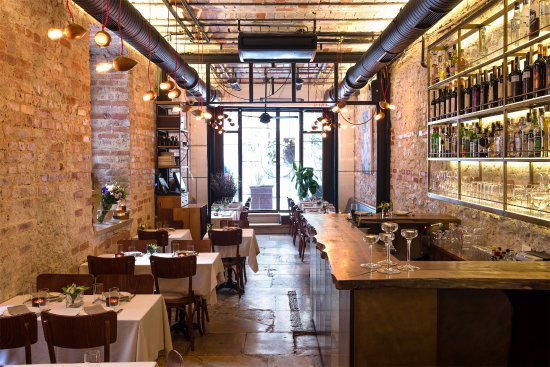
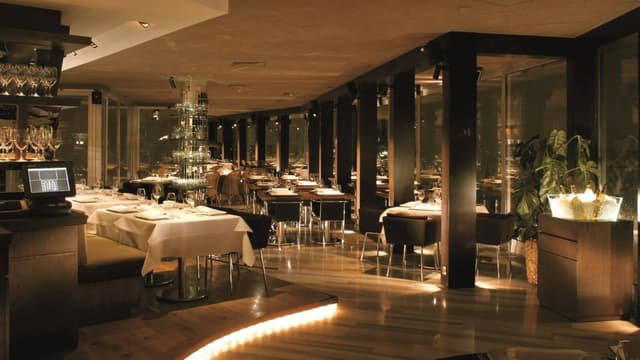
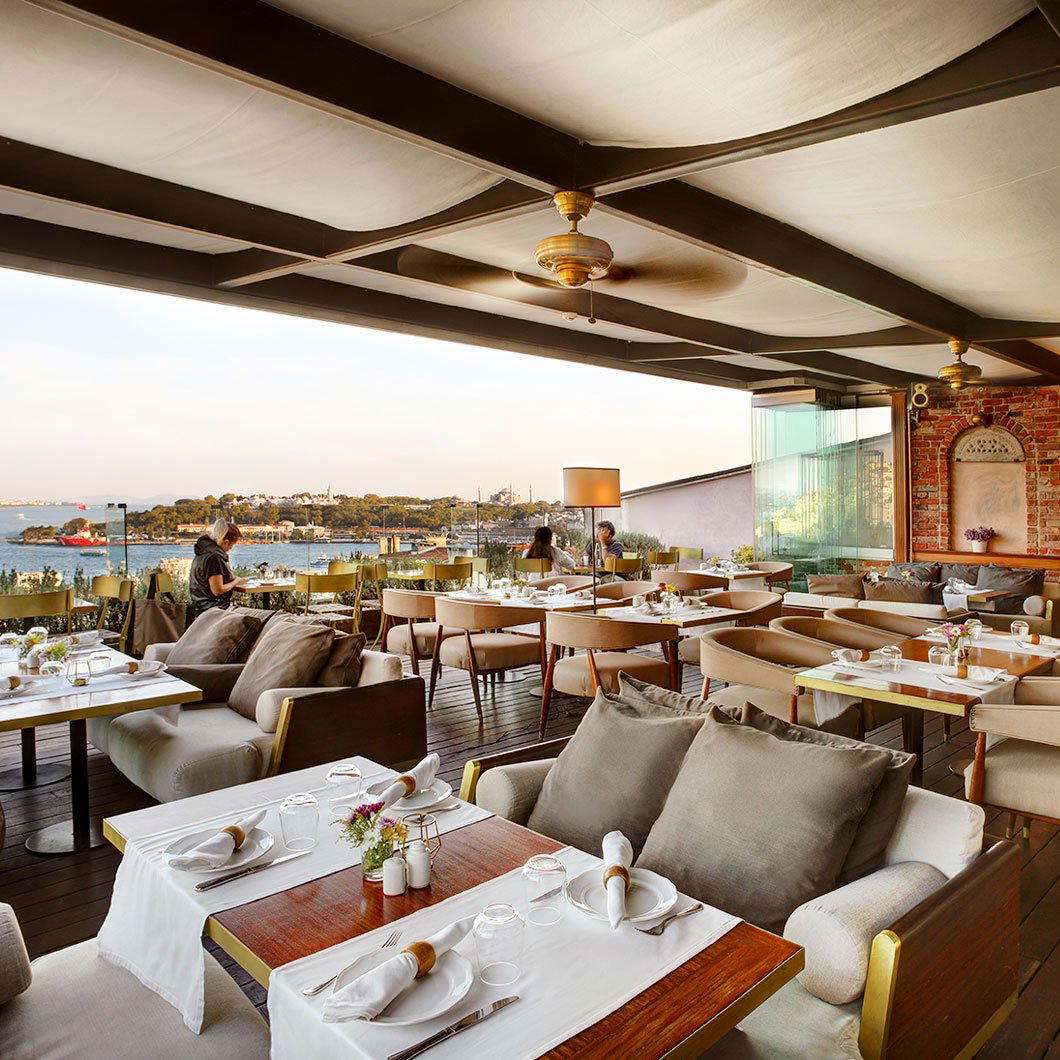
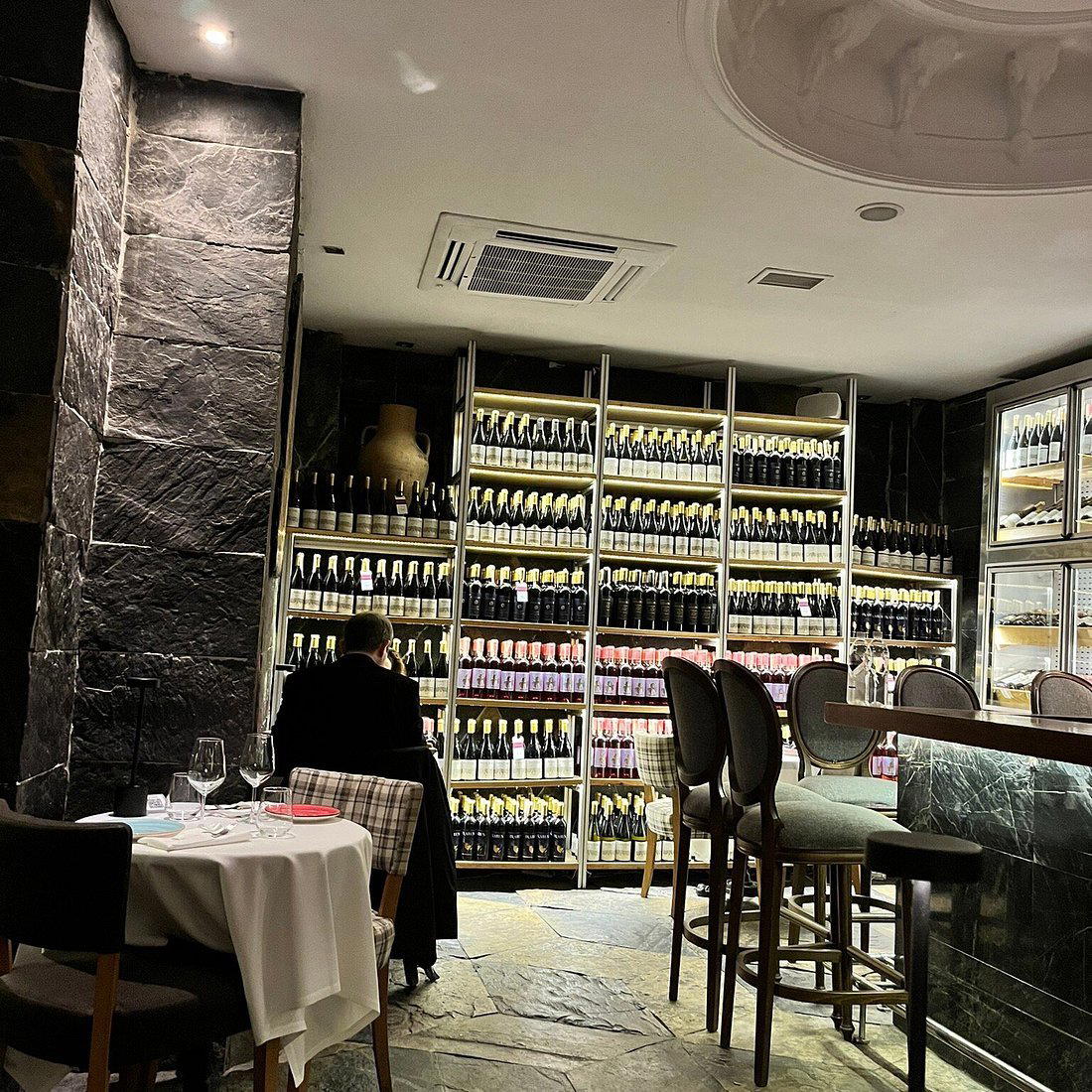
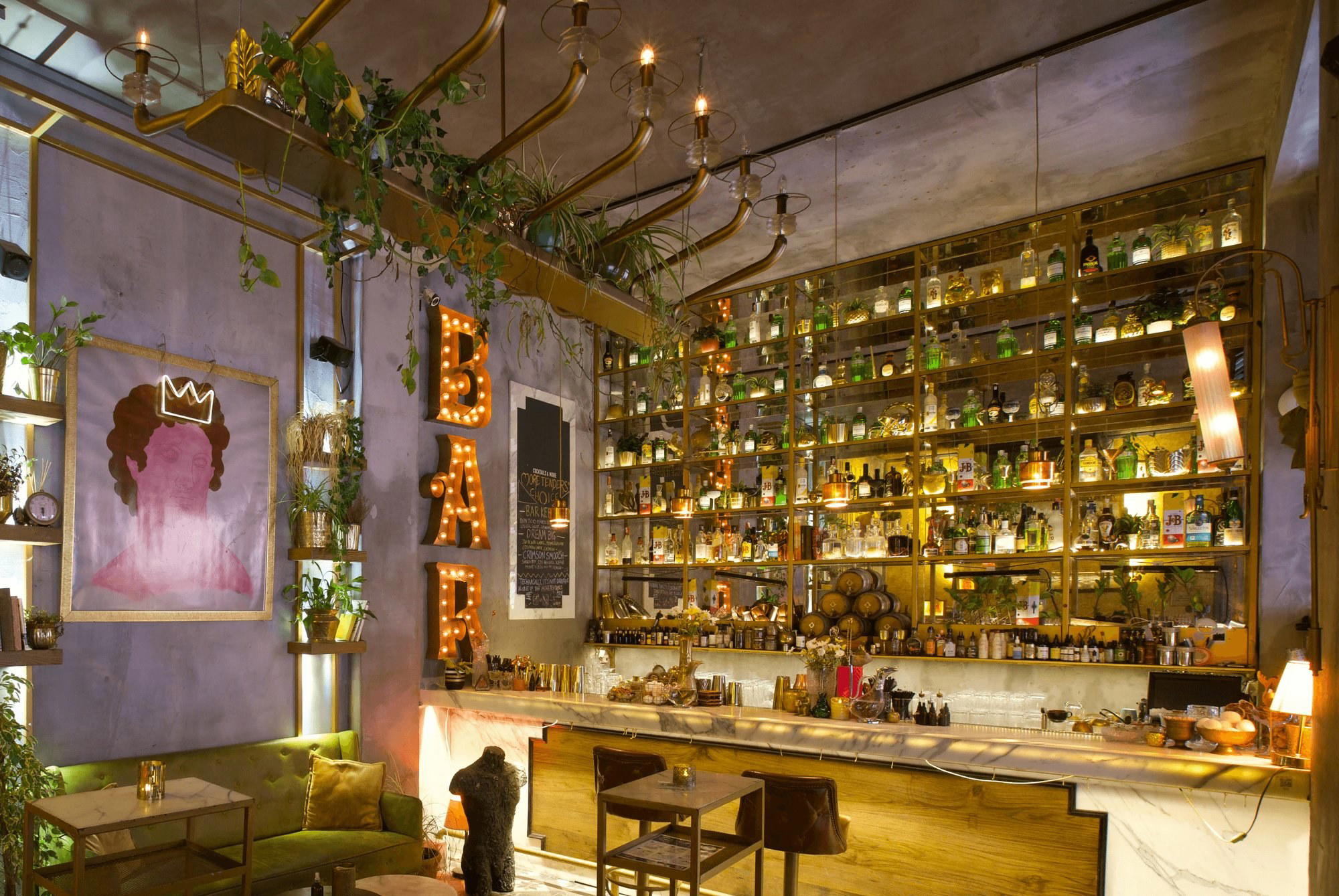
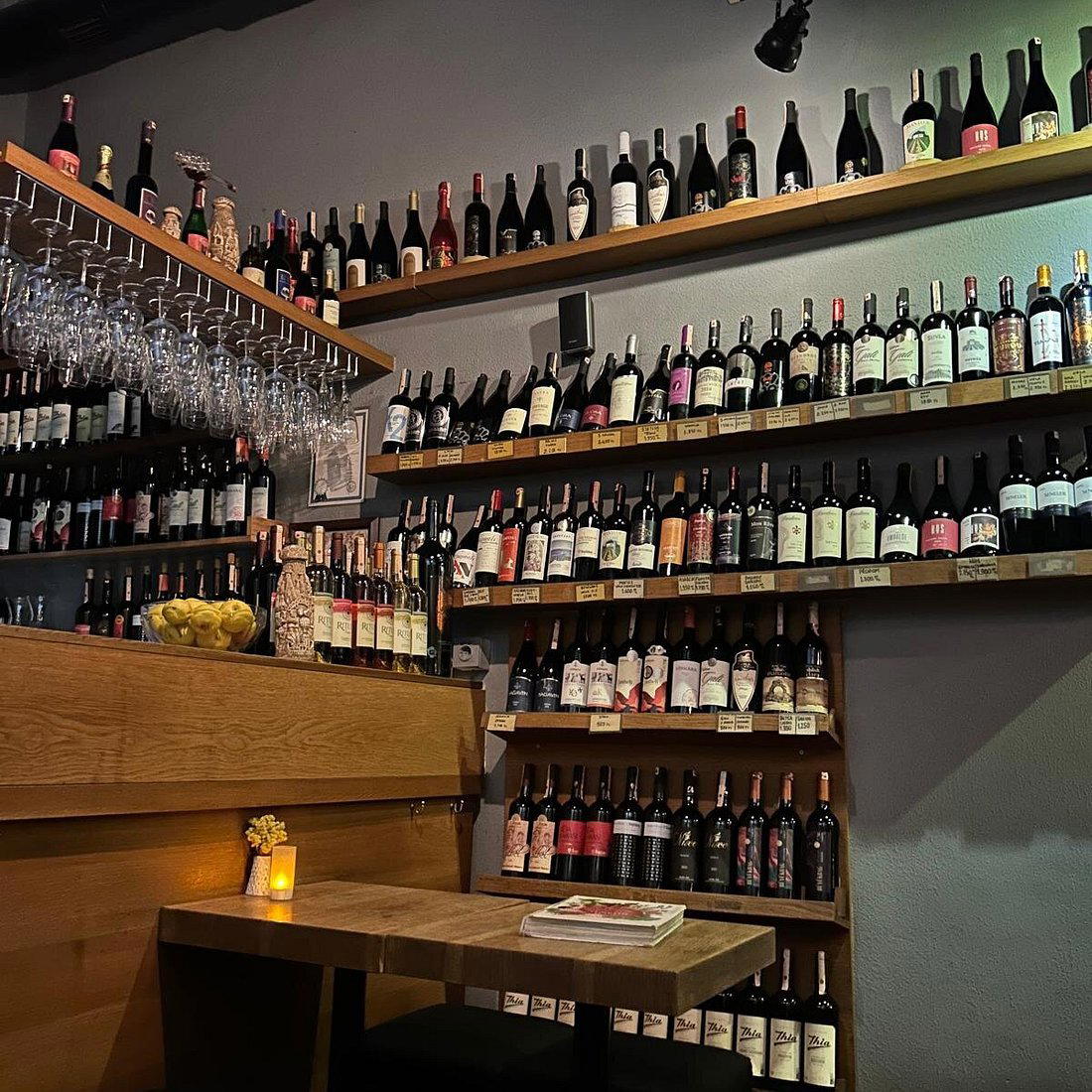
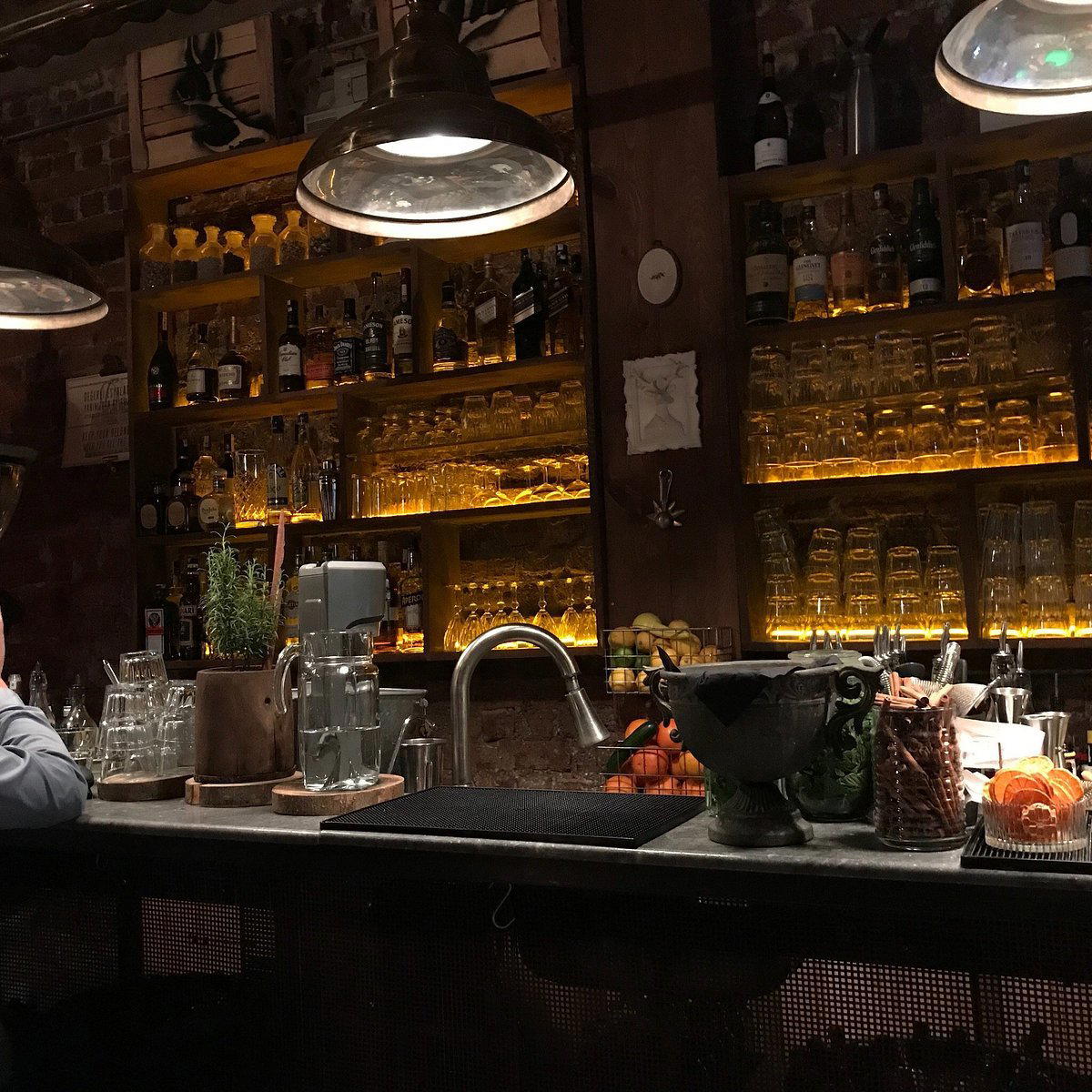
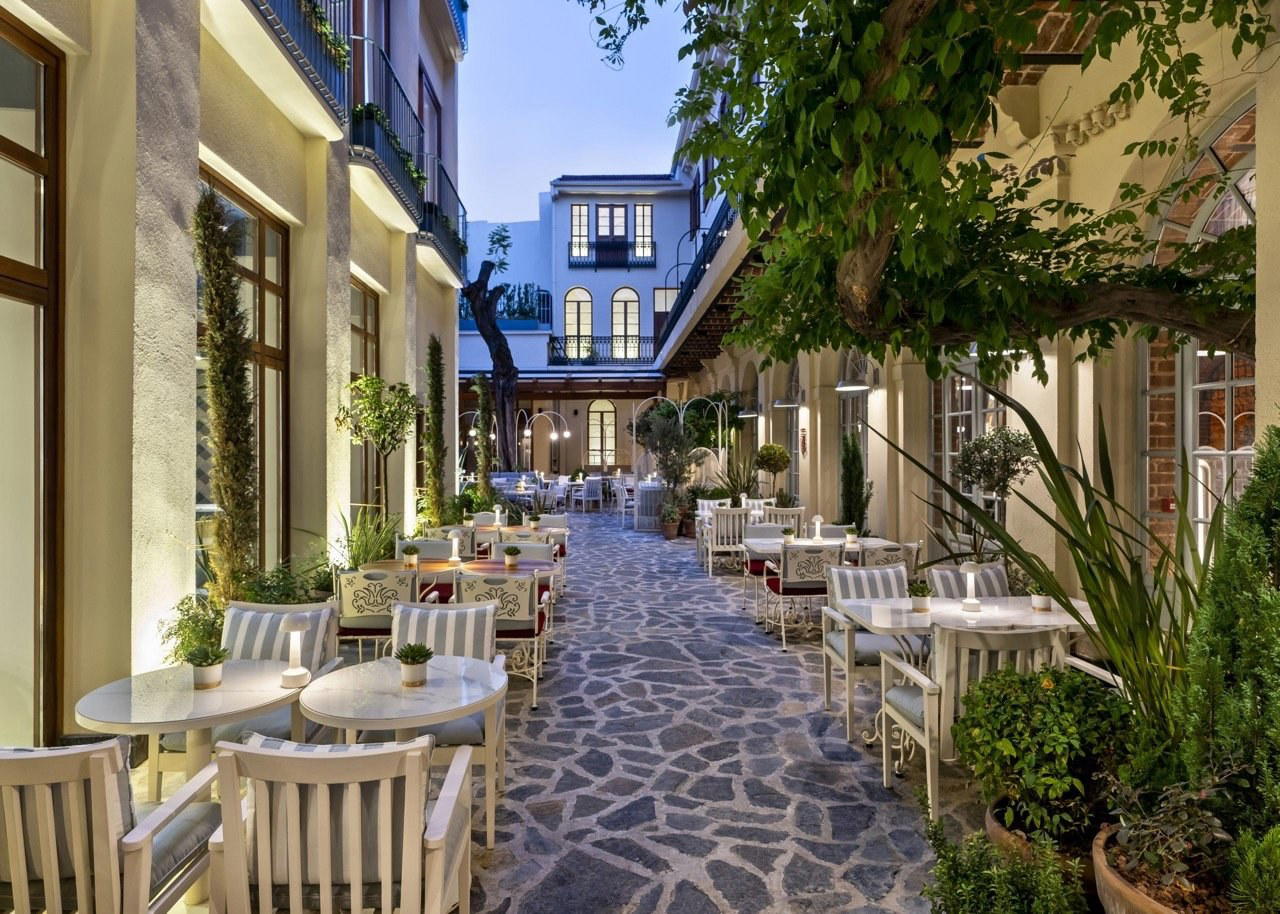
Cozy and homey atmosphere evoking a slice of home with reliable home-style dishes.