Operating since 1958, Kofteci Huseyin is one of Istanbul's most enduring köfte institutions, holding its ground in a city where fast-casual formats now compete with ₺₺₺₺ modern-Turkish tasting menus. The address anchors a tradition of coal-grilled ground meat that predates the current wave of Anatolian fine dining by decades, making it a reference point for understanding how Istanbul's meat-cookery culture developed before it was reframed for international audiences.
Pearl is the En Primeur Club membership app — saves, bookings, and concierge access live there. Same editors, same standards.
- Address
- Istanbul, Turkey
- Directions
- Get directions
 Saves & bookings on Pearl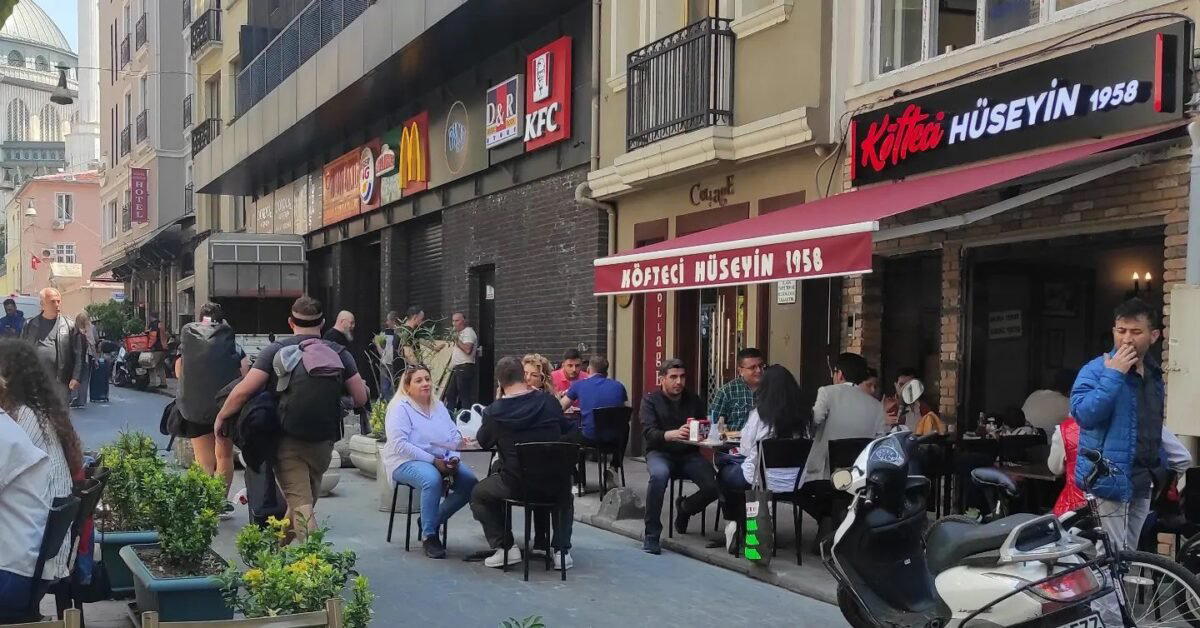
Istanbul's Köfte Tradition, Placed in Time
In any city with a serious culinary past, the oldest specialists carry information that newer restaurants spend considerable effort reconstructing. Istanbul's köfte houses belong to that category. The form itself, ground meat shaped and grilled over live fire, is as old as Ottoman provisioning culture, and the techniques that define a well-made köfte — fat ratio, charcoal proximity, resting time — were codified long before the city's current restaurant generation began translating Anatolian ingredients for tasting-menu formats. Kofteci Huseyin 1958 entered that tradition at the mid-twentieth century and has operated within it ever since, accumulating the kind of longitudinal authority that cannot be designed into a new opening.
That context matters when reading Istanbul's current dining map. The top tier of the city's restaurant scene is now occupied by addresses like Turk Fatih Tutak, Mikla, and Neolokal, all operating at ₺₺₺₺ price points and framing Turkish culinary heritage through contemporary technique. What those projects reference, the grilled meat traditions, the spice logic, the Anatolian agricultural base, is precisely what places like Kofteci Huseyin 1958 preserved through decades of unchanged practice. The relationship is not competitive; it is genealogical.
The Format and What It Signals
Istanbul's köfte specialists operate on a format that strips dining back to its most functional elements: a defined menu, a reliable preparation method, and a room designed for throughput rather than atmosphere. This is not an accident of budget or ambition, it is a genre convention. The leading addresses in this category earn their reputation through consistency across years, not through novelty across seasons. Kofteci Huseyin 1958, whose name encodes its founding year as the primary credential, fits that model. The year 1958 is not marketing decoration; it is the claim, and in a city as densely competitive as Istanbul, operating in the same category for more than six decades is itself a form of editorial statement.
This format has parallels elsewhere in Turkey. Dürümzade in Beyoglu operates on a similar discipline within the wrap format. Bayramoğlu Döner in Beykoz applies the same logic to rotisserie meat. In each case, the format's restraint is the point. Across Turkey more broadly, addresses like Kısmet Etliekmek ve Lahmacun Salonu in Karaman demonstrate how regional meat-cookery traditions develop independent authority within their own geographies. Kofteci Huseyin 1958 belongs to this broader pattern of Turkish culinary specialists whose credibility rests on category depth rather than genre range.
Local Ingredients, Practised Technique
The editorial angle that runs through Istanbul's most serious food addresses is the relationship between local agricultural products and imported or evolved method. At the ₺₺₺₺ level, that intersection is deliberate and narrated: Arkestra and Casa Lavanda both work within frameworks where technique and ingredient sourcing are positioned as design decisions. At the köfte specialist level, the same intersection exists but was never marketed as such, it simply accumulated over time as the house method met the available Turkish beef and lamb supply, charcoal from regional producers, and spicing rooted in Anatolian rather than European convention.
Turkish köfte culture draws on a specific set of variables: the breed and feed of the cattle or lamb, the proportion of fat to lean, the choice of binding agents (or their deliberate absence), and the heat source. These are not trivial decisions, and houses that have been making the same product for decades have, by necessity, resolved them with more precision than most newcomers can replicate quickly. The 1958 founding date implies that Kofteci Huseyin has cycled through enough supplier generations, enough charcoal sources, and enough seasonal variation to have arrived at something approaching institutional knowledge of its own raw materials. That is the local-ingredient dimension, not a curated provenance story, but an accumulated material relationship.
For comparison, Asitane in Fatih takes a different approach to Turkish historical cooking, reconstructing Ottoman recipes from archival sources. Hiç Lokanta in Urla operates within Aegean ingredient culture. Narımor in Izmir applies a similar localism to its Izmir context. Each of these addresses engages with Turkish agricultural product from a different angle; Kofteci Huseyin 1958 represents the Istanbul urban specialist model, where the ingredient relationship is embedded in the product itself rather than articulated in a menu narrative.
Where It Sits Among Istanbul's Eating Options
Istanbul's dining options now cover a range that runs from affordable street-adjacent specialists to tasting menus priced against European comparators. Kofteci Huseyin 1958 occupies the specialist end of that spectrum, within a category that the city's premium restaurant wave has not displaced, it has, if anything, drawn more attention to it by creating an audience curious about the foundations beneath modern reinterpretation. Visitors who move between Turk Fatih Tutak and a long-standing köfte house in the same trip are not mixing registers arbitrarily; they are reading the city's culinary history in sequence.
The same pattern appears in other Turkish coastal and inland cities. Maçakızı in Bodrum and Kritikos Meyhane in Mudanya represent the premium leisure-destination end of the national dining range. Kocak Baklava in Gaziantep operates within the sweet specialist tradition that Gaziantep carries as a national culinary authority. Kofteci Huseyin 1958 is Istanbul's contribution to that network of category specialists, addresses where the claim is not range or ambition, but precision within a defined form. Our full Istanbul restaurants guide maps these tiers against each other for readers building a complete picture of the city's eating options.
Planning a Visit
Köfte specialists in Istanbul tend to operate during lunch-heavy hours, with peak service running from midday into the early afternoon, a rhythm inherited from the city's working-lunch culture rather than the evening dining patterns that govern the ₺₺₺₺ tier. Given that the venue database for Kofteci Huseyin 1958 does not include confirmed hours or booking methods, visitors should plan arrival on the earlier side of the lunch window to avoid queue pressure, which is the norm for any Istanbul köfte house with an established reputation. No advance booking infrastructure is confirmed for this address; walk-in is the assumed format. Autumn and winter are historically the seasons when grilled meat cookery performs at its most coherent in Istanbul, with cooler temperatures allowing charcoal heat to carry without the ambient warmth of summer complicating the register. Visitors travelling between October and March are likely to find the format at its most characteristic.
Comparable Options
| Venue | Cuisine | Price | Notes |
|---|---|---|---|
| Kofteci Huseyin 1958This venue — the venue you are viewing | This venue | Not listed | Not listed |
| Turk Fatih Tutak | Modern Turkish | ₺₺₺₺ | ₺₺₺₺ |
| Mikla | Modern Turkish, Mediterranean Cuisine | ₺₺₺₺ | ₺₺₺₺ |
| Neolokal | Modern Turkish, Turkish | ₺₺₺₺ | ₺₺₺₺ |
| Arkestra | Fusion | ₺₺₺₺ | ₺₺₺₺ |
| Nicole | Modern Turkish, Modern Cuisine | ₺₺₺₺ | ₺₺₺₺ |
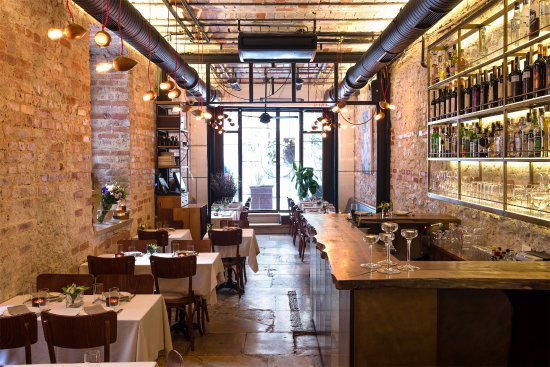
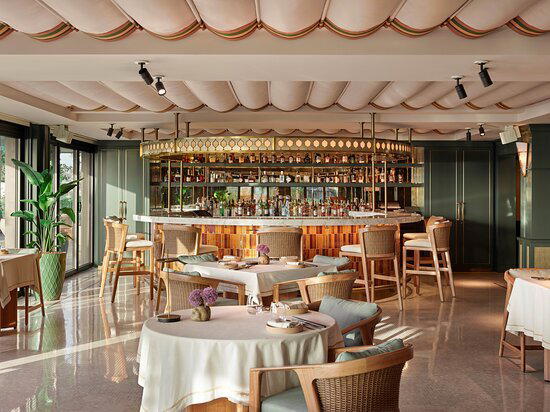
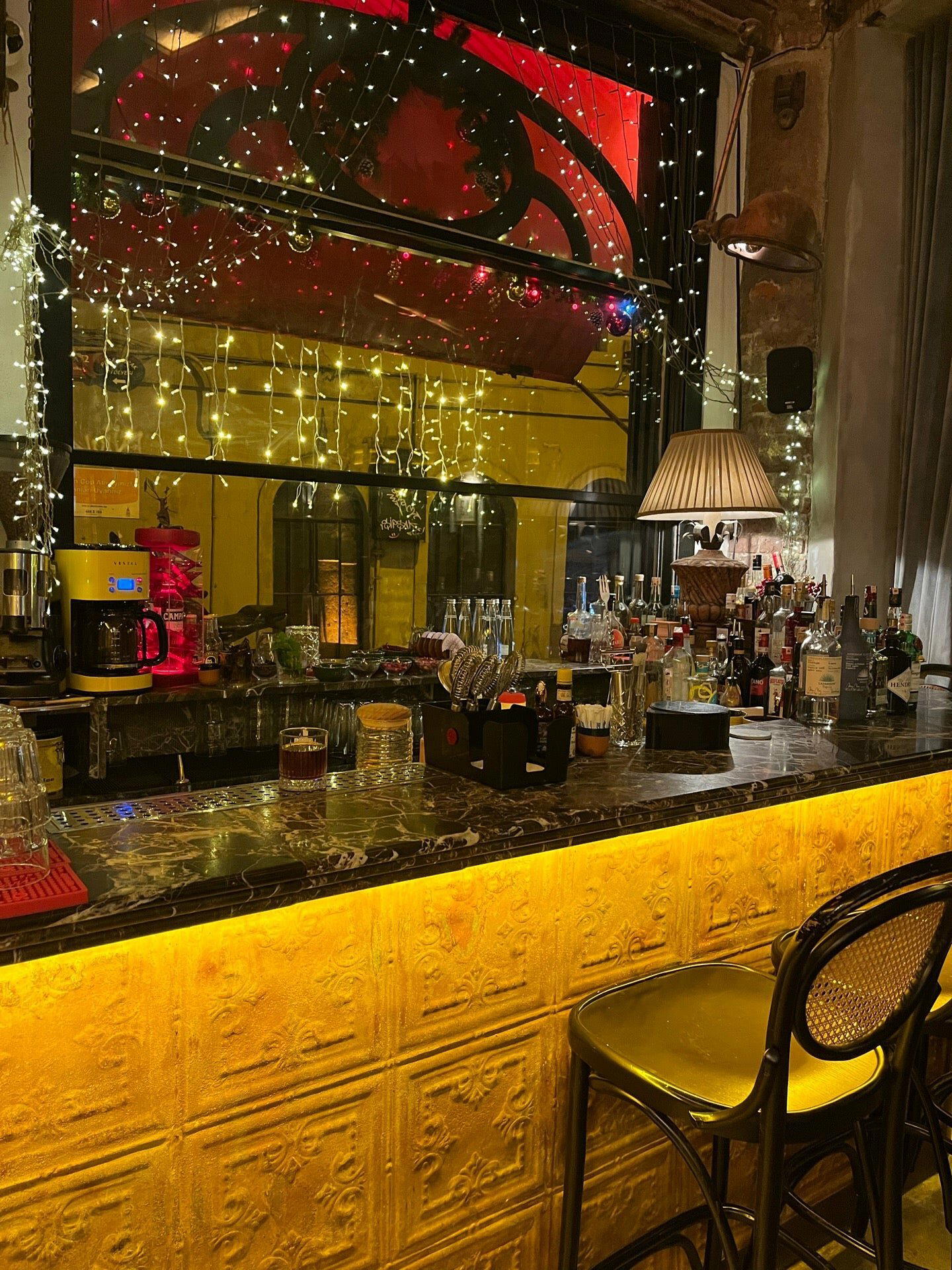
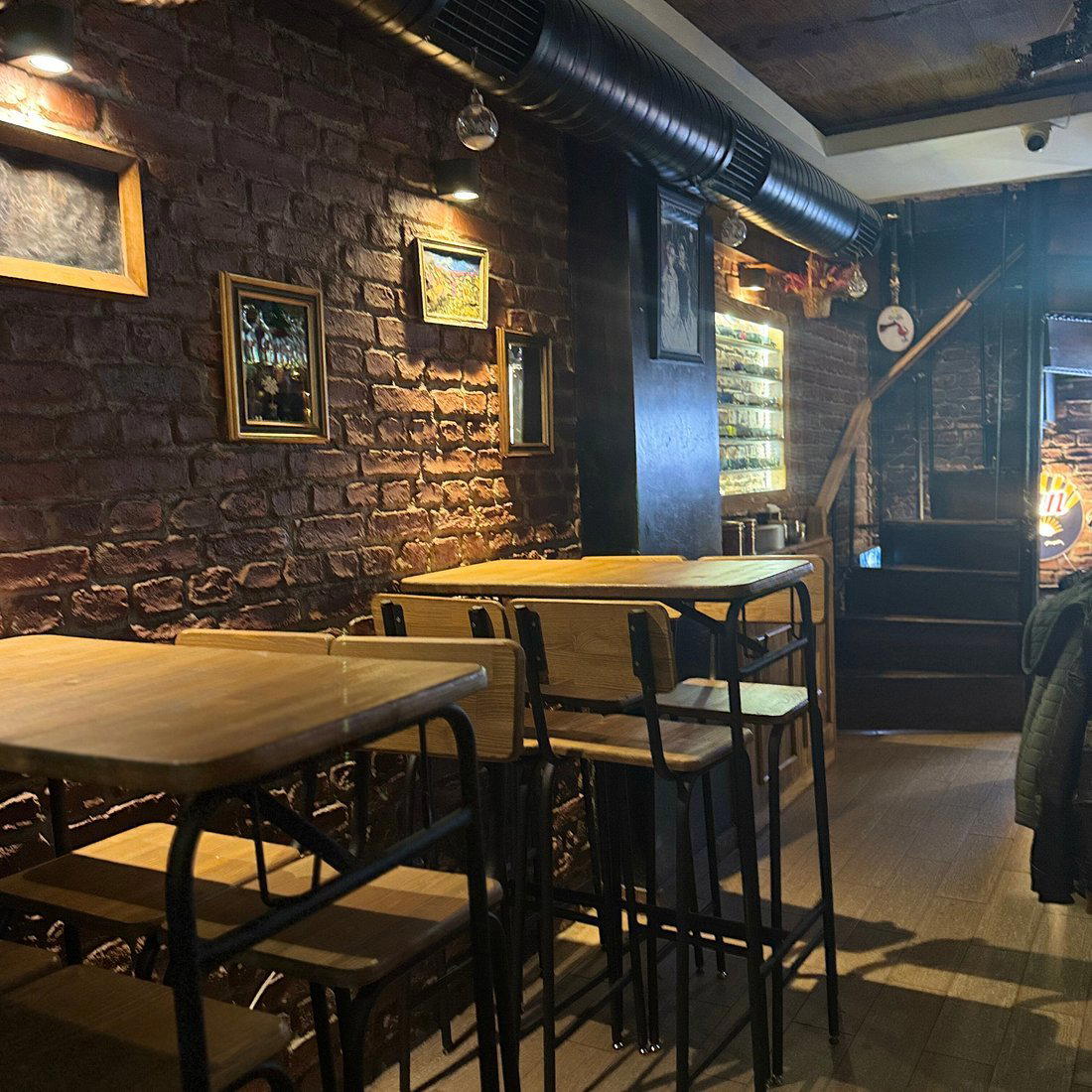
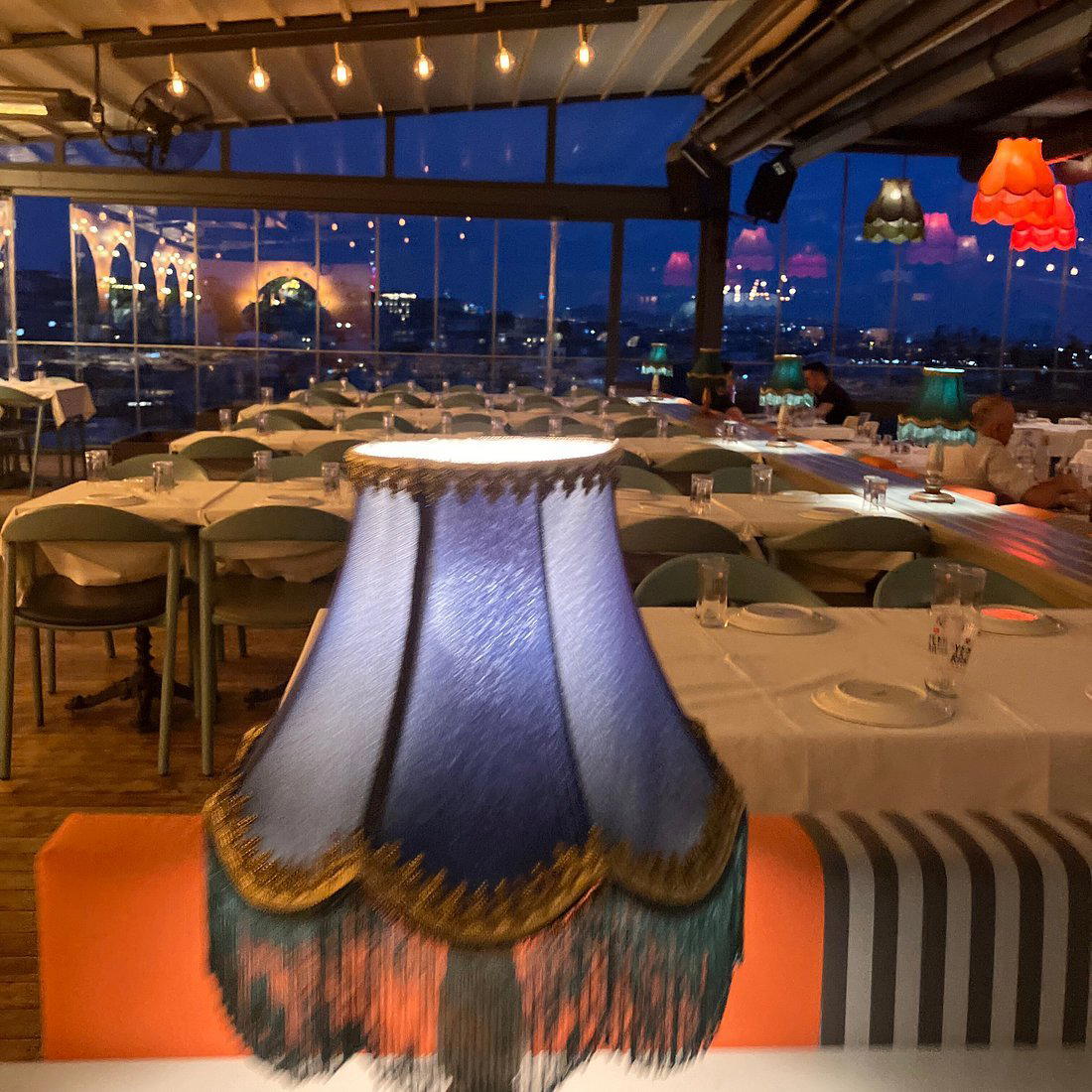
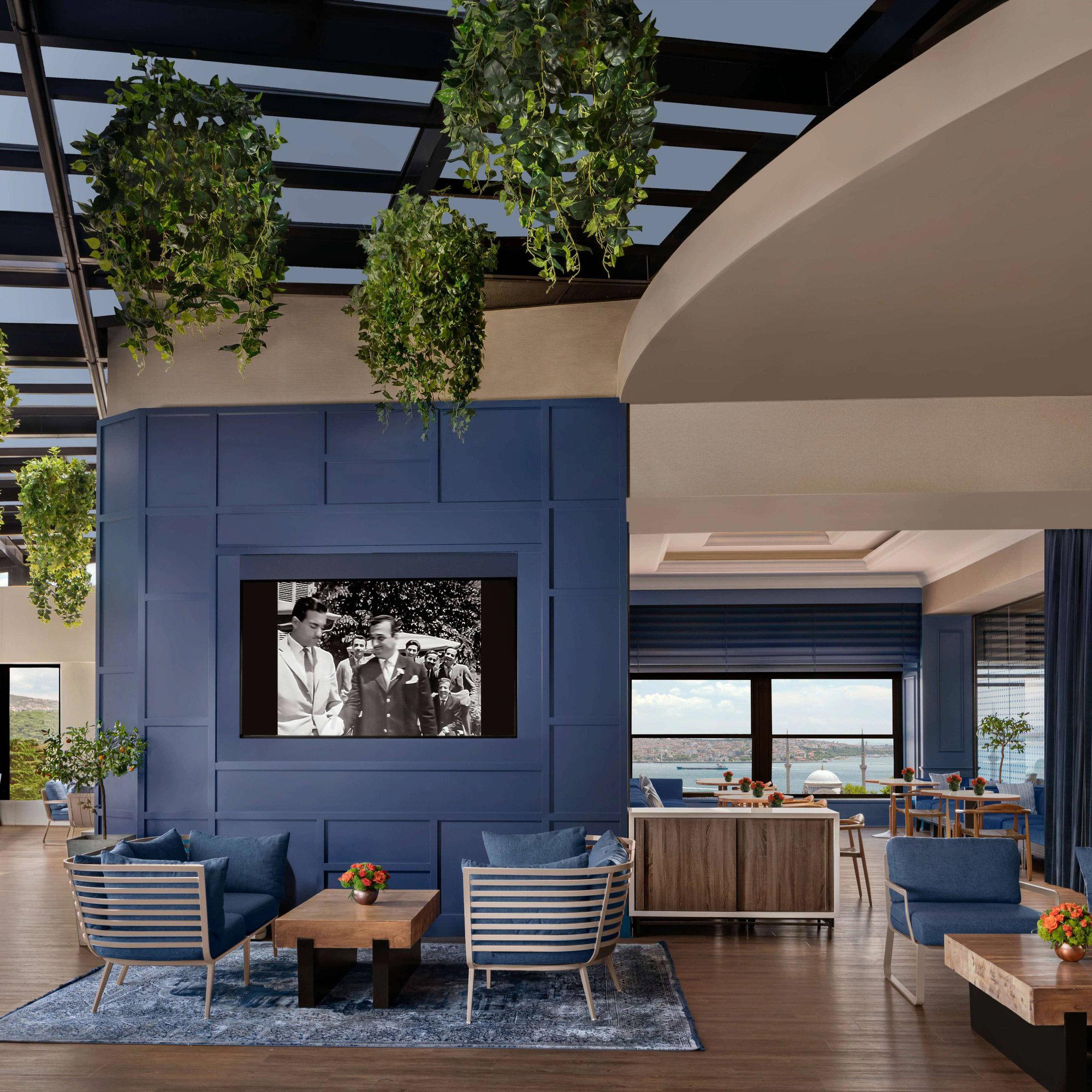
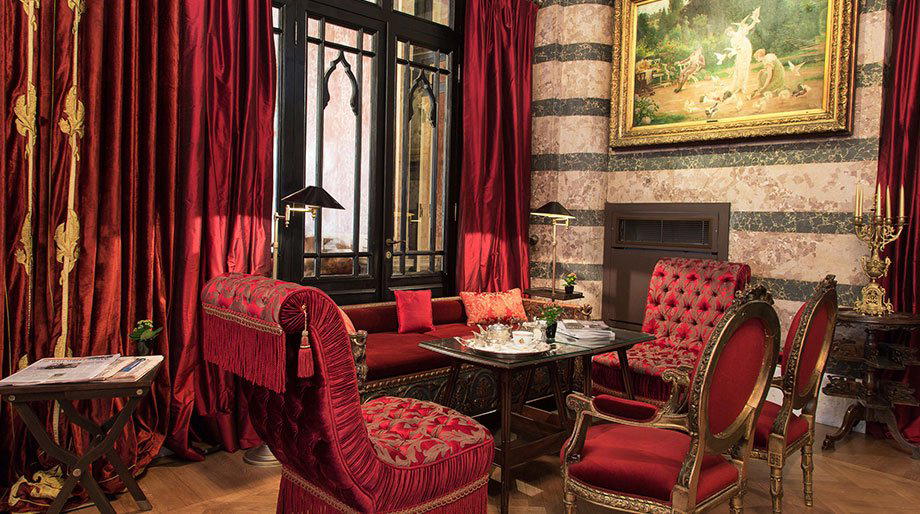
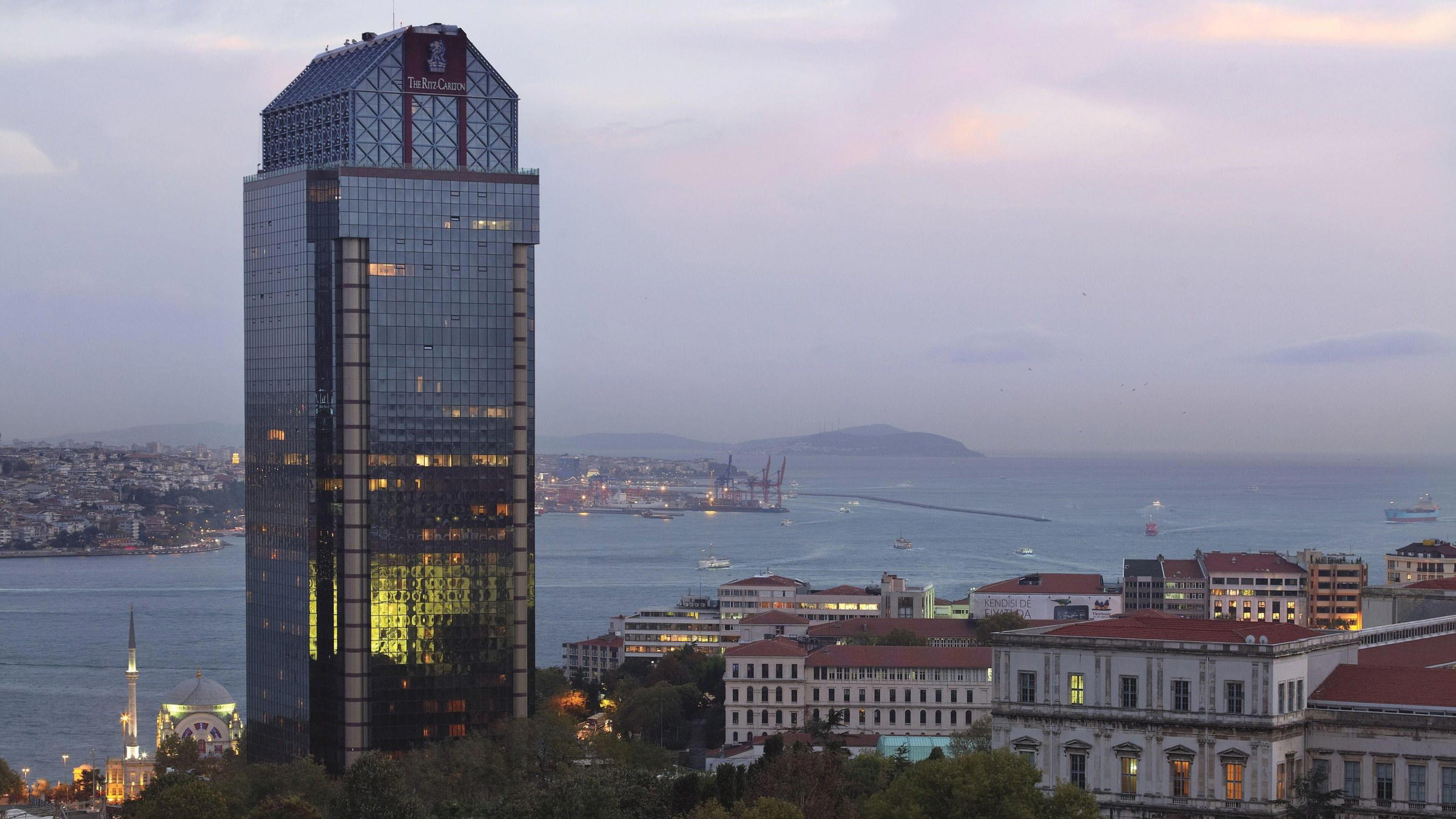
At a Glance
- Cozy
- Classic
- Casual Hangout
- Historic Building
Cozy, simple, and unpretentious with a warm, family-run atmosphere in a small, slightly dim shop.