Our verdict
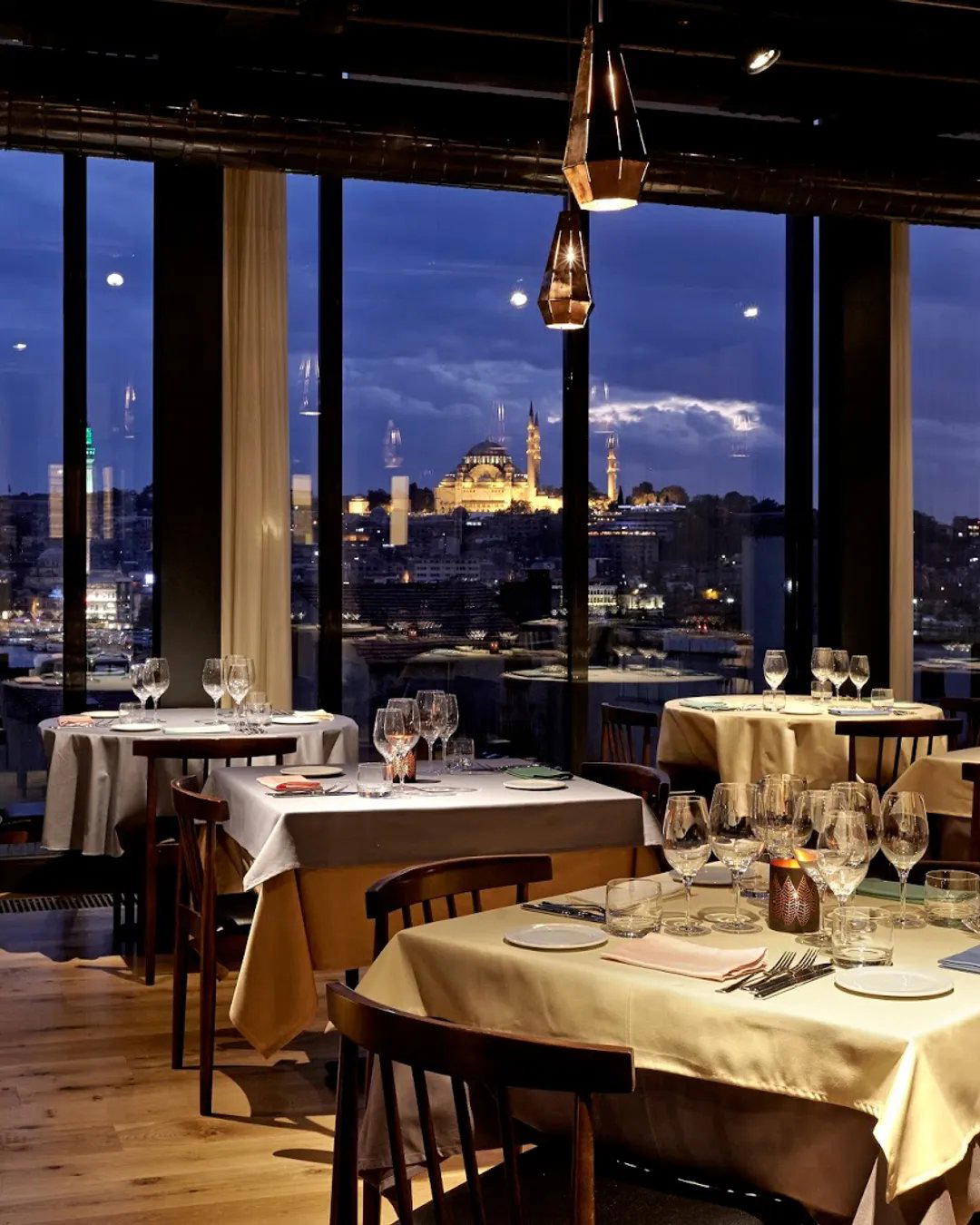
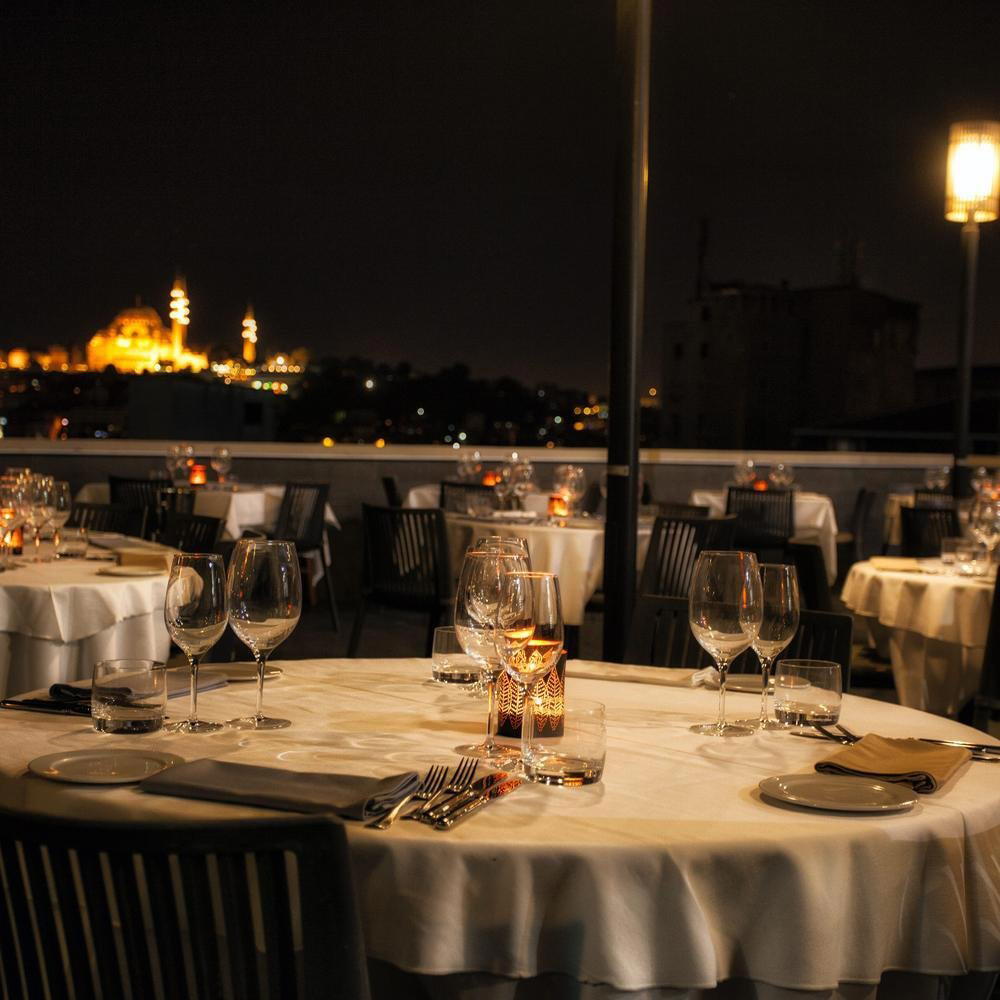
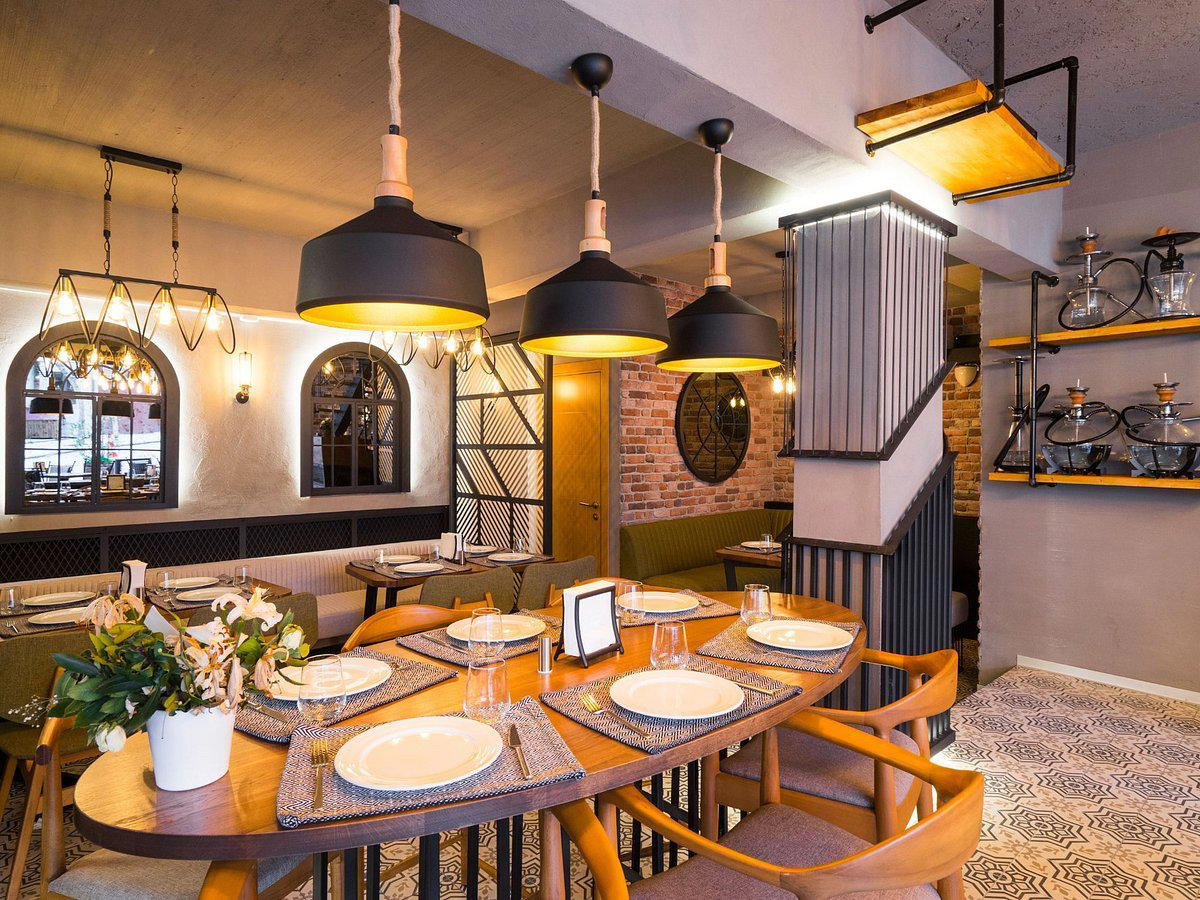
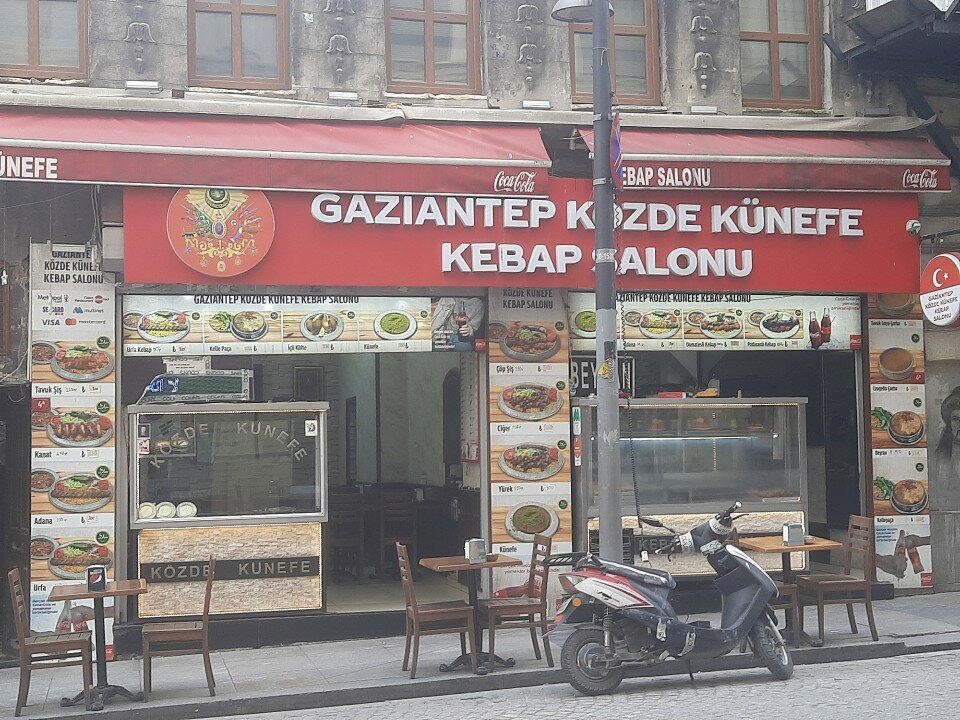
In the shadow of Istanbul's historic Fatih district, Gaziantep Közde Künefe Kebap Salonu carries the kebap and künefe traditions of Gaziantep into a city that has largely traded that heritage for modernist tasting menus. It occupies a specific position in Istanbul's dining geography: a straightforward ambassador of southeastern Anatolian cooking in a neighbourhood where Ottoman-era craft still has room to breathe.

Pearl is the En Primeur Club membership app — saves, bookings, and concierge access live there. Same editors, same standards.
- Address
- Hobyar, Şeyhülislam Hayri Efendi Cd. No:4, 34000 Fatih/İstanbul, Türkiye
- Phone
- +90 212 254 58 78
- Hours
- Daily 8:30 AM–11 PM
- Directions
- Get directions
The menu
What to order
- Adana Kebab
- Künefe
- Beyran Soup
Where Fatih Meets the Southeastern Table
The stretch of Şeyhülislam Hayri Efendi Caddesi in Fatih is not the Istanbul of rooftop bars or tasting-menu theatre. The neighbourhood carries a quieter, older register: the call to prayer carries clearly here, the street-level trade is practical and local, and the dining options lean toward the kind of cooking that feeds people rather than performs for them. It is precisely this setting that makes Gaziantep Közde Künefe Kebap Salonu a useful marker for understanding how regional Anatolian food survives — and matters — inside a city that has spent the last two decades building a reputation for ambitious reinvention.
Istanbul's premium dining conversation in 2024 is largely conducted at the ₺₺₺₺ tier: venues like Turk Fatih Tutak, Mikla, and Neolokal have put modern Turkish cooking on international critical maps, reinterpreting Anatolian ingredients through European fine-dining formats. But the source material those chefs draw on, the kebaps of Gaziantep, the syrup-soaked cheese pastries of the same city, the wood-fired discipline of the southeastern grill tradition, lives in places like this one. The conversation between those two poles of Turkish cooking is more interesting than either pole in isolation.
The Gaziantep Tradition and What It Demands
Gaziantep, located in southeastern Anatolia near the Syrian border, is widely regarded among food scholars and Turkish culinary historians as the country's most technically demanding regional kitchen. UNESCO awarded the city Creative City of Gastronomy status in 2015, a designation that acknowledged what locals had maintained for generations: that the cooking of Gaziantep operates by stricter internal rules than almost any other regional tradition in Turkey. The kebap culture there is not a loose category but a codified one, with specific cuts, specific ratios of fat to meat, specific heat sources, and specific resting protocols that distinguish one preparation from another.
Közde preparation, cooking directly over or in embers rather than over open flame, is central to that tradition. The technique demands a particular patience and attention to heat management that open-grill cooking does not. For a restaurant operating under this name and these geographic credentials in Istanbul, the közde method is not a marketing descriptor but a statement of technical alignment with that southeastern lineage. The künefe side of the equation adds a second layer of regional specificity: the hot cheese pastry soaked in sugar syrup, served immediately from the pan, is Gaziantep's most jealously guarded export, and its quality depends almost entirely on the freshness and type of cheese used, the syrup concentration, and the speed of service from heat to table.
Restaurants in Istanbul that attempt both kebap and künefe within the same operation are making a claim about breadth of craft. The two preparations require different equipment, different ingredient sourcing, and a kitchen organised around two distinct service rhythms. At venues where both appear on the menu, the front-of-house role becomes the connective tissue: coordinating the timing between a grill section operating at long, slow ember-heat and a künefe station that functions more like a live pastry counter, where the window between optimum and overcooked is narrow.
Service Choreography in a Regional Specialist
The editorial angle that applies to Gaziantep Közde Künefe Kebap Salonu with particular force is the team dynamic. Regional specialists of this kind, operating without the infrastructure of a hotel group, a celebrity chef profile, or a tasting-menu format that allows pre-set pacing, depend on the coordination between the grill station, the künefe section, and whoever manages the floor to function well. This is not the collaboration of a modernist kitchen where each element is plated in sequence and dispatched. It is a more improvised, higher-tempo form of coordination, where the customer's order of eating (kebap before künefe, or occasionally both navigated simultaneously) requires the front-of-house to read the table and sequence the kitchen accordingly.
This kind of operation is common in the source city itself. In Gaziantep, specialist kebap houses and künefe shops are often separate businesses, each focused entirely on its own craft. The Istanbul model of combining them under one roof introduces a service coordination challenge that the best of these establishments solve through informal but practiced communication between kitchen and floor. When it works, the result is a meal that covers two of the southeastern tradition's most demanding preparations in a single sitting, an efficiency that benefits the visiting diner who may not have the opportunity to work through the city's various regional specialists one by one.
For context on how other Turkish operators handle the challenge of regional specificity at a distance from the source region, the contrast with places like Aravan Evi in Ürgüp and Nahita Cappadocia in Nevsehir is instructive, both venues anchor their identity in Anatolian regional cooking, though from the central rather than southeastern tradition. Further afield, Maçakızı in Bodrum and Narımor in Izmir operate in coastal registers that bear almost no relation to the ember-grill discipline of the Gaziantep kitchen, which underscores how internally varied Turkish regional cooking remains, and why places that commit seriously to a single regional tradition occupy a distinct position in the broader map.
Fatih as a Frame
The Fatih location is worth noting as context rather than incidental detail. Fatih is one of Istanbul's most historically dense districts, drawing a local population that skews conservative and residential alongside tourists visiting the nearby mosque complexes and the Grand Bazaar's outer perimeter. It is not a restaurant-destination neighbourhood in the way that Karaköy or Beyoğlu have become, which means that establishments here tend to serve regulars and purpose-driven visitors rather than walk-in foot traffic from the city's dining tourism circuit. A venue like Arkestra or Casa Lavanda operates in a different ecosystem entirely, one built around discovery culture and social visibility. The Fatih register is quieter, more functional, and in the case of regional specialists, often more technically committed as a result.
The practical calculus for visiting is direct: the address on Şeyhülislam Hayri Efendi Caddesi places the restaurant within reach of the Fatih district's main transit corridors, and the surrounding neighbourhood context suggests a lunch-or-early-dinner visit aligns better with the area's pace than a late-evening approach. For a broader picture of where this kind of cooking sits within Istanbul's dining geography, our full Istanbul restaurants guide maps the city's regional specialists against the fine-dining tier, the Bosphorus fish houses like Poyraz Sahil Balık Restaurant in Beykoz, and everything in between. Those seeking further comparison across Turkey's regional cooking spectrum will also find value in Kokorecci Asim Usta in Bornova and Mezegi in Fethiye, both of which represent strong regional commitments in very different corners of the country.
Frequently asked questions
What's the address for Gaziantep Közde Künefe Kebap Salonu?
Gaziantep Közde Künefe Kebap Salonu is located at Hobyar, Şeyhülislam Hayri Efendi Cd. No:4, 34000 Fatih/İstanbul, Türkiye, Istanbul.
What do people recommend at Gaziantep Közde Közde Künefe Kebap Salonu?
The name of the restaurant is itself a menu guide: közde kebap, cooked directly over embers in the Gaziantep tradition, and künefe, the shredded-wheat cheese pastry soaked in syrup that Gaziantep food historians place at the centre of the city's dessert culture. Both dishes reflect southeastern Anatolian techniques that differ from Istanbul's more generalised kebap offer. The Fatih address draws a crowd familiar with this regional distinction.
How hard is it to get a table at Gaziantep Közde Künefe Kebap Salonu?
No booking data is published for this address on Şeyhülislam Hayri Efendi Caddesi in Fatih, and the venue operates without a listed website or phone number, which suggests walk-in is the standard approach. Regional specialists of this format in Fatih typically run continuous service across lunch and early evening, with the busiest periods at midday. Arriving before the lunch rush is the practical move.
What makes Gaziantep Közde Künefe Kebap Salonu worth seeking out?
Gaziantep holds a UNESCO Creative City of Gastronomy designation, and its culinary traditions — particularly ember cookery and syrup-based pastry — are specific enough that Istanbul restaurants claiming the Gaziantep label are held to scrutiny by the city's large southeastern diaspora. A venue that operates under that name in Fatih, one of Istanbul's most historically dense and culturally anchored districts, faces that scrutiny daily. That accountability is a form of quality signal that no award body needs to confirm.
In Context: Similar Options
Comparable venues nearby, for context on price, style, and recognition.
| Venue | Cuisine | Price | Notes |
|---|---|---|---|
| Gaziantep Közde Künefe Kebap SalonuThis venue — the venue you are viewing | Traditional Gaziantep Turkish Kebabs & Künefe | $10–20 | Not listed |
| Carsi Muhallebicisi | Traditional Turkish Desserts & Chicken Soup | $10–20 | Fatih |
| Van Kahvaltı Evi | Traditional Turkish/Kurdish Breakfast | $10–20 | Kilicali Pasa |
| Karakoy Gulluoglu | Traditional Turkish Baklava and Sweets | Not listed | Karakoy |
| Şehzade Cağ Kebap | Authentic Turkish Cağ Kebab | $10–20 | Hocapasa |
| FATİH KARADENİZ PİDECİSİ İBRAHİM USTA - FATİH ŞUBE | Karadeniz-Style Turkish Pide | $10–20 | Zeyrek |