

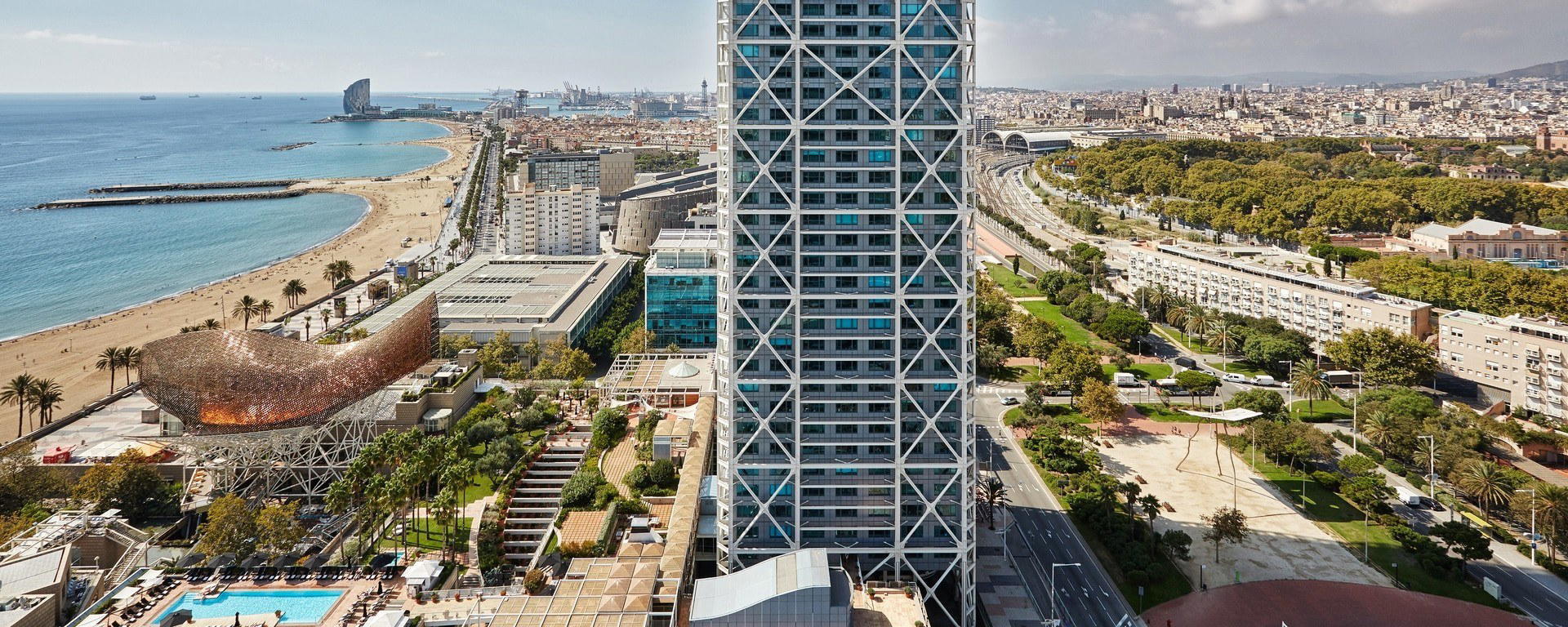
COYA Barcelona occupies the first floor of Plaça de la Rosa dels Vents in Ciutat Vella, bringing the group's Peruvian-rooted format to a city already dense with ambitious dining. The setting layers Latin American warmth against Barcelona's port-adjacent energy, and the kitchen works within a sourcing framework that connects Andean tradition with Mediterranean proximity. For the category, it sits in a tier defined more by mood and ingredient provenance than by tasting-menu formality.
Pearl is the En Primeur Club membership app — saves, bookings, and concierge access live there. Same editors, same standards.
- Address
- Plaça de la Rosa dels Vents, 1, 1st floor, Ciutat Vella, 08039 Barcelona, Spain
- Phone
- +34933568034
- Website
- coyarestaurant.com
- Directions
- Get directions
 Saves & bookings on Pearl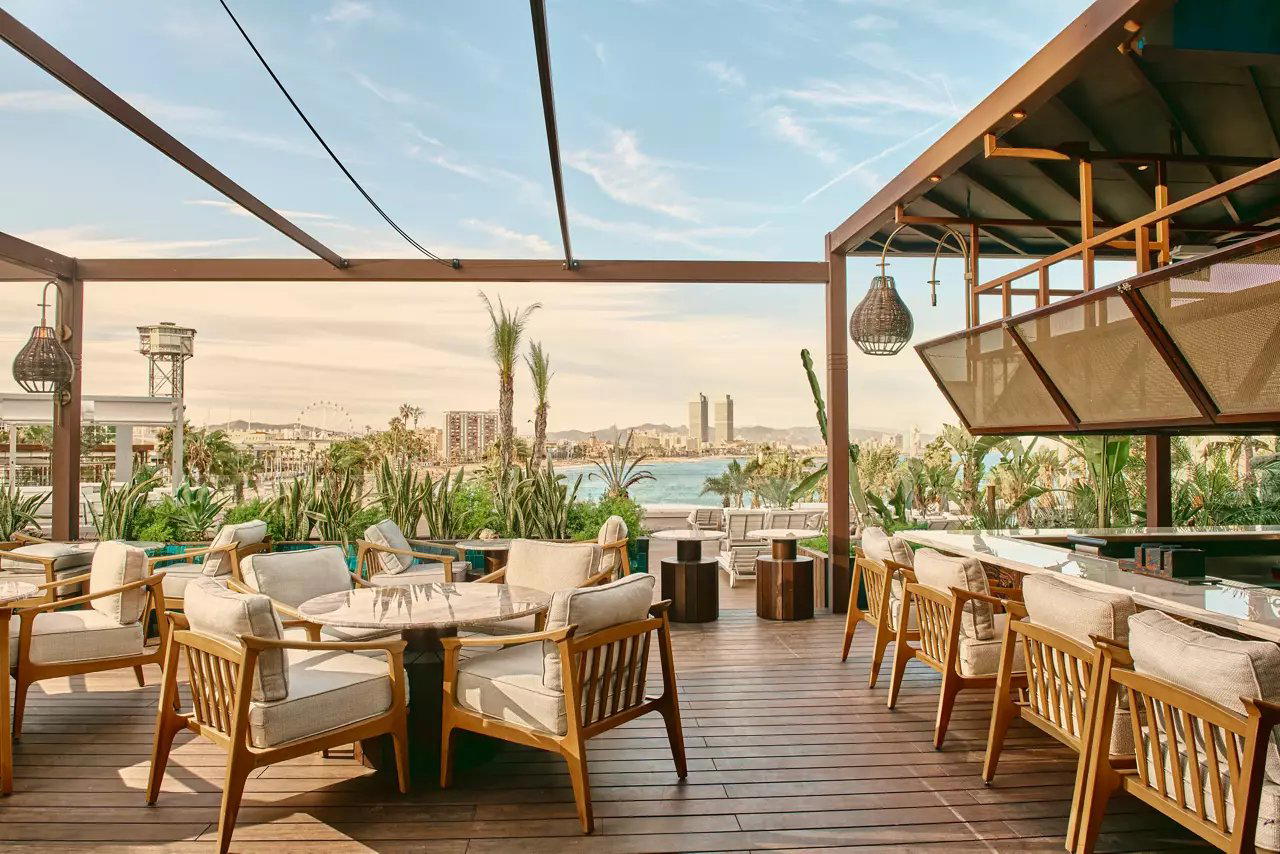
Peru Meets the Mediterranean: COYA's Place in Barcelona's International Dining Scene
Barcelona's dining map has long been pulled in two directions: the progressive Spanish kitchens at its apex, where venues like Disfrutar and Cocina Hermanos Torres push technique-led menus to their formal limits, and a lower tier of concept-driven international restaurants that have multiplied across Eixample and the waterfront over the past decade. COYA sits in neither camp cleanly. The brand, with its flagship roots in London's Mayfair and subsequent outposts in Dubai, Monte-Carlo, and Mykonos, belongs to a specific genus of premium experiential dining that trades on Peruvian culinary vocabulary while anchoring the offer in atmosphere and hospitality format as much as in the plate itself.
In Barcelona specifically, Peruvian cooking occupies an interesting position. The city already has a significant Peruvian-origin community, which means ceviche, tiradito, and causa are not curiosities for local diners in the way they might be in northern European cities. COYA pitches above that neighbourhood register, not competing with family-run cevicherías but positioning against the international luxury-casual tier where Barcelona has seen the growth since 2015. That tier is crowded, and the venue's address in Ciutat Vella, at Plaça de la Rosa dels Vents on the first floor, places it close to the waterfront energy that draws leisure and business visitors alike.
The Environment: Approaching Plaça de la Rosa dels Vents
The square itself carries a particular quality of light in the late afternoon, when the port-adjacent air softens and the stone of the Barceloneta edge catches the last of the western sun. First-floor dining rooms in this part of the city can feel either refined or detached depending on how the space manages natural light and the transition from street level. COYA's format across its other locations has consistently invested in interior design as a primary signal of positioning, dark timbers, woven textiles, and warm lighting that compress the scale of a room and direct attention inward, toward the table and the interaction rather than outward toward the view. Whether the Barcelona room follows that template precisely, the address suggests a setting where the approach to arrival and mood matters as part of the experience design.
That investment in atmosphere is itself a sustainability argument of sorts. Concept-led dining environments that create strong experiential memory reduce the reliance on menu novelty alone to drive return visits, a less waste-intensive model than those that require constant menu reinvention and ingredient turnover to maintain attention.
Sourcing Logic and the Sustainability Frame
COYA's culinary identity is grounded in Peruvian technique, and that tradition carries its own inherent relationship to sourcing ethics. Peruvian cooking, at its core, developed as a system for maximising the output of diverse micro-climates: coastal ceviche culture built around small, fast-cycle fish; highland grain and potato preparations that use crops with deep ecological roots; jungle-sourced botanicals that formed part of indigenous food systems long before the concept of provenance became a marketing category. When a restaurant in this tradition operates responsibly, the supply chain tends to align with lower-intervention sourcing by default.
The proximity of Barcelona to high-quality Mediterranean producers strengthens that logic. The city sits within reach of artisan fishing operations along the Costa Daurada, organic market gardening in the Maresme, and premium charcuterie and cheese producers in Catalonia and Aragón. A kitchen that applies Peruvian technique to locally sourced Mediterranean ingredients is not simply doing fusion, it is making a quiet argument about how culinary traditions from high-biodiversity regions can work with, rather than against, regional ingredient systems. Spain's own leading kitchens have made this argument explicitly: Aponiente in El Puerto de Santa María has built an entire programme around marine ecology, while Azurmendi in Larrabetzu holds its three Michelin stars partly on the strength of its certified sustainability work. COYA operates in a different register from those Michelin-weighted flagships, but the sourcing conversation they have normalised across Spanish fine dining creates a context in which any serious kitchen is expected to have a clear position on provenance.
Where COYA Sits in Barcelona's Broader Fine Dining Ecosystem
The restaurants commanding maximum attention in Barcelona right now are concentrated in the creative-progressive Spanish tier. ABaC, Lasarte, and Enigma operate tasting-menu formats where the commitment required from the diner, in time, price, and attention, is considerable. That tier connects upward to the wider Spanish scene: El Celler de Can Roca in Girona, Mugaritz in Errenteria, Quique Dacosta in Dénia, and Arzak in San Sebastián all represent the formal high-commitment version of the country's dining ambition, as do Martin Berasategui in Lasarte-Oria, Ricard Camarena in València, and DiverXO in Madrid. Even Atrio in Cáceres has built a serious case as a destination in its own right.
COYA does not compete with that tier and does not try to. Its comparable set is the international brand restaurant operating at premium-casual pricing in a major city's leisure-and-hospitality corridor. Within that comparable set, it is competing against the mood and format of a night out as much as against specific dishes. The comparison that matters is not with Le Bernardin in New York or Lazy Bear in San Francisco but with what else a visitor to Barcelona's waterfront might choose on the same evening. On that comparison, COYA's Peruvian specificity and investment in environment give it a clearer identity than most international-brand competitors in the same price band.
Planning Your Visit
- Address: Plaça de la Rosa dels Vents, 1, 1st floor, Ciutat Vella, 08039 Barcelona, Spain
- Neighbourhood: Ciutat Vella, close to the Port Olímpic waterfront corridor
- Format: Premium-casual Peruvian, part of the COYA international group
Awards and Standing
Comparable venues nearby, for context on price, style, and recognition.
| Venue | Cuisine | Price | Notes |
|---|---|---|---|
| COYA BarcelonaThis venue — the venue you are viewing | Peruvian Fusion | $$$$ | Not listed |
| Estimar - Rafa Zafra | High-end Mediterranean seafood by Rafa Zafra | $$$$ | El Born |
| Me sabe a Perú | Authentic Peruvian Home Cooking | $$ | el Camp de l'Arpa del Clot |
| Agreste | Italian-Catalan Fine Dining | $$$$ | el Coll |
| Pakta | Nikkei (Peruvian-Japanese Fusion) | $$$$ | Poble Sec |
| 1881 per Sagardi | Traditional Catalan Mediterranean | $$$$ | Port Vell |
Recognition history
Dated appearances from independent guides and award organizations, with the underlying list record or original source where available.
Macarfi 7.5 Food Rating
Macarfi
Michelin 1 Star
Michelin
Michelin 1 Star
Michelin
Continue exploring
More in Barcelona
Restaurants in Barcelona
Browse all →
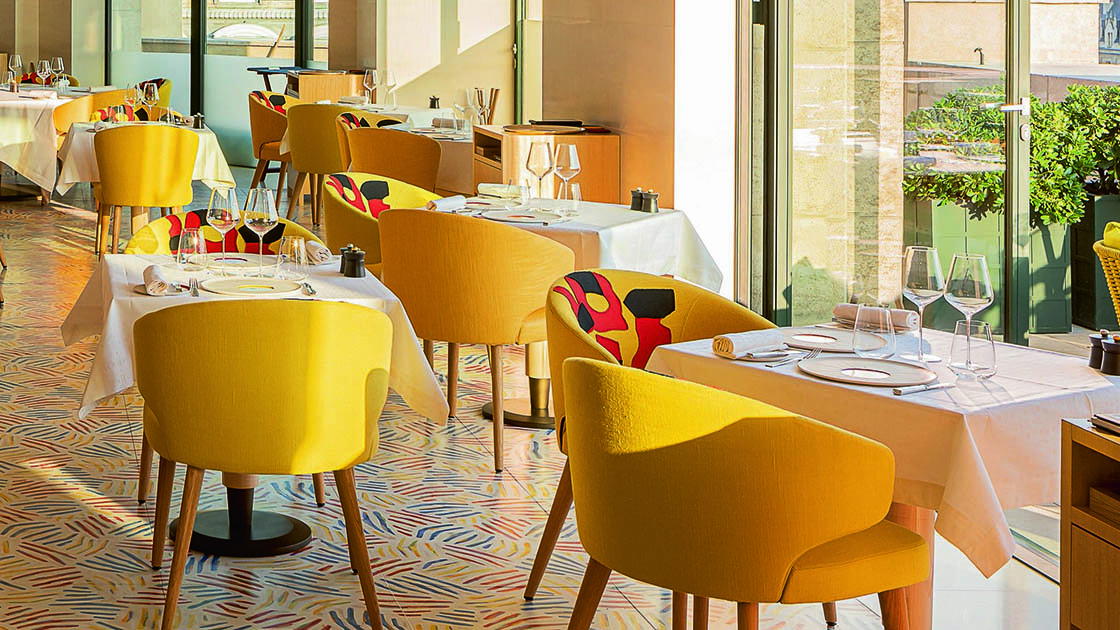
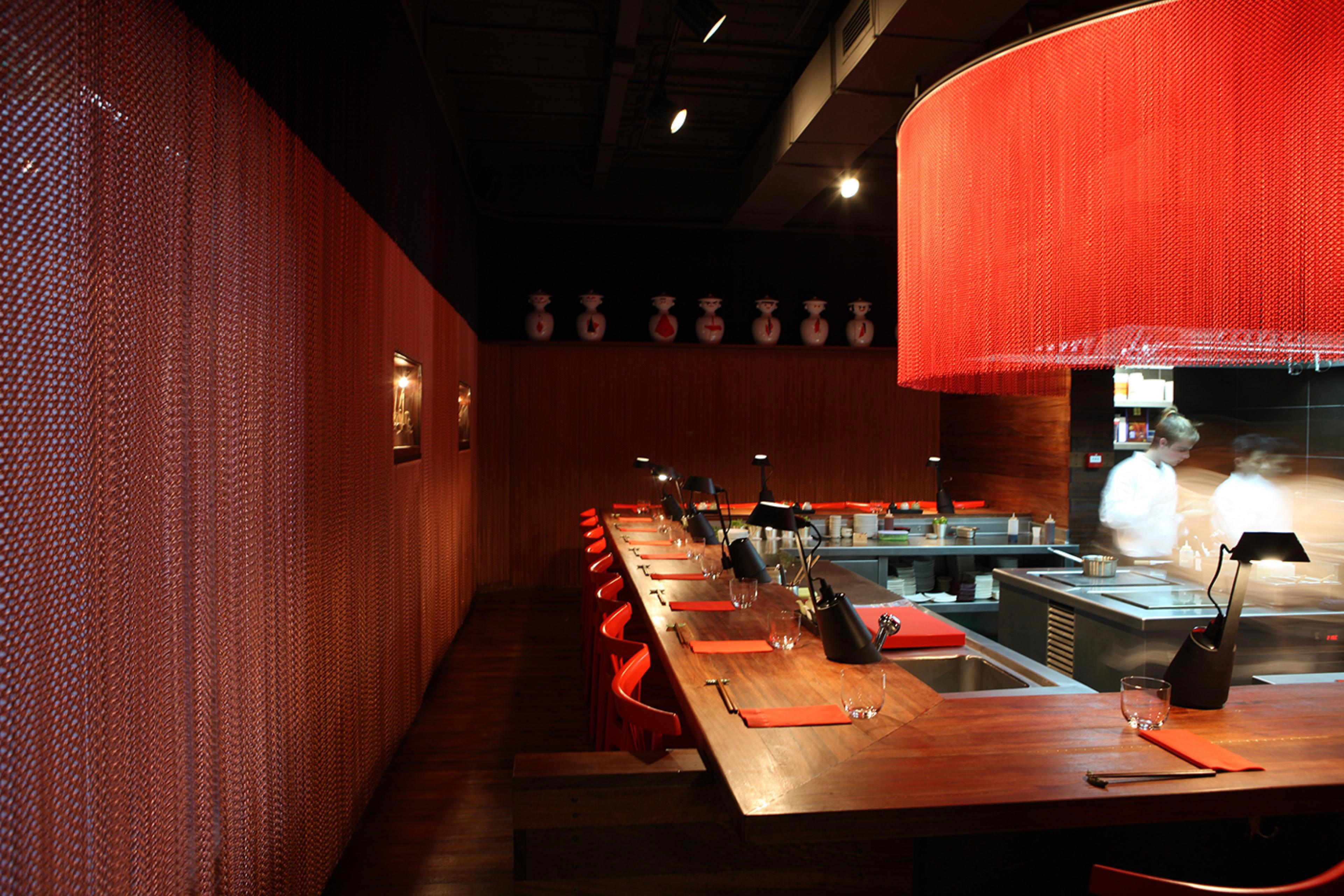
Bars in Barcelona
Browse all →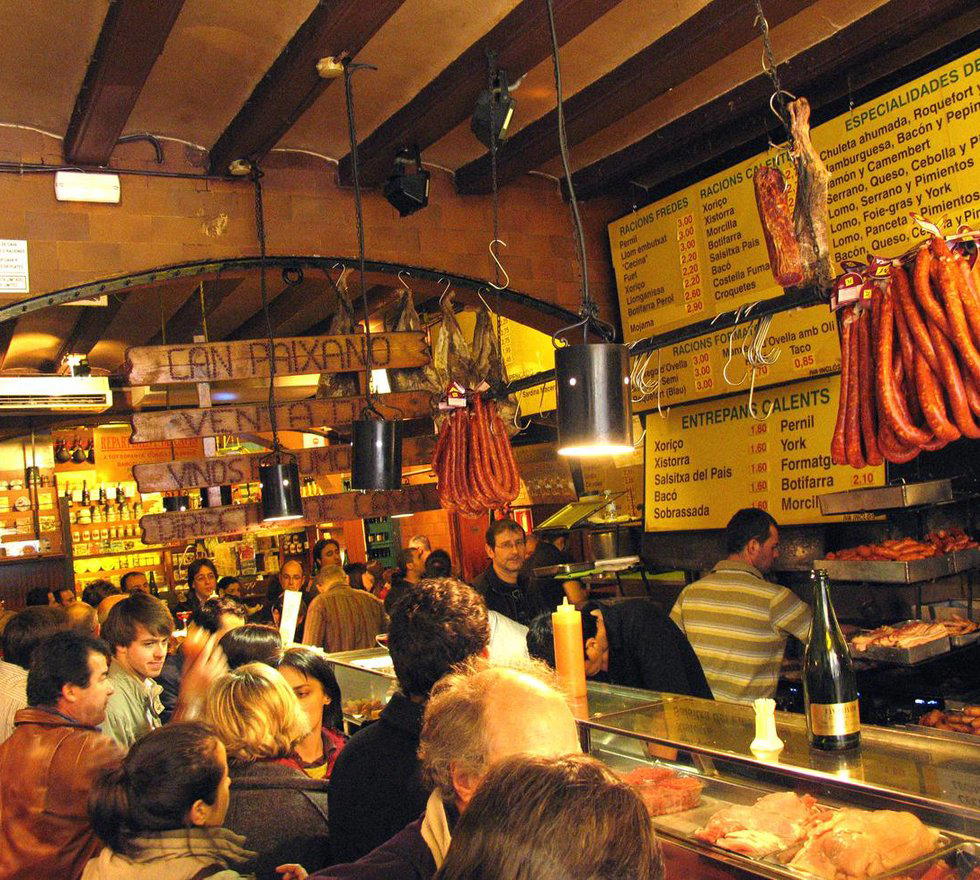
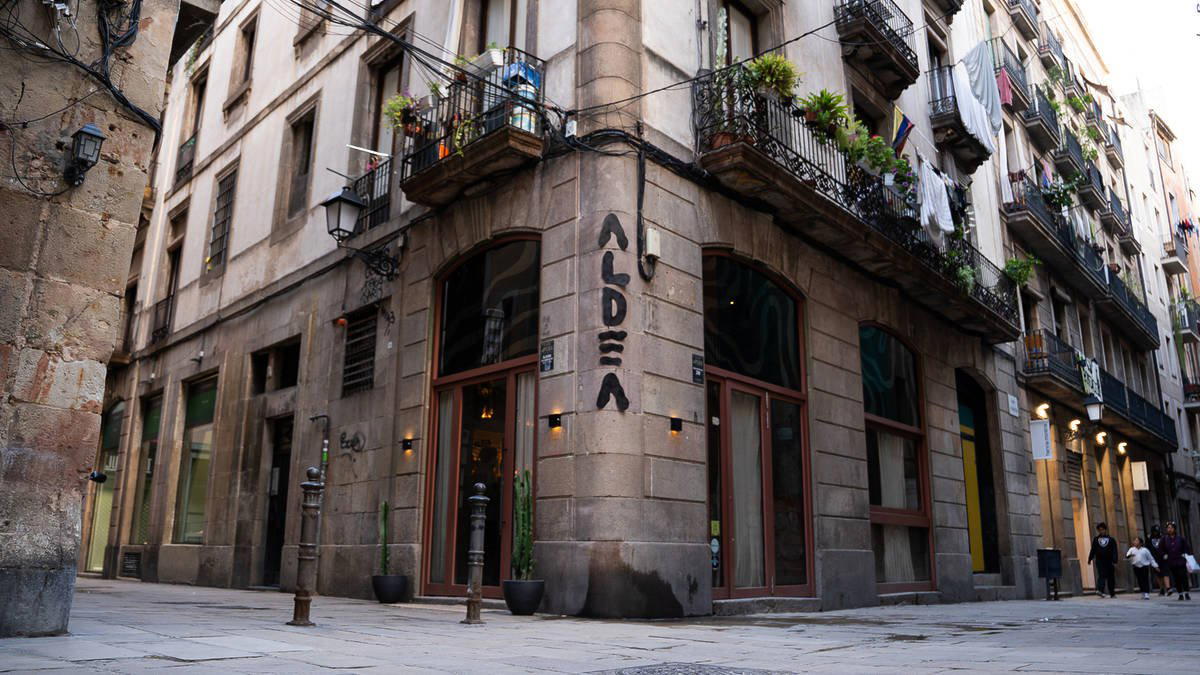
Hotels in Barcelona
Browse all →

At a Glance
- Elegant
- Lively
- Sophisticated
- Romantic
- Trendy
- Date Night
- Group Dining
- Special Occasion
- Terrace
- Live Music
- Hotel Restaurant
- Craft Cocktails
- Waterfront
- Skyline
Current opening hours
- Monday
- Closed
- Tuesday
- 7 PM–12:30 AM
- Wednesday
- 7 PM–12:30 AM
- Thursday
- 7 PM–12:30 AM
- Friday
- 7 PM–1:30 AM
- Saturday
- 7 PM–1:30 AM
- Sunday
- Closed
Hours can change for holidays and private events. Last verified .
Warm low lighting, cosy partitions with pillows, dramatic decor featuring Peruvian art, greenery, and a lively atmosphere with live DJ.