A cantina-style address on Rua Abolição in the São Paulo interior city of Americana, Cantina Breda di Piave sits within Brazil's broader tradition of Italian immigrant dining culture, where the cooking of Veneto and Lombardy has been adapted and absorbed over more than a century. The setting serves as a reference point for understanding how that culinary inheritance plays out in smaller cities well beyond the São Paulo capital restaurant circuit.
Pearl is the En Primeur Club membership app — saves, bookings, and concierge access live there. Same editors, same standards.
- Address
- R. Abolição, 958 - Vila Santa Catarina, Americana - SP, 13466-280, Brazil
- Phone
- +551936482918
- Website
- facebook.com
- Directions
- Get directions
 Saves & bookings on Pearl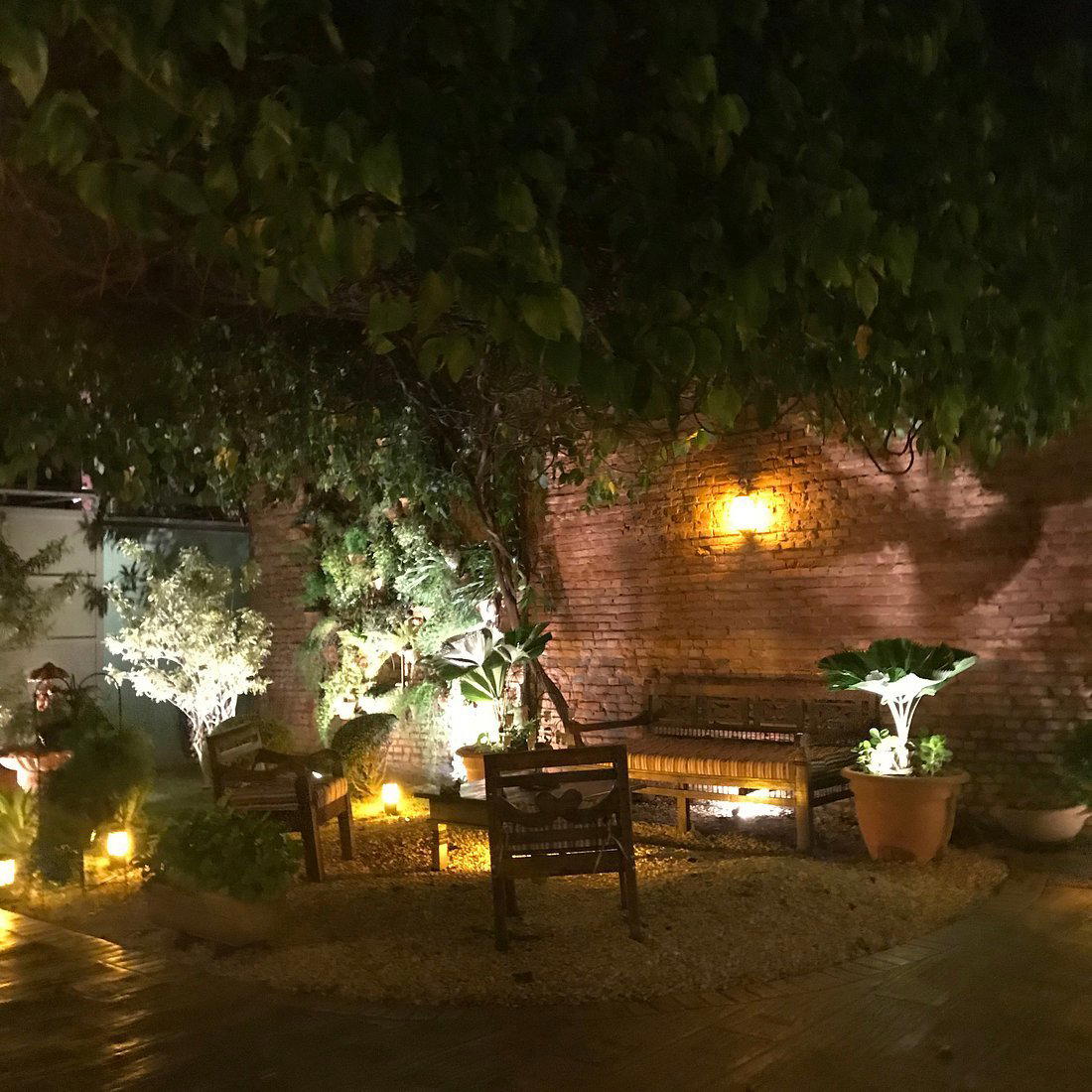
Where the Veneto Comes to Americana
The cantina format in interior São Paulo is not a restaurant trend. It is a direct consequence of the late nineteenth and early twentieth century Italian immigration that reshaped agriculture, industry, and daily eating across the state. In cities like Americana, Campinas, and Piracicaba, Italian surnames still fill the phone book, and the cooking of Veneto, Friuli, and Lombardy arrived with those families and stayed. Cantina Breda di Piave is a modern Italian cantina in Americana, SP. Addressed at Rua Abolição 958 in the Vila Santa Catarina district, it takes its name from Breda di Piave, a municipality in the Treviso province of Veneto, a detail that roots the place firmly in that immigrant inheritance rather than in any contemporary reinvention of it.
The cantina tradition in this part of Brazil differs from what you find at Italian-inflected restaurants in São Paulo's capital. Addresses like Olivetto Restaurante E Enoteca in Campinas operate within a more self-consciously formal register, with wine lists and tasting formats oriented toward a cosmopolitan clientele. In smaller interior cities, the cantina functions more as community institution than destination restaurant, a place where the cooking reflects accumulated domestic knowledge rather than a chef's editorial position.
Americana in the São Paulo Interior Dining Map
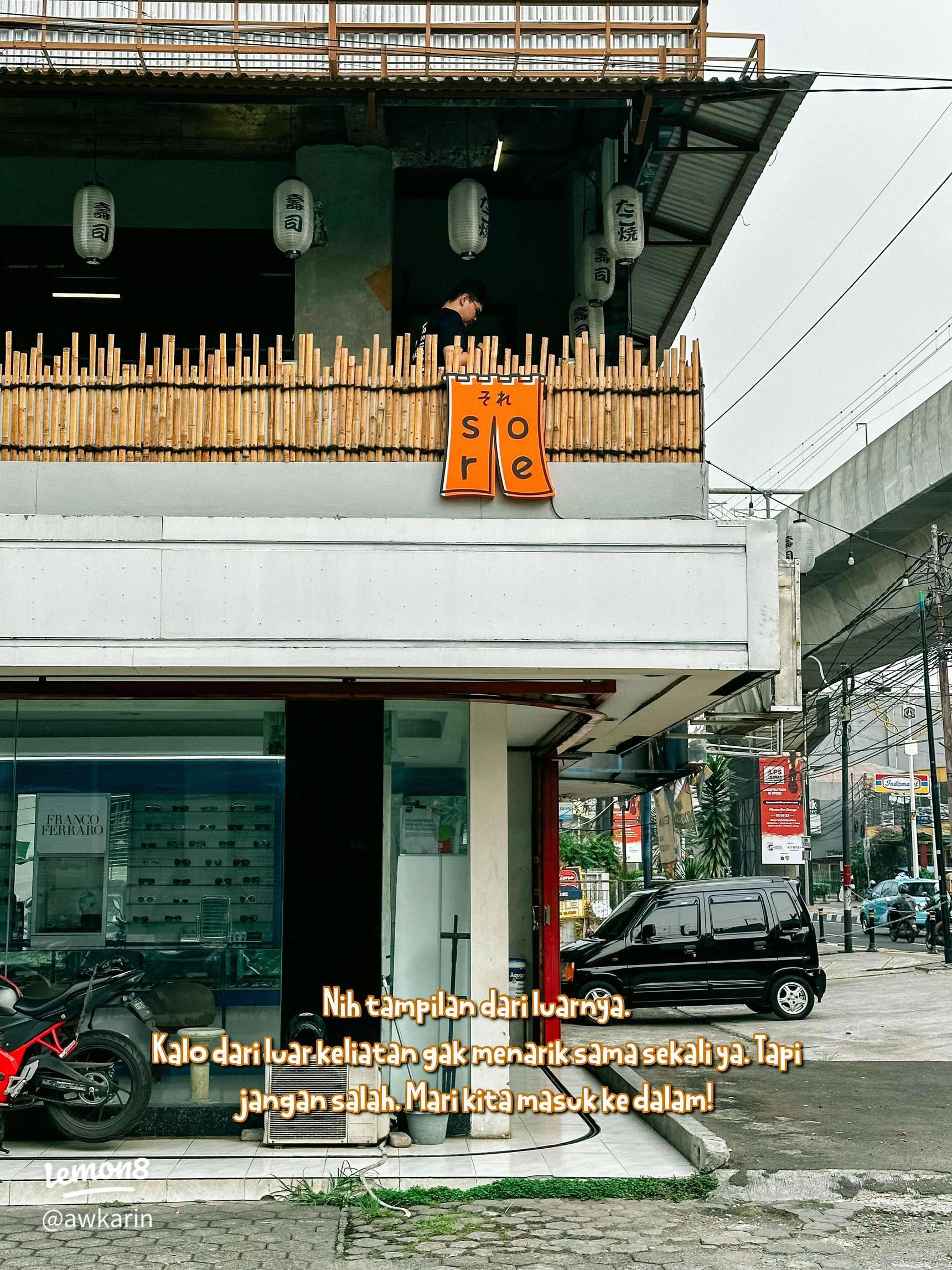
Americana sits roughly 130 kilometres northwest of São Paulo city, in a corridor of industrial and agricultural towns that also includes Campinas and Santa Bárbara d'Oeste. The city's population has strong Italian and Japanese descent communities, which is why the local restaurant scene contains both cantina-format Italian houses and Japanese and Asian-influenced options. The neighbouring Empório Asia House reflects that second demographic thread, while cantinas like this one represent the Italian side of the same story. Buns Hamburgueria.
What matters for a visitor choosing between Americana's dining options is understanding which register each venue operates in. The cantina format historically prioritises generous portions, house-made pasta, and a degree of informality that places it closer to family-table dining than to the structured tasting formats you find at the summit of Brazil's restaurant hierarchy. Venues like Oteque in Rio de Janeiro or D.O.M. in São Paulo operate in an entirely different register, Michelin-starred, produce-driven, and formally sequenced.
The Italian-Brazilian Cantina as Cultural Format
Understanding what the cantina format delivers requires some knowledge of how Italian cooking was translated across the Atlantic. The Veneto immigrants who came to São Paulo state in the 1880s and 1890s brought recipes calibrated for rural northern Italy: polenta, risotto, fresh pasta, braised meats, and wine as a daily staple rather than an occasion marker. In Brazil, those recipes absorbed local ingredients over generations, different flours, different cuts of pork, different growing conditions for vegetables, and what emerged was neither purely Italian nor purely Brazilian, but a third thing specific to this region.
That cooking tradition sits in interesting counterpoint to the contemporary Brazilian restaurant movement. Where places like Manu in Curitiba or Manga in Salvador are explicitly engaged with sourcing, technique, and the articulation of regional Brazilian identity through modern cooking, the cantina operates on accumulated practice. It is less interested in declaring what it is and more concerned with reproducing what it has always done. That conservatism is, in context, its own form of integrity.
The broader São Paulo interior has several such houses. Comparing Cantina Breda di Piave's position in Americana to, say, the Italian-inflected dining rooms found in Serra Gaúcha, where Primrose in Gramado and Castelo Saint Andrews in Vale do Bosque occupy a more tourism-oriented niche, clarifies how local and functional the cantina model in Americana actually is. It is not constructed for visitors; it exists for the community that built it.
Reading the Address: Vila Santa Catarina
The address on Rua Abolição in Vila Santa Catarina places the cantina in a residential district rather than a commercial dining strip. That location is consistent with the neighbourhood-institution character of traditional cantinas throughout interior São Paulo. These are not venues that depend on foot traffic from tourism or from an urban dining scene. They draw from a fixed radius of regular customers, and the format, often lunch-anchored, often family-run, reflects that local orientation. Visitors arriving from outside Americana should treat the address accordingly: this is not a venue in a restaurant quarter, and the experience of reaching it carries its own contextual information about what kind of cooking you will find inside.
For comparison, consider how Birosca S2 in Belo Horizonte operates as a neighbourhood-anchored address within a larger city's dining fabric, or how Lobby Café in Belém serves a local community while remaining accessible to out-of-towners who know to seek it out. The pattern of locally rooted venues operating outside the formal restaurant-guide circuit is common across Brazilian cities of this scale, and Cantina Breda di Piave fits that pattern cleanly.
Planning Your Visit
The restaurant is recommended for reservations and keeps these hours: Mon and Tue closed; Wed and Thu 7 to 11 PM; Fri and Sat 7 PM to 12 AM; Sun 12 to 3 PM. The physical address is Rua Abolição, 958 - Vila Santa Catarina, Americana - SP, 13466-280, Brazil. For those travelling from São Paulo, Americana is accessible by road via the Anhanguera or Bandeirantes motorways, with journey times typically in the range of ninety minutes to two hours depending on traffic. Given the residential location, arriving by car is the more practical choice.
For those building a wider itinerary across Brazil's interior and beyond, the EP Club covers the full range: from Mina in Campos do Jordão for mountain-town dining to Açaí Cuiabano in Cuiabá for regional Brazilian staples further west, and internationally to Le Bernardin in New York City or Lazy Bear in San Francisco for reference points at the other end of the formality spectrum. The Orixás North Restaurant in Itacaré and State of Espírito Santo in Rio Bananal round out the regional picture for readers interested in how Brazilian cooking varies across states and culinary traditions.
A Pricing-First Comparison
Comparable venues nearby, for context on price, style, and recognition.
| Venue | Cuisine | Price | Notes |
|---|---|---|---|
| Cantina Breda di PiaveThis venue — the venue you are viewing | Americana, Modern Italian Cantina | $$$ | Not listed |
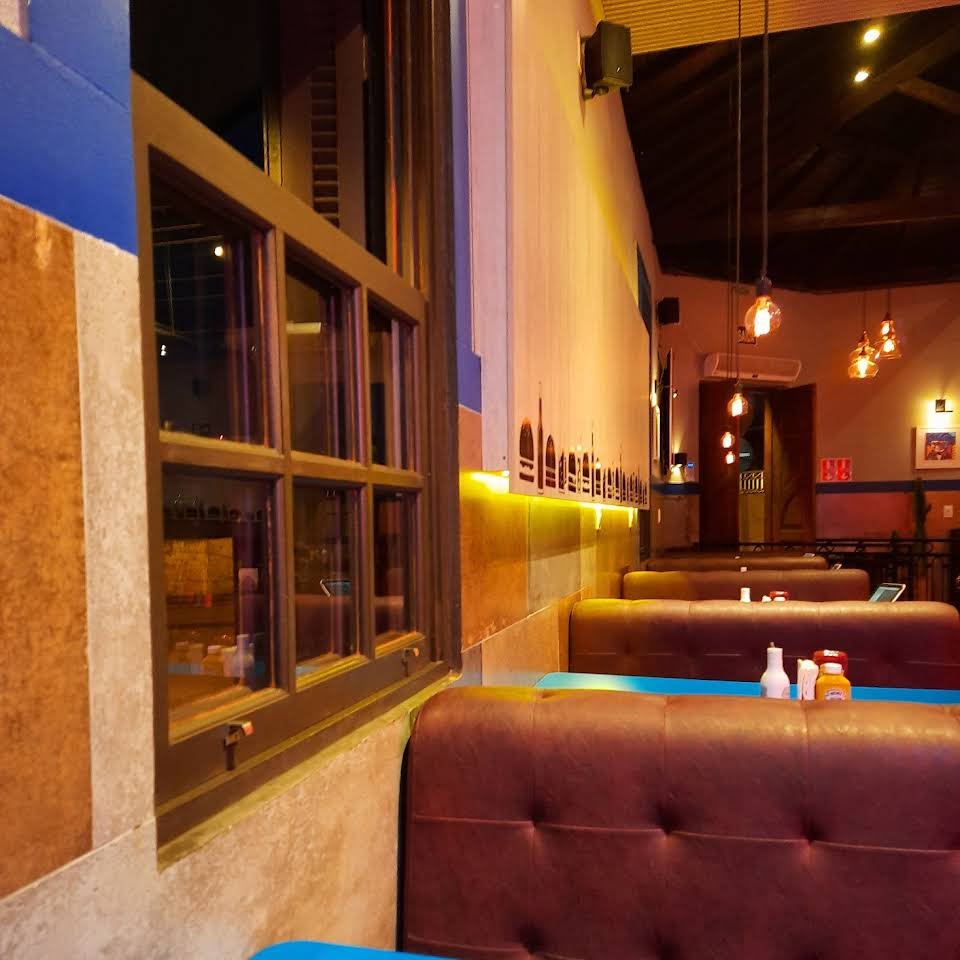
| Buns Hamburgueria | Not listed | $$ | Central Americana, American Gourmet Burgers |
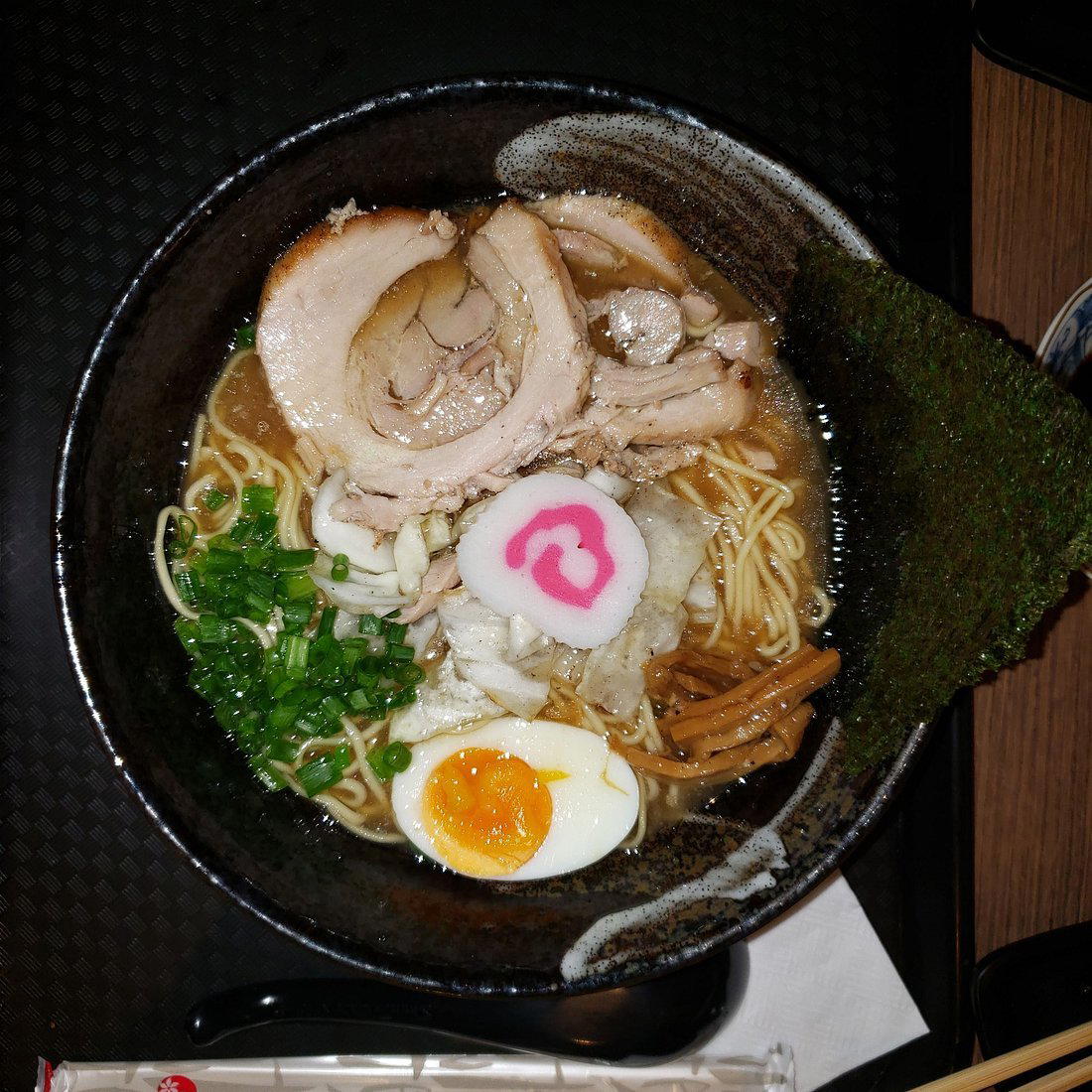
| Empório Asia House | Not listed | $$ | :null, Traditional Japanese Ramen |
| Di Paolo Campinas | Not listed | $$$ | Jardim Madalena, Serra Gaúcha Italian Galeto |
| Altruísta Osteria e Enoteca | Not listed | $$$ | Jardim Paulista, Italian Osteria with Wine Focus |
| Casaretto Pasta & Vinho | Alto, Traditional Italian Pasta & Wine | $$$ | Not listed |
Continue exploring
More in Americana

At a Glance
- Elegant
- Rustic
- Cozy
- Sophisticated
- Date Night
- Business Dinner
- Family
- Celebration
- Garden
- Open Kitchen
- Extensive Wine List
- Garden
Current opening hours
- Monday
- Closed
- Tuesday
- Closed
- Wednesday
- 7–11 PM
- Thursday
- 7–11 PM
- Friday
- 7 PM–12 AM
- Saturday
- 7 PM–12 AM
- Sunday
- 12–3 PM
Hours can change for holidays and private events. Last verified .
Extravagant rustic ambiance with high ceilings, exposed natural Italian bricks, wood accents, and a wonderful garden option praised for well-suited atmosphere.