Asian Dining in Interior São Paulo: A Study in Contrast Americana sits about 130 kilometres northwest of São Paulo, a mid-sized industrial city in the interior of the state that draws little attention from the country's food press. That context...
Pearl is the En Primeur Club membership app — saves, bookings, and concierge access live there. Same editors, same standards.
- Address
- R. Suriname, 400 - Vila Frezzarin, Americana - SP, 13465-790, Brazil
- Phone
- +5519974020514
- Website
- wa.me
- Directions
- Get directions
 Saves & bookings on Pearl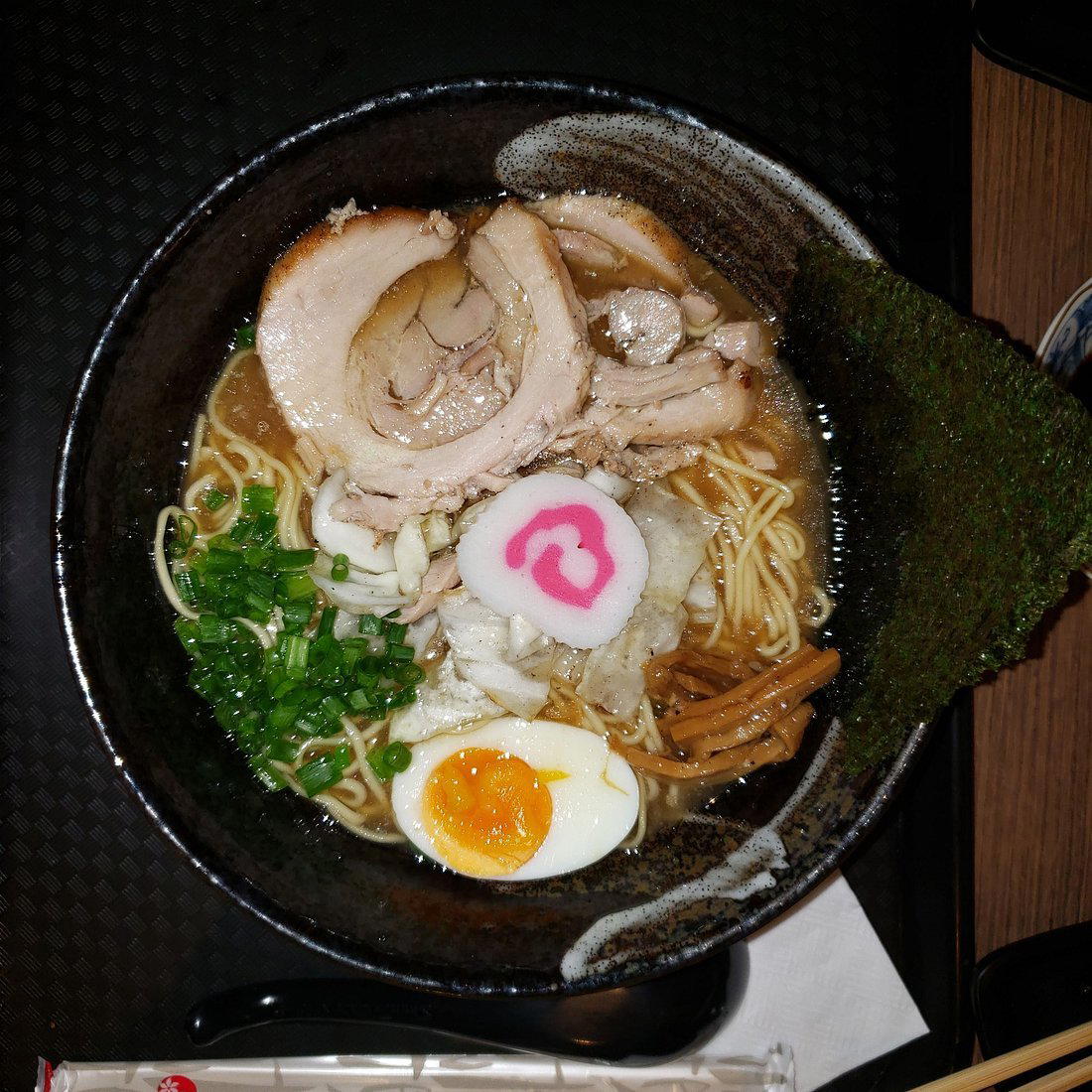
Asian Dining in Interior São Paulo: A Study in Contrast
Americana sits about 130 kilometres northwest of São Paulo, a mid-sized industrial city in the interior of the state that draws little attention from the country's food press. That context matters when considering Empório Asia House on Rua Suriname in the Vila Frezzarin district. Interior Brazilian cities have historically supported a narrow range of restaurant formats, clustering around churrascarias, cantinas, and casual family dining. An establishment oriented around Asian cuisine in this setting occupies a genuinely different position from its urban counterparts, filling a category gap rather than competing within a crowded field.
Brazil's relationship with Asian cuisine runs deep and is unevenly distributed. São Paulo's Liberdade district has been a centre of Japanese-Brazilian culture for over a century, and the country hosts the largest Japanese diaspora population outside Japan. That culinary inheritance has filtered outward over decades, reaching secondary cities through family-run restaurants, nikkei-influenced street food, and now more formalised dining concepts. Empório Asia House fits within that broader diffusion pattern, bringing an Asian-oriented format to a city where such options are considerably less common than in the capital.
The Ritual of the Asian Table in a Brazilian Interior City
Across Asia, dining ritual varies enormously: the silent precision of Japanese omakase, the communal chaos of a Cantonese dim sum hall, the methodical progression of a Korean banchan spread. What these formats share is a sense that the meal has structure, that dishes arrive in an order that carries meaning, and that the table itself is a kind of stage. Brazilian interior dining has its own rituals, centred on abundance and informality, which makes a venue oriented around Asian formats an interesting cultural negotiation.
At establishments across Brazil that have successfully transplanted Asian dining customs, the experience tends to adapt rather than replicate. The pacing slows to match local expectations. Shared plates become more prominent because Brazilian dining culture already prizes communal eating. Sauces and condiments that in Tokyo or Seoul would be used sparingly become central to the table, accommodating a local palate that expects more assertive flavour. These adaptations are not compromises but translations, and the quality of that translation is where such restaurants succeed or fall short.
For context on how this plays out at a higher register, Oteque in Rio de Janeiro and D.O.M. in São Paulo represent the ceiling of Brazilian dining ambition, where international technique meets native ingredients. Interior concepts like Empório Asia House operate at a different scale and with different ambitions, but they participate in the same broader conversation about what Brazilian restaurants look like in cities that are not yet on the international radar.
Placing Empório Asia House in the Americana Dining Scene
Americana's restaurant scene is dominated by neighbourhood staples rather than destination dining. Buns Hamburgueria and Cantina Breda di Piave represent two ends of the city's dining identity: casual contemporary and Italian heritage, respectively. Both reflect the immigrant history and working-city character that defines Americana's food culture. An Asian-oriented establishment on Rua Suriname introduces a third axis, one that connects to Brazil's Pacific-rim culinary history rather than its European one.
That positioning carries logistical implications for the visitor. Americana is not a city with a deep hospitality infrastructure for travellers, so a trip here anchored around the restaurant would be part of a broader interior São Paulo itinerary rather than a standalone destination. The city is accessible from Campinas, where Olivetto Restaurante E Enoteca offers a strong Italian-focused alternative, and both sit within reasonable range of São Paulo for a day or overnight circuit. Visitors exploring the wider state dining circuit might also consider Mina in Campos do Jordão for mountain-town contrast.
For those building a longer Brazilian restaurant route, the country's regional spread rewards planning. Birosca S2 in Belo Horizonte, Manga in Salvador, Orixás North Restaurant in Itacaré, and Lobby Café in Belém each anchor a different regional identity, while Manu in Curitiba and Primrose in Gramado represent the southern dining tradition. Açaí Cuiabano in Cuiabá and State of Espírito Santo in Rio Bananal extend that map further into Brazil's interior and centre-west. Castelo Saint Andrews in Vale do Bosque adds a southern heritage format to the picture.
Planning a Visit
The address at R. Suriname, 400, Vila Frezzarin places the restaurant in a residential-commercial district typical of Americana's neighbourhood character. Current opening hours are Mon: Closed; Tue: 1–9 PM; Wed: Closed; Thu: 11 AM–3 PM, 5:30–8:30 PM; Fri: 11 AM–3 PM, 5:30–8:30 PM; Sat: 11 AM–3 PM, 5:30–8:30 PM; Sun: Closed. The venue is walk-in friendly. It is walk-in friendly, so arriving without a booking is reasonable.
For international visitors calibrating expectations: interior Brazilian city dining operates at a different pace and register than the capital's ambitious restaurant tier. That is not a limitation but a different set of pleasures, closer to the cooking of a specific community than the performance of a professional kitchen aiming at a global audience. The comparison points are not Le Bernardin in New York City or Lazy Bear in San Francisco but the mid-tier neighbourhood restaurants that serve a city's daily life rather than its occasion dining.
Where It Fits
Comparable venues nearby, for context on price, style, and recognition.
| Venue | Cuisine | Price | Notes |
|---|---|---|---|
| Empório Asia HouseThis venue — the venue you are viewing | Traditional Japanese Ramen | $$ | Not listed |
| Cantina Breda di Piave | Modern Italian Cantina | $$$ | Americana |
| Buns Hamburgueria | American Gourmet Burgers | $$ | Central Americana |
| Maki Sushi | Japanese Sushi Rodízio | $$ | City Center |
| Hoka Hoka Japanese Food | Japanese Sushi | $$ | Centro |
| Mana Poke - Rio Claro | Hawaiian Poke Bowls | $$ | Cidade Jardim |
Continue exploring
More in Americana
At a Glance
- Cozy
- Intimate
- Casual Hangout
- Family
- Open Kitchen
Current opening hours
- Monday
- Closed
- Tuesday
- 1–9 PM
- Wednesday
- Closed
- Thursday
- 11 AM–3 PM, 5:30–8:30 PM
- Friday
- 11 AM–3 PM, 5:30–8:30 PM
- Saturday
- 11 AM–3 PM, 5:30–8:30 PM
- Sunday
- Closed
Hours can change for holidays and private events. Last verified .
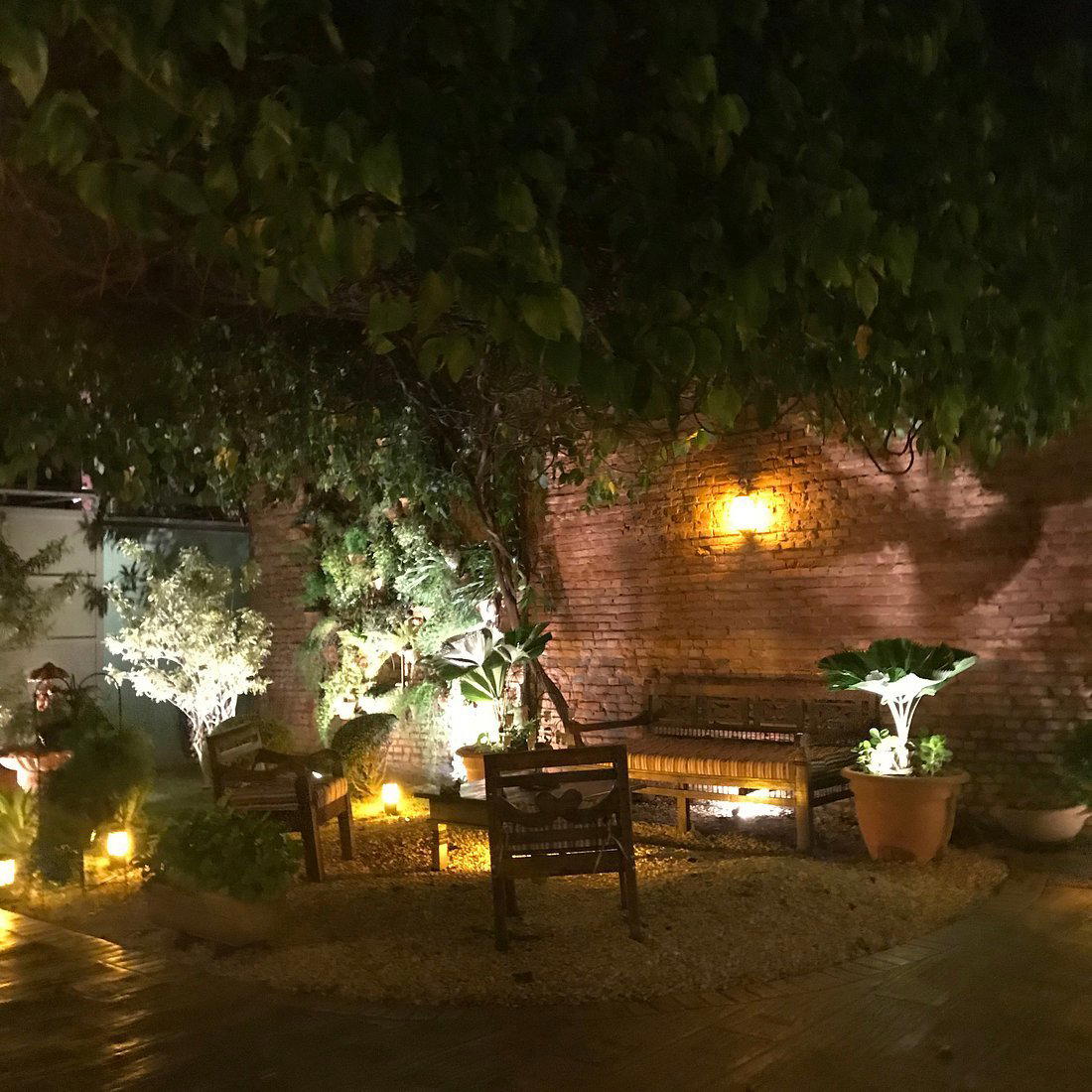
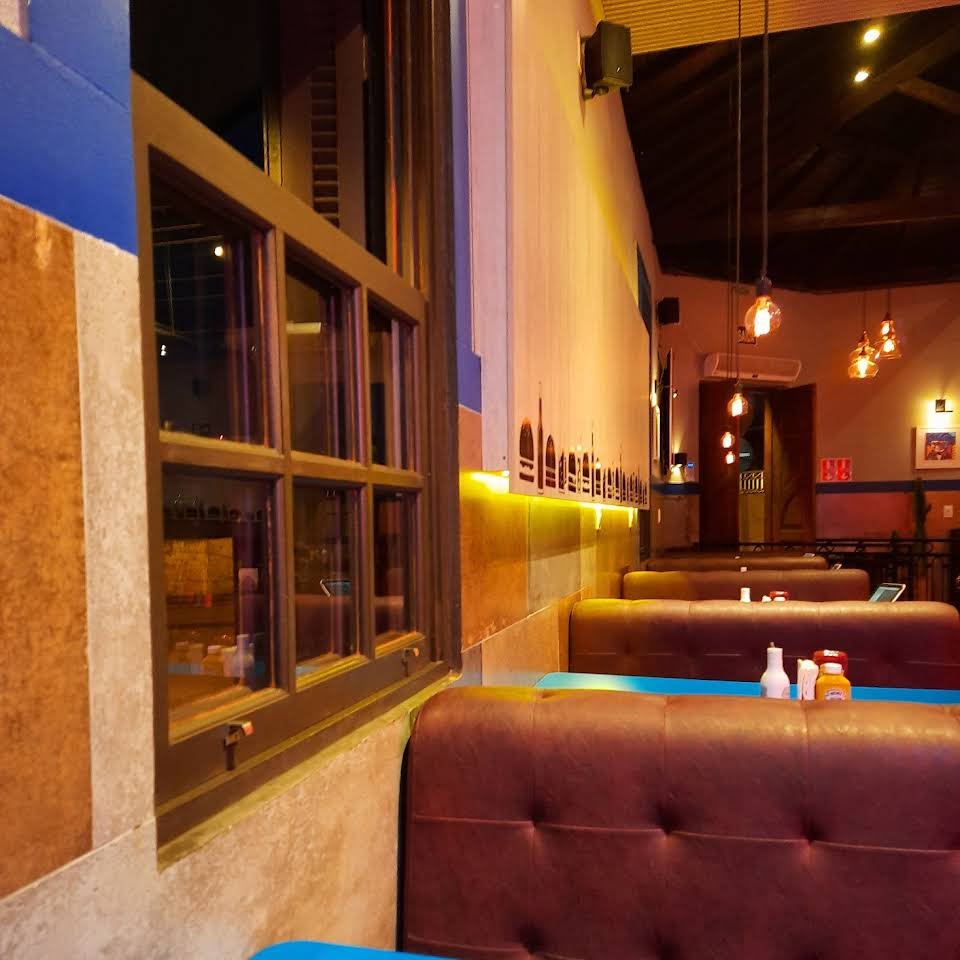
A welcoming and comfortable atmosphere with friendly staff and a cozy, intimate setting.