Casaretto Pasta & Vinho
Casaretto Pasta & Vinho sits in Piracicaba's Alto neighbourhood, where a growing appetite for honest Italian-inflected cooking and well-chosen wine has found a natural home. The name says it plainly: pasta and wine are the twin anchors here. For a mid-sized São Paulo state city better known for sugar cane than dining scenes, it signals an ambition worth tracking.
Pearl is the En Primeur Club membership app — saves, bookings, and concierge access live there. Same editors, same standards.
- Address
- R. Aquilino Pacheco, 412 - Alto, Piracicaba - SP, 13419-150, Brazil
- Phone
- +551934336785
- Website
- casarettopastaevinho.com.br
- Directions
- Get directions
 Saves & bookings on Pearl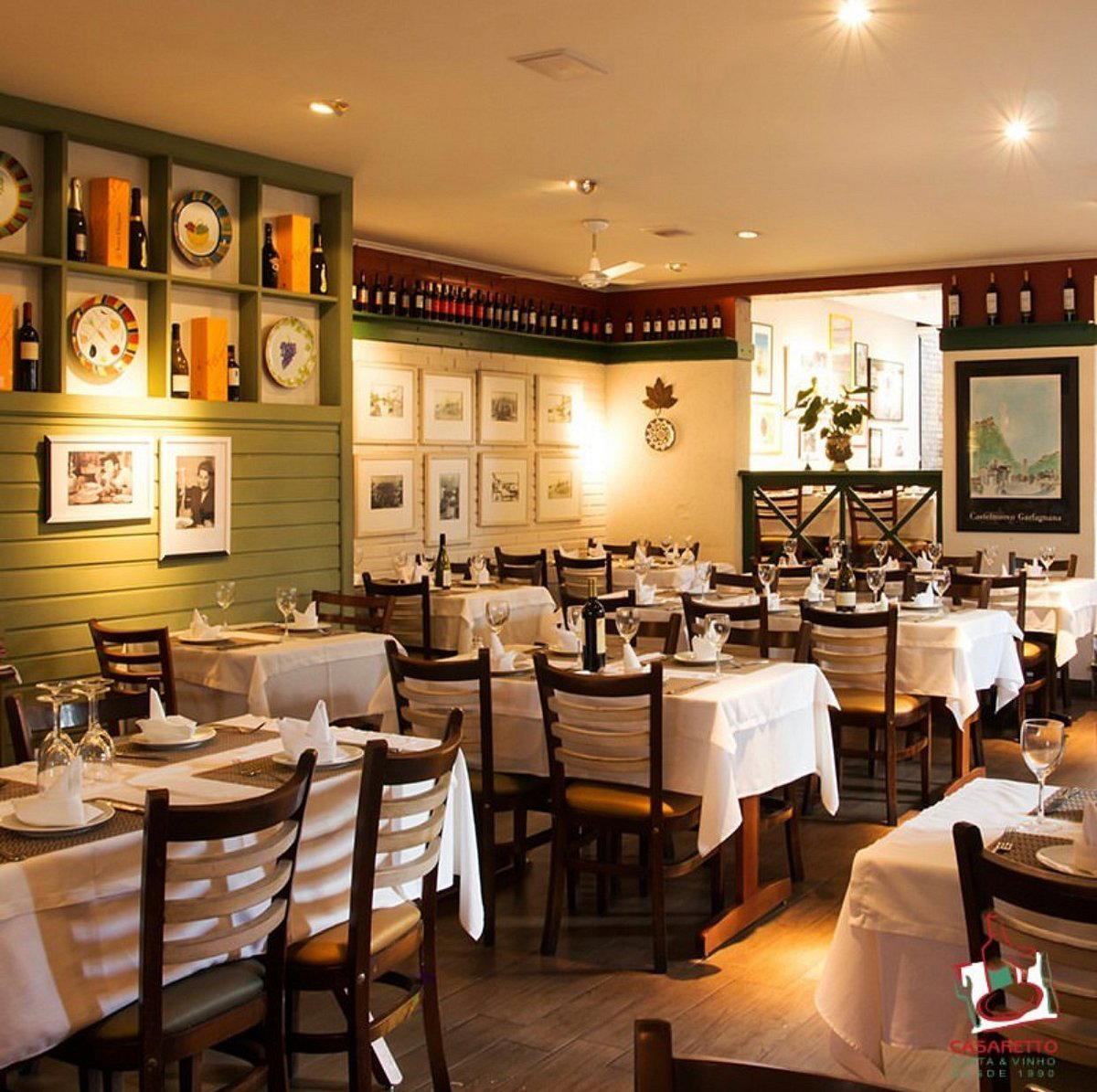
Pasta, Wine, and the Interior São Paulo Dining Shift
Piracicaba sits roughly 160 kilometres northwest of São Paulo, close enough to feel the capital's influence on food culture, far enough to develop its own pace. The city's restaurant scene has historically leaned on churrascarias and neighbourhood botequins, but a quieter shift has been building in districts like Alto, where residents with São Paulo dining exposure are creating demand for more considered cooking. Casaretto Pasta & Vinho, at Rua Aquilino Pacheco 412 in Piracicaba's Alto district, is a restaurant built around fresh pasta and a purposeful wine list.
The pairing of pasta and vinho is not accidental. Across Brazil's Italian-descended communities, particularly in the southern states and in cities across São Paulo's interior, the trattoria model, defined by handmade pasta, regional wine, and a dining rhythm closer to the European than the Brazilian norm, has gained traction as an alternative to the churrasco-centred mainstream. Casaretto positions itself within that tradition, and the address in Alto reinforces the register: not the commercial strip, but a quieter residential pocket where neighbourhood restaurants tend to build slower, more loyal followings.
The Cultural Architecture of Pasta in São Paulo State
Italian immigration to São Paulo state was among the more significant demographic movements in Brazilian history, concentrated between the late nineteenth century and the early twentieth. The wave that arrived in cities like São Paulo, Campinas, and the interior brought with them regional cooking traditions, particularly from Veneto, Calabria, and Sicily, that were adapted over generations into what is now a distinct Ítalo-Brasileiro food culture. Fresh pasta, wine on the table, and a long Sunday meal are not affectations in this context; they are inherited habits. Restaurants operating in this register are working with living memory, not reinvention.
What distinguishes the better contemporary practitioners in São Paulo state is the degree to which they engage that inheritance seriously, without either treating it as theme park nostalgia or abandoning it for more fashionable frameworks. In that sense, the pasta-and-wine format operates as a kind of discipline: two elements that are difficult to do well, easy to do badly, and that signal intent by their simplicity. Venues further up the state's dining hierarchy, like Olivetto Restaurante E Enoteca in Campinas, have built their reputations on exactly this combination of Italian-rooted cooking and considered wine service. Casaretto enters that conversation at the neighbourhood level in Piracicaba.
Where Casaretto Sits in Piracicaba's Dining Scene
Piracicaba's restaurant scene is smaller and less documented than those of São Paulo, Campinas, or the better-mapped food cities of the South. The city does not yet carry the dining reputation of, say, Gramado, where Primrose and Castelo Saint Andrews have attracted attention well beyond their region, nor the critical infrastructure of São Paulo, where D.O.M. has long served as a reference point for the country's fine dining conversation. What Piracicaba has is a mid-sized city with genuine appetite and a handful of restaurants, Casaretto among them, that take their format seriously.
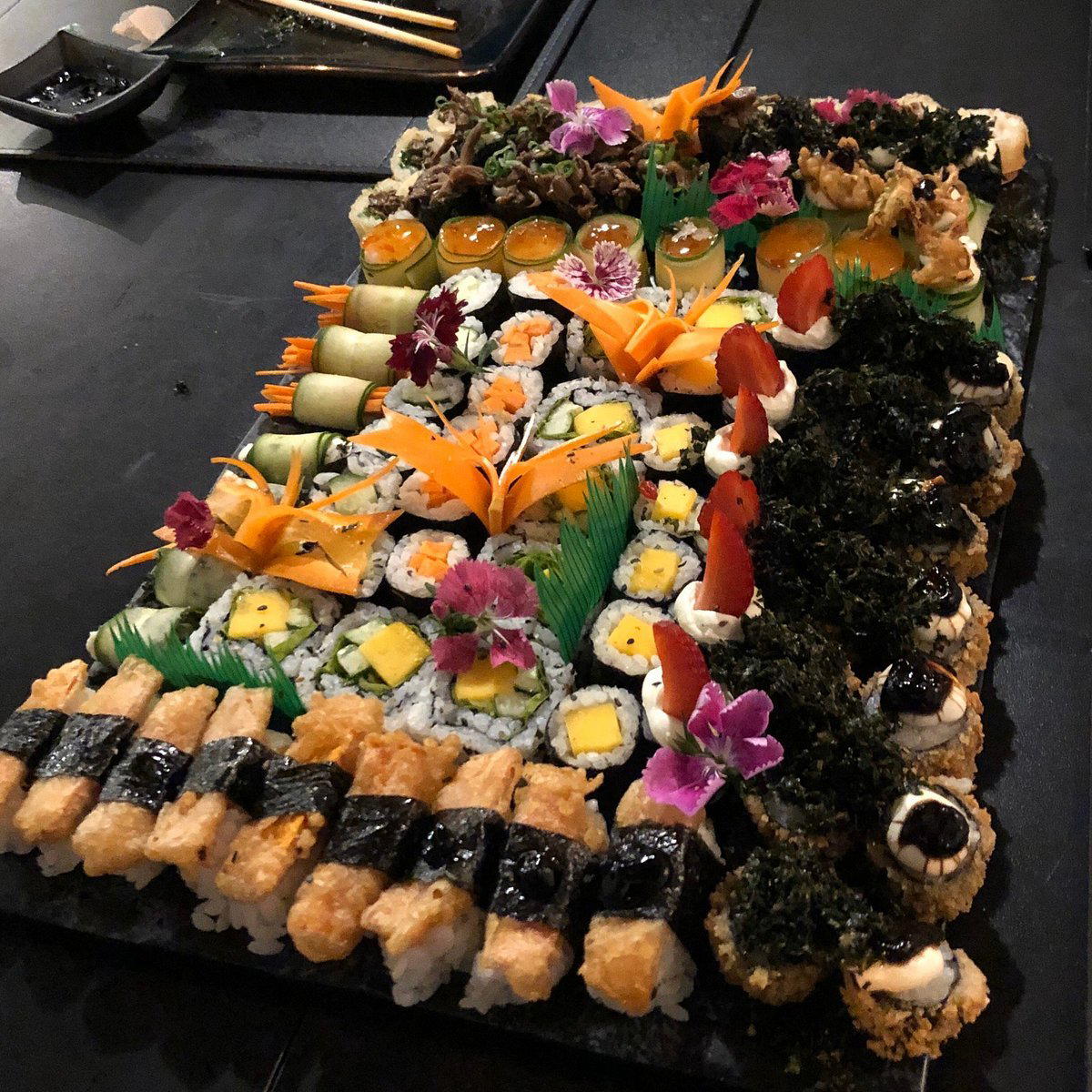
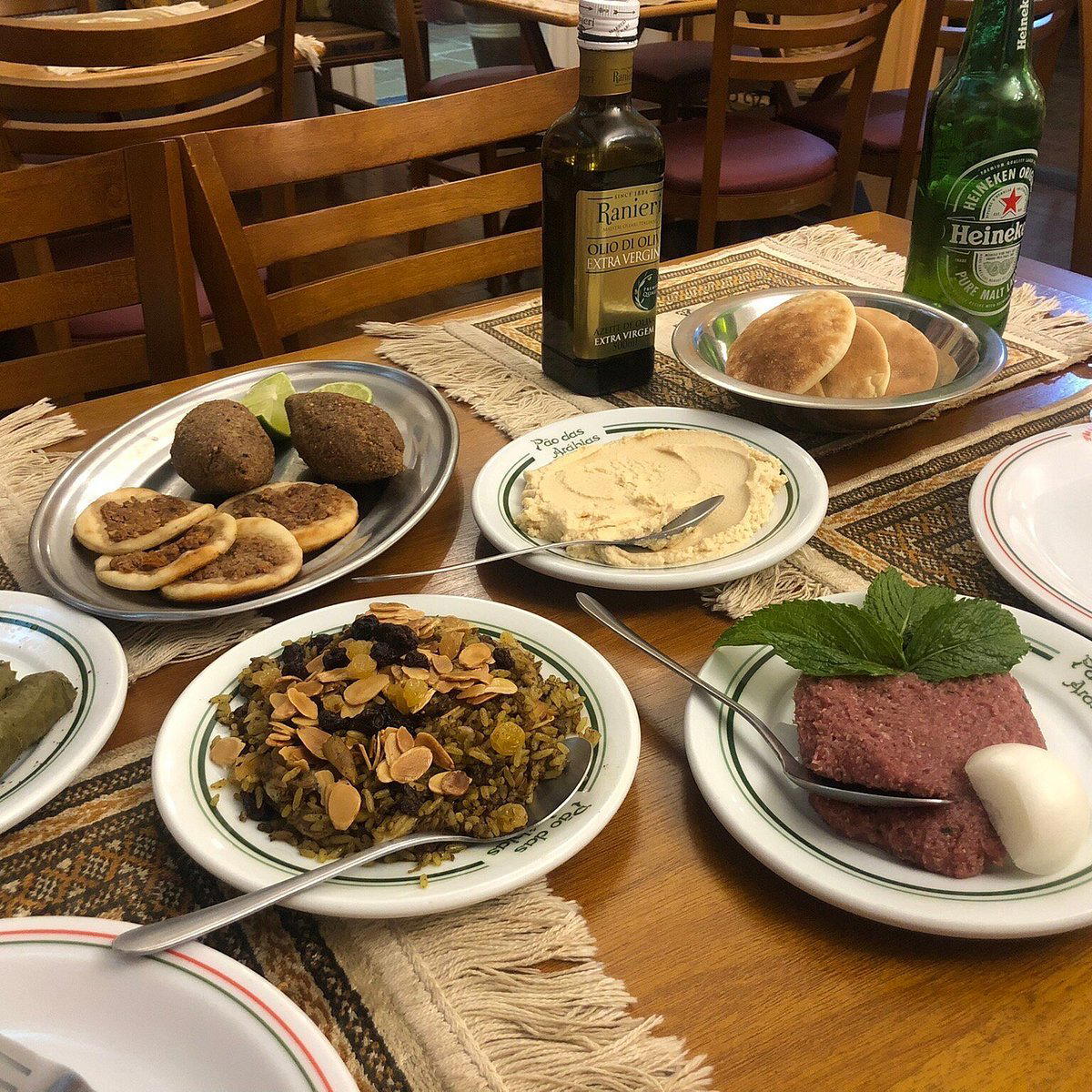
The other dining options in the immediate comparable set give some orientation. Café Tirol occupies a different cultural register, leaning into Central European influences. Kobu Sushi addresses the city's appetite for Japanese cooking, a consistent presence in Brazilian cities with significant Nikkei communities. Mohamad Culinária Árabe covers the Lebanese and Arab-Brazilian tradition that runs deep across São Paulo state. Together, these addresses reflect a city drawing on the full range of Brazil's immigrant food cultures, and Casaretto's Italian-inflected position in that mix is both logical and well-suited to local taste memory.
The Vinho Half of the Equation
Brazil's wine culture has undergone a measurable shift over the past decade, driven partly by improved domestic production in Rio Grande do Sul and Serra Gaúcha, and partly by a wine-educated urban consumer class that has expanded beyond São Paulo and Rio de Janeiro into interior cities. A restaurant that makes wine central to its identity in a city like Piracicaba is implicitly making a bet on that shift continuing. The word vinho in the name is not decoration; it suggests that the wine side of the operation receives genuine editorial attention, not an afterthought list.
Across Brazil's more considered wine-focused dining rooms, the model tends to involve a combination of domestic labels from the South and imported European bottles, with Italian varietals holding natural affinity for pasta-centred menus. Whether Casaretto follows this pattern specifically is not something the available record confirms, but the format positions them squarely within that tradition. For context on how wine integrates into the wider Brazilian dining scene, restaurants like Oteque in Rio de Janeiro and, further from the pasta register, Manu in Curitiba show how the category is now being taken.
Planning Your Visit
Casaretto Pasta & Vinho is at Rua Aquilino Pacheco, 412, in the Alto district of Piracicaba, São Paulo state. Alto sits above the city centre and is best reached by car or rideshare; the address is direct to find via standard navigation.
For those building a wider São Paulo state itinerary, the pasta-and-wine format at Casaretto sits comfortably alongside a broader sweep that could include the mountain-resort cooking of Mina in Campos do Jordão and the coastal register of Manga in Salvador or Orixás in Itacaré. For reference points further afield in the Italian-rooted wine-and-dining tradition, Le Bernardin in New York City and Lazy Bear in San Francisco demonstrate, in different registers, how a defined format disciplines and elevates a restaurant's identity. Casaretto works in a smaller scale, but the logic of committing to a clear format rather than spreading across genres is the same.
Cost and Credentials
Comparable venues nearby, for context on price, style, and recognition.
| Venue | Cuisine | Price | Notes |
|---|---|---|---|
| Casaretto Pasta & VinhoThis venue — the venue you are viewing | Alto, Traditional Italian Pasta & Wine | $$$ | Not listed |
| Café Tirol | Santa Olímpia, Tyrolean Alpine Trattoria | $$ | Not listed |
| Kobu Sushi | Cidade Jardim, Japanese Sushi | $$$ | Not listed |
| Mohamad Culinária Árabe | Centro, Authentic Lebanese | $$ | Not listed |
| Nino Cucina | Pinheiros, Modern Italian Trattoria | $$$ | Not listed |
| Famiglia Mancini Trattoria | Not listed | $$$ | Republica, Traditional Southern Italian Trattoria |
Continue exploring
More in Piracicaba

At a Glance
- Classic
- Cozy
- Elegant
- Date Night
- Family
- Special Occasion
- Wine Cellar
- Extensive Wine List
Current opening hours
- Monday
- Closed
- Tuesday
- 11 AM–2:30 PM, 6–11 PM
- Wednesday
- 11 AM–2:30 PM, 6–11 PM
- Thursday
- 11 AM–2:30 PM, 6–11 PM
- Friday
- 11 AM–2:30 PM, 6–11 PM
- Saturday
- 11 AM–3 PM, 6–11 PM
- Sunday
- 11 AM–3 PM, 6–10 PM
Hours can change for holidays and private events. Last verified .