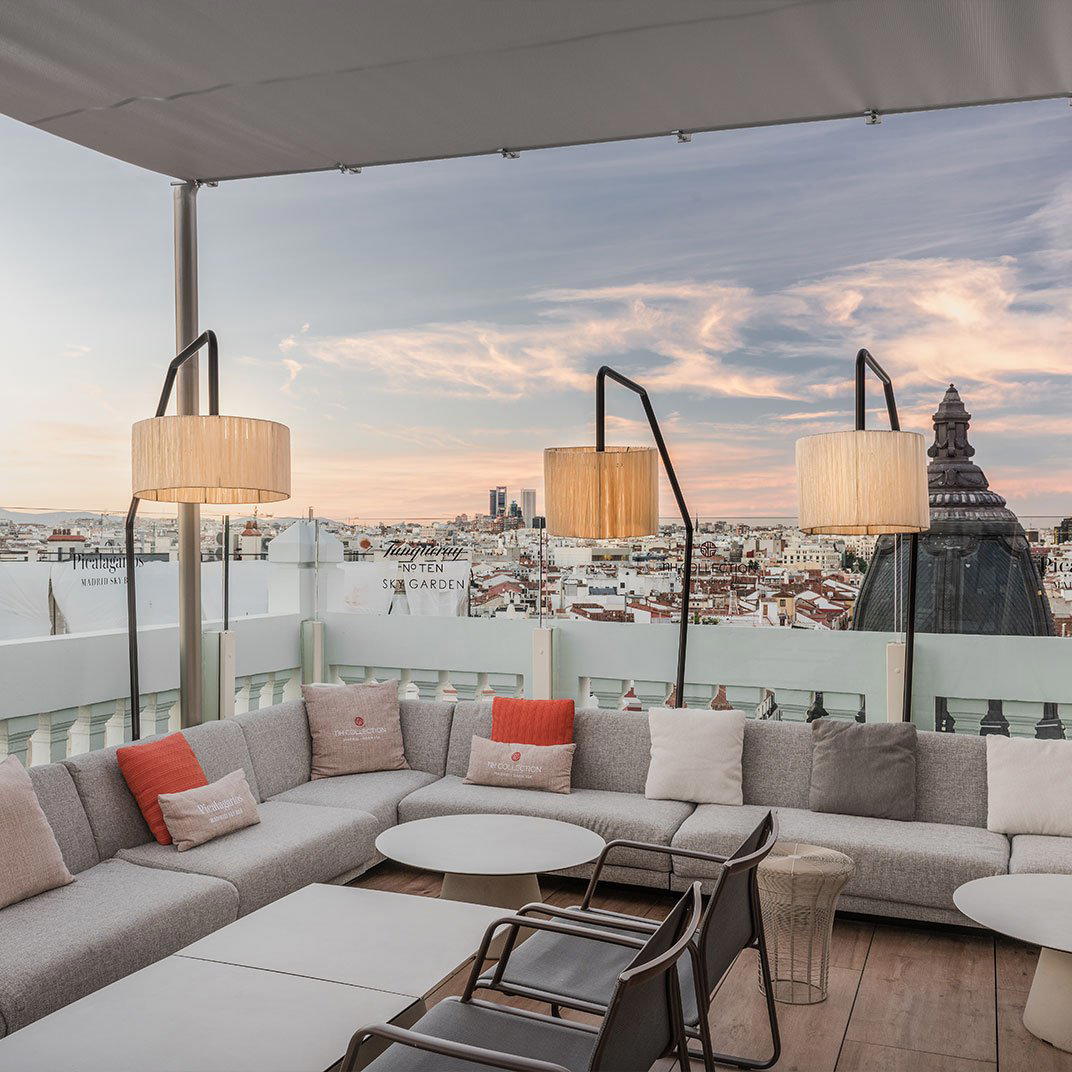
On Paseo de Recoletos, one of Madrid's most formally composed boulevards, Terraza Tayrona occupies a terrace address that places it at the intersection of the city's outdoor dining tradition and its evolving appetite for Colombian-inflected cooking. The setting alone draws a crowd; what keeps them is a kitchen working a register that remains relatively underrepresented in a capital dominated by Castilian and creative Spanish formats.
Pearl is the En Primeur Club membership app — saves, bookings, and concierge access live there. Same editors, same standards.
- Address
- P.º de Recoletos, 2, Salamanca, 28001 Madrid, Spain
- Phone
- +34669874288
- Website
- tayronamadrid.com
- Directions
- Get directions
 Saves & bookings on Pearl
A Boulevard Address and What It Means
Paseo de Recoletos runs north from the Cibeles fountain toward the Biblioteca Nacional, and its wide, tree-lined median has anchored Madrid's tradition of terrace dining for well over a century. The terraces along this stretch operate in a specific register: they are public-facing and atmospheric by design, positioned where the city promenades rather than where it hides. Among the city's creative fine-dining circuit, which runs from DiverXO to Coque to DSTAgE, the Recoletos terraces occupy a different position entirely: less controlled, more open, shaped by the rhythm of the boulevard rather than the logic of a tasting menu.
Terraza Tayrona sits at number 2 on this paseo, in the Salamanca district, a neighbourhood better known for its Iberian and European restaurants than for Latin American cooking. That positioning matters. Colombian cuisine in Madrid has historically operated in a lower-visibility tier, concentrated in neighbourhoods like Lavapiés and Carabanchel, where diaspora communities sustain their own food culture largely outside the critical gaze. A Colombian-inflected address on Recoletos is a different proposition, one that signals intent to be read alongside the city's broader dining conversation rather than within a purely immigrant food economy.
The Evolution of the Format
Madrid's terrace culture has undergone a pronounced shift over the past decade. What began as a relatively democratic institution, coffee and vermut on folding chairs, has stratified considerably. The upper tier now includes rooftop bars in Malasaña and Chueca hotels, curated aperitivo formats in the Justicia neighbourhood, and boulevard terraces like this one that blend the social visibility of outdoor dining with a kitchen program that justifies a seat beyond the view.
Terraza Tayrona's evolution reflects that broader arc. The Tayrona name references the pre-Columbian civilization of Colombia's Caribbean coast, a frame that gestures toward cultural specificity rather than generic pan-Latin positioning. That distinction matters in a city where Latin American restaurants have often been flattened into interchangeable categories in the eyes of food media, even as the actual range of cuisines and techniques involved is considerable. Whether the kitchen program at this address has deepened or shifted its Colombian references over time is a question worth putting to the room when you visit, but the address itself, formal, visible, boulevard-facing, already represents a category evolution from where Colombian cooking in Madrid was a generation ago.
For context on where fine dining ambition currently sits in the Spanish capital, Deessa and Paco Roncero represent the Michelin-weighted creative end of the Madrid spectrum. Terraza Tayrona operates in a different register, one where atmosphere and the terrace format do significant work alongside the plate.
Colombian Cooking in a Spanish Frame
Spain's relationship with Latin American food culture is long and complicated by history, and Madrid's restaurant scene has been slow to fully reckon with that complexity. The city's most celebrated addresses remain grounded in Spanish regional tradition: the Basque-inflected creativity of Arzak, the Riojan precision of Martin Berasategui, the conceptual reach of Mugaritz. Beyond Spain's borders, the tasting-menu discipline of Atomix in New York or the seafood authority of Le Bernardin illustrates how strong a culinary identity can anchor an address. Colombian cooking, with its coastal and highland registers, its indigenous ingredients and African influences, has a comparable depth of tradition, though that tradition is underrepresented in fine-dining contexts globally.
On Recoletos, the terrace format allows the kitchen to work a menu that can span from light, shareable preparations suited to outdoor eating, to more structured plates that reward closer attention. The geography of this boulevard, central, formal, heavily trafficked by both tourists and madrileños from the adjacent Salamanca neighbourhood, means the audience is mixed in a way that a destination tasting-menu room rarely is. That mix demands range.
The Salamanca District Context
Salamanca is Madrid's most consistently expensive dining neighbourhood. The grid of streets between Serrano and the paseos holds a concentration of European fine dining, upscale Spanish regional restaurants, and hotel dining rooms that serves the neighbourhood's resident population of upper-income madrileños and visiting international business travelers. It is not, historically, a neighbourhood associated with culinary risk-taking. The dominant mode is reliable quality within established categories.
Against that backdrop, an address with Colombian identity on Recoletos occupies a mildly contrarian position. It is worth comparing this to the trajectory of other cuisines that made the move from community-restaurant status to boulevard visibility in European capitals: Turkish and Lebanese cooking in Berlin, Peruvian in London. Each transition involved a tension between authenticity and legibility to a new audience, and navigating that tension is as much a management and design decision as a culinary one.
For those building a Madrid itinerary around multiple meals, the broader Spanish fine-dining circuit extends well beyond the capital. El Celler de Can Roca in Girona, Aponiente in El Puerto de Santa María, Azurmendi in Larrabetzu, Quique Dacosta in Dénia, Ricard Camarena in Valencia, Cocina Hermanos Torres in Barcelona, and Atrio in Cáceres all represent different expressions of what Spanish cooking can be at its most considered. Madrid itself is covered in full in our Madrid restaurants guide.
Planning Your Visit
Terrace dining in Madrid is seasonal in practice even where it is technically year-round. The Recoletos paseo is at its most compelling from late April through October, when evening temperatures allow for extended outdoor meals. Midday service in summer can be warm and exposed; the better window is the Spanish lunch hour from 2pm onward, or the later evening sitting that begins around 9pm, when the boulevard takes on a different character and the light softens.
Booking intelligence is limited without published lead-time data, but boulevard terrace addresses in Salamanca at this visibility level tend to fill on weekend evenings with reasonable notice. Midweek lunch on the terrace is likely more accessible. Arriving without a reservation is a viable approach for solo or pair dining during quieter periods.
Quick reference: Paseo de Recoletos 2, Salamanca, Madrid 28001. Terrace format; optimal season April to October. Reservations recommended for weekend evenings.
Category Peers
Comparable venues nearby, for context on price, style, and recognition.
| Venue | Cuisine | Price | Notes |
|---|---|---|---|
| Terraza Tayrona MadridThis venue — the venue you are viewing | Modern Spanish Terrace | $$$ | Not listed |
| Ultramarinos Quintín | Modern Spanish Tapas | $$$ | Recoletos |
| Sagardi Castellana | Traditional Basque Grill | $$$ | Almagro |
| El D3S3O | Modern Spanish Fusion | $$$ | Almagro |
| Verdejo | Seasonal Spanish Taberna with Modern Touches | $$$ | Salamanca |
| Harina | Spanish Café & Bakery | $$ | Jeronimos |
At a Glance
- Lively
- Trendy
- Scenic
- After Work
- Late Night
- Casual Hangout
- Terrace
- Street Scene
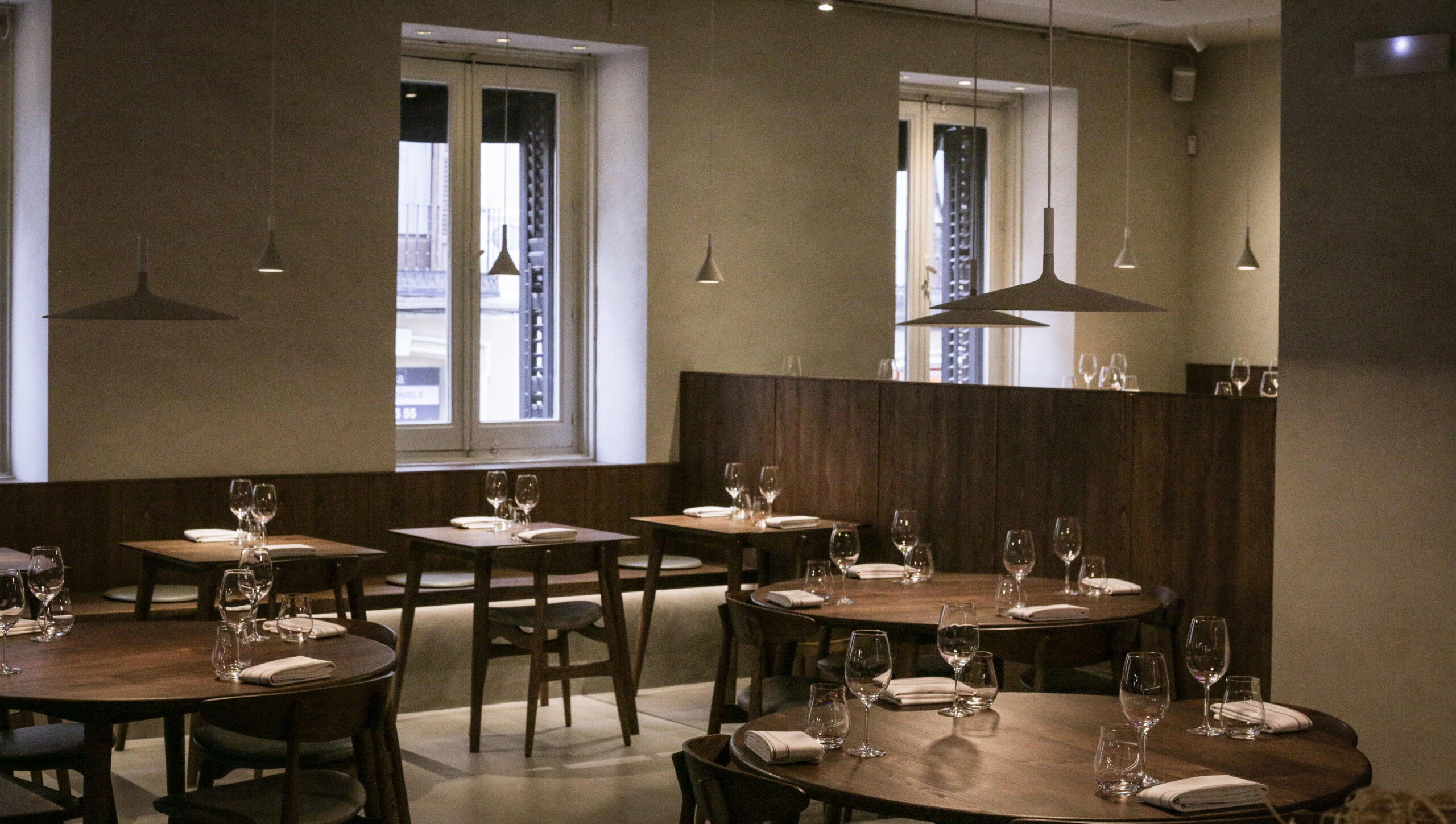
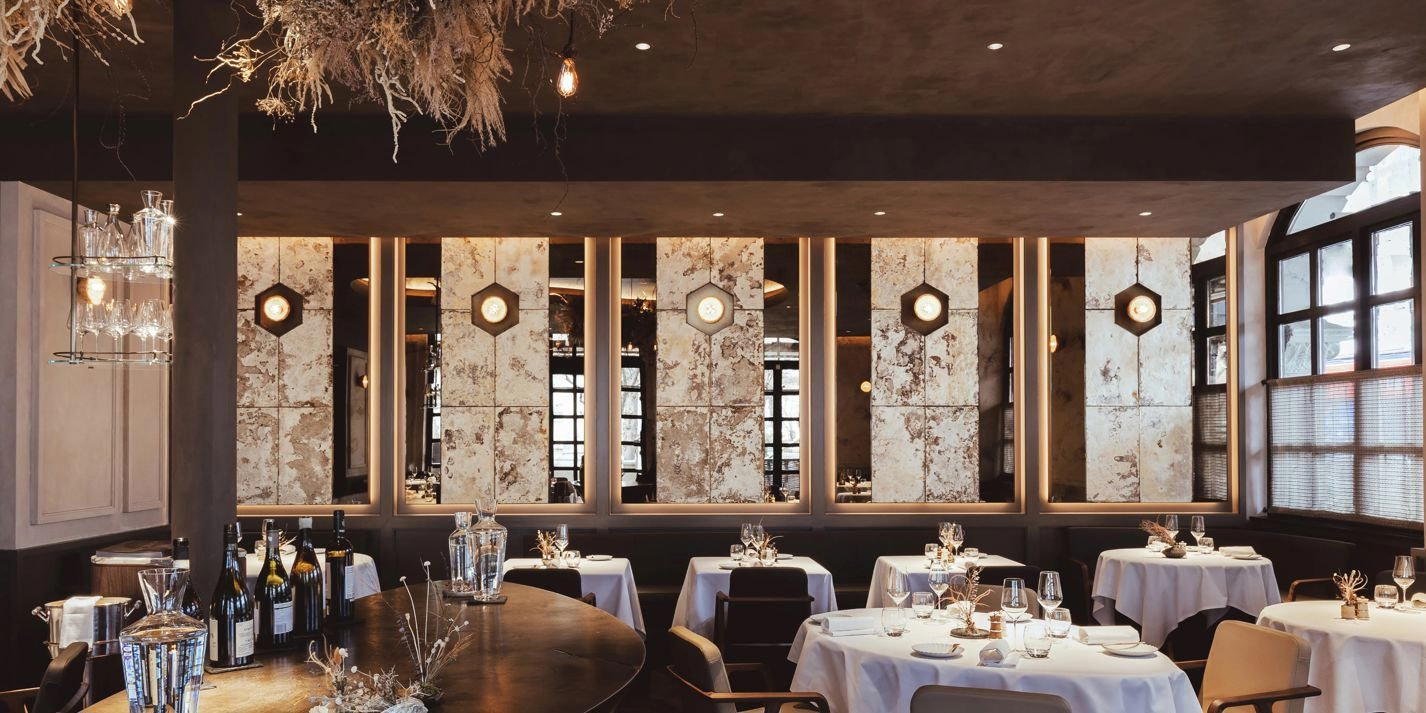
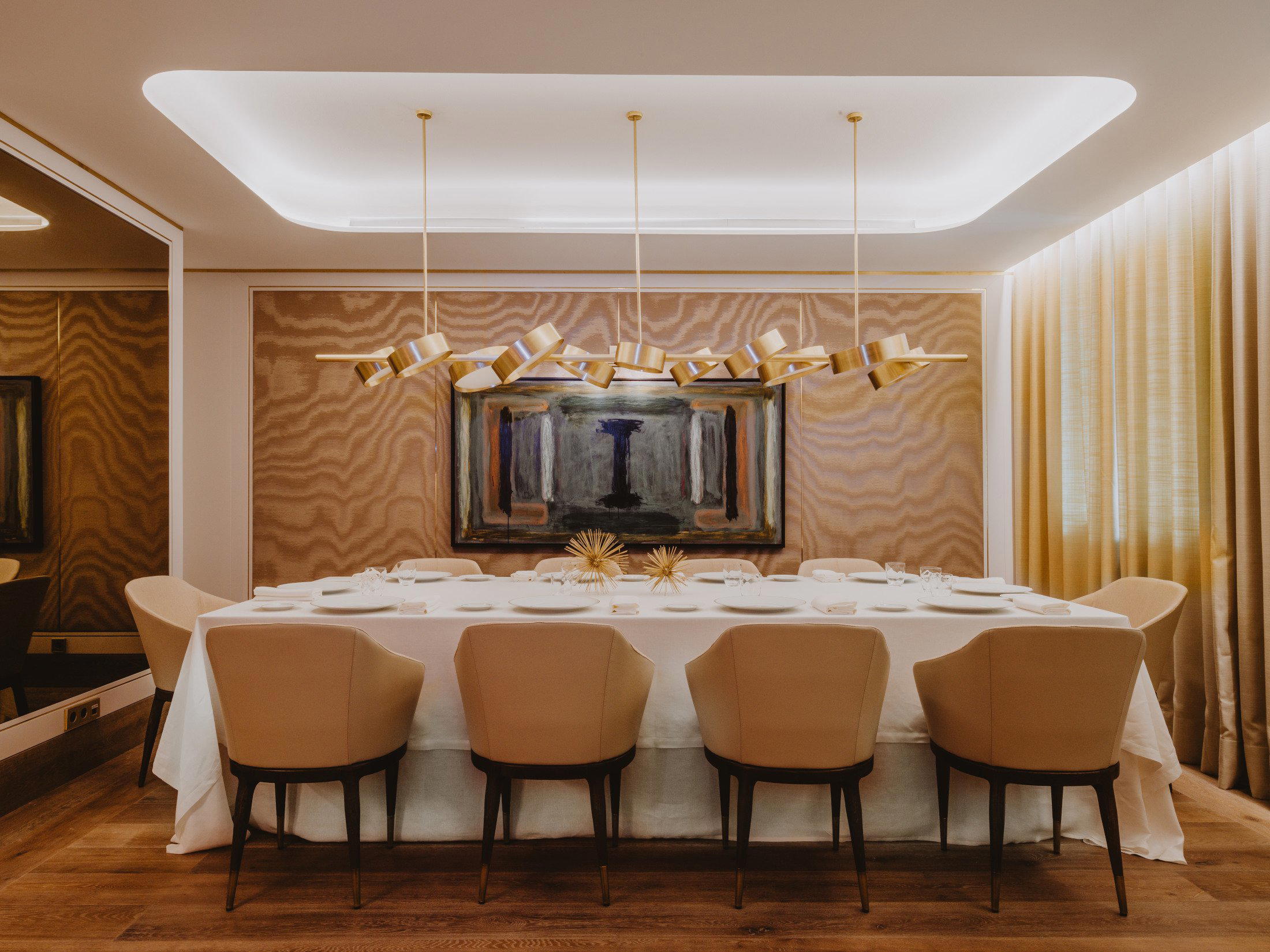
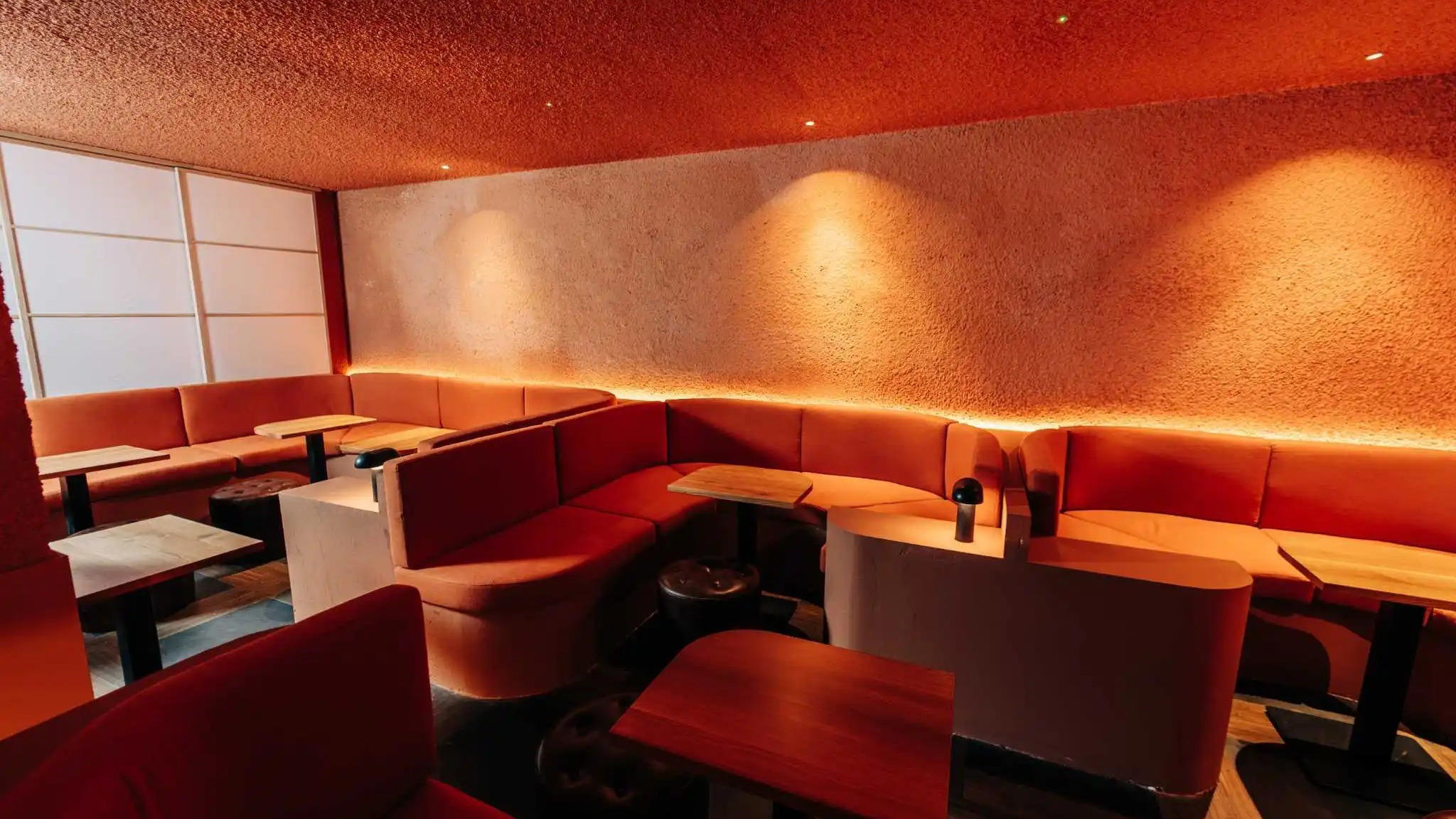
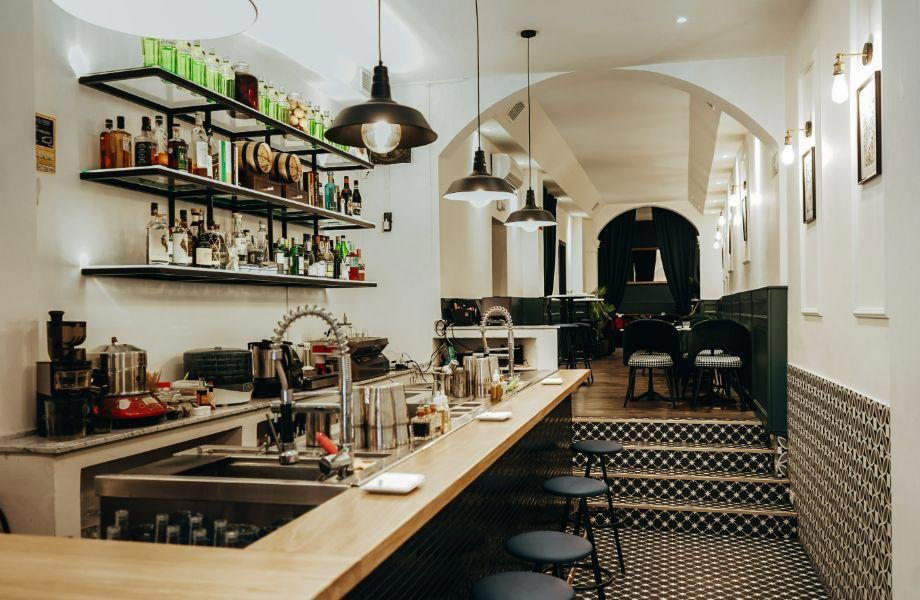
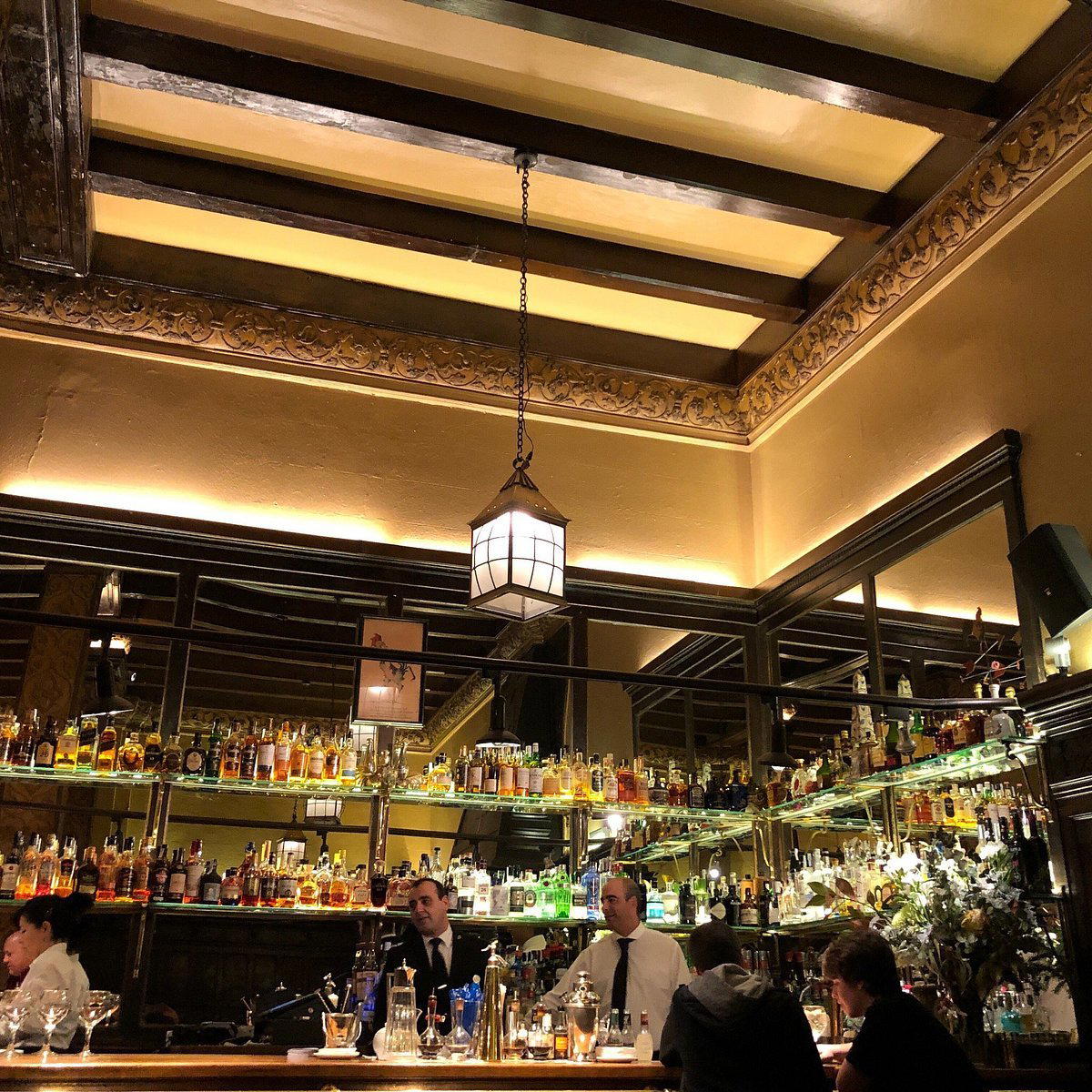
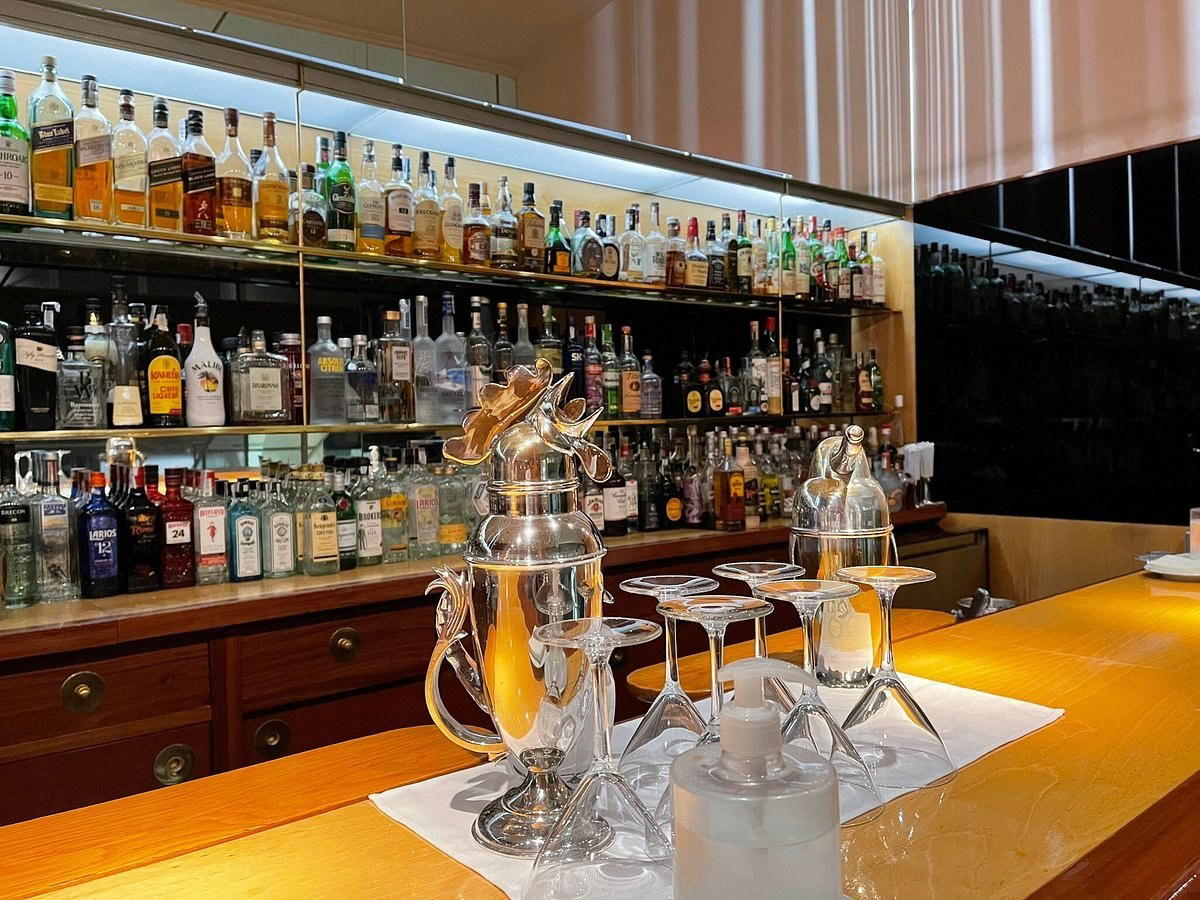
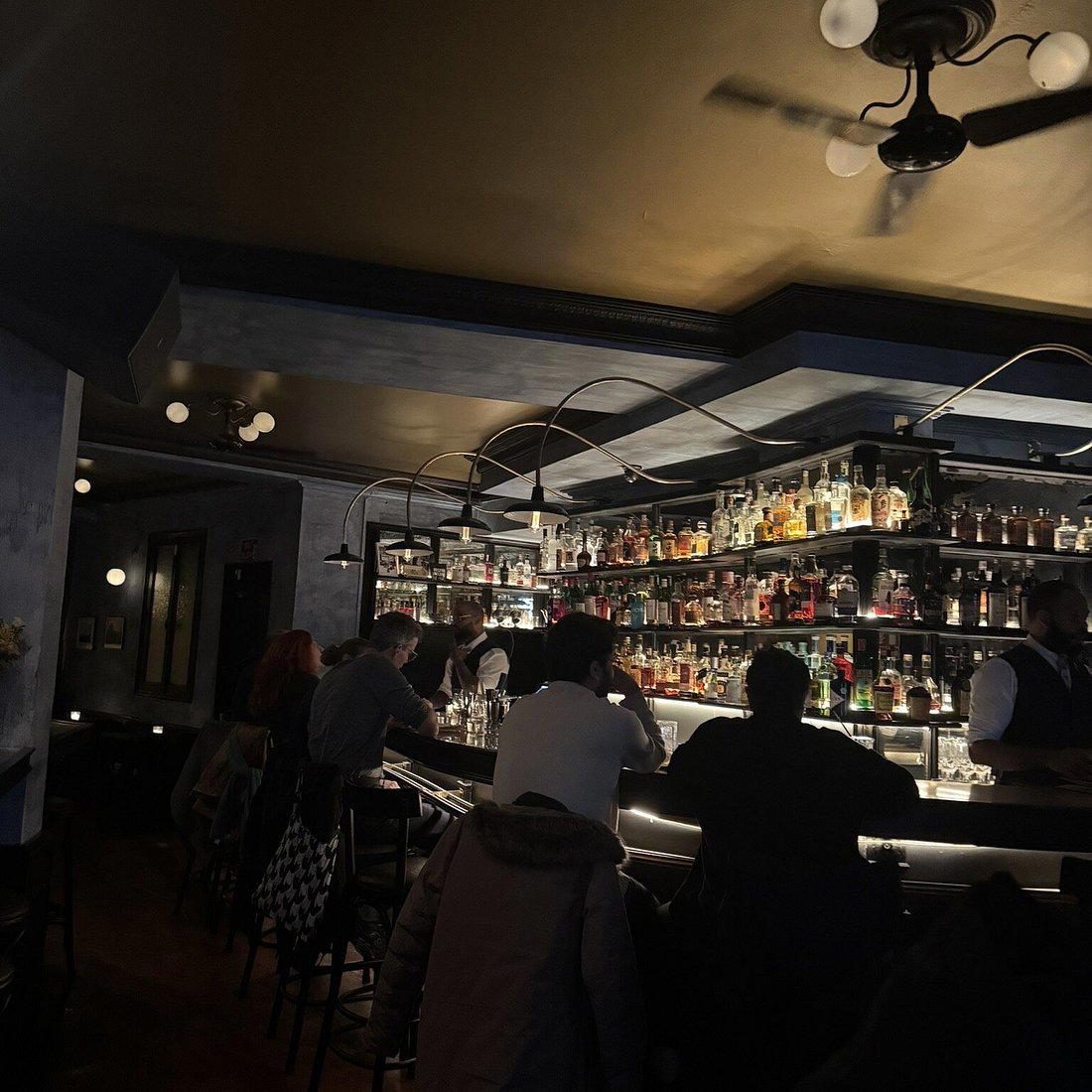
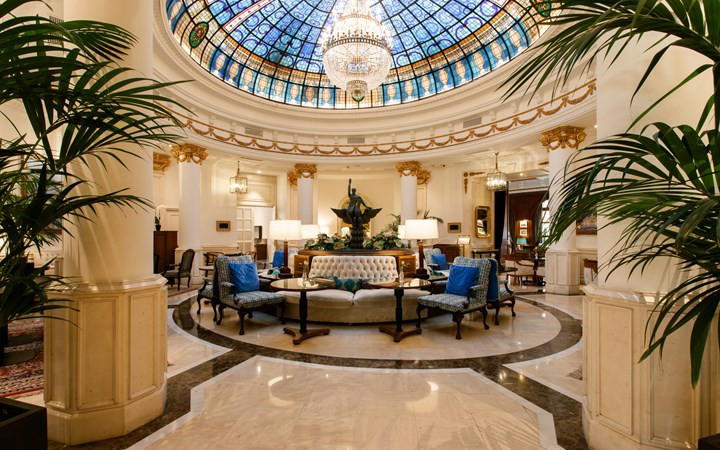
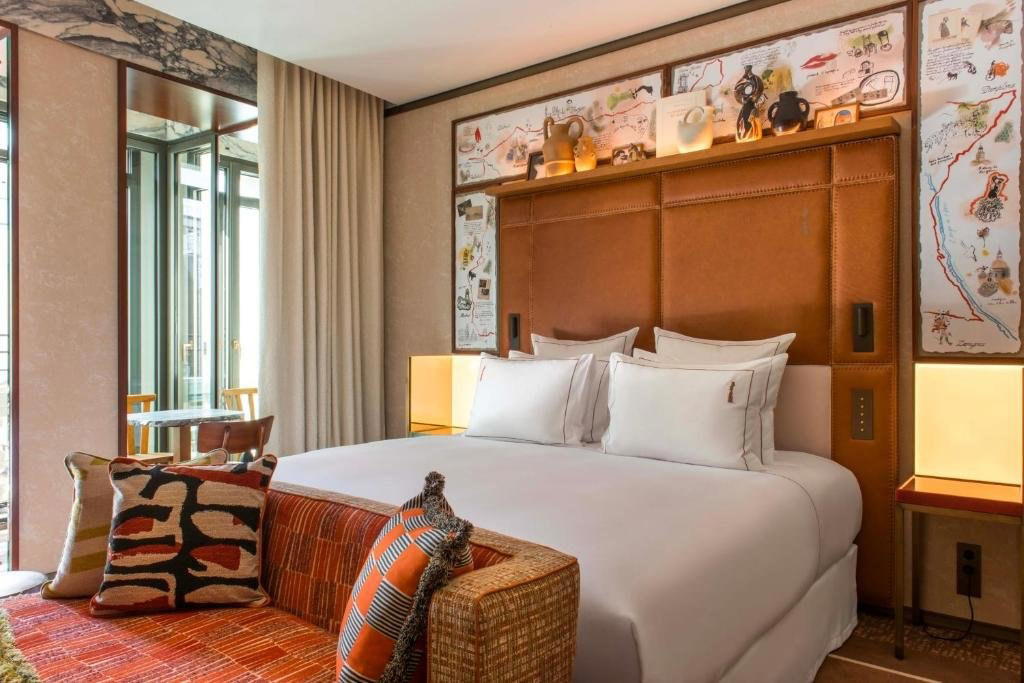
Open-air terrace with lively atmosphere, ideal for escaping city hustle while enjoying drinks and plates under Madrid's sky.