CALLA - Next Generation
CALLA - Next Generation occupies a considered position in Bad Wörishofen's dining scene, where the spa town's traditional health-resort identity meets a more ambitious approach to ingredient-led cooking. Situated on Hermann-Aust-Straße, the restaurant places itself in a small cohort of German destination dining rooms that operate well outside the major cities yet draw guests willing to travel for the table.
Pearl is the En Primeur Club membership app — saves, bookings, and concierge access live there. Same editors, same standards.
- Address
- Hermann-Aust-Straße 11, 86825 Bad Wörishofen, Germany
- Phone
- +494982479590
- Website
- spahotel-sonnenhof.de
- Directions
- Get directions
 Saves & bookings on Pearl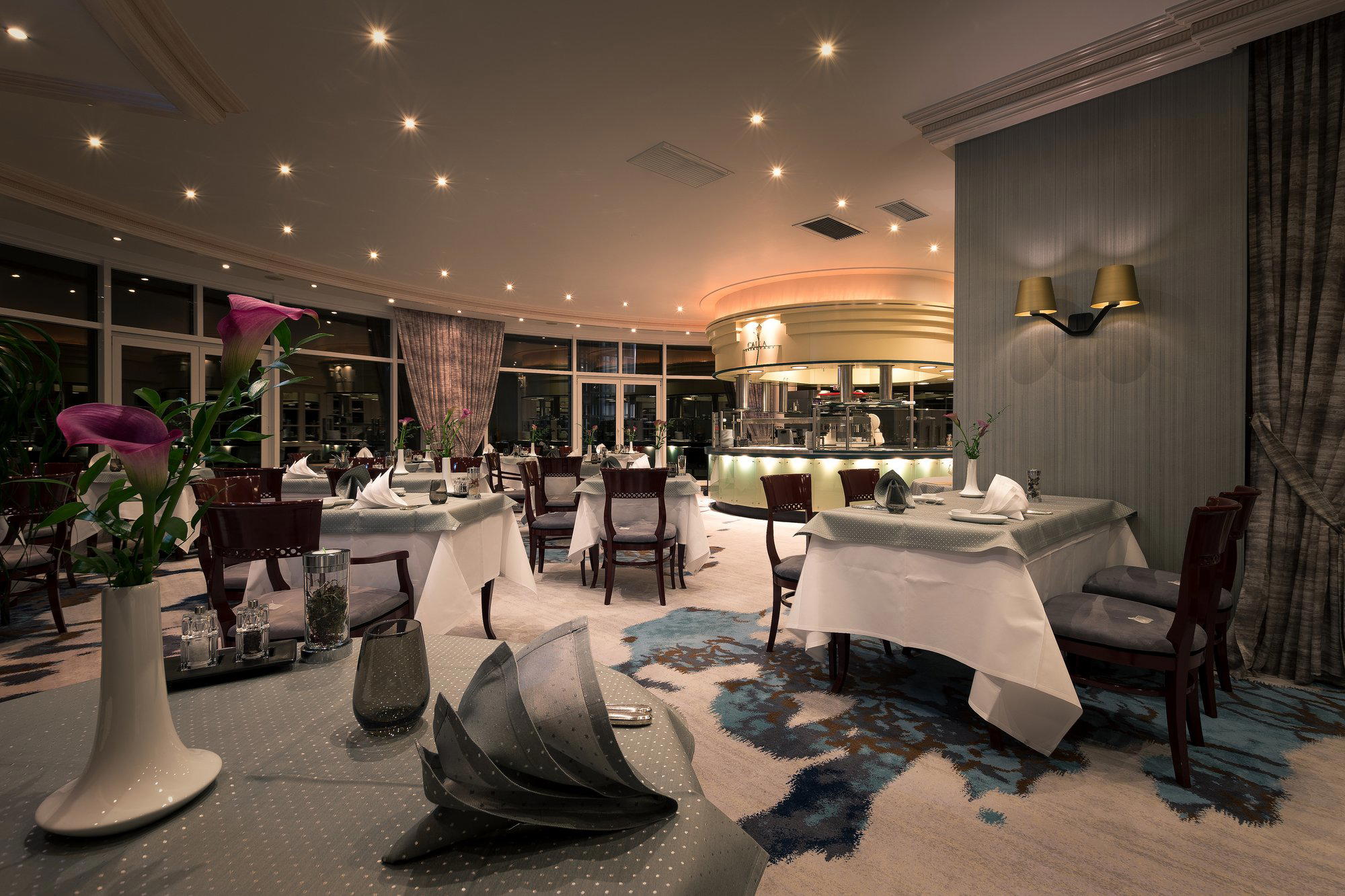
Spa Town, Serious Kitchen
Bad Wörishofen is not a city that announces itself through fine dining. The Bavarian spa town built its reputation on Kneipp hydrotherapy and the curative properties of its mineral-rich surroundings, drawing guests who arrive for restorative treatments rather than tasting menus. That context matters when reading a restaurant like CALLA - Next Generation, which sits on Hermann-Aust-Straße in a town where the dominant culinary tradition has long been tied to health, seasonal rhythm, and the agricultural output of the Allgäu region to the south. Schwarzwaldstube in Baiersbronn, Waldhotel Sonnora in Dreis, and ES:SENZ in Grassau are all proof that ambitious cooking in Germany is not confined to Munich or Hamburg. CALLA fits that broader pattern.
Where the Ingredients Come From
The Allgäu and the wider Swabian-Bavarian corridor that surrounds Bad Wörishofen are among Germany's more productive agricultural zones. Dairy farming dominates the foothills, but the region also yields herbs, root vegetables, freshwater fish from the river systems running through the pre-Alpine terrain, and foraged produce tied to the forests that define the landscape between the town and the mountains. Restaurants working in this geography have a choice: draw from that local supply chain with discipline, or import from farther afield and compete on technique alone. Particularly coherent kitchens in provincial Germany tend to do the former, using proximity to suppliers as both a practical and editorial commitment. The name CALLA, a genus associated with cultivated botanical environments, and the qualifier "Next Generation" both signal an interest in product-forward cooking that reads as deliberate positioning within the post-Nouvelle Cuisine European tradition of letting sourcing do most of the narrative work.
The "Next Generation" Frame
Among Germany's current crop of ambitious restaurants, a recurring tension exists between classical French-influenced technique and a more contemporary European idiom that emphasises fermentation, foraged ingredients, and regional identity over imported luxury products. CALLA's subtitle positions it explicitly on the contemporary side of that argument. The framing echoes what kitchens like Jante in Hanover and CODA Dessert Dining in Berlin have pursued: a cooking vocabulary that treats the product as primary and technique as a service to it rather than a display of itself. At the upper tier of German dining, restaurants like Vendôme in Bergisch Gladbach and Aqua in Wolfsburg built their reputations on precise classical execution, often with significant French lineage in the kitchen. The "next generation" designation suggests CALLA is writing a different chapter, one where the sourcing story and the regional context carry as much weight as the technical achievement at the pass.
Bad Wörishofen as a Dining Destination
Arriving in Bad Wörishofen, the town's character is set by its spa infrastructure: grand hotels from the late nineteenth and early twentieth centuries, walking paths through the beech forests, and a pace that is deliberately unhurried. Guests who are already in town for the Kneipp treatments or for the surrounding countryside have a different relationship to a restaurant reservation than the drive-from-Munich crowd that fills urban dining rooms on a Thursday evening. That captive-but-engaged audience profile shapes how restaurants like CALLA operate: they serve guests with time, with an appetite for the regional context, and with expectations calibrated to the town's particular kind of retreat hospitality. The address on Hermann-Aust-Straße places the restaurant within the core of the town's spa and hotel district, which means foot traffic from hotel guests is a structural part of the business rather than incidental. For guests combining fine dining with a longer Bavarian itinerary, the drive to Schanz in Piesport or L.A. Jordan in Deidesheim requires a full day's travel, which underlines how CALLA sits in a relatively isolated fine dining position within its immediate geography.
The German Provincial Fine Dining Context
Germany's provincial fine dining circuit has a coherent logic. Rooms like GästeHaus Klaus Erfort in Saarbrücken, Bagatelle in Trier, and Ösch Noir in Donaueschingen each occupy a similar structural position: high-intent destination dining in a town that would not otherwise feature on a national dining itinerary, supported by a combination of hotel-adjacent custom, local professional spending, and guests who travel specifically for the table. Restaurant Haerlin in Hamburg and Victor's Fine Dining by christian bau in Perl demonstrate how the hotel dining room format can anchor a serious kitchen within a wider hospitality offer. CALLA operates within that same ecosystem, where the dining room is part of a town's overall hospitality proposition rather than a standalone urban destination competing for attention on a crowded restaurant street.
Planning a Visit
Bad Wörishofen is accessible by rail from Munich via the Memmingen line, with the journey running approximately ninety minutes depending on connections. Guests travelling specifically for dinner at CALLA are advised to plan around an overnight stay given the town's distance from the nearest metropolitan centre: the spa hotel infrastructure makes this a natural combination rather than an inconvenience.
In Context: Similar Options
Comparable venues nearby, for context on price, style, and recognition.
| Venue | Cuisine | Price | Notes |
|---|---|---|---|
| CALLA - Next GenerationThis venue — the venue you are viewing | Modern Asian-European Fusion | $$$ | Not listed |
| InselMühle | Traditional Bavarian with Beer Garden | $$$ | Allach |
| Restaurant ISARFEIN | Modern German Fine Dining | $$$ | Straßlach |
| Wilder Mann | Traditional German | $$$ | Wasseralfingen |
| Haxnbauer | Traditional Bavarian | $$$ | Altstadt |
| Maison Massard | Traditional French Brasserie | $$$ | Haidhausen |
Continue exploring
More in Bad Worishofen
Restaurants in Bad Worishofen
Browse all →
Bars in Bad Worishofen
Browse all →

At a Glance
- Modern
- Elegant
- Intimate
- Date Night
- Business Dinner
- Special Occasion
- Open Kitchen
- Terrace
- Extensive Wine List
- Local Sourcing
Current opening hours
- Monday
- 12–5 PM
- Tuesday
- 12–5 PM
- Wednesday
- 12–5 PM
- Thursday
- 12–5 PM
- Friday
- 12–5 PM
- Saturday
- 12–5 PM
- Sunday
- 12–5 PM
Hours can change for holidays and private events. Last verified .
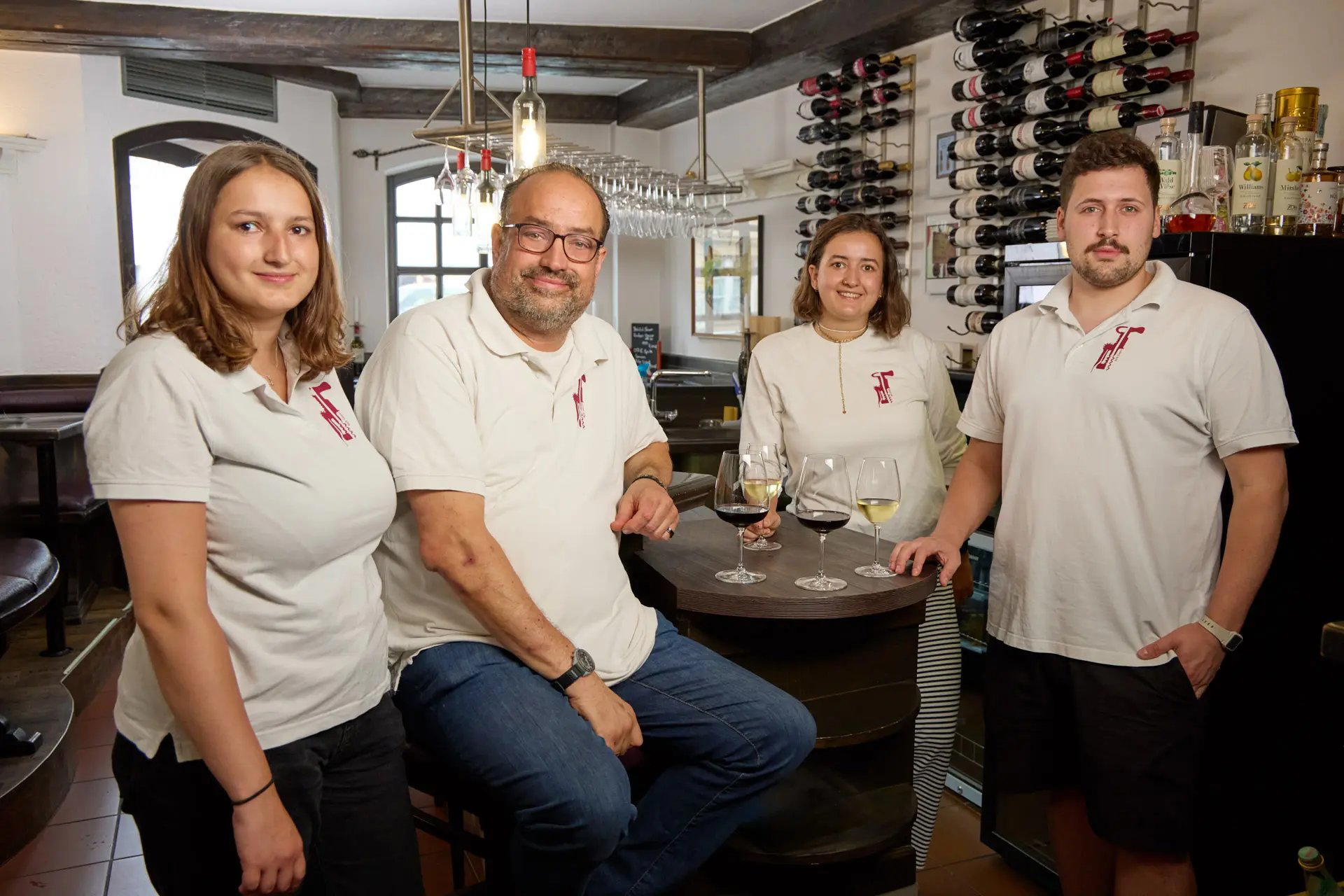
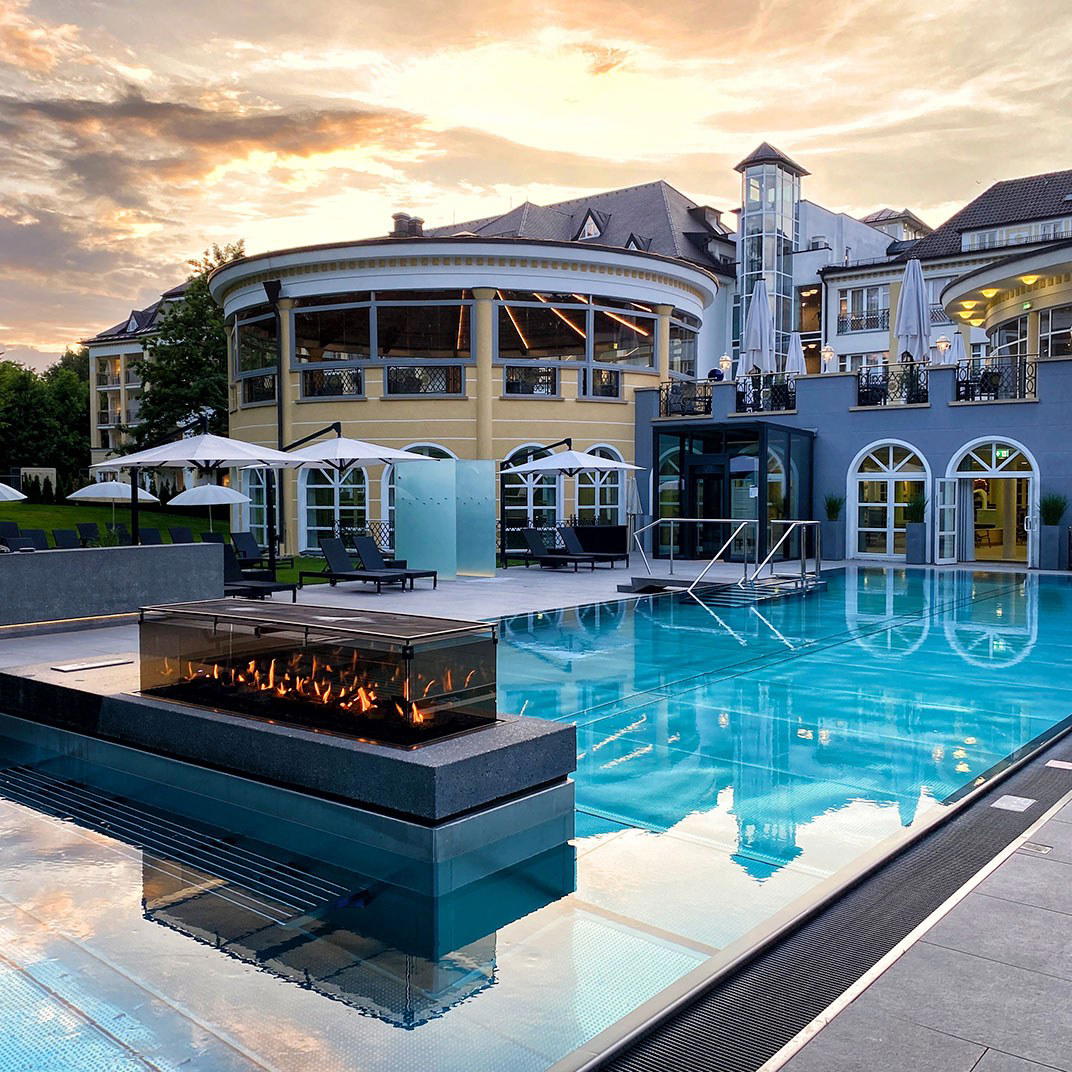
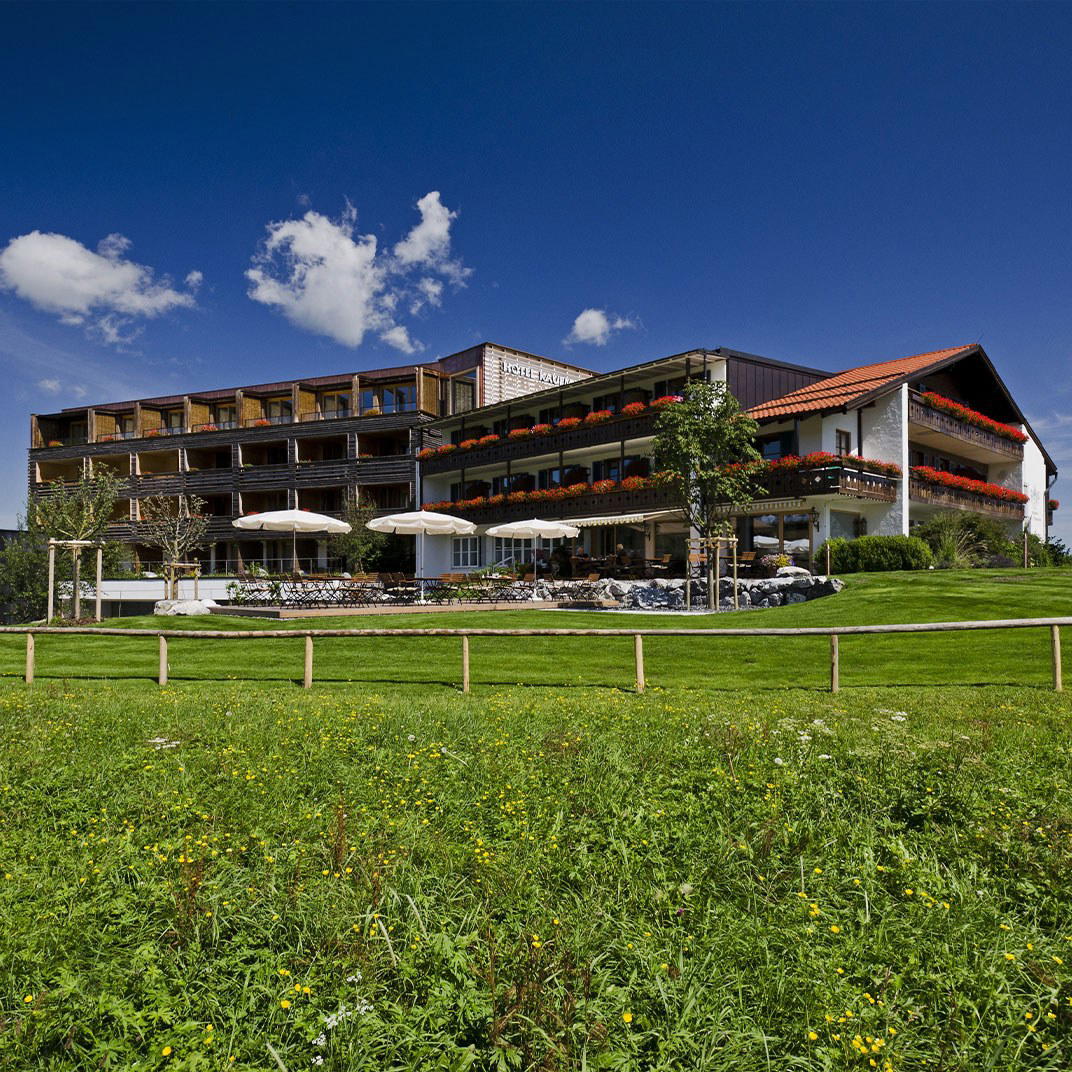
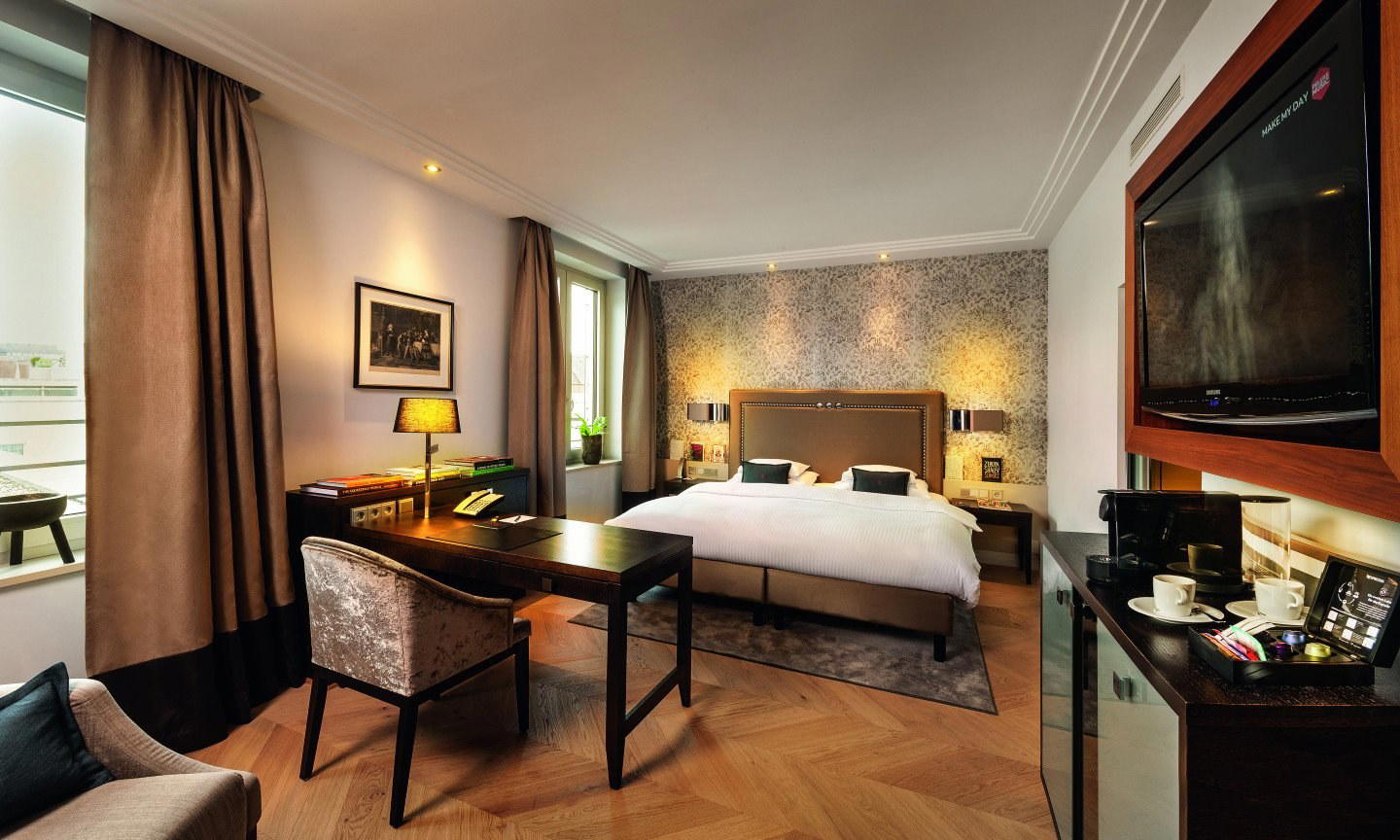
Elegant, light-flooded space with serene and sophisticated atmosphere, well-suited for romantic dinners.