AOC 41 sits on Rue Pascal in central Toulon, operating within a city where the gap between serious provincial cooking and Mediterranean casualness is narrowing faster than most guides acknowledge. The address places it inside a neighbourhood where ingredient sourcing, not spectacle, tends to drive the better kitchens. For visitors calibrating where to eat in Toulon, it belongs in the same conversation as the city's more deliberate dining options.
Pearl is the En Primeur Club membership app — saves, bookings, and concierge access live there. Same editors, same standards.
- Address
- 41 Rue Pascal, 83000 Toulon, France
- Phone
- +33498075927
- Website
- aoc41-restaurant.fr
- Directions
- Get directions
 Saves & bookings on Pearl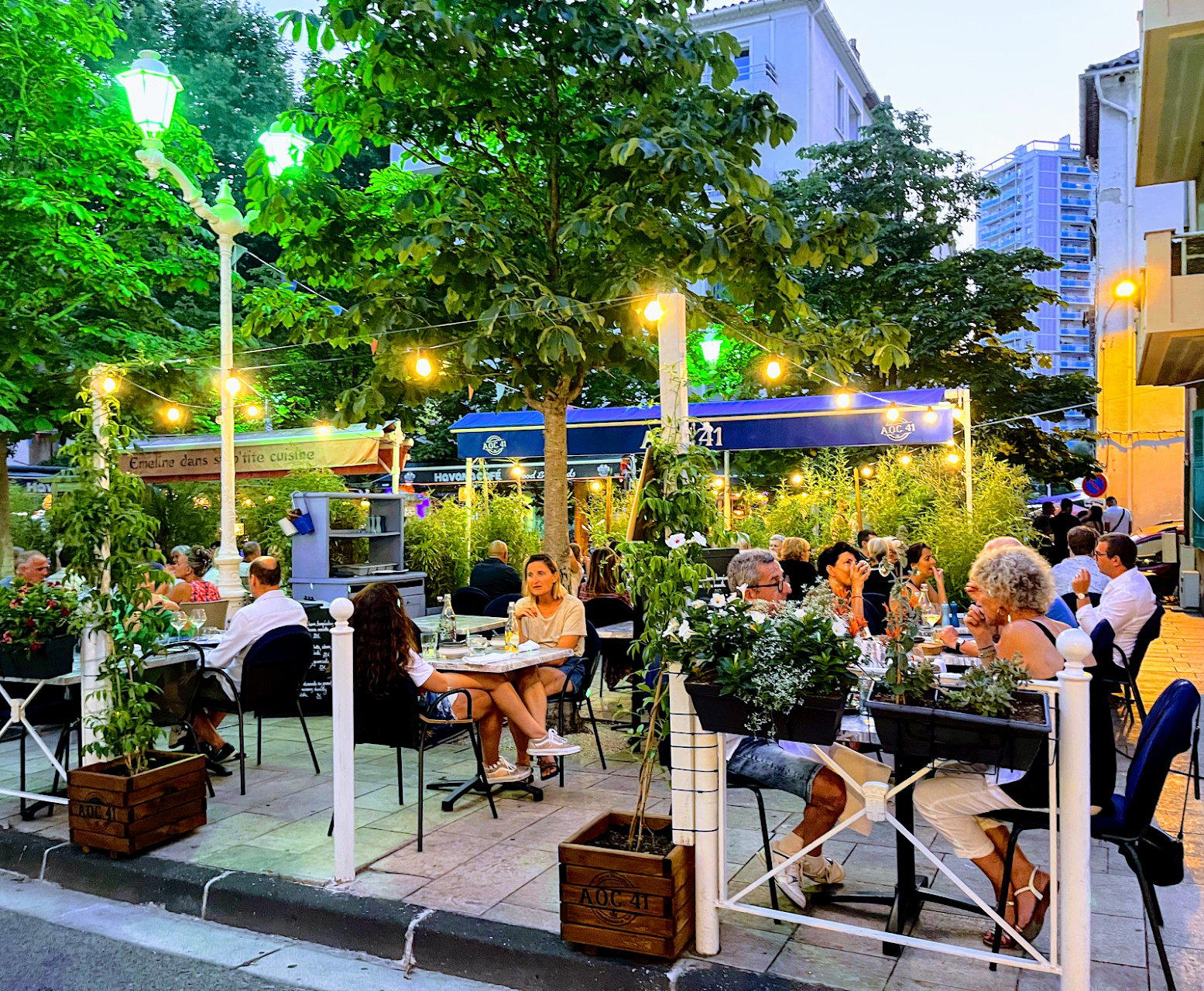
Rue Pascal and the Logic of Provençal Sourcing
Toulon's dining character has always been shaped by geography before reputation. The city sits at the convergence of the Var hinterland and the Mediterranean coast, which means its better kitchens have access to two distinct sourcing registers: mountain-raised produce and livestock from the arrière-pays, and fish landed at the Quai de la Sinse or trucked in from nearby Sanary and Bandol. Restaurants that learn to work both registers tend to produce cooking that feels rooted in a way that coastal resort dining rarely achieves. AOC 41, at 41 Rue Pascal in central Toulon, occupies a street-level position in that city context, close enough to the market district that the sourcing argument is geographic before it is philosophical.
The AOC designation in the name itself signals an orientation. In French culinary and agricultural shorthand, appellation d'origine contrôlée is a guarantee of provenance rather than a style claim. Restaurants that borrow the language are usually making a point about where their ingredients come from, not just how they are cooked. It aligns AOC 41 with a category of Provençal dining that takes origin labelling seriously, a region where Bandol wines, Var olive oils, and the vegetables of the Plaine de la Crau all carry formal geographical protections.
How Toulon Positions in the Regional Dining Conversation
Southern French fine dining is anchored further east and further inland. Mirazur in Menton set the reference point for the Riviera's highest tier, while Flocons de Sel in Megève represents the Alpine end of the French culinary ambition spectrum. At the institutional tier, the kitchens of Paul Bocuse in Collonges-au-Mont-d'Or, Troisgros in Ouches, and Auberge de l'Ill in Illhaeusern define what classical French cooking looks like when sustained across generations. Kitchens here compete on sourcing and execution rather than on tasting-menu architecture or starred prestige.
Within Toulon specifically, the comparison set is instructive. Au Sourd represents the city's established seafood tradition, a multi-decade address that draws on Toulon's fishing identity with consistency. Beam! sits in the modern cuisine bracket, with a format that reads as more contemporary in its approach to the menu. AOC 41 sits adjacent to both, in a category where the ingredient origin argument is the primary editorial claim. For those building a longer itinerary, La Table du Castellet in Le Castellet, a short drive inland toward the Bandol appellation, represents what sourcing-led cooking looks like when it operates at a higher tier of investment and ambition.
The Provençal Sourcing Framework: What It Means at Street Level
The Var department, which Toulon anchors, is one of France's more productive agricultural territories. Bandol's appellation covers reds built primarily on Mourvèdre, wines that take longer to open than most southern French bottles and that pair differently from the Grenache-forward blends of the Rhône. The olive groves around Ollioules and Solliès-Pont produce oils with a designation that protects their geographical identity. The fish markets along Toulon's waterfront give kitchens access to rouget, loup de mer, and sea bream at a proximity that restaurants in Paris or Lyon cannot replicate. A kitchen on Rue Pascal that takes its appellation naming seriously has a short supply chain available to it, the question is always whether that proximity translates into disciplined sourcing relationships or simply proximity by default.
This is the distinction that separates ingredient-led cooking from ingredient-adjacent cooking. Restaurants like Bras in Laguiole and Les Prés d'Eugénie in Eugénie-les-Bains built their identities around terroir-specific sourcing at a time when that required genuine conviction. At the provincial mid-tier, the same principle applies at smaller scale: the kitchen either works with named producers, adjusts its menu to what is available rather than what is consistent, and builds relationships that constrain the menu, or it uses local language as shorthand without the supply discipline behind it.
Eating in Toulon's Centre: The Practical Frame
Toulon's dining district is compact enough that most of the city's serious addresses are walkable from the old quarter. The Rue Pascal address is central, which means AOC 41 is accessible without a car, relevant in a city where parking near the waterfront and the market district requires either patience or local knowledge. Comparable addresses including Etc. and FLORABIO operate in the same walkable zone, and a well-planned afternoon could move across several of them without logistical difficulty.
Reservation practice in Toulon at this tier is less pressured than in Lyon or Paris, but for weekend evenings, particularly in summer, when the city's population swells with visitors from the interior and international tourists moving along the coast, booking ahead is the right call. The city's tourist season peaks from June through August, when tables at any address with a credible sourcing story tend to fill faster than the rest of the year. For a more considered meal with fewer crowds and the leading access to Var's late-harvest produce, September and October represent one productive season to visit. For comparison on how southern French restaurants at higher tiers handle seasonal menus, see Alléno Paris au Pavillon Ledoyen or, at a different scale, Georges Blanc in Vonnas.
For those arriving by train, Toulon's central station is within reasonable walking distance of the Rue Pascal address. The city is also on the TGV corridor between Marseille and Nice, which makes it viable as a day trip or a one-night stop rather than a full destination stay. Visitors combining AOC 41 with Toulon's other serious addresses, particularly Au Sourd for a seafood reference point, will find the geography cooperative. For a different register of French cooking entirely, Le Bernardin in New York and Lazy Bear in San Francisco offer reference points from the international French-influenced tier. Those dining with children or looking for lighter formats between meals should also note Crêperie Glacier l'Igloo as a lower-stakes option in the city.
Fast Comparison
Comparable venues nearby, for context on price, style, and recognition.
| Venue | Cuisine | Price | Notes |
|---|---|---|---|
| AOC 41This venue — the venue you are viewing | Modern French Bistro | $$ | Not listed |
| La POISSONNERIE Côté Restaurant | French Seafood Grill | $$$ | Centre-ville |
| Etc. | Creative French Bistro | $$ | Centre-ville |
| L'Équerre - L'Eautel | Modern French Mediterranean Bistro | $$$$ | centre historique |
| Ô Baroque restaurant Toulon | Halal French Bistro | $$$ | central Toulon |
| La Fabrique de Cade | Traditional Toulon Cade (Chickpea Galette) | $ | Cours Lafayette |
Continue exploring
More in Toulon
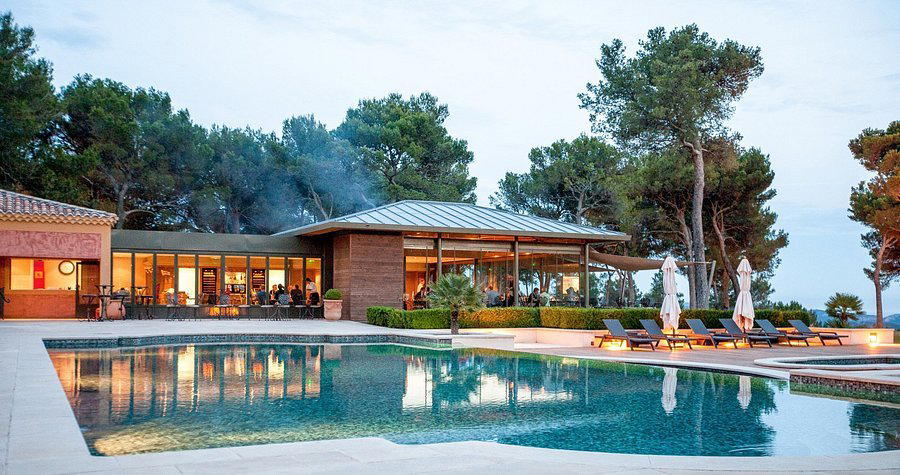
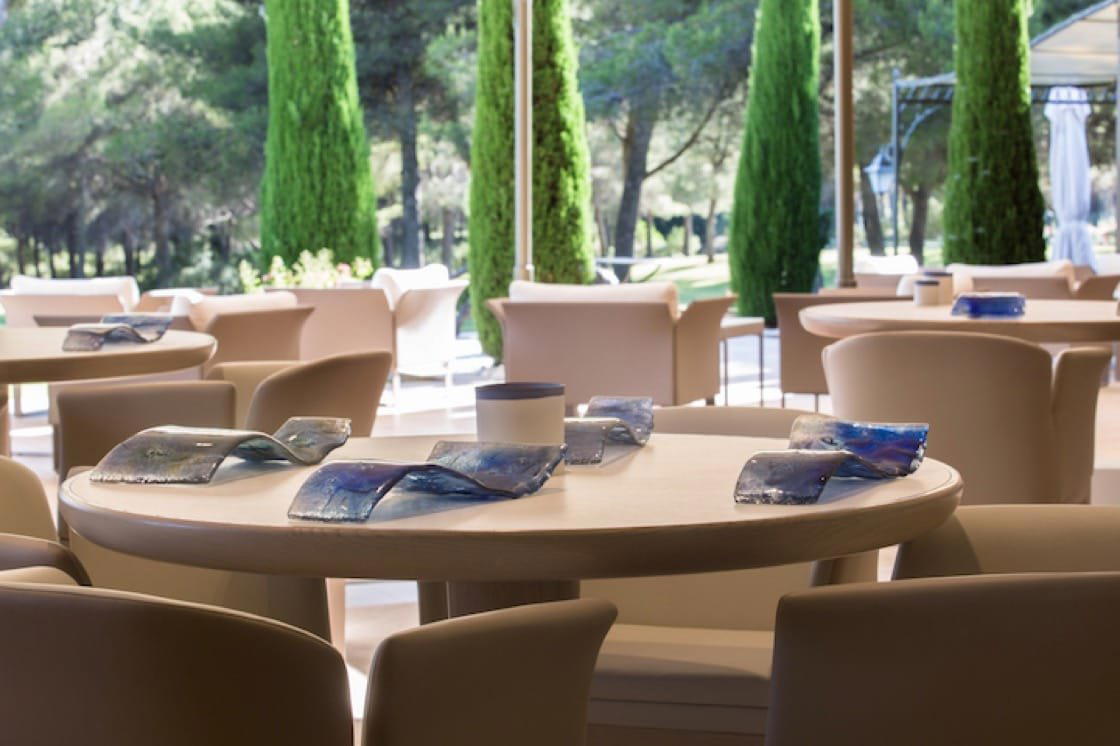
Restaurants in Toulon
Browse all →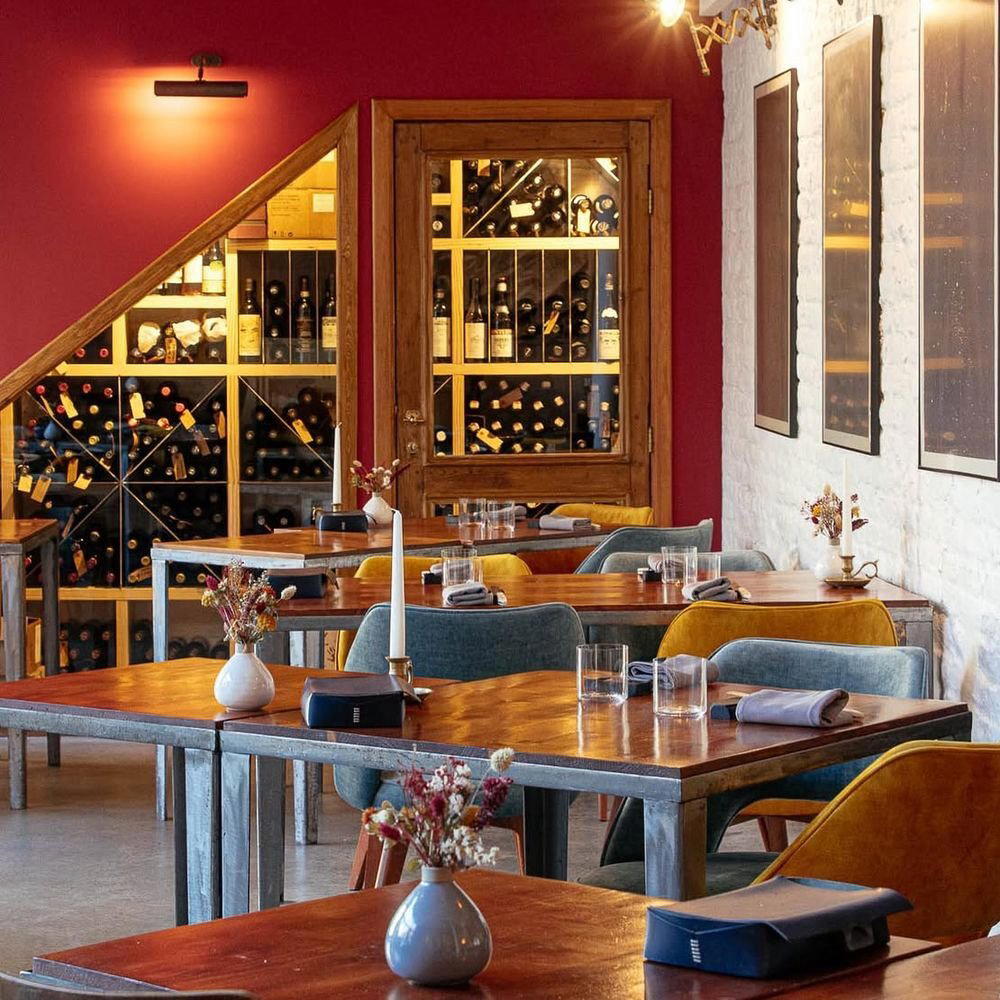
Bars in Toulon
Browse all →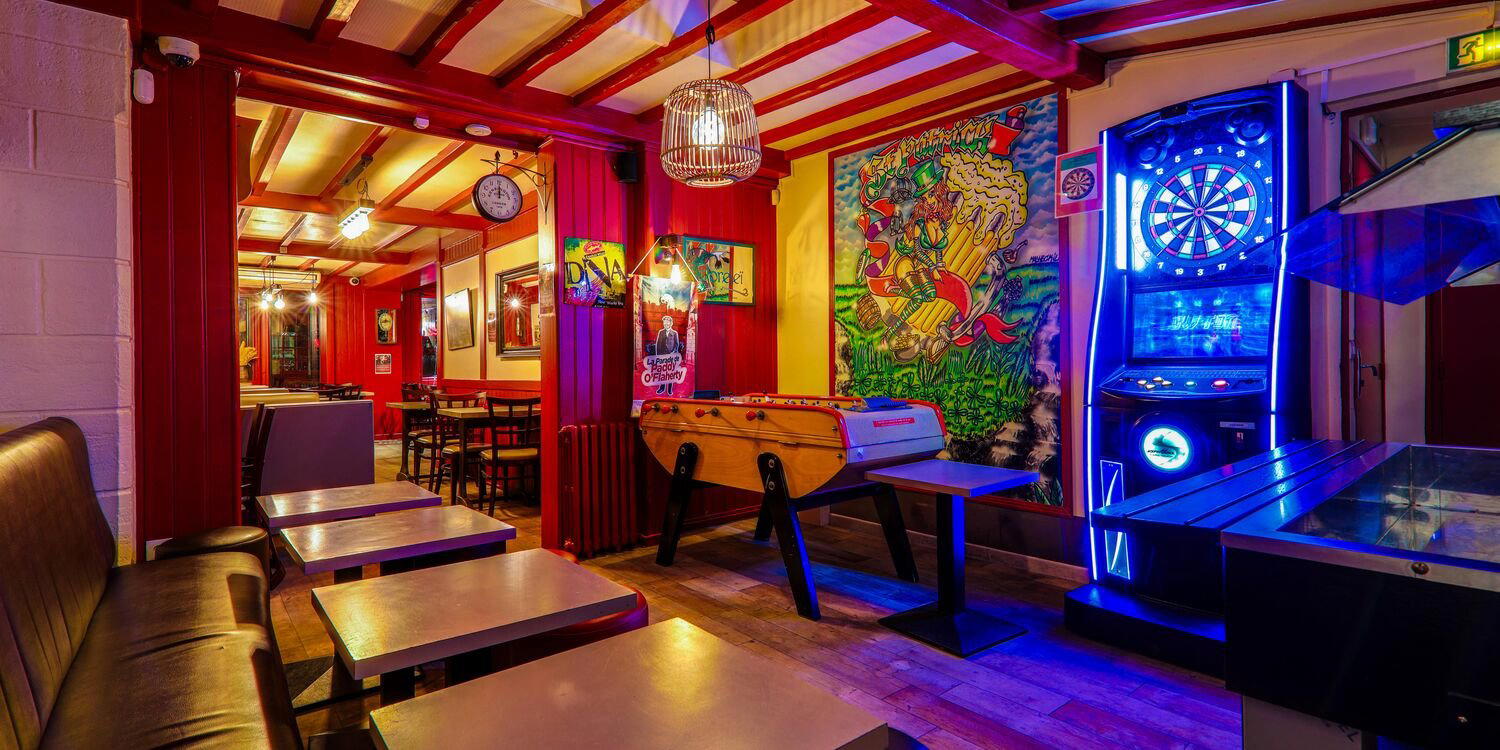
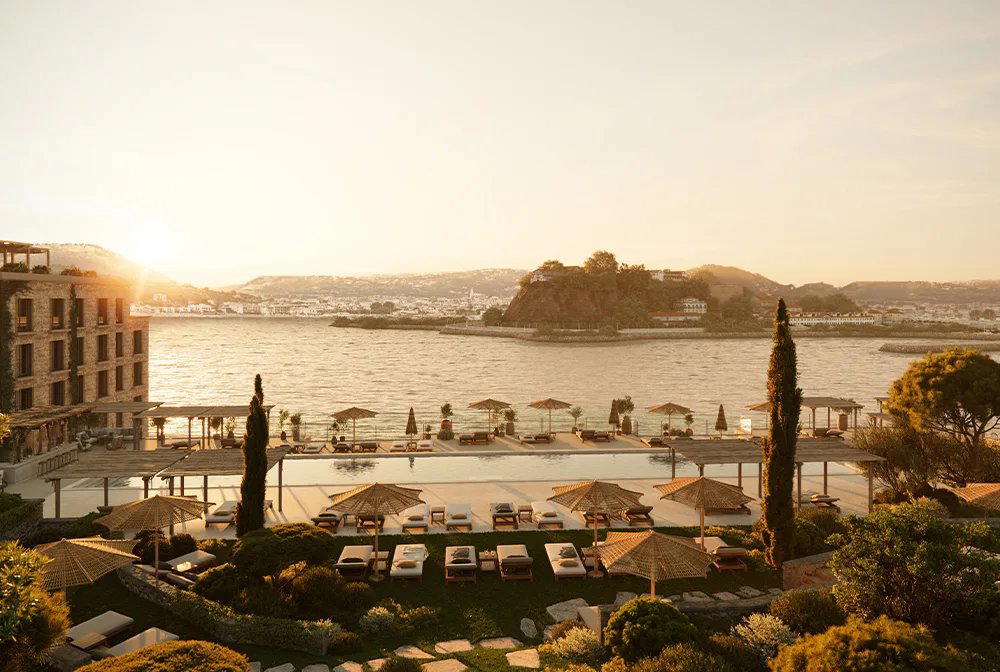
Hotels in Toulon
Browse all →
At a Glance
- Modern
- Cozy
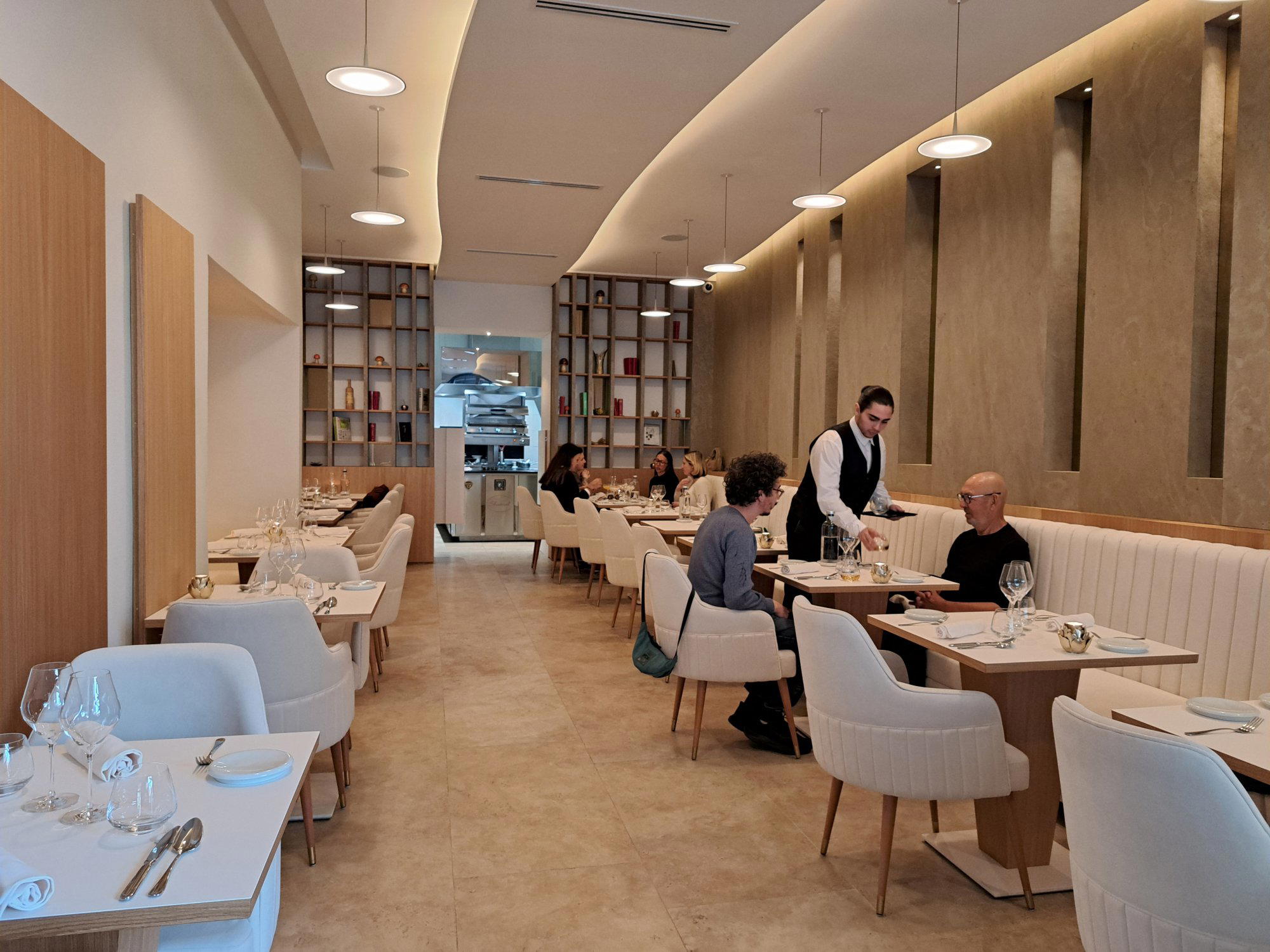
- Elegant
- Date Night
- Special Occasion
- Terrace
- Local Sourcing
- Street Scene
Current opening hours
- Monday
- Closed
- Tuesday
- Closed
- Wednesday
- Closed
- Thursday
- 7:15–11 PM
- Friday
- 7:15–11 PM
- Saturday
- 12–3 PM, 7:30–11 PM
- Sunday
- Closed
Hours can change for holidays and private events. Last verified .
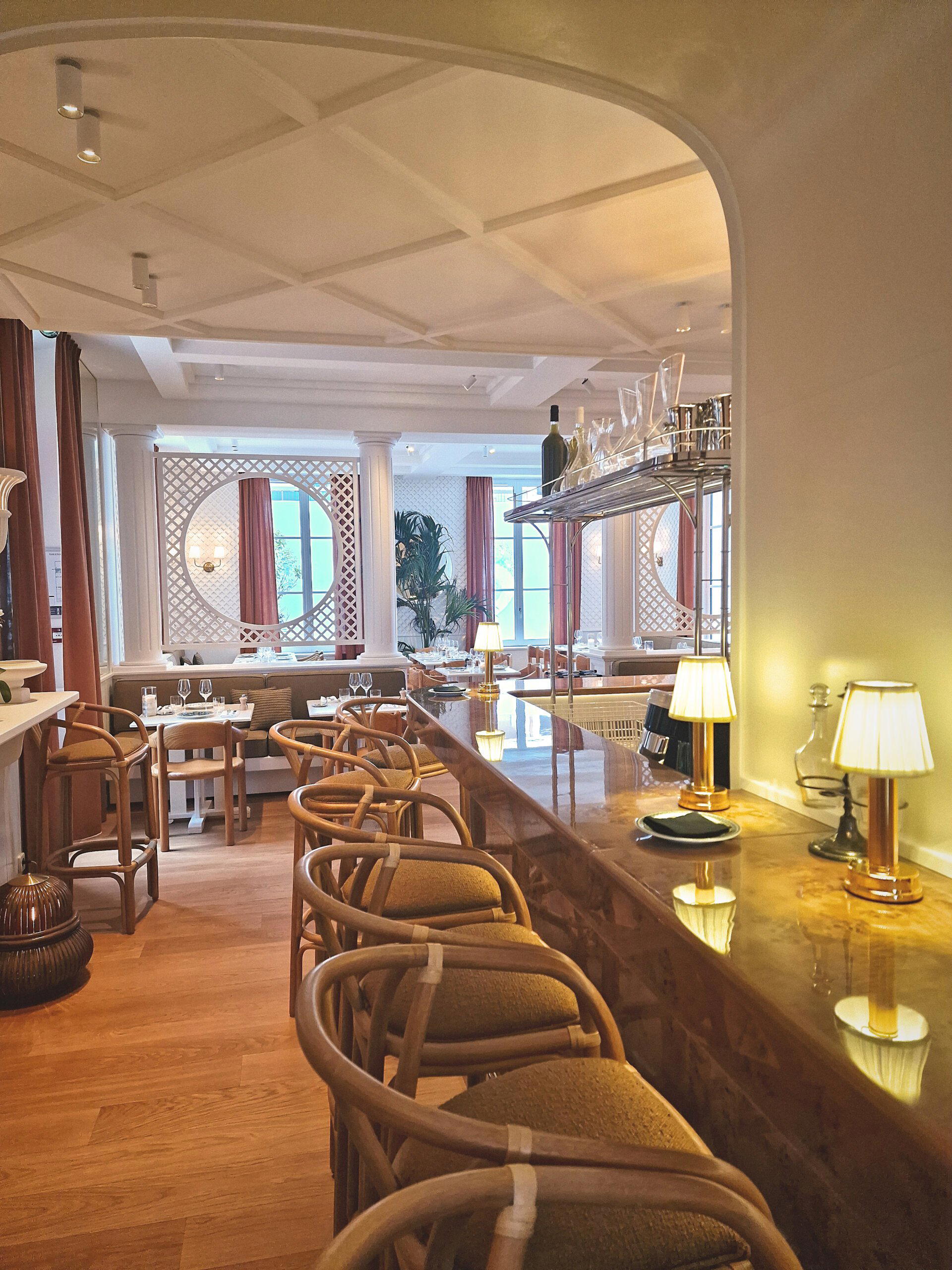
Cosy, elegant atmosphere with modern design and warm attentive service.