Our verdict
Caffe Cuisine sits on the market square in Branne, a small Gironde town that sits squarely in Entre-Deux-Mers wine country. The setting places it within reach of some of France's most agriculturally rich terrain, where produce provenance matters as much as technique. For travellers moving between Bordeaux and the Dordogne, it represents a genuine local stop rather than a destination detour.

Pearl is the En Primeur Club membership app — saves, bookings, and concierge access live there. Same editors, same standards.
- Address
- 9 Pl. du Marché, 33420 Branne, France
- Phone
- +33557241967
- Hours
- Mon ClosedTue–Sat 12–3 PM, 7–10 PMSun 12–3 PM
- Website
- frmaps.xyz
- Directions
- Get directions
Market Square, Wine Country, and the Logic of Where Things Come From
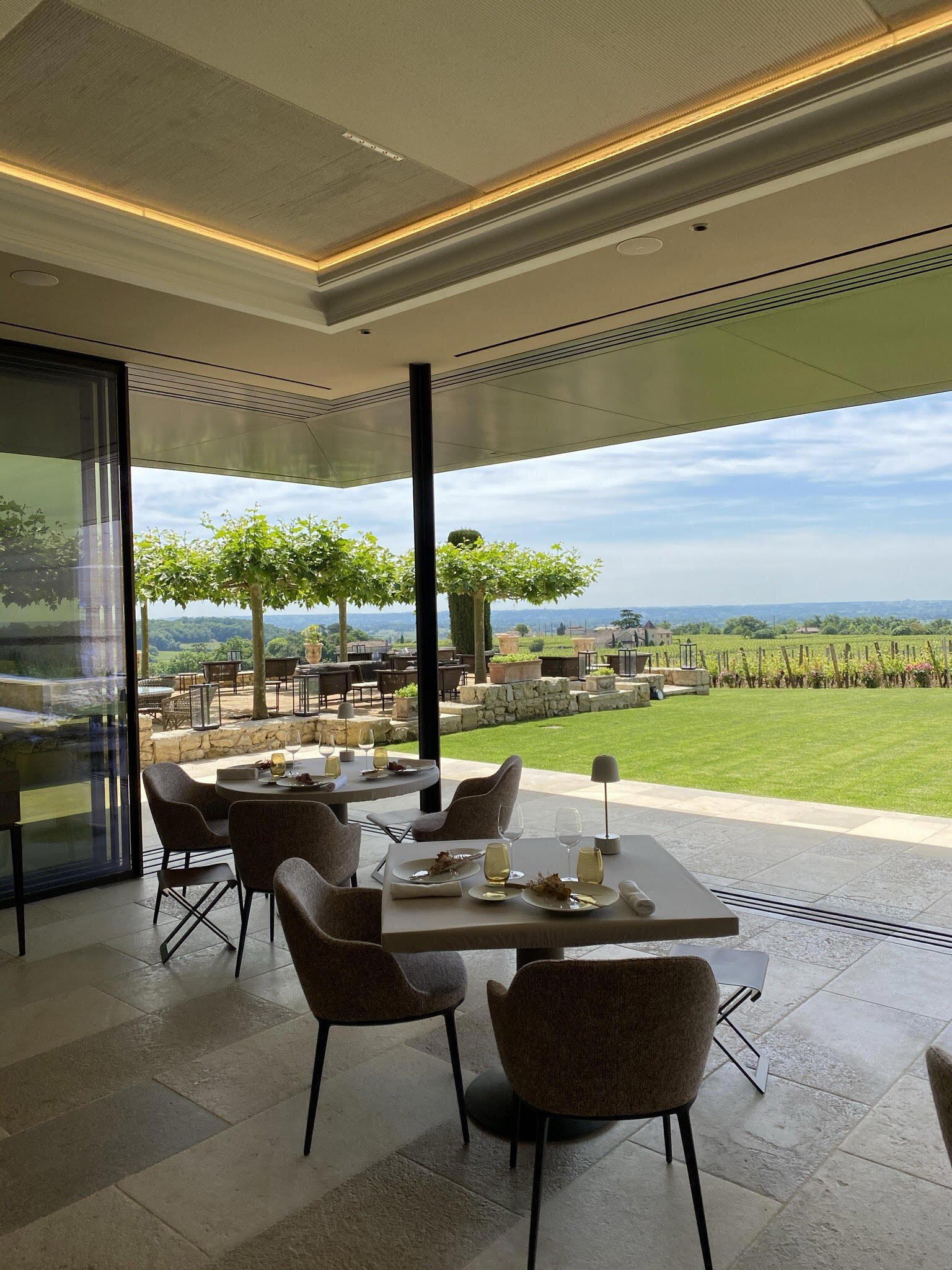
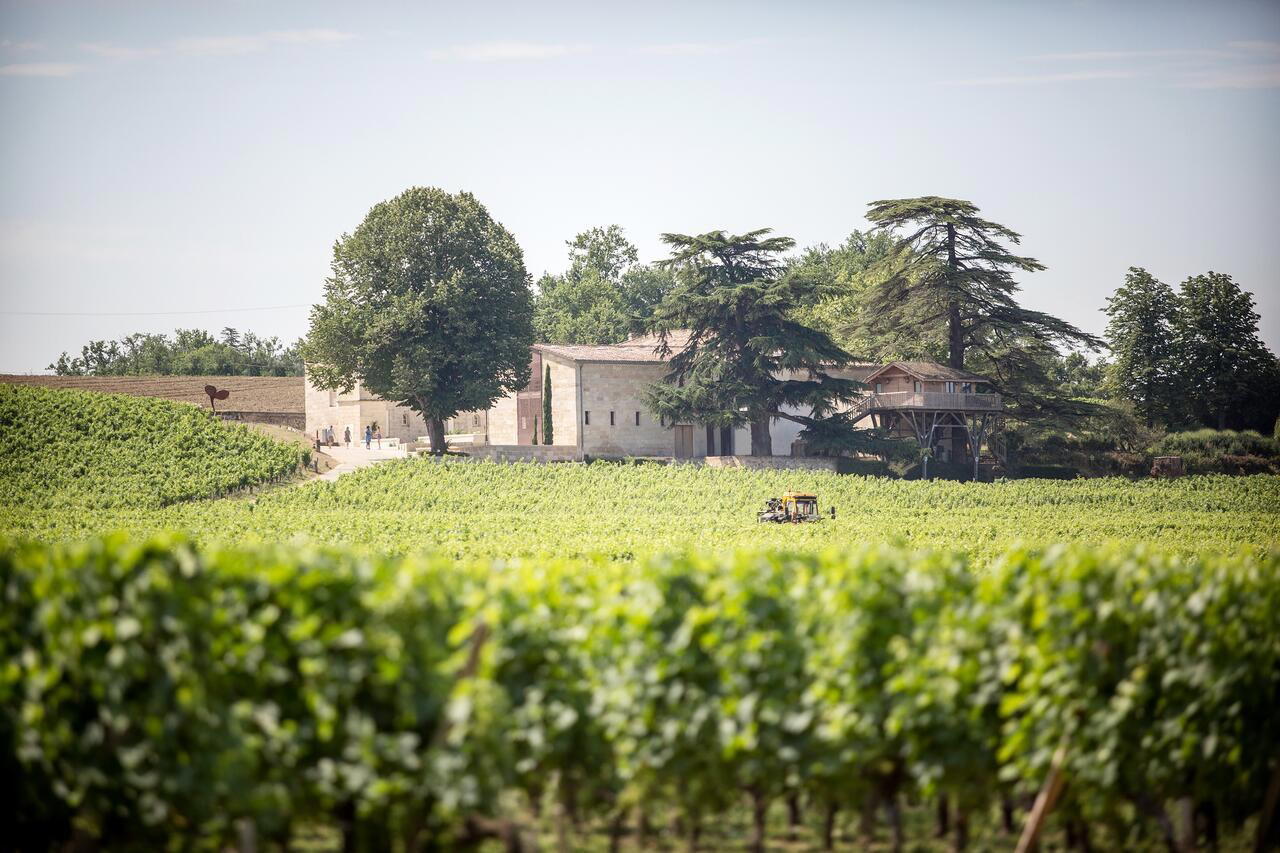
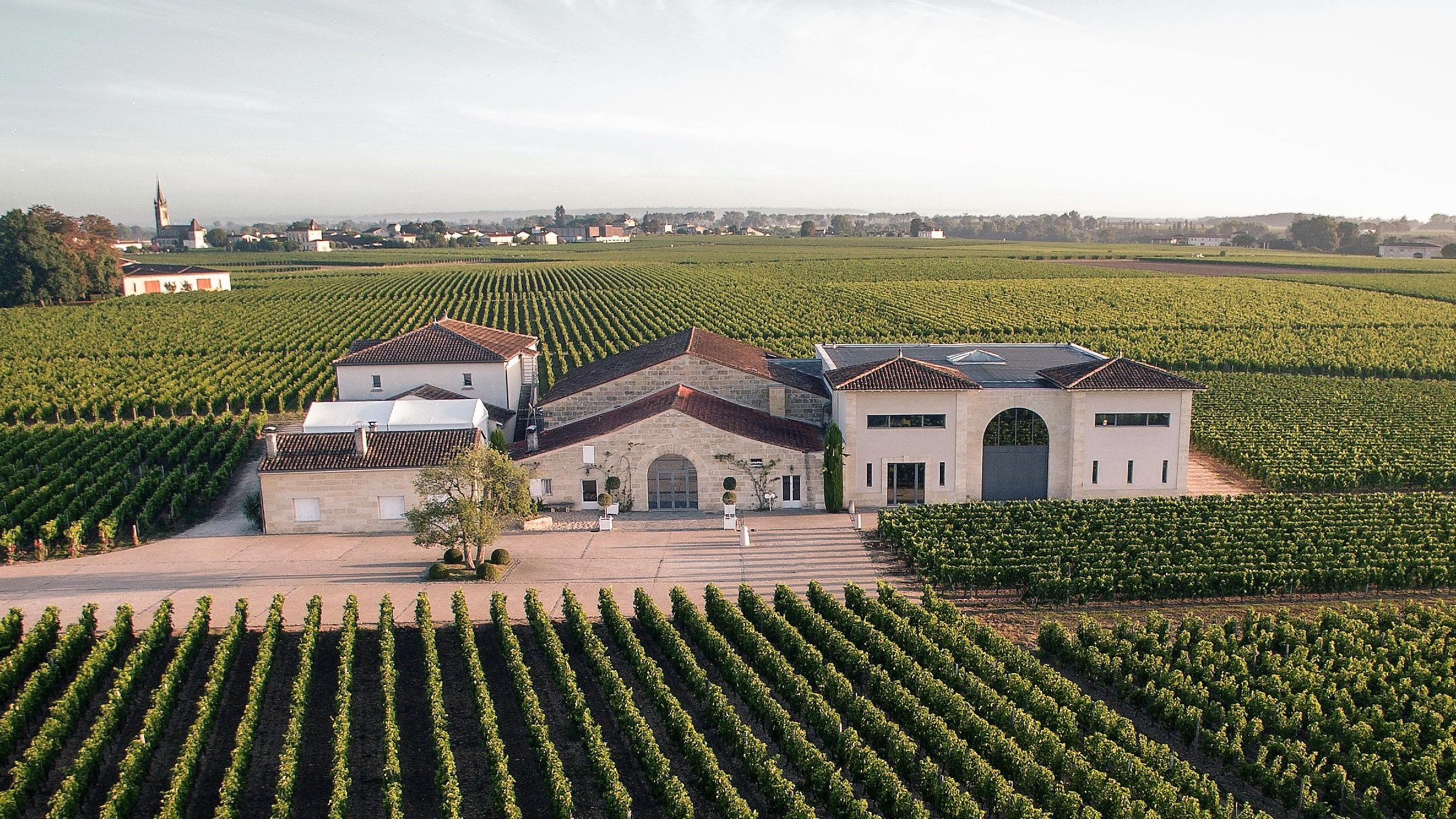
Branne sits in the Entre-Deux-Mers corridor, the wedge of Gironde département that runs between the Dordogne and Garonne rivers. This is farming and winemaking country in equal measure: the plateau above the valley floors has been cultivating cereal crops, cattle, and stone-fruit orchards alongside its vineyards for centuries. When a restaurant occupies the market square of a town like this, the address is itself a statement about ingredient access. Weekly markets in small French towns like Branne function as a direct distribution point between local producers and the kitchens that serve them, a supply chain model that larger urban restaurants spend considerable effort trying to recreate. Caffe Cuisine, at 9 Place du Marché, 33420 Branne, sits at the centre of that network by geography alone.
That positioning matters because Entre-Deux-Mers has historically been treated as a throughway rather than a destination. Most visitors to the region fix their gaze on Saint-Émilion to the northeast or Bordeaux city to the west, and the towns in between receive less attention than their agricultural output arguably deserves. The consequence is a dining scene that has developed largely for local residents rather than for tourism, which tends to produce a different kind of cooking: less performative, more calibrated to seasonal supply, and priced for repeat rather than one-time visitors. For context, France's most decorated tables — Mirazur in Menton, Alléno Paris au Pavillon Ledoyen in Paris, or Flocons de Sel in Megève — operate within established destination circuits where tourist volumes support ambitious pricing and elaborate kitchen brigades. A market-square address in Branne situates Caffe Cuisine in a fundamentally different economy.
The Sourcing Logic of Entre-Deux-Mers
The Entre-Deux-Mers plateau produces ingredients that rarely make it onto the menus of Bordeaux's grander restaurants, not because of quality deficits but because the volumes are too small and the supply chains too informal for large-scale procurement. Small herds of Blonde d'Aquitaine cattle graze within the Gironde département. Seasonal cèpe mushrooms emerge from the oak and chestnut forests bordering the plateau each autumn. Stone fruits, plums, mirabelles, and cherries, ripen across the summer months. Duck and foie gras production is embedded throughout the wider Gascony and Périgord overlap zone that begins just east of Branne toward the Dordogne.
This ingredient geography places any serious kitchen in Branne within reach of a seasonal rotation that changes substantially across the year. Southwest French cooking at its most grounded works through this kind of localism: cassoulet variants built on Tarbais beans sourced within the region, duck confited in its own fat from birds raised nearby, and wine sauces drawn from the surrounding appellations rather than generic stock. The contrast with the technique-driven register of, say, Bras in Laguiole or the classical formalism of Auberge de l'Ill in Illhaeusern is one of scale and intent rather than seriousness: localist cooking in a market-town context is operating by a different logic, not a lesser one.
Reading the Room: What a Market-Square Address Signals
Across provincial France, the restaurants that occupy market squares tend to share certain characteristics regardless of region. They draw a lunch-heavy trade, with weekday service anchored by workers and retirees and weekend service expanding toward families and day-trippers. They are often more generous at midday than in the evening, with set menus or plats du jour that reflect what arrived at the market that morning rather than a fixed carte. Booking pressure on ordinary weekdays is typically low; market days and Sunday lunches fill faster.
For a visitor arriving from Bordeaux, roughly 35 kilometres to the west via the D936, or from Saint-Émilion about 12 kilometres northeast, Branne is a plausible lunch stop without requiring significant detour. The town is compact enough that parking near the market square presents no particular difficulty outside of market days themselves, when the square fills with stalls. That seasonal rhythm, the square animated by producers one or two days a week, quieter the rest of the time, shapes the operational reality of any kitchen in this position. Compare this cadence with the more tightly managed booking windows at destination restaurants like Auberge du Vieux Puits in Fontjoncouse or Georges Blanc in Vonnas, and the structural difference in how these kitchens relate to their local supply and their clientele becomes clear.
Branne in the Broader Southwest France Dining Picture
Southwest France's restaurant tier spreads across a wide spectrum. At the leading end, addresses like Les Prés d'Eugénie - Michel Guérard in Eugénie-les-Bains or L'Oustau de Baumanière in Les Baux represent the destination-resort model, where the table is inseparable from its landscape and accommodation context. Regional classics like Maison Lameloise in Chagny or Paul Bocuse - L'Auberge du Pont de Collonges in Collonges-au-Mont-d'Or occupy an institutional register built over decades. Internationally, the same ambition reads through Le Bernardin in New York City or Lazy Bear in San Francisco, where French-informed technique has been adapted to different market contexts entirely.
Branne and its market-square kitchen sit well outside all of those brackets, and that is precisely the point. The Entre-Deux-Mers has enough culinary raw material to support cooking of genuine interest at a local scale. See our full Branne restaurants guide for a broader picture of what the town and its surrounds currently offer. Elsewhere in the southwest, references worth tracking include La Table du Castellet in Le Castellet, La Vague d'Or - Cheval Blanc St-Tropez in Saint-Tropez, Le 1947 à Cheval Blanc in Courchevel, and Troisgros - Le Bois sans Feuilles in Ouches, each representing a distinct register within French fine dining that contextualises just how broad the national scene actually is.
Planning Your Visit
Caffe Cuisine is located at 9 Place du Marché in Branne, directly on the main market square. The town is accessible by car from Bordeaux via the D936, with Branne sitting approximately in the Entre-Deux-Mers zone that wine-country visitors will find easy to incorporate into a day itinerary. Market days bring additional activity to the square and may affect parking availability. For those building a longer Gironde itinerary, Saint-Émilion to the northeast and the Bordeaux riverside to the west are natural anchors around which a Branne visit slots without logistical strain.
Frequently asked questions
Is Caffe Cuisine suitable for children?
Caffe Cuisine's position directly on Branne's Place du Marché puts it in the tradition of French market-square restaurants, which across the southwest tend to run lunch-heavy services drawing mixed local crowds. That setting typically skews family-compatible rather than formally exclusive.
Is Caffe Cuisine a good base for exploring Entre-Deux-Mers wine country?
Branne sits within the Entre-Deux-Mers corridor, the wedge of Gironde département running between the Dordogne and Garonne rivers — one of Bordeaux's most agriculturally active wine zones. A lunch stop at Caffe Cuisine on Place du Marché positions a visitor centrally in that corridor, within reach of the plateau's vineyards and producers. No affiliated wine list or sommelier credentials are currently documented for the venue itself.
What do regulars order at Caffe Cuisine?
No menu data is currently documented for Caffe Cuisine. What can be said is that Branne sits in the Entre-Deux-Mers plateau, a corridor known for produce that rarely reaches the grands restaurants of Bordeaux city — meaning a market-square address here has access to regional ingredients that larger urban kitchens overlook. Specific dishes would need to be confirmed on-site.
How do I find Caffe Cuisine?
Caffe Cuisine is located at 9 Pl. du Marché, 33420 Branne, France, Branne.
How hard is it to get a table at Caffe Cuisine?
Market-square restaurants in small Gironde towns like Branne typically operate on a walk-in basis for lunch, with demand peaking on market days. Calling ahead is advisable, though no phone number is currently listed for Caffe Cuisine.
Comparison Snapshot
Comparable venues nearby, for context on price, style, and recognition.
| Venue | Cuisine | Price | Awards | Notes |
|---|---|---|---|---|
| Caffe CuisineThis venue — the venue you are viewing | French Bistronomic Market Cuisine | $30–50 | Not listed | Not listed |
| Café Français | Traditional French Brasserie | $20–30 | Not listed | Centre ville |
| L’aventure | French Mountain Grill | $30–50 | Not listed | Oz en Oisans |
| Au Bistrot | Traditional French Bistro | $30–50 | Michelin Plate | Bordeaux Sud |
| Lard et Bouchon | Traditional French Bistro | $30–50 | Not listed | Saint-Émilion |
| Ze Rock | French Brasserie | Not listed | Not listed | Palmer |
Continue exploring
More in Branne
Restaurants in Branne
Browse all →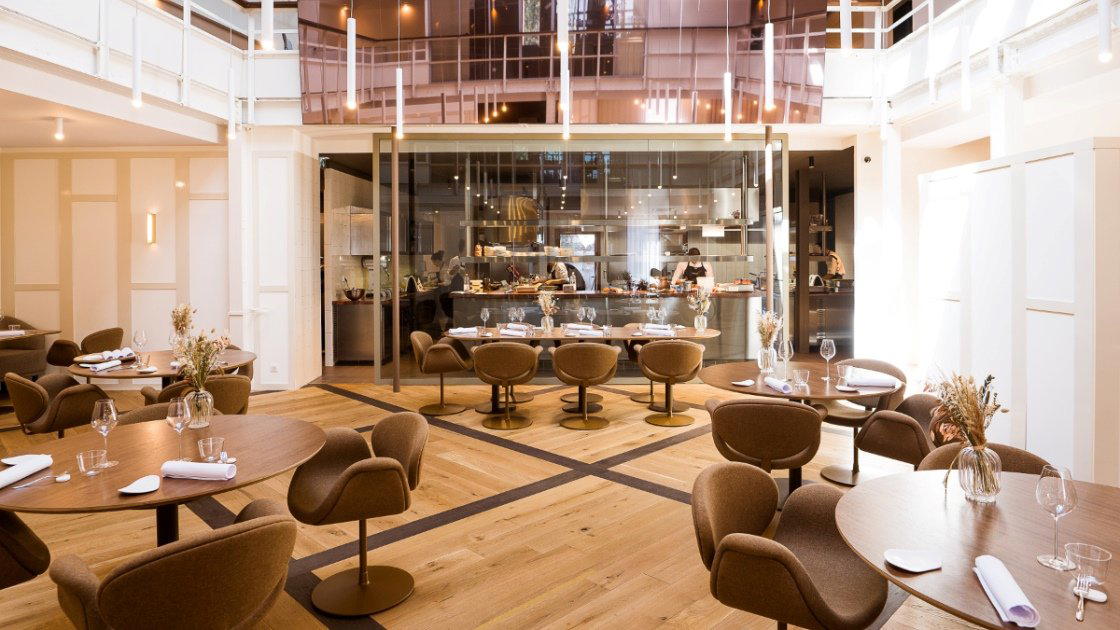
Bars in Branne
Browse all →
Hotels in Branne
Browse all →
Details
- Cozy
- Rustic
- Modern
- Date Night
- Family
- Casual Hangout
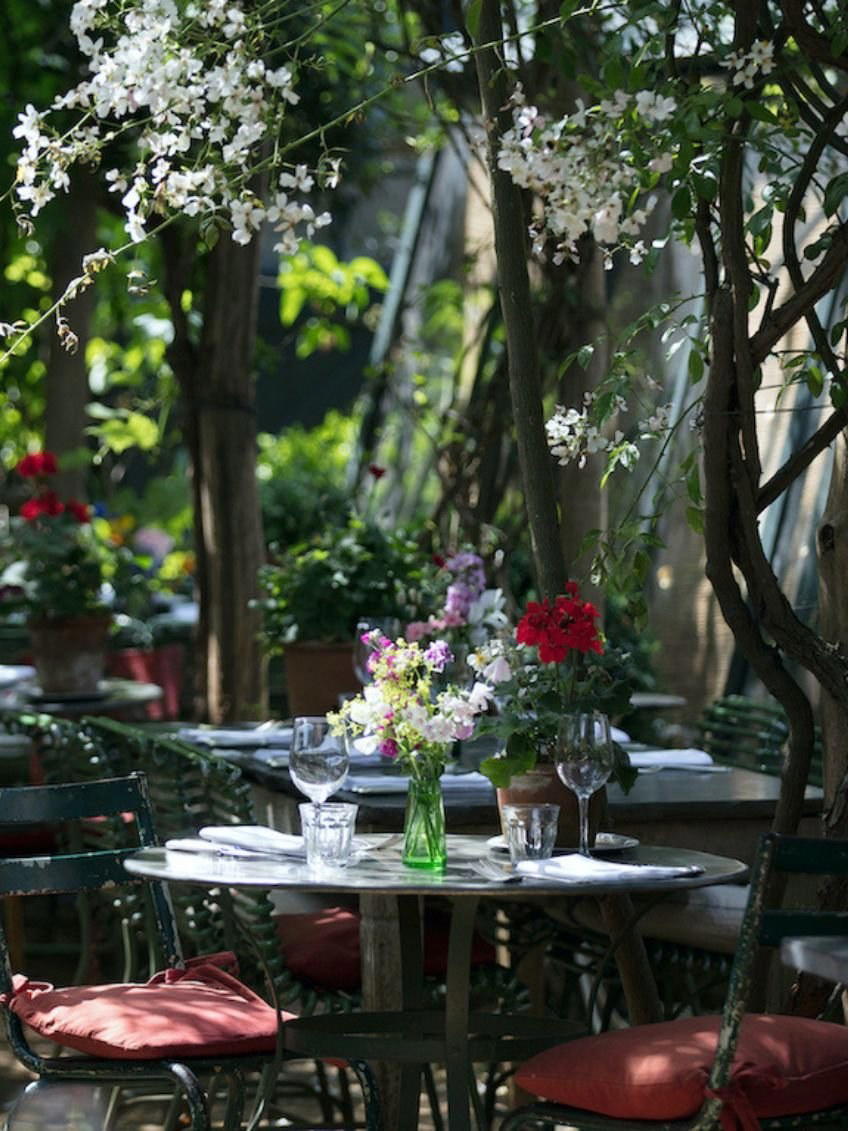
- Terrace
- Open Kitchen
- Extensive Wine List
- Local Sourcing
- A La Carte
- Vegetarian Friendly
Current opening hours
- Monday
- Closed
- Tuesday
- 12–3 PM, 7–10 PM
- Wednesday
- 12–3 PM, 7–10 PM
- Thursday
- 12–3 PM, 7–10 PM
- Friday
- 12–3 PM, 7–10 PM
- Saturday
- 12–3 PM, 7–10 PM
- Sunday
- 12–3 PM
Hours can change for holidays and private events. Last verified .
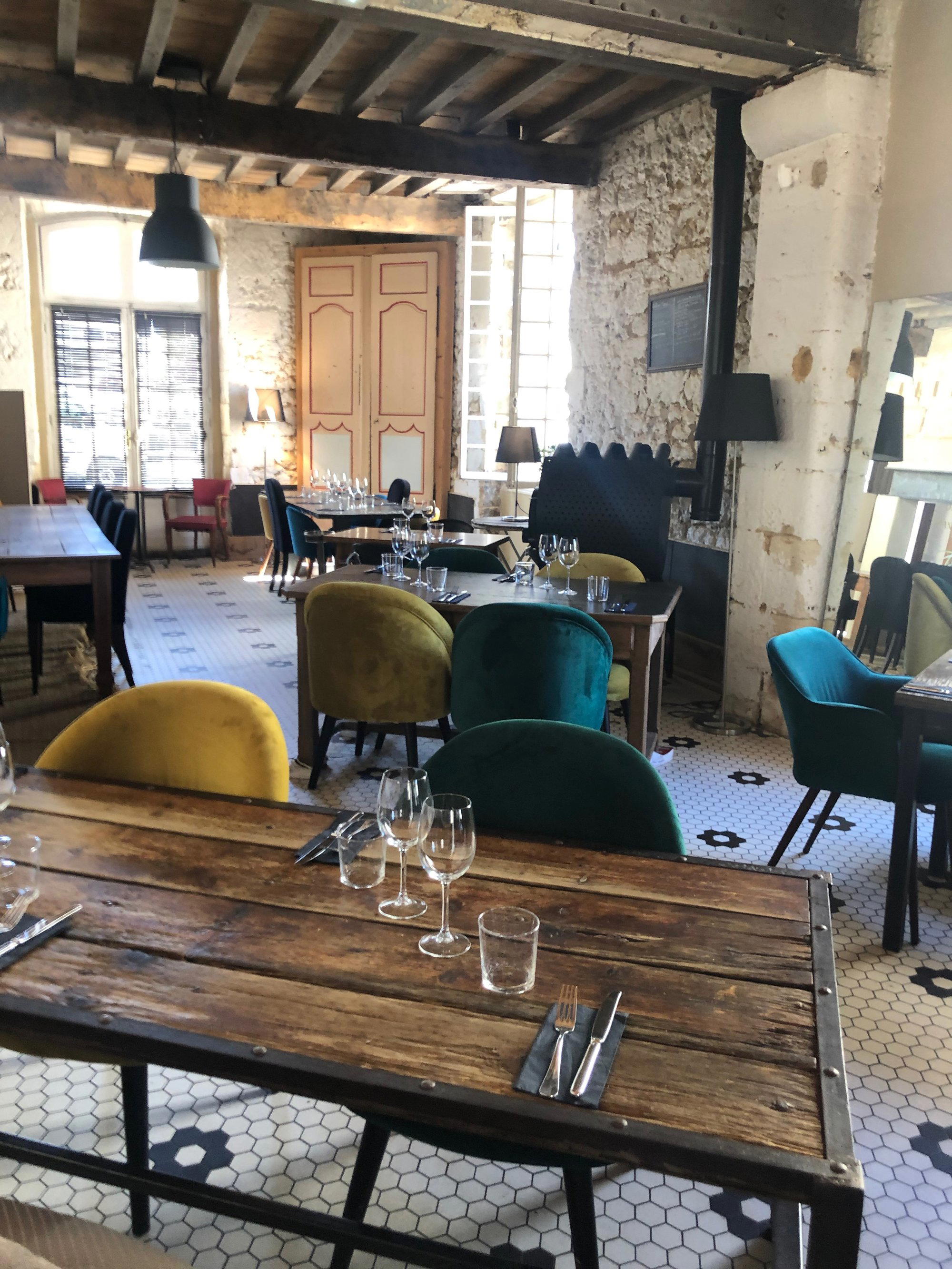
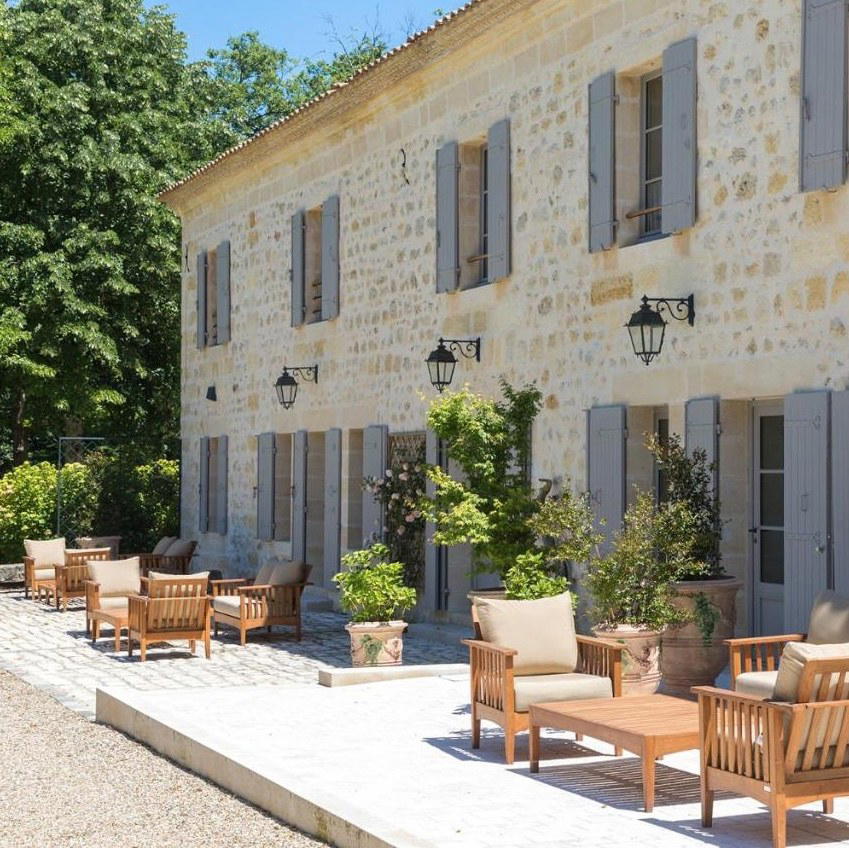
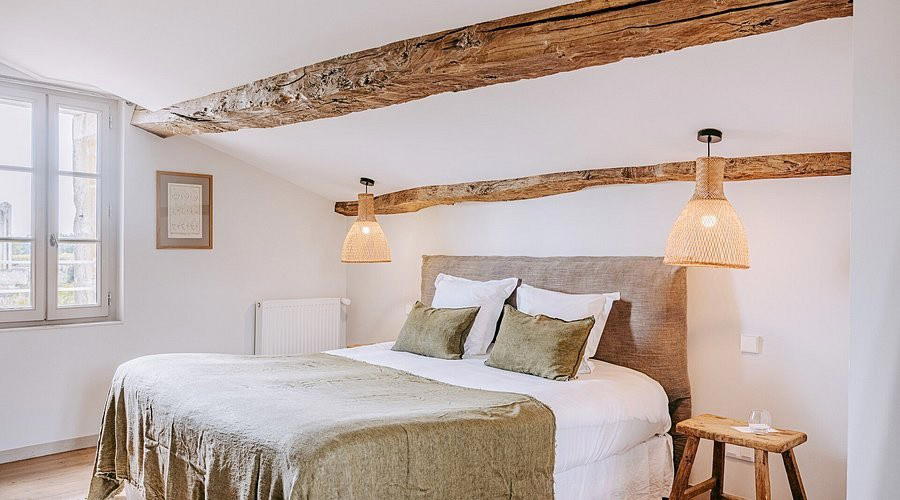
Warm and rustic with modern touches, featuring a big fireplace, bar, sofas, and shaded terrace surrounded by plants; guests describe it as home-like, atypical, and atmospheric.