On Place Pey-Berland, steps from the Gothic spire of the Cathédrale Saint-André, Café Français occupies one of Bordeaux's most architecturally charged addresses. The café sits within the French tradition of grand public rooms that serve as neighbourhood anchors as much as dining destinations, placing it in a different register from the city's tasting-menu circuit.
Pearl is the En Primeur Club membership app — saves, bookings, and concierge access live there. Same editors, same standards.
- Address
- 5 Pl. Pey Berland, 33000 Bordeaux, France
- Phone
- +33556529669
- Website
- le-cafe-francais.com
- Directions
- Get directions
 Saves & bookings on Pearl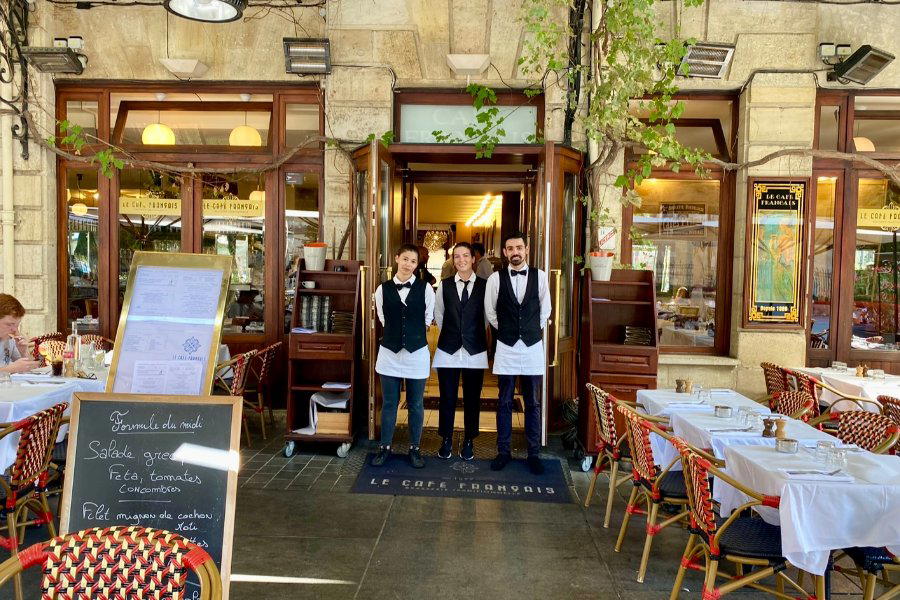
A Room That Precedes Its Menu
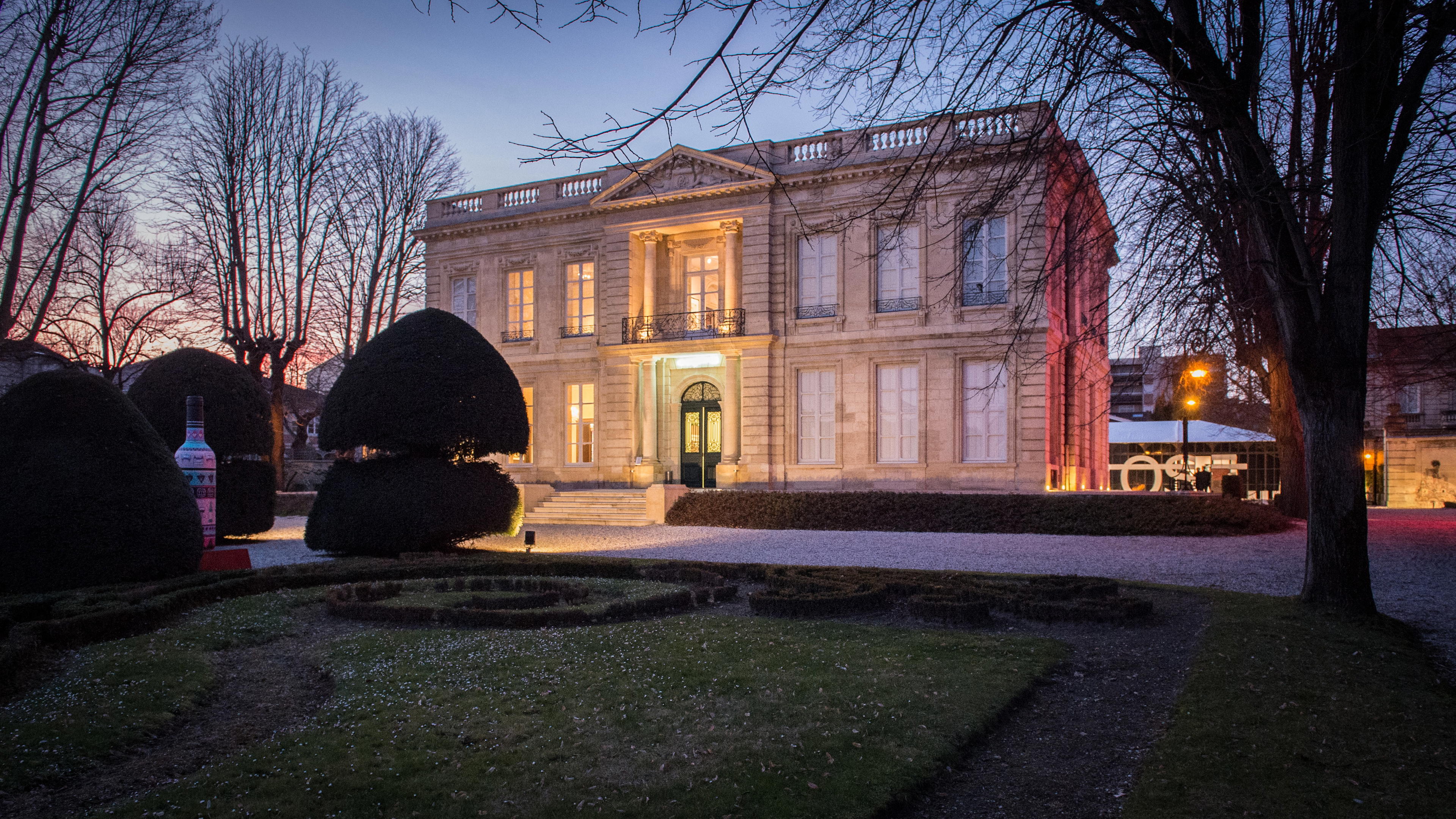
Place Pey-Berland is one of Bordeaux's most loaded addresses. The square is framed by the Cathédrale Saint-André and the city's Hôtel de Ville, and the buildings that line it carry the weight of centuries of civic life. Arriving at Café Français at 5 Place Pey-Berland, you are first aware of context before cuisine: the stone façades, the cathedral's Gothic tower overhead, the steady foot traffic of locals using the square as a daily thoroughfare. Inside, a French café of this type earns its place not by novelty but by continuity, functioning as a room where the city conducts ordinary life at a high-enough register to be worth lingering in.
This is the tradition that Bordeaux's mid-register café culture inhabits: rooms that sit between the formal restaurant and the casual bar, where the architecture does considerable work and the service format is built around returning customers as much as visitors. For context on where Café Français sits relative to the city's more destination-driven dining, our full Bordeaux restaurants guide maps the full range from neighbourhood addresses to tasting-menu houses.
The Bordeaux Mid-Register and Where Café Français Sits Within It
Bordeaux's restaurant scene has stratified considerably over the past decade. At the leading sits a small cohort of technically ambitious kitchens: Le Pressoir d'Argent - Gordon Ramsay at the €€€€ tier and Amicis at a similarly priced creative register represent the city's most expensive end. Below that sits a productive middle tier, occupied by addresses like L'Oiseau Bleu, Maison Nouvelle, and L'Observatoire du Gabriel, each building a case for modern cuisine at the €€€ level. The French café model sits apart from both: it does not compete on tasting-menu ambition but on something harder to manufacture, which is the sense of a room that has been in continuous use long enough to feel self-evidently part of the city.
That positioning matters for how you approach a visit. The question at Café Français is not whether it measures against the Michelin-starred tier, but whether it delivers what a well-run grand café on a major civic square should deliver: attentive service, a menu rooted in French café and brasserie tradition, and a room that justifies the address.
Team Structure in the French Café Format
The French café and brasserie tradition places particular demands on front-of-house over kitchen. Where a tasting-menu counter tilts heavily toward the kitchen's technical program, a room like Café Français operates on the logic that the service team carries much of the experience. The floor staff at addresses of this type are expected to function as hosts in a civic sense: managing a diverse clientele that spans tourists on a cathedral visit, local professionals at lunch, and visitors exploring Bordeaux's historic centre, often within the same service.
This team-led model is worth understanding before you book. Across France's grand café tradition, from the brasseries of Paris to addresses in Lyon, the rooms that endure longest are those where the floor team has genuine tenure. Regulars are recognised, orders anticipated, and the rhythm of the room managed with enough authority that the dining experience feels coordinated rather than reactive. How that plays out at Café Français specifically reflects the demands of a very high-profile location: a square visited by large numbers of tourists, but with a strong local residential population in the surrounding Saint-André and Saint-Pierre quarters who expect a consistent neighbourhood room rather than a transient hospitality offer.
For comparison, the dynamic between kitchen and floor is handled differently at the French institutions operating at national scale. Houses like Paul Bocuse - L'Auberge du Pont de Collonges and Auberge de l'Ill have long invested in front-of-house teams as seriously as in their kitchens, a model that informs how the leading French rooms at every tier think about service tenure. At the other end of the French fine-dining range, the kitchen-forward format is clearest at Mirazur in Menton, Alléno Paris au Pavillon Ledoyen, and Troisgros - Le Bois sans Feuilles, where the tasting format structurally reduces the floor team's interpretive role. Café Français sits at the opposite end of that spectrum.
The Square as Dining Context
Place Pey-Berland is not the obvious tourist circuit of the Quai des Chartrons or the waterfront; it is a working civic square, busier with locals and students from the adjacent institutions than with visitors following a sightseeing route. Dining here puts you in a different register than eating along the Garonne waterfront, and that affects the atmosphere of any room that opens onto it. The cathedral's presence gives the square a particular quality of light in the afternoon, and the stone-paved open space keeps ambient noise at a level that suits a long lunch rather than a quick stop.
Logistically, the address at 5 Place Pey-Berland is walkable from the city's main tram lines and sits within the historic centre's pedestrianised zone. For visitors building an itinerary, it pairs naturally with a walk through the Saint-André quarter and the nearby Musée d'Aquitaine. Bordeaux's dining culture skews toward longer midday meals, and a room on this square supports that rhythm better than a quick-turnover address on a busier commercial street.
Bordeaux in the French Dining Canon
France's most celebrated restaurant rooms outside Paris tend to cluster around specific regional identities: the Lyonnais bouchon tradition, the Alsatian institution, the auberge tied to a single family and a single landscape. Bordeaux occupies a different position, one defined more by wine than by a codified cuisine, which means its restaurants draw from the southwest French larder without the same codified rules that govern, say, Alsace. Les Prés d'Eugénie - Michel Guérard in Eugénie-les-Bains and Bras in Laguiole represent the southwest's high-end range, while Flocons de Sel in Megève and Georges Blanc in Vonnas illustrate the breadth of France's institutional restaurant tradition. Café Français sits outside that refined tier but benefits from Bordeaux's general orientation toward food that takes the southwest's ingredients seriously.
For visitors who have also spent time at internationally respected rooms like Le Bernardin in New York City or Lazy Bear in San Francisco, and La Table du Castellet in Le Castellet, the Café Français register is leading understood as complementary rather than competitive: a room where the architecture, location, and civic role do work that a technically ambitious tasting menu does not attempt.
Planning a Visit
The address at 5 Place Pey-Berland places Café Français in the heart of Bordeaux's UNESCO-listed historic centre, well within walking distance of the city's main cultural sites. As with most French café rooms in prominent civic locations, lunch service tends to draw a local professional crowd, while evening service shifts toward a more visitor-heavy mix. Checking current hours directly before visiting is advisable; specific booking policies, phone numbers, and hours are not confirmed in available records. For broader dining planning in the city, the Bordeaux restaurants guide covers the full range from neighbourhood cafés to the tasting-menu tier represented by addresses like L'Oiseau Bleu and Maison Nouvelle.
How Café Français Bordeaux compares with similar nearby venues.
| Venue | Cuisine | Price |
|---|---|---|
| Bo-tannique | Modern Cuisine | €€ |
Continue exploring
More in Bordeaux
Restaurants in Bordeaux
Browse all →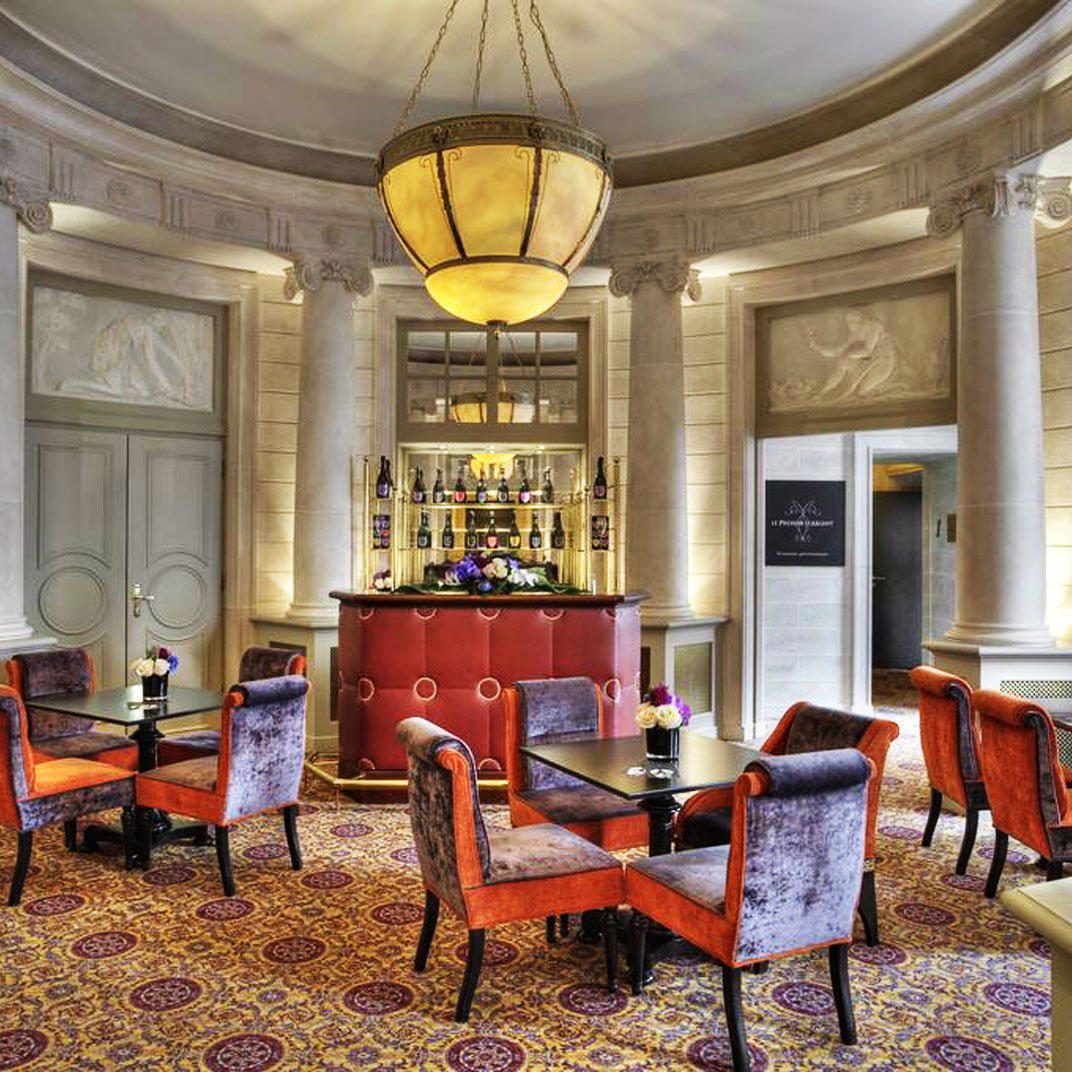
Bars in Bordeaux
Browse all →
Hotels in Bordeaux
Browse all →
At a Glance
- Classic
- Well Known
- Casual Hangout
- Brunch
- Terrace
- Historic Building
- Street Scene
Current opening hours
- Monday
- 8:30 AM–11 PM
- Tuesday
- 8:30 AM–11 PM
- Wednesday
- 8:30 AM–11 PM
- Thursday
- 8:30 AM–11 PM
- Friday
- 8:30 AM–11 PM
- Saturday
- 8:30 AM–11 PM
- Sunday
- 8:30 AM–11 PM
Hours can change for holidays and private events. Last verified .
Authentic Parisian-style brasserie atmosphere in a historic setting, bustling with tradition and people-watching from the terrace.
Know Before You Go
- Getting there
- 5 Pl. Pey Berland, 33000 Bordeaux, France