
Taberna Origen sits in Madrid's Moncloa-Aravaca district, where the city's taberna tradition meets a sharper editorial instinct for regional Spanish produce. The menu architecture here does what the name suggests: it traces ingredients back to their source, positioning Origen within a mid-tier dining conversation that Madrid's neighbourhood restaurant scene is increasingly comfortable having.
Pearl is the En Primeur Club membership app — saves, bookings, and concierge access live there. Same editors, same standards.
- Address
- C. de Juan Álvarez Mendizábal, 44, Moncloa - Aravaca, 28008 Madrid, Spain
- Phone
- +34912240559
- Website
- origentaberna.com
- Directions
- Get directions
 Saves & bookings on Pearl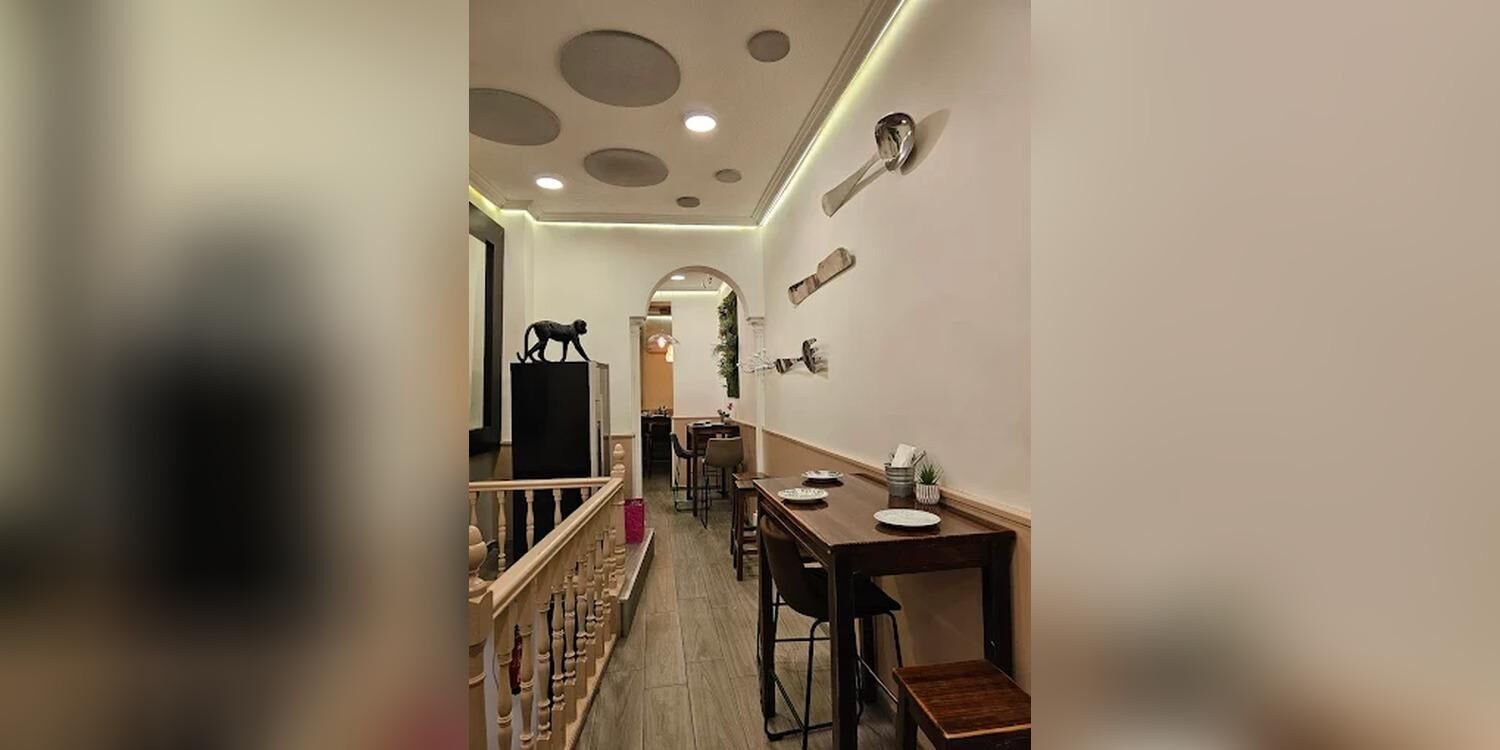
A Taberna Format That Asks Where Things Come From
Madrid's taberna category occupies a specific, sometimes underestimated tier in the city's dining structure. These are not the grand tasting-counter restaurants that put the capital on international lists, venues like DiverXO or Coque sit in a separate register entirely, where the price, the format, and the ambition are self-consciously refined. Nor are tabernas the casual bar-and-bocadillo operations tourists reach for instinctively. The taberna at its leading occupies the productive middle: a room that takes wine seriously, builds its menu around identifiable regional produce, and prices in a way that permits return visits rather than demanding they be occasions.
Taberna Origen, on Calle de Juan Álvarez Mendizábal in Moncloa-Aravaca, is a modern Spanish tapas restaurant. The street sits on the western edge of central Madrid, in a residential quarter that moves at a different pace from the Salamanca or Malasaña dining corridors. Here, the neighbourhood itself signals something about what a restaurant is trying to do: this is not a destination-dining address in the way that Chueca or Retiro have become. The audience is local-leaning, the energy is lower-key, and the menu has to earn its keep on a Tuesday as much as a Friday.
What the Menu Architecture Reveals
The name Origen is doing interpretive work before a single dish arrives. In the Spanish mid-market dining conversation of the past decade, provenance framing has moved from novelty to expectation. The question is whether it functions as genuine editorial principle or as label. A taberna that builds its menu around sourcing logic will typically organise dishes by ingredient type or regional affiliation rather than by conventional starter-main-dessert sequencing. That structure, when it holds, tells the reader something: this kitchen is making decisions about what to serve based on what is worth serving, not on what covers particularly familiar bases.
That kind of menu thinking has precedents across Spain's broader restaurant conversation. At the higher end of the national spectrum, kitchens like Aponiente in El Puerto de Santa María or Mugaritz in Errenteria have made ingredient philosophy the structural logic of their menus for years. The taberna format operates without the same resources or price ceiling, but the underlying question, where did this come from, and why does that matter, travels across price tiers. What distinguishes a taberna that is serious about it from one that is using the language as marketing is consistency: whether the sourcing claim shows up in the detail of the cooking or only in the menu copy.
In Madrid specifically, this mid-market sourcing-led format has developed alongside the growth of restaurants that occupy a more austere creative register. DSTAgE and Deessa represent a strand of Madrid dining where the creative framework is rigorous and the price reflects it. Paco Roncero sits in the same upper bracket. Taberna Origen operates well below these in ambition and price, but it draws on the same broader shift in Spanish dining culture toward named producers, seasonal rotation, and an honest accounting of what is on the plate and why.
Moncloa-Aravaca as a Dining Address
The district context matters for how Origen functions. Moncloa-Aravaca is not a restaurant neighbourhood in the conventional Madrid sense. It has a substantial student population anchored by the Complutense campus, a residential core that skews family and professional, and a dining scene that reflects both: reliable neighbourhood spots, a few wine-led rooms, and relatively little of the self-conscious scene-making that defines Malasaña two kilometres east. A taberna in this district succeeds because it earns local trust, not because it is attracting destination diners from across the city.
That context shapes the kind of operation Origen can realistically be. The booking pressure will be different from a Michelin-listed address in central Madrid. The rhythm of the week will matter, a room of this type in this district lives or dies by repeat custom and word of mouth within the neighbourhood rather than by international review cycles. It is a model that rewards patience over hype, and the format of a taberna, lower ticket, higher frequency, wine-forward, suits it.
Where Taberna Origen Sits in the Broader Spanish Dining Map
Spain's restaurant conversation at the serious end is geographically distributed in a way that Madrid is still catching up to. El Celler de Can Roca in Girona, Arzak in San Sebastián, Martin Berasategui in Lasarte-Oria, Azurmendi in Larrabetzu, Quique Dacosta in Dénia, Atrio in Cáceres, Ricard Camarena in València, and Cocina Hermanos Torres in Barcelona collectively anchor Spain's reputation at the three-star level. Madrid has its own entries in that conversation, but the city's dining identity is also sustained by the taberna format, which has a deep historical root in Castilian food culture and remains the dominant mode for everyday serious eating in the capital.
Origen's name positions it within a specific strand of that taberna tradition: one that looks outward to the Spanish interior for its raw material rather than defaulting to the cosmopolitan or the international. That is a real editorial position, and it is one that connects the restaurant to a broader national conversation about what Spanish cooking owes to its own geography. For international visitors used to the creative register of restaurants like Atomix in New York City or Le Bernardin, the taberna format will read as genuinely different: less constructed, more contingent on the season and the supplier, priced to facilitate a different kind of engagement with the food.
Planning a Visit
The restaurant is located at Calle de Juan Álvarez Mendizábal, 44, in the Moncloa-Aravaca district of Madrid. The address is a residential street in the western part of central Madrid, accessible by metro. As a neighbourhood taberna, the booking pressure is likely lower than at destination restaurants in more central districts, though midweek evenings and weekend lunches at well-regarded local spots can fill quickly.
Style and Standing
Comparable venues nearby, for context on price, style, and recognition.
| Venue | Cuisine | Price | Notes |
|---|---|---|---|
| Taberna OrigenThis venue — the venue you are viewing | Modern Spanish Tapas | $$ | Not listed |
| 11 Nudos Madrid | Modern Atlantic & Galician Cuisine | $$ | Chueca |
| Casa Alberto | Traditional Madrilenian | $$ | Barrio de las Letras |
| LA ZAHURDA | Traditional Spanish Tapas | $$ | Almagro |
| Filomena Comida & Cócteles | Spanish Tapas & Cocktails | $$ | Palos de Moguer |
| Abacería Macarena | Modern Traditional Spanish | $$ | El Viso |
Recognition history
Dated appearances from independent guides and award organizations, with the underlying list record or original source where available.
Macarfi 6.7 Food Rating
Macarfi
Continue exploring
More in Madrid
Restaurants in Madrid
Browse all →
Bars in Madrid
Browse all →
Hotels in Madrid
Browse all →

At a Glance
- Cozy
- Rustic
- Classic
- Casual Hangout
- Date Night
- Open Kitchen
Current opening hours
- Monday
- Closed
- Tuesday
- 12:30 PM–12 AM
- Wednesday
- 12:30 PM–12 AM
- Thursday
- 12:30 PM–12 AM
- Friday
- 12:30 PM–12 AM
- Saturday
- 12:30 PM–12 AM
- Sunday
- 12:30–4 PM
Hours can change for holidays and private events. Last verified .
Warm and inviting with simple décor featuring a plant wall for a natural touch.