A neighbourhood fixture on Elisabethinergasse in Graz's 8th district, Café Moses draws a loyal crowd who return less for novelty than for consistency, the kind of place that earns its place in a regular's week rather than a tourist's itinerary. Set in a city that has quietly developed one of Austria's more considered dining scenes, it occupies the informal end of that spectrum, where the appeal is atmosphere over ambition.
Pearl is the En Primeur Club membership app — saves, bookings, and concierge access live there. Same editors, same standards.
- Address
- Elisabethinergasse 34, 8020 Graz, Austria
- Phone
- +436603999351
- Website
- velofood.at
- Directions
- Get directions
 Saves & bookings on Pearl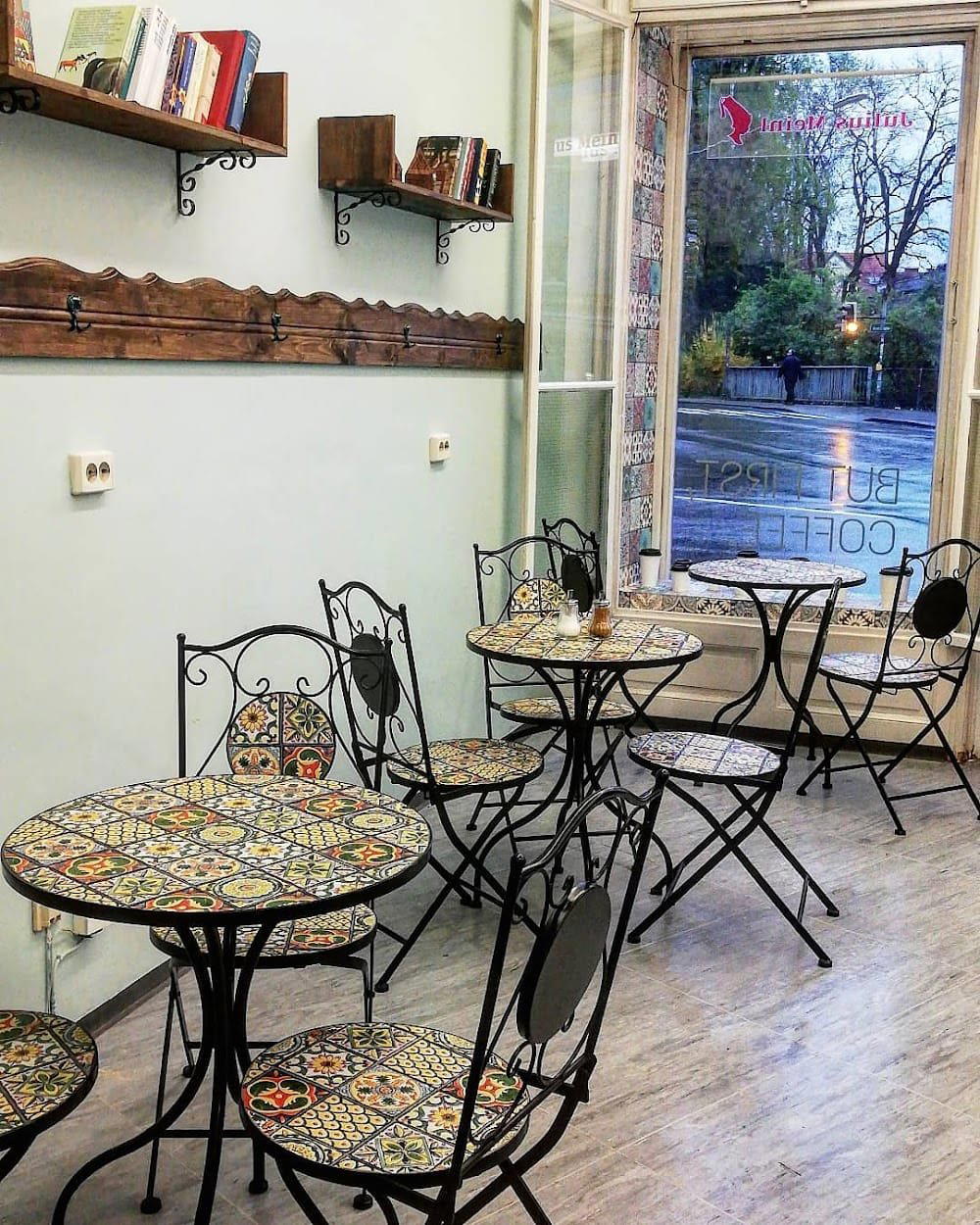
The Corner That Keeps Pulling People Back
There is a particular kind of café that Graz does well: not the grand Viennese coffeehouse replica, and not the aggressively designed specialty-coffee concept, but something in between, a room that has absorbed enough regular life to feel earned rather than staged. Café Moses is at Elisabethinergasse 34 in Graz, Austria, and serves Authentic Lebanese Mezze & Café. That geography matters. The clientele at Café Moses is not passing through; they are arriving with intention, often for the second or third time that week.
Graz has developed a dining scene that punches above its size. The city's proximity to Styrian agricultural land, the region supplies particularly-cited pumpkin seed oil, beef, and wine in the Austrian canon, means that even informal venues exist within a broader food culture that takes provenance seriously. Venues like Aiola im Schloss and aiola upstairs represent the more architecturally driven end of that scene, while Arravané and Artis occupy the creative-contemporary tier. Café Moses operates in a different register entirely, the register of the reliable local, where the draw is not a tasting menu or a wine list with cellar depth, but something harder to manufacture: familiarity.
What Regulars Know That First-Timers Don't
The regulars' relationship with a café like this is built around the unwritten menu, not the printed card, but the accumulated knowledge of when to arrive, where to sit, and what the kitchen does consistently well versus what it does brilliantly on a given day. In Graz's informal dining culture, that knowledge is currency. The city's café regulars tend to be loyal in a way that is less about exclusivity and more about rhythm: the place fits into a weekly pattern, becomes associated with a particular time of morning or a specific table, and earns its place by never disappointing on the things that matter most.
Austria's café tradition has always rewarded the venue that resists the pressure to reinvent itself each season. The Viennese model, where a coffeehouse can remain structurally unchanged for decades and be the better for it, finds quieter expression in Graz, where the scale is smaller and the neighbourhood ties are tighter. A venue on a residential street in the 8020 district survives not on foot traffic but on return visits, and return visits are earned through consistency of execution rather than novelty of concept.
For the wider Austrian dining context, the country's most-discussed restaurants, Steirereck im Stadtpark in Vienna, Döllerer in Golling an der Salzach, Obauer in Werfen, operate at the formal, award-tracked end of the spectrum. The restaurant is not competing in that tier. It belongs instead to the infrastructure of daily Graz life, the kind of place that supports a city's food culture from the ground up, giving residents a reason to stay in their neighbourhood rather than make a special journey elsewhere. That role is not lesser; it is different, and in many cities, harder to fill with any lasting success.
The Neighbourhood Frame
The 8020 district is predominantly residential, with the Elisabethinergasse running through a grid of streets that house a mix of long-term Graz residents and the city's university-adjacent population. Cafés in this part of the city tend to serve a dual function: morning coffee and newspaper territory in the early hours, then a longer, more sociable register through the afternoon. The rhythm is less about meal occasions in the restaurant sense and more about the Austrian concept of Verweilen, the cultural permission to linger without pressure to vacate. A venue that understands this serves its regulars well; one that doesn't tends to clear out quickly regardless of what it puts on the menu.
Graz sits approximately two hours south of Vienna by train, and the city's dining culture reflects that distance from the capital: it is less performative, less trend-sensitive, and more directly connected to Styrian agricultural supply. Restaurants across the price spectrum, from Adelphia at the formal end to neighbourhood spots in the western districts, share a tendency to reach for local ingredients before imported ones. That sensibility permeates even the informal tier. Internationally, this kind of grounded neighbourhood café culture has parallels in cities from San Francisco, where venues like Lazy Bear built their reputations partly on community loyalty, to New York, where Le Bernardin represents the opposite pole of the precision-driven, accolade-chasing model. The restaurant is closer in spirit to the former: a place whose value is relational and cumulative rather than headline-driven.
Other Austrian venues worth tracking across the country's broader dining geography include Schwarzer Adler in Hall in Tirol, Restaurant 141 by Joachim Jaud in Mieming, Landhaus Bacher in Mautern an der Donau, Ois in Neufelden, Gourmetrestaurant Tannenhof in Sankt Anton am Arlberg, Stüva in Ischgl, and Kräuterreich by Vitus Winkler in Sankt Veit im Pongau. Each operates at a different point on the formality spectrum, but together they trace the contours of a national food culture that is more geographically distributed than its Vienna-centric reputation suggests.
Planning a Visit
The restaurant is located at Elisabethinergasse 34 in Graz's 8020 district, reachable by tram from the city centre in under ten minutes. The venue sits in a part of the city where foot traffic is neighbourhood-driven rather than tourist-heavy, so arrival outside peak local hours, mid-morning on weekdays, for instance, tends to offer a more spacious experience.
- hummus
- falafel
- tabbouleh
- fattoush
- mezze plates
- wraps
- baba ghanoush
Cuisine Lens
Comparable venues nearby, for context on price, style, and recognition.
| Venue | Cuisine | Price | Notes |
|---|---|---|---|
| Café MosesThis venue — the venue you are viewing | Authentic Lebanese Mezze & Café | $$ | Not listed |
| Café Fotter • Graz | Traditional Austrian Café | $$ | Geidorf |
| Freigeist Burger - Brauquartier | Gourmet American Burgers | $$ | Puntigam |
| Pad Thai | Authentic Thai | $$ | Geidorf |
| Kabuff | Creative Seasonal Vegetable Bistro | $$$ | Lend |
| Hungry Heart | American Street Food & Burgers | $ | Lend |
Continue exploring
More in Graz
Restaurants in Graz
Browse all →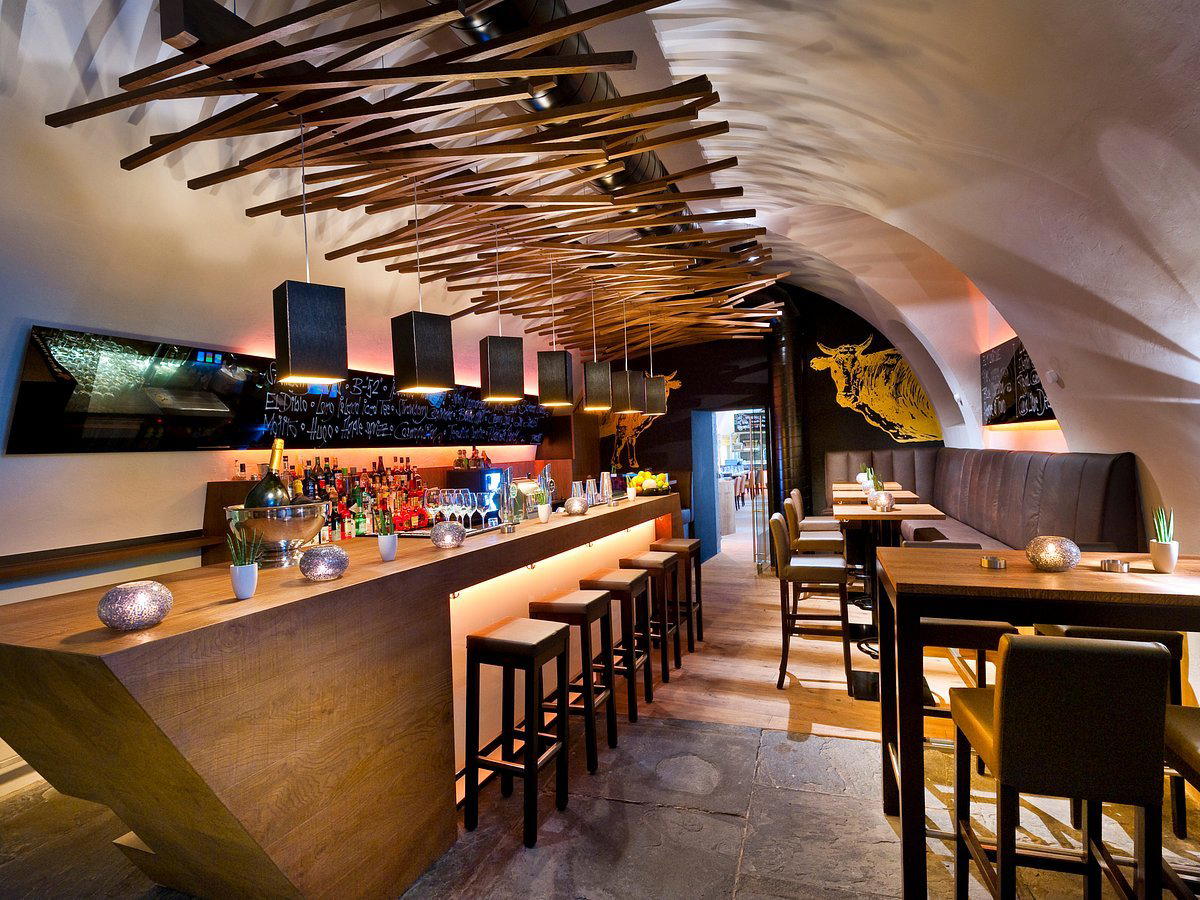
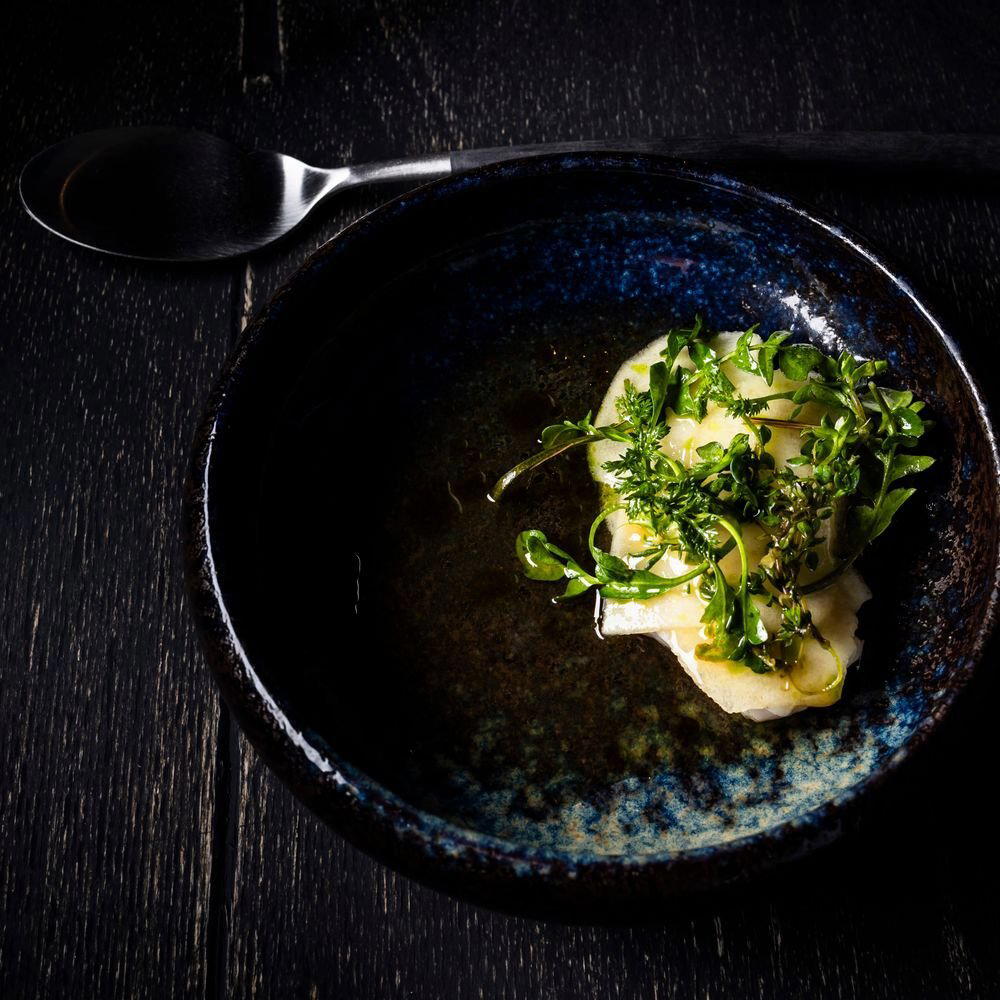
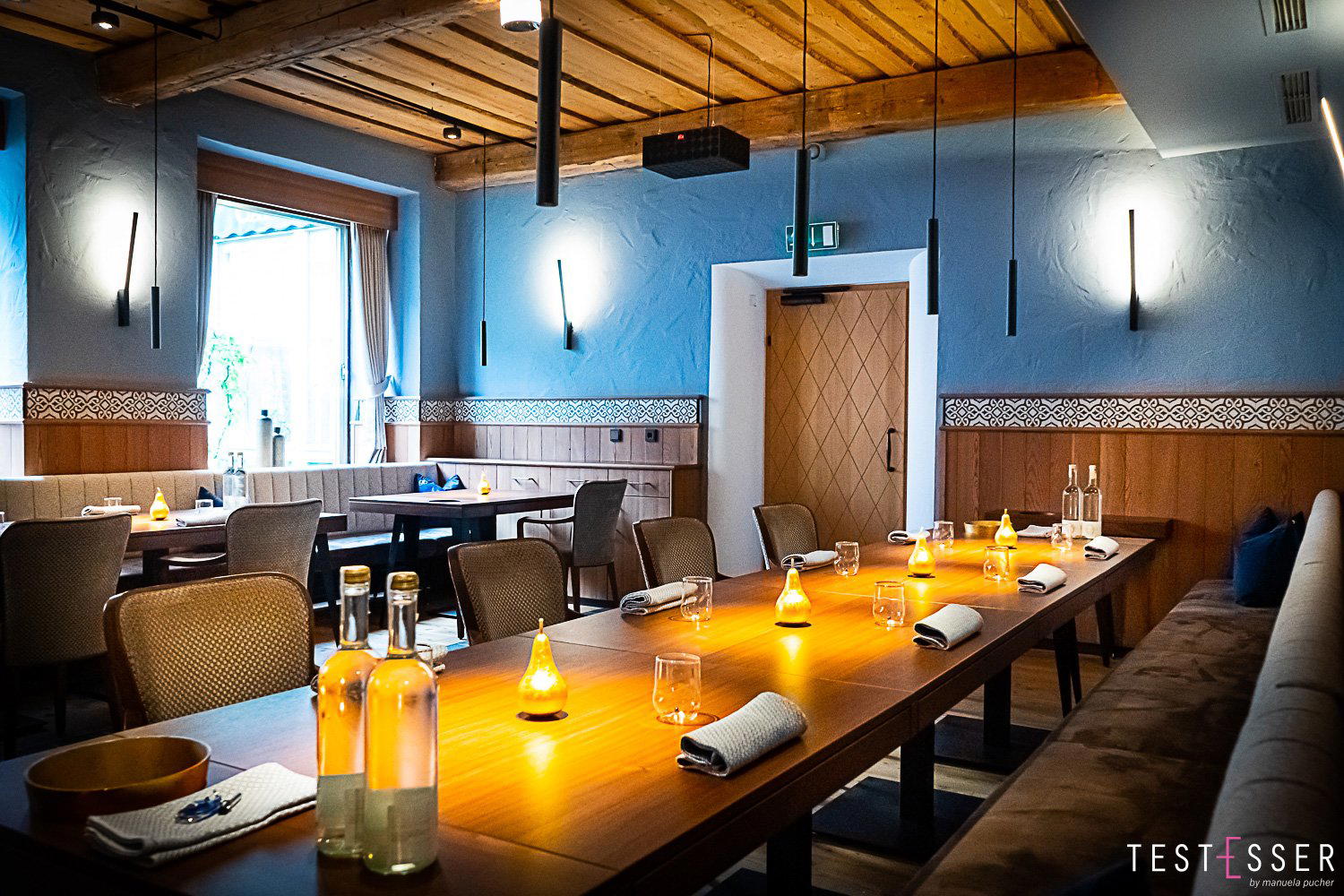
Bars in Graz
Browse all →
Hotels in Graz
Browse all →

At a Glance
- Cozy
- Casual
- Intimate
- Casual Hangout
- Brunch
- Solo
- Standalone
- Local Sourcing
Current opening hours
- Monday
- Closed
- Tuesday
- Closed
- Wednesday
- 9 AM–6:30 PM
- Thursday
- 9 AM–6:30 PM
- Friday
- 9 AM–1 PM, 2–6:30 PM
- Saturday
- 9 AM–7 PM
- Sunday
- 9 AM–7 PM
Hours can change for holidays and private events. Last verified .
Relaxed and welcoming atmosphere with a personal touch from the owner-operator who prepares all dishes fresh to order.