Café Journal occupies a quiet stretch of Indianópolis, one of São Paulo's more residential dining corridors, operating at a remove from the higher-wattage addresses of Jardins and Itaim Bibi. The venue sits in a city where neighbourhood cafés increasingly function as serious culinary outposts, and Café Journal fits that pattern, a local address worth tracking for anyone mapping São Paulo beyond its marquee restaurant circuit.
Pearl is the En Primeur Club membership app — saves, bookings, and concierge access live there. Same editors, same standards.
- Address
- Alameda dos Anapurus, 1121 - Indianópolis, São Paulo - SP, 04087-003, Brazil
- Phone
- +551150559454
- Website
- cafejournal.com.br
- Directions
- Get directions
 Saves & bookings on Pearl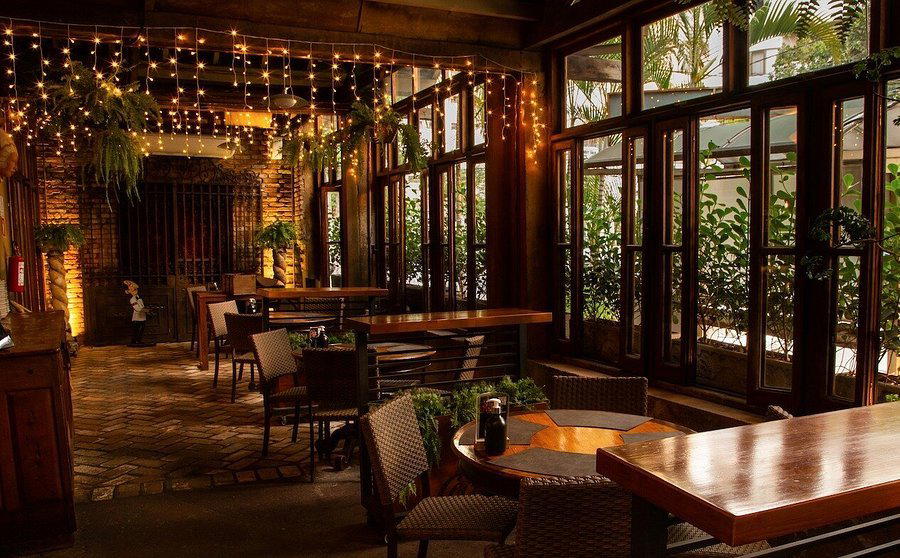
Indianópolis and the Neighbourhood Café as Serious Dining
São Paulo's restaurant conversation tends to concentrate on a handful of postcodes: the Michelin-starred counters of Jardins, the creative Brazilian kitchens around Pinheiros, the high-ticket tasting menus that compete with D.O.M. and Evvai for international attention. But São Paulo is a city of 22 million people, and its dining culture does not begin and end at the addresses that make the global lists. Indianópolis, a residential bairro in the southern zone, represents a different register entirely: quieter streets, lower commercial rents, and a clientele that skews local rather than expense-account. It is the kind of neighbourhood where a well-run café can build genuine regulars rather than rotating tourists.
Café Journal sits on Alameda dos Anapurus in that district, at number 1121. The address places it away from the pedestrian density of Paulista or the boutique density of Oscar Freire, which is precisely the point. In cities like São Paulo, where the premium dining tier has expanded considerably over the past decade, neighbourhood operations at this remove from the centre occupy a specific social role. They anchor a local food culture that runs parallel to, and often predates, the more visible restaurant scene. Understanding where Café Journal fits means understanding Indianópolis first.
The Indianópolis Corridor and What It Signals
Alameda dos Anapurus is a tree-lined residential street, and the immediate environment around Café Journal is domestic rather than commercial. That physical context shapes the experience before anyone sits down. São Paulo's café culture in residential zones tends toward the unhurried: the street-level noise is lower, the clientele is more likely to arrive on foot from nearby apartments, and the rhythm of service reflects a neighbourhood tempo rather than a turnover-driven lunch rush. This is not the model of the high-concept breakfast destination that draws queues from across the city, it is something closer to what Parisian neighbourhood bistros or Tokyo kissaten represent in their own contexts: a place that belongs to its immediate geography.
For context, São Paulo's broader café and casual dining scene has grown more sophisticated over the past decade. The same city that hosts Tuju and Maní at its creative apex also supports a wide mid-register of neighbourhood operations where cooking quality has risen significantly without the price structure or tasting-menu formality of the marquee tier. The restaurant operates within that mid-register, in a neighbourhood where the clientele expects consistency and familiarity over spectacle.
Team Dynamic and the Neighbourhood Format
The editorial angle that matters most for a neighbourhood café is not individual genius but collective reliability. At the summit end of São Paulo's dining circuit, the conversation focuses on named chefs and tasting-menu architects, the kind of restaurants where a single creative vision drives the experience. The further you move from that model, the more the quality of the overall team becomes the relevant variable. In a neighbourhood café format, front-of-house sets the tone for regulars, kitchen consistency determines whether those regulars return, and the interaction between those two functions is what builds or erodes a local reputation over time.
This dynamic is visible across Brazilian cities. Oteque in Rio de Janeiro and Manga in Salvador operate at different price points and formality levels, but both demonstrate that sustained local credibility depends on team coherence rather than singular star power. At the restaurant, the relevant question is the same: does the room function as a whole, or does the experience depend on catching the right person on the right day? Neighbourhood regulars answer that question quickly and vote with their return visits.
The broader São Paulo café scene offers useful comparisons. Operations like Fame Osteria show how Italian-influenced formats have embedded themselves in São Paulo's residential dining culture, building loyal followings through consistency rather than concept novelty. The city rewards that approach when the execution is there.
São Paulo in a Brazilian Dining Context
Placing the restaurant within São Paulo also means placing São Paulo within Brazil. The city's restaurant density is unmatched nationally, but the country's dining culture has diversified considerably. Manu in Curitiba, Birosca S2 in Belo Horizonte, and Mina in Campos do Jordão each demonstrate that serious cooking now operates well outside São Paulo's postcode. Even within the state, Olivetto Restaurante E Enoteca in Campinas shows how regional cities sustain their own credible dining ecosystems. The national picture, then, is one where São Paulo retains its density advantage but no longer has a monopoly on ambition.
Within that context, Indianópolis cafés operate as part of a neighbourhood fabric that has its own integrity. International visitors focused on the city's Michelin-recognised addresses might look at Orixás in Itacaré or Castelo Saint Andrews in Gramado for regional contrast. For São Paulo itself, the residential neighbourhood café is its own category, and one that rewards direct investigation rather than second-hand recommendation.
For international reference, the neighbourhood café dynamic that restaurant inhabits has parallels at addresses far above its tier. Le Bernardin in New York City and Lazy Bear in San Francisco represent the high-formality end of the same city-as-dining-ecosystem logic, where multiple tiers coexist and each has its own criteria for success. State of Espírito Santo in Rio Bananal and Primrose in Gramado offer further regional counterpoints across the Brazilian south.
Planning a Visit
The restaurant is at Alameda dos Anapurus, 1121, Indianópolis, São Paulo. The neighbourhood is accessible by car or rideshare from the city centre, roughly 8 to 10 kilometres south of Paulista. The restaurant is open Monday to Saturday from 12 PM to 12 AM, and on Sunday from 12 PM to 5 PM. Reservations are recommended, and the dress code is smart casual. The price level is moderate, with an average spend of about $25 per person.
Budget and Context
Comparable venues nearby, for context on price, style, and recognition.
| Venue | Cuisine | Price | Notes |
|---|---|---|---|
| Café JournalThis venue — the venue you are viewing | Moema, Contemporary International Fusion | $$ | Not listed |
| A Pizza da Mooca | Not listed | $$ | Pinheiros, Modern Neapolitan Pizza Pizzeria |
| TAN TAN | Not listed | $$ | Pinheiros, Modern Japanese Chuka Noodle Bar |
| Osaka Japanese Cusine | Not listed | $$ | Pinheiros, Nikkei Japanese-Peruvian Fusion |
| Tappo Trattoria | Consolacao, Classic Italian Trattoria | $$ | Not listed |
| Djapa Moema | Moema, Modern Japanese Rodízio | $$$ | Not listed |
Continue exploring
More in São Paulo
Restaurants in São Paulo
Browse all →
Bars in São Paulo
Browse all →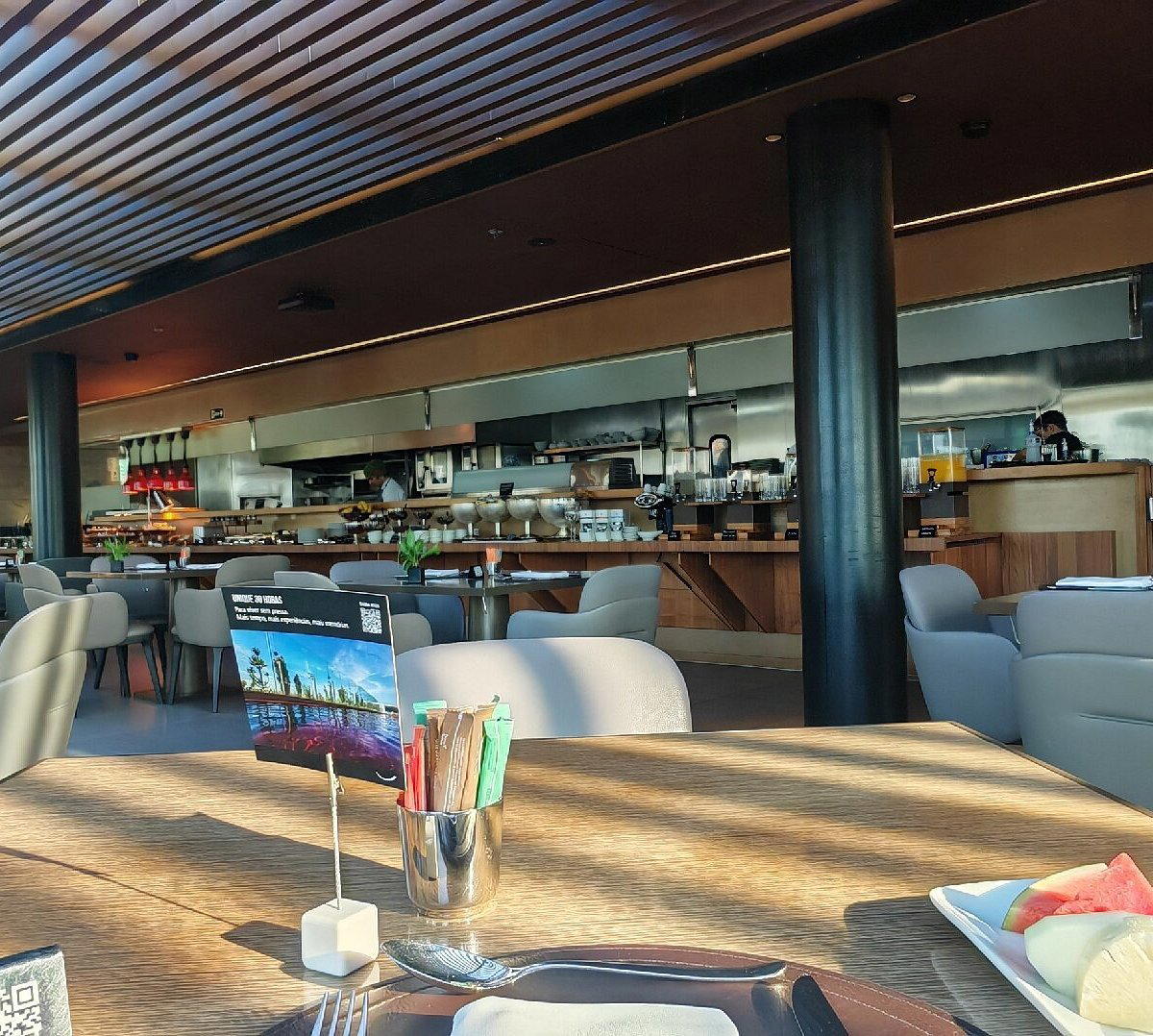
At a Glance
- Rustic
- Cozy
- Intimate
- Classic
- Casual Hangout
- Family
- Date Night
- Historic Building
- Craft Cocktails
Current opening hours
- Monday
- 12 PM–12 AM
- Tuesday
- 12 PM–12 AM
- Wednesday
- 12 PM–12 AM
- Thursday
- 12 PM–12 AM
- Friday
- 12 PM–12 AM
- Saturday
- 12 PM–12 AM
- Sunday
- 12–5 PM
Hours can change for holidays and private events. Last verified .
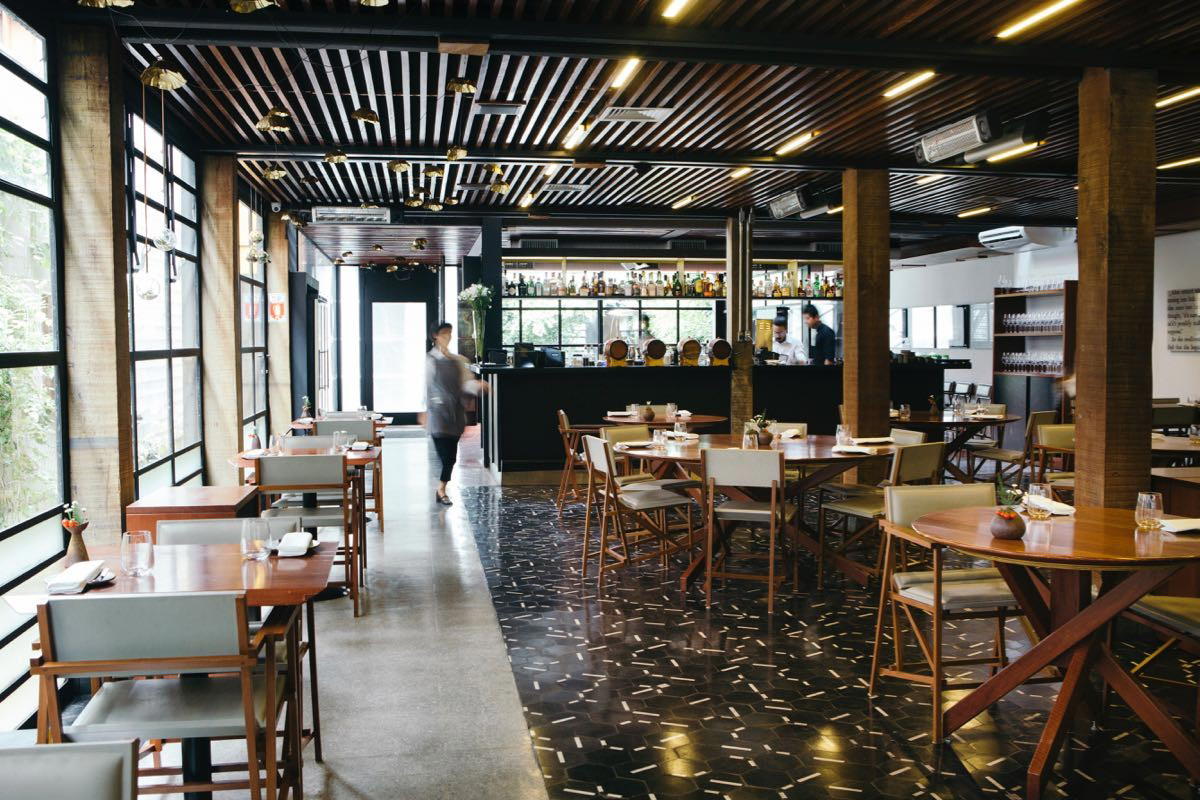
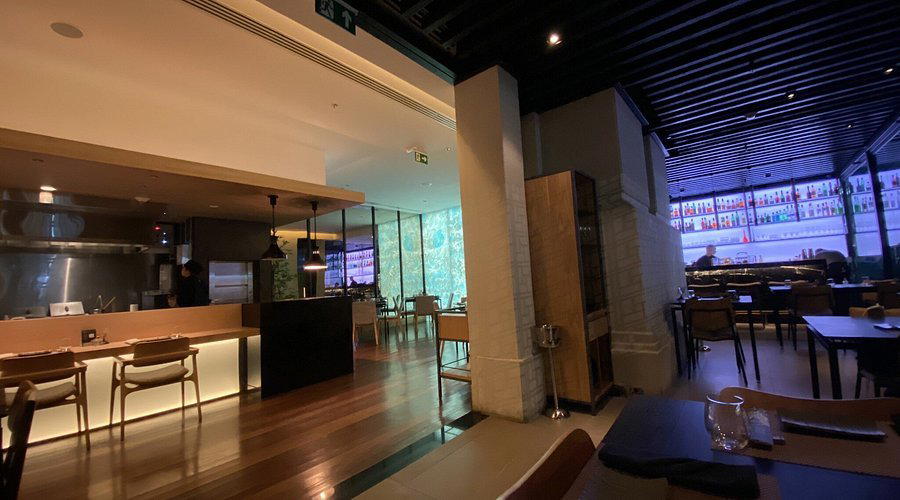
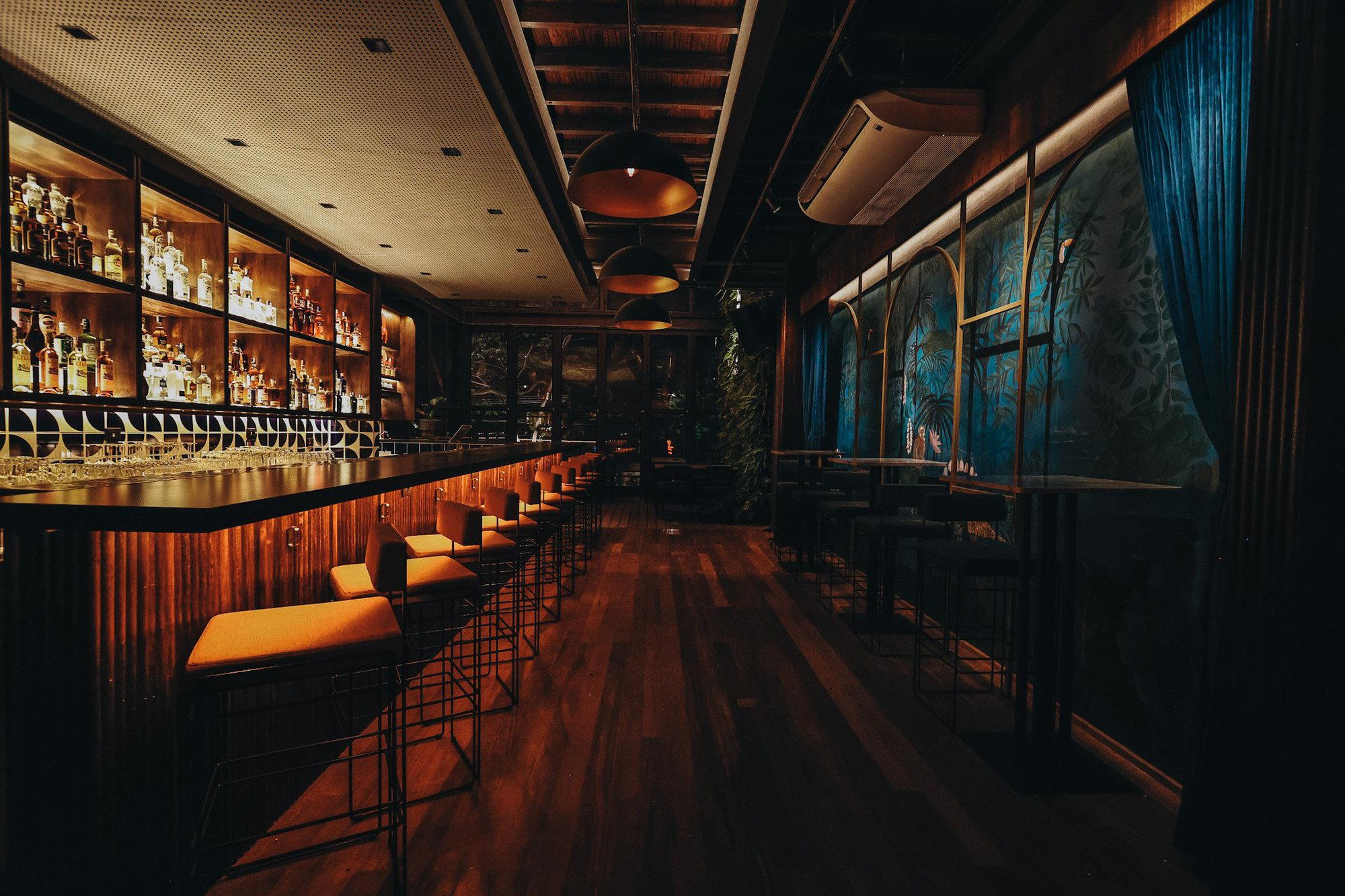
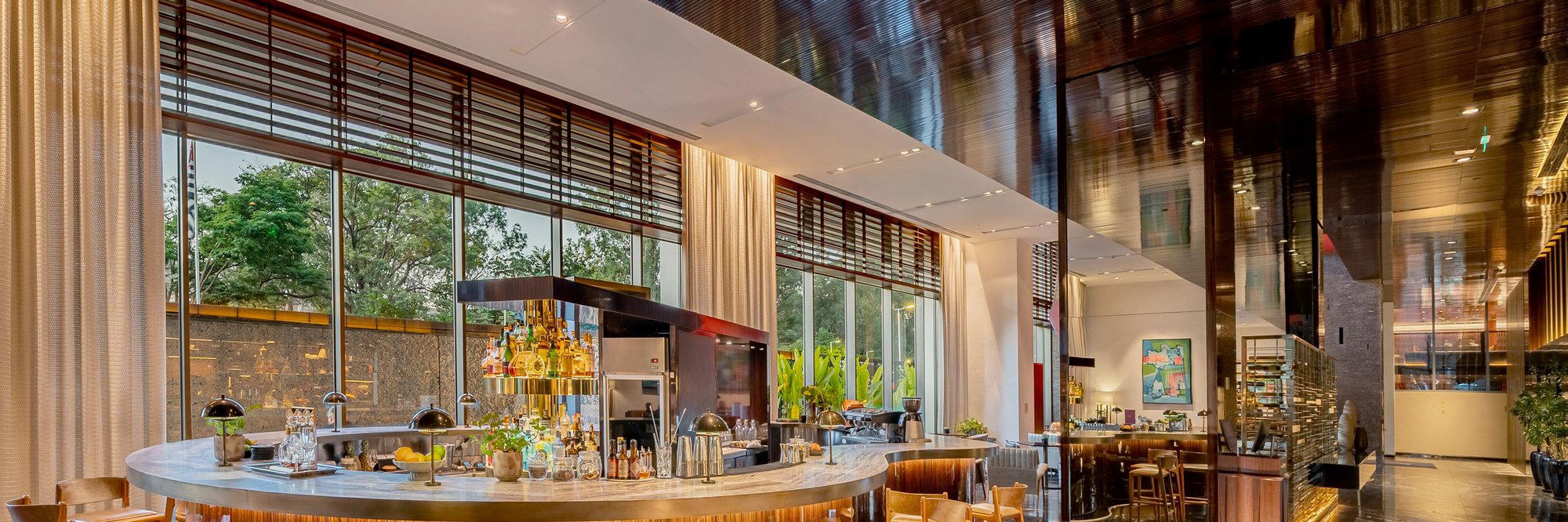
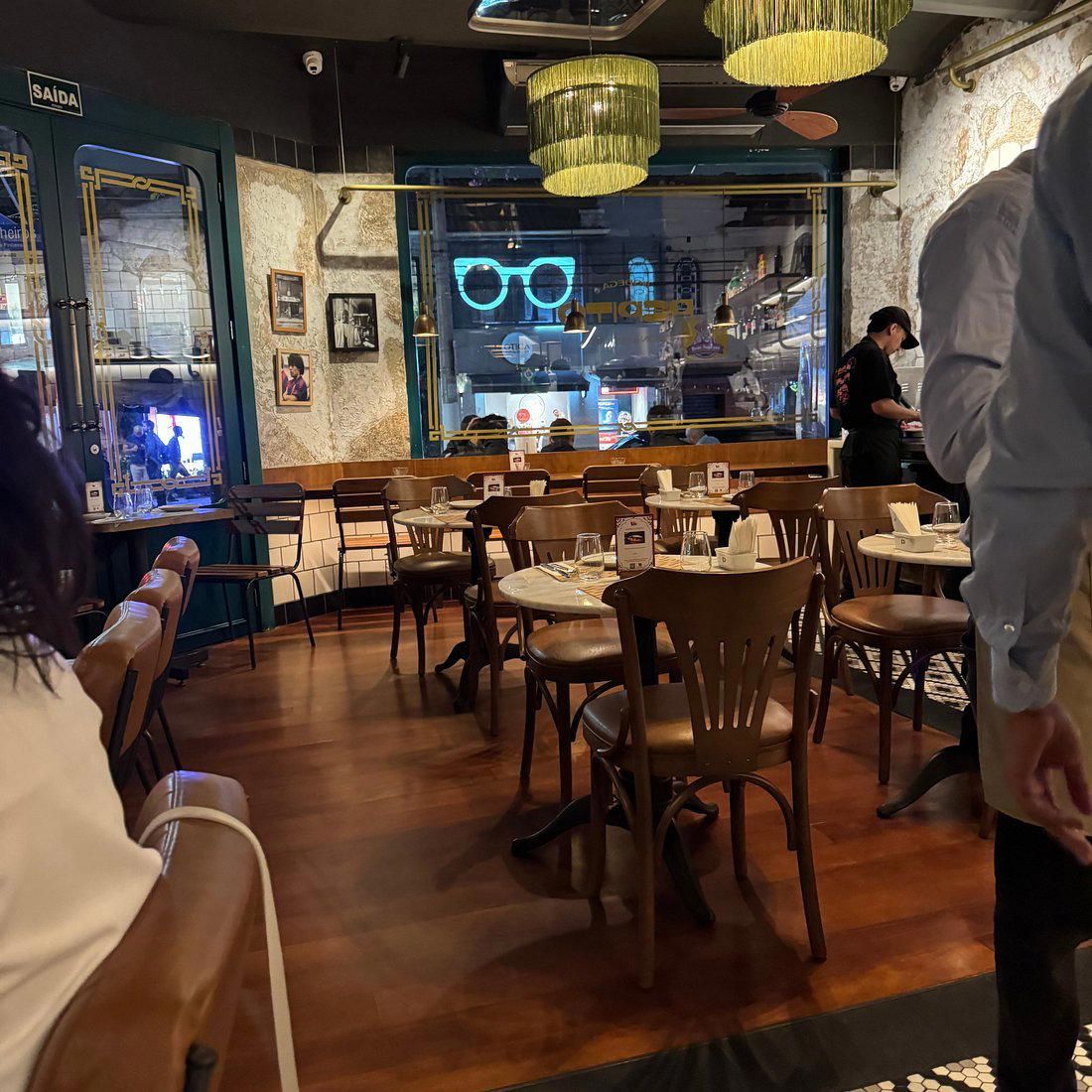
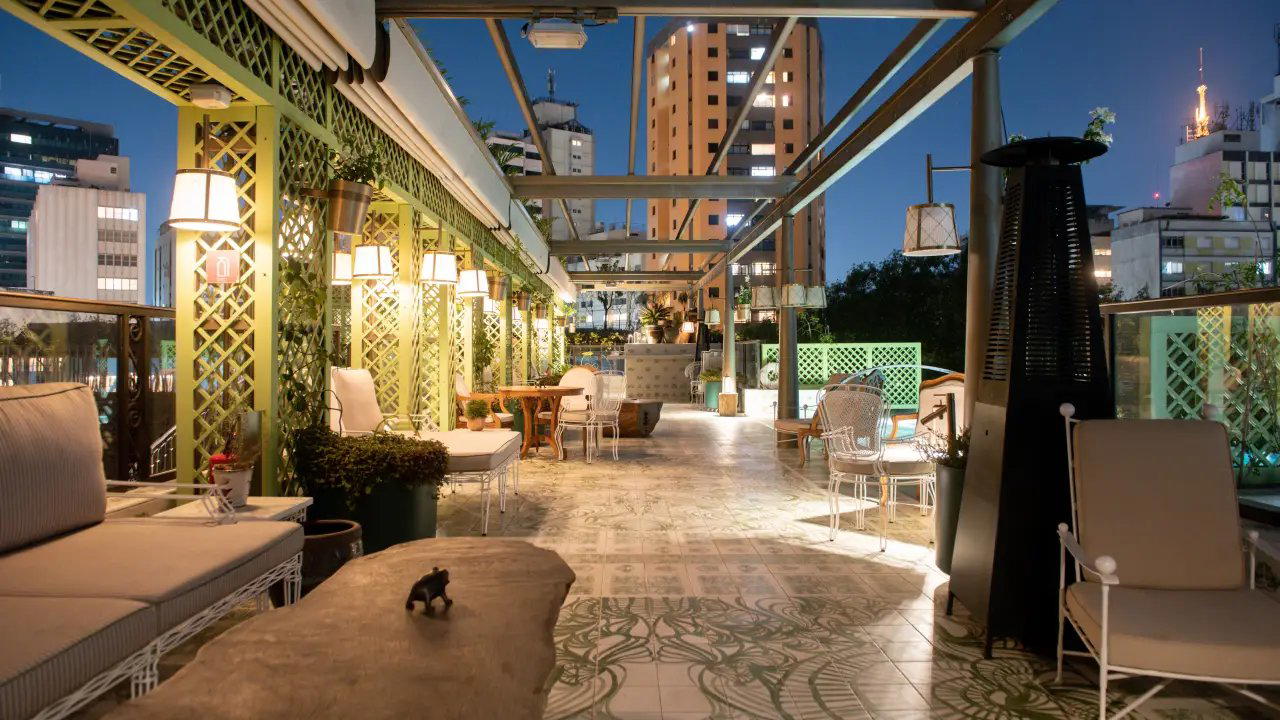
Rustic and informal with exposed bricks, dimmed lights, divided into three lovely spaces creating a cozy and charming atmosphere.