Café Frischhut occupies a particular corner of Munich's food culture that the city's Michelin-starred circuit rarely acknowledges: the old-fashioned fried pastry stand, rooted in Bavarian tradition and indifferent to trends. Located in the Viktualienmarkt district at Prälat-Zistl-Straße 8, it operates as a fixed point in a city where the gap between heritage eating and fine dining grows wider each year.
 Discover on Pearl
Pearl is the En Primeur Club membership app — saves, bookings, and concierge access live there. Same editors, same standards.
- Address
- Prälat-Zistl-Straße 8, 80331 München, Germany
- Phone
- +498926023156
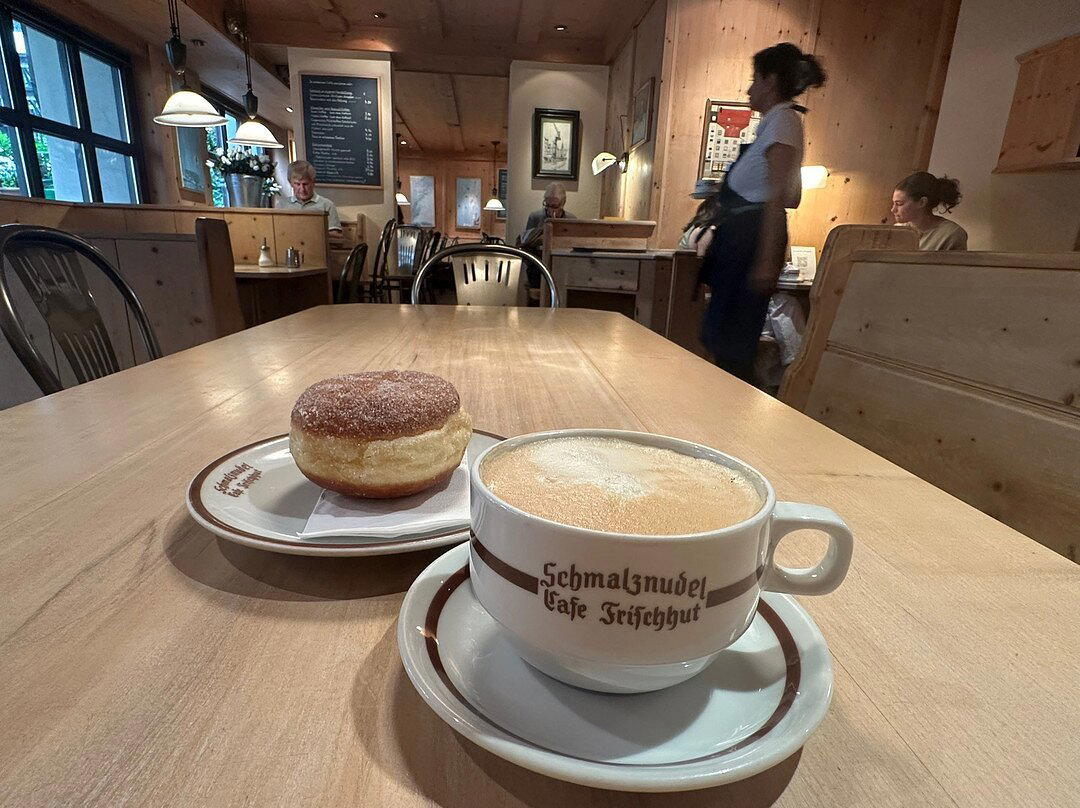
Where Munich Eats Without a Reservation
Café Frischhut is a traditional Bavarian pastry café in Munich, known for Schmalznudeln and Auszogne, with a casual setting and a price point around $10 per person. Café Frischhut operates on a completely different register. It is a Schmalznudel shop, the Bavarian term for a deep-fried dough pastry, and it has occupied the same address near the Viktualienmarkt long enough that the city has grown around it rather than past it. In a Munich where the premium dining options multiply each season, places that hold the older format without apology become their own kind of argument.
The Structure of a Menu Built Around One Idea
Menu architecture, in the fine dining sense, is about sequencing, tension, and resolution across many courses. At Café Frischhut, the architectural logic runs in the opposite direction: reduction to a single category, executed in its traditional form. The offering is built around fried dough in its Bavarian variants, Schmalznudeln, Auszogne (a larger, stretched fried pastry with a thin centre and thicker rim), and similar preparations. There are no starters in the conventional sense, no mains, no dessert course separate from the pastries themselves. The menu communicates a position: this is what we make, this is the tradition it belongs to, and the format exists to serve that.
This kind of deliberate narrowness is not unique to Munich's street-food tier. Across Germany's serious dining scene, from the focused preparation at Schanz in Piesport to the single-subject dessert format at CODA Dessert Dining in Berlin, the most committed menus tend to be the most constrained. Frischhut takes that logic to its most fundamental expression: a menu that has not needed to expand because the original terms remain coherent. In a city where restaurants like JAN build creative identity through constant seasonal reinterpretation, the counter-argument, doing one thing, in its established form, year after year, carries its own editorial weight.
Bavarian Fried Pastry as a Category
Schmalznudeln belong to the same family of Central European fried dough that surfaces across Bavaria, Austria, and the broader Alpine region. The Bavarian version is typically oval, fried in lard (historically) or oil, and eaten warm, often dusted with powdered sugar. The Auszogne, sometimes called Krapfen in other regions, though the preparations differ, involves stretching the dough so the centre becomes almost translucent while the border puffs and browns. The technique requires temperature control and timing that looks simple from the outside and is not. These are morning foods in the traditional Bavarian calendar, associated with markets, festivals, and the kind of eating that happens standing up rather than seated at a table. Munich's Viktualienmarkt, where Café Frischhut operates, remains one of the few city-centre markets in Germany where this tradition continues in its original spatial context rather than as a reconstructed version.
The broader German fine dining circuit, houses like Vendôme in Bergisch Gladbach, Victor's Fine Dining by Christian Bau in Perl, or Waldhotel Sonnora in Dreis, operates on an entirely separate set of references. Frischhut does not compete with any of them. What it does is hold a format that those kitchens have long since moved away from, if they ever engaged with it at all. That preservation function is, in practice, what makes it editorially interesting from the outside and practically useful for the visitor who wants to understand how Bavarians actually ate before the starred-restaurant economy reshaped the conversation.
The Viktualienmarkt Context
The Viktualienmarkt is one of Munich's oldest open-air markets, and the streets immediately surrounding it carry that commercial and culinary density. Prälat-Zistl-Straße 8 places Café Frischhut within walking distance of the market's permanent stalls, the cheese and charcuterie vendors, and the beer garden that operates at the market's centre. The district is genuinely mixed-use in a way that central Munich's wealthier shopping districts are not: tourists, locals buying provisions, market workers, and office staff from nearby buildings all move through the same streets. A venue like Frischhut fits that demographic reality in a way that a formal dining room cannot. There is no parallel at this address to the booking pressure that governs a room like Restaurant Haerlin in Hamburg or the tasting-menu commitment required at ES:SENZ in Grassau. The transaction is immediate, cash-weighted (by tradition, though payment options vary), and over quickly.
For visitors arriving in Munich without prior dining commitments, the Viktualienmarkt district rewards unscheduled time. Frischhut occupies the entry-level, heritage end of that spectrum, which is a meaningful position in a city where heritage eating is otherwise increasingly difficult to find in its original form.
How Frischhut Sits in Munich's Wider Eating Pattern
Munich has grown into one of Germany's most expensive cities, and its restaurant market reflects that. The top tier, Michelin-starred rooms with multi-course formats, wine pairings, and three-month booking horizons, has expanded, while the middle market has consolidated around brasserie and beer hall formats aimed at tourists and expense accounts. The genuinely cheap, genuinely local eating option in central Munich has become harder to locate. Frischhut's position is not sentimental; it is structural. It occupies a price point and a format that the market has not replicated, which is a different thing from saying it is the only option of its kind in absolute terms. Internationally, the logic of the single-subject, low-price, high-repetition format appears in very different contexts: the ramen-ya of Tokyo, the taco stands of Mexico City, the croissant specialists that have emerged in Paris and New York. Lazy Bear in San Francisco and Le Bernardin in New York City represent the opposite end of format commitment, but the underlying logic, focus produces quality, runs in the same direction. At Frischhut, that logic is applied to a Bavarian pastry that most visitors to Munich will not have encountered before, and that most locals associate with a specific kind of morning or a specific market occasion.
A Pricing-First Comparison
Comparable venues nearby, for context on price, style, and recognition.
| Venue | Cuisine | Price | Awards | Notes |
|---|---|---|---|---|
| Café FrischhutThis venue — the venue you are viewing | $$ | , | ||
| Rischart Café am Marienplatz | $$ | , | Altstadt, Traditional Bavarian Bakery Cafe | |
| Haxengrill | Lehel, Traditional Bavarian Grill | $$ | , | |
| Wirtshaus Rechthaler Hof | Theresienwiese, Traditional Bavarian | $$ | , | |
| Leib und Seele | Lehel, Traditional Bavarian | $$ | , | |
| Hofbräuhaus München | Altstadt, Traditional Bavarian Beer Hall | $$ | , |
At a Glance
- Rustic
- Cozy
- Classic
- Iconic
- Casual Hangout
- Historic Building
- Local Sourcing
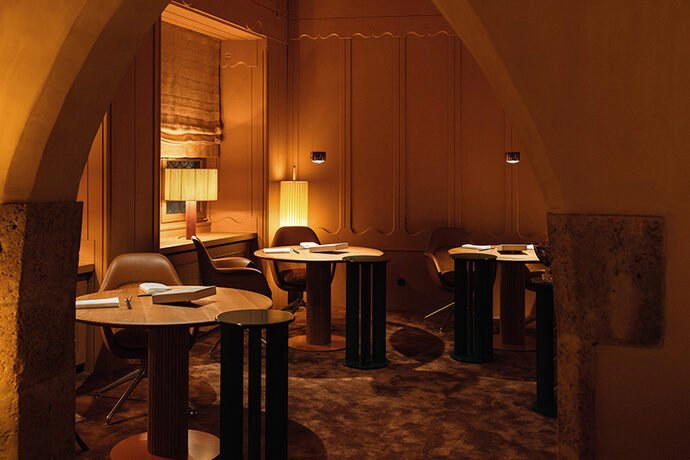
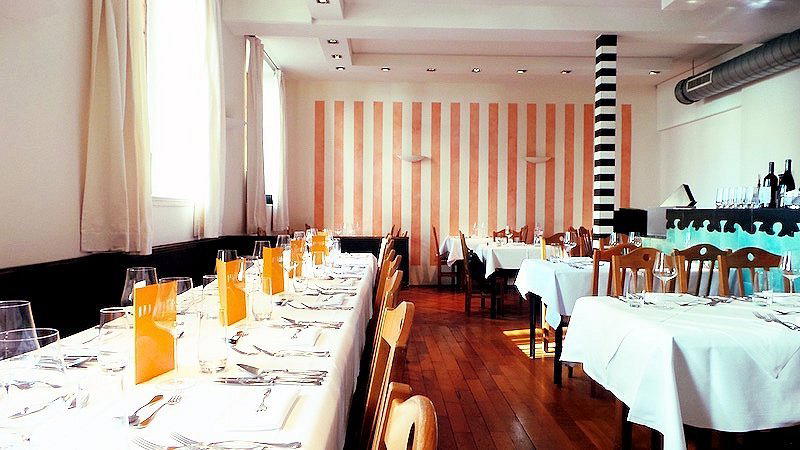
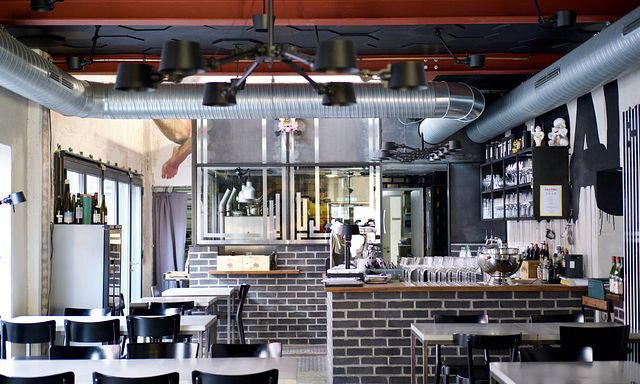
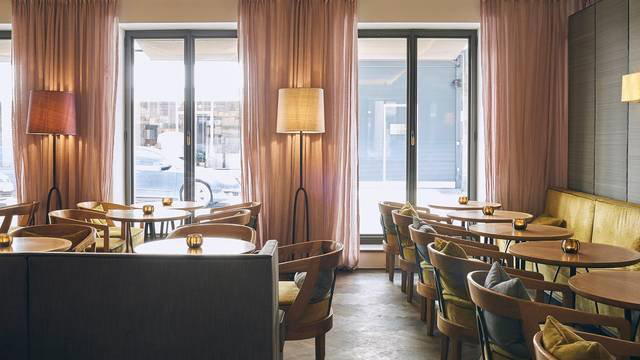
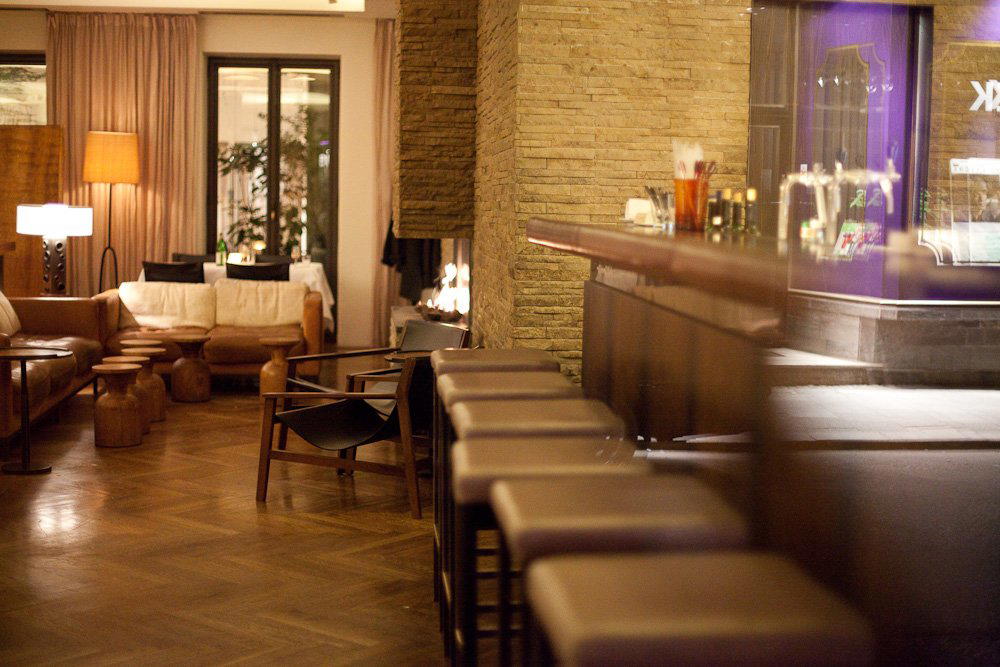
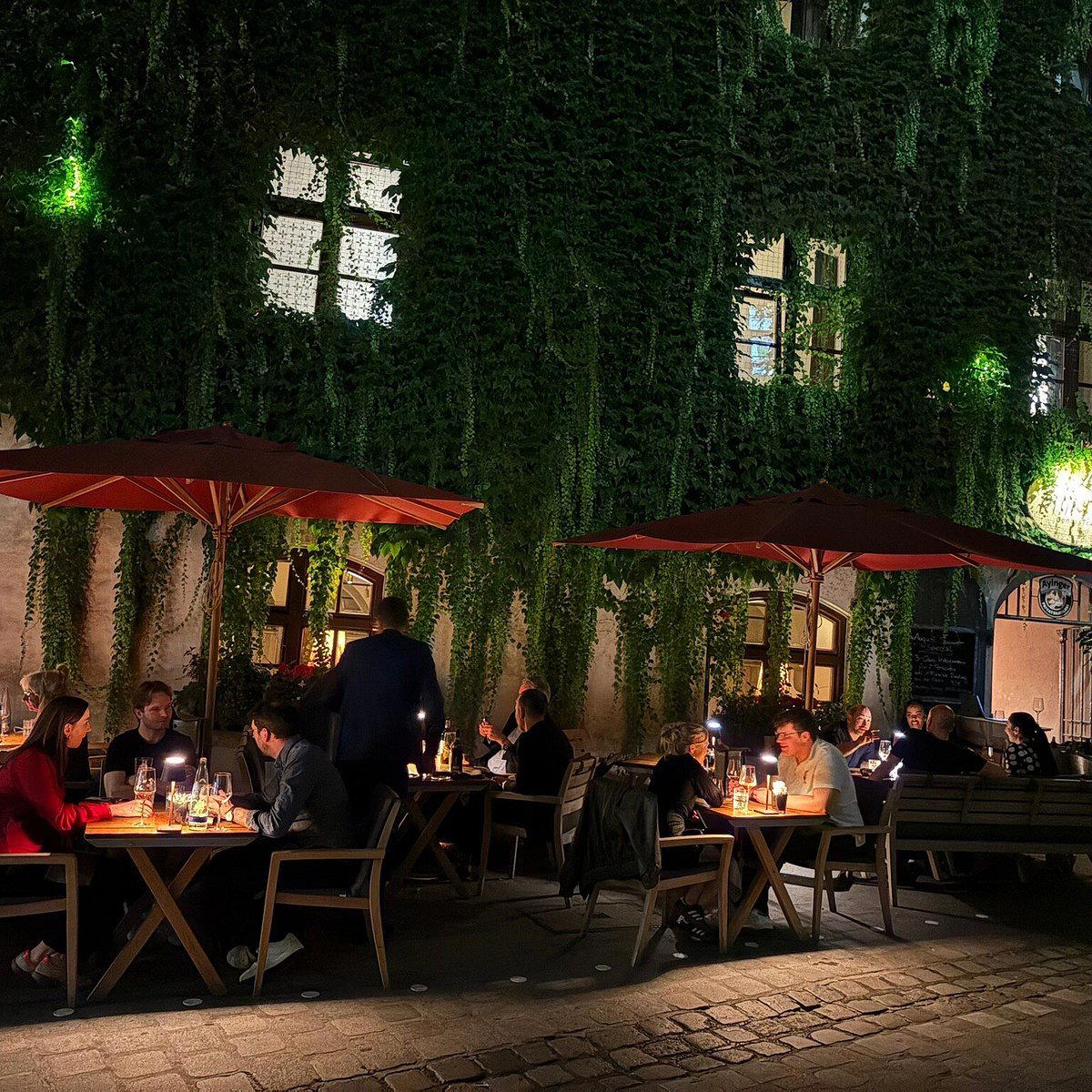
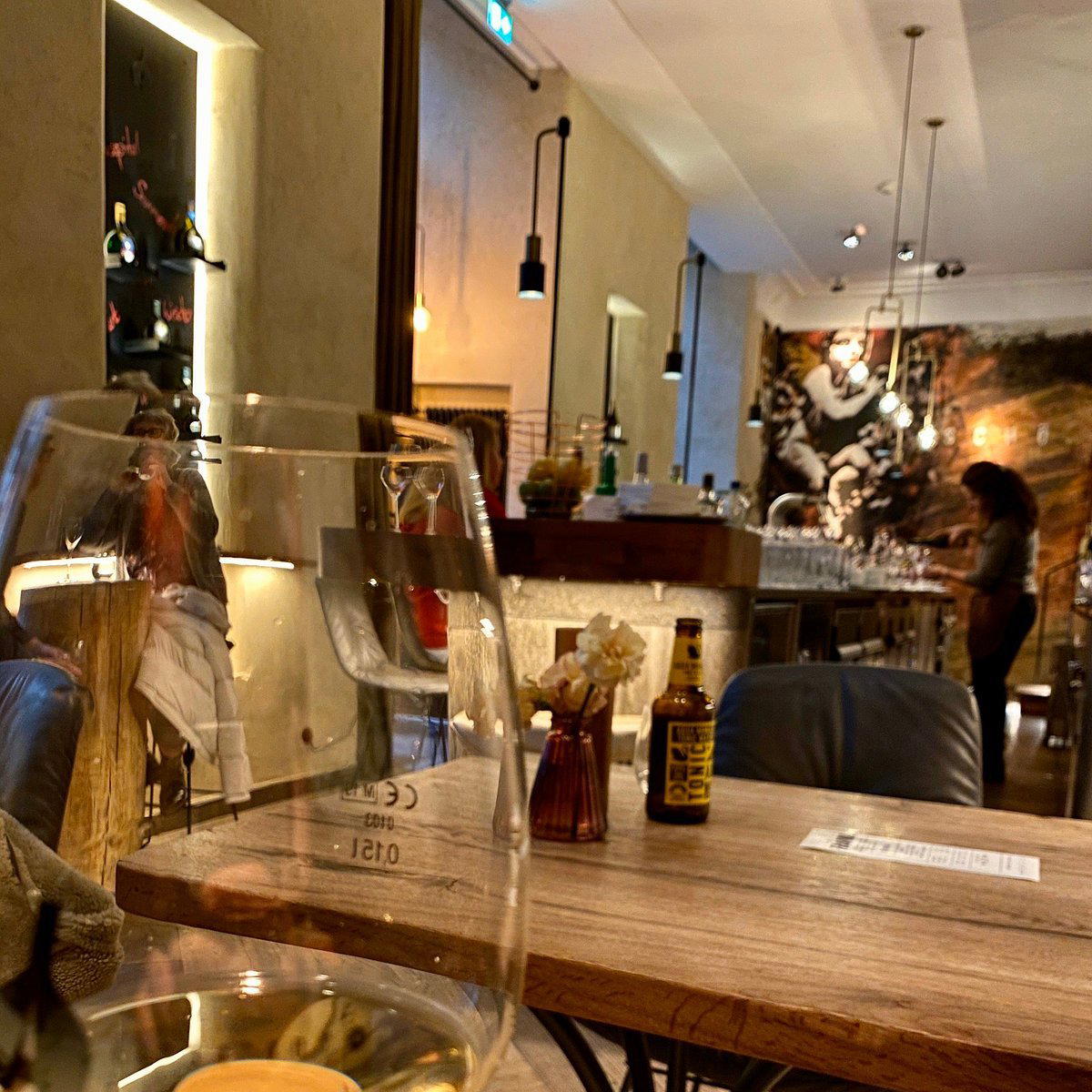
Rustic, nostalgic atmosphere with wooden décor and the enticing aroma of frying pastries.