
Tabelog 100 #43
Our verdict
CAFE AALIYA belongs to Tokyo’s serious cafe tier rather than the city’s dessert-as-prop circuit. Its repeated Tabelog Cafe 100 selections in 2021, 2022, and 2025 place it among East Japan cafes judged on sustained local demand, everyday usability, and consistency rather than luxury theatre.

Pearl is the En Primeur Club membership app, where members save venues, book tables and use the concierge.

Shinjuku-sanchome is not gentle about arrival. Department stores, basement exits, commuter corridors, and small eating rooms press together, so Tokyo cafe culture works differently here than in quieter residential districts. A room must absorb short breaks, planned meetings, solo counter stops, and families without becoming a lounge. CAFE AALIYA fits that rhythm: a basement cafe in the commercial core, where the European cafe idea is filtered through Japanese timing, portion control, and queue discipline.
Tokyo’s cafe scene has split into two visible camps. One chases visual novelty and online attention; the other is built around repeat use, recognisable formats, and reliable execution. CAFE AALIYA belongs to the second. The signal is not a famous chef biography or tasting-menu structure, but repeat recognition: selection for Tabelog Cafe 100 in 2021, 2022, and 2025, including the Cafe EAST list for 2025. In brutally competitive casual dining, that recurrence says more than a slogan.
Shinjuku's serious cafe culture rewards discipline over spectacle
Tokyo did not inherit the cafe as a static European import. It adapted the form into kissaten, chain coffee counters, dessert rooms, department-store tea salons, and hybrid lunch cafes. The shared expectation is precision under pressure. A central Shinjuku cafe must serve office workers, shoppers, students, and station traffic without losing its identity to churn, despite rent and footfall pushing many rooms toward speed or novelty.
In that context, CAFE AALIYA’s appeal is clear: accessible pricing with local recognition usually associated with more destination-minded dining. Its Tabelog score of 3.75 and 46-seat format place it in the high-functioning everyday category, not the rarefied counter-dining economy that defines much of Tokyo’s global restaurant coverage. Six counter seats also matter here. Shinjuku dining is often social, but solo dining is just as central to the city’s food identity.
The technique story is broader than one kitchen. Tokyo cafes take imported forms, from European coffee service to French-influenced sweets and set-lunch structures, and make them compatible with Japanese expectations of pacing, neatness, and value. That is the real local-global intersection: not fusion as performance, but adaptation as infrastructure. The better cafes make it ordinary.
For readers mapping a Shinjuku day, this sits apart from nearby destination dining. Tokyo Dominica and Oiwake Dango Honpo Shinjuku honten are useful comparisons because all three occupy accessible, high-traffic eating patterns rather than luxury reservations. Imaiya Honten moves the conversation toward yakitori, while Il Lato represents a higher-spend bracket. Premium Mario Gelateria Shinjuku isetan ten is closer to a quick dessert stop. CAFE AALIYA’s lane is the sit-down cafe pause, able to anchor a shopping-heavy afternoon without the planning load of dinner.
Recognition without the luxury codes
Tabelog’s Cafe 100 recognition is a trust signal because it reflects category strength rather than international fine-dining hierarchy. Tokyo travellers often over-index on Michelin-style language, missing how the city eats between major meals. A cafe selection points to durability, repeat custom, and category relevance, separating a serious local cafe from rooms that succeed mainly as photo sets.
The absence of a chef-led public narrative is not a weakness. In this category, authorship appears through consistency, menu structure, and service rhythm rather than a named culinary manifesto. That helps travellers who have already booked sushi, tempura, or kaiseki and need the rest of the day to work. Tokyo’s casual institutions often ask less of the visitor while revealing more about the city’s habits.
The practical reading is simple: this is a low-barrier cafe with enough recognition to justify attention, especially for travellers already moving through Shinjuku-sanchome. Lunch sets are tied to a defined daytime window, and the no-smoking policy suits mixed groups better than older kissaten formats. Cards, transport IC, and QR payments are accepted, matching Tokyo’s increasingly cash-light casual dining tier. Private rooms and private use are not part of the format, so read it as a public cafe, not a controlled occasion space.
Its usefulness also depends on itinerary design. Shinjuku can swallow time: train exits, department floors, and evening crowds distort short plans. This cafe works better as a neighbourhood pause than as the sole reason to cross the city. Pair it with Shinjuku shopping, a cinema stop, or a walk toward the east side of the station; do not treat it like a formal dining appointment.
Where it fits in a Tokyo food day
Tokyo rewards sequencing. A cafe like this makes sense before or after heavier commitments, especially if dinner is yakitori, sushi, or a long counter meal. Readers building a broader itinerary can use Our full Tokyo restaurants guide for dining structure, then compare adjacent casual stops such as 12/10 Shinjuku ten, 2D Cafe, and 3 Chome no Curry Ya San. For a different Tokyo mood, 124. KAGURAZAKA (Yakitori) and. 鮪と炭火焼き うお炭 秋葉原店 move the day toward grilled, seafood, or evening formats.
For trips beyond one neighbourhood, the comparison becomes national. Cafe and casual-dining culture shifts sharply between cities, from.cafe in Osaka to [ki:] in Kyoto.know in Kumamoto, (Shoku) Vietnam in Kawasaki, [Curry Senmon Ten] Maruyama Kyoju. in Sapporo, and -Grilled beef Sukiyaki- KAMAKURA TANUKIAN 鎌倉 たぬき庵 in Kamakura. Outside Japan, Japanese casual forms read differently again at Jōdo Saké Bar in Los Angeles and Onigiri Time in Pasadena.
The verdict is measured rather than breathless. CAFE AALIYA is compelling because it reflects a Tokyo strength luxury guides often underplay: a recognised everyday cafe can be as culturally useful as a formal dining room. For travellers staying nearby, Our full Tokyo hotels guide, Our full Tokyo bars guide, Our full Tokyo wineries guide, and Our full Tokyo experiences guide place it inside a wider Shinjuku and citywide plan.
The Quick Read
Comparable venues at a glance for context.
| Venue | Cuisine | Price | Awards | Notes |
|---|---|---|---|---|
| CAFE AALIYAThis venue (the venue you are viewing) | French toast & coffee cafe | $10–20 | Tabelog 100 #43 | Not listed |
| Tokyo Dominica | Sapporo-style Japanese soup curry | $20–30 | Tabelog 100 #4 | JPY 1,000 - JPY 1,999 - JPY 999 |
| Oiwake Dango Honpo Shinjuku honten | Traditional Japanese dango & wagashi cafe | $10–20 | Tabelog 100 #66 | JPY 1,000 - JPY 1,999 |
| Imaiya Honten | Premium Hinai Jidori Yakitori | $50–100 | Not listed | Yakitori |
| Il Lato | Italian Omakase | $100–150 | Tabelog 100 #27 | JPY 15,000 - JPY 19,999 JPY 10,000 - JPY 14,999 |
| Premium Mario Gelateria Shinjuku isetan ten | Not listed | $1–10 | Tabelog 100 #69 | JPY 999 - JPY 999 |
Recognition history
Dated appearances from independent guides and award organizations, with the underlying list record or original source where available.
Tabelog 100 #43 · No. 43
Tabelog · Tabelog 100 - Cafe - EAST - 2025
Continue exploring
More in Tokyo
Restaurants in Tokyo
All restaurants in Tokyo →




Bars in Tokyo
All bars in Tokyo →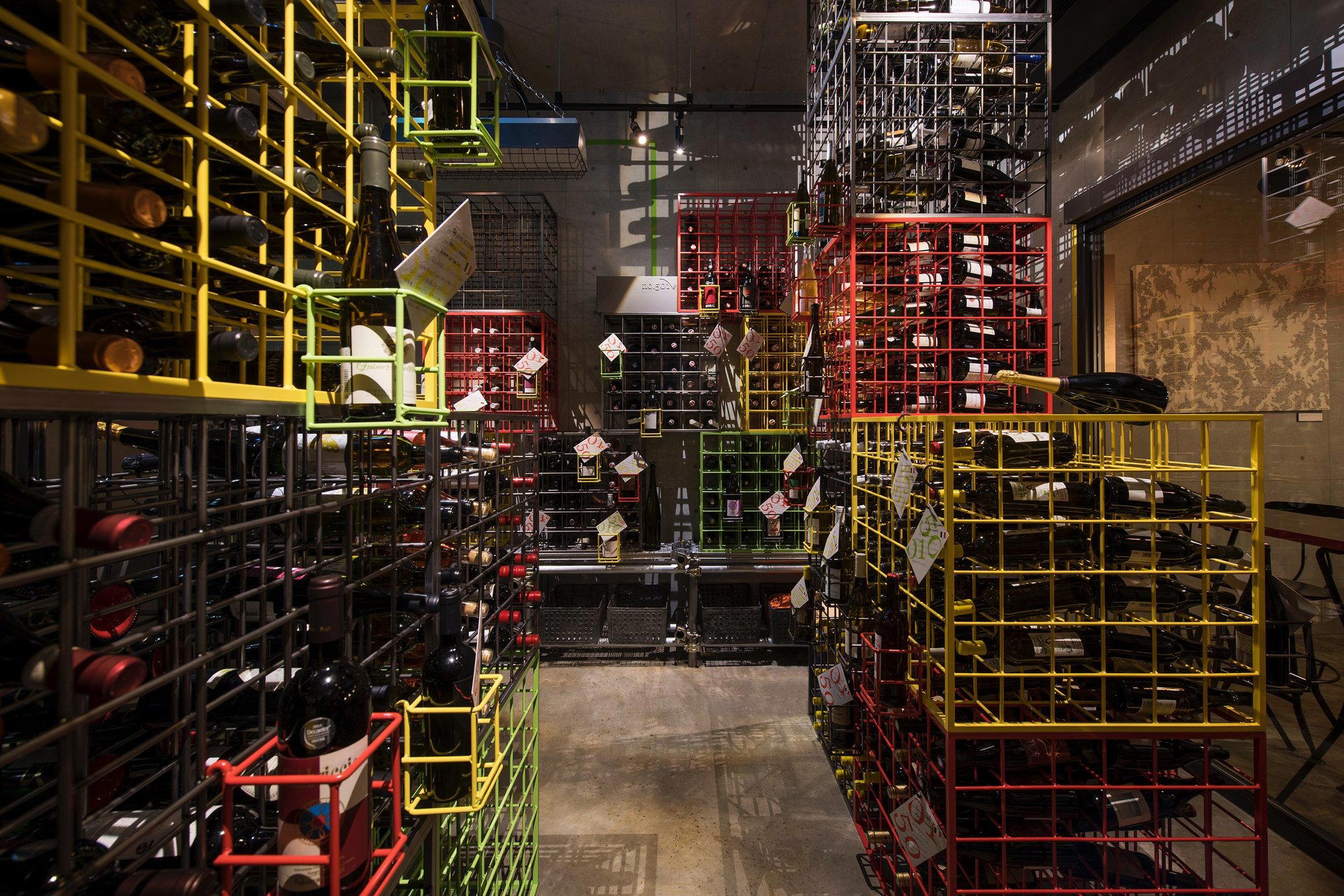


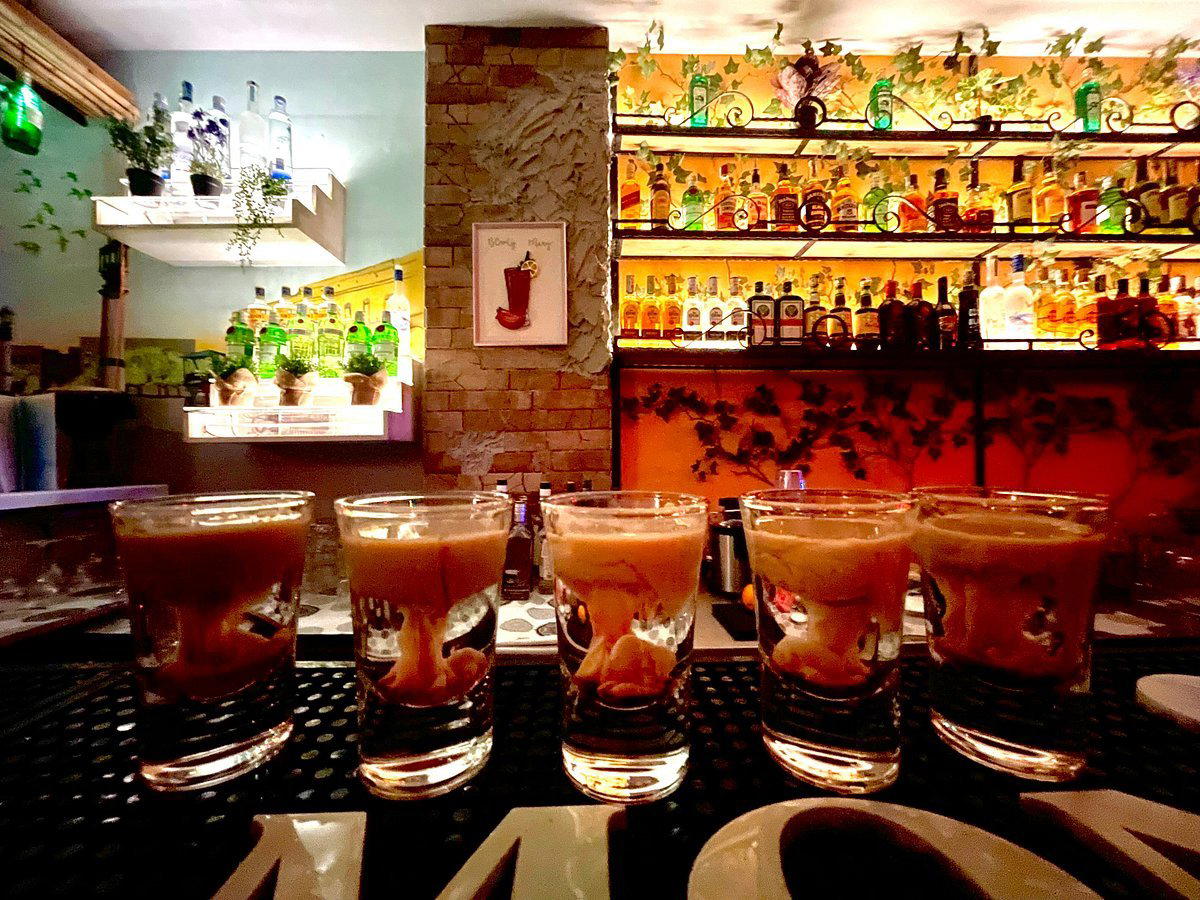
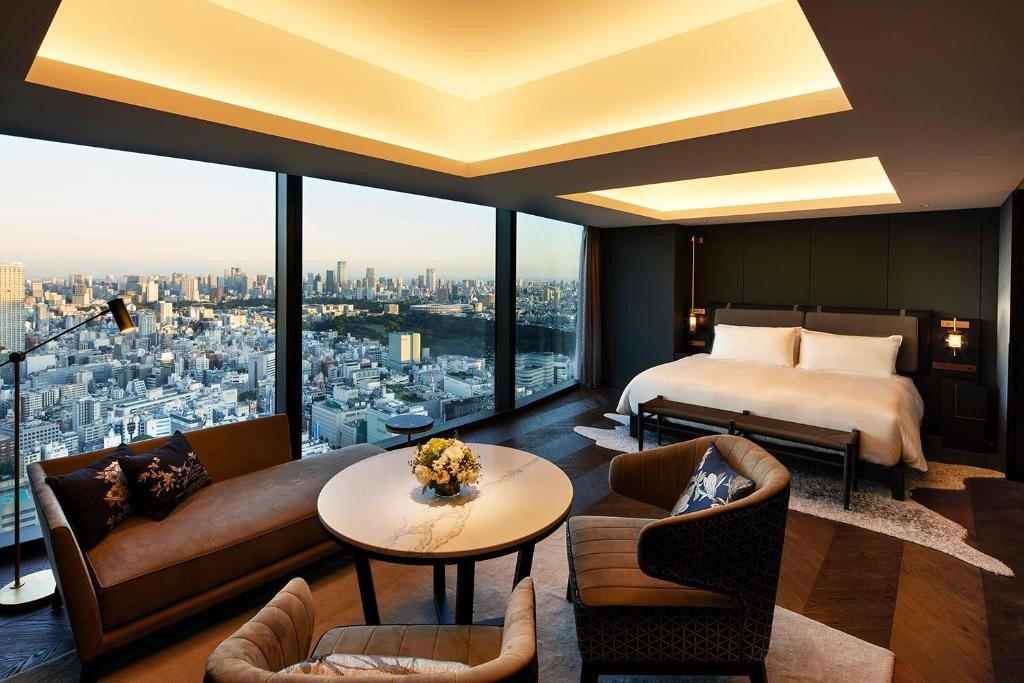
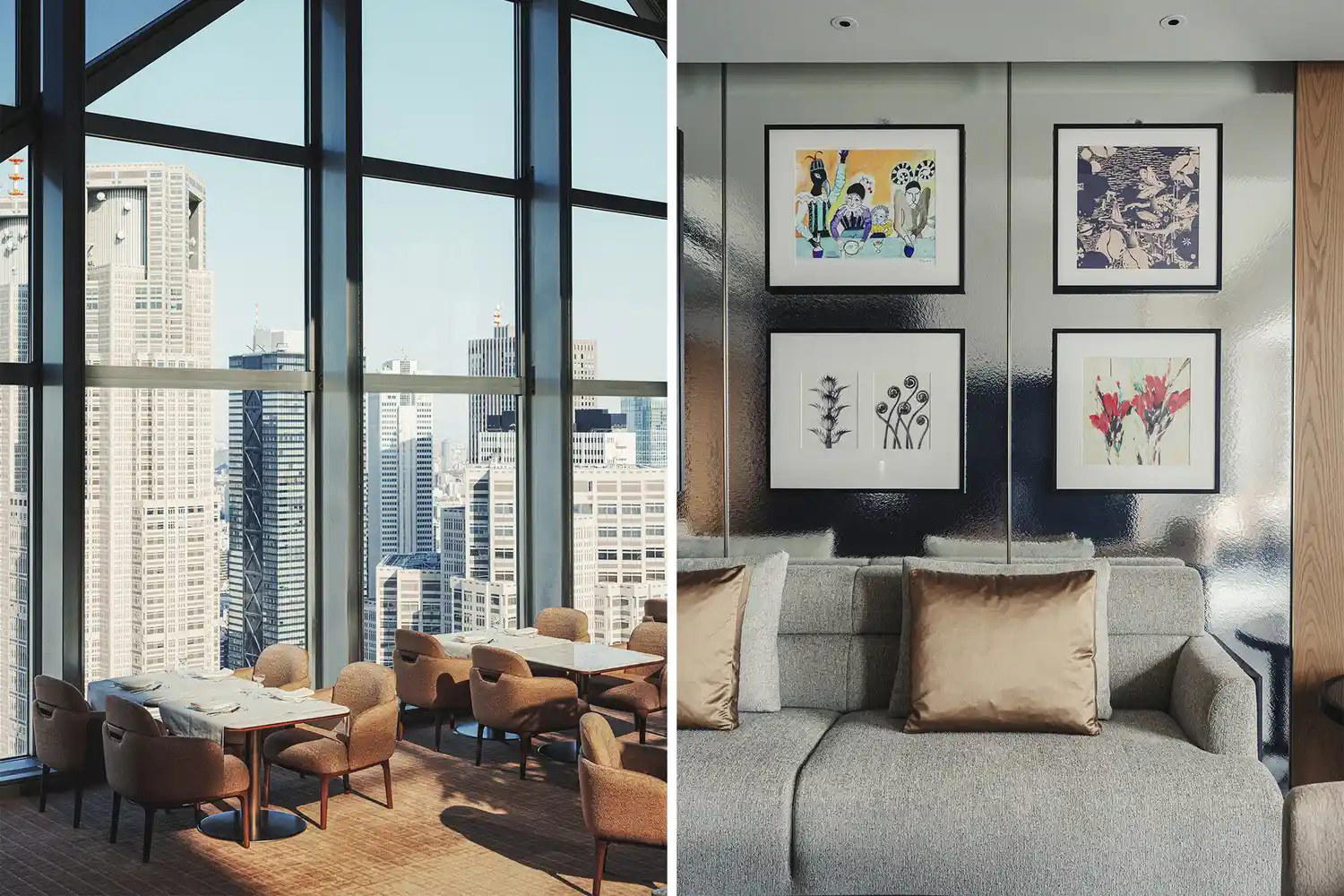



Details
- Cozy
- Classic
- Casual Hangout
- Solo
- After Work
- Brunch
- Standalone
- A La Carte
- Coffee
- Tea
Current opening hours
- Monday
- 9 AM–8:30 PM
- Tuesday
- 9 AM–8:30 PM
- Wednesday
- 9 AM–8:30 PM
- Thursday
- 9 AM–8:30 PM
- Friday
- 9 AM–8:30 PM
- Saturday
- 9 AM–9 PM
- Sunday
- 9 AM–9 PM
Hours can change for holidays and private events. Hours as of .
A small, basement-level classic Japanese kissaten-style cafe with warm, relaxed lighting and a cozy, unhurried atmosphere that feels like a hidden retreat off the busy Shinjuku streets.