Our verdict
Cabana o Farol sits on the road between Una and Ilhéus in southern Bahia, where the Atlantic coast and cacao country converge. The setting places it squarely within one of Brazil's most ingredient-rich coastal corridors, where fresh catch, dendê palm oil, and native produce define what ends up on the plate. For visitors tracing the region's food traditions beyond Salvador, it represents a practical and meaningful stop.

Pearl is the En Primeur Club membership app — saves, bookings, and concierge access live there. Same editors, same standards.
- Address
- Estrada Una-Ilheus - Coutos, Ilhéus - BA, 45655-000, Brazil
- Phone
- +5573988639810
- Hours
- Mon–Fri 8 AM–5:30 PMSat–Sun 8 AM–6 PM
- Directions
- Get directions
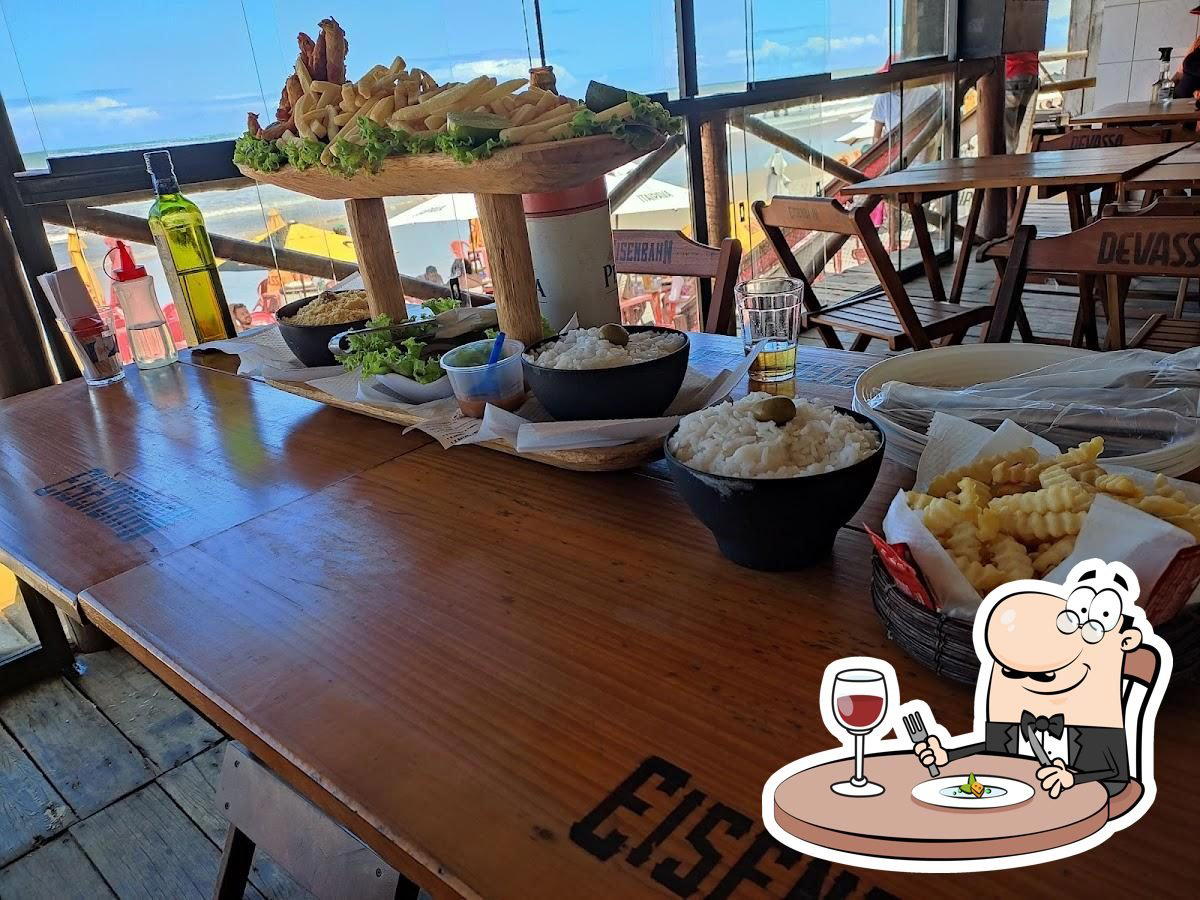
The menu
What to order
- Moqueca de Peixe
- Garlic and Oil Shrimp
Where the Cacao Belt Meets the Coast
Southern Bahia occupies a peculiar position in Brazilian food culture. It is simultaneously one of the country's most ingredient-rich regions and one of its least-documented dining destinations. The stretch of coastline running south from Ilhéus toward Una sits at the intersection of the Atlantic rainforest, the historic cacao belt, and the fishing communities that have supplied local tables for generations. Cabana o Farol, addressed on the Estrada Una-Ilhéus in the Coutos district, operates within that geography in a way that few restaurants in more celebrated Brazilian cities can claim: its sourcing story is the landscape itself.
Brazil's premium dining conversation tends to cluster around São Paulo and Rio de Janeiro. D.O.M. in São Paulo and Oteque in Rio de Janeiro have anchored international attention on modern Brazilian cuisine, while regional properties like Manu in Curitiba and Manga in Salvador have built credible cases for cooking outside the two major metros. Ilhéus, by contrast, remains largely off that critical circuit. That absence from the awards conversation does not reflect the quality of its raw ingredients; it reflects the difficulty of reaching a mid-sized Bahian city that most international itineraries bypass entirely.
Ingredients as Geography
The editorial case for Cabana o Farol begins with where it sits rather than what it serves, because in this part of Brazil the two are nearly inseparable. The Una-Ilhéus corridor runs through territory where cacao has been cultivated since the 18th century, where the Atlantic forest still provides heart of palm, native fruits, and aromatic herbs, and where small-boat fishing operations bring in species rarely seen on menus elsewhere in the country. Restaurants working in this register do not need to source from a distance; the supply chain is literally adjacent.
Bahian coastal cooking draws on a set of foundational ingredients that distinguish it from other Brazilian traditions: dendê (red palm oil), fresh coconut, dried shrimp, and the moqueca base that combines them with tomato and coriander. These are not decorative regional references. They are the structural logic of the cuisine, and their quality is directly tied to proximity to production. A moqueca built with fish pulled from local waters and dendê pressed nearby tastes categorically different from the same dish assembled from distributed supply chains in an urban kitchen. That gap is what coastal Bahian spots hold over their metropolitan counterparts, regardless of technique or pedigree.
For context on how Bahian ingredients translate through more formally ambitious kitchens, Orixás North Restaurant in nearby Itacaré offers a useful regional comparison point, applying sharper technique to the same coastal Bahian pantry. Cabana o Farol and Itacaré's more recognized dining scene occupy different positions on that spectrum, but they draw from the same foundational territory.
The Physical Setting and What It Signals
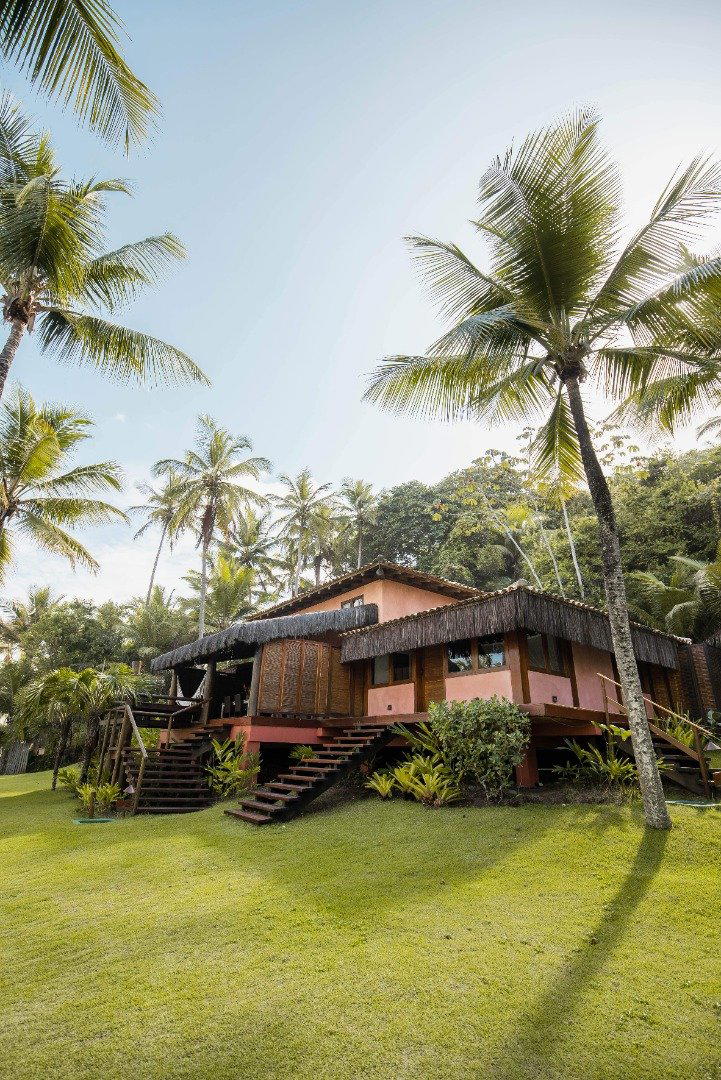
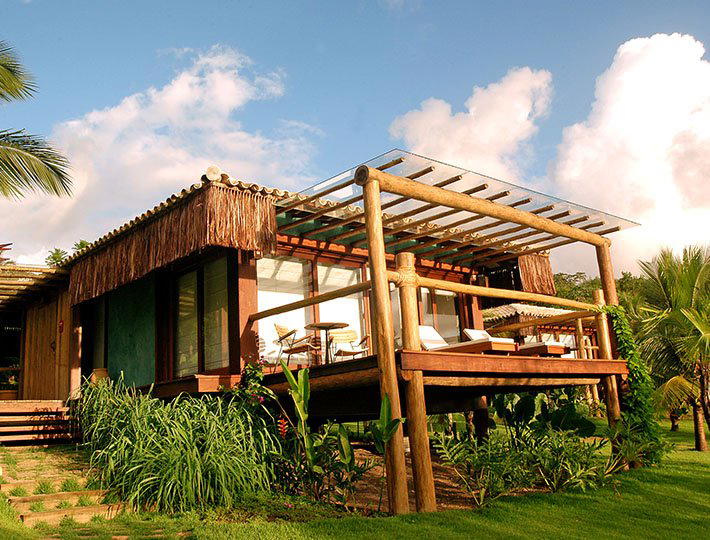
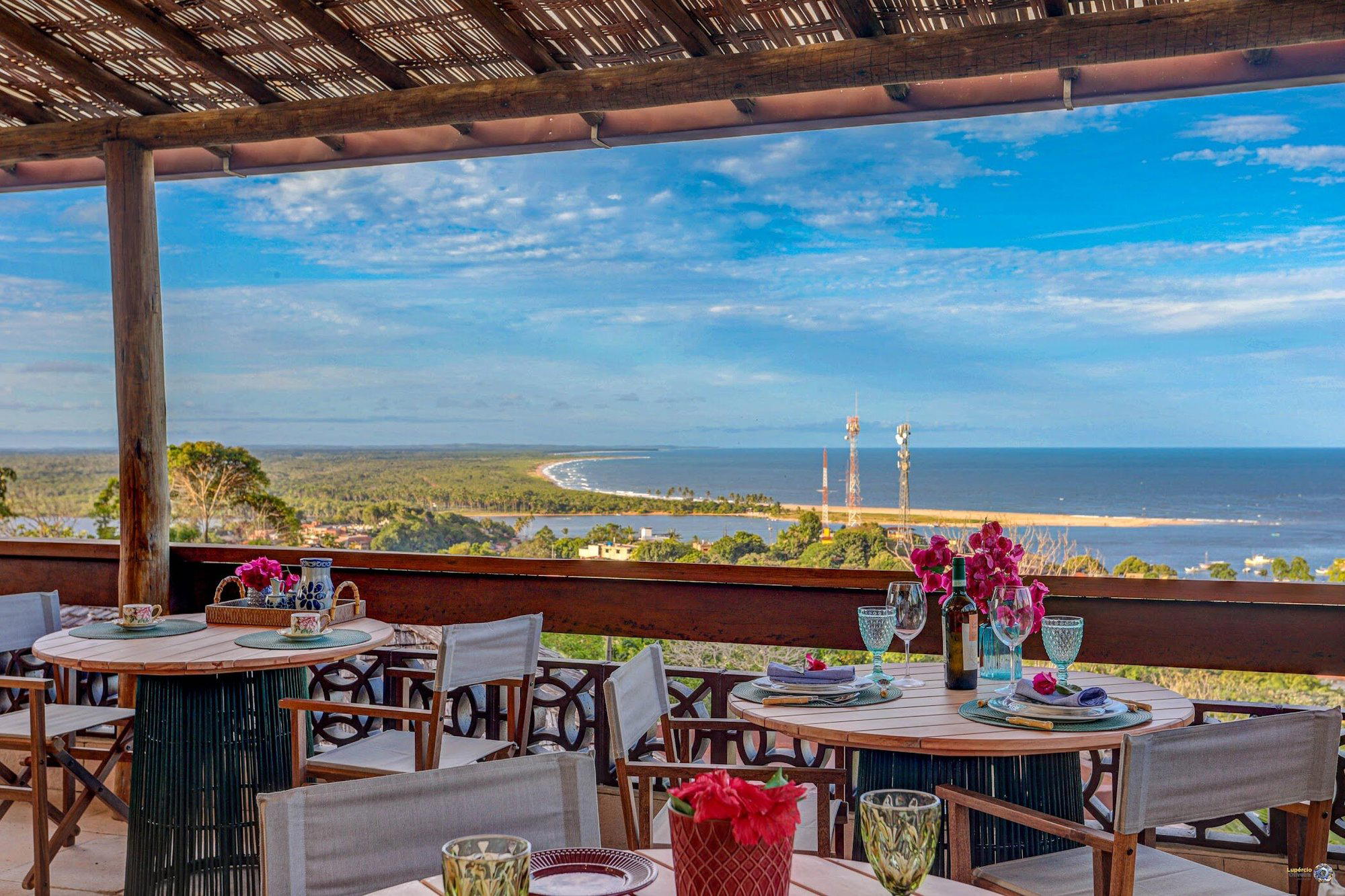
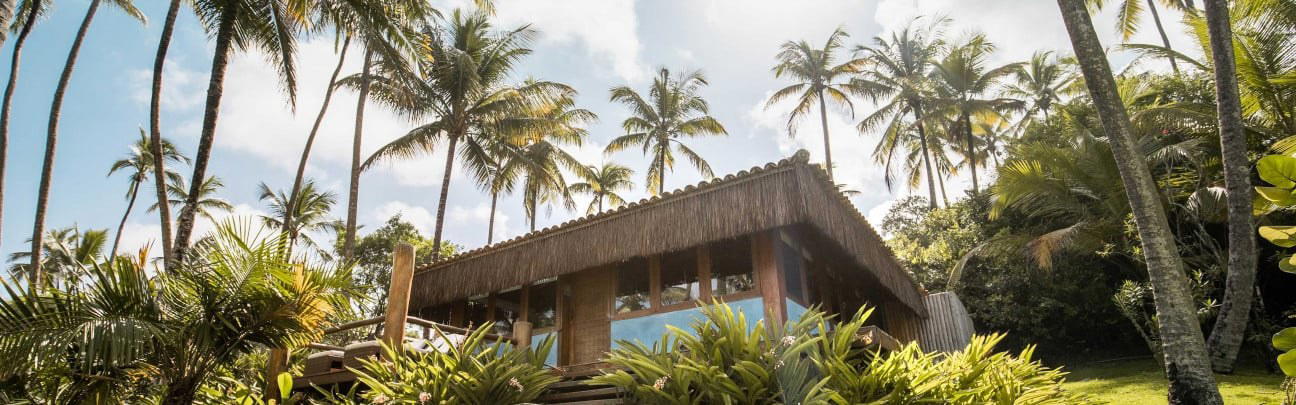
The name references a lighthouse, and the address on the road between Una and Ilhéus places the restaurant outside the city center in a semi-rural coastal zone rather than within Ilhéus's urban core. This is a meaningful signal about format. Restaurants that operate in this type of position along the Bahian coast tend toward open-air or semi-open structures that engage directly with the surrounding environment. The physical context, salt air, Atlantic light, the acoustic presence of water, shapes the experience in ways that enclosed urban dining rooms cannot replicate.
Brazil has developed a specific tradition of what might be called destination-beach restaurants, where the journey is part of the proposition and the setting does much of the atmospheric work that décor handles in city restaurants. Lobby Café in Belém and Açaí Cuiabano in Cuiabá represent different regional expressions of this broader pattern of restaurants shaped by their geographic context more than by interior design choices. Cabana o Farol sits within that tradition, where arrival, setting, and source proximity are part of the offering.
Placing Ilhéus in the Broader Brazilian Food Map
Travelers who have worked through the more documented tiers of Brazilian dining, including the $$$$-price-point modern restaurants like Birosca S2 in Belo Horizonte, Mina in Campos do Jordão, or Olivetto in Campinas, often find that Bahia's coastal belt offers something those restaurants cannot: unmediated access to ingredients at their source. The comparison is not a quality judgment but a structural one. A restaurant in São Paulo can source excellent Bahian ingredients, but it cannot put you fifty meters from where the fish was caught while you eat it.
Ilhéus specifically benefits from its position in the historic Zona do Cacau, a region that shaped Brazilian economic and cultural history through cacao production and inspired Jorge Amado's novels. That agricultural legacy means the surrounding countryside remains unusually intact in terms of small-scale farming and traditional production methods. Restaurants operating in this zone have access to a supply web that larger Brazilian cities have largely lost to industrial-scale food distribution.
For travelers comparing the Bahian coast to other regional Brazilian dining destinations, State of Espírito Santo in Rio Bananal offers a parallel example of how regional ingredient identity functions as a restaurant's primary credential in parts of Brazil that fall outside the main critical circuit. The parallels are instructive: both regions are defined by agricultural heritage, proximity to production, and distance from the awards infrastructure that validates urban fine dining.
International travelers accustomed to the precision of, say, Le Bernardin in New York or the tasting-format rigor of Lazy Bear in San Francisco will find Cabana o Farol operating in an entirely different register. The comparison is not apt in terms of format or ambition, but it clarifies the value proposition: this is regional Brazilian coastal cooking valued for source proximity and setting, not for technical elaboration or tasting-menu architecture.
Planning a Visit
Ilhéus is accessible via its own airport (IOS), with connections through São Paulo and Salvador. The Estrada Una-Ilhéus address places Cabana o Farol south of the city center, making private transport or a taxi the practical approach from central Ilhéus. The coastal road drive is itself part of orienting to what the region offers. No phone number or website is currently listed in public records, which is common for smaller Bahian coastal spots that operate primarily on local reputation and walk-in traffic; arriving during midday service hours on weekends is generally the most reliable approach in this category of restaurant. For a fuller picture of what Ilhéus's food scene currently offers, our full Ilhéus restaurants guide maps the range from casual beachside spots to more formal options.
Visitors planning a wider circuit of the Bahian coast should also consider Primrose in Gramado and Aero Burguer e Grill in Santa Cruz do Sul for other regional Brazilian dining reference points, though the culinary traditions differ substantially from Bahia's coastal cuisine. The Southern Brazilian food culture those restaurants represent and the Bahian tradition that Cabana o Farol operates within are useful counterpoints for understanding how regionally specific Brazilian cooking can be across the country's vast geography.
Frequently asked questions
Can I bring kids to Cabana o Farol?
The semi-rural coastal setting on the Estrada Una-Ilhéus road suggests an informal, open environment rather than a hushed fine-dining room, which generally suits families. The address outside the city center also implies space and a relaxed pace.
What's the overall feel of Cabana o Farol?
The name references a lighthouse, and the location on a coastal road between Una and Ilhéus frames this as a destination rather than a city-center drop-in. Expect a semi-rural, unhurried atmosphere shaped by southern Bahia's ingredient culture — cacao country meeting the Atlantic — rather than the polished formality of São Paulo's high-end restaurant circuit.
Is Cabana o Farol worth the drive from central Ilhéus for a meal?
The restaurant sits on the Estrada Una-Ilhéus outside the city center, which makes it a deliberate excursion rather than a casual walk-in. That distance tends to self-select for visitors who have a specific reason to go — regional cooking tied to southern Bahia's cacao-and-coast geography being the most documented draw. Ilhéus is served by its own airport (IOS) with connections through São Paulo and Salvador, making it reachable without routing through a larger hub.
What's the best thing to order at Cabana o Farol?
What is clear from the regional context is that southern Bahia produces cacao, seafood, and tropical produce that drive the local table in ways distinct from the rest of Brazil.
Where is Cabana o Farol located?
Cabana o Farol is located at Estrada Una-Ilheus - Coutos, Ilhéus - BA, 45655-000, Brazil, Ilheus.
How hard is it to get a table at Cabana o Farol?
No booking policy or reservation data is confirmed for Cabana o Farol. Its location outside central Ilhéus on the Estrada Una-Ilhéus road suggests it draws a mix of locals and travelers arriving via IOS airport, but demand levels are not documented.
What's Cabana o Farol best at?
Based on its position in southern Bahia's cacao-producing coastal corridor, Cabana o Farol is most credibly read as a venue where regional ingredient provenance does the work. That places it in a different register from technique-driven modern Brazilian restaurants and closer to the tradition of cooking that reflects a specific geography.
A Quick Peer Check
Comparable venues nearby, for context on price, style, and recognition.
| Venue | Cuisine | Price | Notes |
|---|---|---|---|
| Cabana o FarolThis venue — the venue you are viewing | Bahian Seafood | Not listed | Not listed |
| Txai Resort Itacaré | Modern Bahian Cuisine | Not listed | Itacaré |
| Charco | Modern Brazilian with South American and Asian influences | Not listed | Jardim Paulista |
| Casa Aleppo | Lebanese & Middle Eastern | Not listed | Buraquinho |
| Lobby Café | Brazilian Café | $10–20 | Belem |
| Restaurante Mistura Contorno | Bahian Seafood Fusion | $30–50 | Dois de Julho |
Details
- Scenic
- Casual
- Lively
- Casual Hangout
- Group Dining
- Family
- Waterfront
- Terrace
- Local Sourcing
- Waterfront
- A La Carte
- Pescatarian Friendly
Current opening hours
- Monday
- 8 AM–5:30 PM
- Tuesday
- 8 AM–5:30 PM
- Wednesday
- 8 AM–5:30 PM
- Thursday
- 8 AM–5:30 PM
- Friday
- 8 AM–5:30 PM
- Saturday
- 8 AM–6 PM
- Sunday
- 8 AM–6 PM
Hours can change for holidays and private events. Last verified .
Casual beach atmosphere with outdoor seating; clean facilities maintained despite sandy environment.