
Relais Chateaux Award
Our verdict
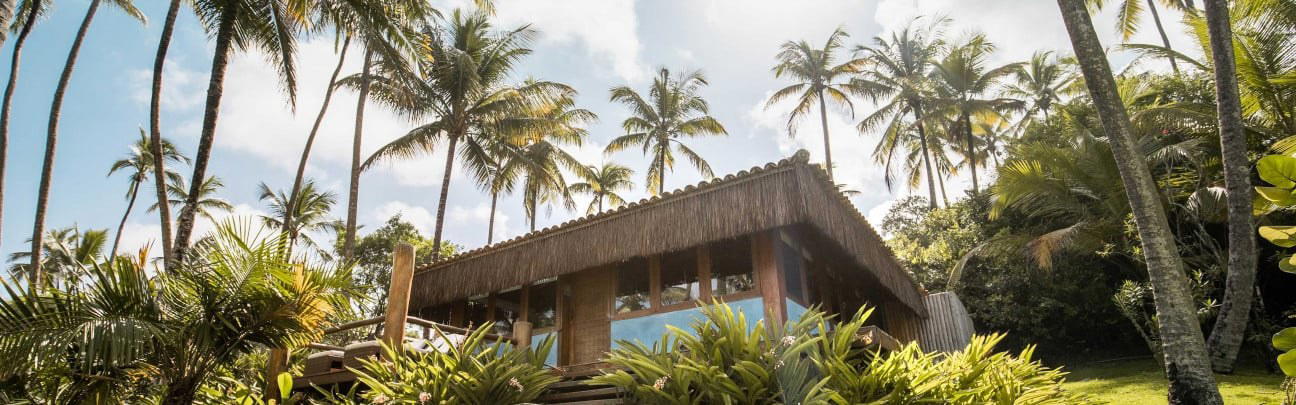
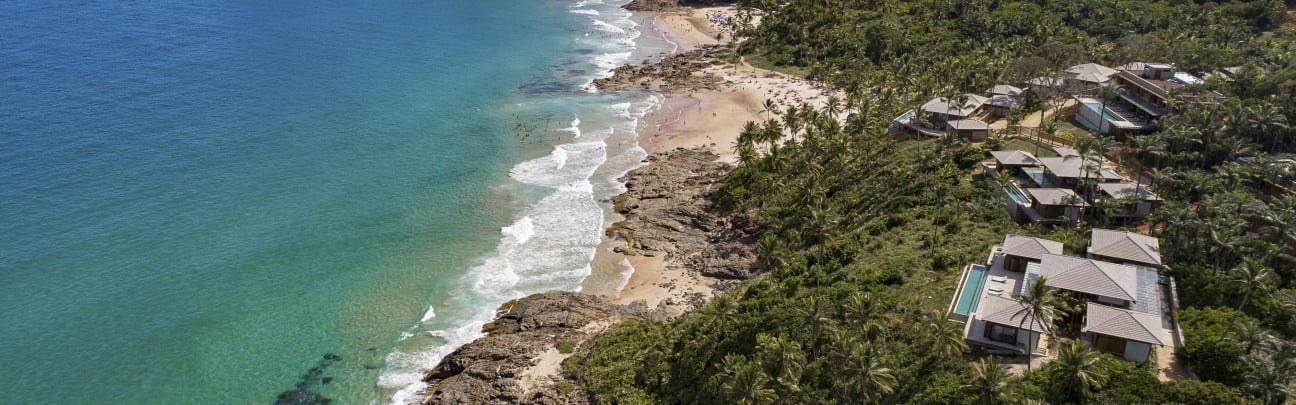
Txai Resort Itacaré sits on a former coconut and cocoa farm along Bahia's southern coast, offering private bungalows and a spa with panoramic ocean views. The kitchen, led by Chef Nena, draws on the coastal Brazilian pantry — dendê, fresh fish, tropical fruit — rooted in the agricultural history of the land beneath it.

Pearl is the En Primeur Club membership app — saves, bookings, and concierge access live there. Same editors, same standards.
- Address
- R. Pedro Longo, 345 - Itacaré, BA, 45530-000, Brazil
- Phone
- +55 73 99975-1200
- Directions
- Get directions
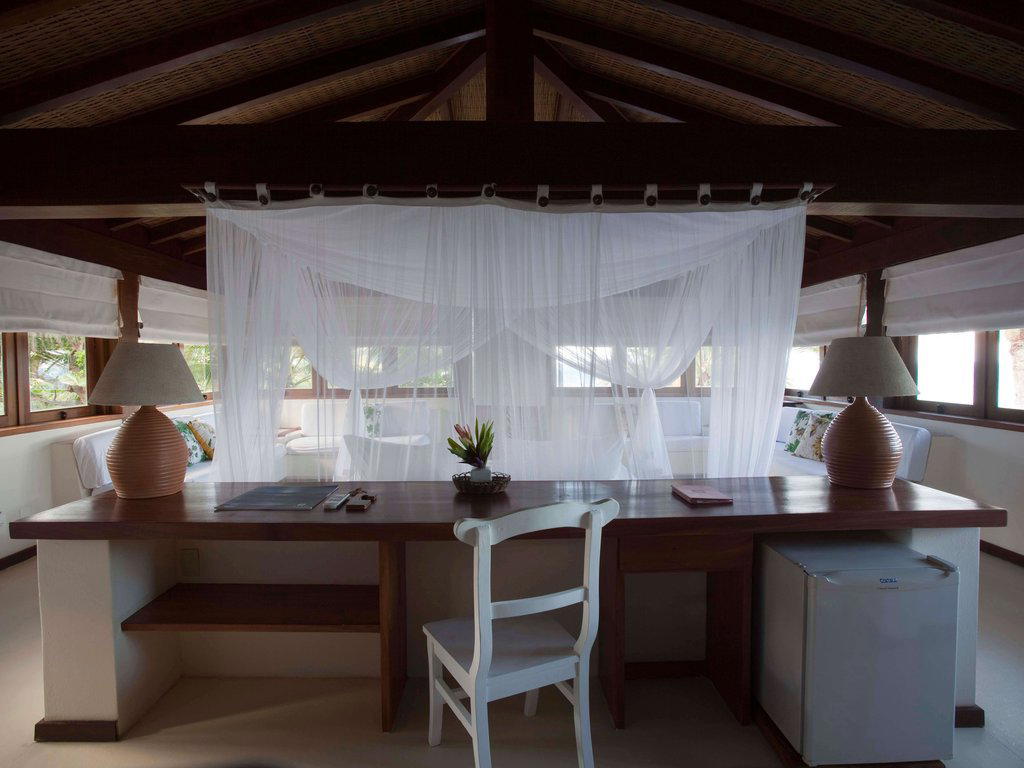
Where the Atlantic Forest Meets the Atlantic Ocean
Bahia's southern coast between Ilhéus and Itacaré runs through one of the last significant stretches of Atlantic Forest in Brazil, a biome that once covered fifteen percent of the country and now exists in fragments. The road in — BA-001, kilometre 48 from Ilhéus — cuts through secondary forest, cacao groves, and the occasional dendê palm before depositing you at a property that was, for most of its history, a working farm rather than a resort. That agricultural past is not incidental to the experience at Txai Resort Itacaré. It shapes both the physical layout of the grounds and the culinary logic of the kitchen.
The nearest commercial airport, Ilhéus Jorge Amado (IOS), sits roughly 50 kilometres from the property. The transfer is roughly an hour by car, and most guests arrange private transfers in advance, as public transport options thin out quickly once you leave the coastal highway. The GPS coordinates for the resort are -14.3797, -39.0112, useful when the signage on BA-001 is less forthcoming than it might be.
The Former Farm as Conceptual Foundation
Brazil's cocoa-growing Zona Cacaueira, centred on Ilhéus and extending south toward Itacaré, had its economic peak in the late nineteenth and early twentieth centuries, a period local historians call the golden age of cacau. The large rural estates, known as fazendas, that drove that economy have largely either collapsed or reinvented themselves. Txai's origin as a coconut and cacao farm places it in a specific regional history, one that connects land use, colonial agriculture, and the particular ingredients that define Bahian coastal cooking. Coconut milk in moquecas, cacao in everything from desserts to savoury applications, dendê oil pressing its iron-orange fingerprint into nearly every dish, these are not decorative choices in a kitchen operating on this land. They are what the land produced.
That context separates the dining proposition here from the contemporary fine-dining tier that has drawn international attention to Brazilian cuisine in recent years. Properties like Lasai in Rio de Janeiro or Evvai in São Paulo operate within an urban modernist register, applying technical precision to regional ingredients in tasting-menu formats. Txai's kitchen, under Chef Nena, operates in a different register entirely, closer to the tradition of Bahian home cooking scaled for a luxury resort context, where the measure of quality is fidelity to regional flavour rather than departure from it.
Chef Nena and the Coastal Brazilian Pantry
Bahian coastal cooking is one of the most clearly defined regional cuisines in South America. Its foundations, the African diaspora's culinary traditions layered onto indigenous ingredients and Portuguese colonial infrastructure, produce a flavour profile that resists easy substitution. Dendê, fresh-caught fish, vatapá, acarajé, the broad use of coconut in both savoury and sweet preparations: these are a coherent system, not a collection of isolated dishes. Chef Nena's kitchen at Txai works within that system rather than around it, making the restaurant an extension of place in a way that more technically ambitious Brazilian restaurants, for all their quality, sometimes are not.
For comparison, Manga in Salvador offers a point of reference for what creative Bahian cooking can look like when it moves toward contemporary technique while keeping its regional anchors intact. Txai's dining operates at a different register, less laboratory, more generous table, but both share a commitment to the Bahian pantry as primary material rather than as flavour accent.
Private Bungalows and the Logic of Seclusion
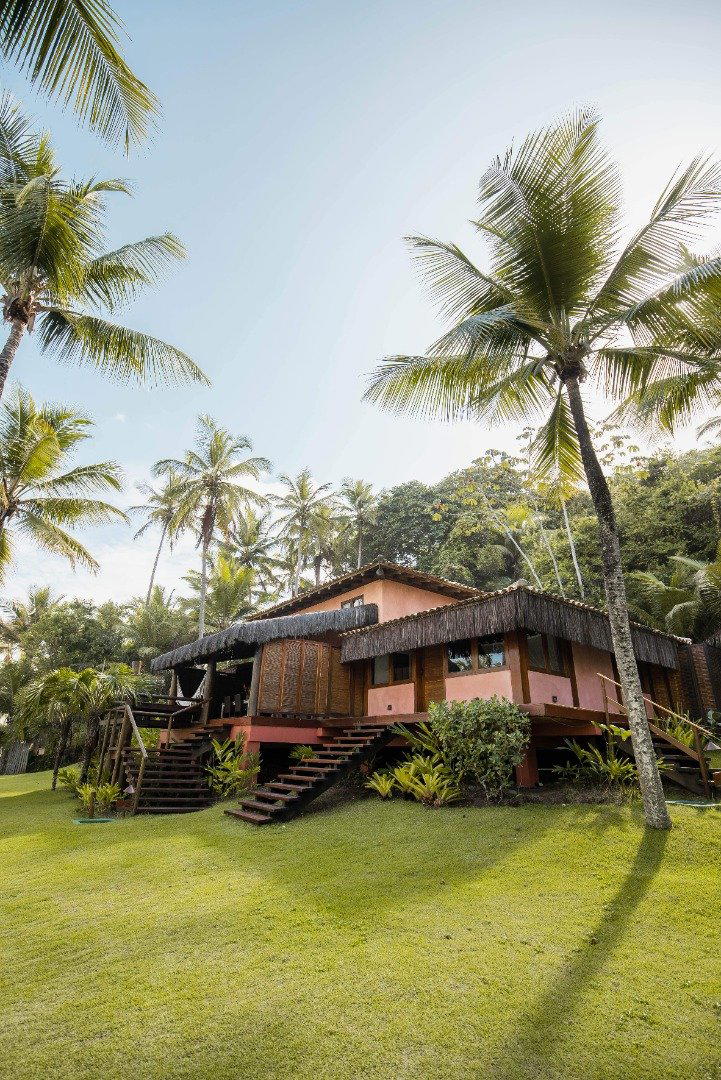
Itacaré sits at the convergence of several surf beaches, Tiririca, Resende, Ribeira, that have attracted a particular kind of traveller since the 1990s: surfers first, then the infrastructure they bring, then a broader wave of visitors. The town retains a functional, unpolished character that its better-known Bahian counterparts have lost. Txai positions itself outside that dynamic. The private bungalow format, distributed through Atlantic Forest rather than clustered around a central hotel block, creates genuine separation from the town's rhythms. This is a pattern common to luxury properties in biodiverse coastal zones across Southeast Asia and Central America, but it works particularly well against the backdrop of the Atlantic Forest, where the density of vegetation means that privacy is structural rather than designed.
The spa, with its panoramic ocean view, represents the other axis of the property's appeal. Luxury resort spas in this region increasingly align their treatment menus with local botanical traditions, cacao-based treatments in a cocoa-growing zone, for instance, connect the wellness offer to the agricultural history in a way that imported spa protocols do not. Whether Txai's spa pursues this approach is worth confirming at booking.
How Txai Sits in the Broader Brazilian Luxury Resort Market
Brazil's premium resort market has fragmented over the past decade. The large all-inclusive coastal properties that defined the market in the 1990s and 2000s now compete with smaller, more ecologically positioned properties where the selling proposition is restriction, fewer keys, more land, less programme. Txai belongs to this second category. Its agricultural history gives it a narrative that newly constructed eco-resorts cannot replicate, and its position on the Bahian coast, rather than in the better-trafficked Northeastern beach corridor, places it in a different competitive set from the major resort clusters around Porto de Galinhas or Jericoacoara.
Guests planning a broader Brazil itinerary that incorporates the country's dining scene might also consider Manu in Curitiba or Mina in Campos do Jordão for contrast, both operate in cooler, highland registers that underline how geographically diverse Brazilian cuisine actually is. For Bahian context specifically, Orixás North Restaurant in Itacaré provides a useful local comparison point.
Planning a Stay
The access route via BA-001 from Ilhéus (IOS airport, approximately 50 kilometres) means that flying into Salvador and connecting by road is the most practical long-haul routing, with Ilhéus serving those arriving from São Paulo or Rio on domestic connections. The coastal highway is in reasonable condition but not fast; allow 60 to 75 minutes from the airport. The property's GPS coordinates (-14.3797, -39.0112) are reliable for navigation apps, which matters on a highway with limited physical signage. Booking should be confirmed well in advance for the December-to-March high season, when Bahia's beach corridor operates at capacity and road traffic between Ilhéus and Itacaré reflects it. The shoulder months of April-May and October-November offer more space, cooler surf conditions, and the particular quality of Atlantic Forest light that the peak summer crowd does not always stop to notice.
For further planning, see our full Itacaré restaurants guide, our full Itacaré hotels guide, our full Itacaré bars guide, our full Itacaré experiences guide, and our full Itacaré wineries guide.
Frequently asked questions
Who is the chef at Txai Resort Itacaré?
The chef associated with Txai Resort Itacaré is Nena.
What dish is Txai Resort Itacaré famous for?
Chef Nena's kitchen works from the Bahian coastal pantry, a tradition grounded in African diaspora techniques, local seafood, and ingredients native to the surrounding Atlantic Forest and cocoa-growing Zona Cacaueira. Moqueca and dishes built around local dendê oil and fresh catch from the Itacaré coastline sit at the core of this regional cuisine.
How do I find Txai Resort Itacaré?
Txai Resort Itacaré is located at R. Pedro Longo, 345 - Itacaré, BA, 45530-000, Brazil, Itacaré.
Is Txai Resort Itacaré award-winning?
Txai Resort Itacaré has received recognition including: HIGHLIGHTS: • A PRIVATE HAVEN • FORMER COCONUT & COCOA FARM • PRIVATE BUNGALOWS • SPA WITH PANORAMIC OCEAN VIEW DIRECTIONS & ACCESS: Directions By car BA 001 - Ilhéus to Itacaré km 48 By plane Ilhéus Jorge Amado (IOS) 50 km GPS coordinates ….
Cost and Credentials
Comparable venues nearby, for context on price, style, and recognition.
| Venue | Cuisine | Price | Awards | Notes |
|---|---|---|---|---|
| Txai Resort ItacaréThis venue — the venue you are viewing | Modern Bahian Cuisine | $50–100 | Relais Chateaux Award | Not listed |
| Beach restaurant | Not listed | Not listed | Not listed | Praia de São José, Brazilian beach restaurant |
| Orixás | North Restaurant | Itacaré, Bahian Fine Dining | Not listed | Not listed | Not listed |
| Amado | Contemporary Brazilian Seafood | $50–100 | Not listed | Comércio, Contemporary Brazilian Seafood |
| Lobby Café | Brazilian Café | $10–20 | Not listed | Not listed |
| Must Restaurant & Bar | Modern Brazilian with Indigenous Flavors | Not listed | Not listed | Belem, Modern Brazilian with Indigenous Flavors |
Recognition history
Dated appearances from independent guides and award organizations, with the underlying list record or original source where available.
Relais Chateaux Award
Relais Chateaux
Continue exploring
More in Itacaré
Restaurants in Itacaré
Browse all →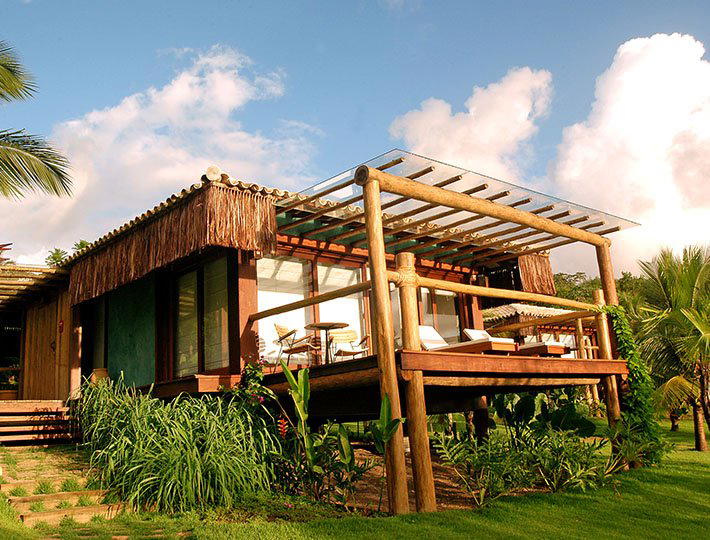

Details
- Romantic
- Scenic
- Elegant
- Rustic
- Intimate
- Sophisticated
- Date Night
- Special Occasion
- Celebration
- Waterfront
- Hotel Restaurant
- Open Kitchen
- Extensive Wine List
- Craft Cocktails
- Local Sourcing
- Organic
- Farm To Table
- Waterfront
- A La Carte
- Vegetarian Friendly
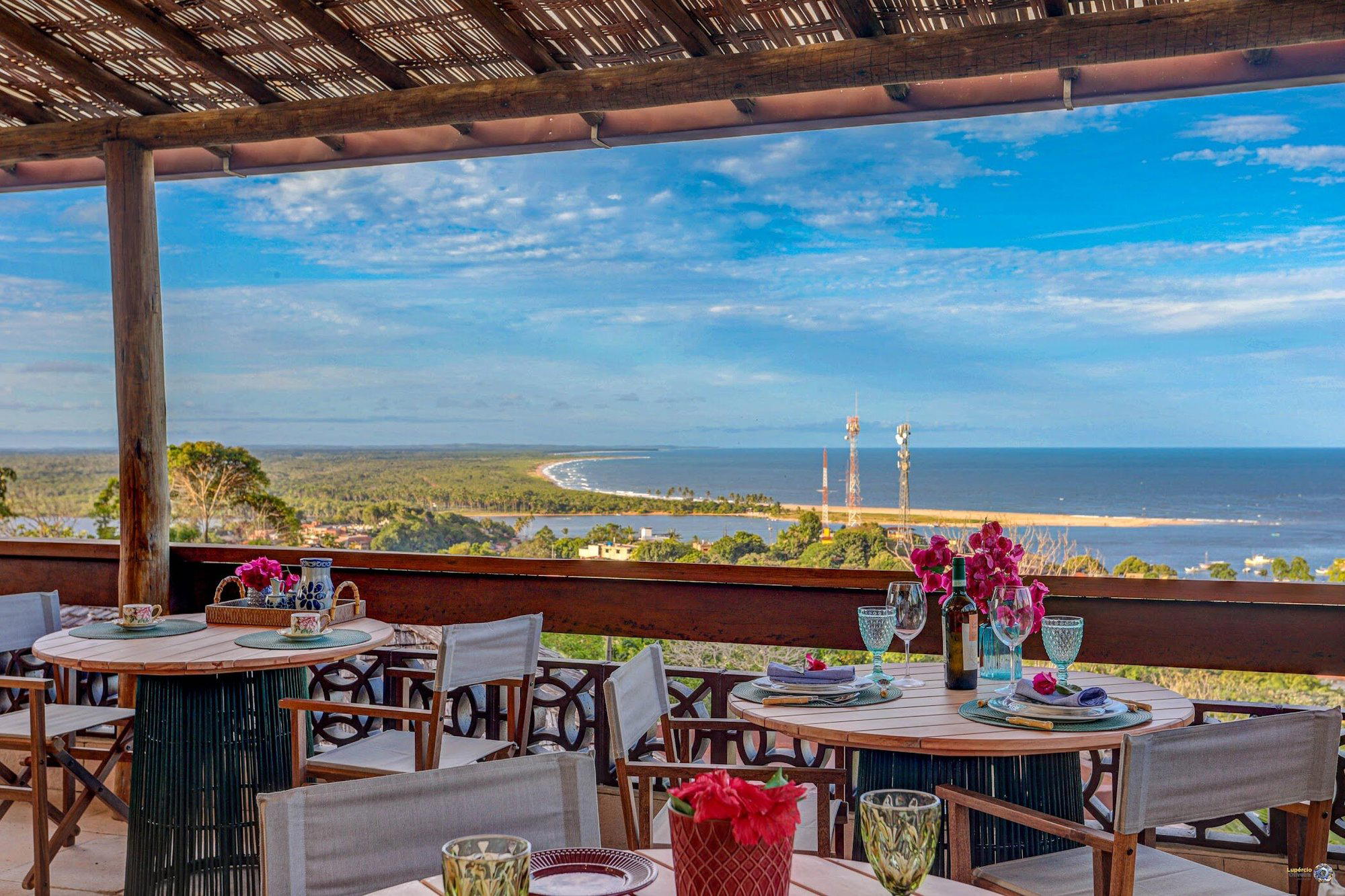
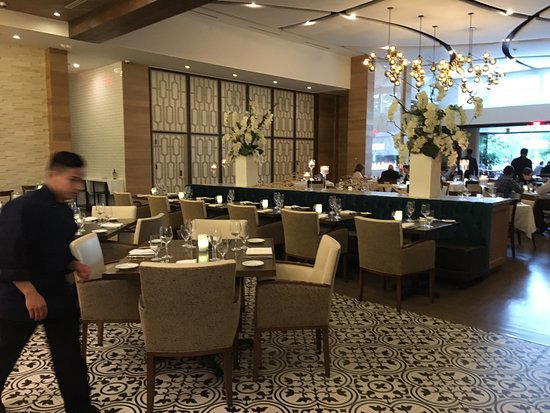
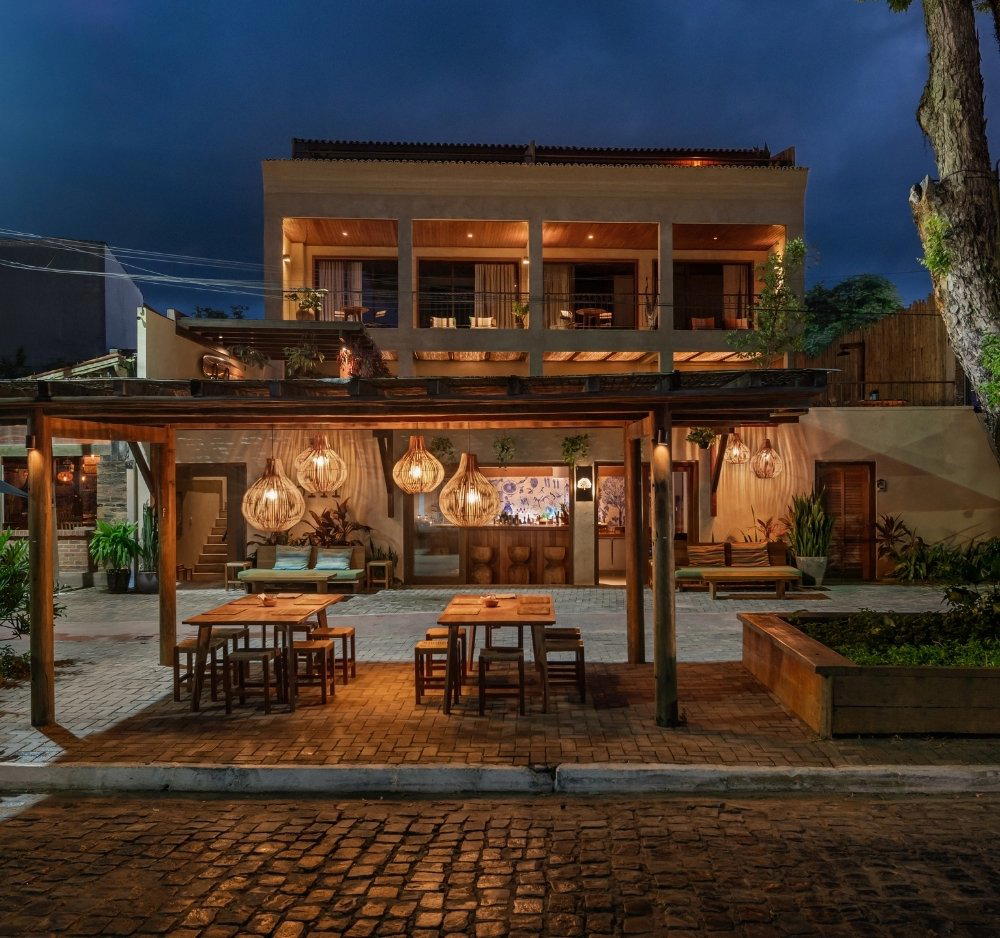
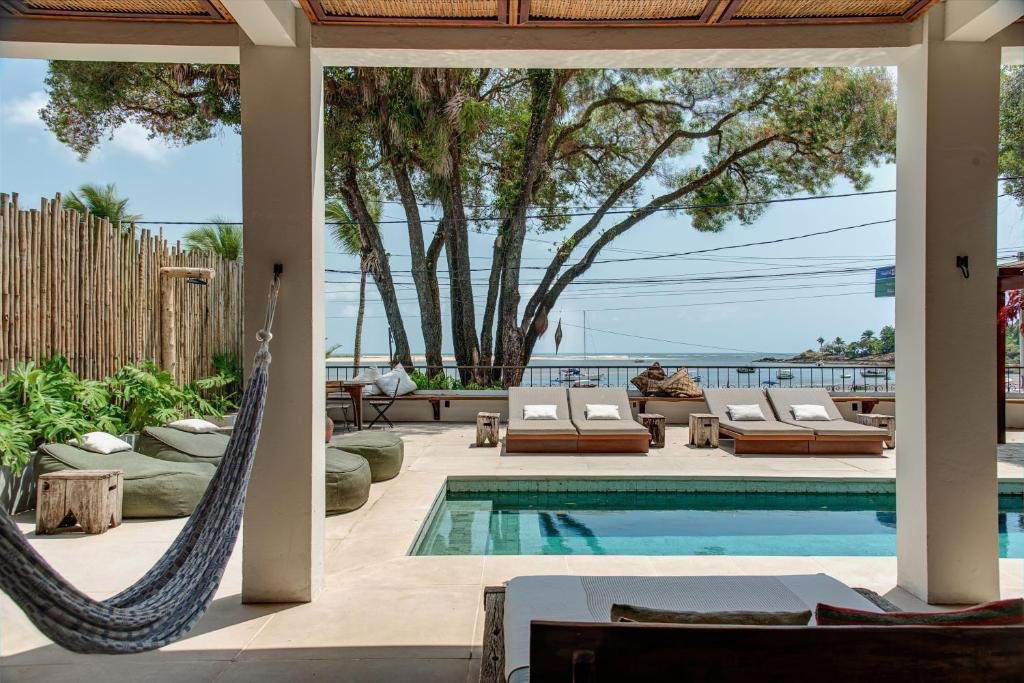
Relaxed tropical atmosphere with ocean views, poolside lounging, and elegant pavilion-style dining areas featuring natural light and Brazilian design elements.