Cabale occupies a discreet address on Rue des Mineurs in the heart of Liège, slotting into a Belgian dining scene that has long rewarded patience and local knowledge over visibility. The address alone places it in the city's older urban fabric, where stone facades and narrow streets frame the kind of restaurant that earns its reputation one table at a time.
Pearl is the En Primeur Club membership app — saves, bookings, and concierge access live there. Same editors, same standards.
- Address
- Rue des Mineurs 6, 4000 Liège, Belgium
- Phone
- +3242536763
- Website
- module.thefork.com
- Directions
- Get directions
 Saves & bookings on Pearl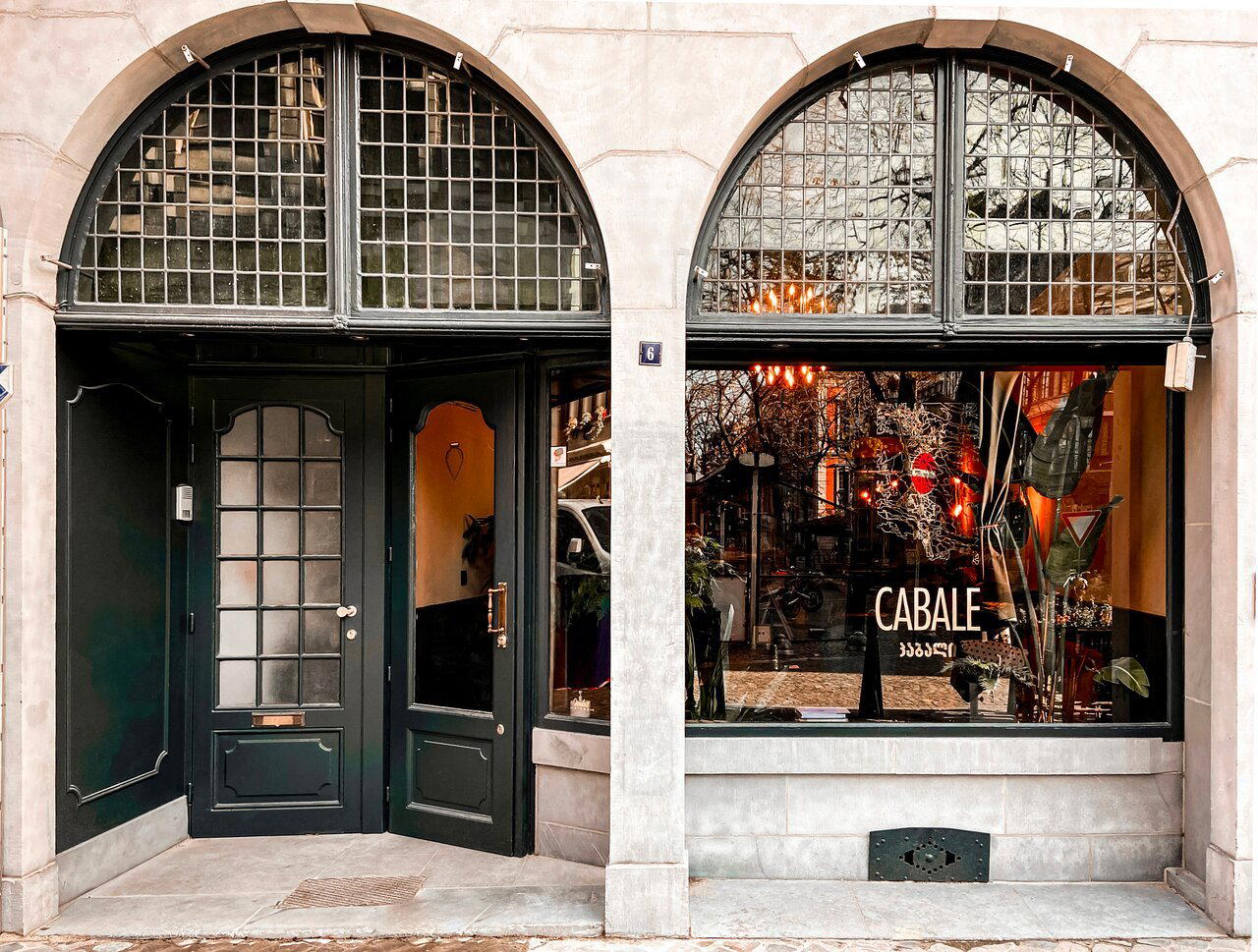
What Rue des Mineurs Tells You Before You Walk In
Liège's dining character has always been shaped by its industrial past and its stubborn civic pride. The city sits at the confluence of the Meuse and Ourthe rivers, and its restaurant culture reflects that position: neither the polished formality of Brussels nor the tourist-facing accessibility of Bruges, but something more internally directed, more concerned with feeding its own than performing for visitors. Rue des Mineurs, where Cabale holds its address at number 6, runs through a district that carries that quality in its architecture. The street is narrow, the buildings close, and the sense of arrival is earned rather than announced.
In Belgian cities of this size, that kind of address is a signal. Restaurants that anchor themselves in older urban fabric rather than renovated waterfront zones or pedestrian shopping corridors are usually making a deliberate choice about their audience. They are not competing for foot traffic. They are building a room that people seek out, which is a different proposition entirely.
Liège in the Belgian Dining Order
Belgium's fine dining conversation is dominated by a cluster of heavily decorated addresses: Hof van Cleve in Kruishoutem, Boury in Roeselare, Zilte in Antwerp, and Bozar Restaurant in Brussels. These are the reference points that international critics reach for when mapping Belgian gastronomy. Liège sits somewhat outside that circuit, which has historically worked against its restaurants in terms of column inches but has allowed a more self-sufficient dining culture to develop. The city's restaurants do not particularly need external validation to fill their rooms.
That context matters when assessing any Liège address. Venues here operate in a different competitive register than their Antwerp or Ghent counterparts, and the comparison set should reflect that. Vrijmoed in Gent, Willem Hiele in Oudenburg, and d'Eugénie à Emilie in Baudour each represent a strand of Belgian dining that pursues quality outside the major-city spotlight. Cabale's Liège address puts it in that broader category of Belgian restaurants that operate on local authority rather than international circuit recognition.
The Italian-Influenced Dining Scene in Liège
A notable thread running through Liège's restaurant offering is the depth of its Italian-influenced tables. Altro Maccheroni, Antipasti di Sophie, Asti, and Baci all occupy that space, ranging from casual antipasti formats to more complete Italian dining. This density is not incidental. Liège has a well-documented history of Italian immigration going back to the post-war period, and that community influence has shaped what the city expects from a restaurant table in a way that persists across generations. When a city has genuine Italian community roots, its Italian restaurants tend to be calibrated differently from those in cities where the cuisine is primarily a commercial import.
For visitors moving between these addresses, the contrast in register and formality across Liège's Italian and broader European tables is itself instructive. The more casual end of the market, including addresses like Bro's Burger Kitchen, reflects a city comfortable with a wide range of formats coexisting without hierarchy anxiety.
Atmosphere and Approach at Cabale
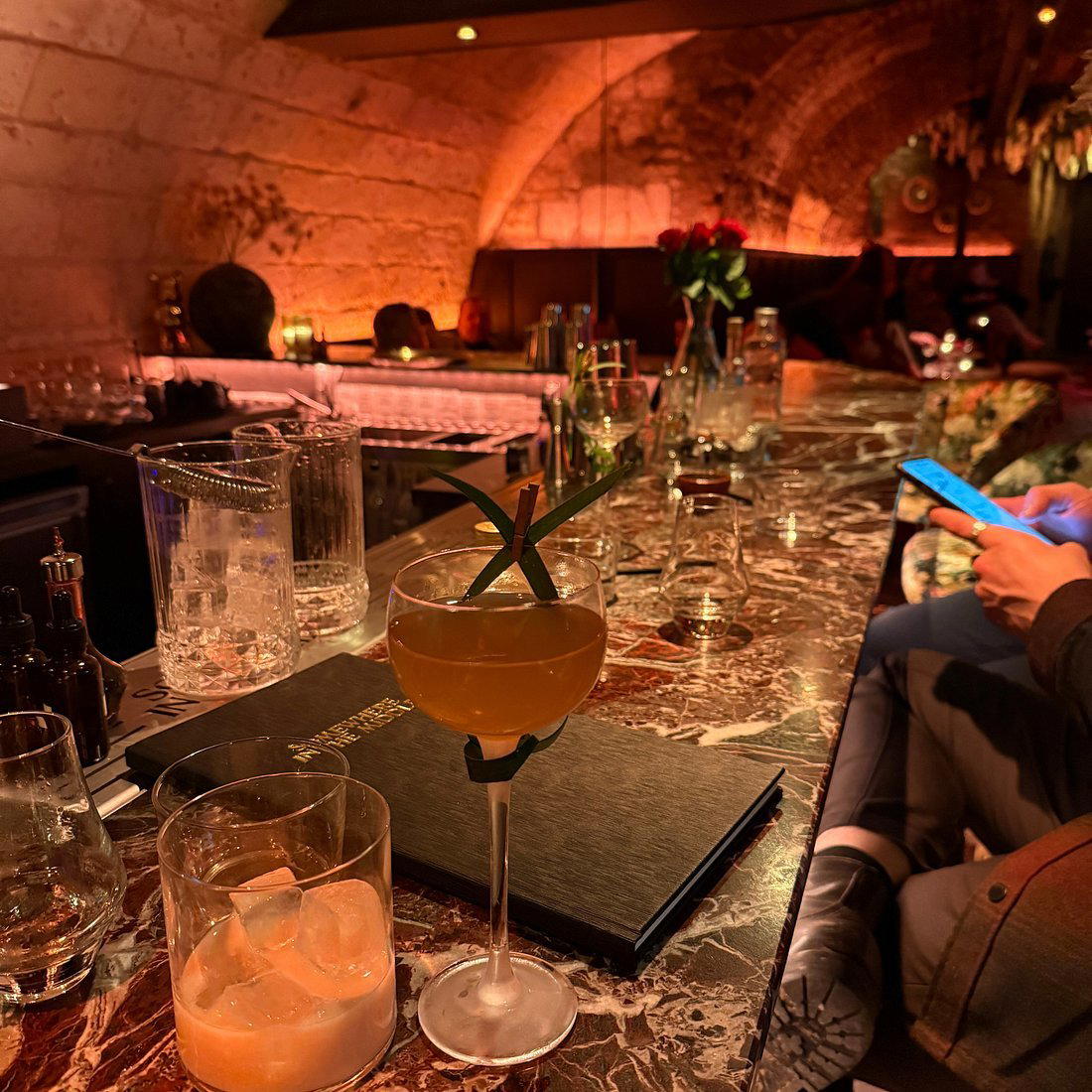
At an address like Rue des Mineurs 6, the physical environment does a significant amount of the editorial work before any food arrives. Older Liège streetscapes in this district retain a density of stone and wrought iron that creates a specific kind of ambient pressure: the sense that the city has weight, that it has been here long before any particular restaurant opened its doors, and that it will be here long after. Restaurants that occupy this kind of space either fight that gravity with aggressive interior brightness and noise, or they work with it, using the existing atmosphere as a foundation rather than an obstacle.
The address at Rue des Mineurs positions Cabale within walking distance of the Place du Marché and the broader pedestrian core of Liège's old city, meaning access on foot from the central hotel belt is practical. Liège's Guillemins station, the Santiago Calatrava-designed terminus that serves Thalys and Intercity connections, sits roughly two kilometres to the south, making the restaurant reachable for visitors arriving by rail from Brussels, Paris, or Cologne without requiring onward transport.
Where Cabale Sits in the Wider Belgian Picture
Belgium's mid-tier restaurant scene has become increasingly interesting over the past decade, as a generation of kitchens moved away from formal French structures toward more personal, less codified formats. Addresses like La Durée in Izegem, Cuchara in Lommel, and Ralf Berendsen in Neerharen each illustrate how Belgian dining outside the major cities has developed its own grammar. These are not restaurants defined by what they are not; they have built identities on local sourcing logic, specific regional flavour registers, and formats suited to their actual communities.
In that framing, an address on Rue des Mineurs in Liège makes a particular kind of sense. The city's dining culture rewards persistence and specificity over spectacle. Restaurants that last in Liège tend to be those that know exactly what they are offering and to whom. Whether Cabale has settled into that kind of durable local identity is something that full data would clarify, but its address is consistent with the pattern.
For international comparison, the format logic of a smaller, address-specific restaurant in a secondary European city recalls the dynamic at work in places like Lazy Bear in San Francisco, where the venue's deliberate positioning outside conventional restaurant geography is itself a statement about the kind of experience being offered. The European equivalent, particularly at the more formal end, can be seen in how Le Bernardin in New York City has maintained authority through consistency and depth rather than expansion. Scale and visibility are not the only routes to relevance.
For those building a Liège itinerary, the full range of the city's dining options is mapped in our full Liège restaurants guide.
Planning Your Visit
Cabale sits at Rue des Mineurs 6, 4000 Liège. The address is within the central pedestrian zone, accessible on foot from the main hotel concentration around the Opéra and Place Saint-Lambert. Given the address's position in a part of the city that draws both local and visiting diners, advance planning is advisable for weekend evenings.
How Cabale Liège compares with similar nearby venues.
| Venue | Cuisine | Price |
|---|---|---|
| Le Bistrot d'en Face | Country cooking | €€ |
Continue exploring
More in Liège
Restaurants in Liège
Browse all →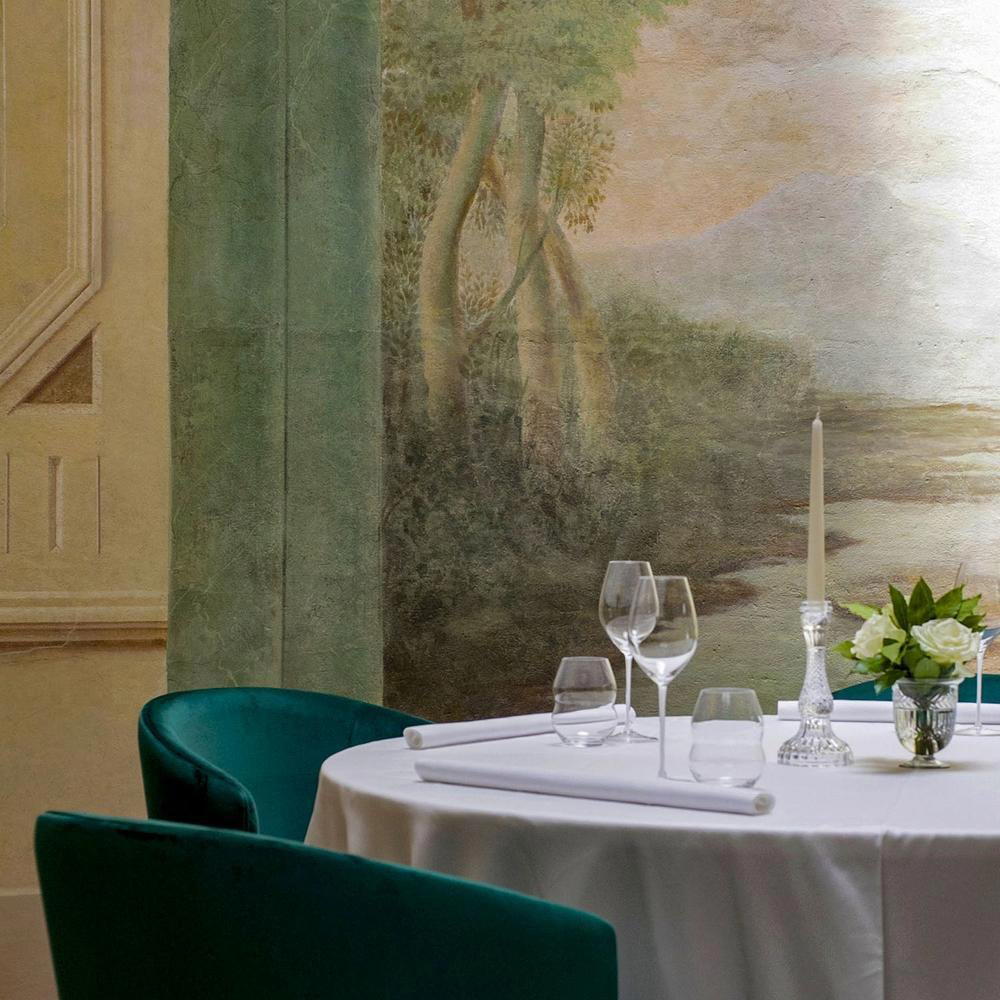
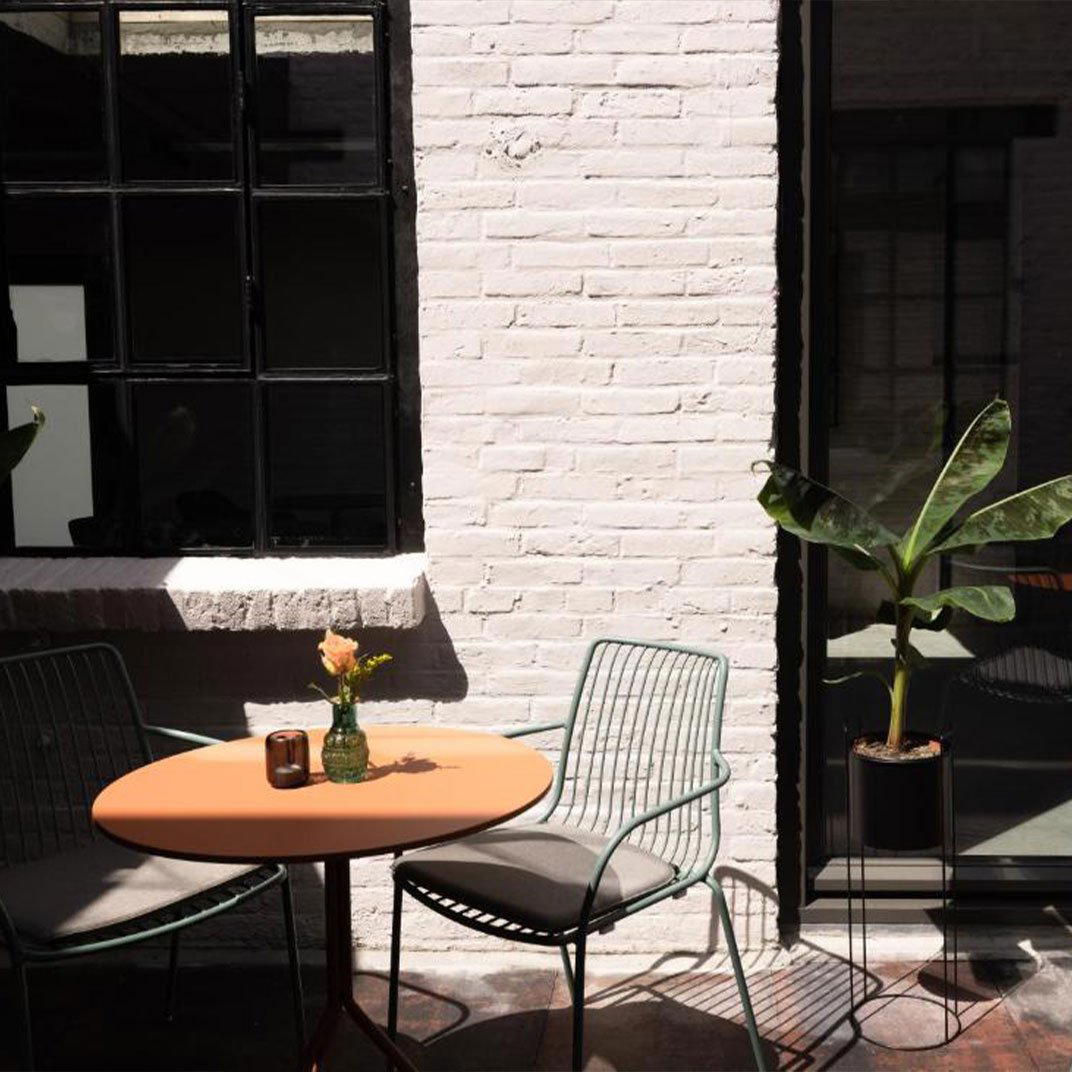
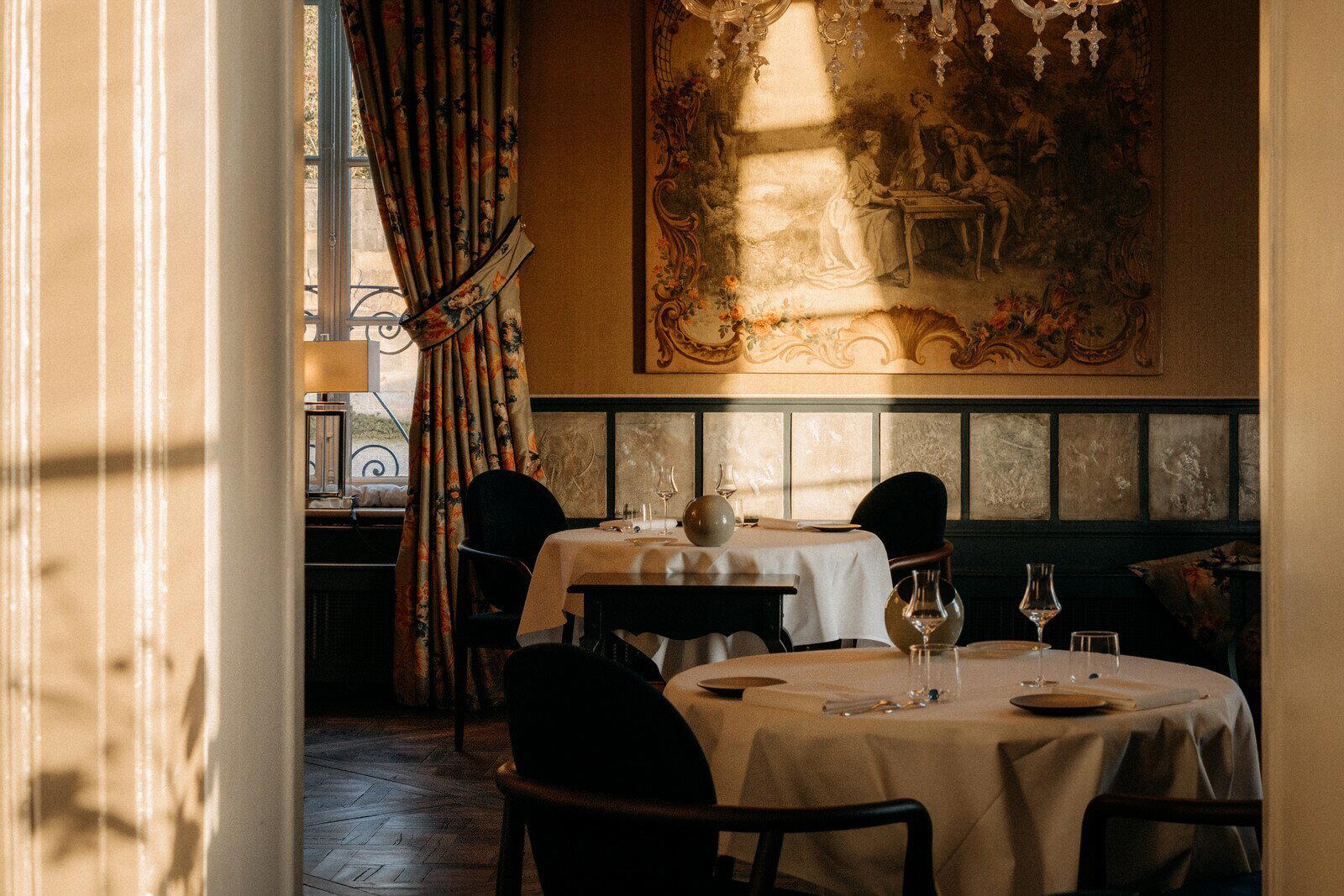
Bars in Liège
Browse all →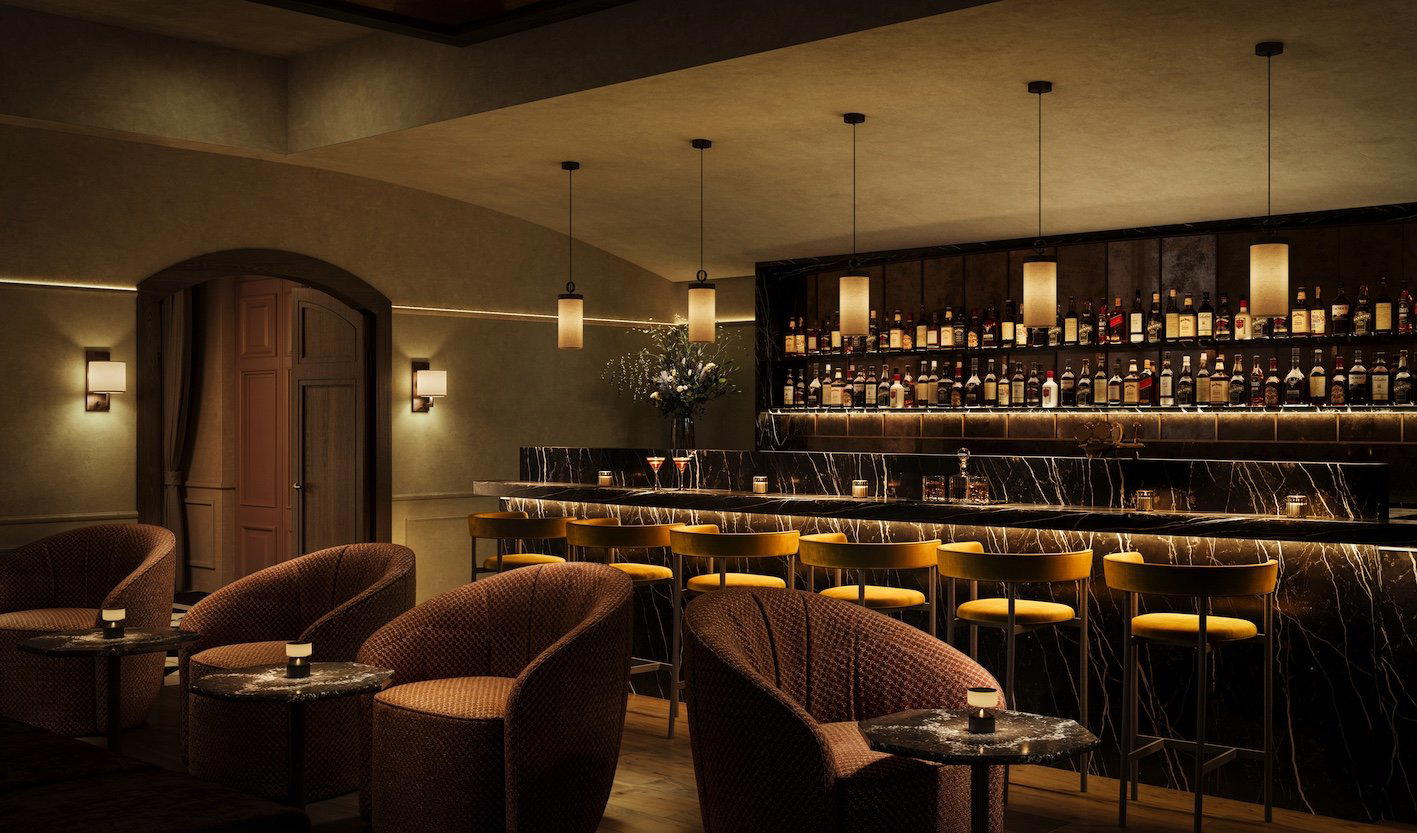
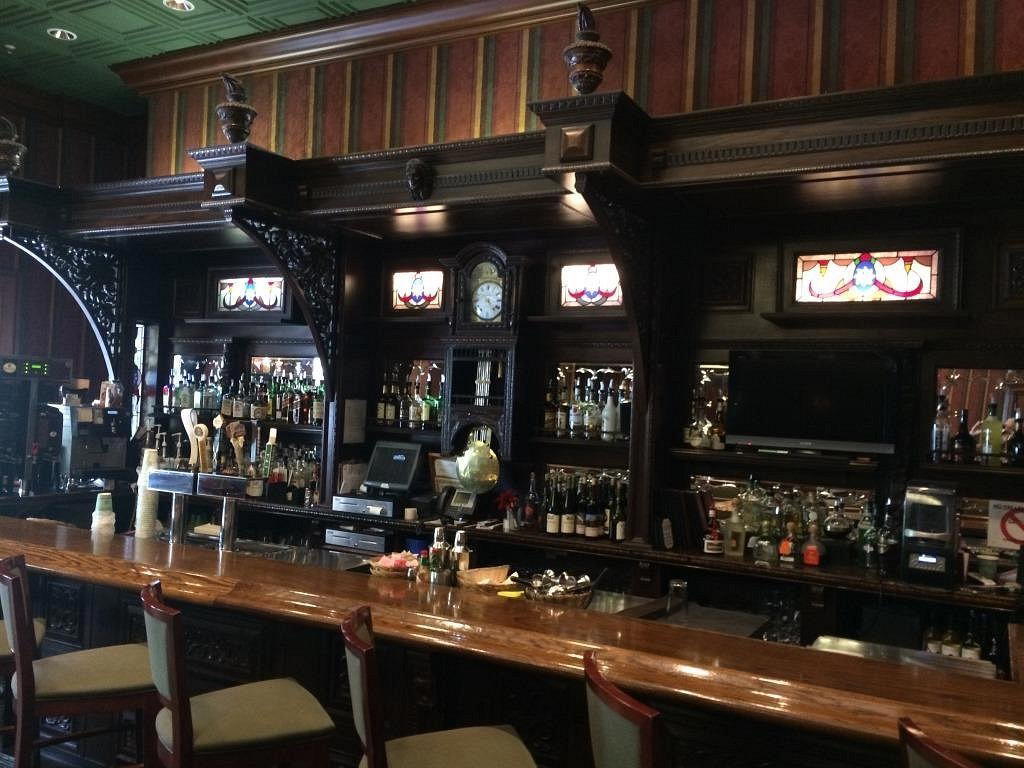
Hotels in Liège
Browse all →

At a Glance
- Modern
- Elegant
- Intimate
- Trendy
- Date Night
- Special Occasion
- Celebration
- Open Kitchen
- Historic Building
- Design Destination
- Standalone
- Natural Wine
- Craft Cocktails
- Sommelier Led
- Zero Waste
- Local Sourcing
- Natural Wine
Current opening hours
- Monday
- 6:30–9 PM
- Tuesday
- Closed
- Wednesday
- Closed
- Thursday
- 6:30–9 PM
- Friday
- 6:30–9 PM
- Saturday
- 6:30–9 PM
- Sunday
- 12–2 PM, 6:30–9 PM
Hours can change for holidays and private events. Last verified .
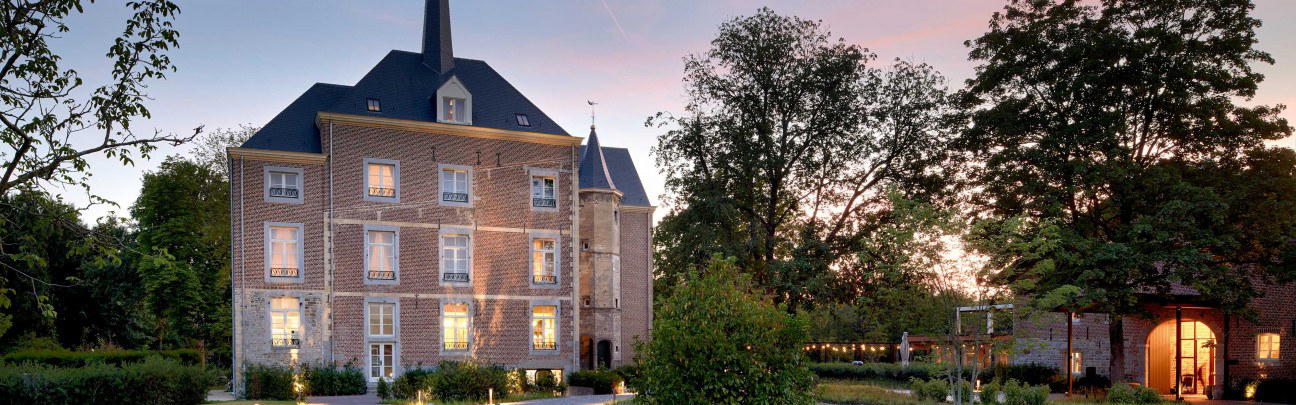
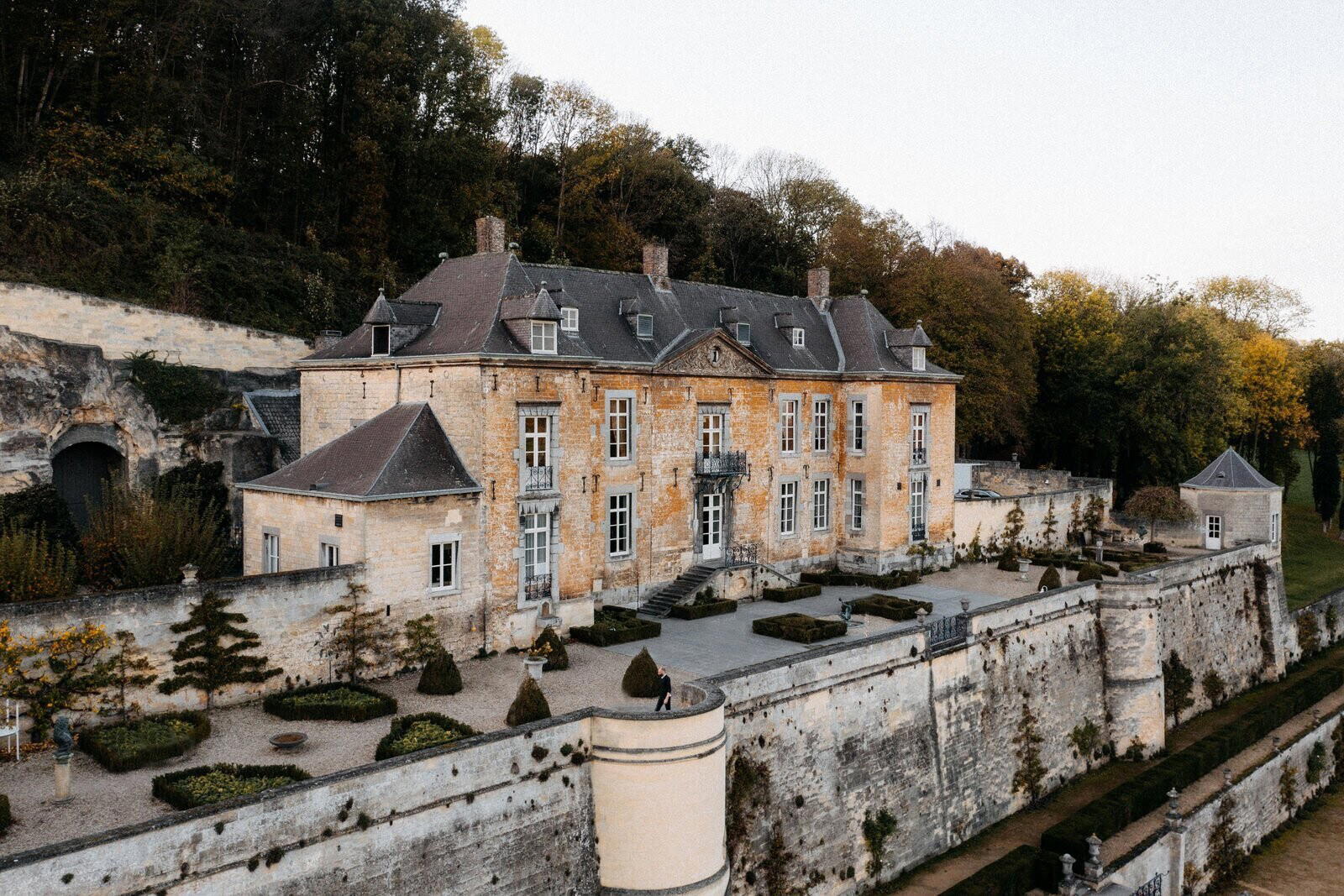
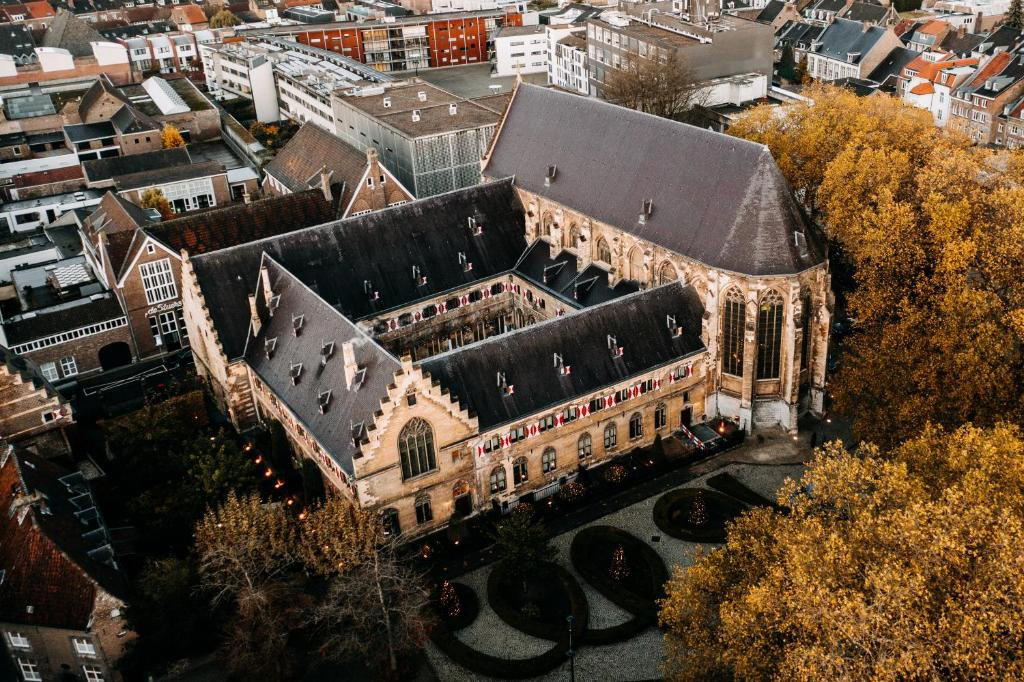
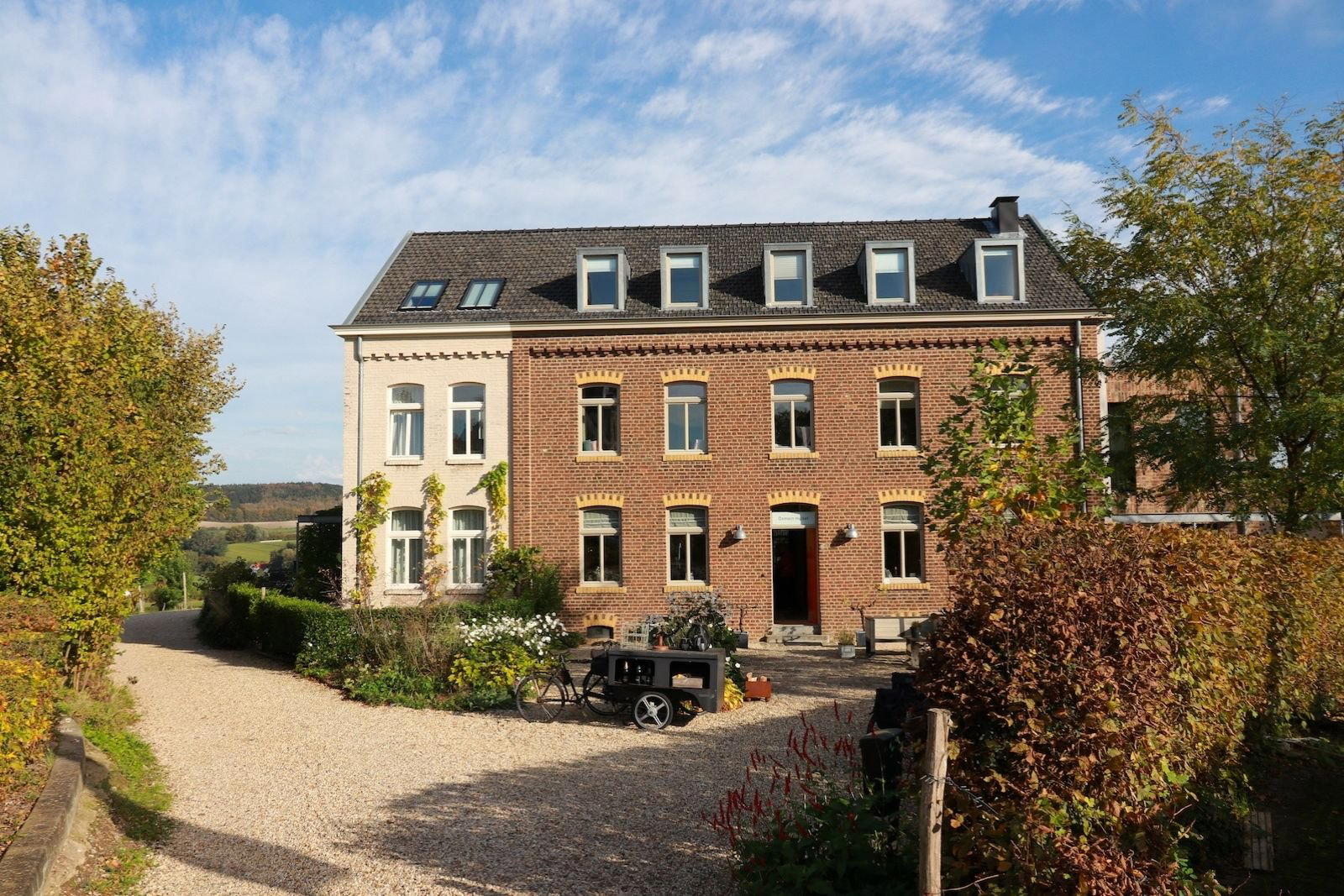
Warm and relaxed atmosphere with brute charm, featuring rustic industrial design elements (tiles, wood, bricks) in a historic building near the market square.
Know Before You Go
- Getting there
- Rue des Mineurs 6, 4000 Liège, Belgium