On Rue de l'Université in Liège's student quarter, Le Frangin occupies the kind of address where the neighbourhood does half the work. The cooking draws on local sourcing traditions that define Walloon table culture, positioning it among the more ingredient-focused options in a city where French-leaning brasseries set the baseline. A practical choice for anyone moving beyond the obvious tourist circuit.
Pearl is the En Primeur Club membership app — saves, bookings, and concierge access live there. Same editors, same standards.
- Address
- Rue de l'Université 23, 4000 Liège, Belgium
- Phone
- +32496911392
- Website
- sites.google.com
- Directions
- Get directions
 Saves & bookings on Pearl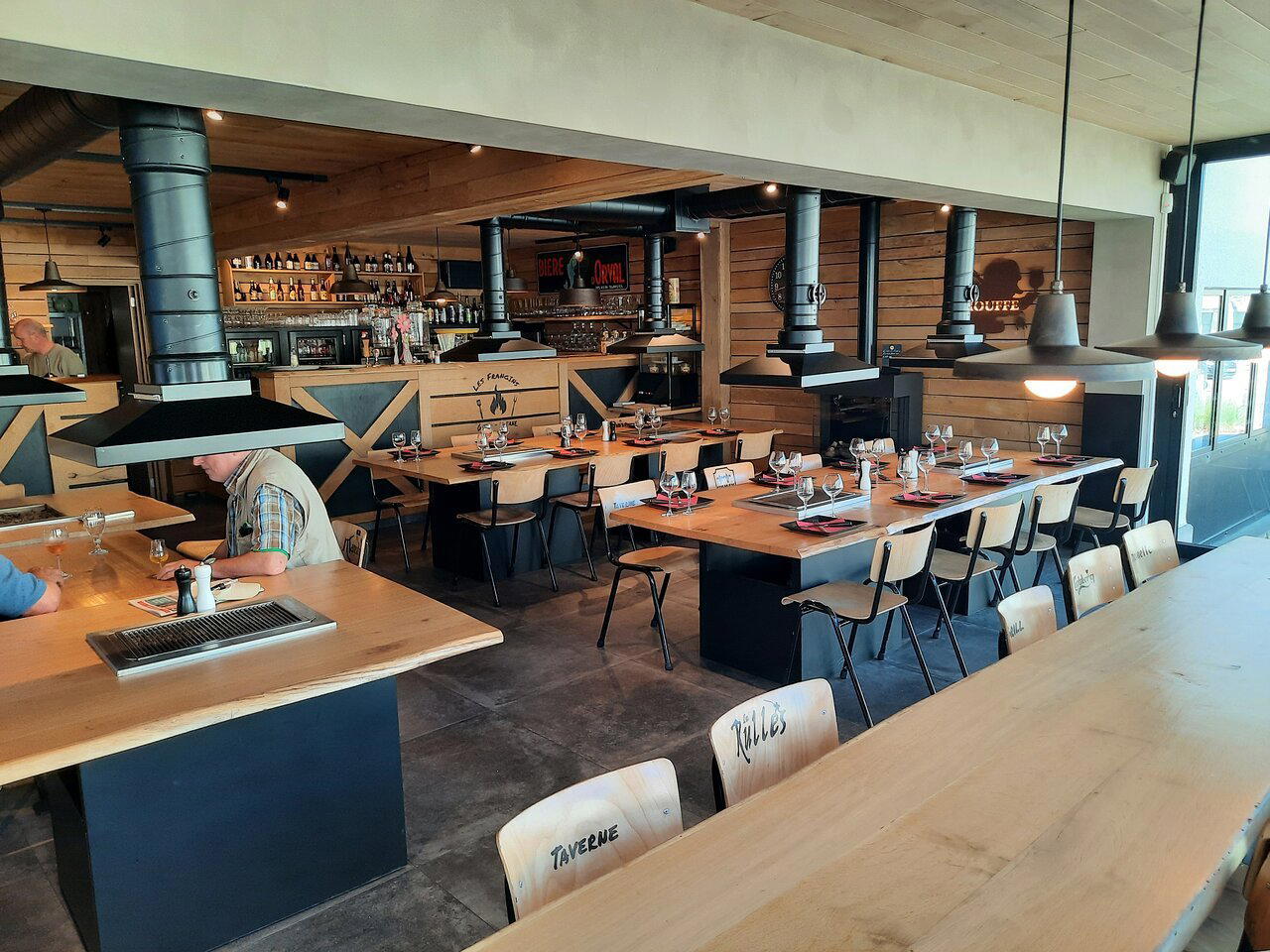
Rue de l'Université and What It Tells You About Liège Dining
Liège's university district has always operated on a different register from the city's formal restaurant corridors. The streets around Rue de l'Université carry the particular energy of a neighbourhood that feeds academics, locals, and the occasional visitor who has wandered away from the Féronstrée axis: less ceremony, more frequency, and a baseline assumption that the food should justify the return visit rather than the occasion. Le Frangin sits at number 23 in this context, an address that frames expectations before anyone has opened a menu.
The broader pattern in Belgian cities of this scale is worth understanding. Liège is not Brussels, where a concentration of formal fine-dining rooms competes with internationally recognised addresses like Bozar Restaurant for the same pool of destination diners. It is not Antwerp, where Zilte and a handful of peers operate inside a self-conscious luxury tier. Liège's restaurant culture is more Walloon in character: grounded in French culinary grammar, attentive to regional produce, and broadly resistant to the kind of high-concept positioning that reads well in international press but sits awkwardly in a city that takes its daily table seriously. In that environment, ingredient sourcing is not a marketing posture. It is the baseline by which kitchens are judged.
The Sourcing Logic Behind Walloon Kitchens
Belgium's eastern provinces, Liège, Namur, the Ardennes hinterland, sit within striking distance of particularly productive agricultural land in northern Europe. The Condroz plateau south of Liège yields beef and lamb that have supplied regional kitchens for generations. Market gardening around the Meuse valley produces vegetables that enter the supply chain at volumes and quality levels that formal wholesale networks elsewhere in Europe struggle to match. Cheese production in the Herve region, immediately east of the city, gives Liège kitchens a local dairy tradition that peers in Flanders or Brussels have to import.
This geography matters when thinking about what ingredient-focused kitchens in Liège are actually working with. The question is not whether local sourcing is possible, it plainly is, but whether a given kitchen has built relationships with producers rather than relying on regional distributor catalogues. The distinction shows up on the plate in texture and seasonality rather than in the language of the menu. At its most deliberate, this approach puts the kitchen calendar in alignment with what the Condroz and the Herve region are producing at any given moment, rather than with what central purchasing can guarantee year-round.
Le Frangin's position on Rue de l'Université places it in a comparable set that includes Héliport Brasserie, which operates in the Creative French register at a slightly higher price point, and ¡Toma!, which takes a creative approach at the summit of the local price range. Compared to those two, the address and neighbourhood positioning suggest a more accessible format, closer to what the French would call a bistrot de quartier than a destination table.
Italian Influence in a French-Grammar City
One of the consistent features of Liège's dining scene is the presence of serious Italian cooking operating alongside the dominant French-influenced tradition. Addresses like Al Piccolo Mondo, Altro Maccheroni, and Antipasti di Sophie reflect a pattern common to Belgian cities with historic Italian migrant communities: Italian kitchens that have moved from the community function of feeding a diaspora to a broader civic role of feeding anyone who recognises good pasta and sourced ingredients. The sourcing logic in these kitchens, DOP-certified imports alongside locally adapted produce, parallels what the better Walloon-tradition kitchens are doing with regional Belgian supply chains.
Le Frangin does not sit in the Italian category, but the comparison is useful because it illustrates how ingredient provenance has become a shared language across format types in Liège. The conversation about where food comes from is no longer confined to fine-dining rooms with price tags to match. It has filtered into mid-market and neighbourhood formats in a way that Belgium's broader food culture, shaped by proximity to both French and Dutch agricultural traditions, makes natural.
Where Le Frangin Sits in the Wider Belgian Picture
Belgian fine dining at its most formal tier, kitchens like Hof van Cleve in Kruishoutem, Boury in Roeselare, or Willem Hiele in Oudenburg, operates at a level of sourcing specificity and technical ambition that requires both infrastructure and price points to match. Below that tier, in cities like Liège, the more interesting question is which neighbourhood kitchens have absorbed the underlying sourcing discipline without the tasting-menu format and the corresponding price. That is the category worth watching in Liège's current dining moment, and it is the category into which the restaurant most naturally falls.
For context on how far Belgian culinary ambition extends beyond its borders, international reference points like Le Bernardin in New York or Atomix represent a different scale of operation entirely. The relevance for Liège readers is less about comparison than about understanding what a mature sourcing culture looks like when it reaches institutional scale. Liège's neighbourhood kitchens are working in a more compressed register, but the underlying logic, knowing your producer, cooking to the season, letting the ingredient set the agenda, is the same. See our full Liège restaurants guide for a wider map of where this logic plays out across the city.
Planning a Visit
The restaurant is located at Rue de l'Université 23 in the 4000 postcode, in the part of Liège that is most walkable from the university buildings and the Outremeuse district. The neighbourhood is busy at lunch and in the early evening, with foot traffic that skews local rather than tourist. For planning alongside other Liège options, Héliport Brasserie and ¡Toma! represent the nearest comparable neighbourhood formats, with more booking information currently available.
Comparable Spots, Quickly
Comparable venues nearby, for context on price, style, and recognition.
| Venue | Cuisine | Price | Notes |
|---|---|---|---|
| Le FranginThis venue — the venue you are viewing | Belgian-Moroccan Frituur | $$ | Not listed |
| Ventre Content | Creative Seasonal Vegan | $$ | city center |
| Le Barbecue de Jacky | American Low-and-Slow BBQ | $$ | Center |
| Kiosq | Seasonal French Bistro | $$ | Centre |
| Asti | Traditional Italian Trattoria | $$ | Liege City Center |
| L'Atelier Pâtes | Artisan Italian Pasta | $$ | Guillemins |
Continue exploring
More in Liège
Restaurants in Liège
Browse all →
At a Glance
- Cozy
- Casual Hangout
- Group Dining
- Family
- Standalone
Current opening hours
- Monday
- Closed
- Tuesday
- 11:30 AM–2:30 PM, 5:30–8 PM
- Wednesday
- 11:30 AM–2:30 PM, 5:30–8 PM
- Thursday
- 11:30 AM–2:30 PM, 5:30–8 PM
- Friday
- 11:30 AM–2:30 PM, 5:30–8 PM
- Saturday
- 11:30 AM–2:30 PM
- Sunday
- Closed
Hours can change for holidays and private events. Last verified .
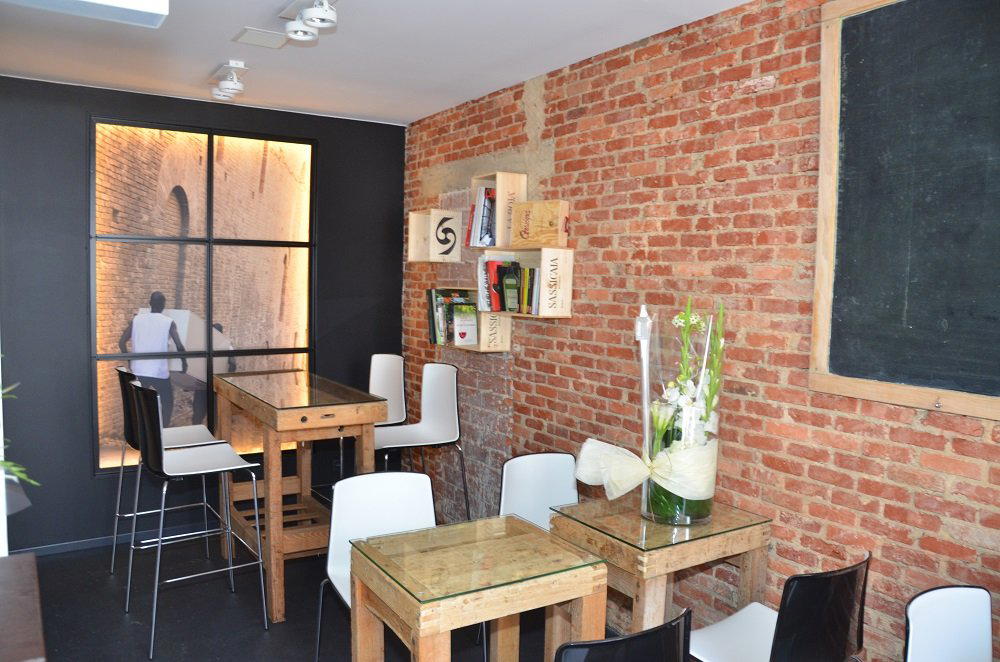
Cozy and welcoming with a casual, neighborhood atmosphere that makes guests feel at home.