Positioned on Place du Vingt Août in central Liège, Baci sits at the intersection of the city's Italian-inflected dining scene and its dense historic core. The square itself sets the tone: a hub of student life, civic architecture, and foot traffic that rewards restaurants willing to hold a consistent identity against seasonal crowds. Baci draws from that energy without being defined entirely by it.
Pearl is the En Primeur Club membership app — saves, bookings, and concierge access live there. Same editors, same standards.
- Address
- Pl. du Vingt Août 16, 4000 Liège, Belgium
- Phone
- +32475343675
- Website
- bacibaci.be
- Directions
- Get directions
 Saves & bookings on Pearl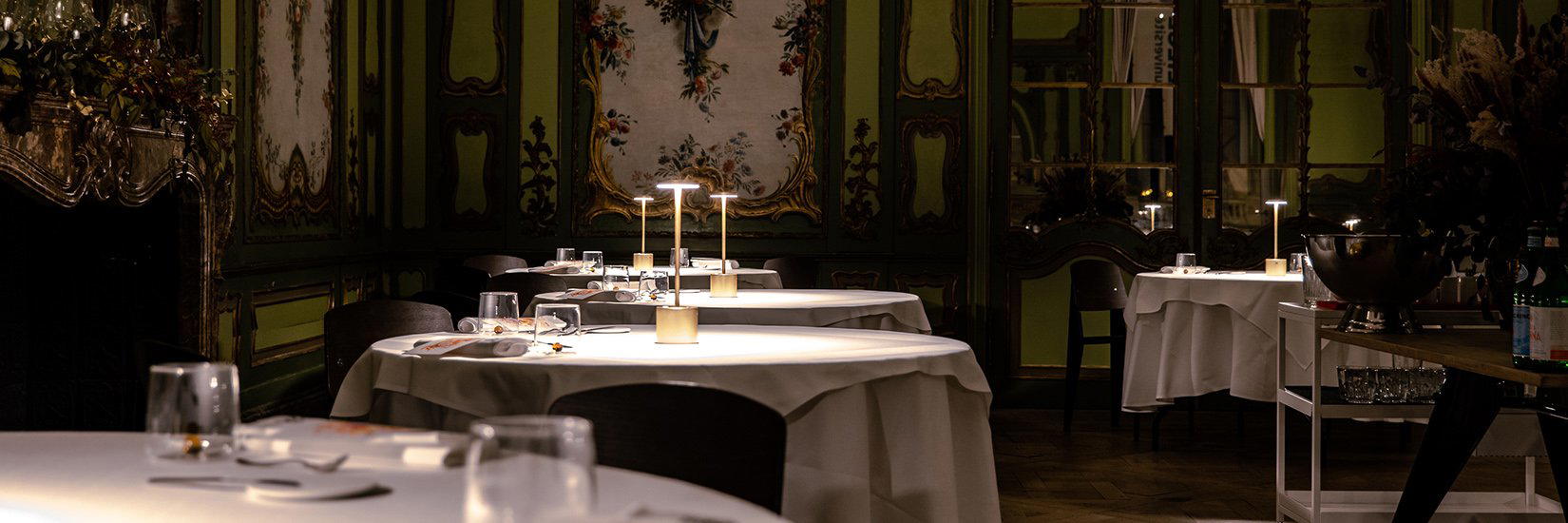
A Square That Does a Lot of Work
Place du Vingt Août is one of Liège's more legible addresses. Flanked by the university and a succession of cafés and restaurants that cycle through tenant turnover with some regularity, the square functions as a barometer for what the city's dining scene is actually doing at any given moment. Restaurants that last here tend to earn it through repeat local custom rather than tourist foot traffic alone, since the area draws a mix of students, academics, and the city's professional lunch crowd rather than visitors who arrived by Thalys from Paris. Baci occupies number 16 on that square, which places it physically and commercially inside one of the more competitive micro-neighbourhoods in Belgian dining outside the capital.
Liège itself sits in an interesting position within Belgium's broader restaurant culture. The city doesn't carry the Flemish concentration of Michelin-recognised addresses that you find in Ghent, Antwerp, or Roeselare, where places like Zilte in Antwerp, Vrijmoed in Gent, and Boury in Roeselare anchor a dense tier of ambitious cooking. Nor does it have the institutional weight of Brussels, where Bozar Restaurant connects dining to a broader cultural infrastructure. What Liège has instead is a street-level Italian presence that runs deeper than most Belgian cities its size, rooted in the post-war migration that shaped the city's workforce and, over time, its neighbourhood kitchens. Understanding Baci starts with understanding that context.
The Italian Thread Running Through Liège
Italian restaurants in Liège operate on a different register than their counterparts in, say, Brussels or Bruges. Here, the tradition is less about importing a fashionable version of Italian dining and more about a long-settled community that has been cooking for neighbours rather than for critics. That has produced a restaurant culture where the benchmark tends to be consistency and familiarity over novelty. Places like Altro Maccheroni, Antipasti di Sophie, and Asti each occupy their own position in that ecosystem, collectively covering a range from casual antipasti formats to more structured pasta-focused menus. Baci sits within this grouping, competing not with Belgium's fine-dining tier but with the neighbourhood Italian addresses that Liège residents return to on rotation.
It isn't positioning against Hof van Cleve in Kruishoutem or the precision-driven coastal cooking at Willem Hiele in Oudenburg. The competitive frame is local, relational, and built around a dining public that knows its Italian options and chooses between them with some regularity. In that context, address becomes an asset. Place du Vingt Août delivers walk-in accessibility that a side-street location rarely offers, which shapes both who comes and how they come.
What the Location Demands
Restaurants on busy civic squares in mid-sized Belgian cities face a consistent set of pressures. The foot traffic is real but uneven, peaking during the academic year and flattening over summer when the university empties. Lunch service on a square like this can be brisk, competitive with sandwich counters and café terraces, while dinner tends to draw a more deliberate crowd. Places that survive this dynamic, and that earn repeat business rather than relying on passing trade, generally do so by building a neighbourhood identity that locals feel some ownership over. The square's character, academic, civic, occasionally chaotic, bleeds into the experience of eating near it. Baci at number 16 is not insulated from that environment; it is part of it.
For comparison, consider how differently the Italian register lands at a place like d'Eugénie à Emilie in Baudour, where the surrounding context is far quieter and the dining room operates without the ambient energy of a city-centre square. Or how Cabale, also in Liège, works within a completely different neighbourhood logic. Location in a city like Liège is not incidental to the experience; it is formative. The mix of students, locals, and the occasional visitor passing through on the way to somewhere else creates a dining room that needs to function across different expectations simultaneously.
Where Baci Sits Against the Broader Belgian Scene
Belgium's most ambitious restaurants cluster in Flanders and Brussels, a geographic pattern that is well-documented in both the Michelin Guide and the 50 Best regional lists. Wallonia, and Liège specifically, fields fewer addresses at the top of that tier. What the city does offer is a denser, more workmanlike restaurant culture, where the Italian-Belgian overlap has been running long enough to produce its own idiom. Within that, Baci represents one data point in a pattern: Italian addresses on high-visibility squares in Walloon cities, serving a local clientele that has its own informed preferences about what pasta should taste like and what a neighbourhood restaurant is for.
This is not a failure of ambition. The Belgian dining public is sophisticated, and the same audience that follows Ralf Berendsen in Neerharen or tracks reservation windows at La Durée in Izegem also eats in neighbourhood Italian restaurants on a weekly basis. The two registers coexist. Baci operates in the everyday tier, which in a city with Liège's Italian heritage carries its own kind of credibility.
Planning a Visit
Baci is located at Place du Vingt Août 16 in central Liège, within walking distance of the main university buildings and a short walk from the city's older commercial streets. The square is accessible by multiple tram lines and easily reached on foot from the city centre. As with most restaurants on active civic squares in Belgian cities, visiting outside peak lunch hours or booking ahead for dinner is the practical approach, particularly during the academic year when the area around the university is at its busiest. For those building a longer Liège itinerary, the square sits near enough to the city's other dining addresses to make an evening of moving between venues direct. Our full Liège restaurants guide covers the broader dining picture, including a range of formats from casual to more structured, with Bro's Burger Kitchen representing the more casual end of the local eating spectrum alongside the city's Italian cluster.
How Baci Liège compares with similar nearby venues.
| Venue | Cuisine | Price |
|---|---|---|
| Sébastian | Farm to table | €€ |
Continue exploring
More in Liège
Restaurants in Liège
Browse all →
Bars in Liège
Browse all →
Hotels in Liège
Browse all →

At a Glance
- Elegant
- Romantic
- Sophisticated
- Intimate
- Date Night
- Special Occasion
- Celebration
- Business Dinner
- Historic Building
- Private Dining
- Open Kitchen
- Extensive Wine List
- Craft Cocktails
- Sommelier Led
- Local Sourcing
Current opening hours
- Monday
- Closed
- Tuesday
- Closed
- Wednesday
- 12–2 PM, 7–9 PM
- Thursday
- 12–2 PM, 7–9 PM
- Friday
- 12–2 PM, 7–9 PM
- Saturday
- 7–9 PM
- Sunday
- Closed
Hours can change for holidays and private events. Last verified .
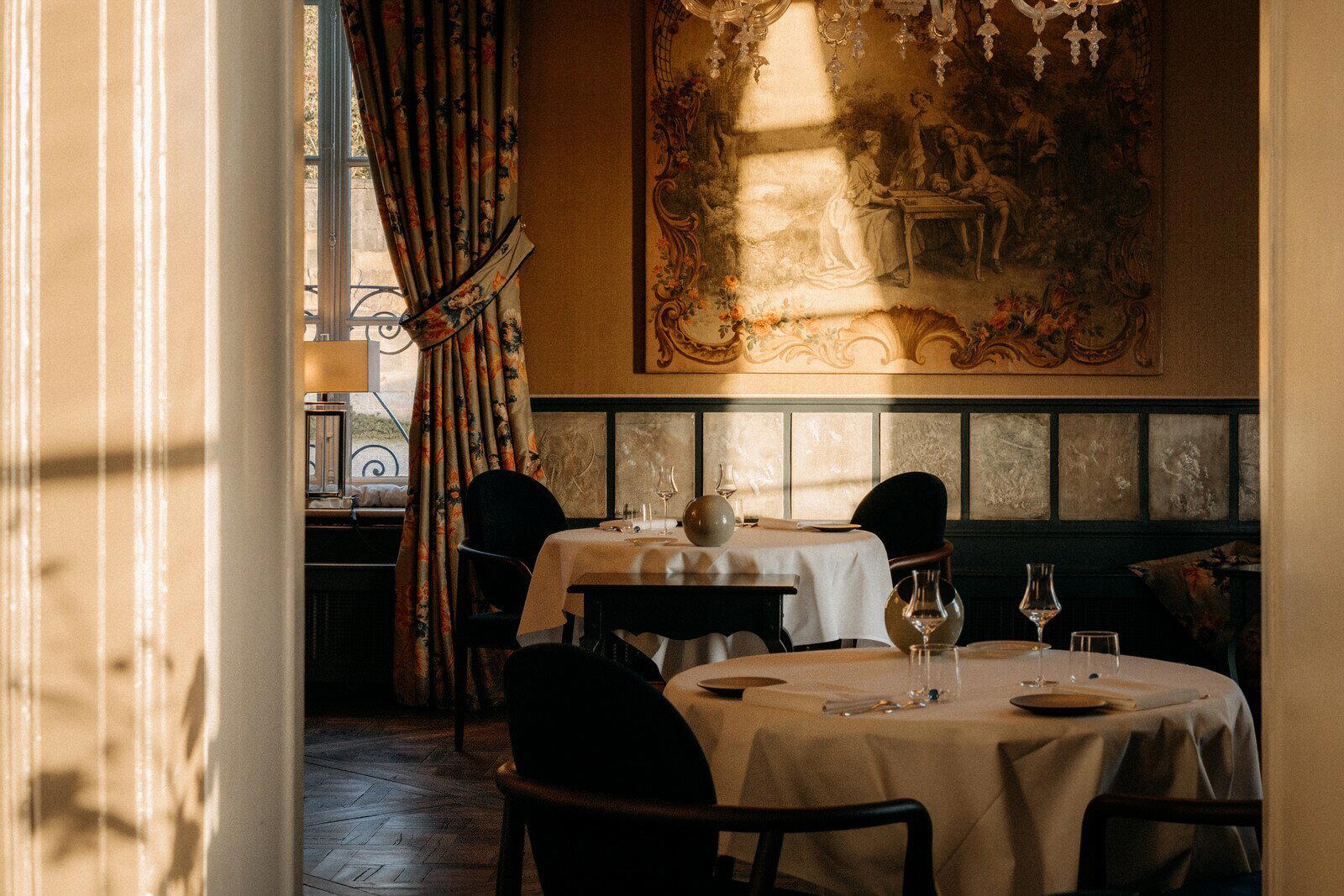
Sumptuous neo-classical dining room with golden crown moulding, Versailles-style hardwood floors, dim lighting, and historic fresco details creating an enchanting, refined atmosphere.
Know Before You Go
- Getting there
- Pl. du Vingt Août 16, 4000 Liège, Belgium