
Michelin Plate
Our verdict
Sumaq brings Peruvian cooking to Palma's working-class Ponent district, holding a Michelin Plate in both 2024 and 2025. Chef Irene Gutiérrez runs an extensive à la carte with a dedicated ceviche section alongside a tasting menu, and the signature cod dish has drawn consistent attention.

Pearl is the En Primeur Club membership app, where members save venues, book tables and use the concierge.
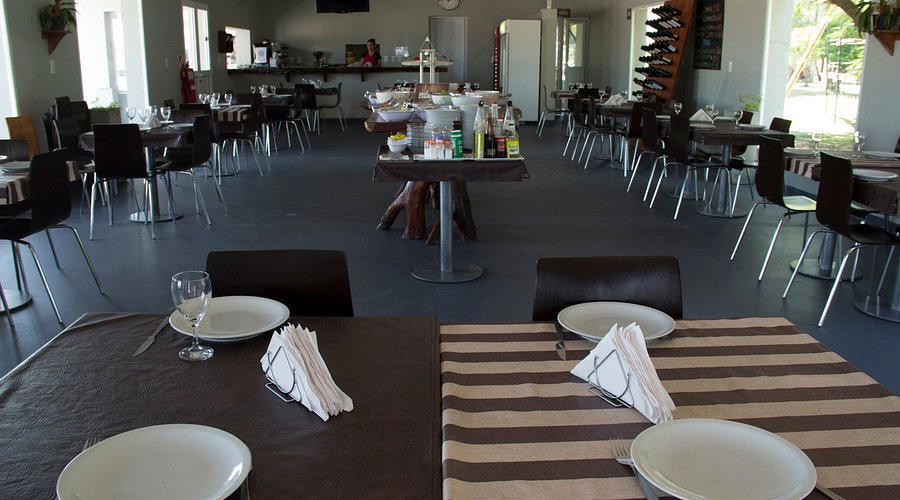
A South American Kitchen in a Spanish Working Neighbourhood
Carrer de Cotoner runs through Ponent, one of Palma's older residential quarters, where the streets are narrower and the foot traffic belongs to locals rather than tourists following a harbour-front promenade. This is not the part of Palma where visiting diners typically end up. The Palma restaurant scene at its most decorated clusters closer to the old city and the sea: Zaranda and Marc Fosh operate in the €€€€ tier with Michelin stars, and Adrián Quetglas occupies the tier just below. Sumaq sits at number 44 on that same street in Ponent, in a city whose fine-dining conversation is almost entirely absorbed by Mallorcan and modern European cooking. A Peruvian kitchen holding a Michelin Plate in that context is a specific kind of achievement.
The name signals intent clearly: in Quechua, the indigenous language of the Andean highlands and still one of the most widely spoken languages in South America, sumaq translates as delicious, sumptuous, or beautiful.
Where Sumaq Sits in Palma's Dining Register
Palma's Michelin-recognised restaurants occupy two distinct price brackets. The starred tier, including Zaranda and Marc Fosh, prices at €€€€. Sumaq operates at €€, which in the context of Palma's recognised dining puts it in a different competitive set entirely: closer to Aromata and Bàrbar in accessibility, but with a cuisine category that neither of those shares. That combination of Michelin recognition and mid-range pricing is relatively uncommon in any Spanish city. In a city as cuisine-conservative as Palma has historically been, it is more unusual still.
Peruvian cooking has grown substantially as a global restaurant category over the past fifteen years, partly through the influence of Lima's modernist kitchens, and partly because the cuisine's underlying techniques, particularly its treatment of acid, raw fish, and layered spice, translate well across cultures. The wave reached Spain's major cities before it reached Palma, and restaurants like Causa in Washington D.C. and ITAMAE in Miami reflect how far the format has spread internationally. In Spain, the most ambitious cooking at the top of the national register, places like DiverXO in Madrid, Arzak in San Sebastián, El Celler de Can Roca in Girona, Aponiente in El Puerto de Santa María, Quique Dacosta in Dénia, and Azurmendi in Larrabetzu, has drawn increasingly from international culinary traditions. A Peruvian kitchen holding Michelin recognition in Palma fits into that broader pattern of Spain's dining scene absorbing and legitimising non-European cooking through technical rigour rather than novelty.
The Menu Structure and What It Tells You
Chef Irene Gutiérrez runs the kitchen with a menu architecture that does two things simultaneously: it offers breadth through an extensive à la carte, and it offers depth through a tasting menu that moves through the cuisine at a different pace. The à la carte includes a section devoted specifically to ceviches, which is an editorial choice as much as a culinary one. In Peruvian cooking, ceviche is not a single dish but a method, a philosophy of acidity and freshness that extends into tiradito, leche de tigre preparations, and their variations. Dedicating a section of the menu to that category signals a kitchen that takes the cuisine's internal logic seriously rather than deploying its most recognisable dishes as shorthand for authenticity.
The tasting menu exists at the other end of the decision spectrum: a structured progression through the kitchen's range rather than the diner selecting individual plates. In mid-market Palma restaurants, tasting menus are less common than in the starred tier, and their presence here suggests the kitchen has a point of view it wants to express in sequence.
The cod is identified as Sumaq's signature dish and consistently mentioned in Michelin's assessment. Cod appears in both Spanish and Peruvian culinary traditions, which makes it a logical bridge between the kitchen's location and its culinary reference points. How it is prepared at Sumaq is not specified in the public record, but its consistent prominence across two years of Michelin recognition suggests it anchors the kitchen's identity in a way that goes beyond menu positioning.
Getting There and Planning Your Visit
Sumaq is at Carrer de Cotoner, 44 in the Ponent district of Palma. The address places it away from the main tourist circuits, which means arriving with intent rather than stumbling across it. Ponent is reachable on foot from the old city in around fifteen to twenty minutes, or by taxi in a short ride from most central hotels. For accommodation options near the area, the Palma hotels guide covers the range from harbour-adjacent to residential neighbourhoods. If you are building a full itinerary around the city's eating and drinking, the Palma bars guide, Palma wineries guide, and Palma experiences guide extend the picture beyond restaurants.
Sumaq prices at €€, which in Palma's restaurant context means it sits below the starred tier but above casual neighbourhood dining.
What to Order at Sumaq
The Michelin Guide's assessment of Sumaq, which has awarded it a Plate in both 2024 and 2025, singles out the cod as the dish most worth trying. That consistent reference across two separate inspection cycles is a meaningful signal: it is not a seasonal highlight but a kitchen anchor. The ceviche section of the à la carte draws repeated attention in the restaurant's broader reception, which reflects both the quality of execution and the seriousness with which the kitchen treats Peru's most distinctive culinary form. For those choosing between formats, the tasting menu offers the kitchen's full sequence; the à la carte allows a more selective engagement, particularly if the ceviches are a primary interest. Chef Irene Gutiérrez's approach, described in the Michelin record as focused on flavour and the true soul of Peruvian cooking, suggests a kitchen that prioritises the integrity of the source cuisine over adaptation for a Spanish palate.
Frequently asked questions
How do I find Sumaq?
Sumaq is located at Carrer de Cotoner, 44, Ponent, 07013 Palma, Illes Balears, Spain, Palma.
What's the price range at Sumaq?
Pricing at Sumaq is listed as €€.
Is Sumaq award-winning?
Sumaq has received recognition including: A restaurant with a strong focus on flavour and the true soul of Peruvian cooking under the baton of chef Irene Gutiérrez. In the indigenous Quechua language of Peru, “sumaq” translates as “delicious, sumptuous or beautiful”, an apt descrip….
What do people recommend at Sumaq?
The Michelin Guide singles out the cod as Sumaq's signature dish, making it the clear starting point. Beyond that, the à la carte includes a dedicated ceviche section, a strong indicator of where the kitchen's Peruvian identity is most concentrated. The tasting menu is available for those who want the kitchen to sequence the meal across both registers.
Pricing, Compared
| Venue | Cuisine | Price | Awards | Notes |
|---|---|---|---|---|
| SumaqThis venue (the venue you are viewing) | Modern Peruvian Fusion | $30–50 | Michelin Plate | Not listed |
| Zaranda | Balearic Spanish Fine Dining | Not listed | 1 Michelin Star · Star Wine List | Mallorcan, Creative |
| DINS Santi Taura | Modern Mallorcan Fine Dining | $100–150 | 1 Michelin Star · Star Wine List | Mallorcan, Modern Cuisine |
| La Bodeguilla | Spanish Tapas & Mallorcan | $50–100 | Michelin Plate · Star Wine List | Wine Bar, Traditional Cuisine |
| Marc Fosh | Contemporary Mediterranean | Not listed | 1 Michelin Star · Star Wine List | Modern Cuisine |
| Adrián Quetglas | Modern Mediterranean with Argentinian and International Influences | $50–100 | Michelin Plate · Star Wine List | Modern Cuisine |
Recognition history
Dated appearances from independent guides and award organizations, with the underlying list record or original source where available.
Michelin Plate
Michelin
Full recognition history (3 entries)
Michelin Plate
Michelin
Michelin Plate
Michelin
Continue exploring
More in Palma
Restaurants in Palma
All restaurants in Palma →
Bars in Palma
All bars in Palma →

Details
- Elegant
- Modern
- Intimate
- Romantic
- Date Night
- Special Occasion
- Open Kitchen
- Extensive Wine List
- Tasting Menu
- A La Carte
- Small Plates
- Vegetarian Friendly
- Gluten Free Options
Current opening hours
- Monday
- 1:30–5 PM, 7–11 PM
- Tuesday
- 7–11 PM
- Wednesday
- 7–11 PM
- Thursday
- 1:30–5 PM, 7–11 PM
- Friday
- 1:30–5 PM, 7 PM–12 AM
- Saturday
- 1:30–5 PM, 7 PM–12 AM
- Sunday
- 1:30–5 PM, 7–11 PM
Hours can change for holidays and private events. Hours as of .
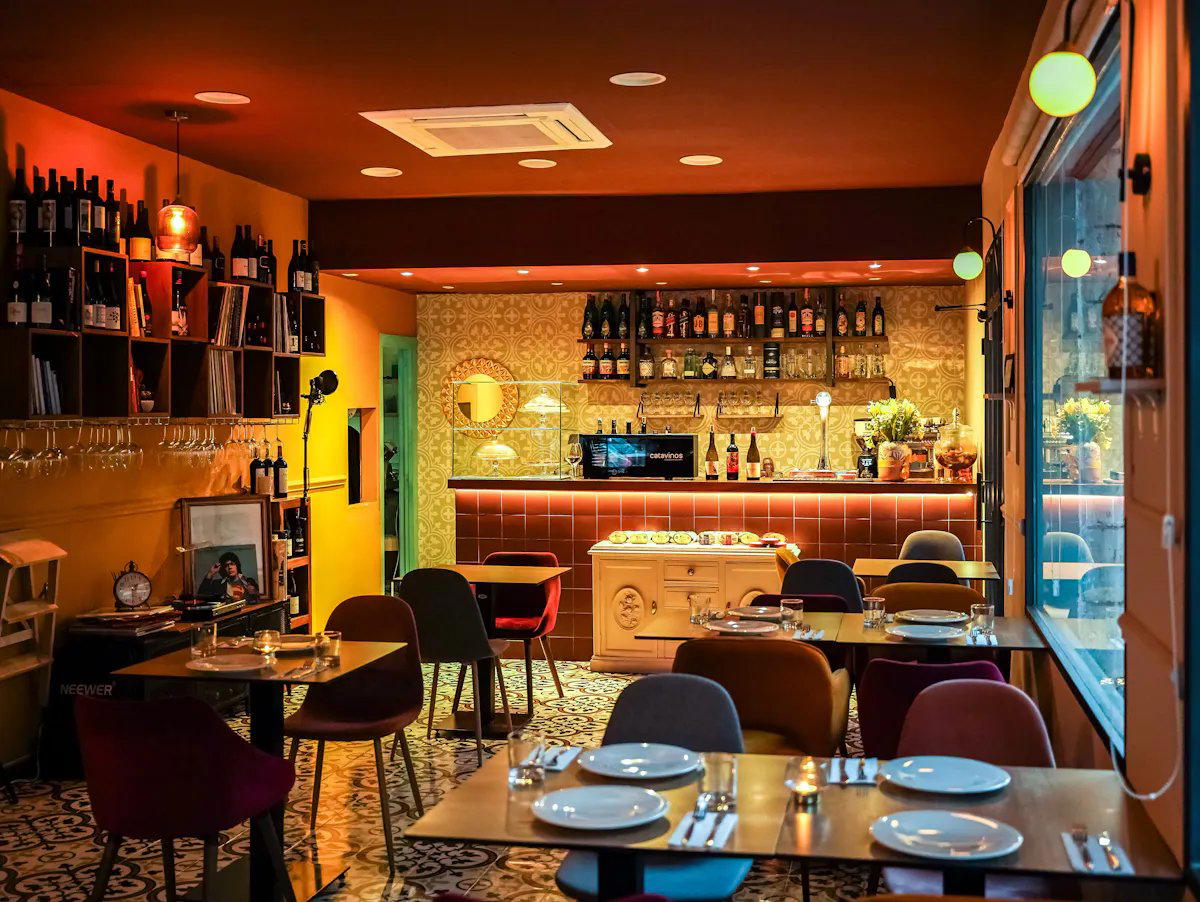
Warm, inviting atmosphere with modern and authentic Peruvian touches, colorful interior design, nice sound absorption, and relaxing setting.